

Exploring Dynamic Structures in Architecture and Design: Beegraphy Computational Design Challenge Series
Discover dynamic structures in architecture and design. Explore innovative, adaptable designs and join the Beegraphy Challenge to push the boundaries of movement and transformation.

As the boundaries of design continue to expand, the concept of dynamic structures has emerged as a transformative force in architecture and product design. These structures, characterized by their ability to move, adapt, and transform, challenge traditional notions of static design, offering innovative solutions that are as functional as they are visually stunning. In this article, we will explore dynamic structures, showcasing inspiring examples that can be demonstrated using Computational Design in the Beegraphy Design Awards.
What Are Dynamic Structures?
Dynamic structures are a cutting-edge innovation in the field of architecture and design, characterized by their ability to move, adapt, and transform in response to changing conditions. Unlike static structures, which remain fixed and unchanging once built, dynamic structures can alter their shape, function, or configuration based on the needs of the moment. This adaptability allows them to interact with their environment in ways that traditional designs cannot.
Dynamic structures are made possible by advancements in computational design, materials science, and engineering. Through the integration of motors, actuators, and smart materials, these structures can adjust to various stimuli, such as light, temperature, or user interaction. The result is a new paradigm in design, where movement and flexibility are at the core of creating functional, sustainable, and aesthetically striking solutions. Dynamic structures represent the future of the built environment, where adaptability is key to addressing the complex challenges of modern living.
Real-World Examples of Dynamic Structures
To better understand the potential of dynamic structures, let's explore some groundbreaking projects that exemplify this concept:
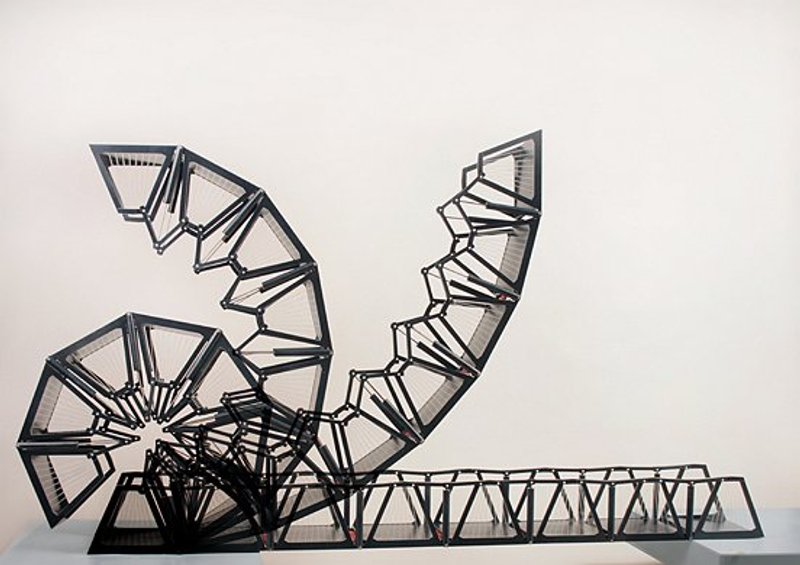
1. The Rolling Bridge by Heatherwick Studio: Located in London, the Rolling Bridge is an iconic example of a dynamic structure in action. Designed by Heatherwick Studio, this pedestrian bridge curls up to form an octagon when not in use, allowing boats to pass through. The bridge's unique design showcases the power of movement in architecture, transforming a simple bridge into a kinetic sculpture that interacts with its surroundings.
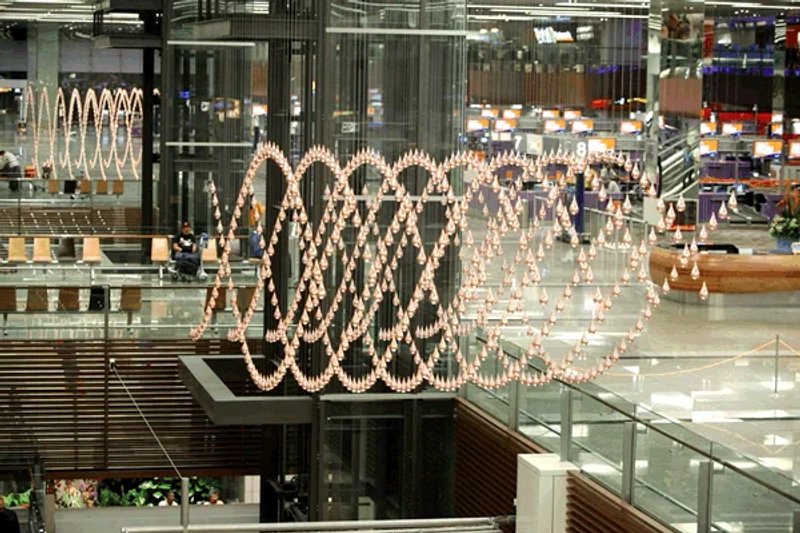
2. Kinetic Rain Sculpture at Changi Airport: Singapore's Changi Airport is home to the mesmerizing Kinetic Rain sculpture, one of the world's largest kinetic art installations. Consisting of 1,216 bronze droplets that move gracefully to form various shapes and patterns, the sculpture is a testament to how movement can be used to create a dynamic and engaging visual experience. It transforms the airport space into a place of wonder, demonstrating the potential of kinetic design in public art.
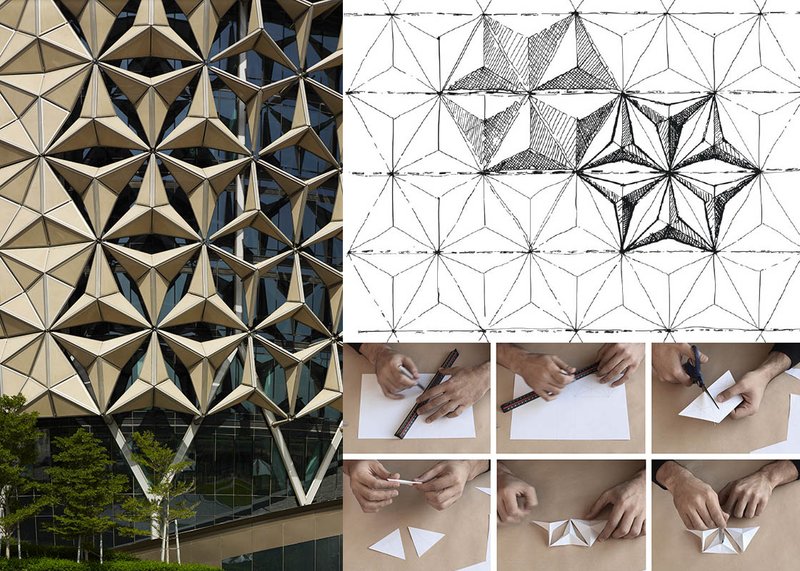
3. Adaptive Façades in Modern Architecture: Adaptive façades are becoming increasingly popular in modern architecture, allowing buildings to respond to environmental conditions such as light, heat, and wind. One notable example is the Al Bahar Towers in Abu Dhabi, which feature a dynamic façade composed of a series of geometric panels that open and close in response to the sun's movement. This not only enhances the building's energy efficiency but also creates a constantly changing exterior that is both functional and aesthetically pleasing.
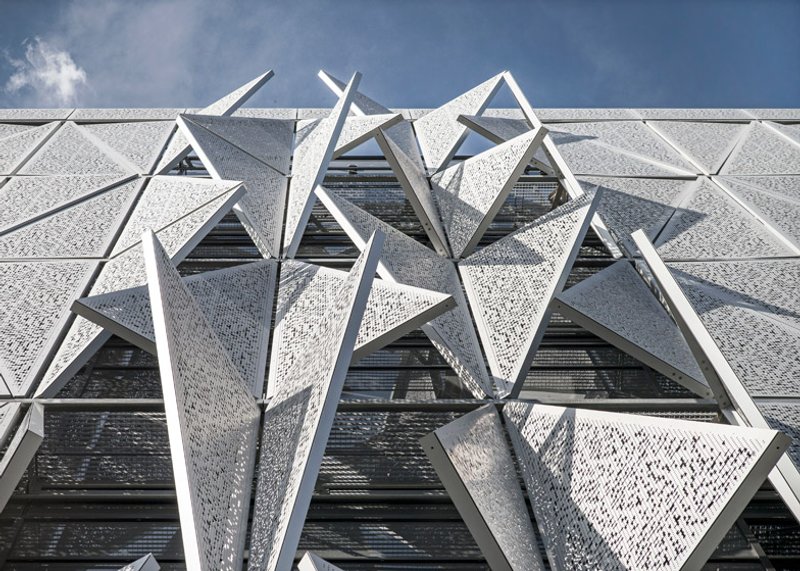
4. Kolding University Building Facade, Denmark: The Kolding University building, designed by Henning Larsen Architects, exemplifies dynamic architecture through its innovative façade. The building’s exterior features a series of moving panels that adjust to optimize natural light and reduce solar heat gain. This adaptive façade, inspired by principles of dynamic movement, utilizes a combination of motorized and manually adjustable elements to respond to varying environmental conditions. By dynamically altering the angle and position of its panels, the facade not only enhances the building’s energy efficiency but also creates a visually striking and ever-changing exterior. The Kolding University building is a prime example of how dynamic structures can integrate movement and adaptability into architectural design, offering both functional and aesthetic benefits.
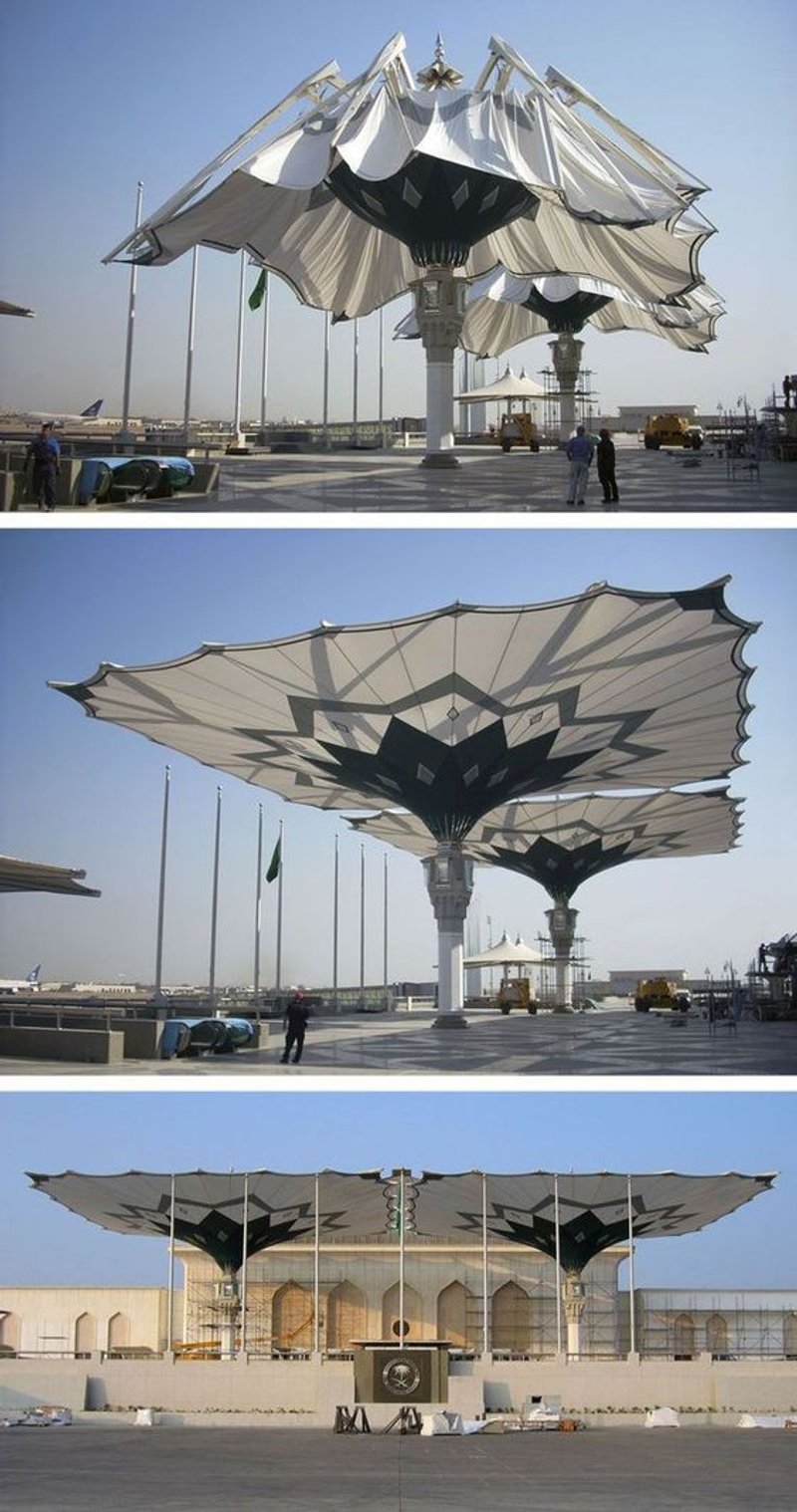
5. Umbrellas at Masjid Al Nabawi, Saudi Arabia: The giant umbrellas at Masjid Al Nabawi in Medina, Saudi Arabia, are a remarkable example of dynamic architecture, drawing inspiration from the principles of origami. Designed to provide shade to worshippers in the mosque’s courtyards, these massive structures, which span over 25 meters in diameter when fully opened, are engineered to open and close like the petals of a flower. Much like origami, where paper is folded to create intricate forms, these umbrellas use precise folding techniques to transform their shape. During the day, they open to shield the courtyards from the intense sun, and at night, they close, allowing the area to cool naturally and revealing the beauty of the night sky. The elegant choreography of these umbrellas, synchronized in their movement, is not only a marvel of engineering but also a testament to how dynamic structures can enhance both the functionality and spirituality of a space.
Beegraphy Computational Design Challenge Series: Dynamic Structure Category
The Beegraphy Computational Design Challenge Series is at the forefront of exploring dynamic structures, inviting participants to push the boundaries of what is possible in design. The 8th category of this challenge, titled "Dynamic Structures," calls on architects, engineers, designers, and creators to explore the concept of dynamic movement in their designs. This challenge is not just about creating structures that move; it's about rethinking the very nature of design to embrace adaptability, flexibility, and transformation.
Participants are encouraged to parametrize the dynamic movement in their structures, ensuring that their designs can adapt and transform based on need. Whether it's a bridge that rolls open, a canopy that expands to provide shade, or furniture that changes shape, the possibilities are endless. The key criteria for this challenge include innovation in movement, functionality, scalability, sustainability, and feasibility, ensuring that the designs are not only creative but also practical and environmentally conscious.
Deadlines:
- Last Date of Submission (Stage 1): 11th November 2024
- Shortlisted Entries Announcement (Stage 1): 18th November 2024
Jurors:
- Dr. Anastasia Globa – Academic and designer with expertise in computational design, interactive systems and simulations in architecture.
-
Ding Wen 'Nic' Bao – Lecturer, School of Architecture and Urban Design, RMIT University, Australia

The exploration of dynamic structures is a journey into the future of design, where movement, adaptability, and transformation redefine what is possible. Through the Beegraphy Computational Design Challenge Series, we invite you to be a part of this journey, pushing the boundaries of what can be achieved in architecture and design. Whether you're inspired by the rolling bridge, kinetic sculptures, or transformative furniture, the challenge is clear: create designs that move, adapt, and inspire. The future of dynamic structures is here, and it’s moving fast—are you ready to keep up?




Popular Articles
Popular articles from the community

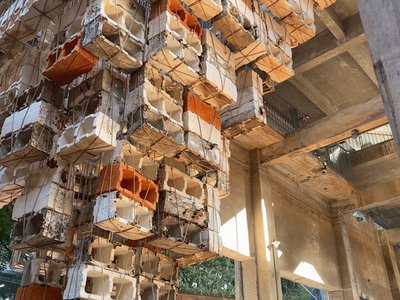
Inverted Architecture Installation by Studio Link-Arc: Exploring the Intersection of Architecture and Living Organisms
Inverted Architecture Installation by Studio Link-Arc blends mycelium, sustainability, inverted design, ecological cycles, and urban adaptive architecture in Shenzhen.


The Ken Roberts Memorial Delineation Competition (Krob)
As the most senior architectural drawing competition currently in operation anywhere in the world, it draws hundreds of entries each year, awarding the very best submissions in a series of medium-based categories.
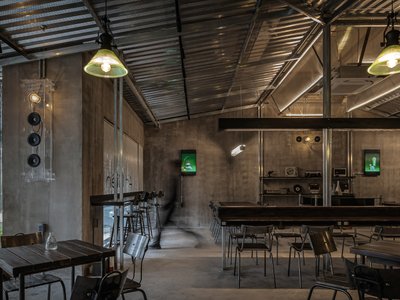
An Miên Lumière Cafe by xưởng xép, Ho Chi Minh City, Vietnam
An industrial-inspired café where layered steel and warm light create a dynamic, immersive environment shaped by reflection, depth, and perception.

Solar Steam: A Climate-Responsive Architecture That Redefines the Monument
A climate-responsive memorial architecture that transforms heat, decay, and time into a living system reflecting humanity’s ecological impact.


Similar Reads
You might also enjoy these articles
The Ken Roberts Memorial Delineation Competition (Krob)
As the most senior architectural drawing competition currently in operation anywhere in the world, it draws hundreds of entries each year, awarding the very best submissions in a series of medium-based categories.
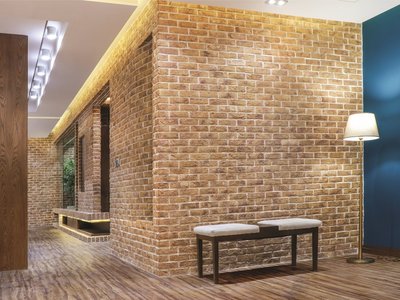
A Contemporary Take on Iranian Residential Architecture
A modern interior design in Mashhad that reinterprets brick, light, and spatial flow to create a warm, contemporary residential architecture.
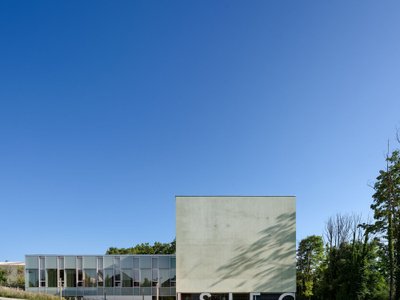
Franche-Comté Advanced School of Engineering by Dominique Coulon & associés, Besançon
A flexible engineering school immersed in woodland, combining concrete minimalism, adaptable spaces, and natural light to support evolving educational environments.


Documentation Work on Buddhist Wooden Temple
Architectural syncretism and cultural hybridity: A comparative study of the Buddhist temples in Chattogram Hill tracks


Explore Architecture Competitions
Discover active competitions in this discipline




The International Standard for Design Portfolios


The Global Benchmark for Architecture Dissertation Awards


The Global Benchmark for Graduation Excellence


Challenge to reimagine the Iron Throne
Comments (0)
Please login or sign up to add comments
No comments yet. Be the first to comment!