
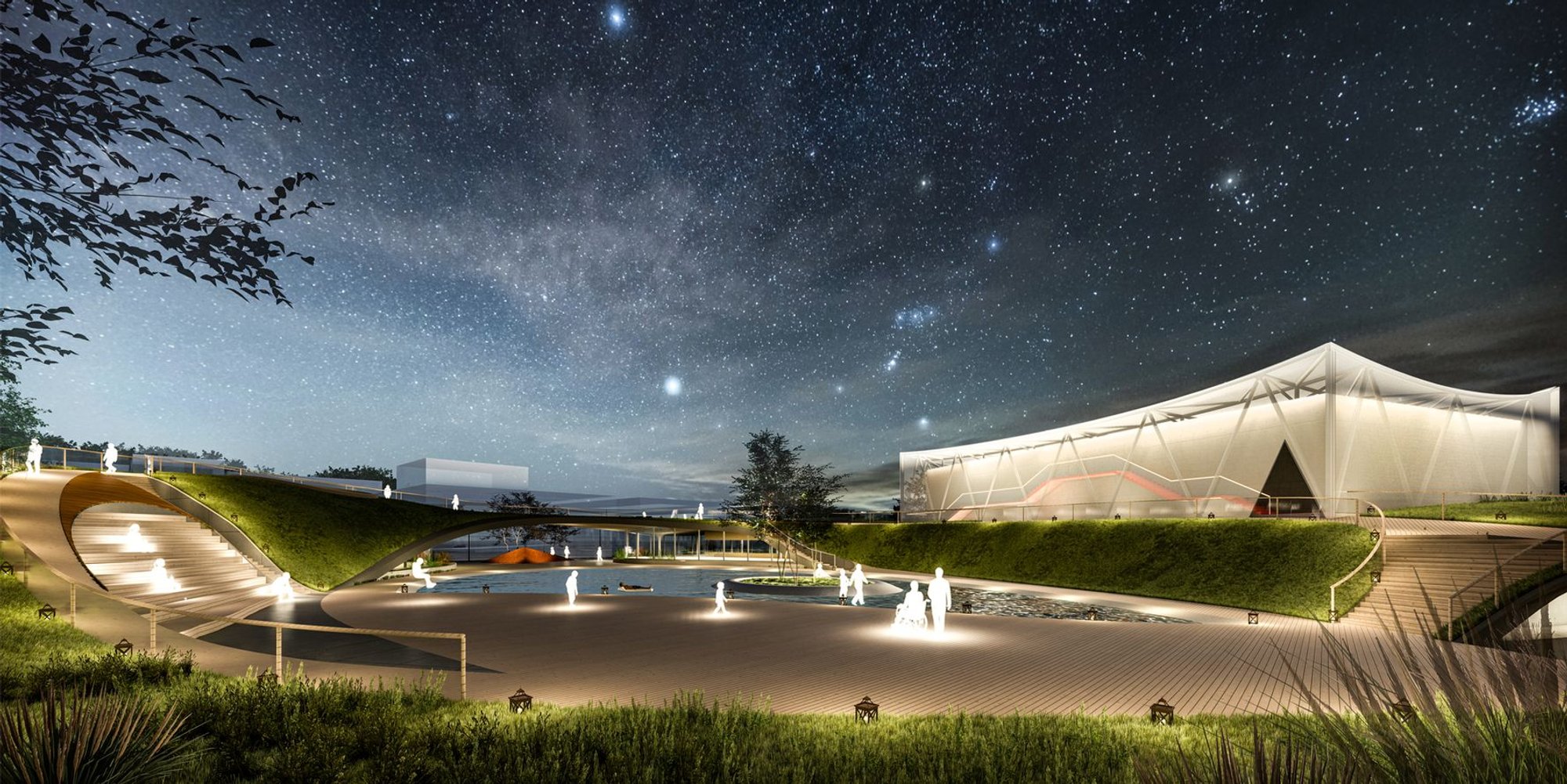
Exploring Sustainable Architecture Design: The Food Resilience Center
Discover how the Food Resilience Center merges eco-friendly design with functional architecture in Bogotá, promoting community and sustainability.

In an era where sustainability has become a necessity rather than a choice, architectural projects are increasingly focusing on integrating eco-friendly designs with functional utility. The Food Resilience Center, designed by Jiyuan Liu and Feipeng Jiao, stands as a paragon of sustainable architecture design, melding environmental consciousness with cutting-edge architectural practices. This article delves into how the Food Resilience Center not only addresses local food distribution challenges but also sets a benchmark in sustainable building.
The Concept of the Food Resilience Center
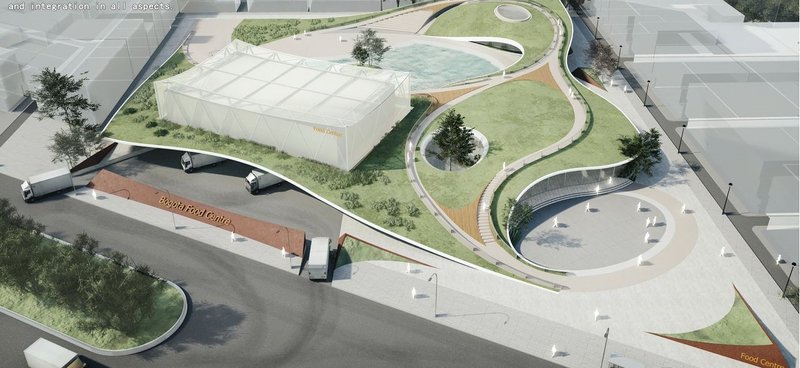
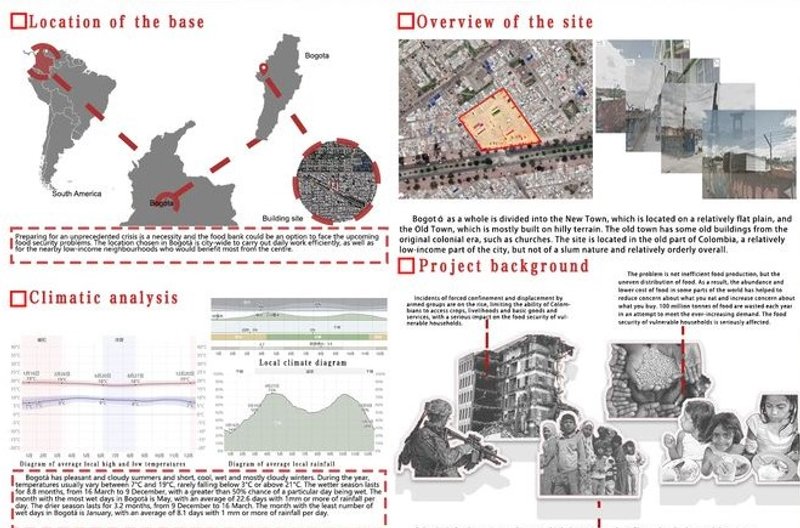
Situated in the historically rich yet economically varied landscape of Bogotá, Colombia, the Food Resilience Center is designed with the dual intent of enhancing the city's food security and integrating seamlessly with its urban fabric. The project takes root in the old part of the city, known for its colonial-era buildings and hilly terrains, which poses unique challenges and opportunities for innovative architecture.
Architectural Integration and Design
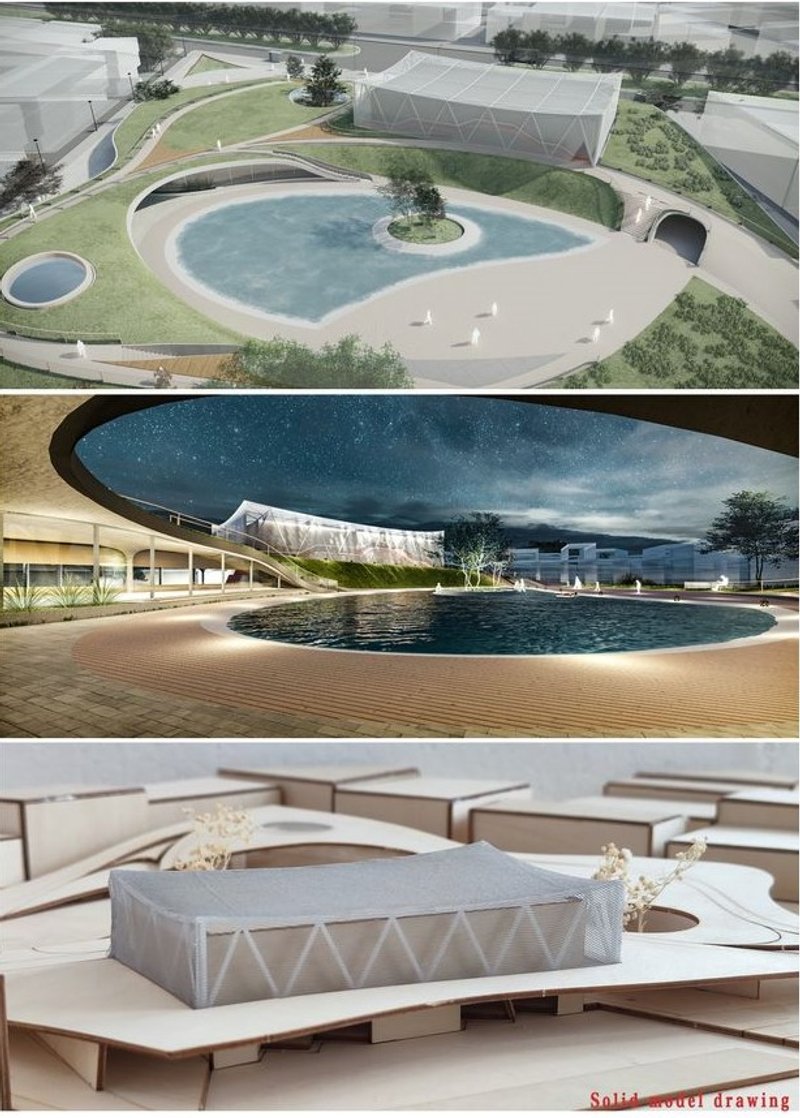
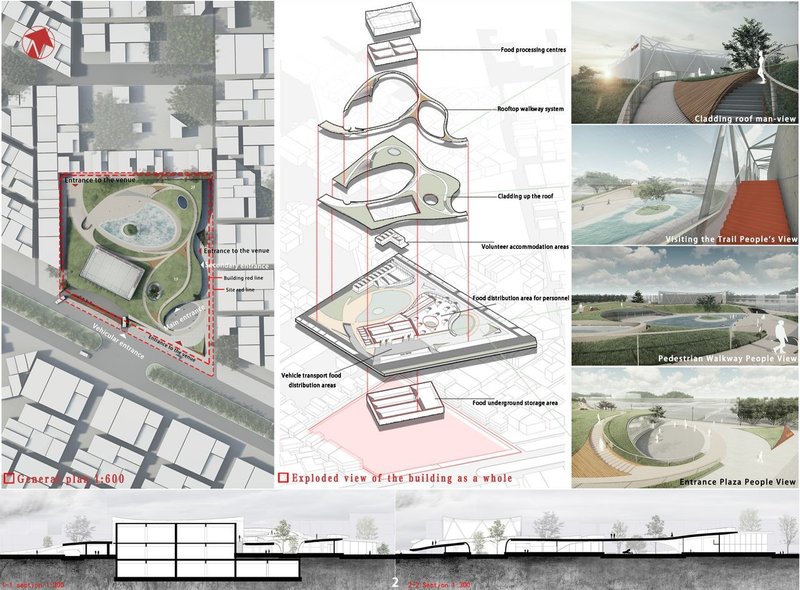
The design of the Food Resilience Center is a thoughtful response to its surroundings. It respects the existing urban and social context by integrating with the natural needs of the people and the environment. The complex's layout and structure are crafted to harmonize with Bogotá's eclectic landscape, employing modern architectural forms that blend with traditional elements.
Sustainability at the Core
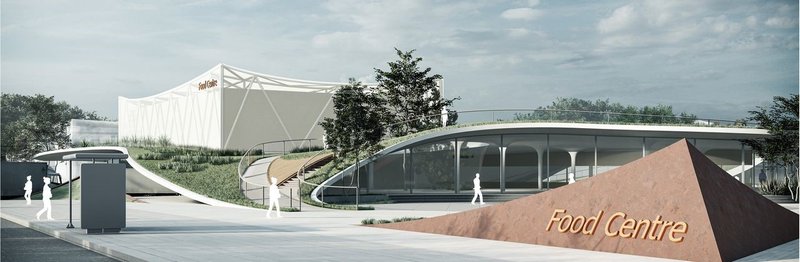
Central to the project's design philosophy is sustainability. The architectural team employed advanced sustainable design techniques, including the use of eco-friendly materials and green roofing, which not only reduce the building's carbon footprint but also enhance its energy efficiency. The design incorporates expansive green spaces and water bodies, creating a microclimate that fosters biodiversity and offers the city dwellers a respite from urban congestion.
Functional Areas and Innovative Solutions
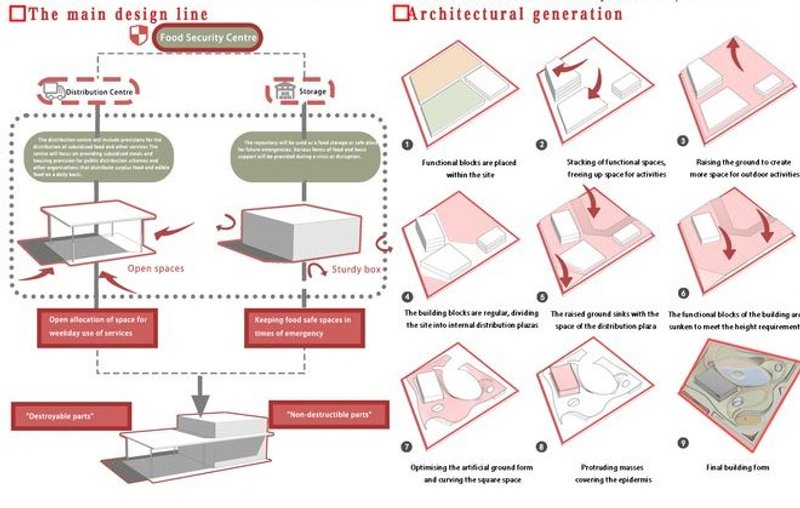
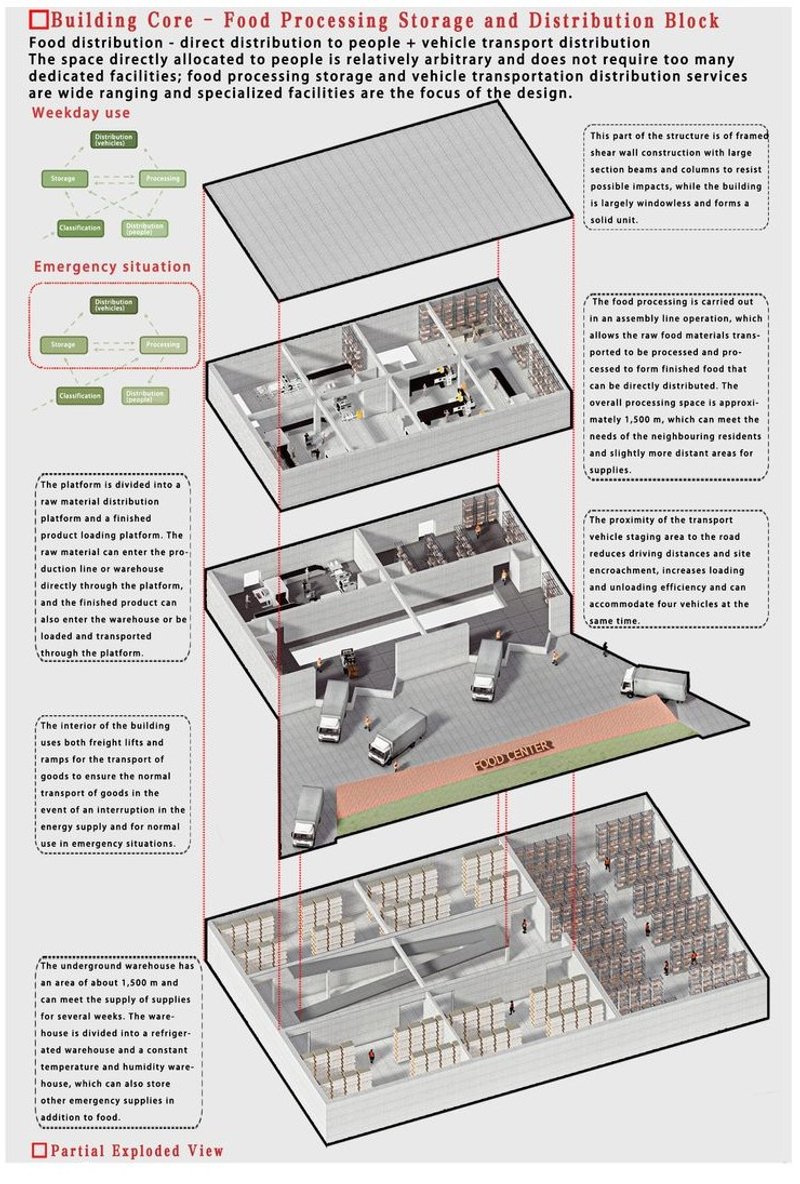
The Food Resilience Center includes several key areas: food processing, storage, and distribution facilities, each designed to support efficient operations during both normal and emergency situations. The building core is specifically tailored for rapid food distribution, enabling a smooth transition from storage to delivery without compromising the quality or efficiency.
Community Impact and Social Relevance
Beyond its architectural merits, the Food Resilience Center serves as a vital community hub. It is strategically positioned to bolster food security in one of Bogotá's lower-income areas, providing not just food but also a space for community engagement and development. The center's design considers the vulnerability of the local population, offering a resilient infrastructure that can withstand various urban challenges.
The Food Resilience Center by Jiyuan Liu and Feipeng Jiao is more than just an architectural project; it is a beacon of sustainability and resilience. Through its innovative design and community-focused approach, the center promises to influence future architectural endeavors worldwide, promoting a more sustainable and equitable approach to urban development. In the realm of sustainable architecture design, this project stands as a testament to what can be achieved when innovative design converges with environmental stewardship and social responsibility.




Popular Articles
Popular articles from the community

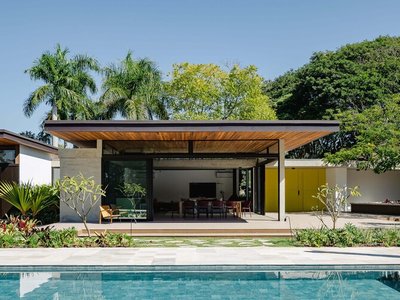
Flamboyant House by Juliana Camargo + Prumo Projetos
Modern Brazilian house integrating existing tree, pool, and volumes with glass, wood, and transitional spaces blending interior, exterior, and landscape seamlessly.
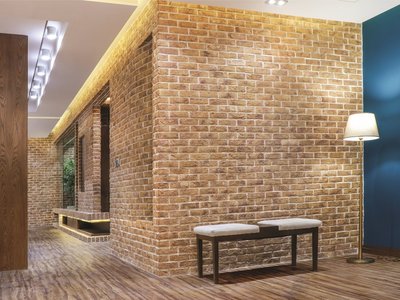
A Contemporary Take on Iranian Residential Architecture
A modern interior design in Mashhad that reinterprets brick, light, and spatial flow to create a warm, contemporary residential architecture.

Solar Steam: A Climate-Responsive Architecture That Redefines the Monument
A climate-responsive memorial architecture that transforms heat, decay, and time into a living system reflecting humanity’s ecological impact.
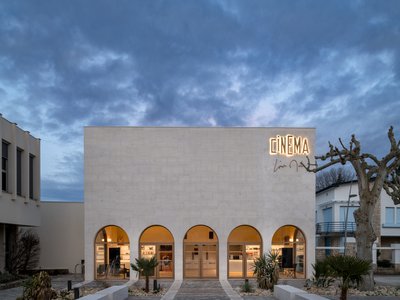
Louis Malle Cinema: A Limestone Cultural Landmark Revitalizing Community Life in Prayssac
Limestone cinema extension with public forecourt, blending heritage and modern design to create flexible cultural spaces and strengthen community interaction.

Similar Reads
You might also enjoy these articles


The Ken Roberts Memorial Delineation Competition (Krob)
As the most senior architectural drawing competition currently in operation anywhere in the world, it draws hundreds of entries each year, awarding the very best submissions in a series of medium-based categories.
A Contemporary Take on Iranian Residential Architecture
A modern interior design in Mashhad that reinterprets brick, light, and spatial flow to create a warm, contemporary residential architecture.
Franche-Comté Advanced School of Engineering by Dominique Coulon & associés, Besançon
A flexible engineering school immersed in woodland, combining concrete minimalism, adaptable spaces, and natural light to support evolving educational environments.


Documentation Work on Buddhist Wooden Temple
Architectural syncretism and cultural hybridity: A comparative study of the Buddhist temples in Chattogram Hill tracks


Explore Architecture Competitions
Discover active competitions in this discipline




The International Standard for Design Portfolios


The Global Benchmark for Architecture Dissertation Awards


The Global Benchmark for Graduation Excellence


Challenge to reimagine the Iron Throne
Comments (0)
Please login or sign up to add comments
No comments yet. Be the first to comment!