
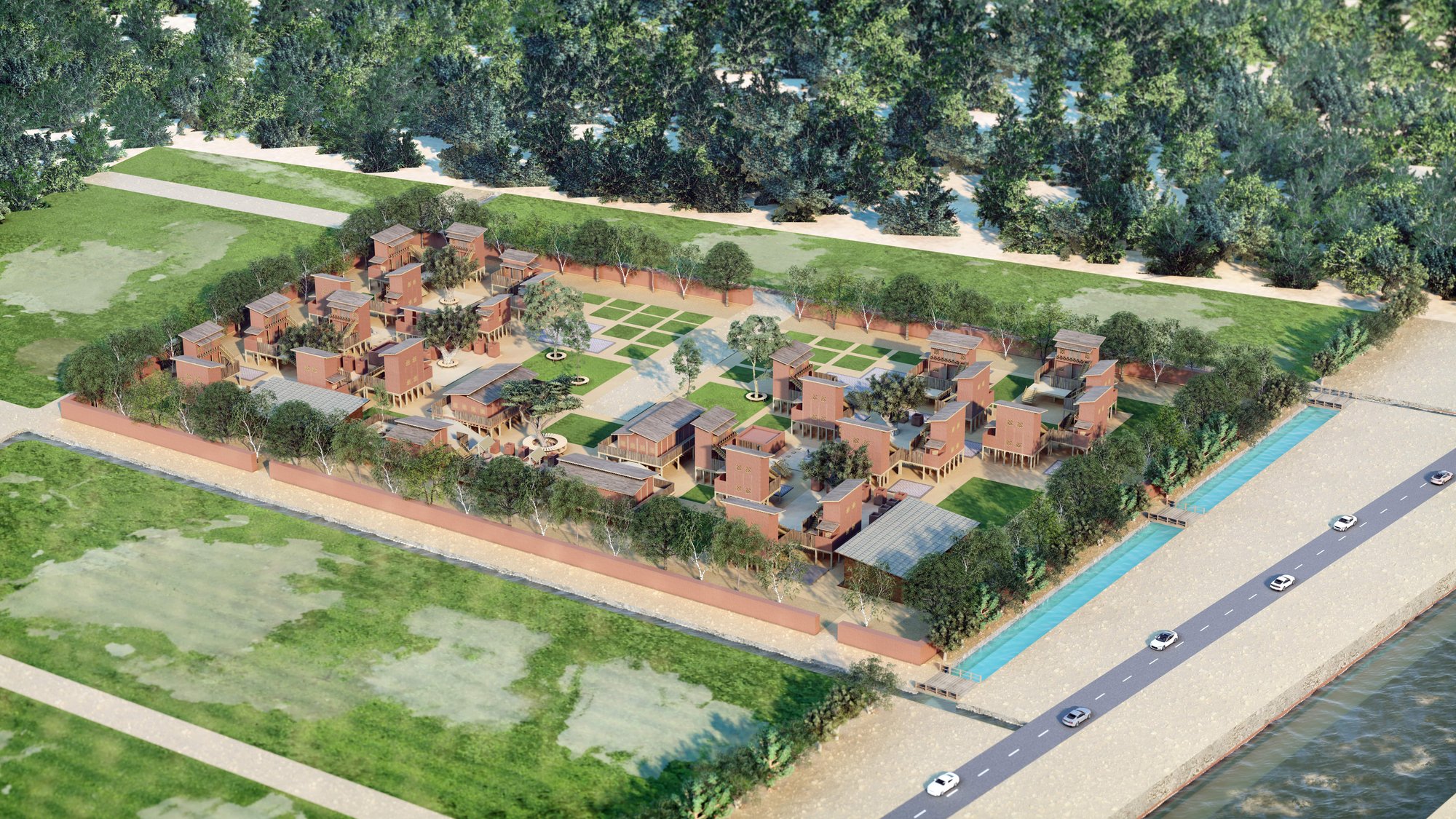
FLOOD RESILIENT HOUSING
This journal seeks to lessen the disastrous effects of floods on communities, built environment & the necessity of designing and building homes that can resist and recover from flood occurrence.

Abstract
This study investigates constructions and materials that are flood-resistant specifically for Thatta, Sindh, with an emphasis on utilising the region's environment and material resources. The major goal is to create housing options that lessen the physical, psychological, and socioeconomic effects of flooding so that the local populace can continue living in their homes. Important tactics involve encouraging community involvement and readiness while utilising locally sourced materials, elevating structures, and adding natural plants.
Introduction
In Sindh, floods can have disastrous effects, particularly in areas like Thatta. Housing that is adequately flood-resistant can greatly lessen these effects. In order to improve flood resistance and safeguard the security, stability, and comfort of nearby dwellings, this research attempts to determine and put into practice the best building materials and techniques.
Materials and methods
One of the most important tactics for preventing flood surges is to raise buildings above ground. Deep tunnels to reduce water pressure and lush plantations of trees surround the raised buildings supported by bamboo poles set into the concrete. To improve these strategies, native plants are positioned carefully.
Design Criteria and Standards
- Water Resilience: Elevating structures above flood levels is crucial to prevent damage and ensure durability.
- Stability and Integrity: Roofs are designed for effective water runoff, using slanted, gabled, or pitched configurations, with gutters to manage rainwater.
- Construction, Maintenance, and Alteration: Construction methods and tools are accessible to the local population, with training provided for maintenance and upgrades, promoting incremental housing solutions.
- Comfort of Space: Structures are oriented east-west to optimize ventilation. Each shelter includes at least two windows (3x3 feet) and features rectangular floor layouts with indoor green spaces.
- Health, Safety, and Protection: Insect nets on windows, doors, and clerestory gaps improve air quality and reduce fire risks. Operable windows enhance ventilation.
- Natural and Local Material Supply: Locally available, low-carbon materials such as lime, adobe, mud, and straw are utilized, aligning with sustainability and cultural appropriateness.
Design Considerations
- Self-Sustained Community: Reliable backup systems for electricity and water are essential, ensuring security during disasters.
- Building Forms and Floor Plans: Floor plans facilitate airflow and clustered designs offer wind protection, reducing structural stress.
- Water Management: Effective stormwater drainage systems are designed based on worst-case scenarios to protect structures from flood damage.
- Waste Management: Proper waste management systems prevent health risks and epidemics, maintaining community health.
- Sun and Rain Resistance: Overhanging roofs and temporary structures, like roll-up textiles, provide protection from sun and rain.
- Vegetation: Green spaces benefit from naturally occurring ground level fluctuations and water basins, which increase resilience to wind and flood damage.
- Construction and Material: Structural integrity is ensured by using lightweight materials and making secure connections between building components.
Results and Discussion
The suggested designs for flood-resistant homes show how well community involvement and the use of regional resources can work. Flood resilience can be greatly increased by using strategically placed plants, sturdy roofs, and elevated structures. Community ownership and sustainability are ensured through training and accessible construction techniques.
Conclusion
Adaptive design ideas, local materials, and community involvement are all incorporated into the process of creating flood-resilient homes for Thatta. In addition to improving flood resilience, this all-encompassing strategy promotes socioeconomic continuity and communal stability. The study offers a workable framework that promotes resilience against more frequent and severe flooding events in areas affected by floods.
Keywords: Flood Resilient Housing, Thatta, Sindh, Community Engagement, Sustainable Materials, Adaptive Design



Popular Articles
Popular articles from the community

Treehouse Apartment: A Warm Timber Interior Blending Craft, Play, and Contemporary Living
Warm timber apartment with integrated treehouse, combining natural materials, craftsmanship, and playful design to create a flexible, family-oriented living environment.
An Miên Lumière Cafe by xưởng xép, Ho Chi Minh City, Vietnam
An industrial-inspired café where layered steel and warm light create a dynamic, immersive environment shaped by reflection, depth, and perception.


The Ken Roberts Memorial Delineation Competition (Krob)
As the most senior architectural drawing competition currently in operation anywhere in the world, it draws hundreds of entries each year, awarding the very best submissions in a series of medium-based categories.

Solar Steam: A Climate-Responsive Architecture That Redefines the Monument
A climate-responsive memorial architecture that transforms heat, decay, and time into a living system reflecting humanity’s ecological impact.


Similar Reads
You might also enjoy these articles
The Ken Roberts Memorial Delineation Competition (Krob)
As the most senior architectural drawing competition currently in operation anywhere in the world, it draws hundreds of entries each year, awarding the very best submissions in a series of medium-based categories.
A Contemporary Take on Iranian Residential Architecture
A modern interior design in Mashhad that reinterprets brick, light, and spatial flow to create a warm, contemporary residential architecture.
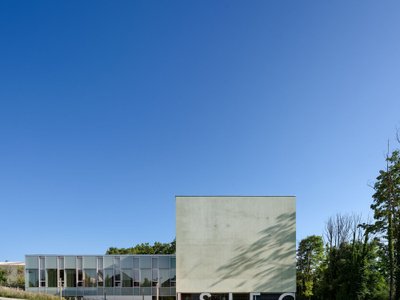
Franche-Comté Advanced School of Engineering by Dominique Coulon & associés, Besançon
A flexible engineering school immersed in woodland, combining concrete minimalism, adaptable spaces, and natural light to support evolving educational environments.

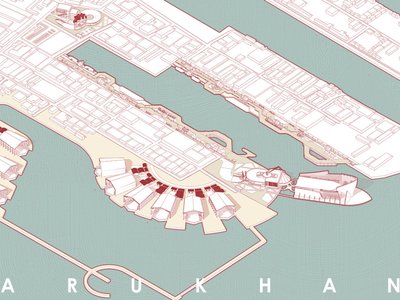
Waterfront Redevelopment and Urban Revitalization in Mumbai: Forging a New Dawn for Darukhana
A transformative waterfront redevelopment project reimagining Darukhana’s shipbreaking heritage into an inclusive urban future.






Comments (0)
Please login or sign up to add comments
No comments yet. Be the first to comment!