
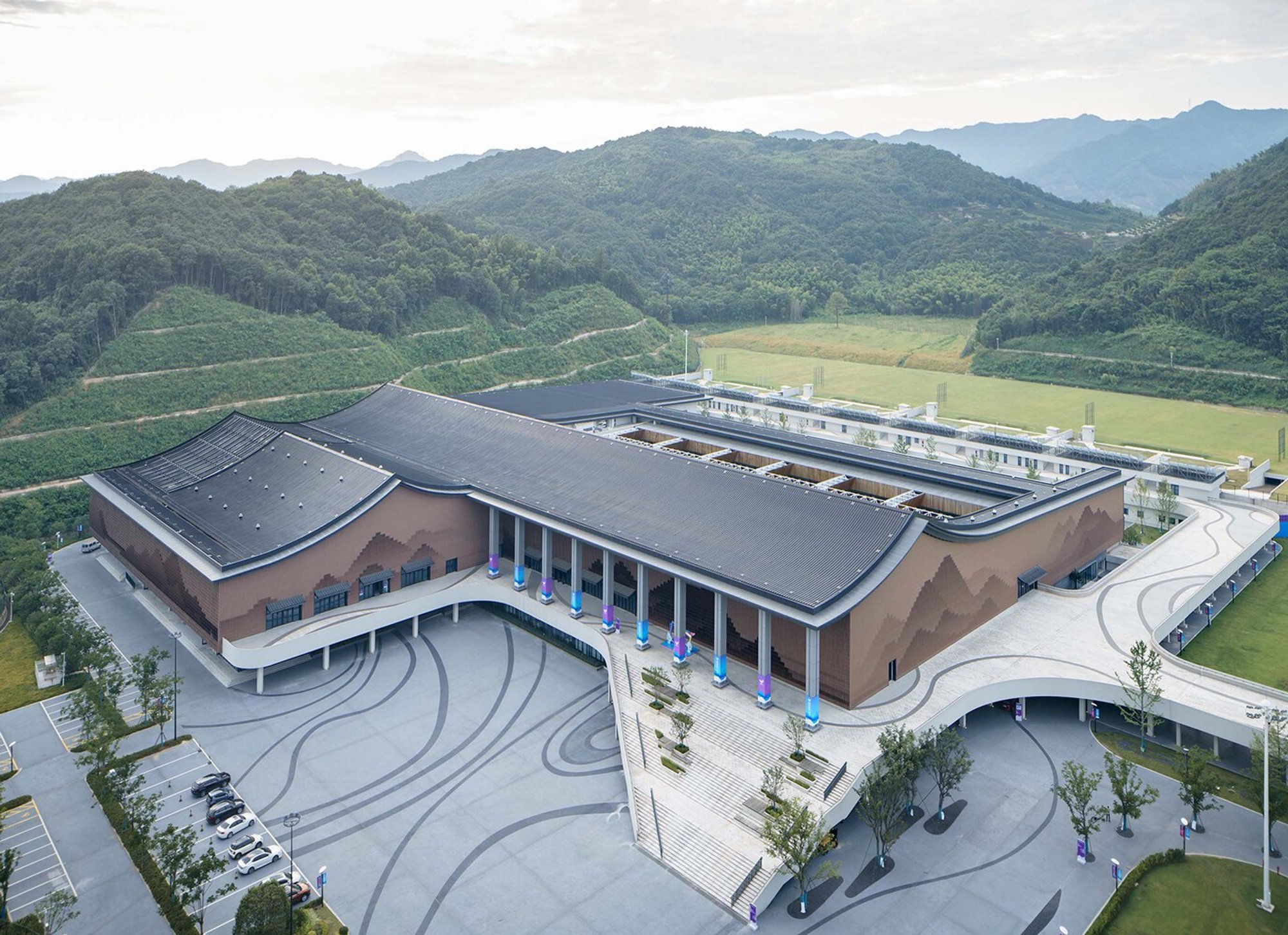
Fuyang Yinhu Sports Center by UAD: Where Architecture Meets Nature and Culture
Fuyang Yinhu Sports Center blends nature, culture, and sustainability to create a dynamic, low-tech sports venue for the Asian Games.

Introduction: A Sports Landmark for the Asian Games
Built as one of the official venues for the 19th Asian Games Hangzhou 2023, the Fuyang Yinhu Sports Center is a world-class multi-sport facility hosting shooting, archery, and modern pentathlon events. More than just a competition space, it’s a sustainable cultural icon, designed with sensitivity to its environment, heritage, and future community use.
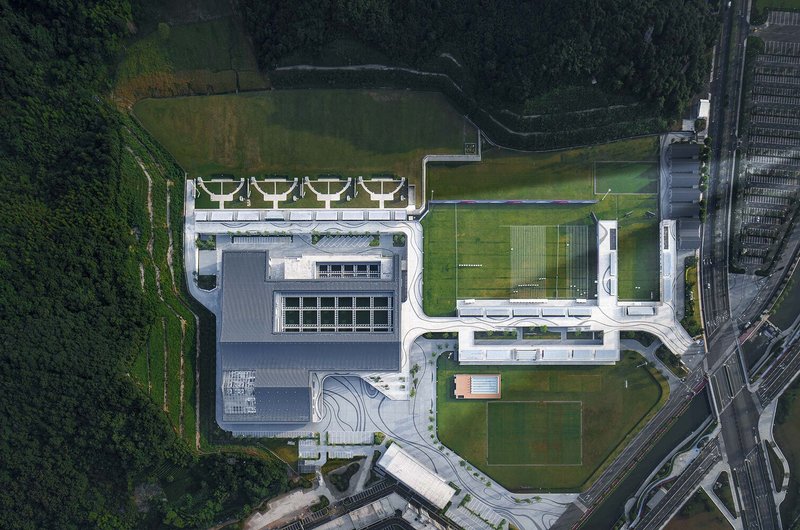
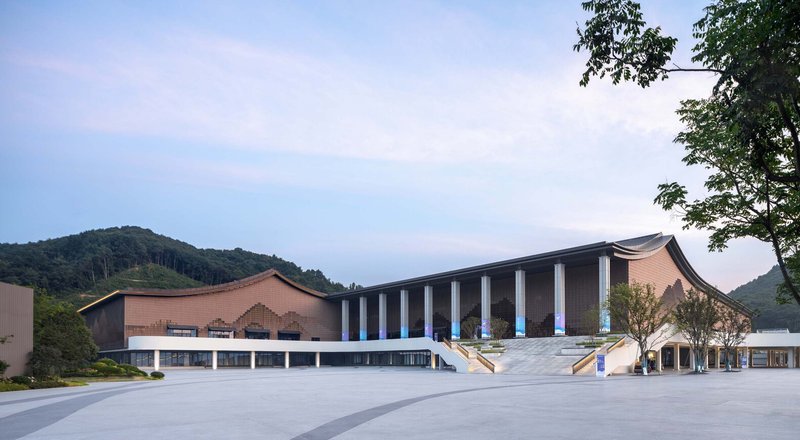
Strategically located in Fuyang District, the venue spans 275,182 square meters of land and showcases UAD's architectural vision of combining green design, low-tech solutions, and cultural expression through modern architecture.
Design Philosophy: A Dialogue Between Architecture and Landscape
Surrounded by mountains to the west and north, water to the south, and urban life to the east, the site reflects the poetic essence of the Fuchun River landscape. Drawing inspiration from ancient Chinese philosophy and art, especially Huang Gongwang’s "Dwelling in the Fuchun Mountains", the architects envisioned a building that reflects nature’s rhythm, fosters serenity, and celebrates Hangzhou’s cultural identity.
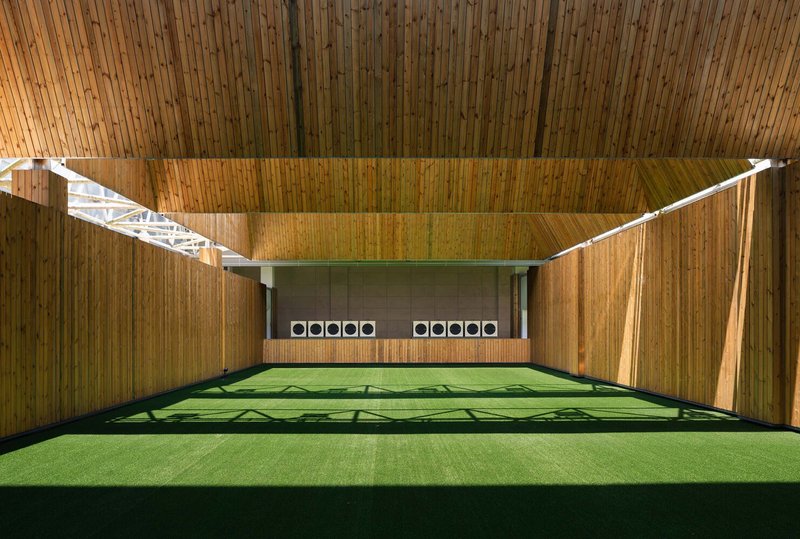
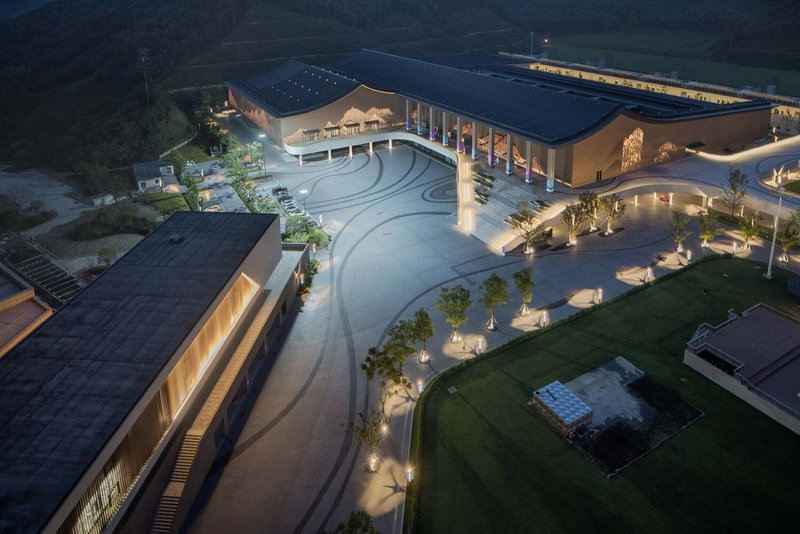
This design is not merely about building a venue—it’s about recreating the emotional and visual language of the landscape through architecture.
Architectural Layout: Terrain-Inspired Spatial Planning
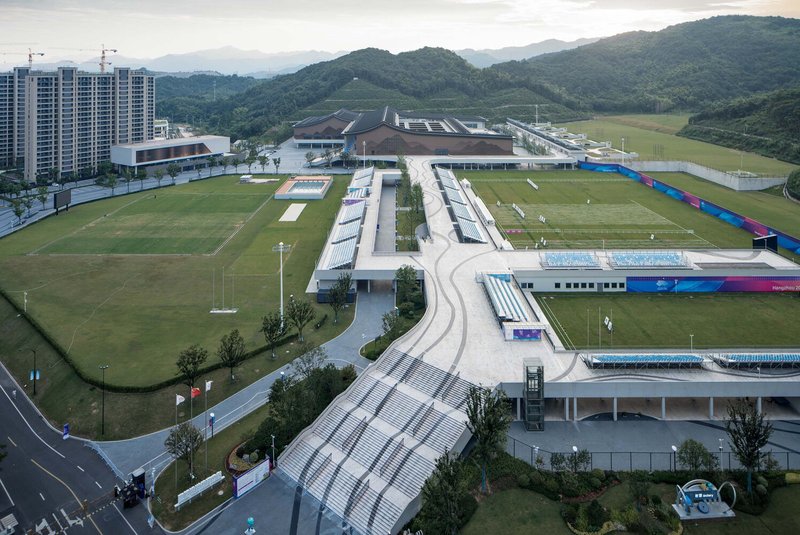
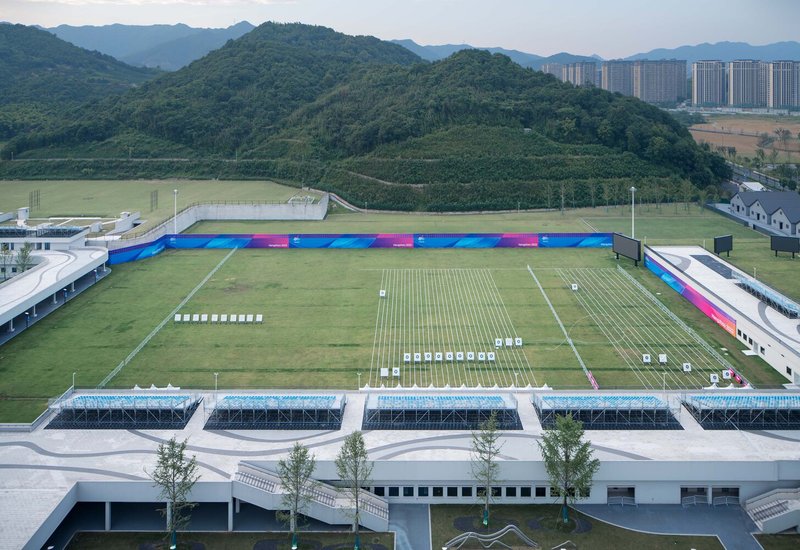
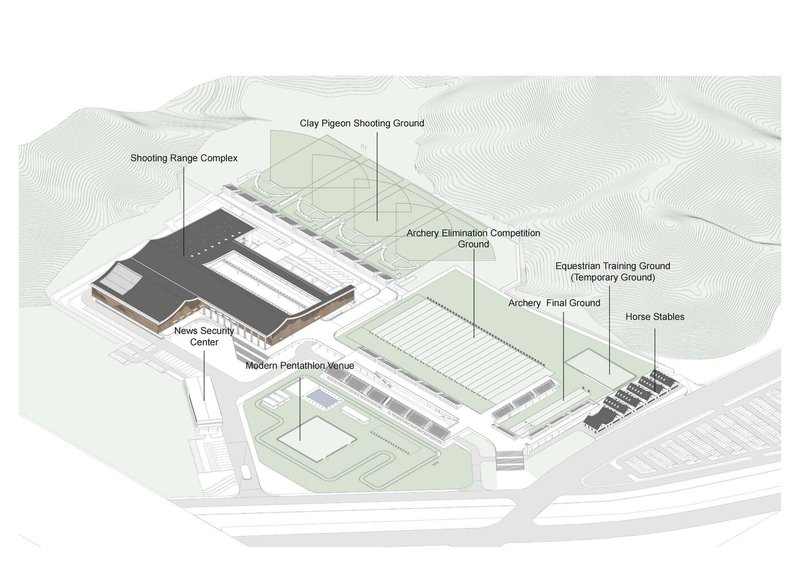
The site features five elevation terraces, thoughtfully responding to the mountainous topography. This layout minimizes excavation and maintains the natural integrity of the land. The sports center is arranged for efficiency and clarity, with all three sports venues interconnected through a shared second-floor platform, ensuring smooth crowd and participant flow.
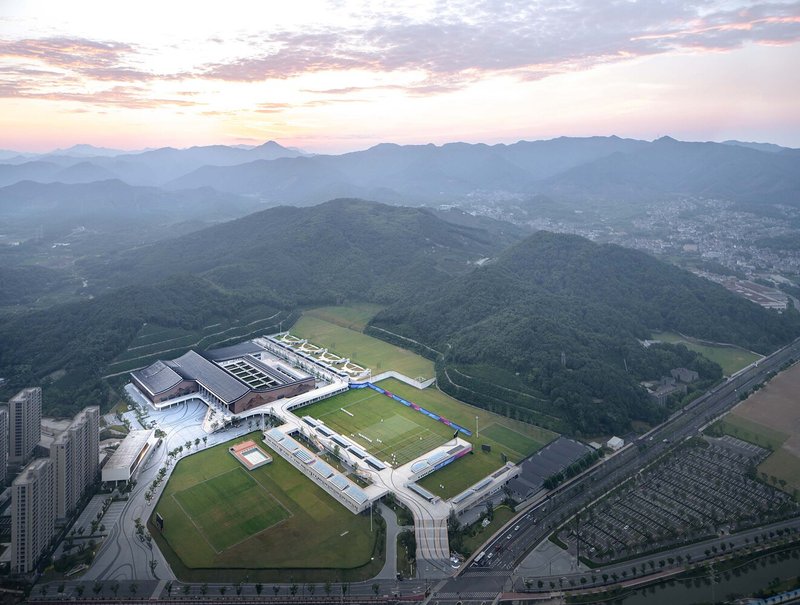
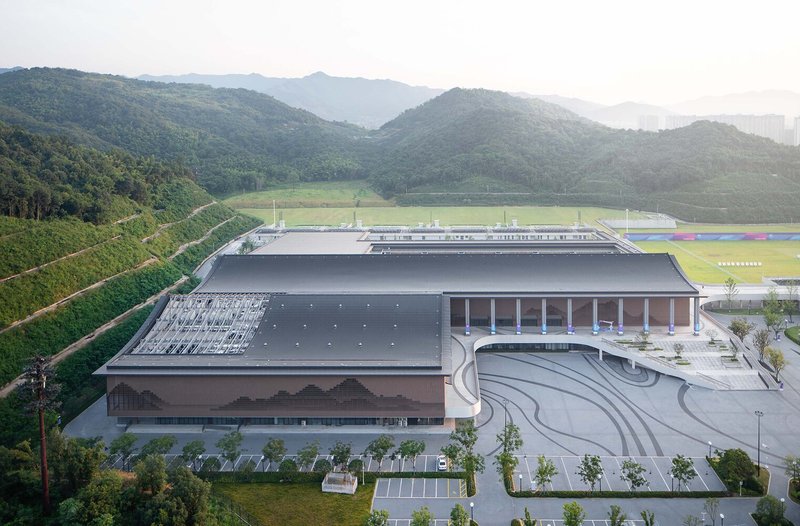
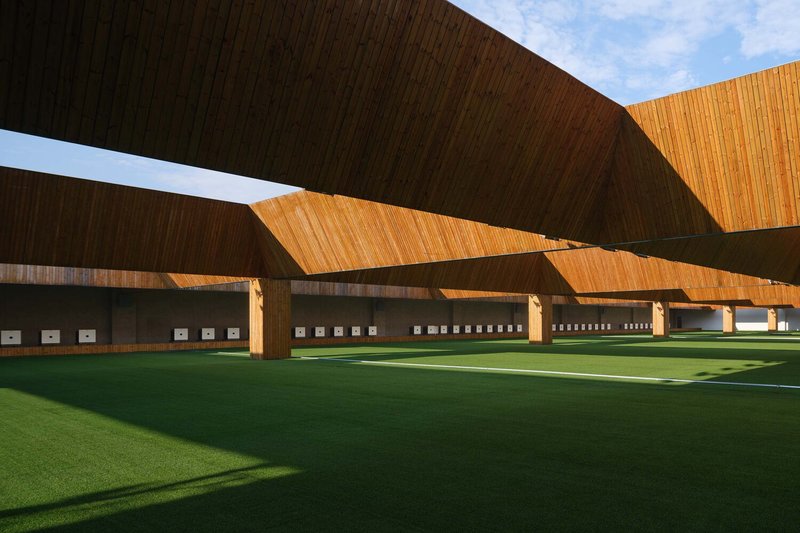
The shooting arena, with its sloped roofscape and modular volume, dissolves into the surrounding hills—its large scale softened by a design that mirrors the terrain and respects its contours.
Facade as Art: Parametric Louvers and Light Interaction
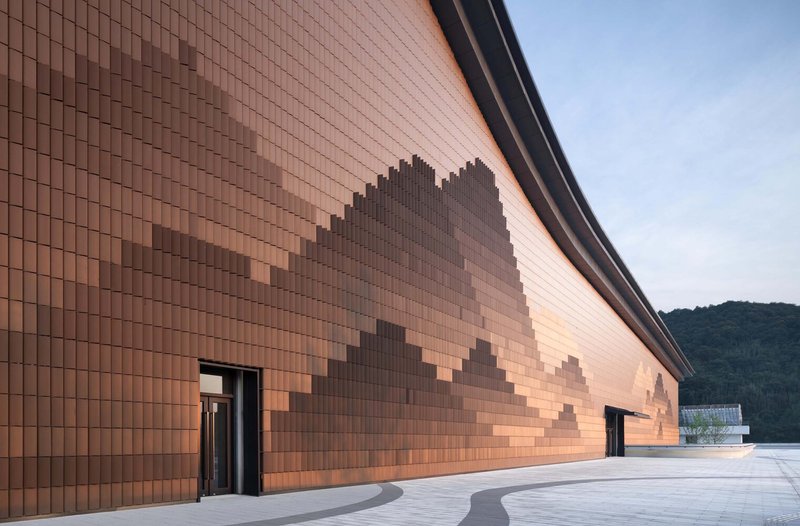
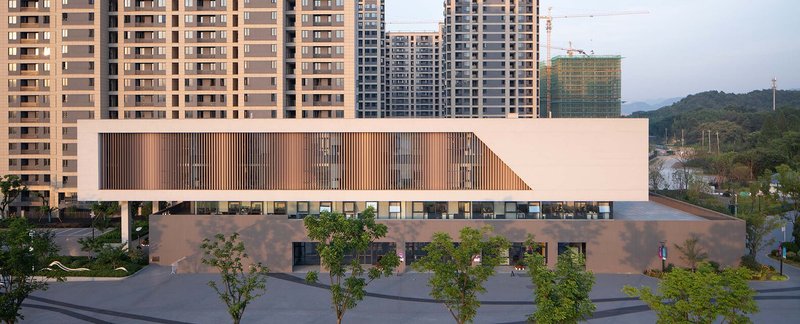
The most iconic feature of the building is its pixelated louvered facade, a reinterpretation of traditional Chinese brush painting using modern parametric design. Over 37,000 aluminum louvers, each rotated at one of 15 precise angles(15° to 85°), create dynamic patterns that change with sunlight—sketching abstract images of mountains, rivers, and trees across the surface.
Sunlight becomes the "ink", louvers the "brush", and the building becomes a living canvas that reflects the passage of time and shifts in nature.
Sustainability Through Low-Tech Innovation
While parametric in concept, the design avoids high-tech dependency. The louvers use simple gear-based rotation mechanisms, manufactured cost-effectively and installed using a low-modulus angle system. The result is a low-carbon, energy-efficient, and easily maintainable system, proving that innovation doesn’t require complexity.
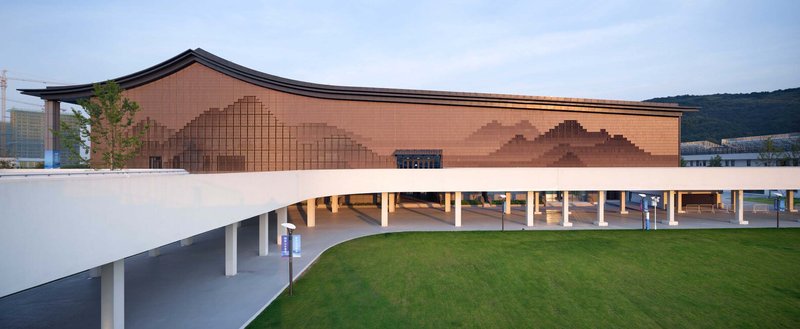
The architectural team follows the Asian Games' green goal: "Green, Intelligent, Frugal, and Civilized."
Cultural Revival Through Architecture
The facade storytelling continues throughout the day:
- Morning: Light slowly unveils the contours of the mountains.
- Noon: Strong contrast between shadow and sunlight captures the peaks and waters.
- Evening: Shadows blend into the surfaces, fading the imagery like an ink wash.
- Night: Lighting systems re-illuminate the landscape, echoing traditional Chinese scroll paintings under the moonlight.
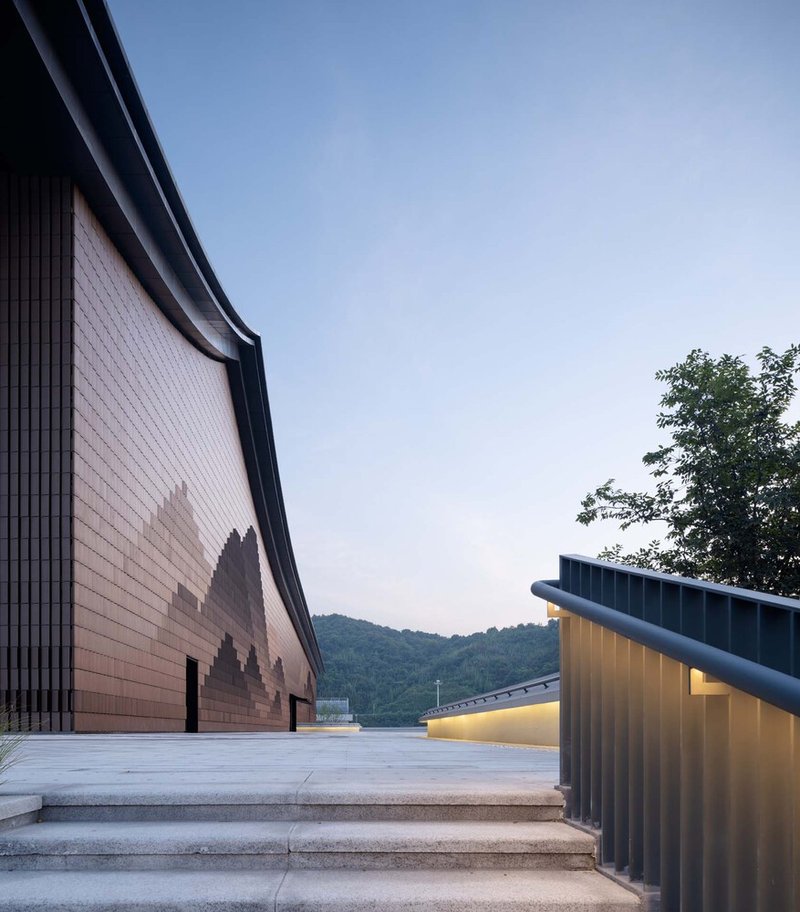
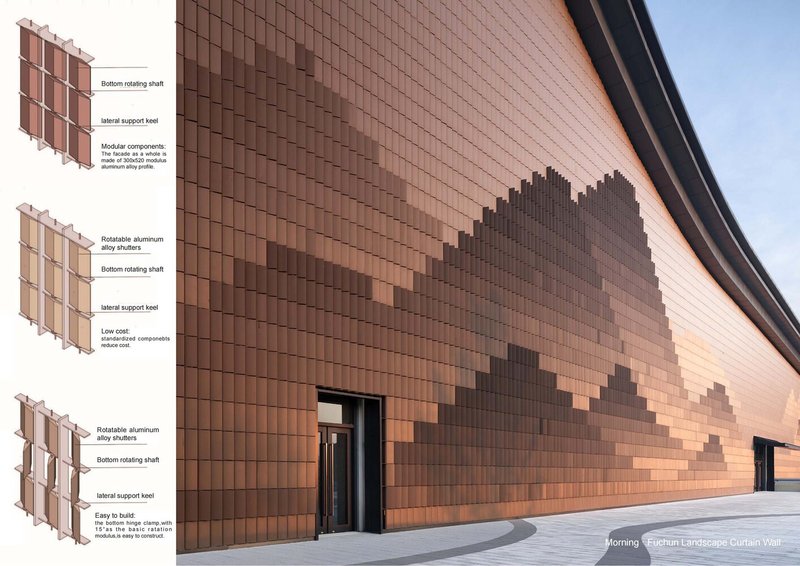
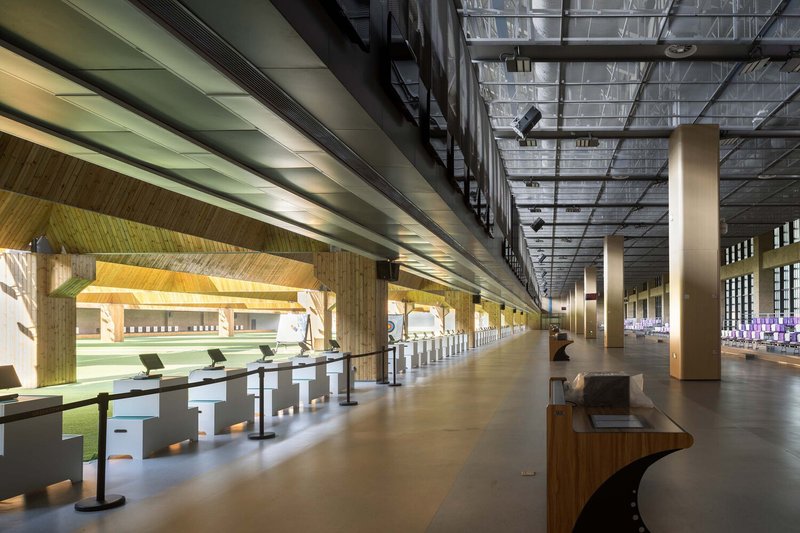
This use of natural light as narrative elevates the building into an experience—an architectural homage to Chinese art and landscape.
Legacy Planning: From Event Venue to Public Hub
Unlike many sports venues that fall into disuse, Fuyang Yinhu Sports Center is designed for post-Games transformation:
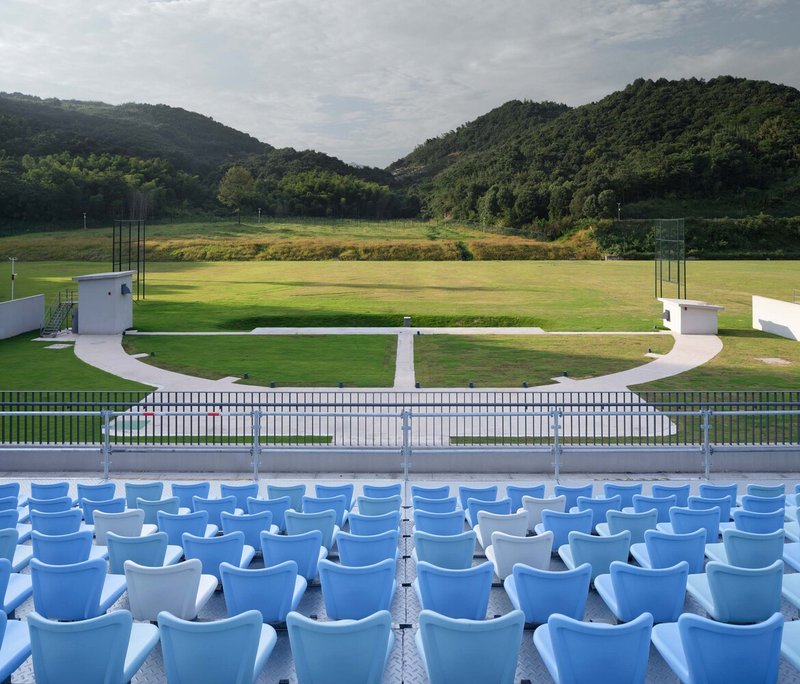
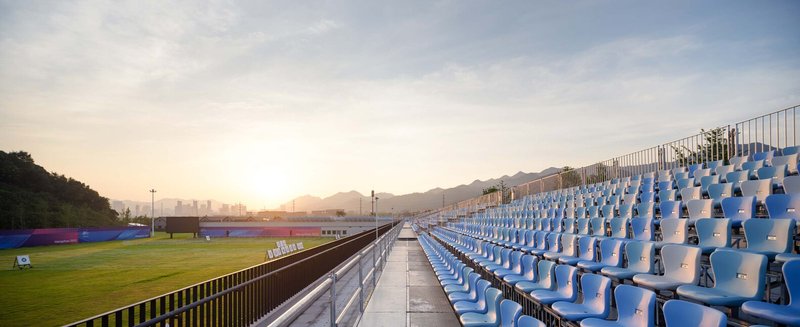
- Temporary steel stands can be disassembled for reuse.
- Competition spaces can be converted into public gyms, swimming pools, basketball, and badminton courts.
- Modular steel structures support rapid demolition and adaptive reuse.
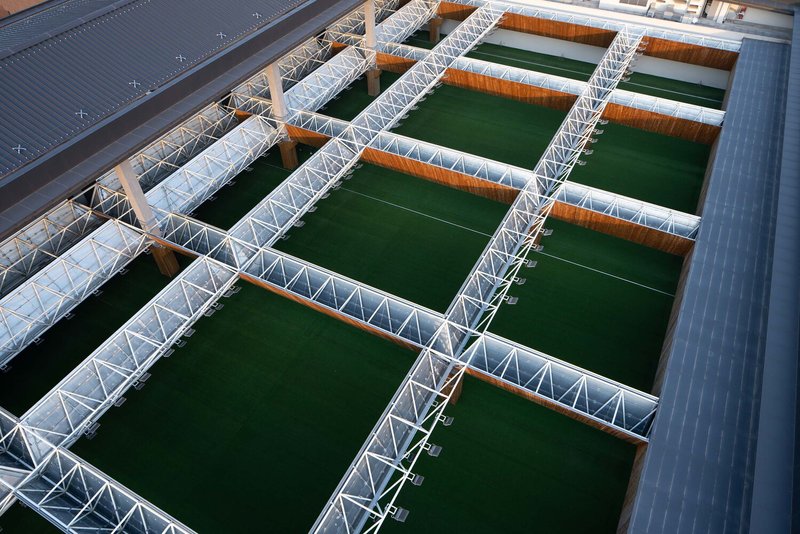
This ensures long-term value, transforming a major event facility into a community asset for everyday sports and recreation.
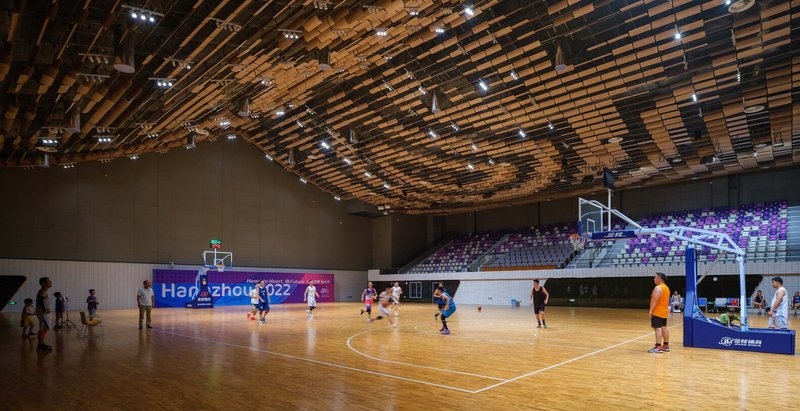
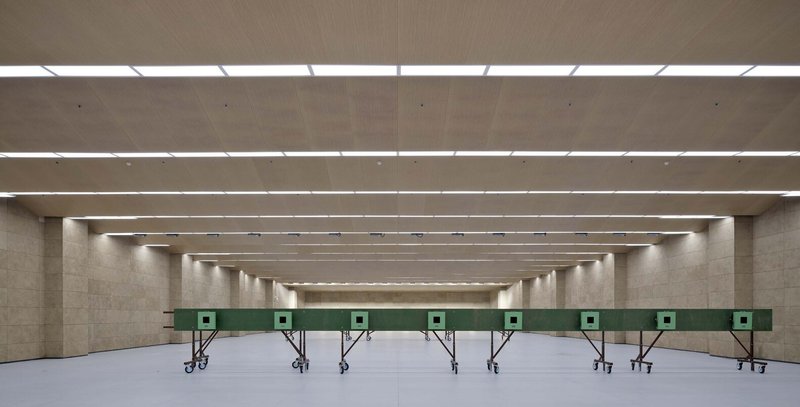
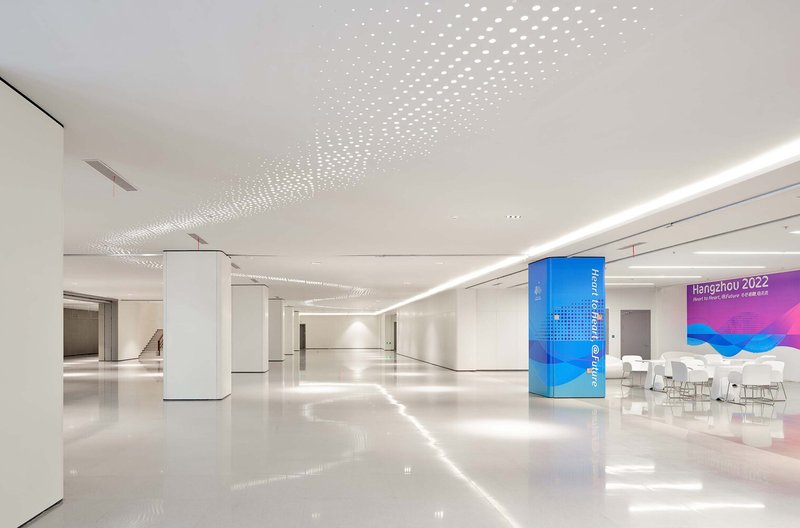
All the photographs are works of Qiang Zhao, Qingshan Wu




Popular Articles
Popular articles from the community

Treehouse Apartment: A Warm Timber Interior Blending Craft, Play, and Contemporary Living
Warm timber apartment with integrated treehouse, combining natural materials, craftsmanship, and playful design to create a flexible, family-oriented living environment.
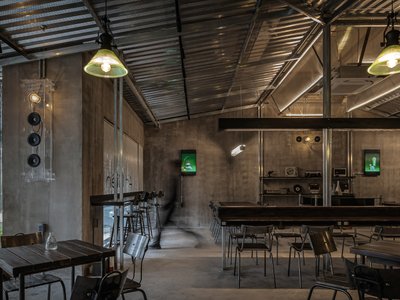
An Miên Lumière Cafe by xưởng xép, Ho Chi Minh City, Vietnam
An industrial-inspired café where layered steel and warm light create a dynamic, immersive environment shaped by reflection, depth, and perception.
On the Brooks House by Monsoon Collective – A Contemporary Kerala Home Rooted in Tradition
Kerala home blending tradition and modernity with water-inspired design, brick architecture, courtyard planning, and sustainable rainwater harvesting strategies.
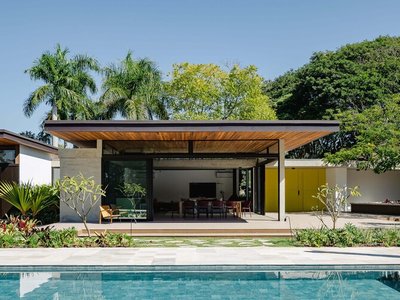
Flamboyant House by Juliana Camargo + Prumo Projetos
Modern Brazilian house integrating existing tree, pool, and volumes with glass, wood, and transitional spaces blending interior, exterior, and landscape seamlessly.
Similar Reads
You might also enjoy these articles


The Ken Roberts Memorial Delineation Competition (Krob)
As the most senior architectural drawing competition currently in operation anywhere in the world, it draws hundreds of entries each year, awarding the very best submissions in a series of medium-based categories.


Waterfront Redevelopment and Urban Revitalization in Mumbai: Forging a New Dawn for Darukhana
A transformative waterfront redevelopment project reimagining Darukhana’s shipbreaking heritage into an inclusive urban future.

OUT-OF-MAP: A Call for Postcards on Feminist Narratives of Public Space
Rhizoma Design and Research Lab invites artists, designers, architects, researchers, and students to reflect on how feminist perspectives can reshape public space. Selected works will be exhibited in Barcelona, October 2026. Submissions open until 15 April 2026.

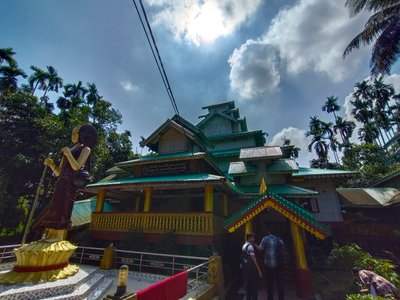
Documentation Work on Buddhist Wooden Temple
Architectural syncretism and cultural hybridity: A comparative study of the Buddhist temples in Chattogram Hill tracks
Explore Architecture Competitions
Discover active competitions in this discipline




The International Standard for Design Portfolios


The Global Benchmark for Architecture Dissertation Awards


The Global Benchmark for Graduation Excellence

Challenge to design a barrier free sports center
Comments (0)
Please login or sign up to add comments
No comments yet. Be the first to comment!