
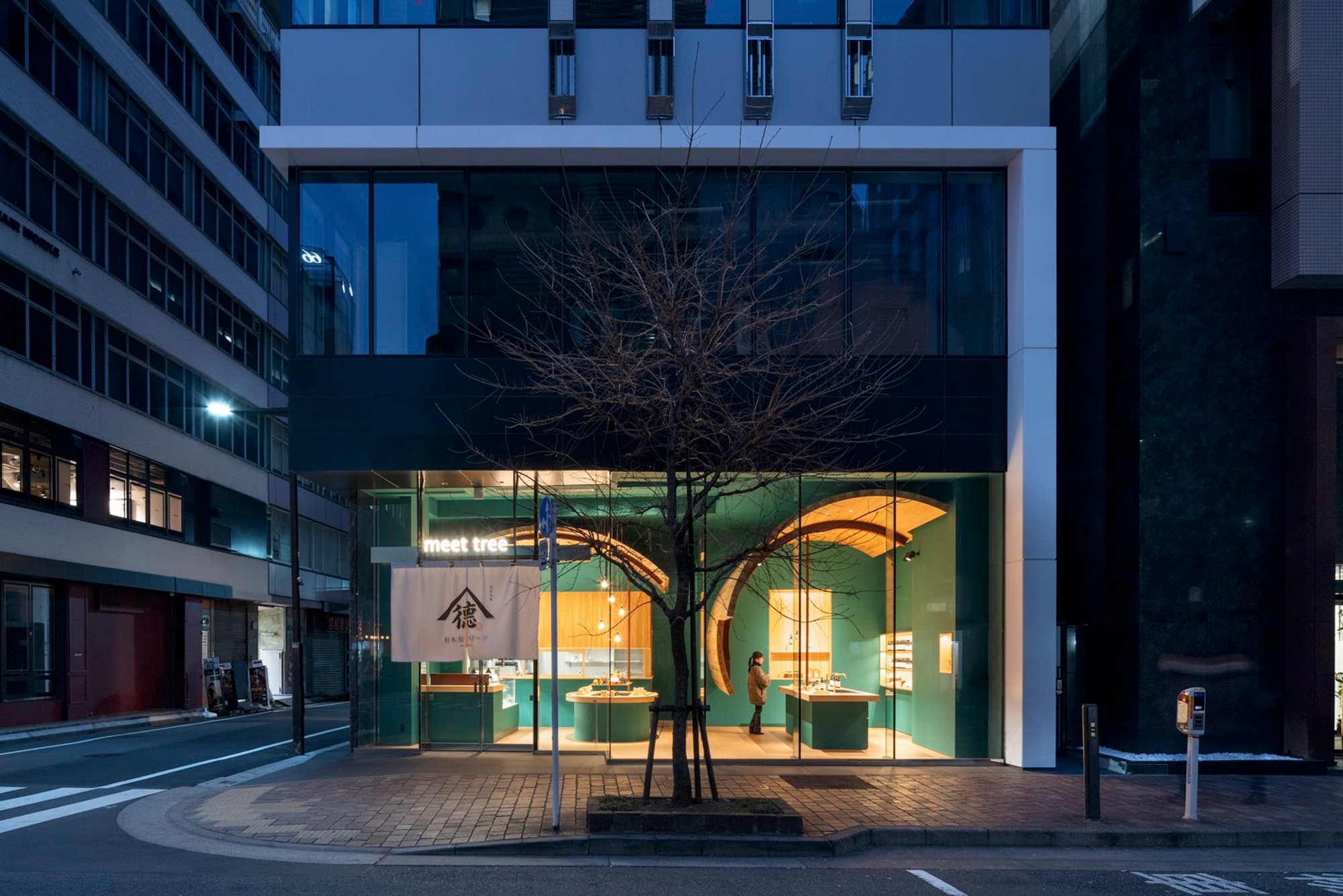
Hinoki Wood Architecture: Redefining Retail Spaces in Ginza
Explore the architectural design of Meet Tree Store in Ginza, featuring innovative use of hinoki wood in modern retail spaces.

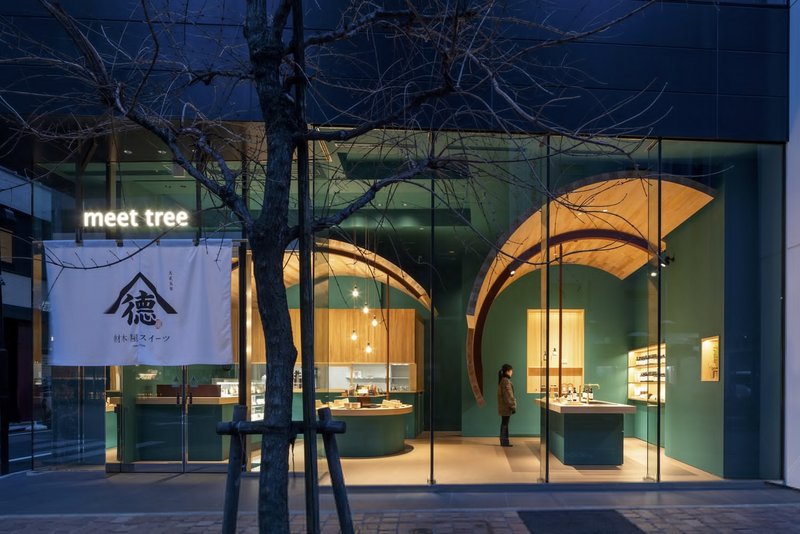
In the bustling district of Ginza, Tokyo, a unique architectural project embodies the essence of sustainable and innovative design through the use of hinoki wood. The Meet Tree Store, designed by the esteemed Naruse Inokuma Architects, stands as a testament to the versatile application of this cherished material. This article explores the architectural marvel of the Meet Tree Store, highlighting the innovative use of hinoki wood in modern architecture.
The Essence of Hinoki Wood in Architecture
What is Hinoki Wood?
Hinoki, a species of cypress native to Japan, is renowned for its resilience and aromatic qualities. Traditionally used in sacred and imperial structures, hinoki wood has a rich history in Japanese construction. The Meet Tree Store project taps into this heritage, employing hinoki wood sourced from Nakatsugawa, an area known for its superior quality timber.
Benefits of Using Hinoki Wood
Hinoki wood is not only appreciated for its strength and durability but also for its natural antibacterial and rot-resistant properties, making it ideal for both exterior and interior design. Its fine grain and soothing scent add an element of tranquility and luxury to any space.
Architectural Overview of Meet Tree Store
Design Concept
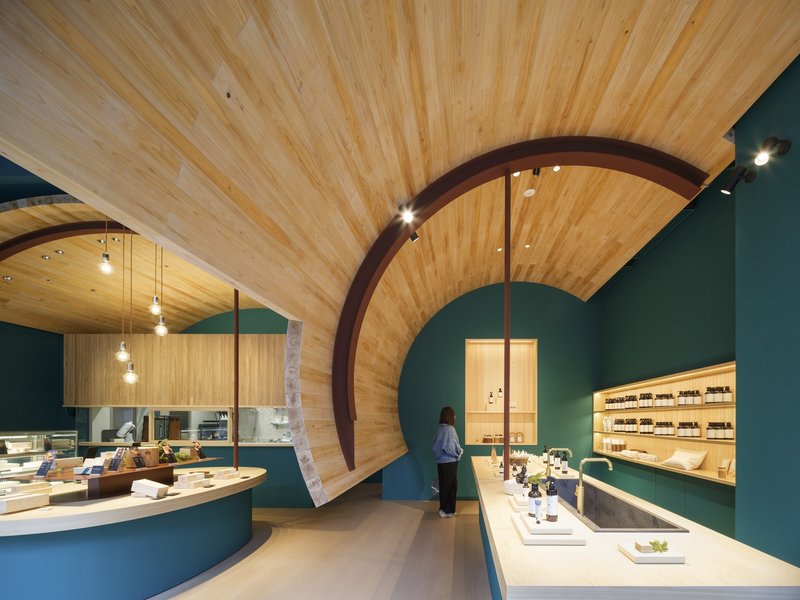
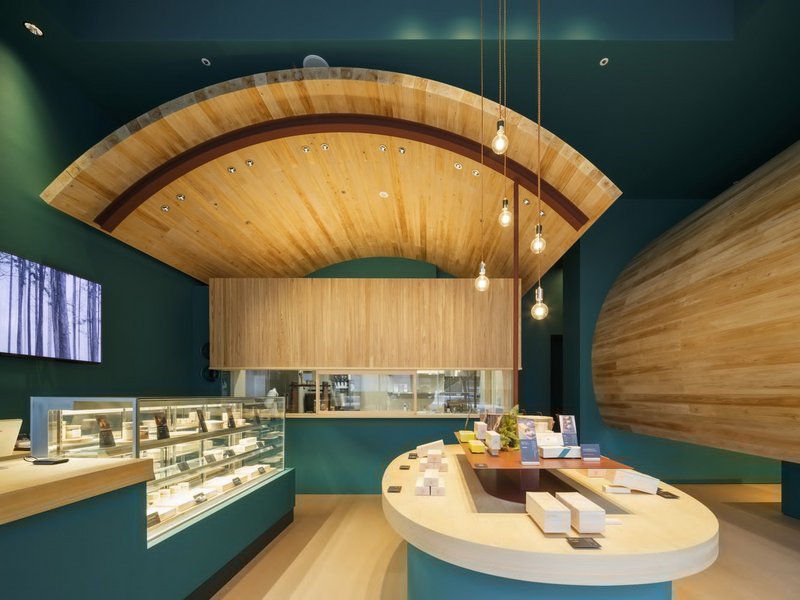
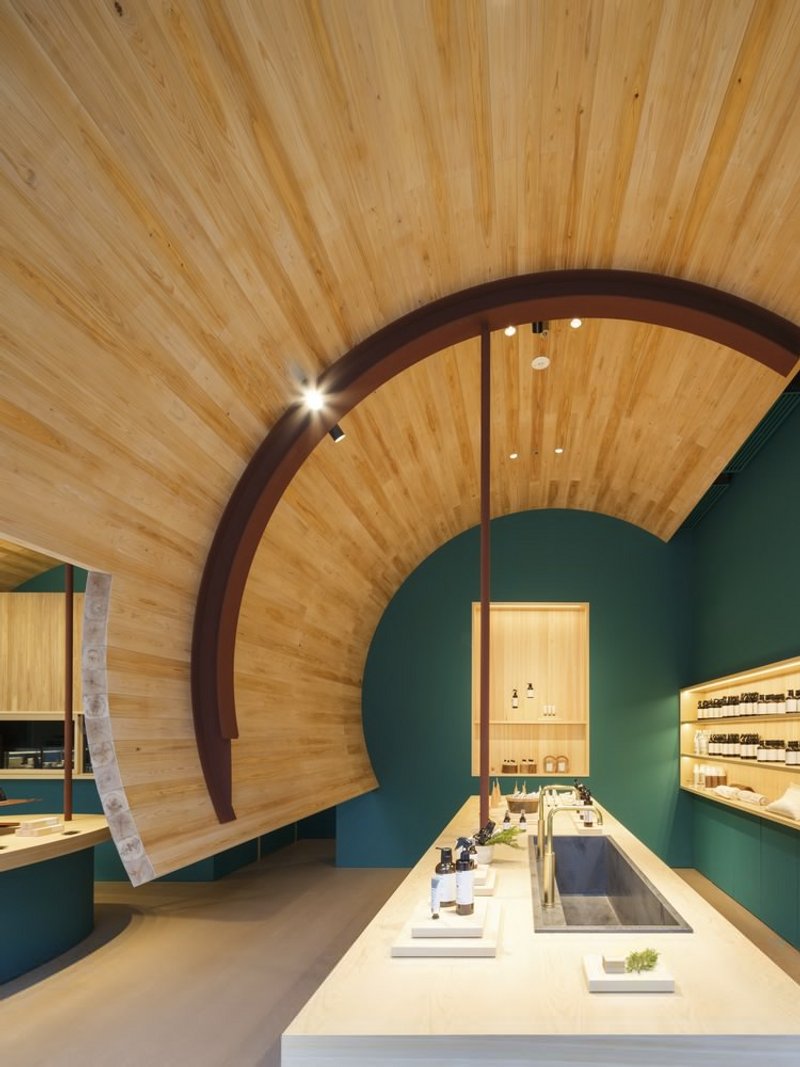
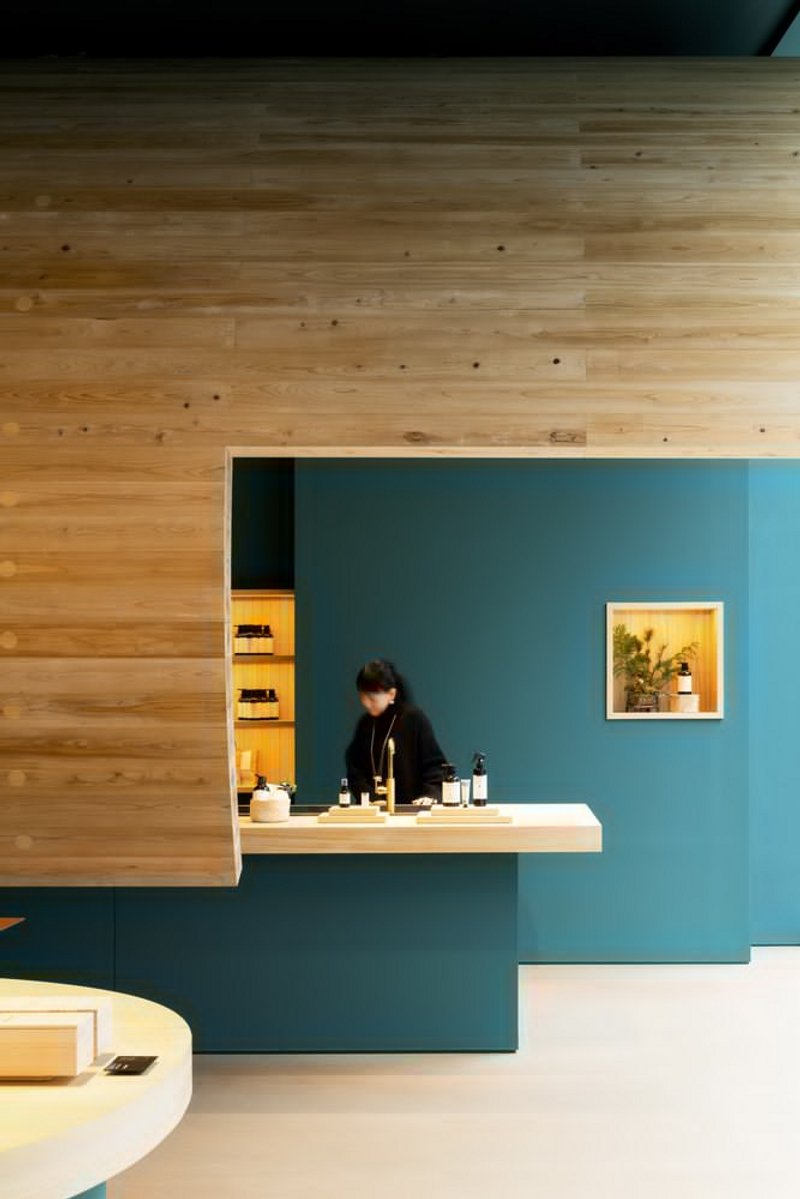
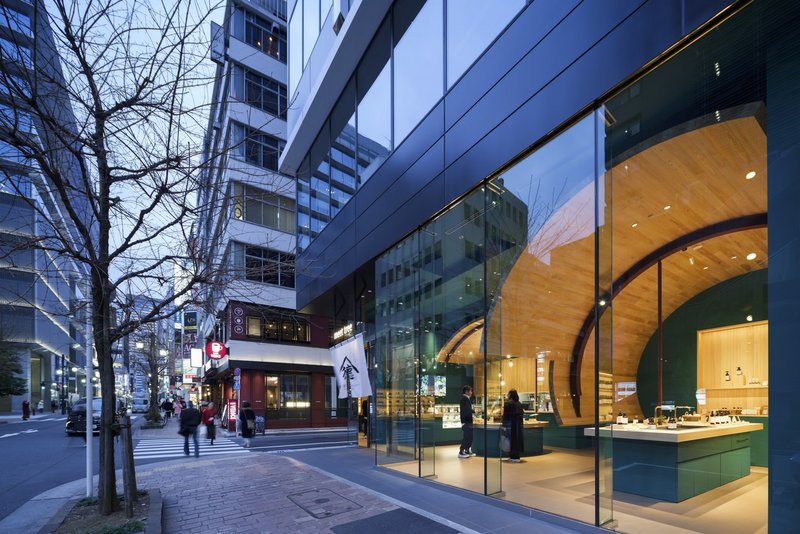
The architectural design of the Meet Tree Store is a homage to the forests of Nakatsugawa. With a ceiling height of 5.3 meters, the store is a single-story structure designed to bring the essence of the hinoki forest into the urban environment of Ginza. The centerpiece of the design is two massive vaults constructed from 105mm x 105mm hinoki beams.
Construction of the Hinoki Wood Vaults
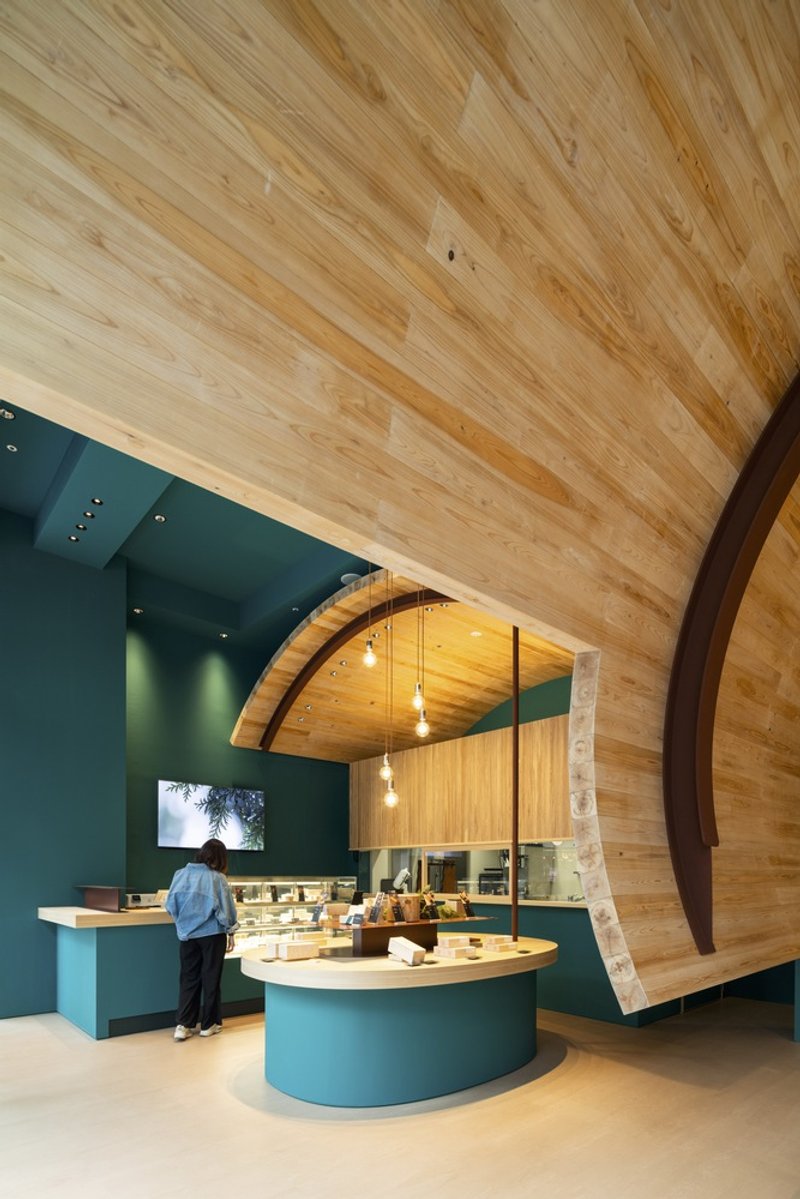
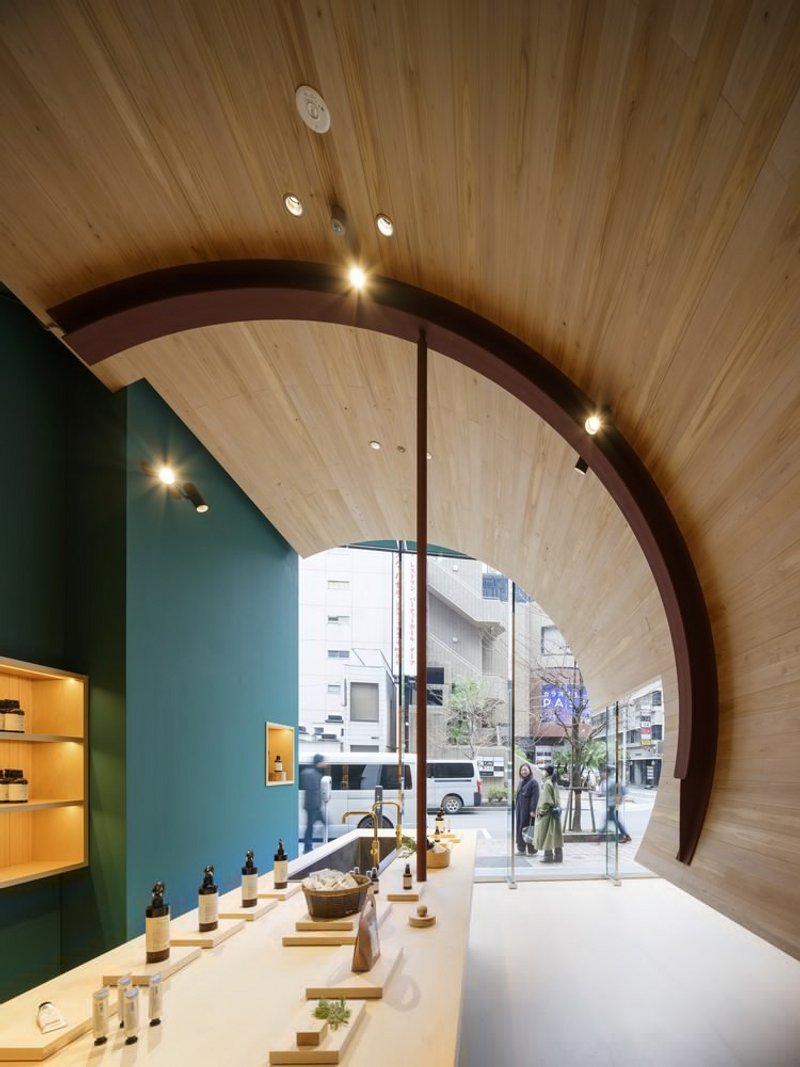
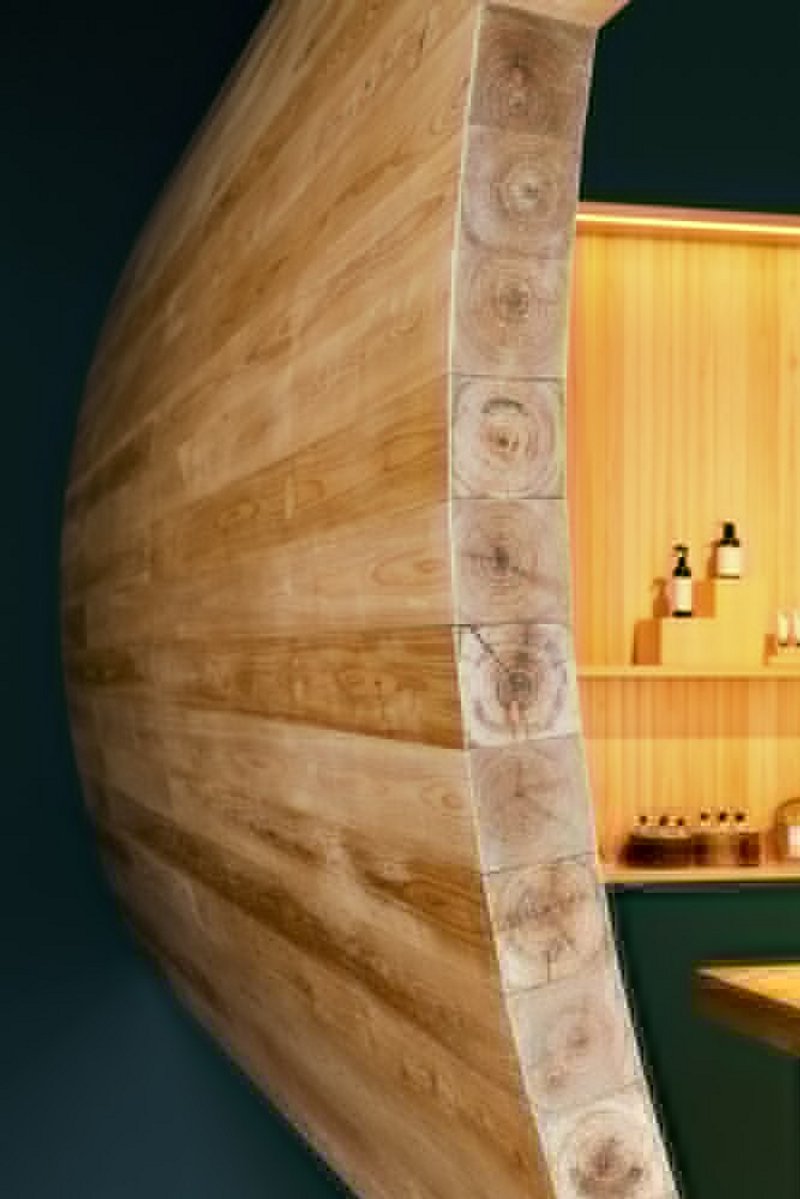
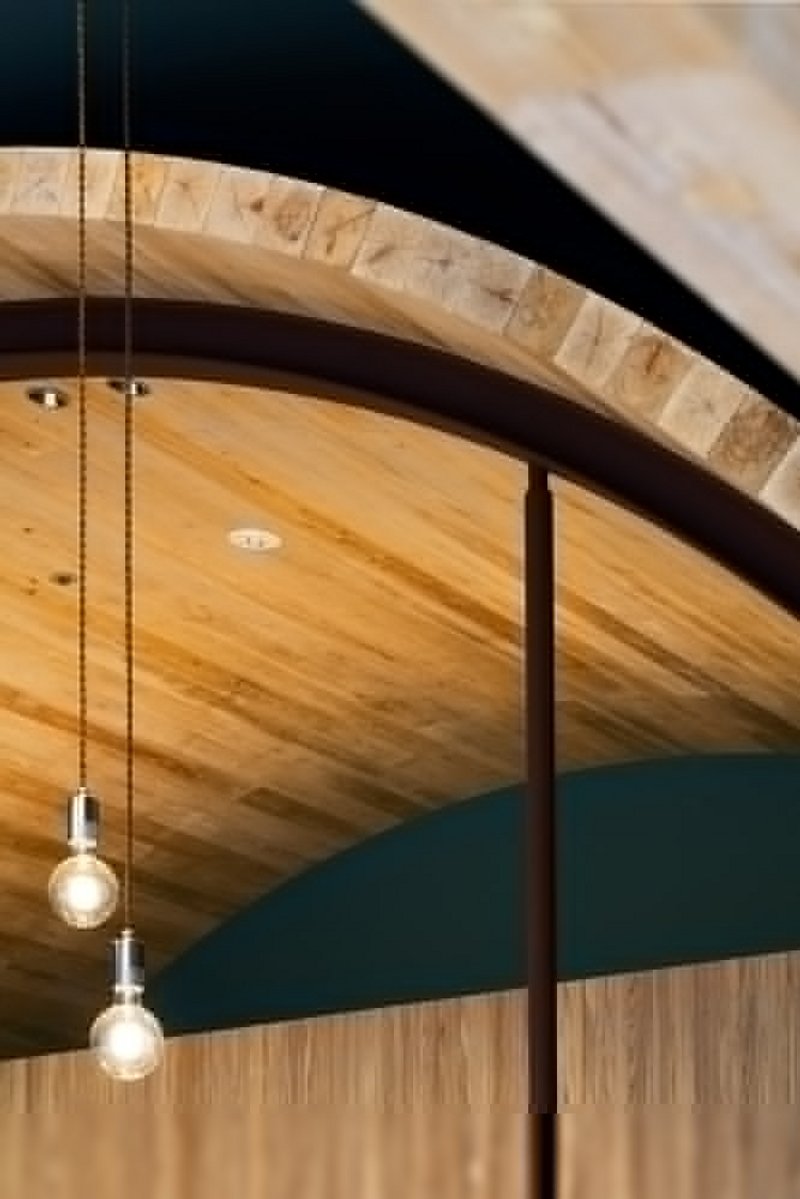
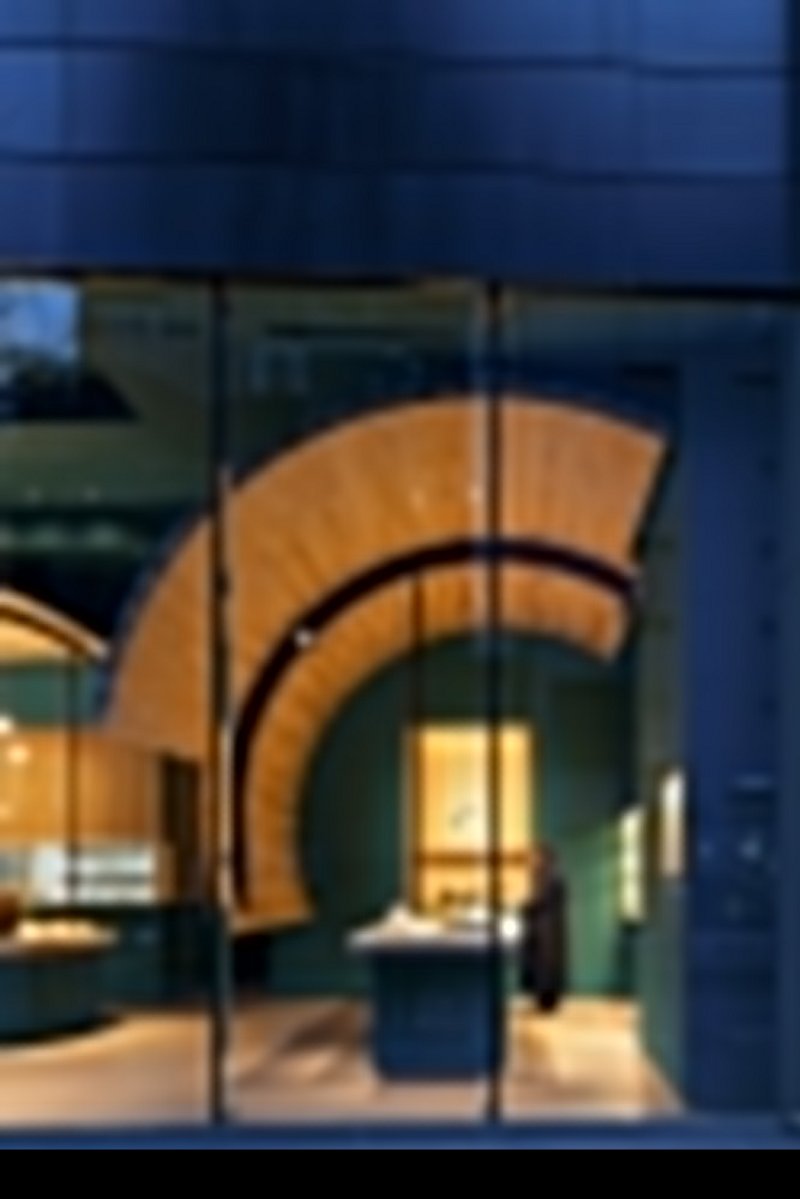
The vaults are meticulously crafted with trapezoidal hinoki wood pieces, assembled with precision to form arching structures that dominate the space. These vaults function not only as decorative elements but also as structural beams, supported by steel columns and back walls. This design choice showcases the load-bearing capabilities of hinoki wood in modern architectural applications.
Impact of Hinoki Wood on Retail Environment
Aesthetic and Atmosphere
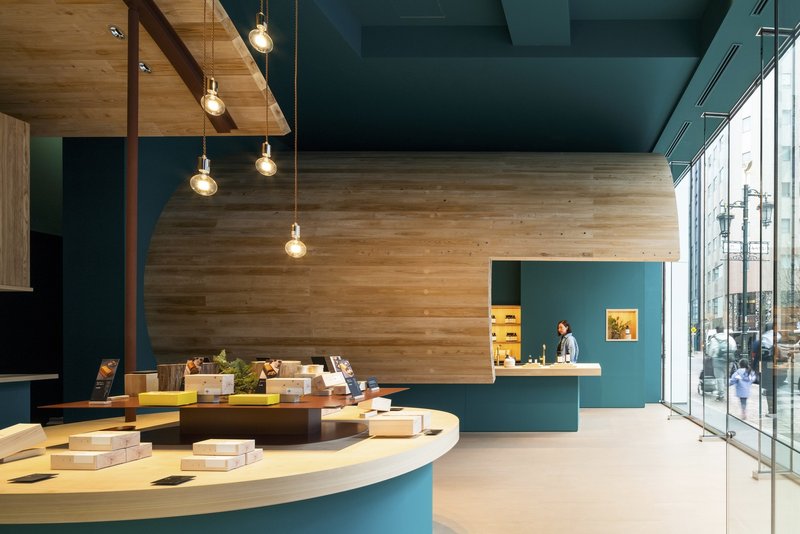
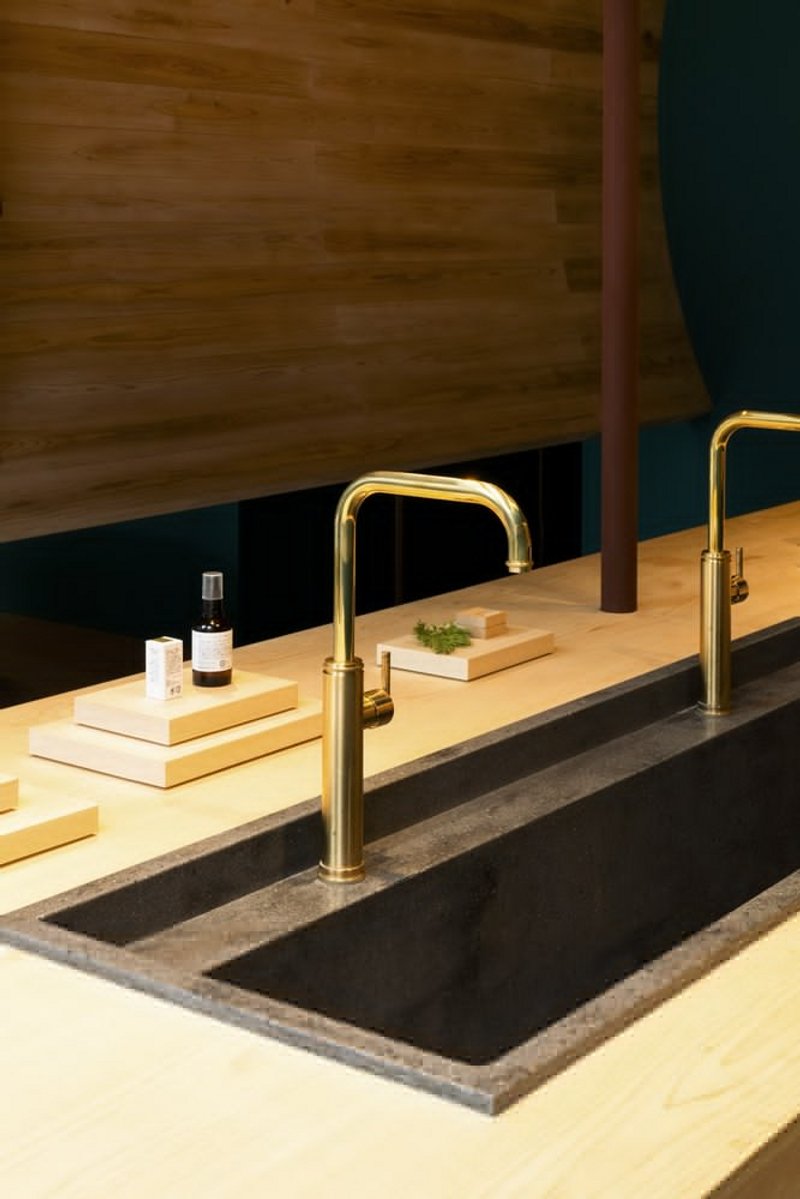
The use of hinoki wood creates a warm and inviting atmosphere within the store, making it more than just a retail space but a sensory experience. The natural color and texture of the wood convey a sense of calm and serenity, aligning with the luxurious nature of the products sold.
Spatial Organization
The interior layout is cleverly divided by the wooden vaults, with one vault dedicated to sweets and the other to cosmetics. This subtle zoning enhances the shopping experience, guiding customers through a natural flow between different product areas.
The Meet Tree Store in Ginza is a prime example of how traditional materials can be reinterpreted in contemporary architecture to create spaces that are both functional and striking. The innovative use of hinoki wood in the design by Naruse Inokuma Architects not only pays tribute to Japanese cultural heritage but also sets a new standard for retail architecture.
Hinoki wood architecture, particularly in the context of retail environments, offers vast possibilities for sustainable and aesthetically pleasing designs. Projects like the Meet Tree Store pave the way for future developments where nature and urbanity coexist harmoniously.
All photographs are work of Masao Nishikawa




Popular Articles
Popular articles from the community

Treehouse Apartment: A Warm Timber Interior Blending Craft, Play, and Contemporary Living
Warm timber apartment with integrated treehouse, combining natural materials, craftsmanship, and playful design to create a flexible, family-oriented living environment.
On the Brooks House by Monsoon Collective – A Contemporary Kerala Home Rooted in Tradition
Kerala home blending tradition and modernity with water-inspired design, brick architecture, courtyard planning, and sustainable rainwater harvesting strategies.
Flamboyant House by Juliana Camargo + Prumo Projetos
Modern Brazilian house integrating existing tree, pool, and volumes with glass, wood, and transitional spaces blending interior, exterior, and landscape seamlessly.
An Miên Lumière Cafe by xưởng xép, Ho Chi Minh City, Vietnam
An industrial-inspired café where layered steel and warm light create a dynamic, immersive environment shaped by reflection, depth, and perception.


Similar Reads
You might also enjoy these articles

Architectural Competition: Create a Luxury Waterfront Community in the UAE!
Mira Developments announces an open competition for the pre-concept design of Mira Coral Bay in Ras Al Khaimah, UAE


Parametric Design: What Can You Learn from the 1st Workshop of Beegraphy?
Discover the Fundamentals and Advanced Techniques of Parametric Design


Feast of flight factory
A new ecological order with sustainable food resources-insects
Beyond Blueprints : How Architecture Presentation Boards Define The Design Narratives?
Unveiling the Art and Strategy Behind Architectural Storytelling


Explore Architecture Competitions
Discover active competitions in this discipline




The International Standard for Design Portfolios


The Global Benchmark for Architecture Dissertation Awards


The Global Benchmark for Graduation Excellence


Challenge to reimagine the Iron Throne
Comments (0)
Please login or sign up to add comments
No comments yet. Be the first to comment!