
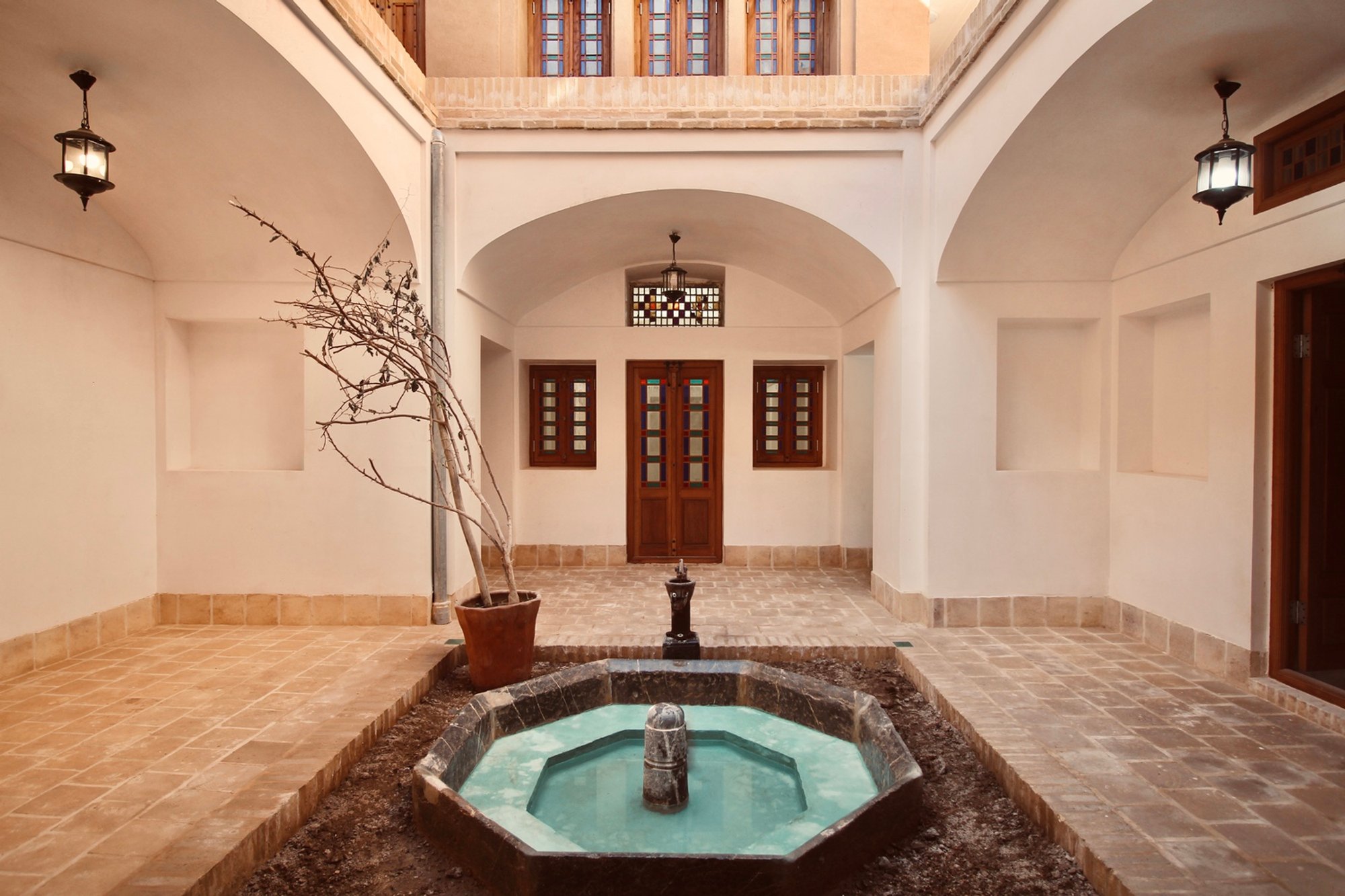
Historic House Restoration in Yazd: A Blend of Tradition and Modernity
The article explores the Safa House Restoration in Yazd, blending traditional architecture with modern functionality while preserving cultural heritage.

Preserving historical architecture is an art and responsibility that connects us to our cultural roots. Yazd, a UNESCO World Heritage city in Iran, is a living testament to this legacy, with its windcatchers, adobe buildings, and intricate courtyards. The Safa House Restoration by Torab Home epitomizes this cultural preservation effort, seamlessly marrying traditional architecture with contemporary needs.
In this article, we delve into the detailed process and significance of restoring the Safa House, offering insights into the architectural techniques and the cultural importance of such endeavors in Yazd.
The Historical Significance of Safa House
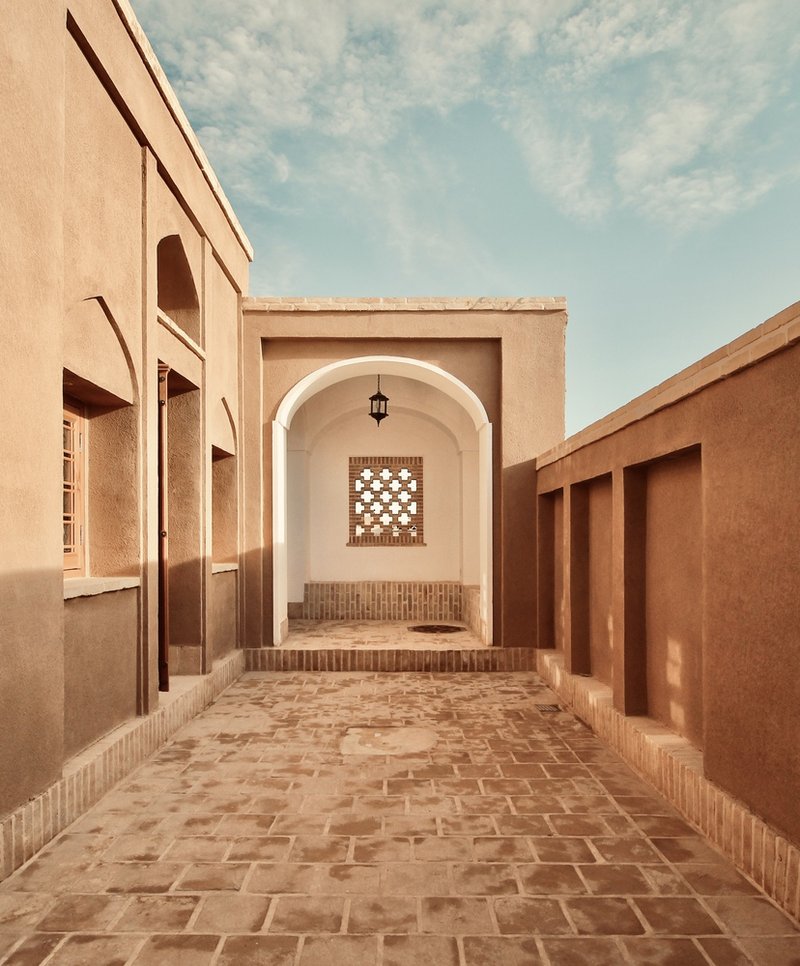
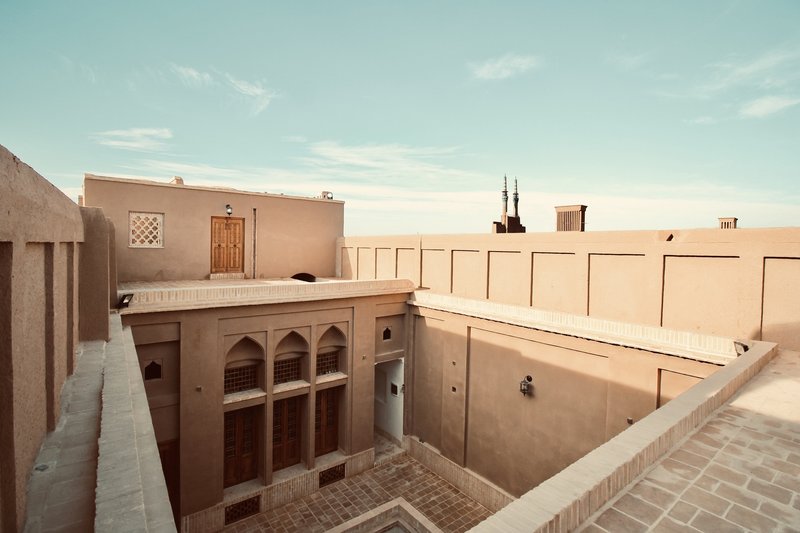
Nestled in the heart of Yazd’s historic Amir Chakhmaq neighborhood, the Safa House stands as a relic of the city’s architectural heritage. This 170-square-meter house is located in the globally registered area of Yazd, close to landmarks like the Amir Chakhmaq Takiye and the New Jame Mosque, making its restoration a matter of cultural pride.
Over time, parts of the Safa House had deteriorated or been altered, threatening its historical integrity. The restoration project sought to revive the house while ensuring it remained in harmony with its historical surroundings.
Challenges in Restoring a Historic House
1. Damage and Alterations Over Time
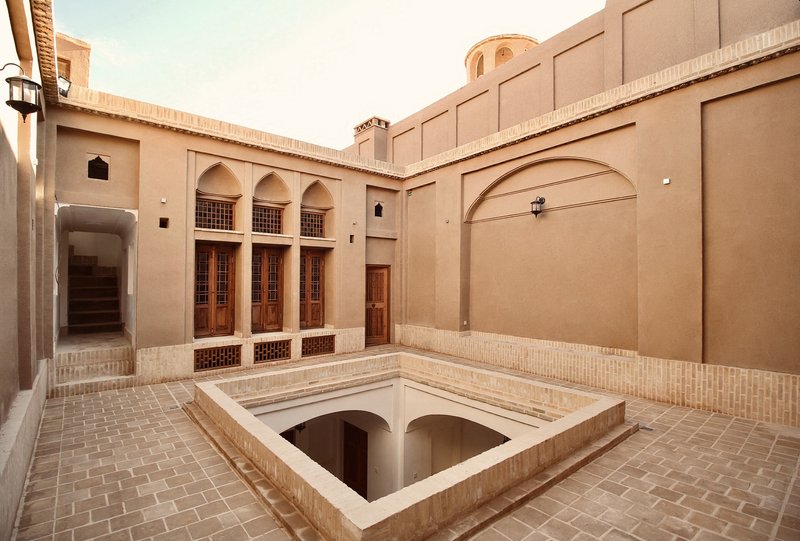
One of the major challenges was addressing the damage sustained by certain sections of the house. The northern part, in particular, required significant structural intervention. The original entrance door had been lost, and the layout of the rooms deviated from their original configuration due to previous transformations.
2. Balancing Authenticity and Modern Functionality
The restoration team faced the dual challenge of preserving the house's historical essence while adapting it for contemporary living. This meant employing traditional construction materials and techniques, yet integrating modern design elements where necessary.
3. Documentation and Design Constraints
The earliest available aerial photograph of Yazd, dating back to 1955, served as a critical reference for redesigning demolished sections. This careful documentation ensured that the restoration was both accurate and respectful of the house's original design.
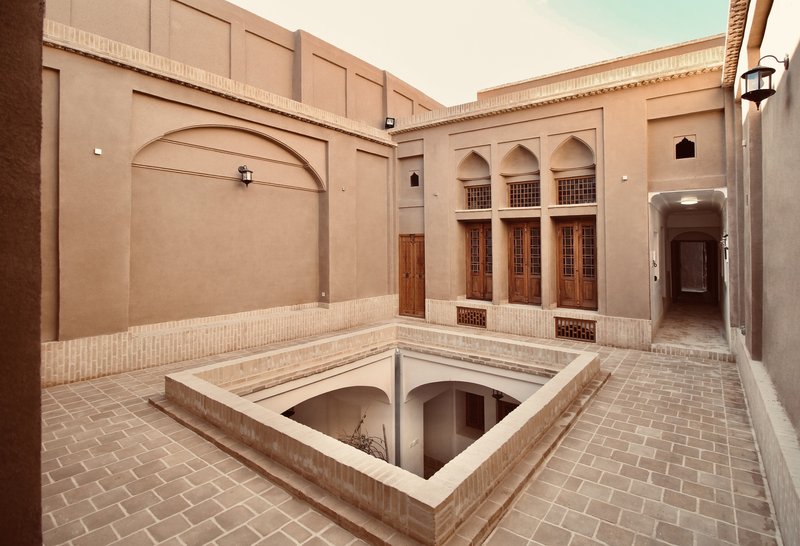
Architectural Features of the Safa House Restoration
Preserving Traditional Materials and Techniques
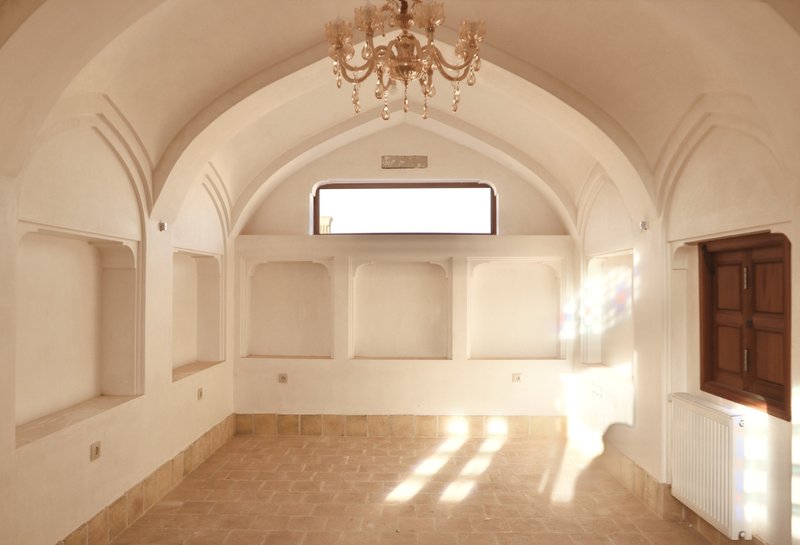
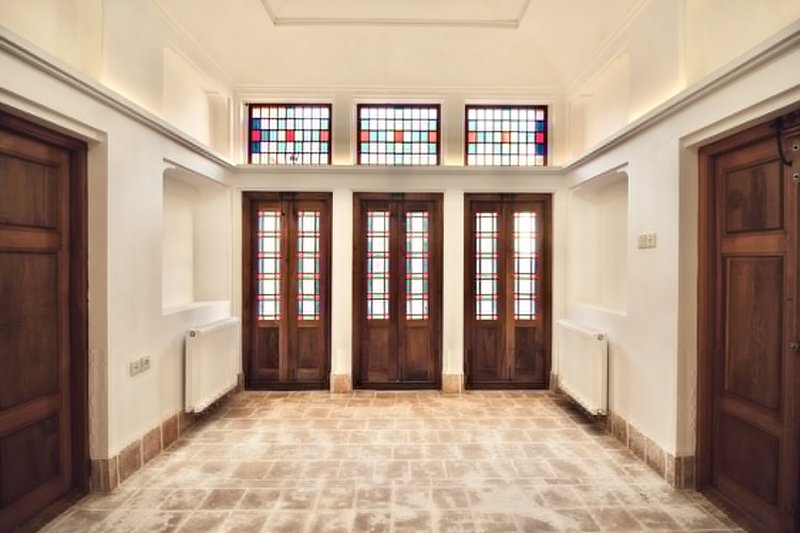
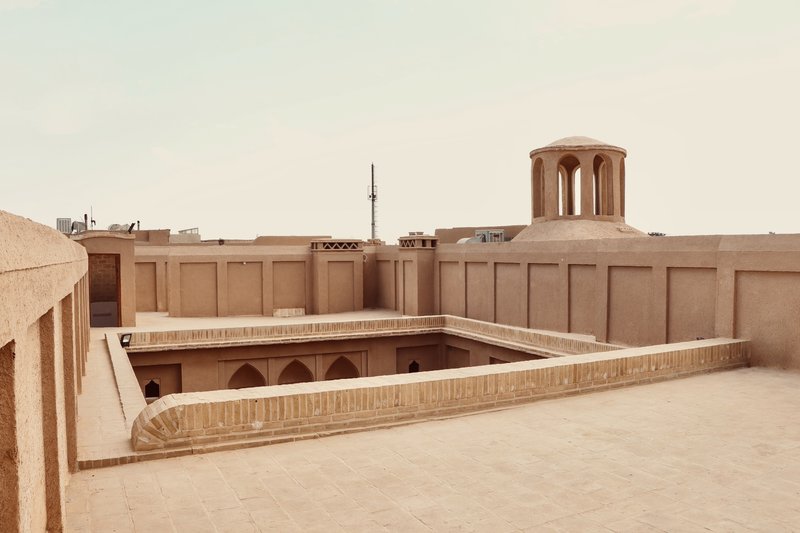
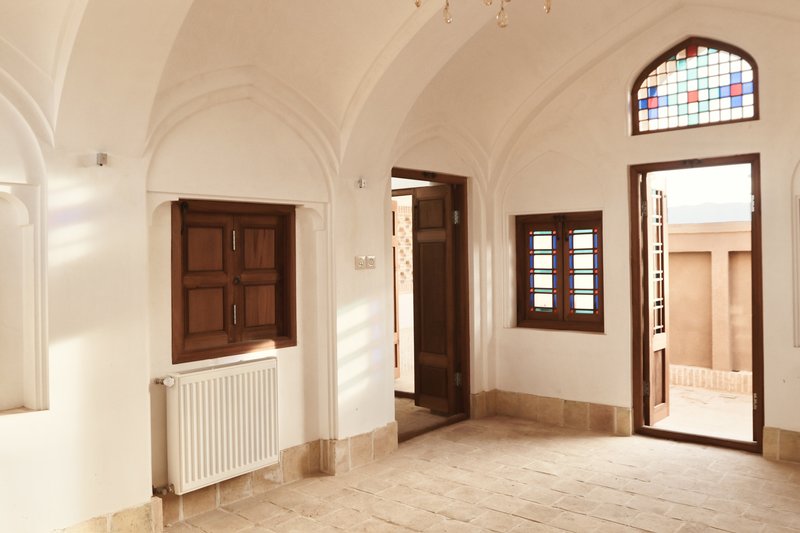
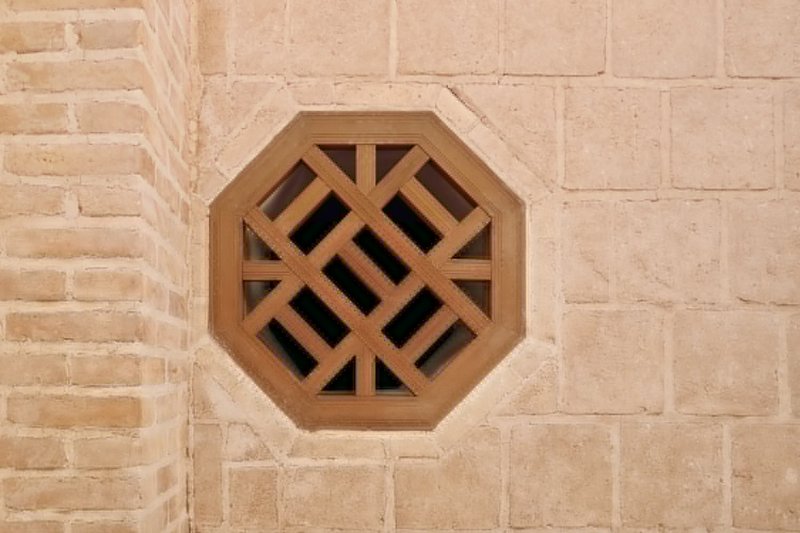
To maintain the authenticity of the Safa House, traditional materials like brick and timber were extensively used. Craftsmanship was aligned with traditional construction techniques, ensuring the house retained its historical character.
Integration of Modern Elements
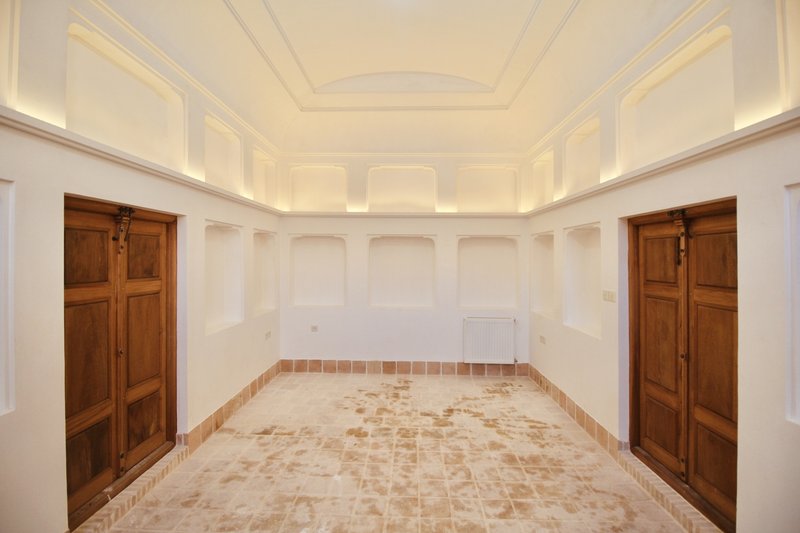
In areas that had been completely destroyed, creative redesigns were introduced. These modern additions harmonized with the house's historical structure, blending seamlessly into the overall design.
Signature Features: The Sunken Courtyard
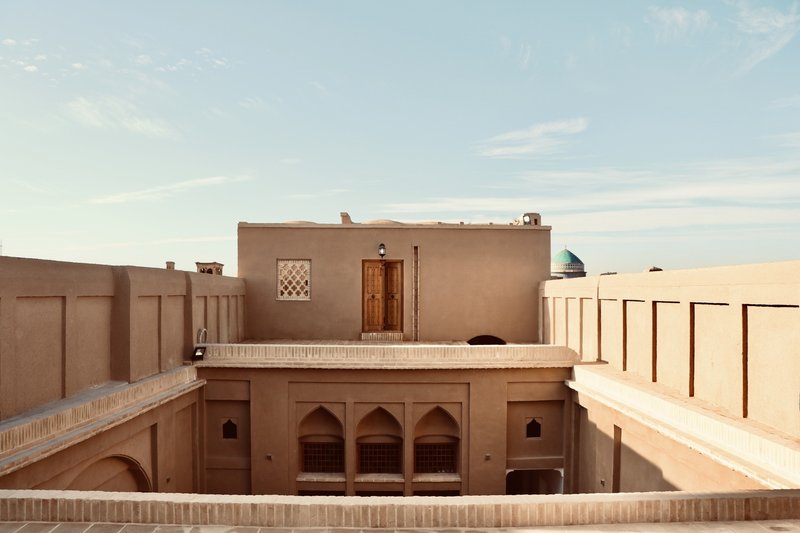
A prominent architectural element in Yazd, the sunken courtyard, was carefully preserved. This feature enhances thermal efficiency, providing natural cooling and a tranquil ambiance that is characteristic of Yazd’s desert architecture.
The Role of Collaboration in the Restoration Process
The Safa House restoration was a collaborative effort between design and execution teams, led by architect S. Hadi Razavi of Torab Home. Regular consultations and iterative design processes ensured that emerging challenges were addressed effectively. For example, the integrity of the original staircase was maintained despite structural complications, reflecting the team’s commitment to preserving historical details.
Cultural and Urban Impact
Restoring the Safa House goes beyond preserving a single structure. It reinforces Yazd’s identity as a city where historical and modern elements coexist. The house’s adjacency to other residential buildings, where life continues uninterrupted, symbolizes the seamless integration of heritage into everyday urban life.
Moreover, projects like these highlight the importance of maintaining the cultural ambiance of historic neighborhoods. By employing sustainable and traditional techniques, the Safa House restoration contributes to the broader goal of conserving Yazd’s architectural legacy for future generations.
Why Historic House Restoration in Yazd Matters
Preserving historic homes like the Safa House is not just about saving buildings; it is about safeguarding a way of life. Yazd’s architecture embodies centuries of adaptation to the harsh desert climate, with features like windcatchers, thick adobe walls, and sunken courtyards offering lessons in sustainability.
Restorations like this ensure that the city’s architectural wisdom remains relevant, inspiring modern architects to draw from traditional designs while addressing contemporary challenges.
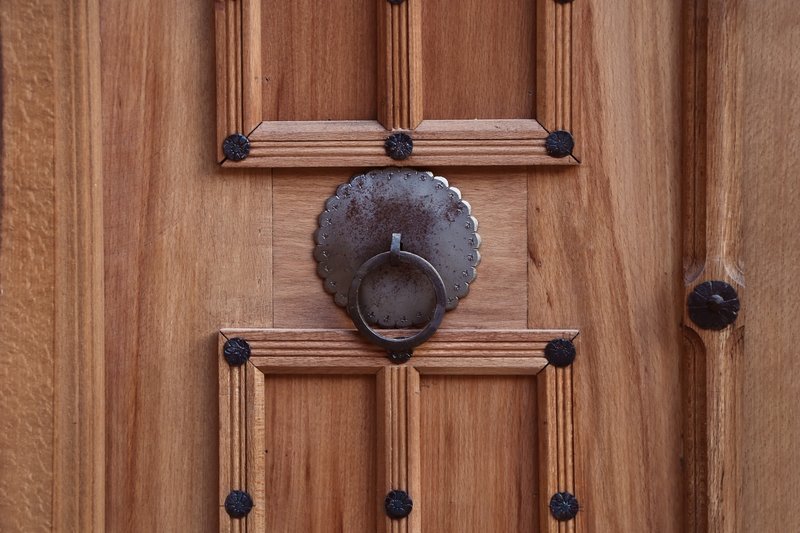
The Safa House Restoration is a shining example of how historical preservation can coexist with modern innovation. By respecting the past while accommodating the present, the architects and designers behind this project have set a benchmark for historic house restoration in Yazd.
As Yazd continues to evolve, projects like these remind us of the city’s rich cultural tapestry and the importance of preserving it. Whether you are an architect, a historian, or simply someone who appreciates cultural heritage, the Safa House restoration is a story worth celebrating.
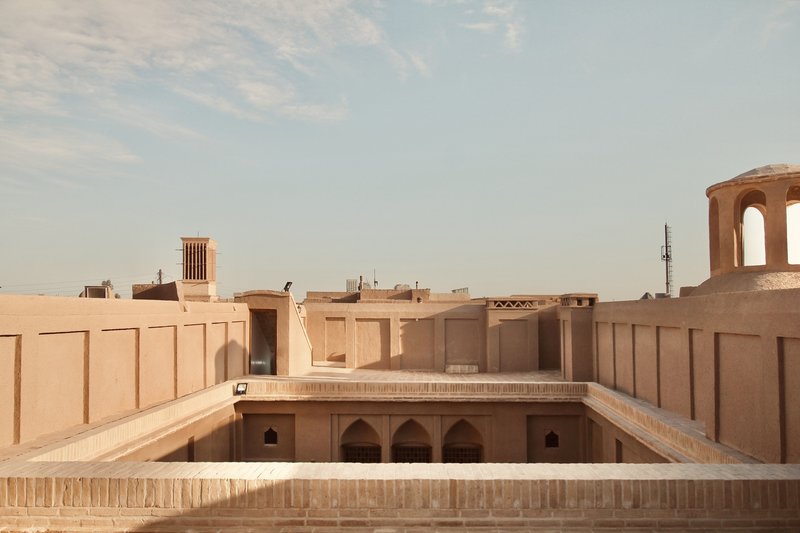
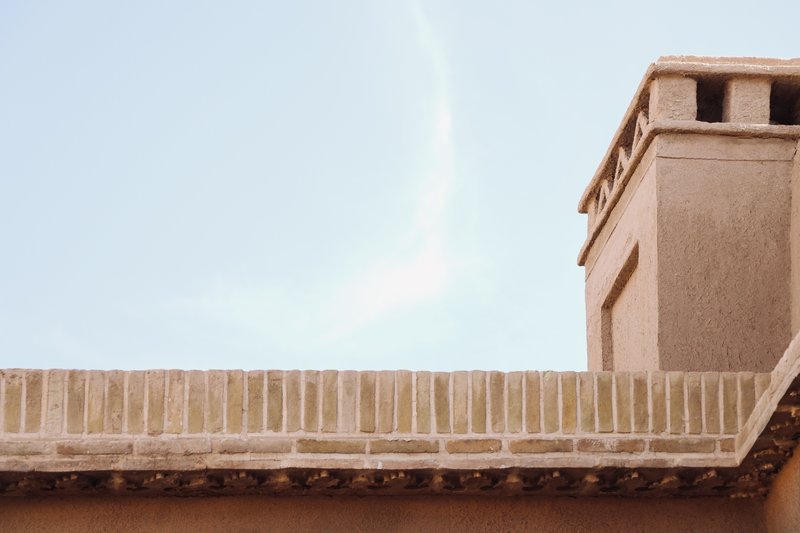
All photographs are work of Mina Abouei




Popular Articles
Popular articles from the community

Flamboyant House by Juliana Camargo + Prumo Projetos
Modern Brazilian house integrating existing tree, pool, and volumes with glass, wood, and transitional spaces blending interior, exterior, and landscape seamlessly.

Solar Steam: A Climate-Responsive Architecture That Redefines the Monument
A climate-responsive memorial architecture that transforms heat, decay, and time into a living system reflecting humanity’s ecological impact.
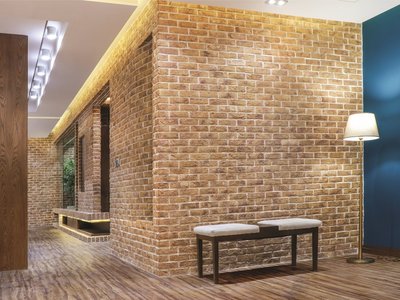
A Contemporary Take on Iranian Residential Architecture
A modern interior design in Mashhad that reinterprets brick, light, and spatial flow to create a warm, contemporary residential architecture.
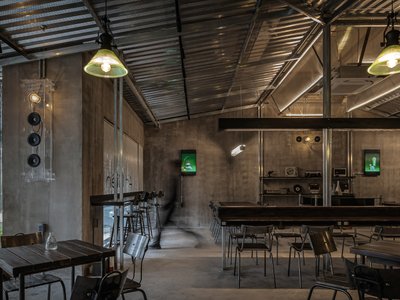
An Miên Lumière Cafe by xưởng xép, Ho Chi Minh City, Vietnam
An industrial-inspired café where layered steel and warm light create a dynamic, immersive environment shaped by reflection, depth, and perception.

Similar Reads
You might also enjoy these articles


The Ken Roberts Memorial Delineation Competition (Krob)
As the most senior architectural drawing competition currently in operation anywhere in the world, it draws hundreds of entries each year, awarding the very best submissions in a series of medium-based categories.


Waterfront Redevelopment and Urban Revitalization in Mumbai: Forging a New Dawn for Darukhana
A transformative waterfront redevelopment project reimagining Darukhana’s shipbreaking heritage into an inclusive urban future.

OUT-OF-MAP: A Call for Postcards on Feminist Narratives of Public Space
Rhizoma Design and Research Lab invites artists, designers, architects, researchers, and students to reflect on how feminist perspectives can reshape public space. Selected works will be exhibited in Barcelona, October 2026. Submissions open until 15 April 2026.


Documentation Work on Buddhist Wooden Temple
Architectural syncretism and cultural hybridity: A comparative study of the Buddhist temples in Chattogram Hill tracks


Explore Architecture Competitions
Discover active competitions in this discipline




The International Standard for Design Portfolios


The Global Benchmark for Architecture Dissertation Awards


The Global Benchmark for Graduation Excellence


Challenge to reimagine the Iron Throne
Comments (0)
Please login or sign up to add comments
No comments yet. Be the first to comment!