
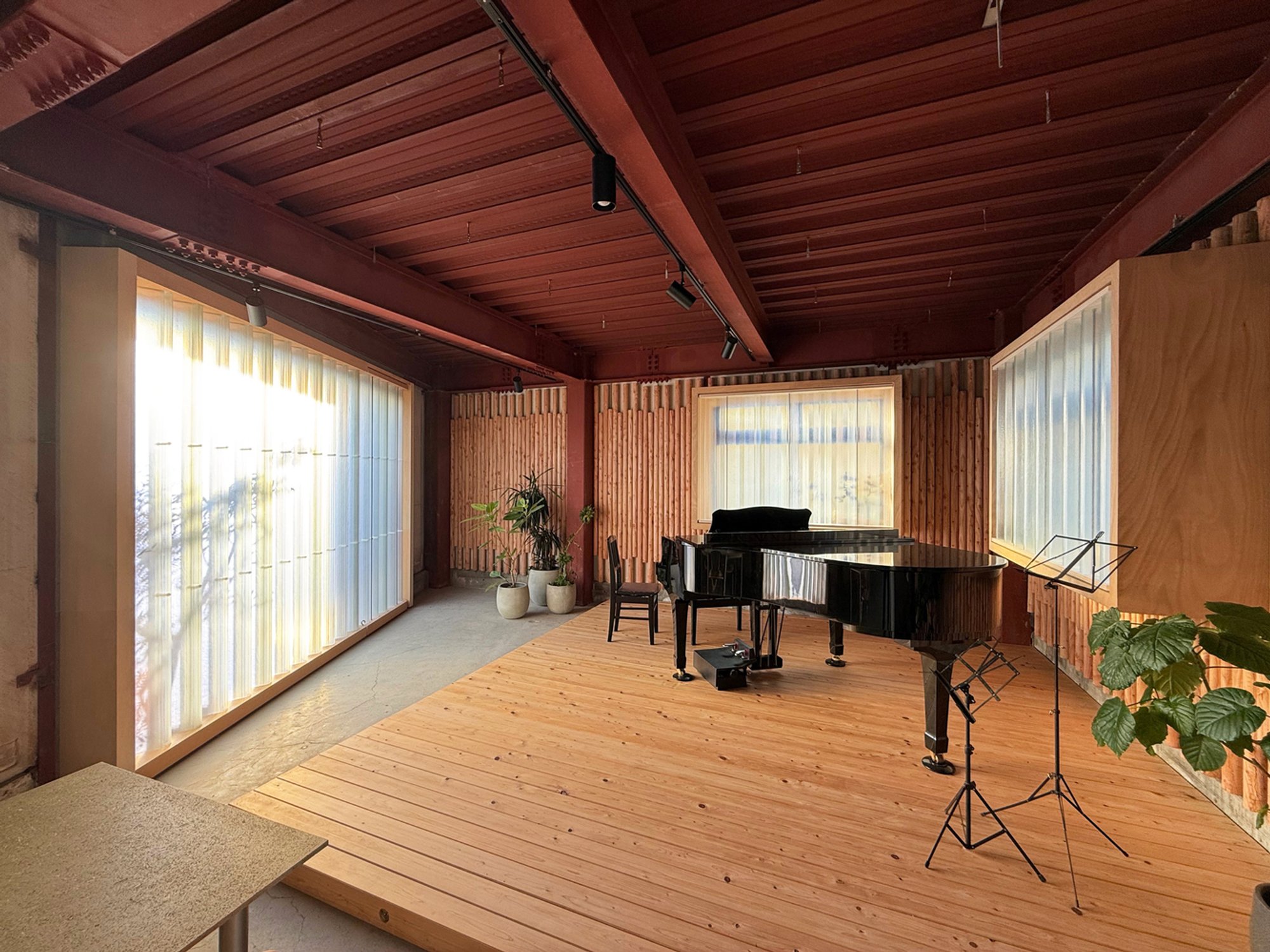
House in Katsushika: A Modern Steel Frame House Renovation in Tokyo
A renovated steel frame house in Tokyo showcasing thermal efficiency, industrial aesthetics, and adaptable living spaces for future generations.

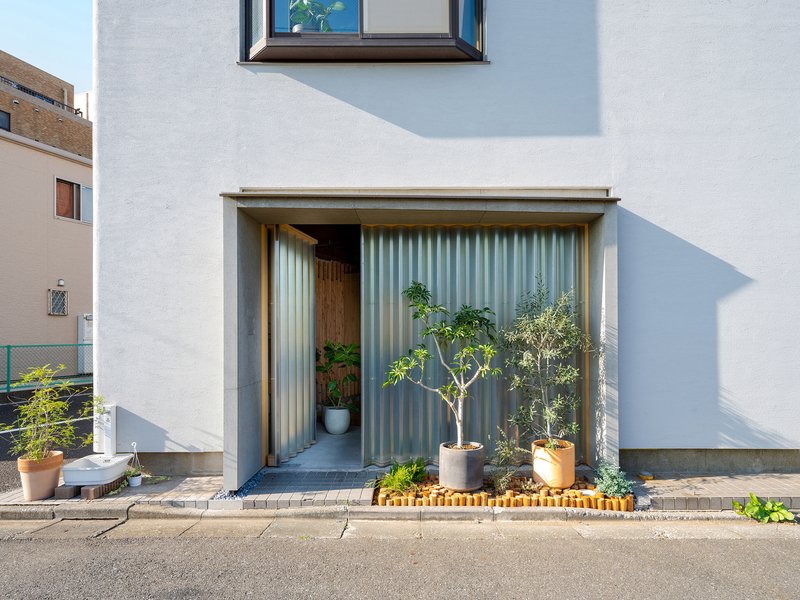
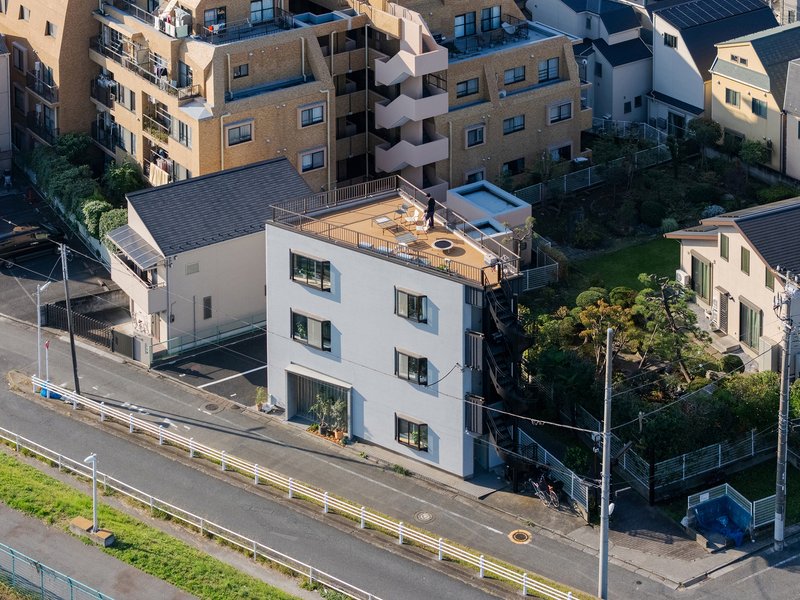
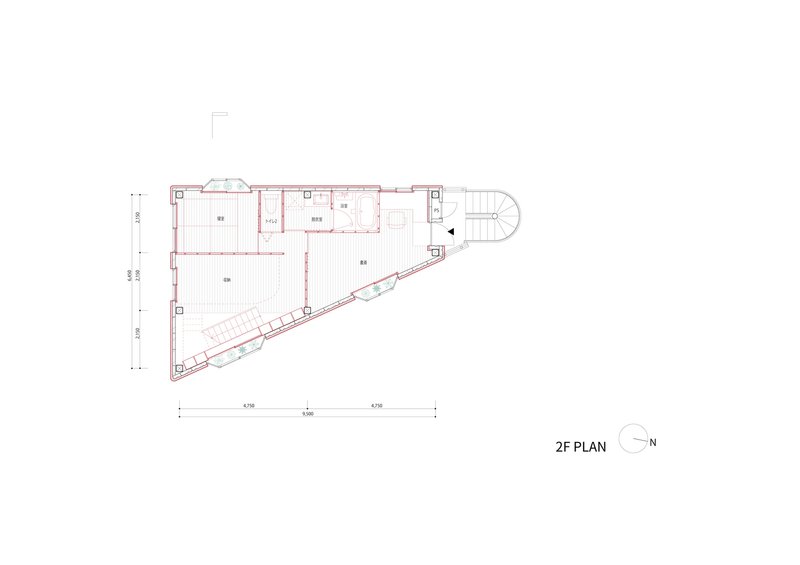
In the heart of Katsushika City, Tokyo, Yo Irie Architects have transformed a 30-year-old steel-framed building into a contemporary residence. Originally designed as a mixed-use structure, with a newspaper office on the ground floor and company housing above, the building’s renovation enhances both functionality and aesthetic appeal. The project maximizes spatial efficiency, improves thermal insulation, and retains the raw industrial character of the existing steel framework, showcasing an innovative approach to steel frame house renovation.
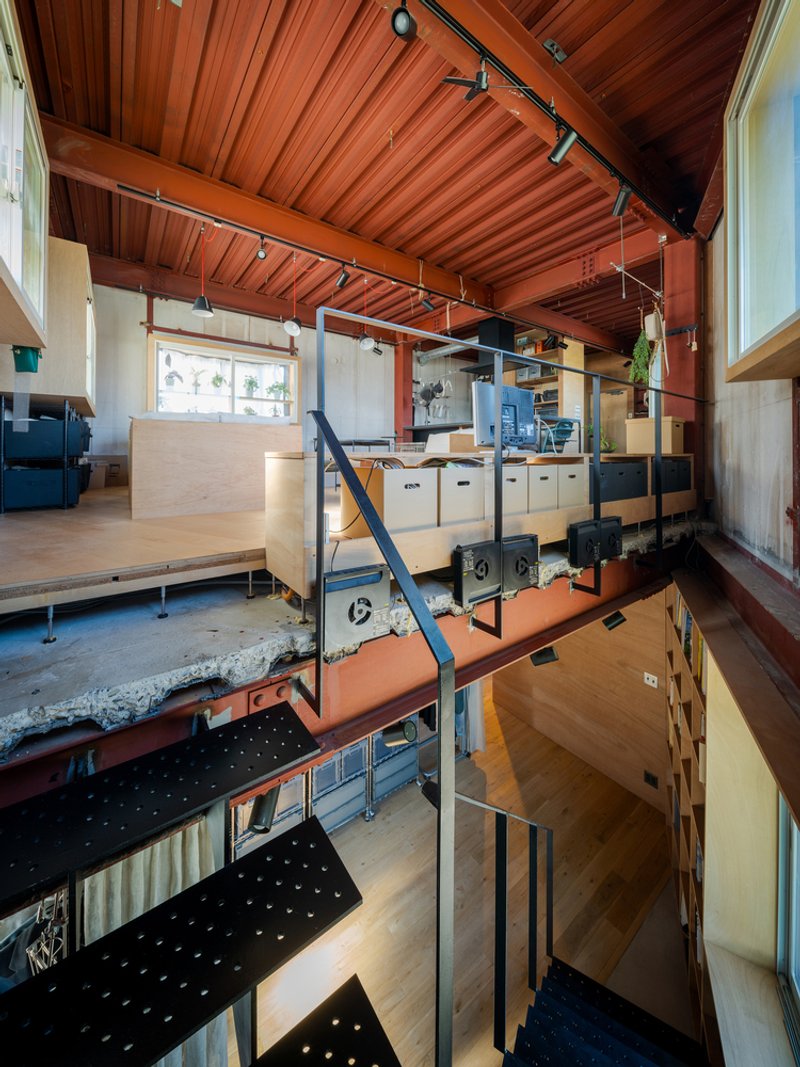
Preserving and Enhancing the Existing Structure
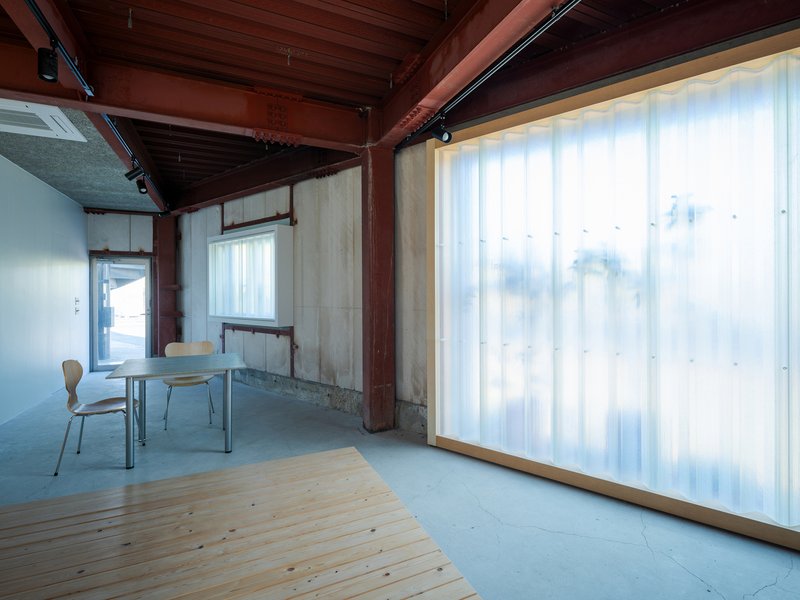
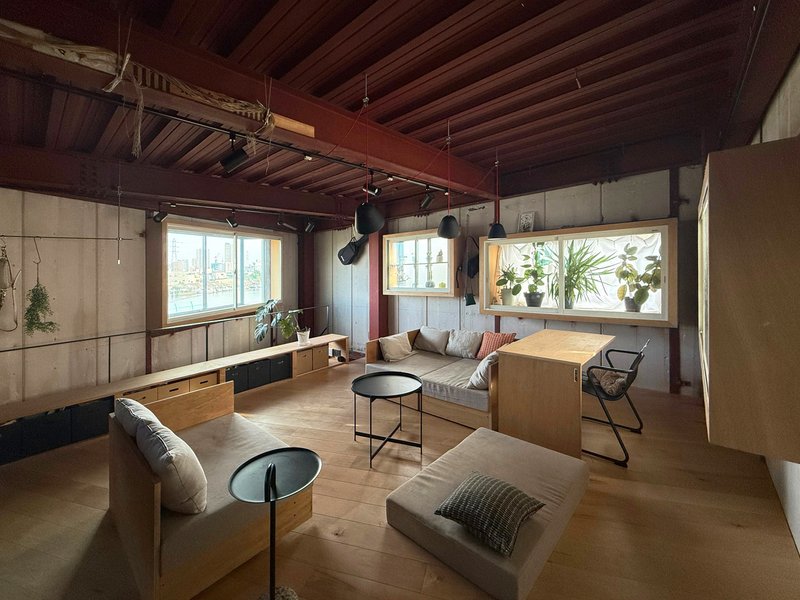
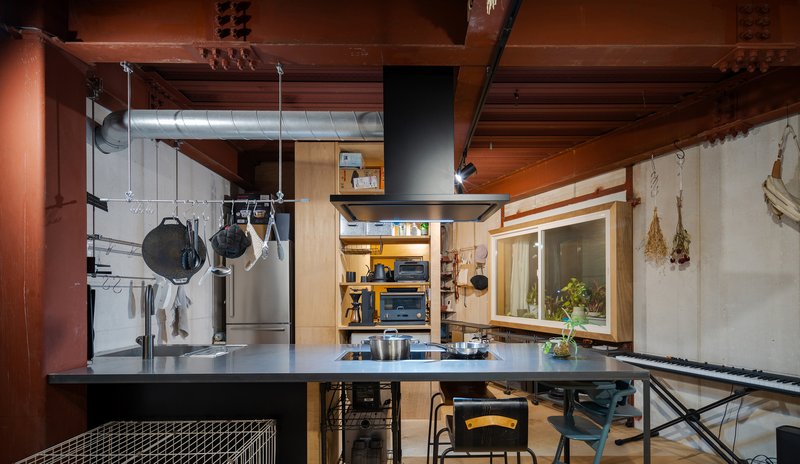
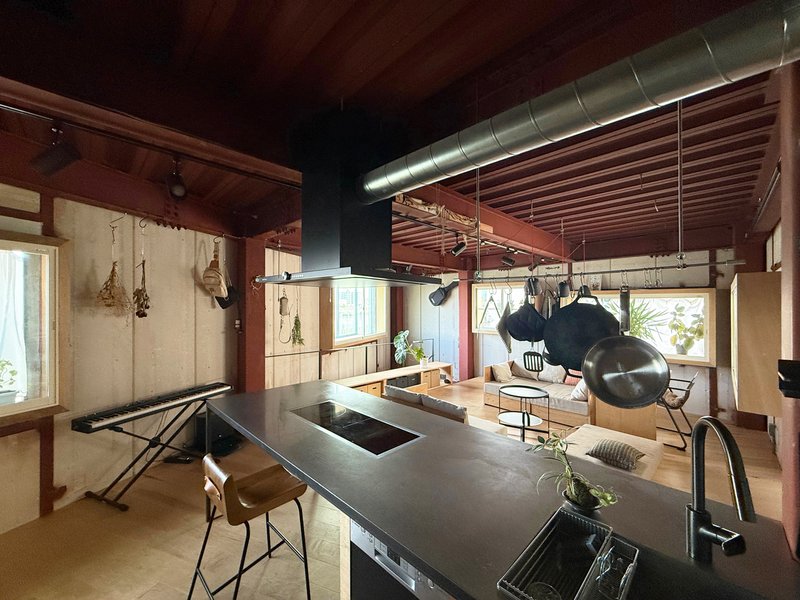
The renovation process began with the careful demolition of interior finishes to assess the condition of the steel framework and ALC exterior walls. While the structure remained sound, it lacked insulation, necessitating an upgrade to improve energy efficiency. Instead of adding insulation internally, the architects opted for external insulation wrapping, reducing thermal bridging while maintaining the spaciousness of the interior. By leaving the steel frame and ALC panels exposed, the design introduces a sense of raw material honesty, which also enhances the home's adaptive reuse potential.
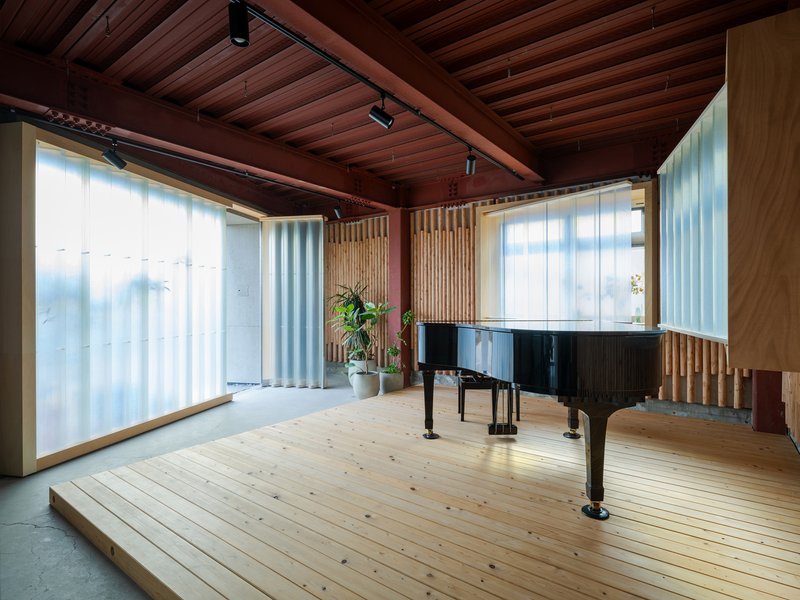
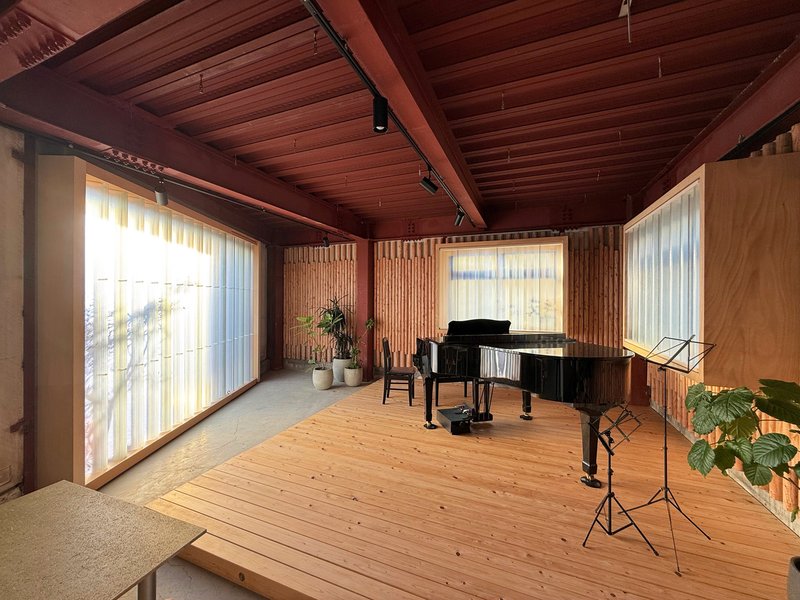
Optimizing Thermal Performance and Acoustics
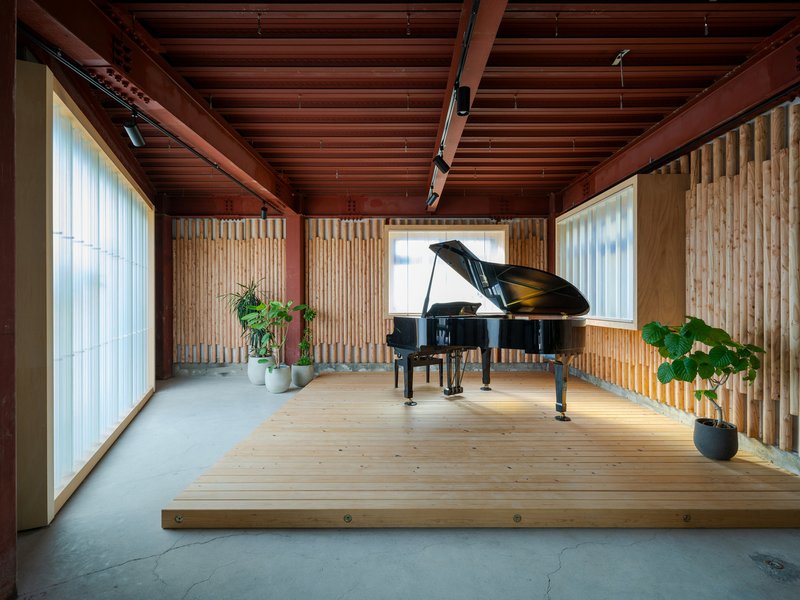
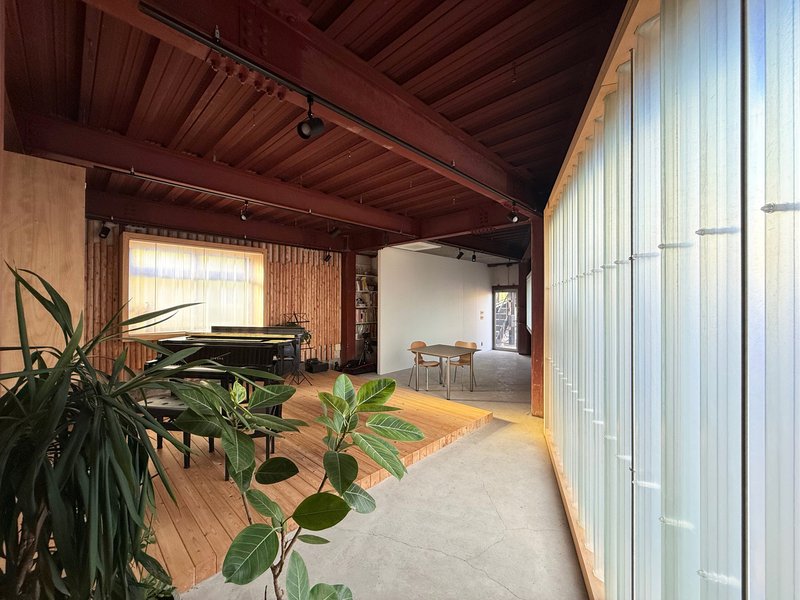
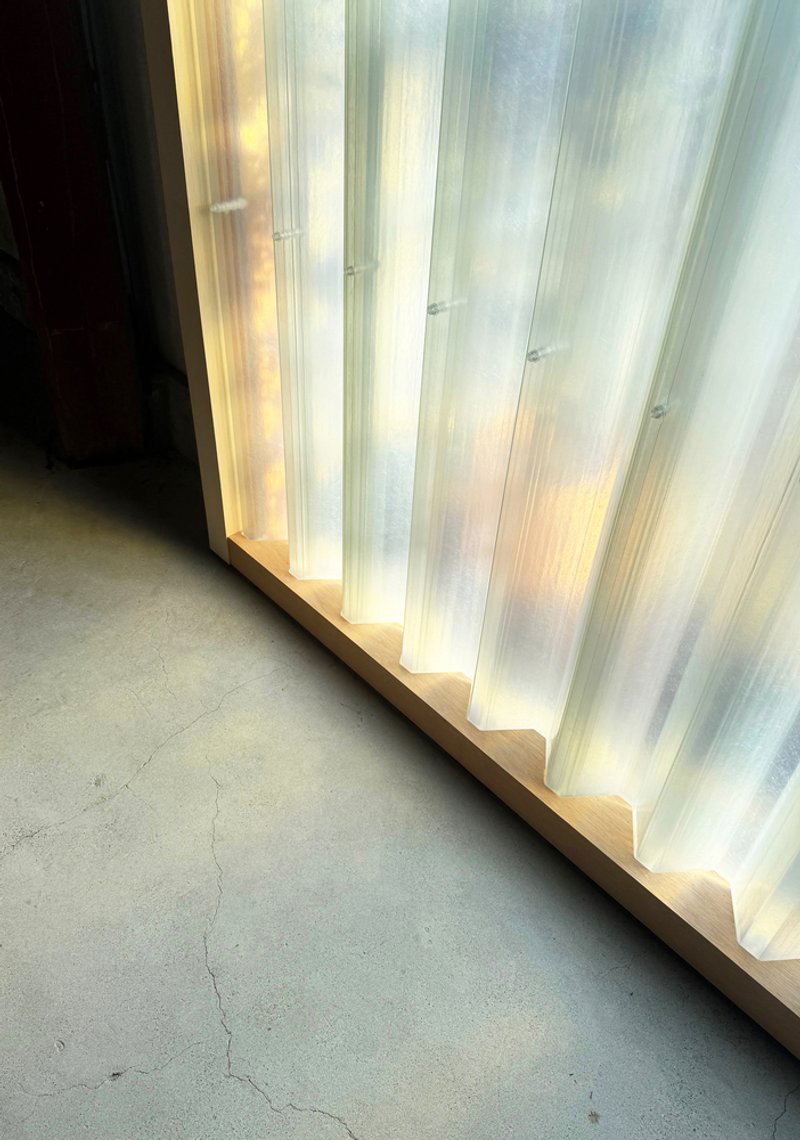
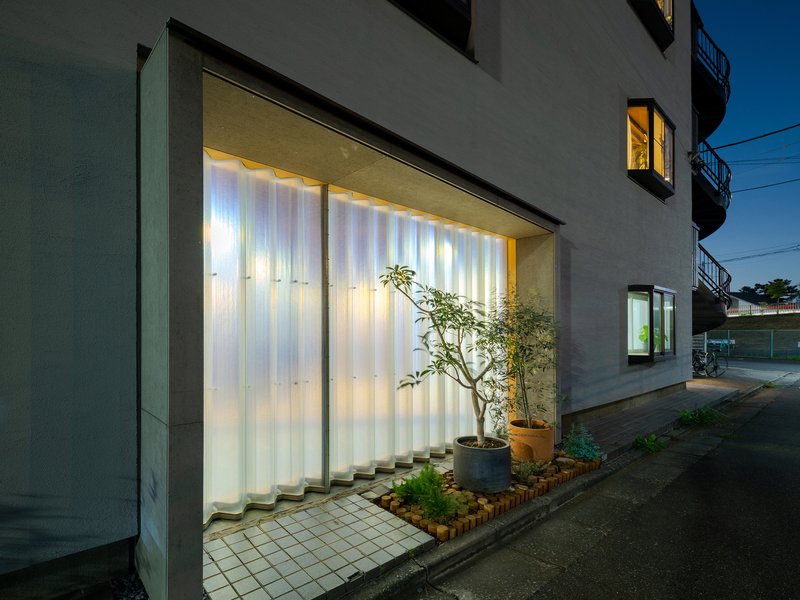
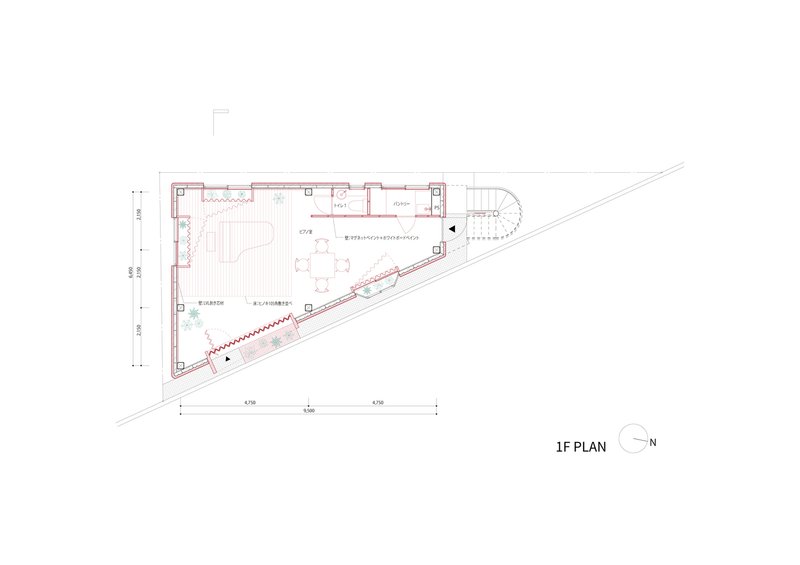
To improve thermal comfort, the existing aluminum window sashes were upgraded with resin inner sashes, adding depth to the cavity to block direct summer sunlight. The piano room on the first floor features a multi-layered FRP and polycarbonate window system, providing enhanced insulation, diffused lighting, and increased sound control. The triple-layer air insulation ensures privacy while maintaining energy efficiency. Additionally, LVL manufacturing byproducts were repurposed to create wall panels that regulate humidity and diffuse sound, contributing to both comfort and sustainability.
Functional and Adaptable Interior Design
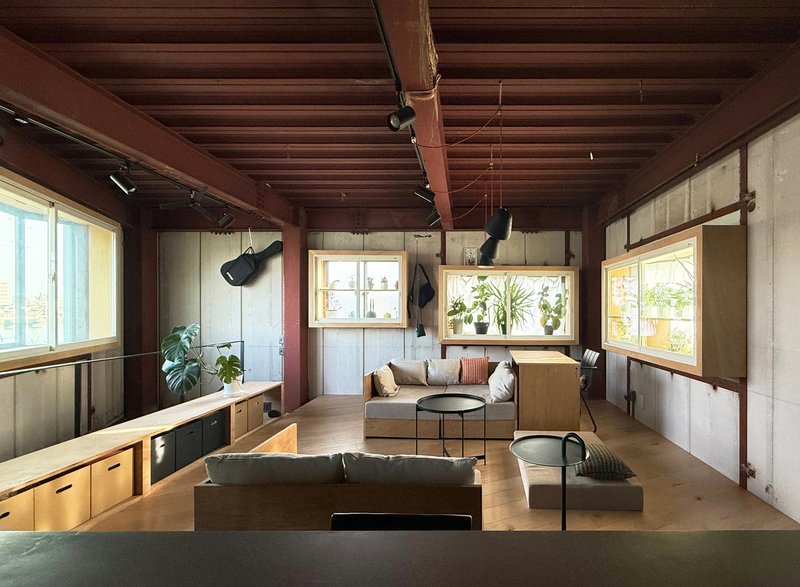
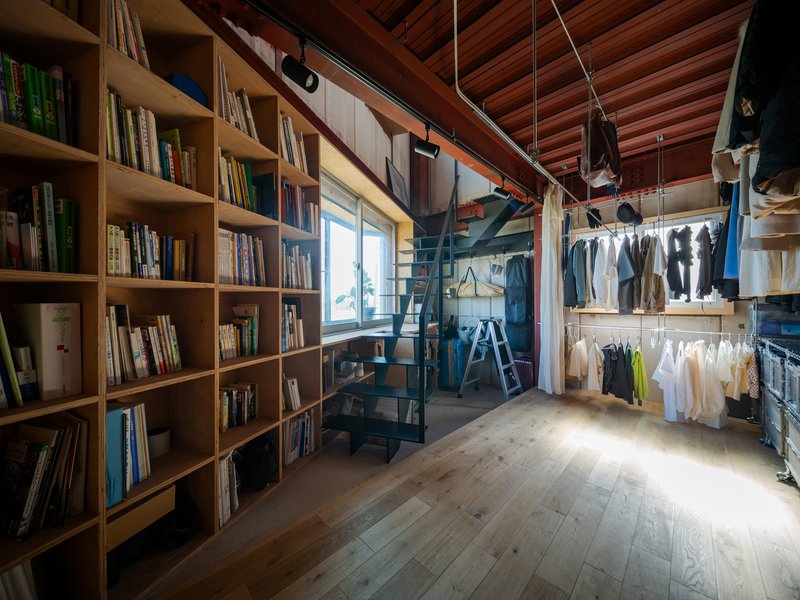
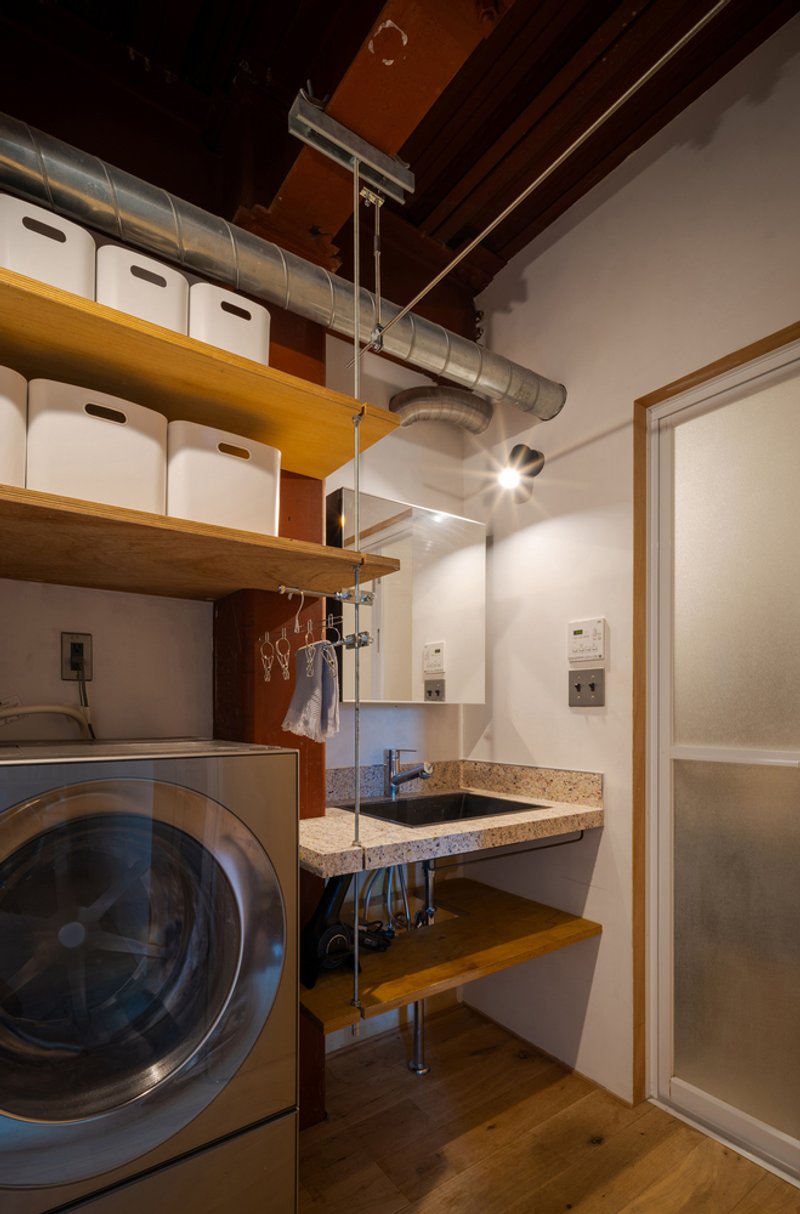
Inside, the architects emphasized versatility and ease of modification by utilizing the exposed steel frame as a structural support system for various attachments. The framework allows for magnetic fixtures, full screws, and clamps, enabling future residents to personalize spaces without the need for specialized tools. This approach not only enhances flexibility but also ensures long-term usability as lifestyle needs evolve.
Minimalist Aesthetic and Cost-Effective Solutions
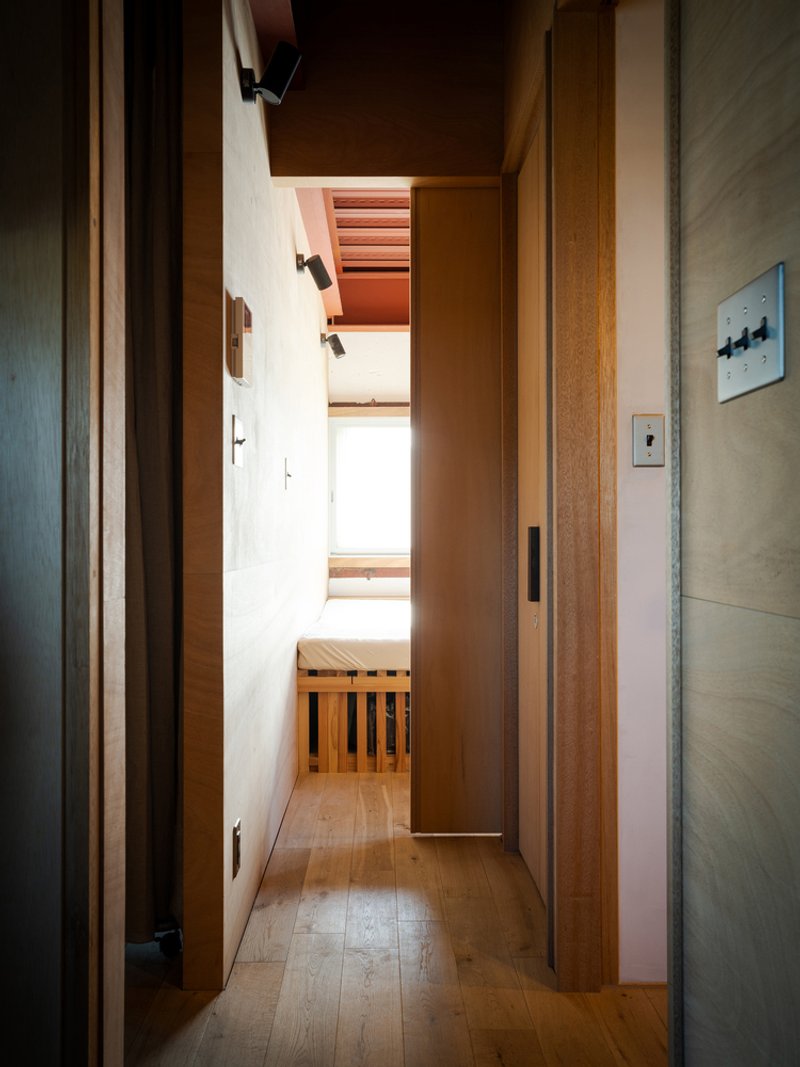
A key aspect of the renovation was maintaining a minimalist design while reducing costs. The decision to leave the steel frame exposed not only highlights the building’s architectural integrity but also eliminates the need for extensive finishing materials. This approach prevents internal condensation issues, ensuring the longevity of the structure while keeping maintenance requirements low.
Long-Term Sustainability and Future Adaptability
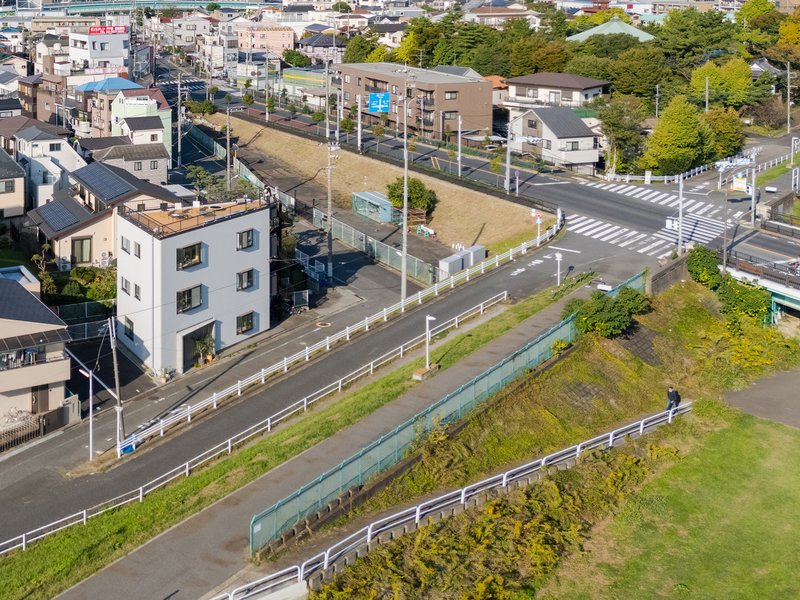
By preserving the core steel framework and improving thermal insulation, the renovation ensures the longevity of the building. The project serves as a model for adaptive reuse in dense urban environments, demonstrating how existing steel-framed buildings can be reimagined for modern living. The design prioritizes structural integrity, energy efficiency, and customizability, making the house adaptable to future ownership changes and evolving residential needs.
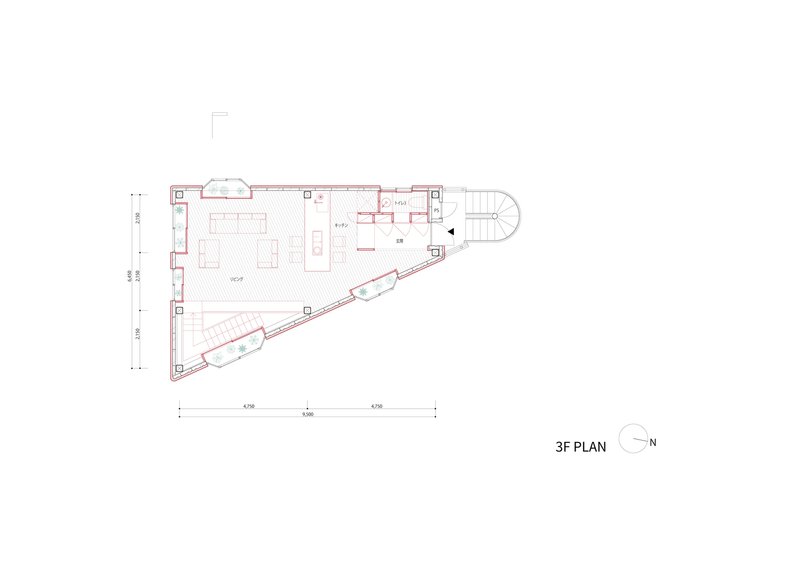
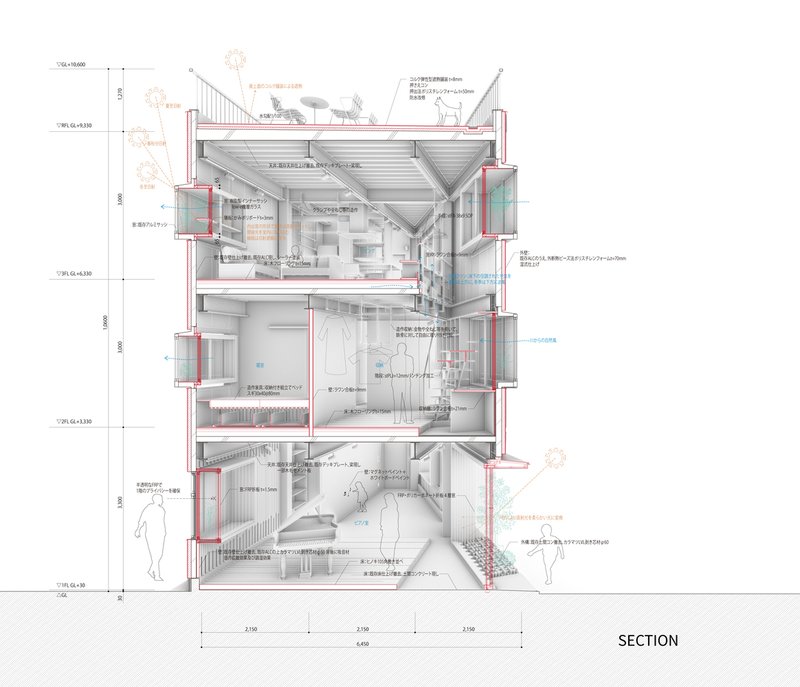
The House in Katsushika is a compelling example of steel frame house renovation, where modern upgrades meet industrial aesthetics to create a home that is both functional and adaptable. The project highlights the potential of repurposing aging structures in urban settings, emphasizing sustainability, flexibility, and long-term usability.
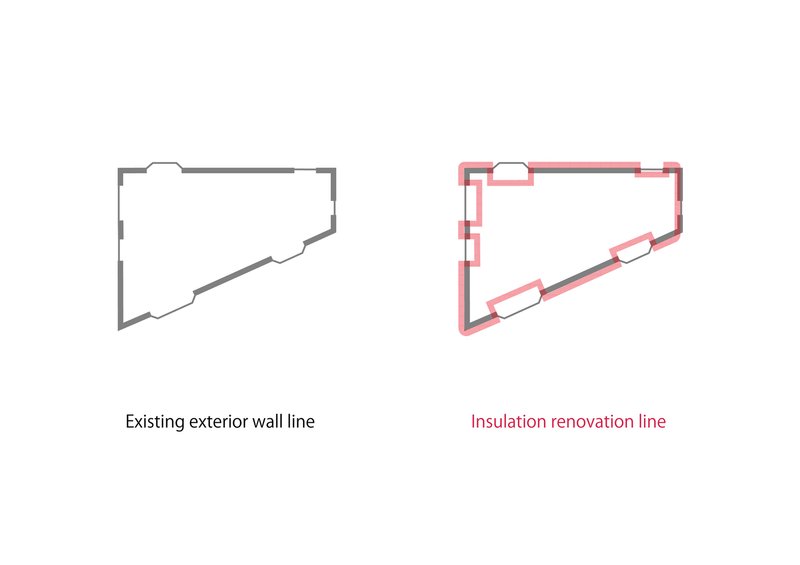
All Photographs are works of Takahiro Arai




Popular Articles
Popular articles from the community


The Ken Roberts Memorial Delineation Competition (Krob)
As the most senior architectural drawing competition currently in operation anywhere in the world, it draws hundreds of entries each year, awarding the very best submissions in a series of medium-based categories.

On the Brooks House by Monsoon Collective – A Contemporary Kerala Home Rooted in Tradition
Kerala home blending tradition and modernity with water-inspired design, brick architecture, courtyard planning, and sustainable rainwater harvesting strategies.
A Contemporary Take on Iranian Residential Architecture
A modern interior design in Mashhad that reinterprets brick, light, and spatial flow to create a warm, contemporary residential architecture.
Treehouse Apartment: A Warm Timber Interior Blending Craft, Play, and Contemporary Living
Warm timber apartment with integrated treehouse, combining natural materials, craftsmanship, and playful design to create a flexible, family-oriented living environment.


Similar Reads
You might also enjoy these articles
The Ken Roberts Memorial Delineation Competition (Krob)
As the most senior architectural drawing competition currently in operation anywhere in the world, it draws hundreds of entries each year, awarding the very best submissions in a series of medium-based categories.


Waterfront Redevelopment and Urban Revitalization in Mumbai: Forging a New Dawn for Darukhana
A transformative waterfront redevelopment project reimagining Darukhana’s shipbreaking heritage into an inclusive urban future.

OUT-OF-MAP: A Call for Postcards on Feminist Narratives of Public Space
Rhizoma Design and Research Lab invites artists, designers, architects, researchers, and students to reflect on how feminist perspectives can reshape public space. Selected works will be exhibited in Barcelona, October 2026. Submissions open until 15 April 2026.


Documentation Work on Buddhist Wooden Temple
Architectural syncretism and cultural hybridity: A comparative study of the Buddhist temples in Chattogram Hill tracks


Explore Architecture Competitions
Discover active competitions in this discipline




The International Standard for Design Portfolios


The Global Benchmark for Architecture Dissertation Awards


The Global Benchmark for Graduation Excellence


Challenge to reimagine the Iron Throne
Comments (0)
Please login or sign up to add comments
No comments yet. Be the first to comment!