
ICON, a company that focuses on developing space technologies, has received funding from NASA
The goal of this project is to advance our ability to explore and eventually establish human settlements on these extraterrestrial bodies.

ICON, an Austin-based technology company, has received funding from NASA to develop space-based construction systems to support habitation on the Moon and Mars.
The company has been awarded a nearly $60 million contract under Phase III of NASA’s Small Business Innovation Research (SBIR) program. This new funding builds upon previous NASA and Department of Defense funding for ICON's Project Olympus, which is being developed in collaboration with SEArch+ (Space Exploration Architecture).
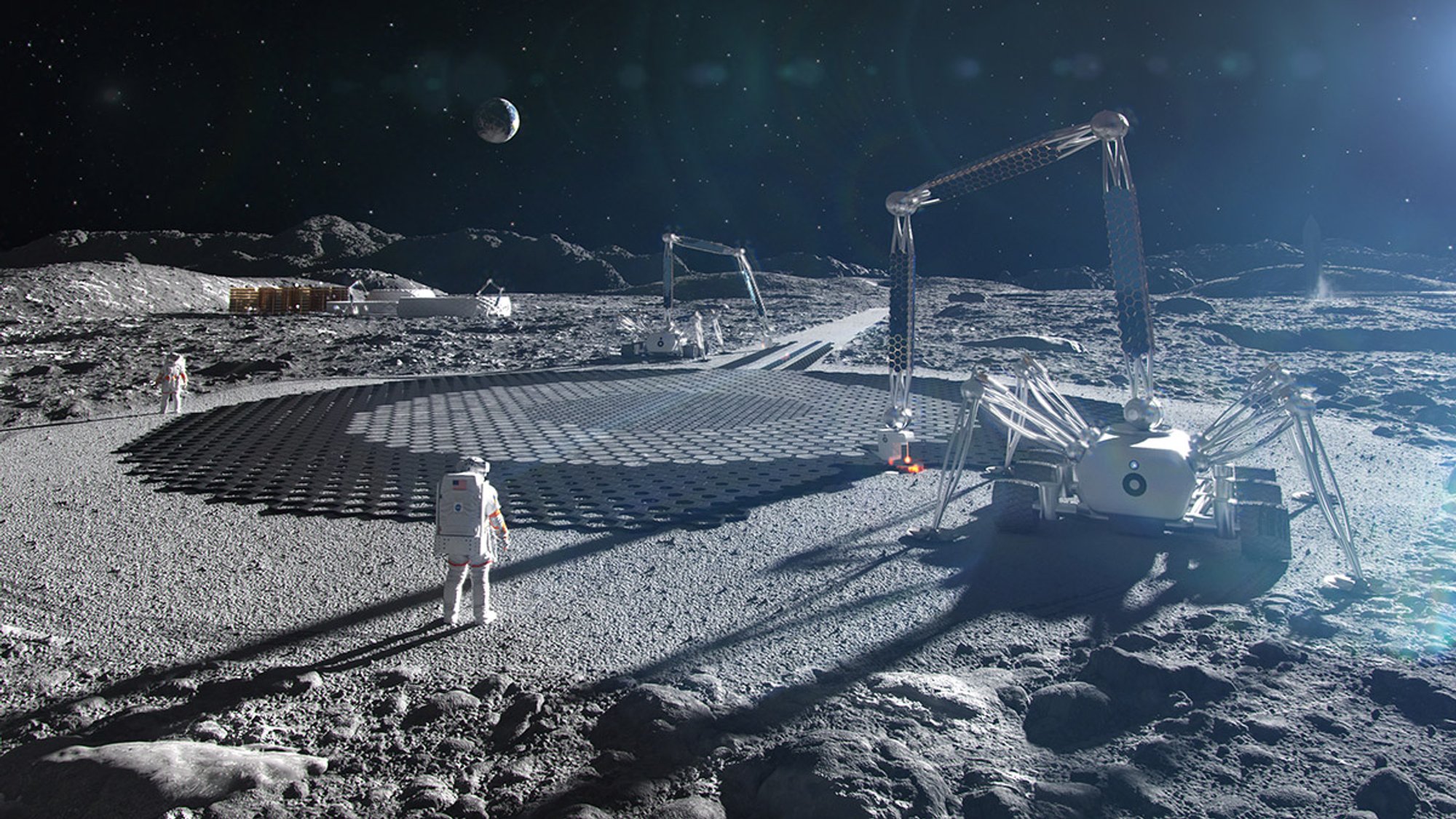
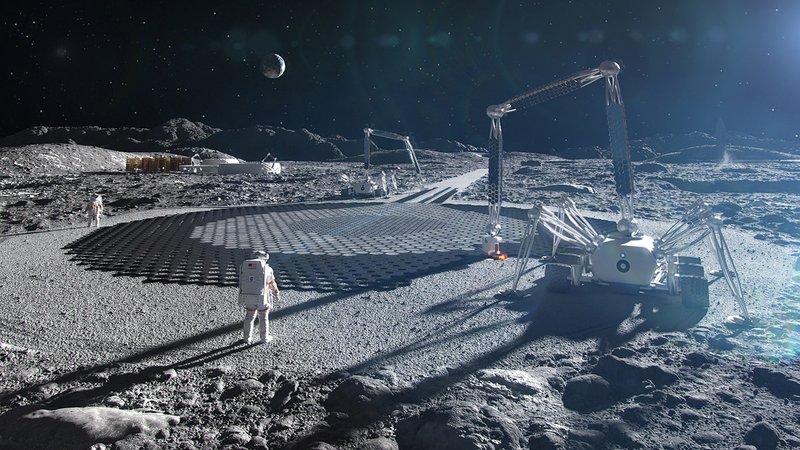
With this funding, ICON aims to build the first-ever construction on another planetary body. The company's new Olympus system, which is intended to be a multi-purpose construction system, will use local Lunar and Martian resources as building materials and aims to establish a sustained presence on the Moon.
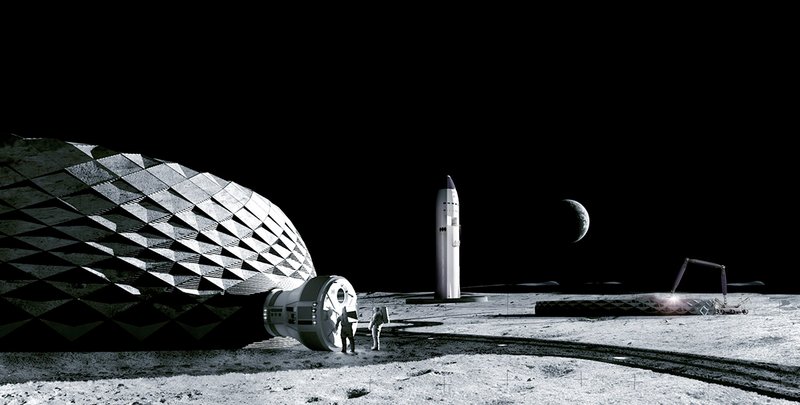
In order to move from a model of space exploration that is based on brief visits to one that involves sustained presence on other bodies in the solar system, we need advanced technology that can make use of the resources available on the Moon and other planets. According to Jason Ballard, the CEO and co-founder of ICON, the company's work to date has shown that it is possible to create such systems, and they are now receiving funding from NASA to turn this possibility into reality.
As part of their support for NASA's Artemis program, ICON plans to use their advanced hardware and software in space, including a simulated flight in lunar gravity. The goal of this project is to be able to build structures on the surface of the Moon, which would be a major achievement in the history of space exploration. To accomplish this, the company will be working with samples of lunar regolith collected during the Apollo missions, as well as simulated versions of this material, in order to study its mechanical behaviour in conditions similar to those on the Moon.
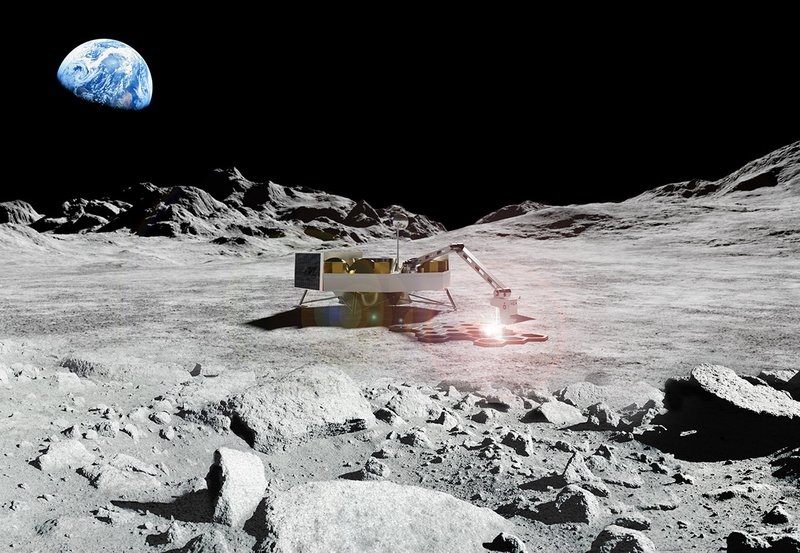
According to ICON, the results of their research will be useful for developing a range of construction techniques that can be used on the Moon, including for building infrastructures such as landing pads, blast shields, and roads. This technology will be essential for establishing a sustainable economy on the Moon and eventually enabling long-term habitation of the lunar surface. The company plans to share these findings with the broader space community in order to advance our ability to explore and utilize the resources of the Moon and other celestial bodies.
In order to explore other worlds, we need technology that is adapted to the unique conditions of these environments and our own exploration needs, according to Niki Werkheiser, the director of technology maturation in NASA's Space Technology Mission Directorate. NASA's Artemis program aims to create the capabilities needed for future missions, and if successful, the Moon will be the first destination for sustainable surface exploration. ICON believes that a robust infrastructure built on the Moon using local materials will be necessary for establishing a sustained human presence on the lunar surface. The company's development plans are based on a "live off the land" approach that prioritizes the use of in-situ materials found on the Moon. By building infrastructures such as landing pads and habitats, we can take the first steps towards becoming a spacefaring civilization, according to ICON.

ICON, a company that specializes in advanced construction technologies and large-scale 3D printing, is working with the Bjarke Ingels Group (BIG) to develop 3D-printed homes for humans on Earth and in space. BIG joined ICON as a new investor in 2020, and the two companies are currently working on a 100-home 3D-printed community in Georgetown, Texas. They are also collaborating on Mars Dune Alpha, a 3D-printed research habitat that will be used by NASA astronauts on future missions to Mars. In addition, ICON is building the East 17th Street Residences, a multi-home project in Austin, Texas that is also 3D-printed and designed by the Austin-based firm Logan Architecture.


Popular Articles
Popular articles from the community

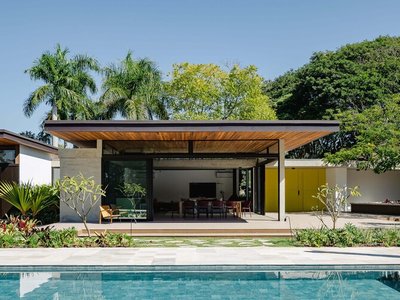
Flamboyant House by Juliana Camargo + Prumo Projetos
Modern Brazilian house integrating existing tree, pool, and volumes with glass, wood, and transitional spaces blending interior, exterior, and landscape seamlessly.

Inverted Architecture Installation by Studio Link-Arc: Exploring the Intersection of Architecture and Living Organisms
Inverted Architecture Installation by Studio Link-Arc blends mycelium, sustainability, inverted design, ecological cycles, and urban adaptive architecture in Shenzhen.


The Ken Roberts Memorial Delineation Competition (Krob)
As the most senior architectural drawing competition currently in operation anywhere in the world, it draws hundreds of entries each year, awarding the very best submissions in a series of medium-based categories.
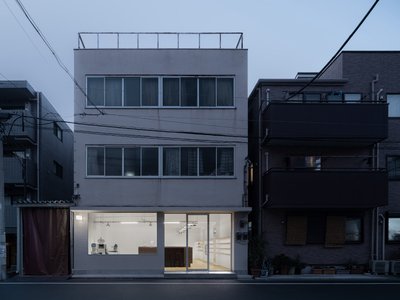
Atelier Macri Concept Store Interior Design by CASE-REAL
Atelier Macri store features a "ko" counter, walnut wood details, cork displays, blending retail, gallery, and seamless customer experiences.


Similar Reads
You might also enjoy these articles
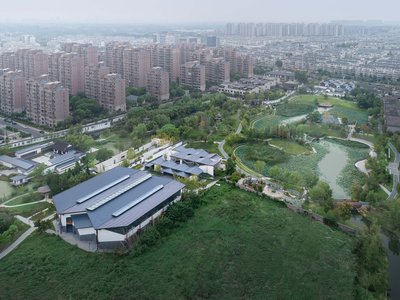
Zhuxi Wonderland: Reimagining Traditional Chinese Gardens by Doarchi Architects
Zhuxi Wonderland by Doarchi Architects reinterprets traditional Yangzhou gardens, integrating courtyards, pavilions, and tea houses in modern cultural design.
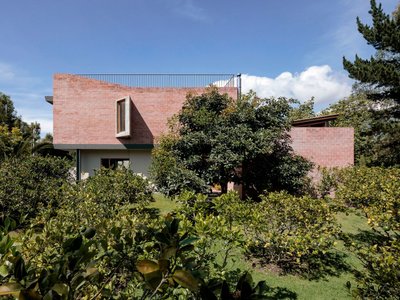
Doble Soga House: A Contemporary Brick Residence Rooted in Landscape in Quito, Ecuador
Brick house in Quito integrating nature, flexible living spaces, exposed materials, and rooftop terrace, creating warm contemporary architecture for modern family life.
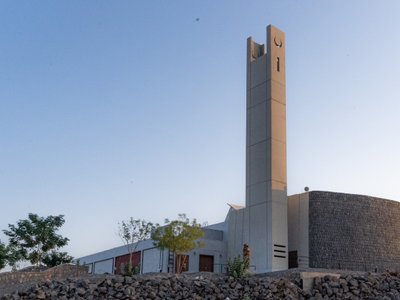
Al Gharra Mosque in Medina Redefining Contemporary Islamic Architecture
Minimalist Medina mosque using concrete, light, and landscape to reinterpret Islamic worship spaces through symbolic spiritual transitions and contemporary architecture.
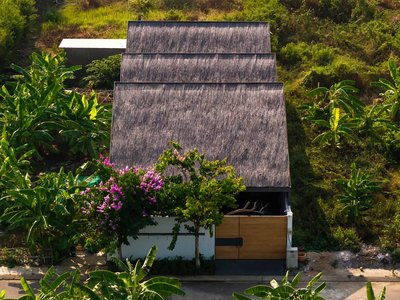
Viczonecode Villa by DDconcept – Tropical Family Living in Ho Chi Minh City
Tropical family villa in Ho Chi Minh City featuring courtyards, skylights, natural ventilation, elevated flooring, and seamless indoor–outdoor living surrounded by greenery.


Explore Architecture Competitions
Discover active competitions in this discipline




The International Standard for Design Portfolios


The Global Benchmark for Architecture Dissertation Awards


The Global Benchmark for Graduation Excellence


Challenge to reimagine the Iron Throne
Comments (0)
Please login or sign up to add comments
No comments yet. Be the first to comment!