
Introduction to Japanese Countryside Architecture
Explore House KJ's innovative Japanese countryside architecture, blending unique design with a deformed flagpole lot and natural surroundings.

Japanese countryside architecture is known for its ability to harmonize modern design with the natural landscape. In rural Japan, architects often face unique challenges when working with irregular plots and geographical constraints. One such example is House KJ, a remarkable project designed by 1-1 Architects. This home redefines how architecture can interact with its surroundings, offering a fresh approach to design in the Japanese countryside.
The Design Concept of House KJ
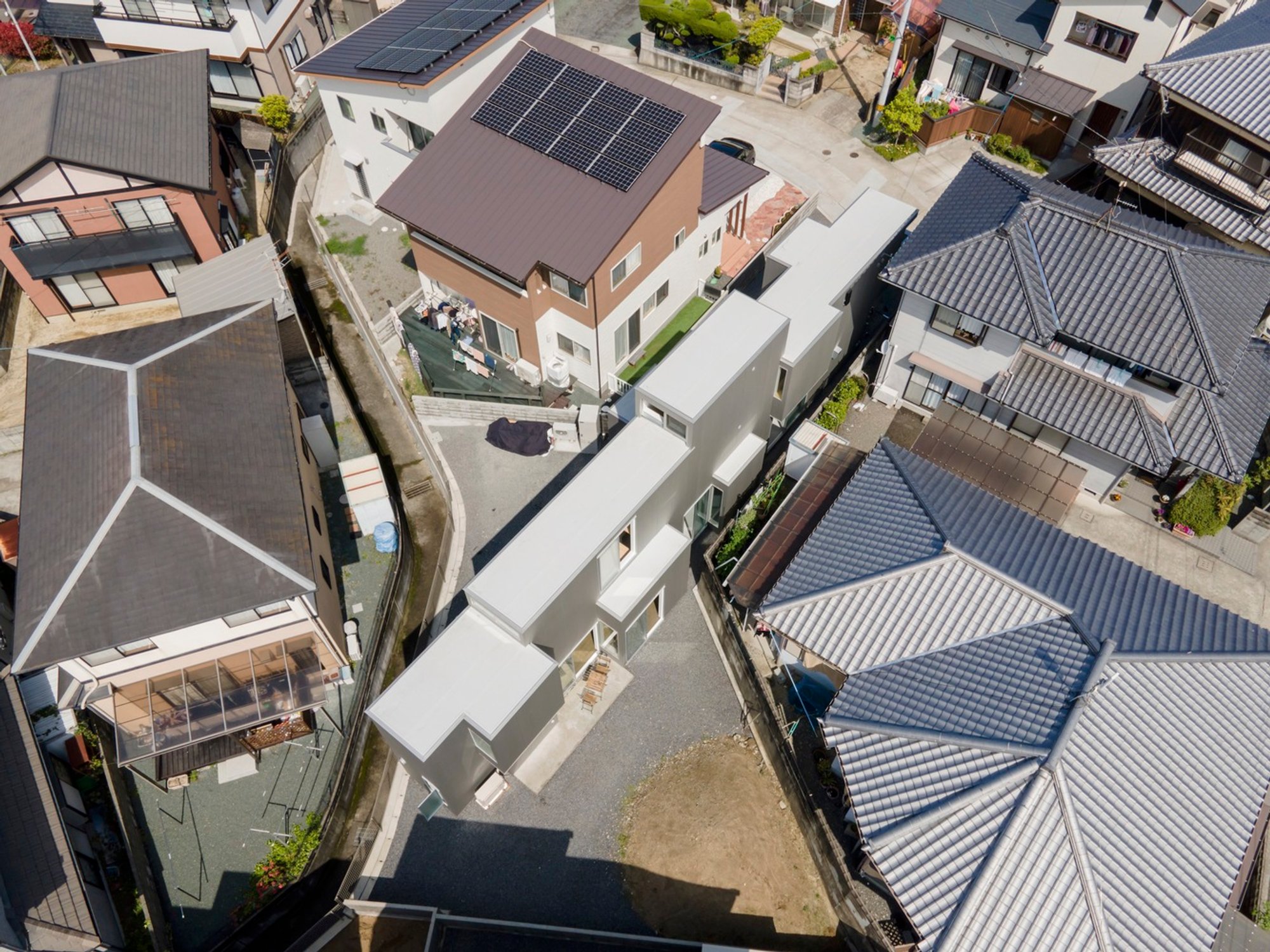
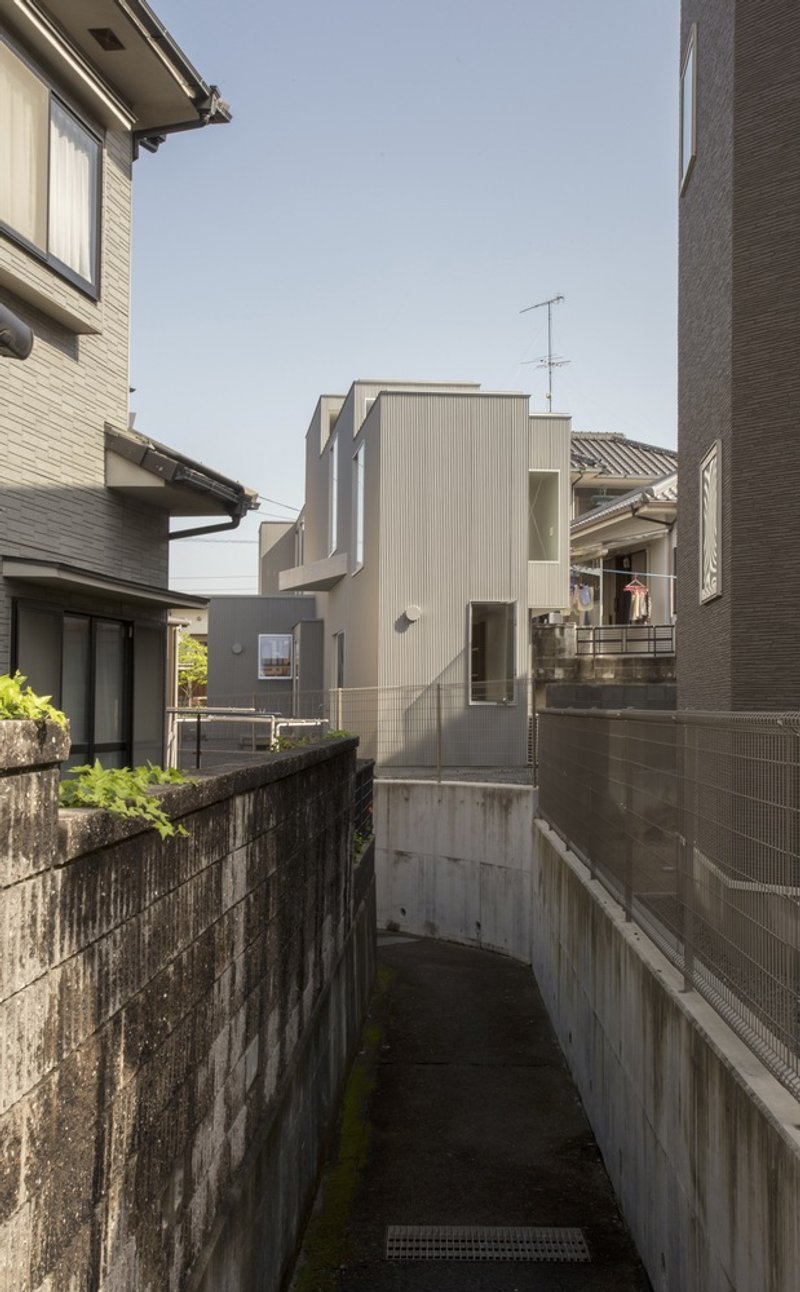
Located in a rural part of Japan, House KJ sits on a deformed flagpole-shaped plot of land. The irregularity of the land, with its narrow and distorted roads, presented a complex challenge. However, the design team at 1-1 Architects embraced this challenge to create a home that establishes a dynamic relationship with both its site and the neighboring properties. This design approach is a great example of how Japanese countryside architecture can adapt to the limitations of the environment while maintaining functional and aesthetic value.
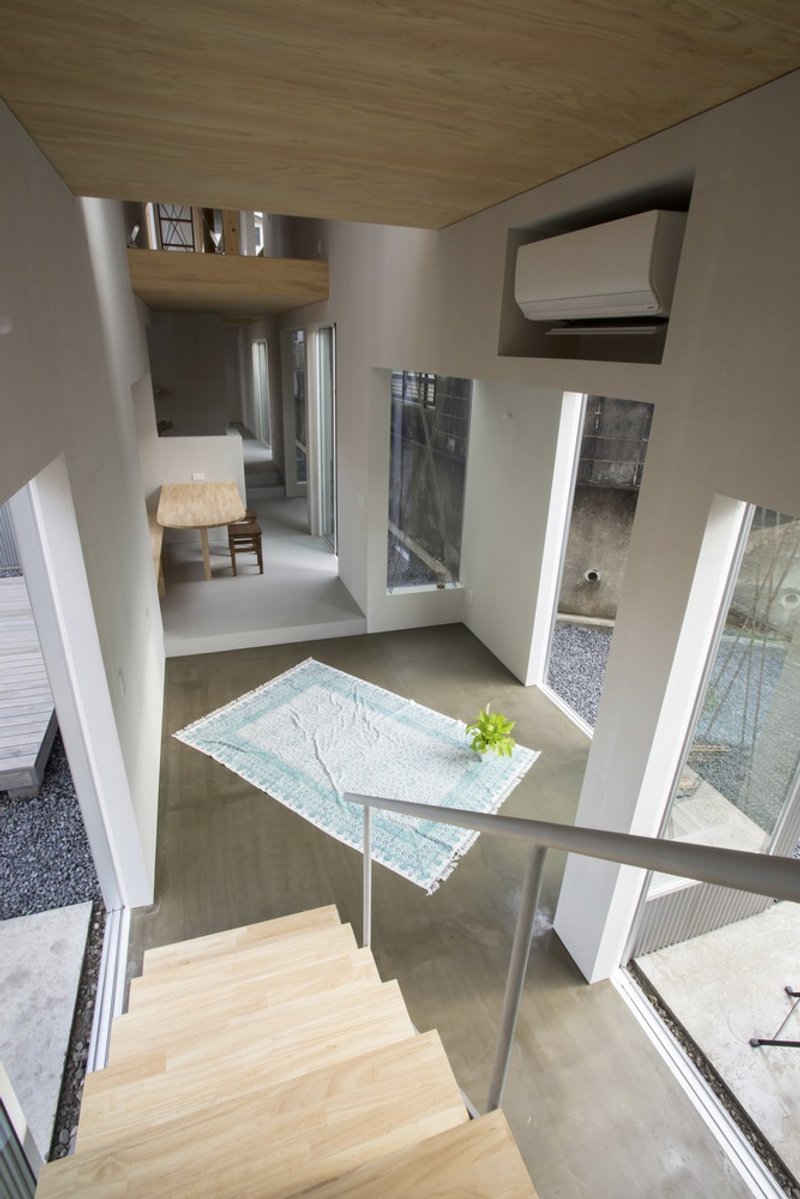
Innovative Use of a Distorted Flagpole Lot
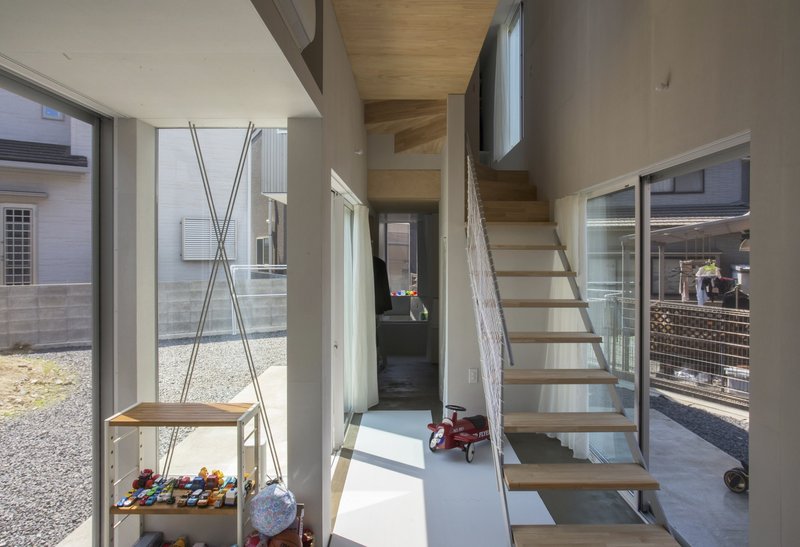
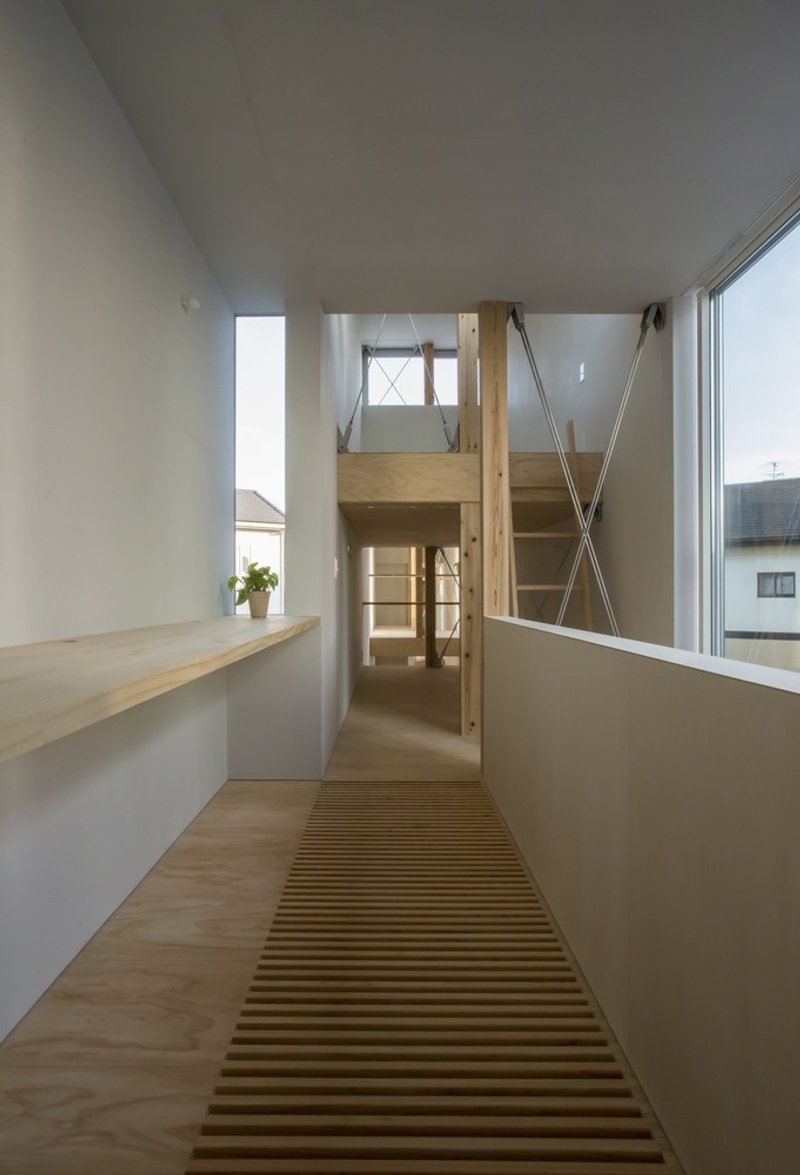
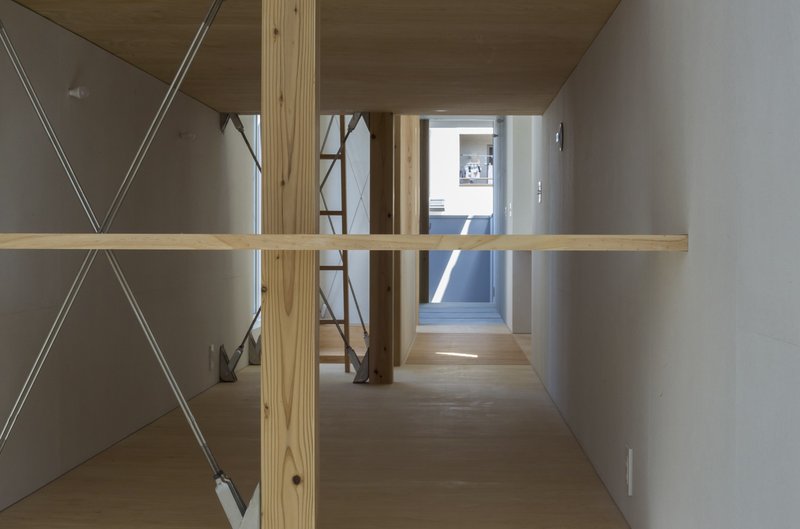
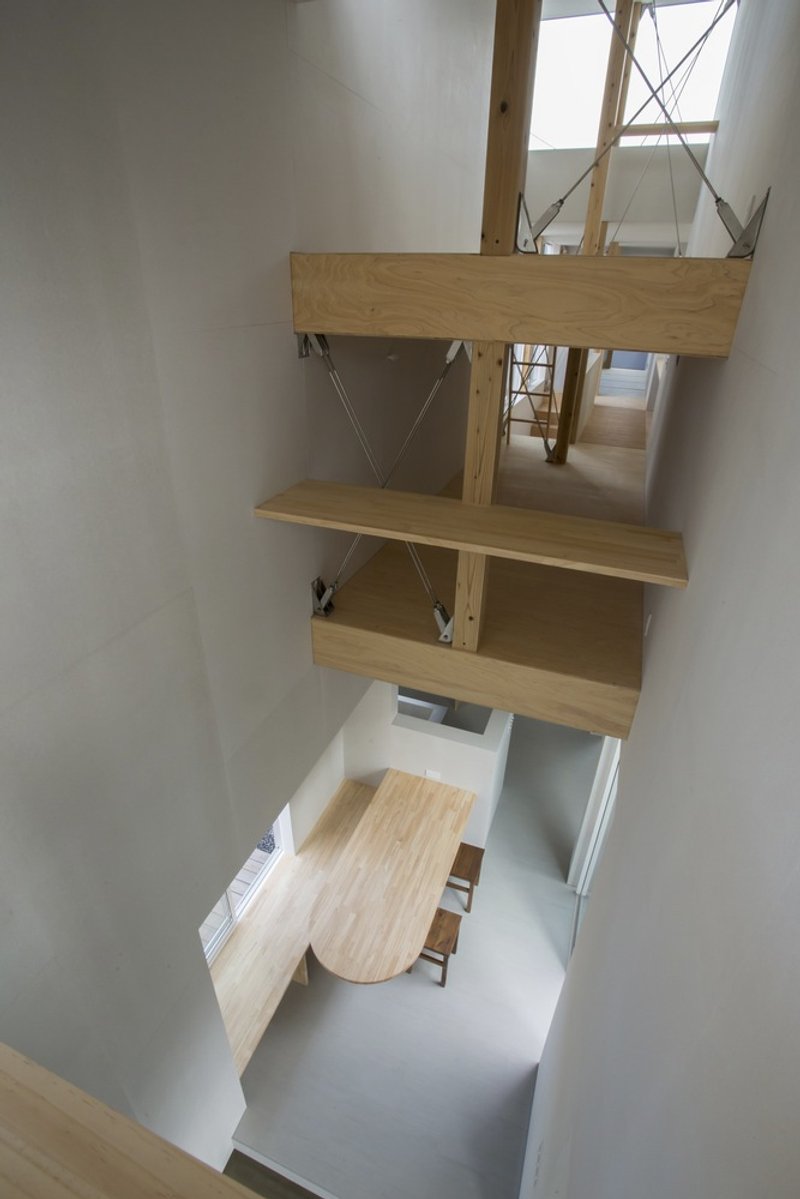
One of the most striking features of House KJ is its response to the irregularity of the site. The design utilizes a narrow, elongated volume that penetrates both the flag and pole portions of the plot. This strategy creates a strong internal axis and ensures that the house remains connected to the surrounding land despite the challenging property boundaries.
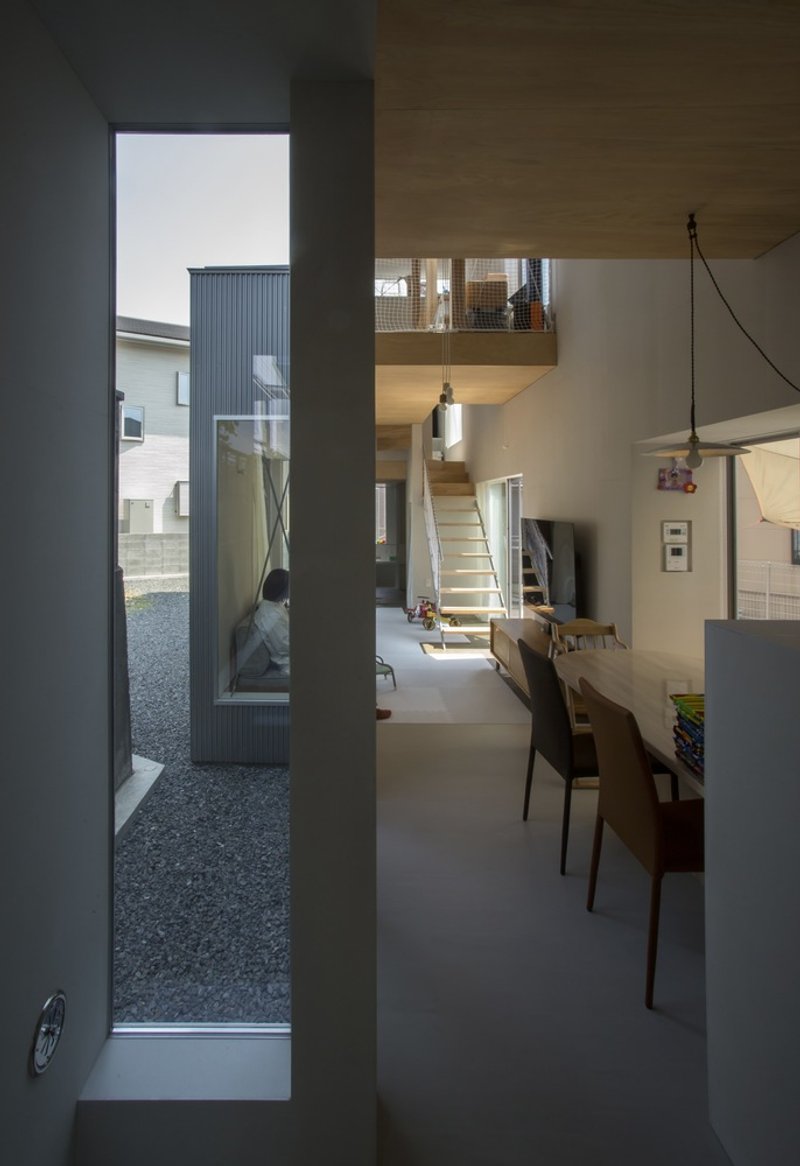
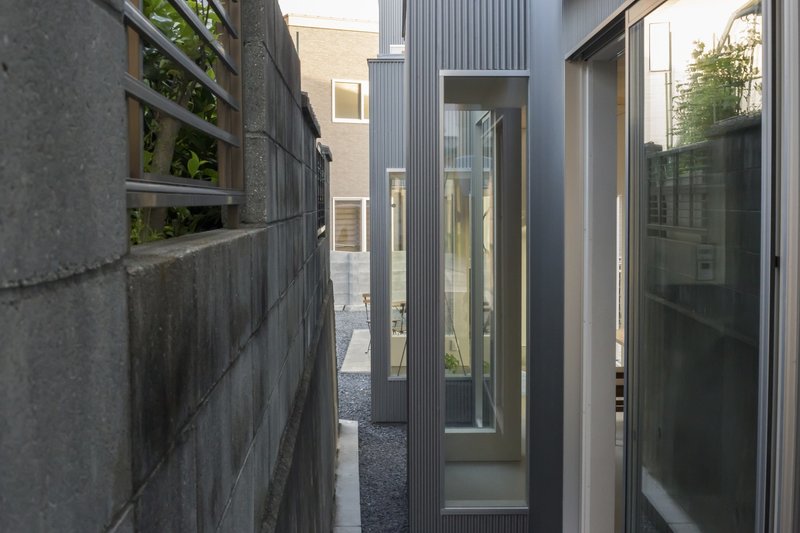
By placing the house at this precise angle, the architects achieved a design that offers exterior walls with a close distance on both the east and west sides. This creates an intimate relationship with the outside world, drawing in light and views from all directions, while also protecting the interior space from unwanted exposure.
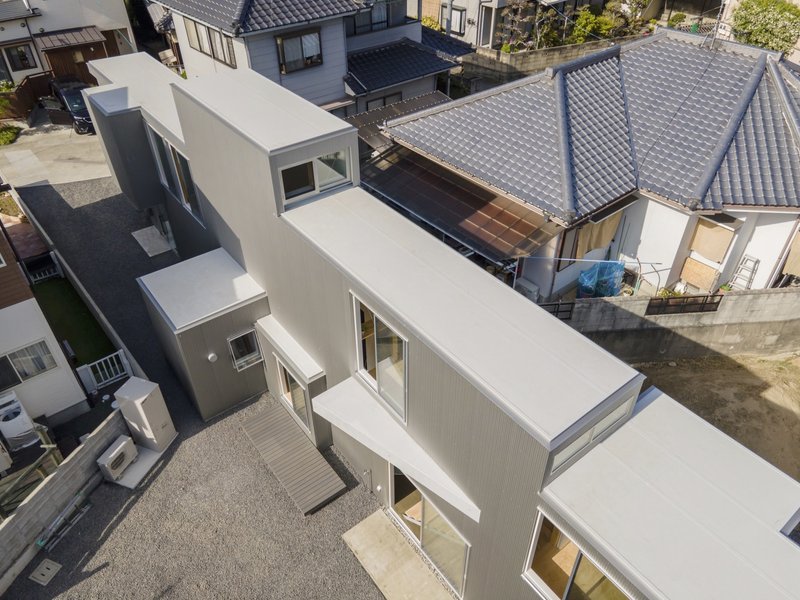
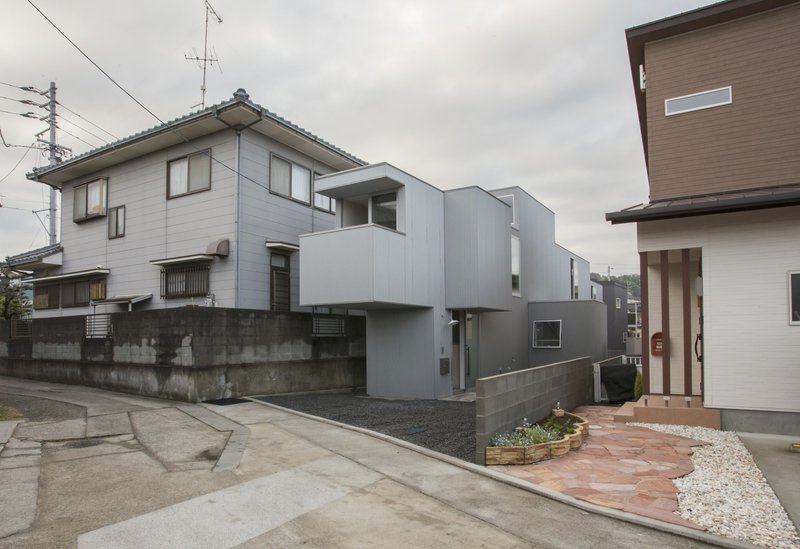
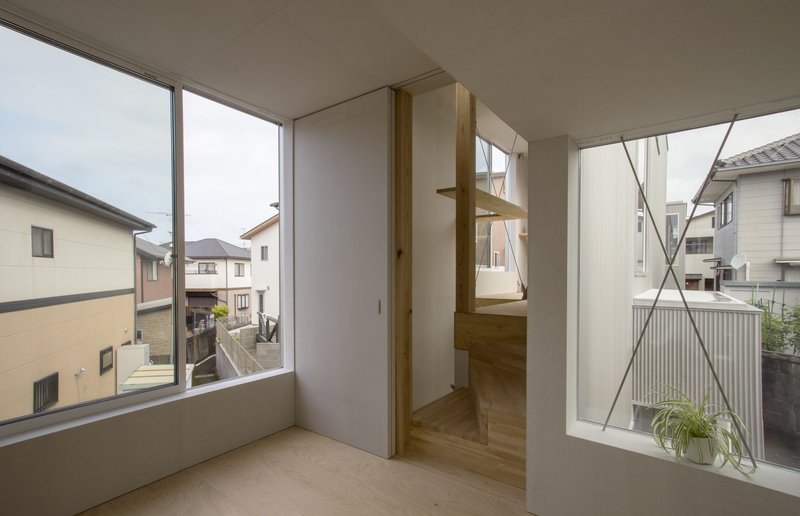
Architectural Features of House KJ
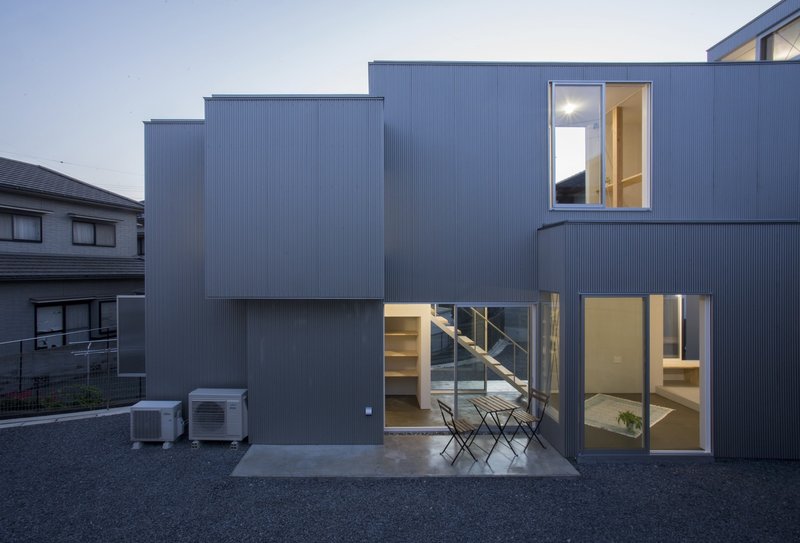
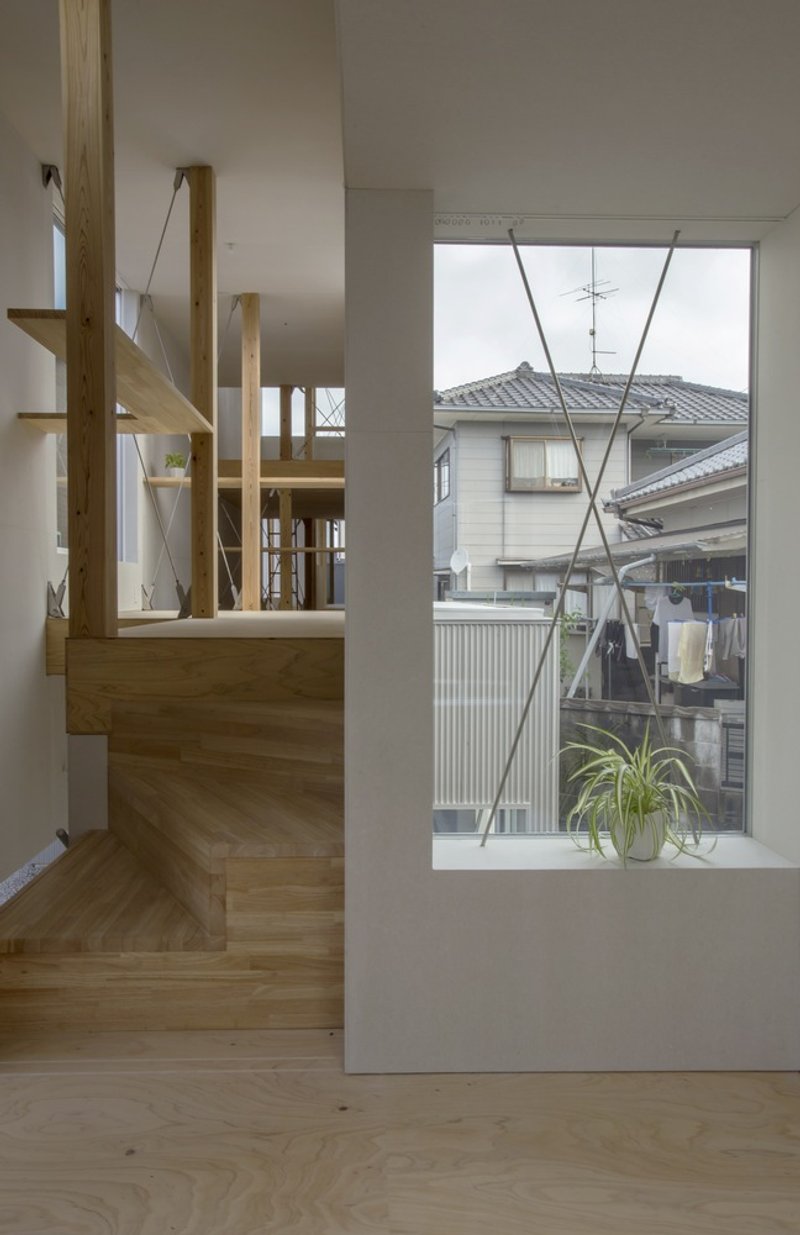
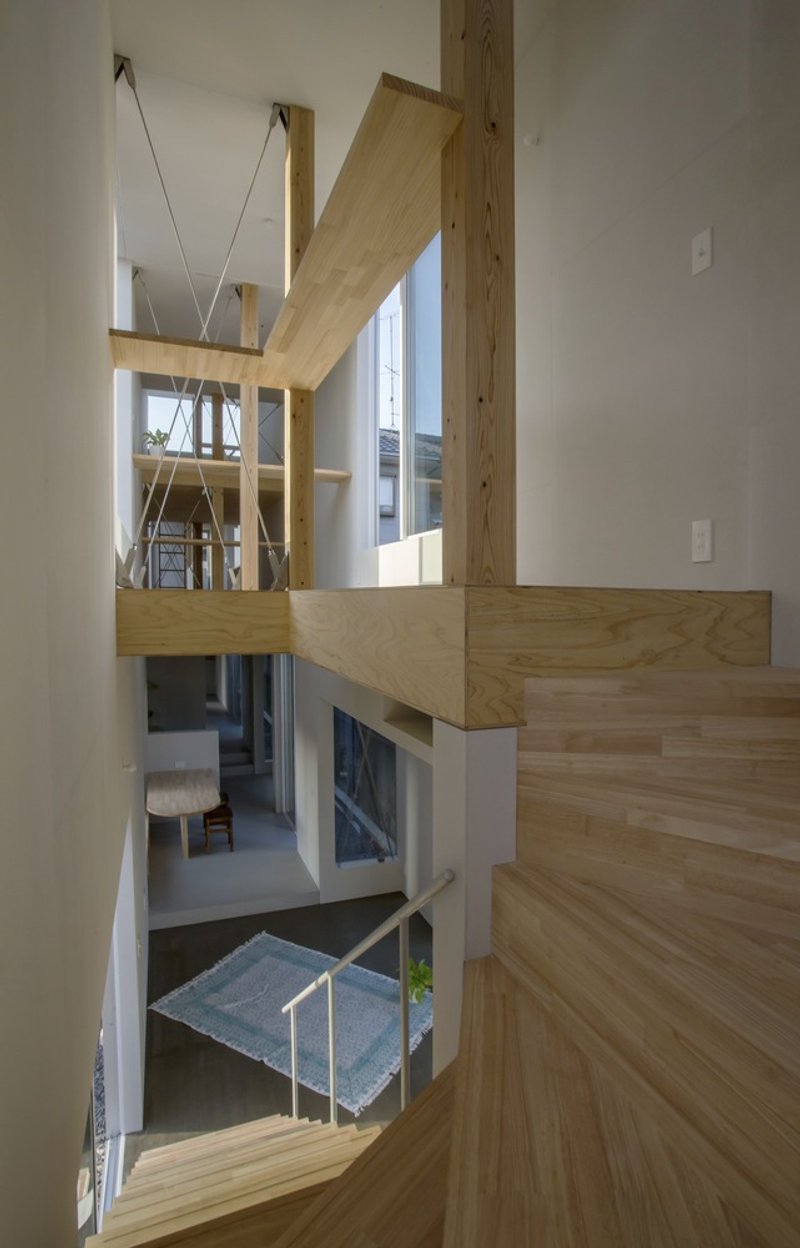
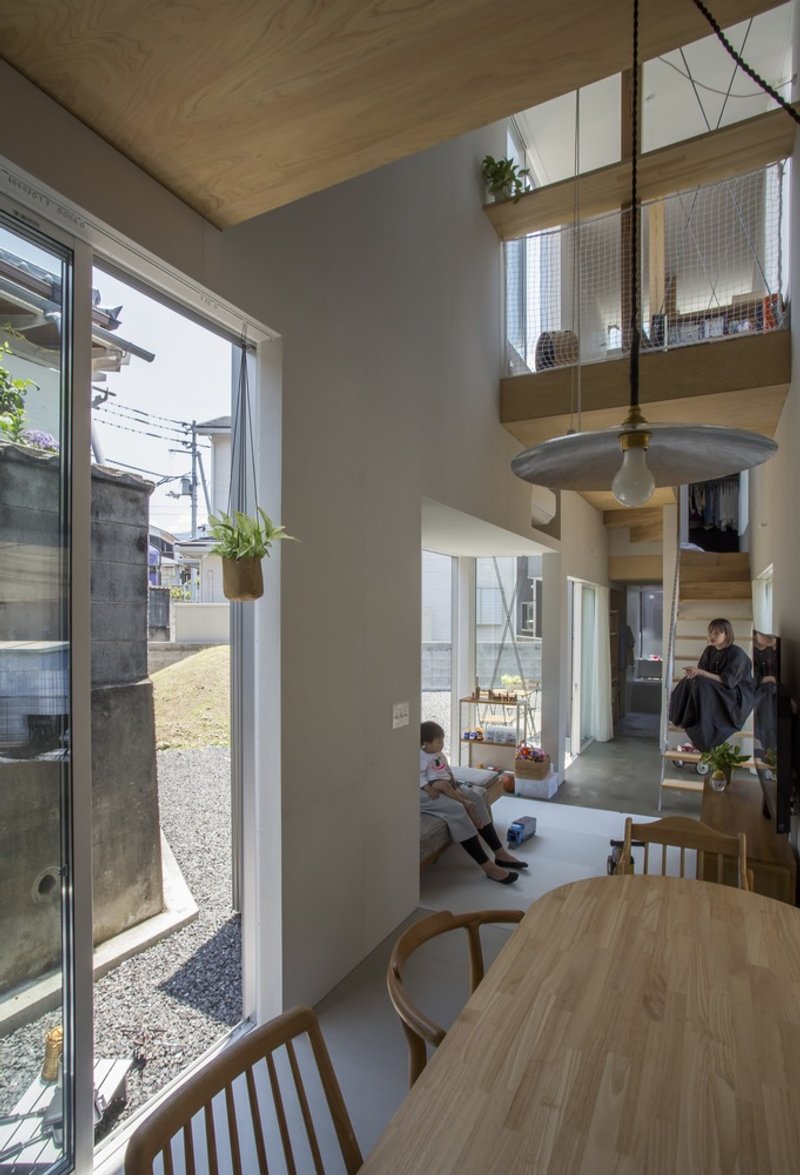
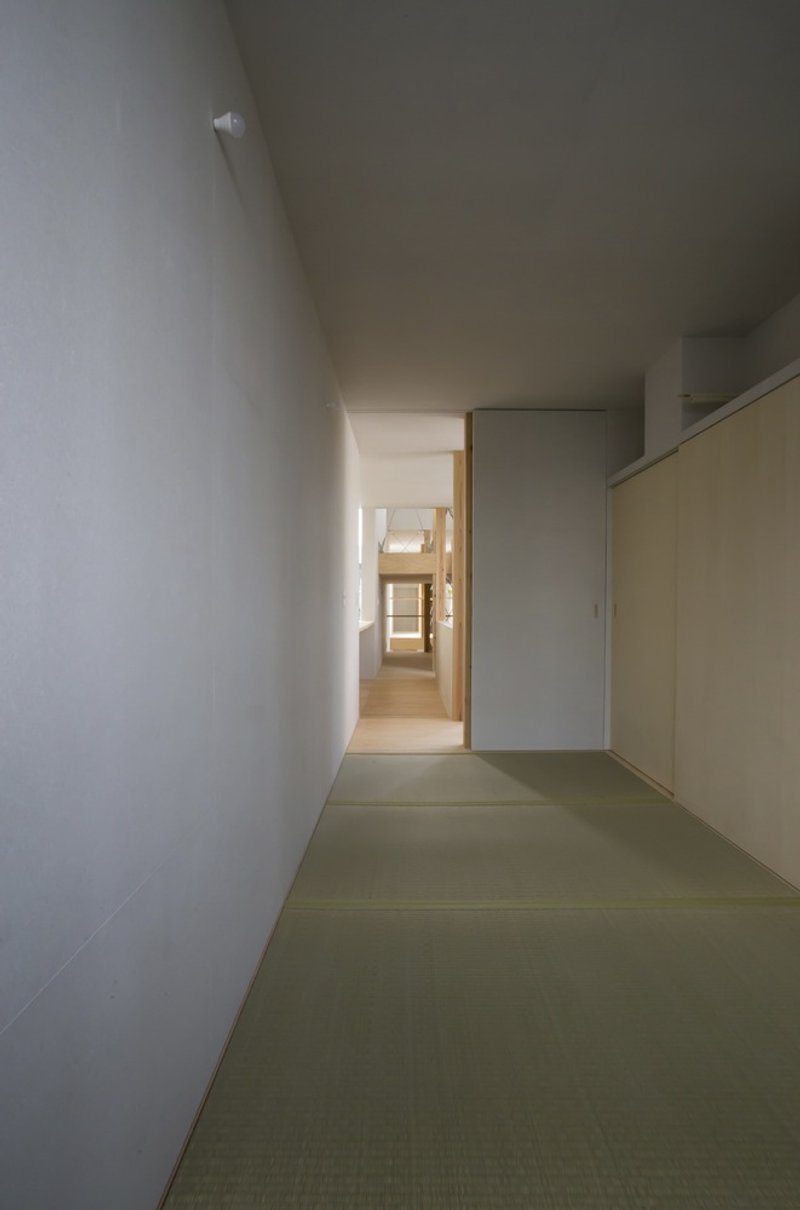
The architectural design of House KJ is both innovative and functional. The home is structured around a long north-south axis that flows seamlessly through the building, providing a unique internal experience. The house is divided into spaces using "skipped floors," a design element that adds a three-dimensional feel to the interior. This approach allows for a continuous flow of space and ensures that each room maintains a balanced relationship with its surroundings.
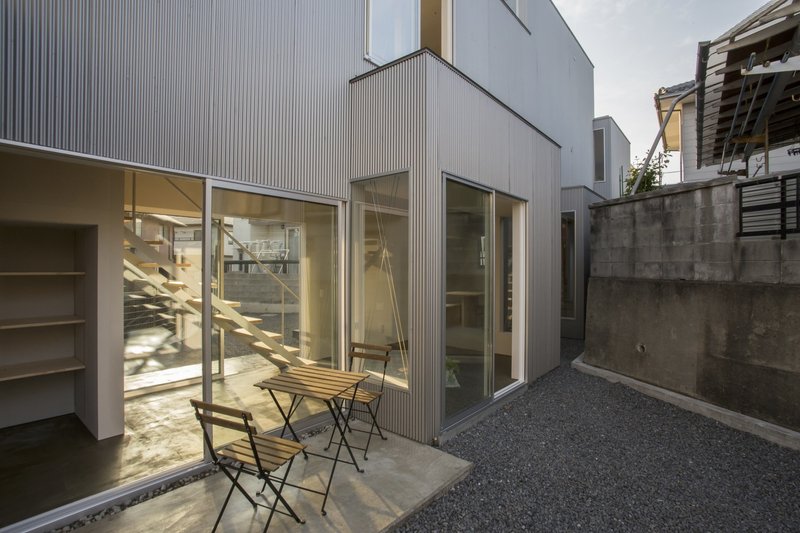
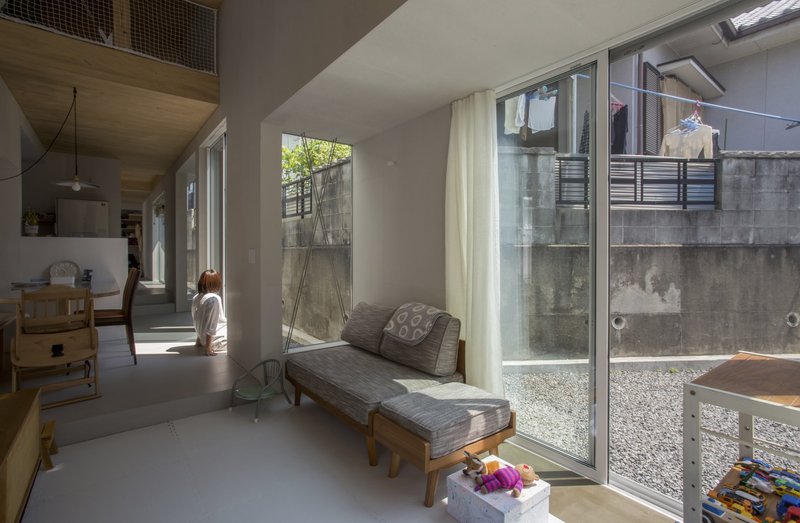
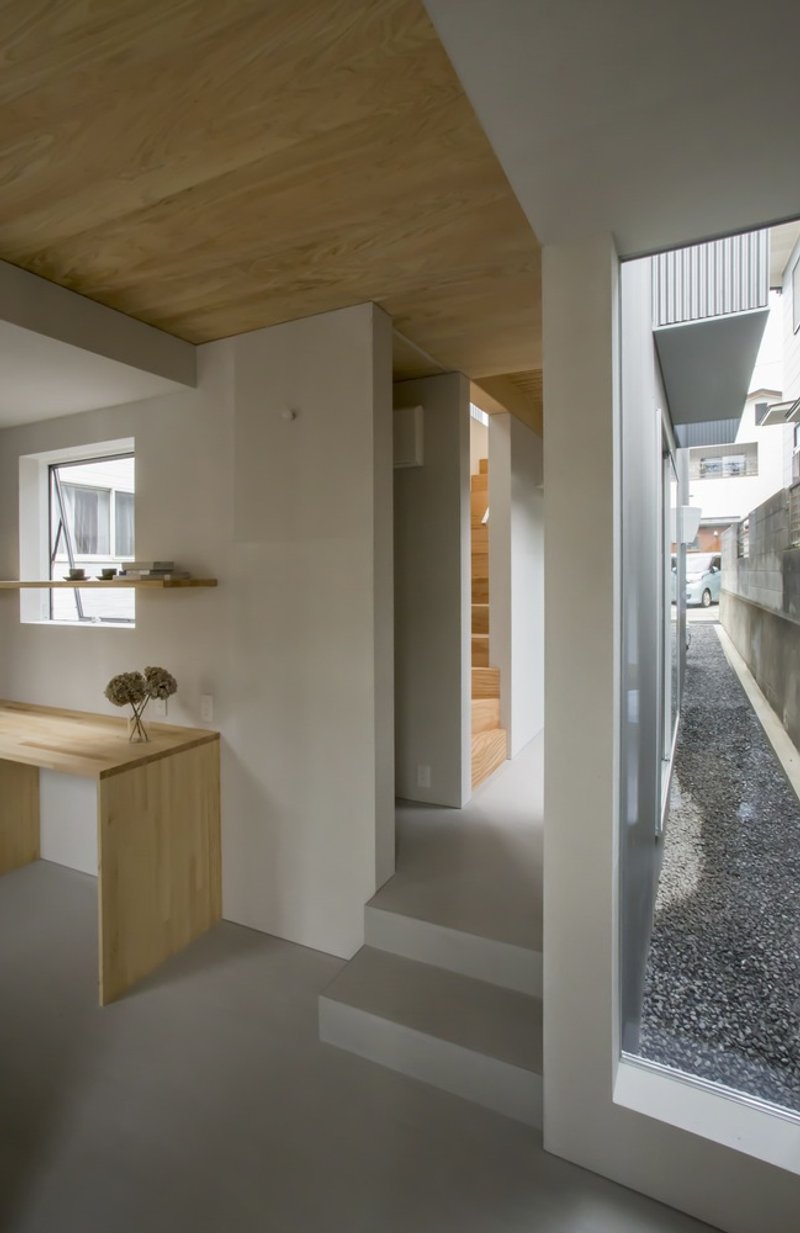
Large windows are strategically placed throughout the home, allowing the residents to experience the changing landscape. The relationship with the neighboring properties is dynamic, with the views shifting as one moves through the house. This design feature emphasizes the core principle of Japanese countryside architecture, where the home exists in a constant dialogue with its environment.
Creating a Relationship with the Surroundings
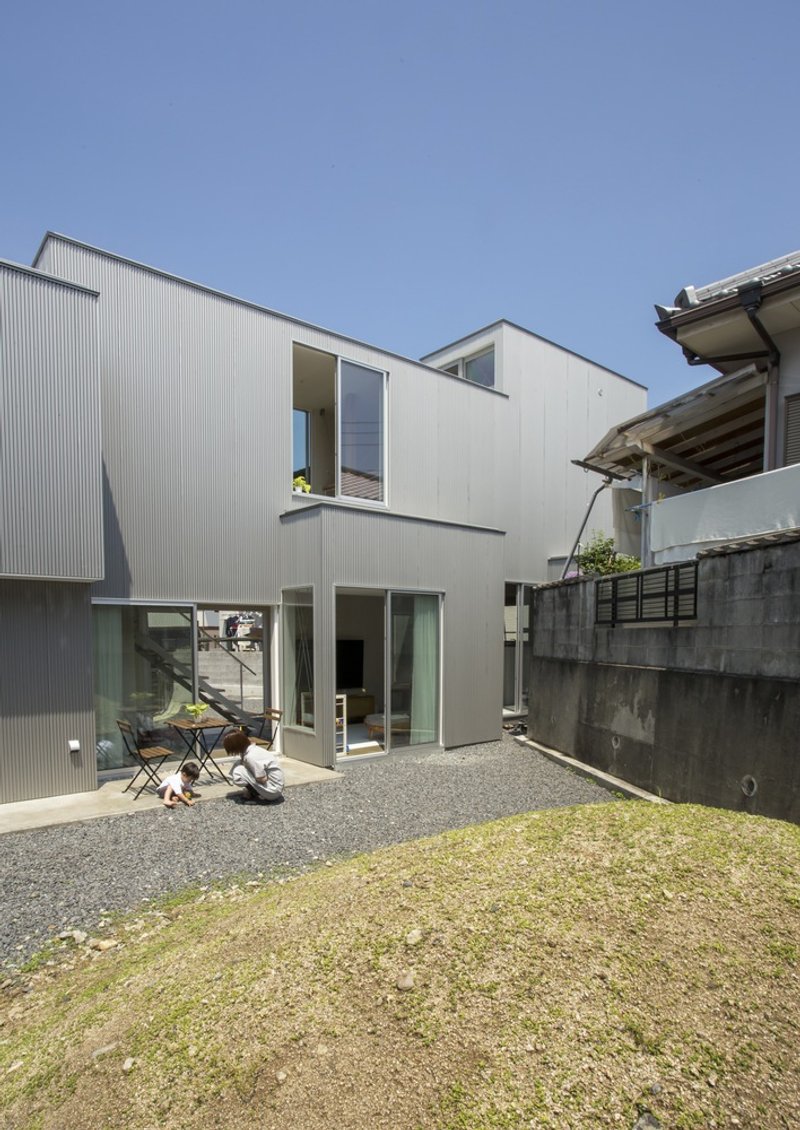
A defining characteristic of House KJ is its ability to establish a new relationship with the neighboring properties. The architects designed the home to embrace the differences between the nearby lots, including retaining walls, fences, and slight elevation changes. By acknowledging these elements, the design brings them into the life of the home, making them part of the residents' daily experience.
The architecture reflects the Japanese understanding of space and how it is shaped by its surroundings. In this case, House KJ uses the irregularities of the site to its advantage, creating a home that feels deeply integrated with the countryside.
Why Japanese Countryside Architecture Matters
Japanese countryside architecture is more than just a design trend; it represents a deep understanding of how architecture interacts with nature. As urban areas become more congested, rural architecture offers a chance for creative freedom, where designers can experiment with new forms and ideas. House KJ is a perfect example of how Japanese countryside architecture can adapt to site conditions while maintaining cultural and aesthetic values.
The home is a testament to the ingenuity of 1-1 Architects, who used the deformed flagpole lot as an opportunity to explore new ways of living and experiencing space. The design of House KJ demonstrates the power of architecture to redefine relationships between people, their homes, and the land they inhabit.
The Future of Japanese Countryside Architecture
House KJ showcases the innovative potential of Japanese countryside architecture. By embracing the irregularities of the land and integrating the surrounding environment, the house becomes a living, breathing part of the landscape. As more architects look to the countryside for inspiration, projects like House KJ offer valuable lessons on how architecture can create harmony with nature, celebrate local culture, and provide functional living spaces for the future.
By focusing on Japanese countryside architecture, this rewritten article is optimized for SEO with the chosen keyword, ensuring it ranks well for related searches. Each section of the article is designed to highlight the unique aspects of the design while reinforcing the keyword and maintaining the overall theme of innovative, site-specific architecture.




Popular Articles
Popular articles from the community

On the Brooks House by Monsoon Collective – A Contemporary Kerala Home Rooted in Tradition
Kerala home blending tradition and modernity with water-inspired design, brick architecture, courtyard planning, and sustainable rainwater harvesting strategies.
Flamboyant House by Juliana Camargo + Prumo Projetos
Modern Brazilian house integrating existing tree, pool, and volumes with glass, wood, and transitional spaces blending interior, exterior, and landscape seamlessly.
Treehouse Apartment: A Warm Timber Interior Blending Craft, Play, and Contemporary Living
Warm timber apartment with integrated treehouse, combining natural materials, craftsmanship, and playful design to create a flexible, family-oriented living environment.
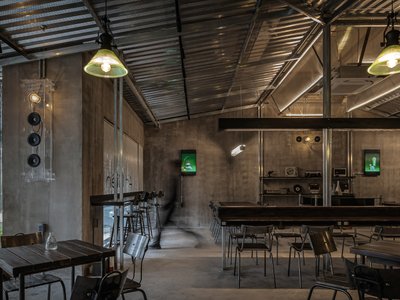
An Miên Lumière Cafe by xưởng xép, Ho Chi Minh City, Vietnam
An industrial-inspired café where layered steel and warm light create a dynamic, immersive environment shaped by reflection, depth, and perception.


Similar Reads
You might also enjoy these articles


The Ken Roberts Memorial Delineation Competition (Krob)
As the most senior architectural drawing competition currently in operation anywhere in the world, it draws hundreds of entries each year, awarding the very best submissions in a series of medium-based categories.


Waterfront Redevelopment and Urban Revitalization in Mumbai: Forging a New Dawn for Darukhana
A transformative waterfront redevelopment project reimagining Darukhana’s shipbreaking heritage into an inclusive urban future.

OUT-OF-MAP: A Call for Postcards on Feminist Narratives of Public Space
Rhizoma Design and Research Lab invites artists, designers, architects, researchers, and students to reflect on how feminist perspectives can reshape public space. Selected works will be exhibited in Barcelona, October 2026. Submissions open until 15 April 2026.

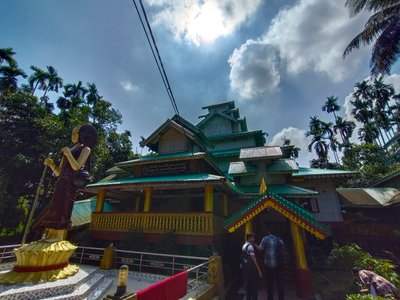
Documentation Work on Buddhist Wooden Temple
Architectural syncretism and cultural hybridity: A comparative study of the Buddhist temples in Chattogram Hill tracks


Explore Architecture Competitions
Discover active competitions in this discipline




The International Standard for Design Portfolios


The Global Benchmark for Architecture Dissertation Awards


The Global Benchmark for Graduation Excellence


Challenge to reimagine the Iron Throne
Comments (0)
Please login or sign up to add comments
No comments yet. Be the first to comment!