
Jinsha Winery Cultural Tourism Complex: Where Tradition Meets Modern Architecture
Jinsha Winery Cultural Tourism Complex blends historic architecture, modern design, and interactive experiences, showcasing Guizhou’s liquor culture and cultural tourism innovation.

A New Landmark in Guizhou’s Liquor Culture
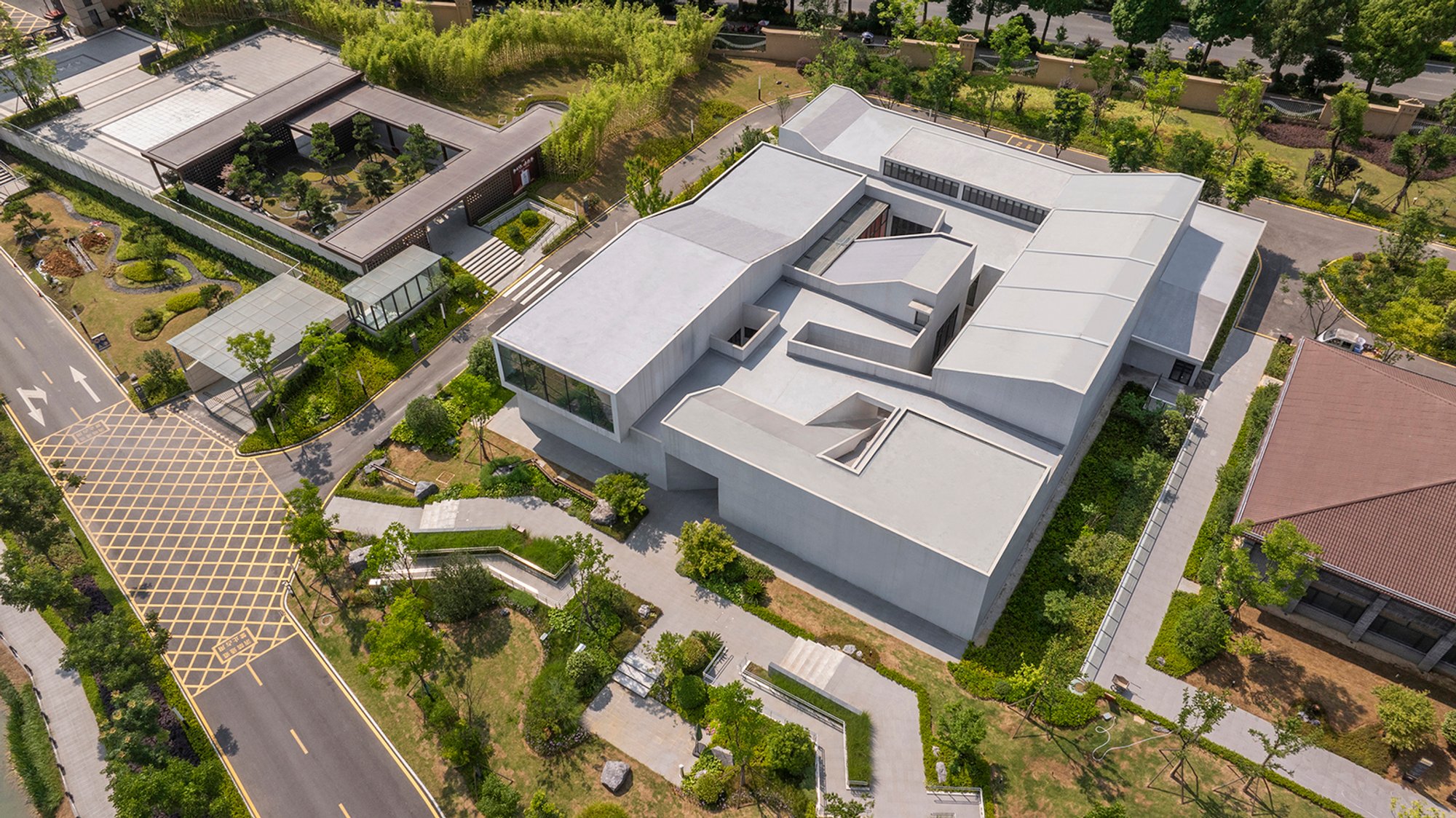
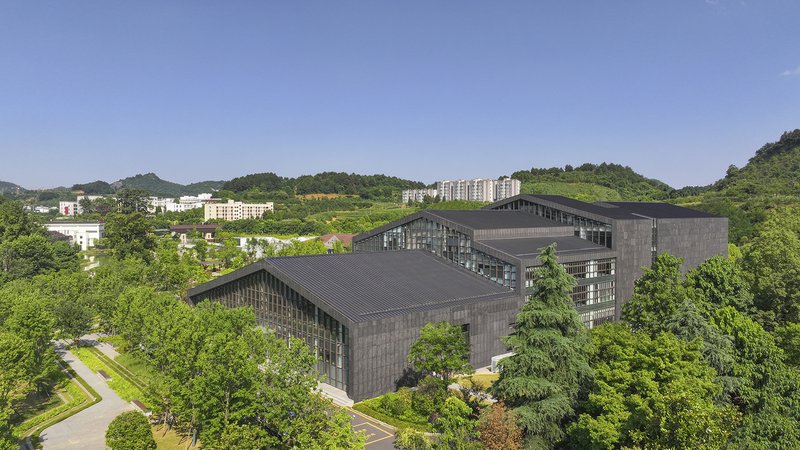
Nestled in the scenic upper reaches of the Chishui River Basin, the Jinsha Winery Cultural Tourism Complex represents a groundbreaking integration of industrial heritage, cultural tourism, and architectural innovation. Designed by hyperSity Architects, the complex is located in Dashuiling, Jinsha County, Guizhou Province, adjacent to Huanghe Avenue and the production area of the Jinsha Liquor Factory.
Situated in the golden liquor-making belt at 27° north latitude, with altitudes ranging from 800–1,100 meters, the project covers a total land area of 95 mu (approximately 63 hectares), with Phase I occupying 70 mu and Phase II 25 mu. Originally established in 1963 as the Dashui State-owned Farm, the site evolved from a self-sufficient "planting + breeding + processing" model into a shantytown, before being revitalized as a cultural tourism hub.
Transforming Liquor Production into a Cultural Experience
Jinsha Liquor has redefined its brand strategy by embracing the “deep integration of liquor production and cultural tourism experience”. Moving from “selling liquor” to “selling a lifestyle,” the winery now offers visitors a holistic experience combining heritage, craftsmanship, and leisure.
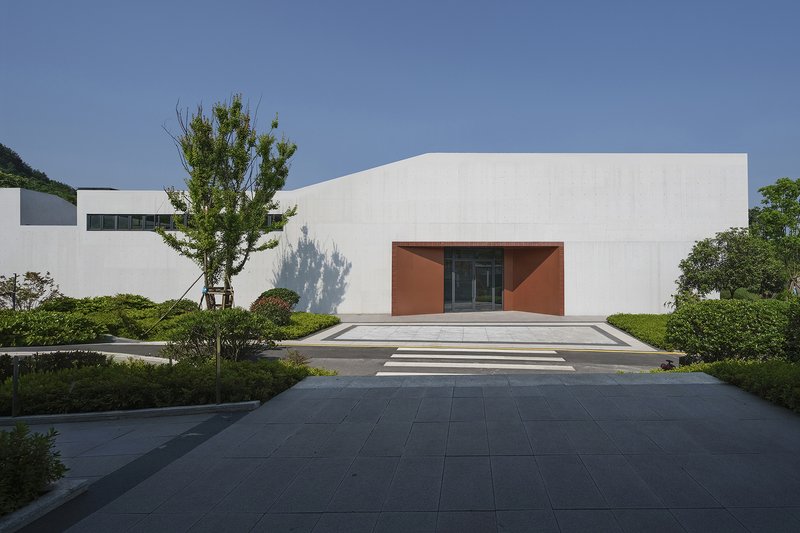
The former supply and marketing cooperative auditorium has been restored as a liquor culture exhibition hall, while other scattered brick-wood structures have been upgraded, preserving historical aesthetics while adding modern functionality.
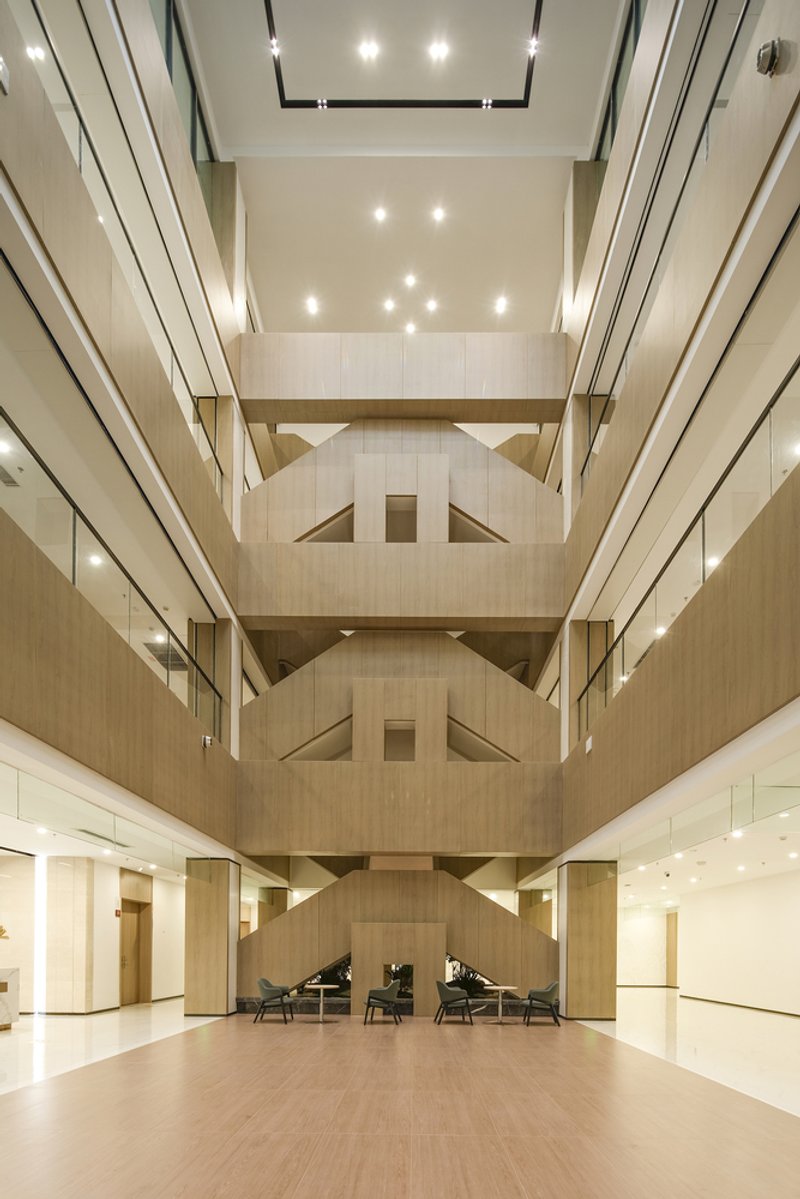
Architectural Approach: Grid, Garden, and Heritage
The design strategy positions the site as a “cultural tourism complex in the factory front area”, anchored by a garden-style liquor factory. This approach enhances the microenvironment for liquor-brewing microorganisms and eliminates the industrial feel of traditional factories.
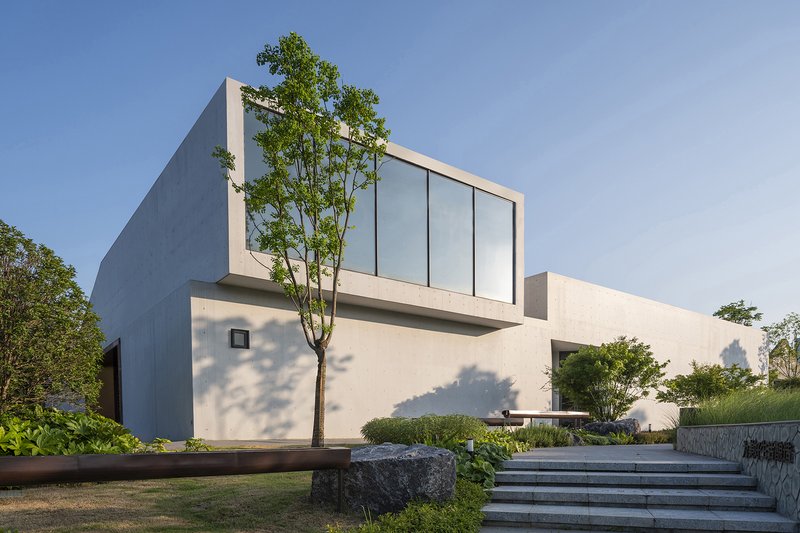
Within the 70-mu core area, a controlling grid divides the site into units, ensuring that all areas are within a one-minute walk. Fixed functions such as the museum and brewing technology demonstration areas are complemented by flexible spaces for temporary events. Remarkably, the grid layout reflects the “12987” brewing process—one-year production cycle, two feedings, nine steamings, eight fermentations, and seven extractions—blending function with symbolic meaning.
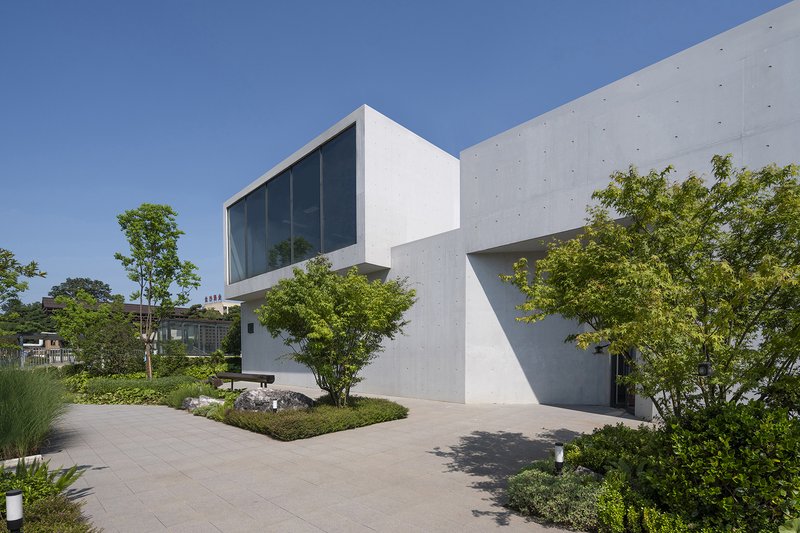
Core Buildings and Spatial Connectivity
The complex features four core buildings:
- Exhibition Center – Restored in the original style to maintain historical character.
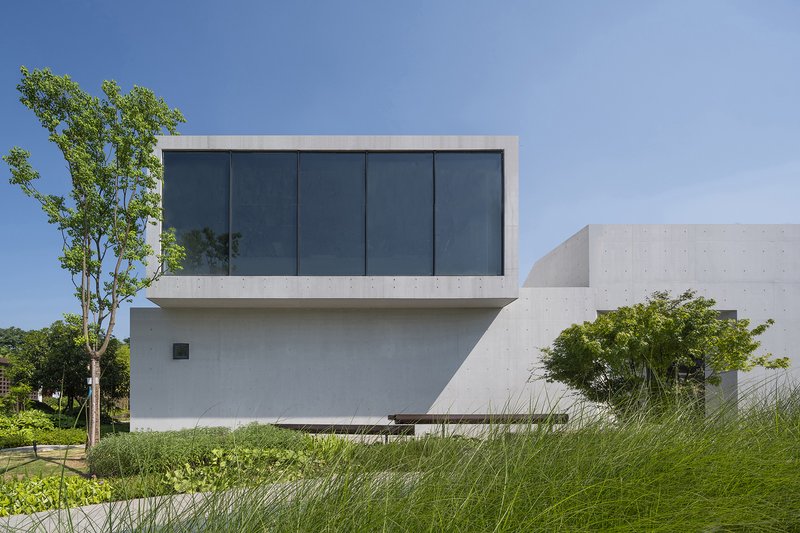
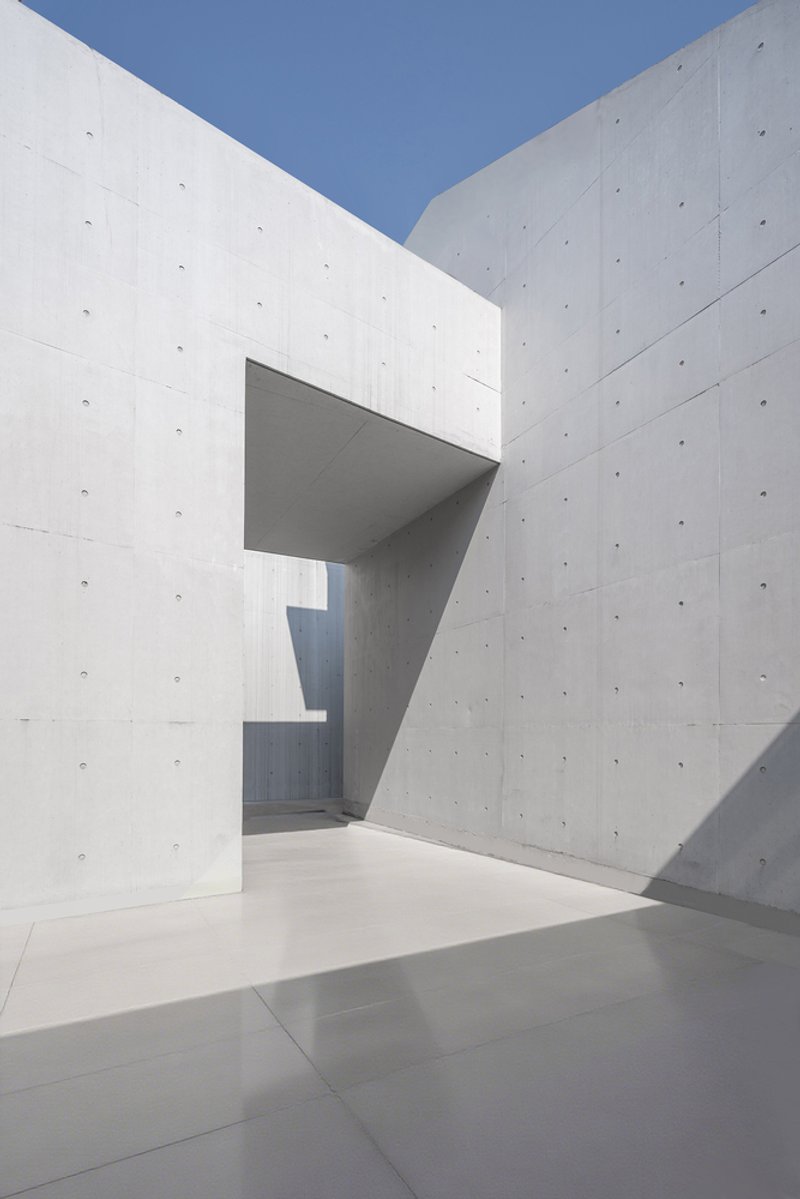
- Museum – Geometrically reconstructed with seamless indoor-outdoor corridors and courtyards.
- Experience Center – Designed with large courtyards enclosing smaller ones for interactive visitor engagement.
- R&D Center – Vertically stacked into a “mountain-like” form with atriums and sky corridors to encourage collaboration.
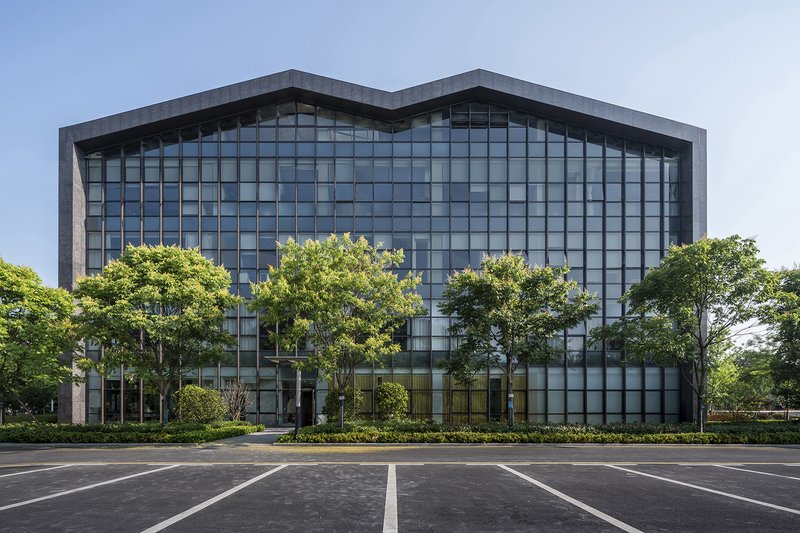
These buildings achieve three key connections:
- Production and Experience: Transparent corridors allow visitors to observe light production processes.
- Industry and City: Green spaces and public squares open the site to the local community.
- Enterprise and Public: Regular sauce-flavored liquor popular science activities engage visitors directly with the craft.
Preserving History While Embracing Modernity
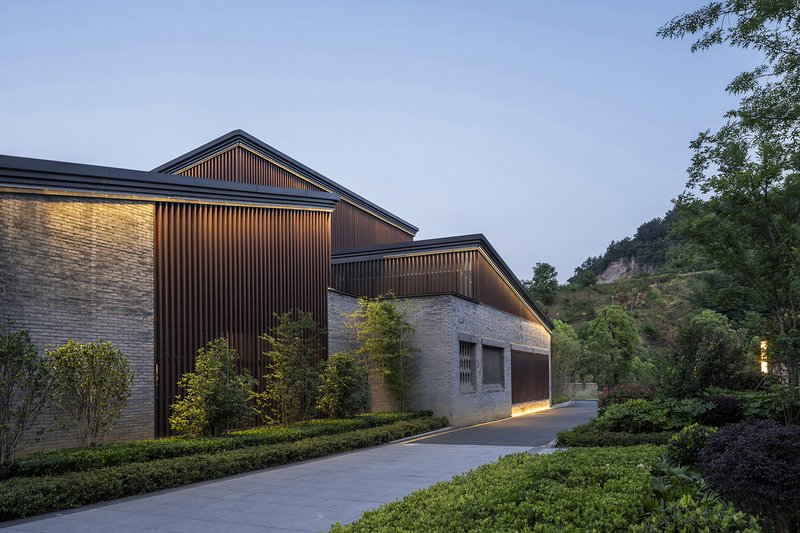
Inspired by the site’s original single-story blue-brick brick-wood residential buildings, the architectural philosophy follows “preservation – abstraction – extension – stacking”:
- Preservation: The Exhibition Hall retains its historical essence.
- Abstraction: The Museum uses geometric forms to reinterpret traditional layouts.
- Extension: The Experience Center expands spatial interaction via nested courtyards.
- Stacking: The R&D Center creates a vertical landscape, blending architecture with nature.
The project transforms the traditional image of a liquor factory from a closed industrial space into an interactive cultural and leisure destination.
Integrating Liquor Culture into Daily Life
By connecting liquor production, cultural display, and public leisure, the Jinsha Winery Cultural Tourism Complex transcends typical tourism experiences. It revitalizes historical architecture, showcases the region’s unique brewing advantages, and provides a brand window for Jinsha Liquor, all while enriching Guizhou’s urban cultural infrastructure. This innovative project exemplifies how industrial heritage can be transformed into a living cultural landmark
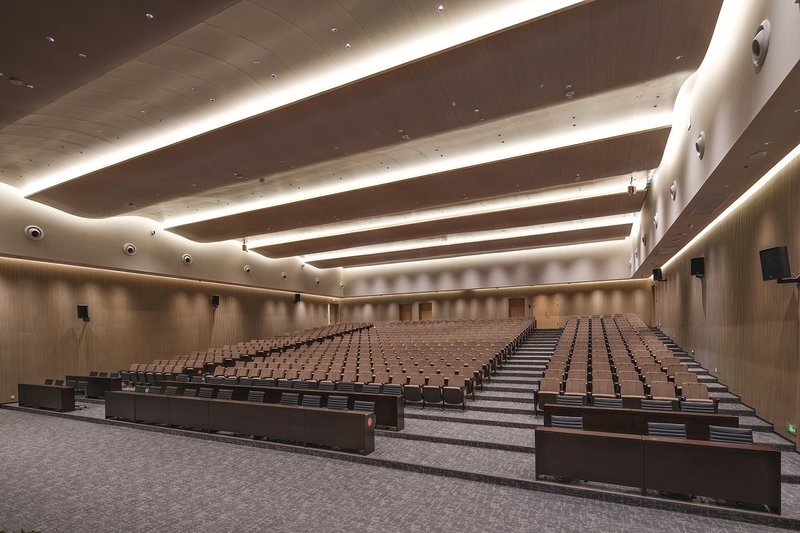
All photographs are works of Weiqi Jin




Popular Articles
Popular articles from the community

A Contemporary Take on Iranian Residential Architecture
A modern interior design in Mashhad that reinterprets brick, light, and spatial flow to create a warm, contemporary residential architecture.
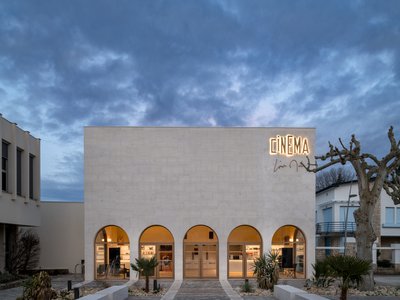
Louis Malle Cinema: A Limestone Cultural Landmark Revitalizing Community Life in Prayssac
Limestone cinema extension with public forecourt, blending heritage and modern design to create flexible cultural spaces and strengthen community interaction.
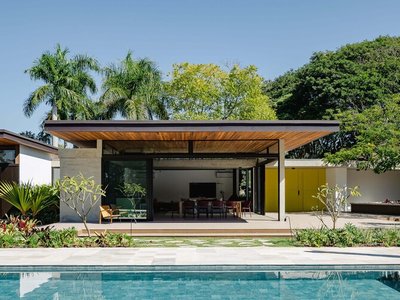
Flamboyant House by Juliana Camargo + Prumo Projetos
Modern Brazilian house integrating existing tree, pool, and volumes with glass, wood, and transitional spaces blending interior, exterior, and landscape seamlessly.
Solar Steam: A Climate-Responsive Architecture That Redefines the Monument
A climate-responsive memorial architecture that transforms heat, decay, and time into a living system reflecting humanity’s ecological impact.

Similar Reads
You might also enjoy these articles


The Ken Roberts Memorial Delineation Competition (Krob)
As the most senior architectural drawing competition currently in operation anywhere in the world, it draws hundreds of entries each year, awarding the very best submissions in a series of medium-based categories.

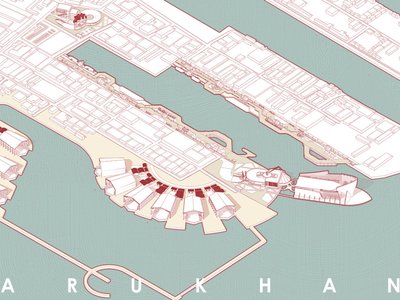
Waterfront Redevelopment and Urban Revitalization in Mumbai: Forging a New Dawn for Darukhana
A transformative waterfront redevelopment project reimagining Darukhana’s shipbreaking heritage into an inclusive urban future.
OUT-OF-MAP: A Call for Postcards on Feminist Narratives of Public Space
Rhizoma Design and Research Lab invites artists, designers, architects, researchers, and students to reflect on how feminist perspectives can reshape public space. Selected works will be exhibited in Barcelona, October 2026. Submissions open until 15 April 2026.

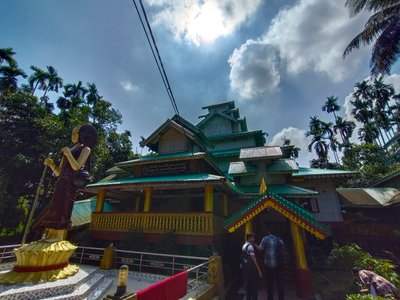
Documentation Work on Buddhist Wooden Temple
Architectural syncretism and cultural hybridity: A comparative study of the Buddhist temples in Chattogram Hill tracks


Explore Architecture Competitions
Discover active competitions in this discipline




The International Standard for Design Portfolios


The Global Benchmark for Architecture Dissertation Awards


The Global Benchmark for Graduation Excellence


Challenge to reimagine the Iron Throne
Comments (0)
Please login or sign up to add comments
No comments yet. Be the first to comment!