
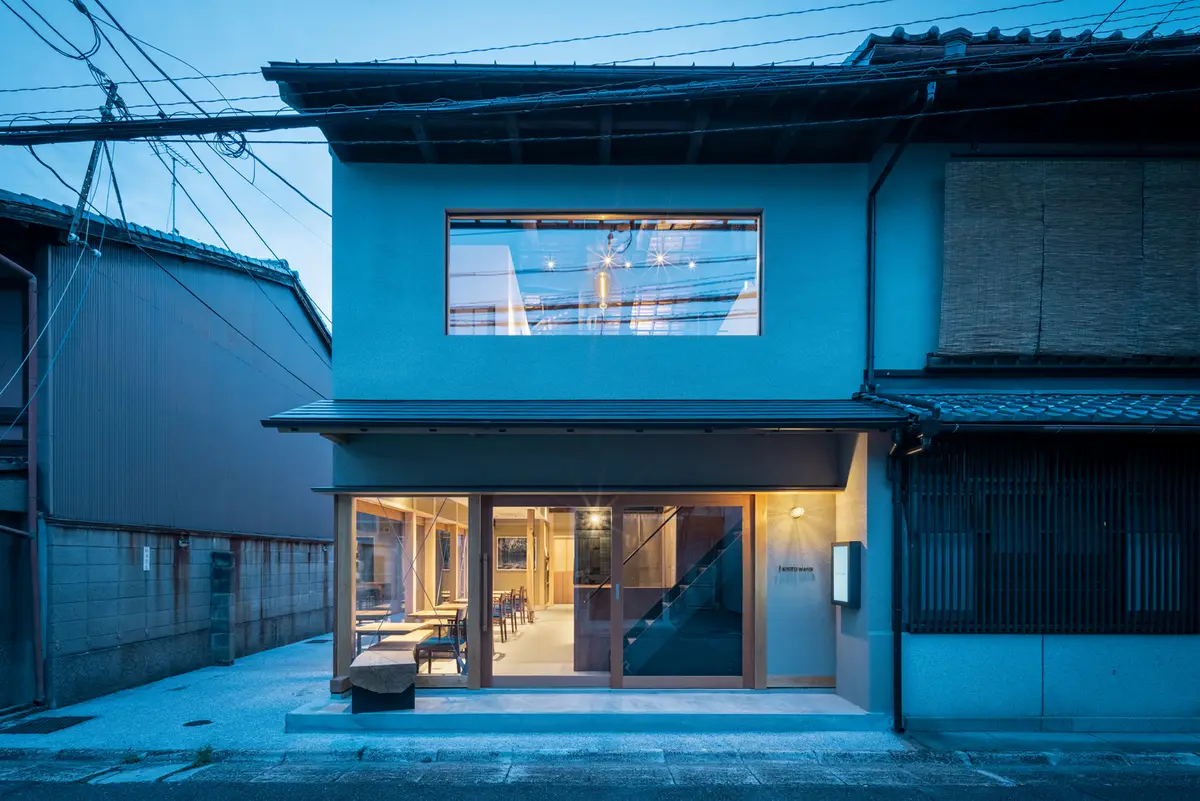
Kyoto Wand Café
This project is a complete renovation of an old Japanese townhouse (machiya) which will serve as a base for tourists who are visiting for the day.

A bay-shaped landform, separated from the mainstream by the gentle flow of a river, is called WAND (湾処). This allows for a variety of vegetation to be nurtured and creates a rich biotope. KYOTOWAND will be a place where everyone can feel a little bit of freedom between "to here" and "from here". It is filled with such wishes. The KYOTOWAND (京都湾処) aspires to be a peaceful and welcoming place for all who come and go, just like a river that gently flows while still remaining connected to the mainstream. It is hoped that this place will be home to a rich and diverse biotope, much like the one that the river creates, with various plant life flourishing. This desire is reflected in the very name of the KYOTOWAND.
This project is a complete renovation of an authentic Japanese townhouse (machiya) that will serve as accommodation for day tourists, located a mere 5-minute walk from Kiyomizu Gojo Station. As Kyoto is home to numerous world-famous temples, shrines, and cultural facilities, it draws in many tourists from all over the globe. Furthermore, the city is situated in a basin surrounded by mountains, making it a popular destination not only for its attractions but also for outdoor activities such as running and hiking. The city of Kyoto offers a number of different trails for tourists, including the "Around Kyoto Trail" which is over 80 kilometers long. However, the city has a goal to increase the number of tourists that visit and take part in these activities.

Taking into consideration that people often want to take part in activities that are both comfortable and enjoyable, we plan to create a space that merges the two together effortlessly. For example, a couple can go for a run along a scenic mountain trail in the morning and then spend the afternoon exploring the city. Our goal is to provide an all-inclusive experience for tourists that encourages them to participate in sporting activities that are not only culturally significant but also enjoyable. We want to help make Kyoto City even more enjoyable for couples by providing different activities and attractions within a very short distance of each other. This way, teams can explore different parts of the city together or separately and meet up afterward. We think this will help make Kyoto an even more popular destination for couples.

The details of the construction were difficult to recognize because the building had been renovated several times. With the help of carpenter Mr. Okimoto, the building was dismantled and repaired. The goal was to update the building while maintaining its original Kyoto machiya townscape. The project was planned with careful consideration for the balance between repair, reinforcement, and renewal.
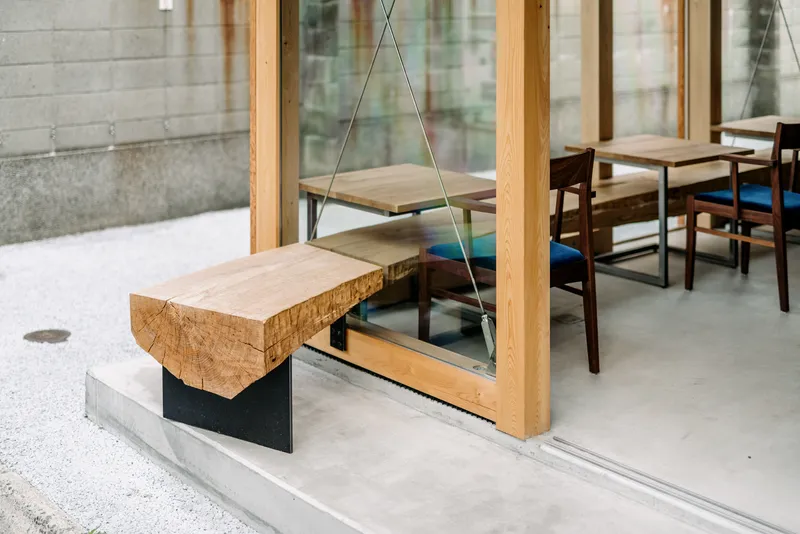
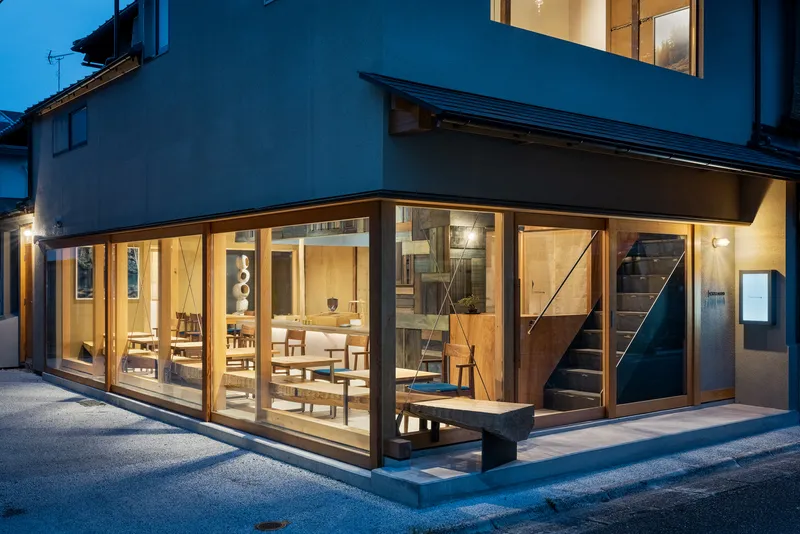
The site is located on a corner lot with the north side facing a relatively wide road. A private cul-de-sac road runs through the east side of the property and leads to one of the entrances of the Kyoto Round Trail. The tiled façade has been removed and restored to its original state, while also changing some details to better connect it with the neighboring houses. The first floor is directly connected to the exterior, including the driveway, through large glass windows and glass sliding doors. Carpenter Masaaki Okimoto built a bench out of half-sawn chestnut logs along the driveway to give it a strong, natural look and feel.

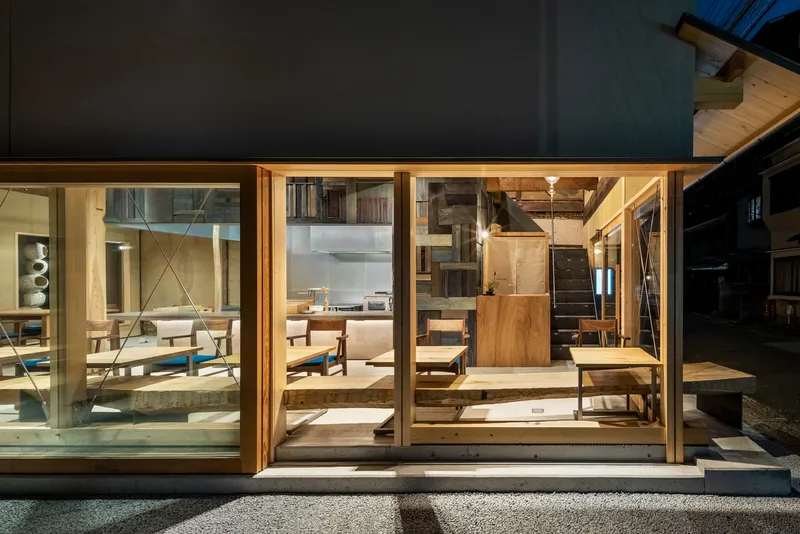
We imagine the space with the sliding door open in certain seasons to be a place where people can gather, almost like a bay area and take in the flow of the city. Once you enter the building on the first floor, you'll find a reception area, a kitchen, a pickup counter, refreshments, and a return tray area. There is also a bench with side tables and chairs for seating, as well as a table for four in front of a tsuboniwa (small garden). Located at the back of the building, you will find the restroom, lockers, and shower room. The design of the building takes advantage of the existing beams, pillars, and earthen walls by incorporating them into the new design. The new features are thoughtfully embedded in the above existing structure.
The indigo-dyed wood panels play a symbolic role in the center of the kitchen. We enlisted the help of Yuko Yamamoto, an artist who specializes in dyeing plants and trees, to assist us with the indigo dyeing of these wooden panels. The challenge of accepting a non-uniform dyeing condition was tackled in collaboration with the members of Kizaburo, who oversaw the wood paneling. This resulted in a dynamic and interesting wall surface that will be the focal point of the kitchen space. Mr. Wataru Hatano was asked to apply the washi paper to the counter according to our vision. We explained what we wanted and gave him a general idea of the look we were going for, but ultimately left it up to his creativity and expertise to complete the work.

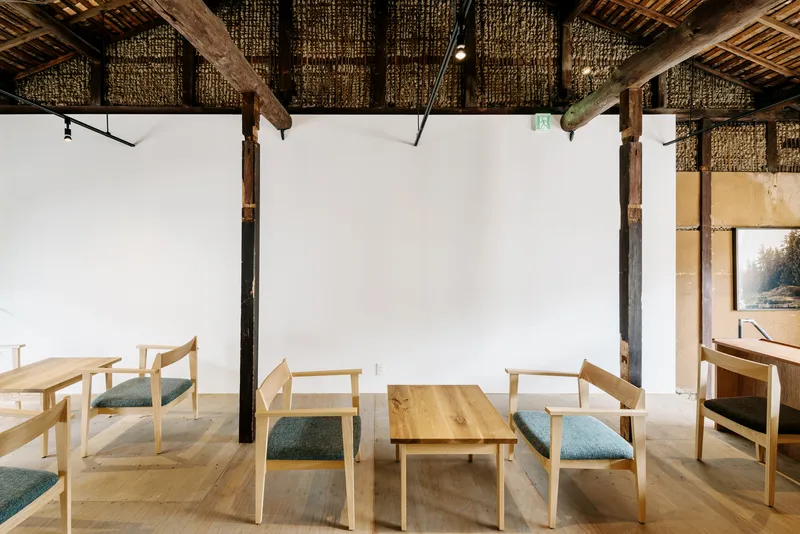
The countertop material, washi, changes texture during the construction process to display an amazing work of art. Trivalent chromate steel sheet is used as a finish for the ceiling and walls inside the kitchen. The color of the material fluctuates depending on the angle of view. The combination of the craftsman's handiwork and the industrial parts results in a finish that enhances each other's attractiveness perfectly. The shower room on the first floor has two private showers and one double shower. In addition to the luggage storage in the lockers at the front of the facility, this café has a unique setup not typically seen in your average coffee shop. The second floor is an open space with existing beams and white walls installed by us. This floor typically functions as a seating area with counter seats facing the stairwell and slightly lower table seats for guests to relax in. These tables and chairs can be disassembled and stored away easily, which is great for when the space is needed for gallery exhibitions several times throughout the year. By doing this, it also helps to preserve the artwork and the artist's vision for the exhibit.
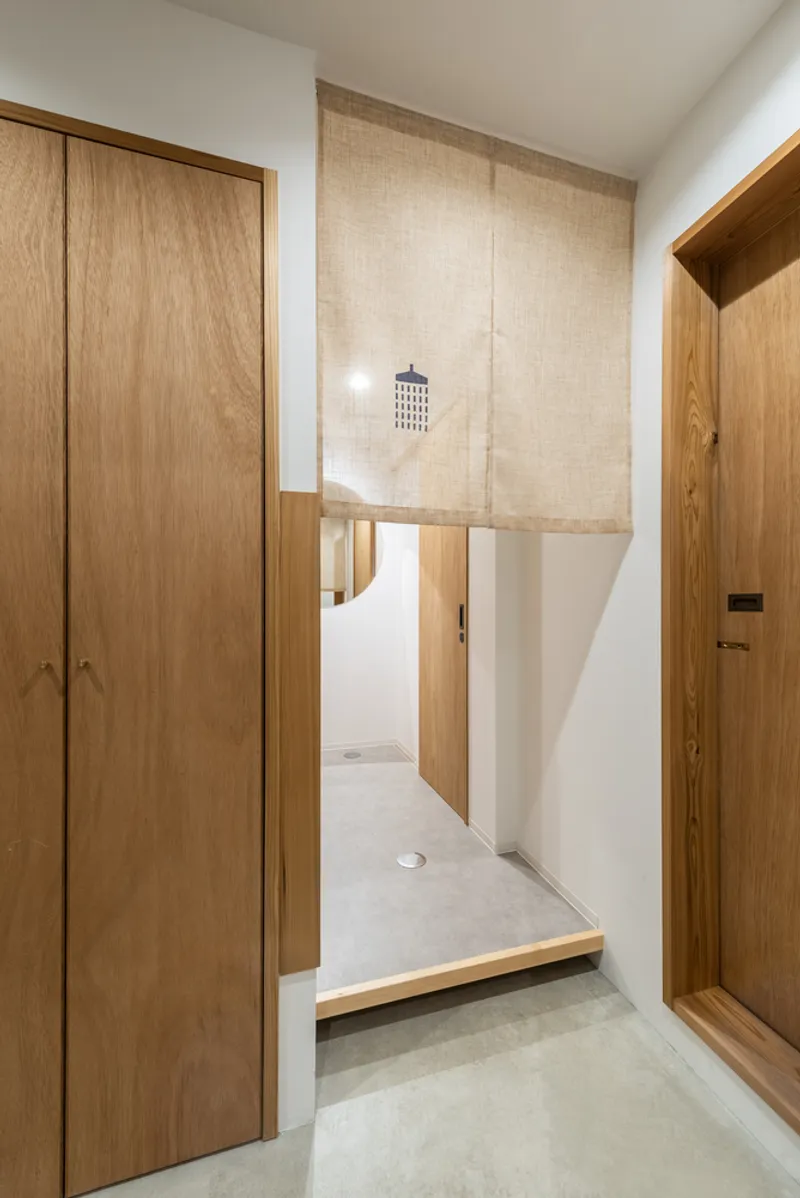
In addition to the glass artist Ryo Sekino's pendant lighting shades installed in the stairwell and Takayuki Daikoku's pendant lighting shades and sculptures in the tsuboniwa garden, the walls are also adorned with Yasumi Kakimoto's photographs. The client's desire was to create a space where people of all backgrounds could enjoy and be exposed to art. The furniture, including the tables and chairs on the first and second floors, were designed by Naomi Toda of Potitek to contribute to the overall aesthetic. The bookshelves and countertop fixtures were created by Yuto Sasaki of Lenogu. They were delivered after intentional discussions, including making mock-ups during production. The facility is different from a typical café in that it operates on a time-based fee structure that includes the use of showers and other facilities. In addition, it utilizes electronic devices (such as iPhones) for ordering. This allows the café to provide a more efficient service to its customers while still maintaining a unique atmosphere. The coffee beans are roasted with a shallow roast by Yutomo Kitabe of Tabinone in Kyoto and a deep roast by Tsutomu Mukai of Misago Coffee in Takarazuka, and the Japanese black tea is by Hiroko Yokoe of Jane T. The selections are all-encompassing and carefully curated.
Architects: Coil Kazuteru Matumura Architects
Area: 105 m²
Year: 2022
Photographs: Yoshiro Masuda
Manufacturers: JO-ZU WORKS, Kawajun
References (1)

Popular Articles
Popular articles from the community

Opera by the Sea Estonia: Three Shells Dissolving Architecture into Tallinn's Coastline
A winning opera house proposal replaces monumental form with interconnected shells that blur the boundary between building, park and Baltic Sea.
Faces of the Soviet Avant-Garde: Turning Moscow's Street Names into an Open-Air Museum
A network of sculptural installations across a Moscow residential district transforms forgotten architect names into spatial encounters with cultural memor

The Amber Palace Opera: A Geological Fiction Surfaces on Tallinn's Baltic Waterfront
Pierre Brillard reimagines a Baltic legend as a public landscape, opera house, and waterfront promenade rooted in Tallinn's coastal identity.
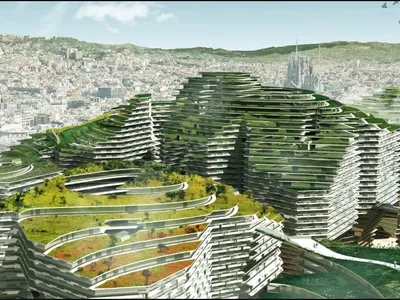
Manzana Morphosis: Stretching Barcelona's Grid into a Living Landscape for 2050
A radical reworking of the Eixample manzana turns density into a tool for generous public space, vertical ecology, and environmental performance.

Similar Reads
You might also enjoy these articles

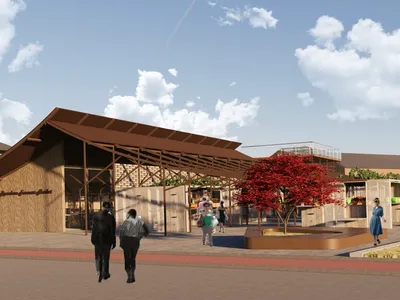
The Rhythm of Seasons
A Farmers' Market Connecting Nature and the City
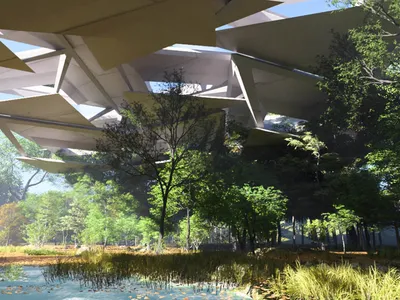

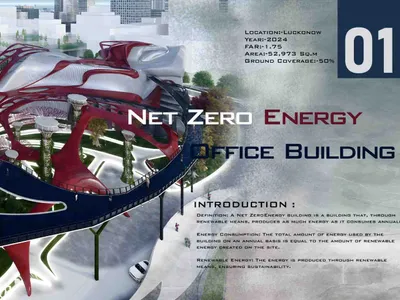
More Than a Building-Designing a Living System
More Than a Building-Designing a Living System
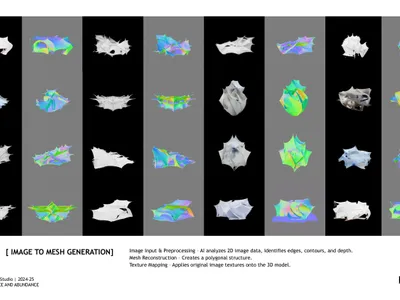
Base Beyond
DESERT COMPOUND ARID: TOURISM OF ABSENCE AND ABUNDANCE

Explore Hospitality Building Competitions
Discover active competitions in this discipline


Challenge to reimagine the Iron Throne

Photograph architecture without architects

Illustrate the lost glory of Angkor Wat - Render Challenge

Design challenge to reuse E-waste
Comments (0)
Please login or sign up to add comments
No comments yet. Be the first to comment!