
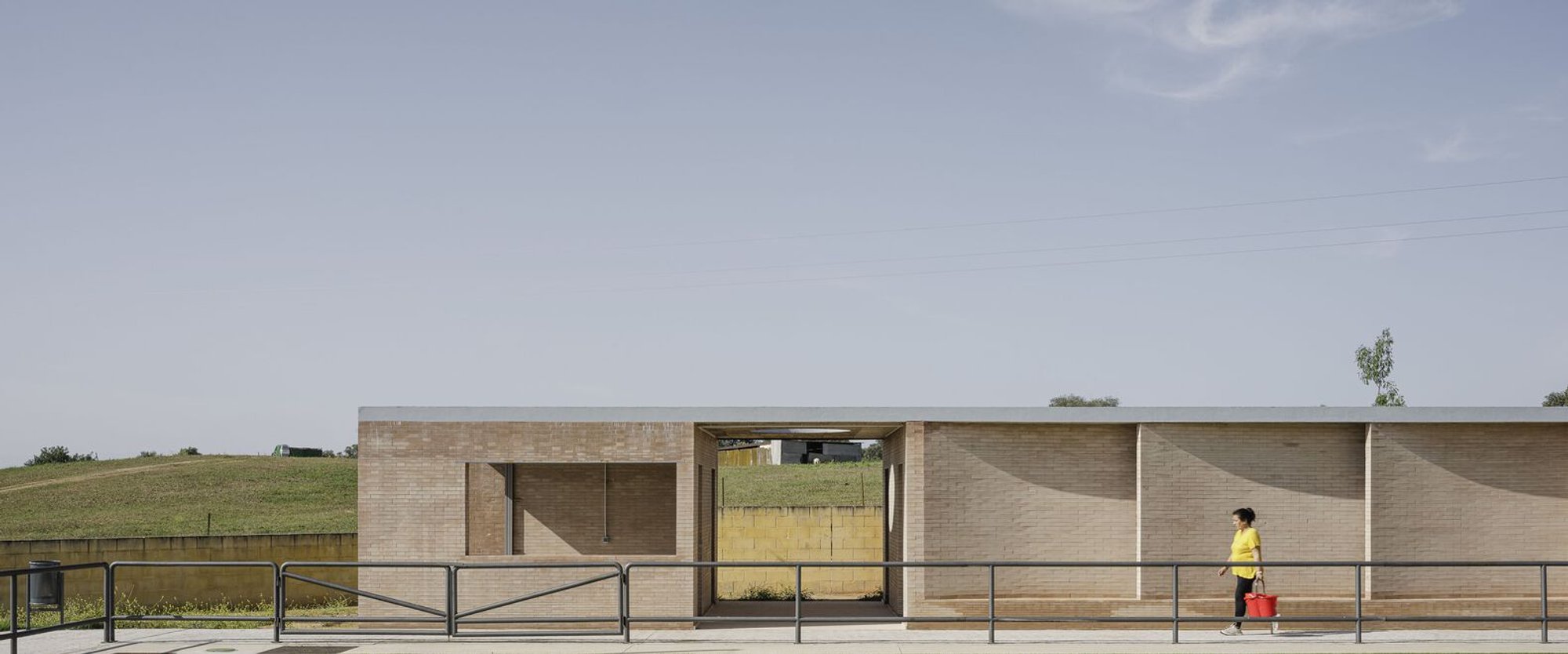
Locker Rooms Pavilion by Liangliang Chen + Sergio Mota
The Locker Rooms Pavilion in El Garrobo combines functional design, sustainable materials, and panoramic views, enhancing sports and spectator experience.

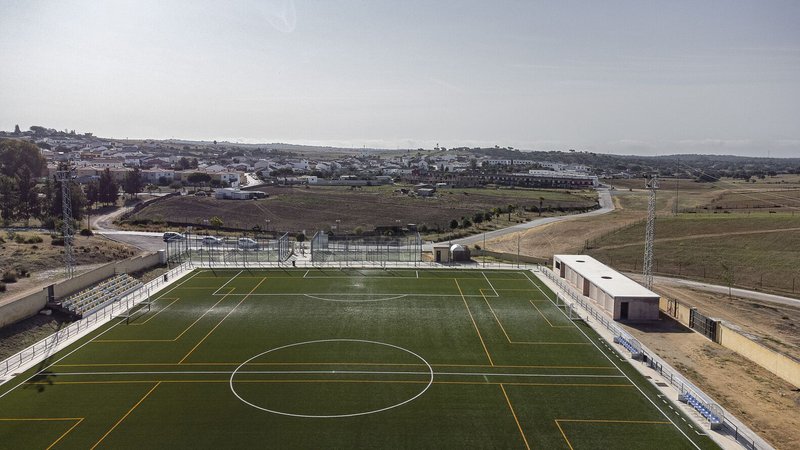
In the heart of El Garrobo, Spain, the Locker Rooms Pavilion by Liangliang chen + Sergio Mota is designed as a functional yet elegant building situated at the southern corner of a football field. This architectural project redefines the typical sports pavilion by focusing on resource optimization, visual harmony, and spatial efficiency. The structure is designed to serve as a changing room and auxiliary services facility, enhancing the match day experience for athletes and spectators alike.
Design and Concept
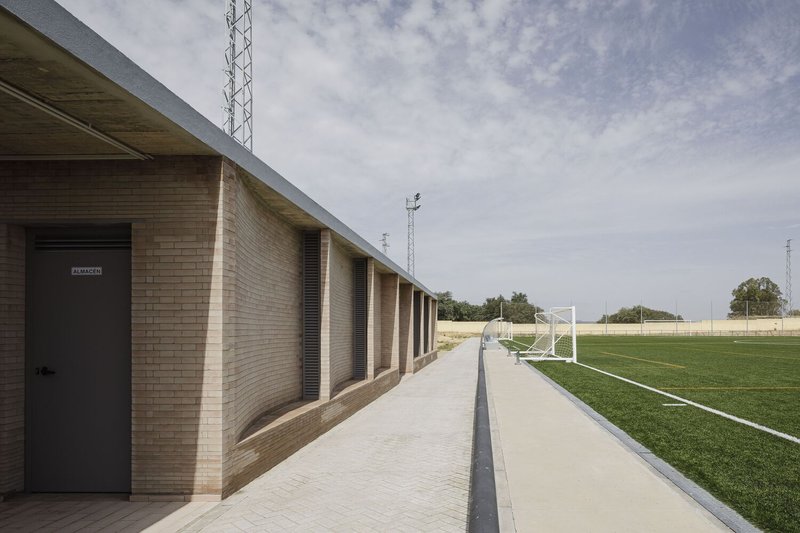
The Locker Rooms Pavilion is a modular structure that spans 28 meters in length and 5.55 meters in width. The elongated form was intentionally crafted to avoid interference with surrounding lighting towers and to offer a more direct connection to the main access of the football field. The rectangular shape emphasizes the functional requirements while integrating seamlessly with the natural environment.
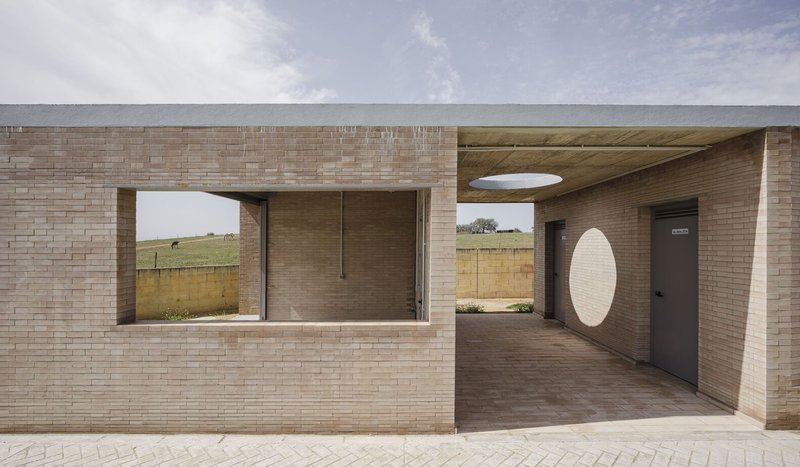
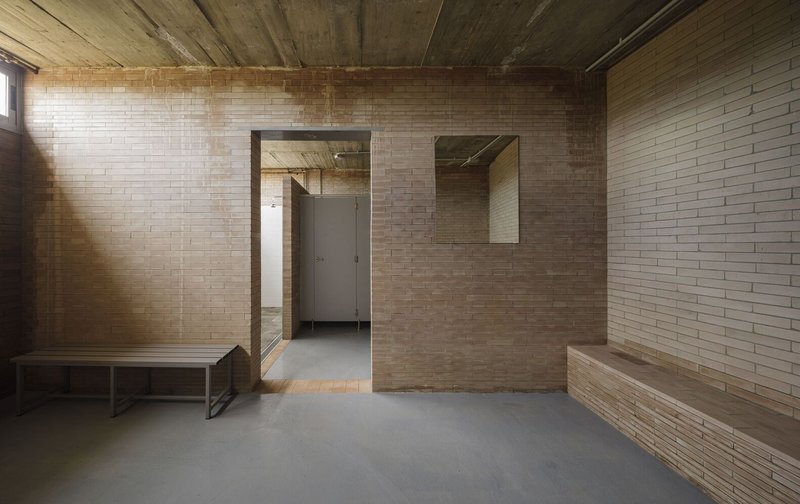
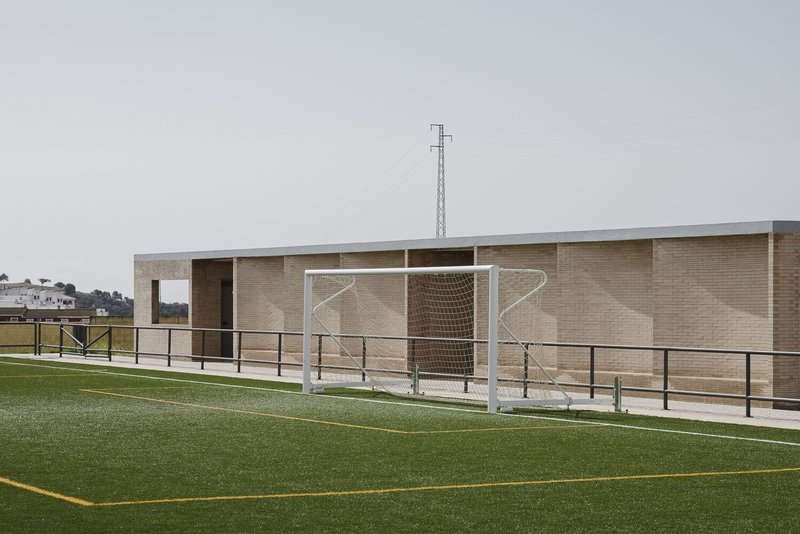
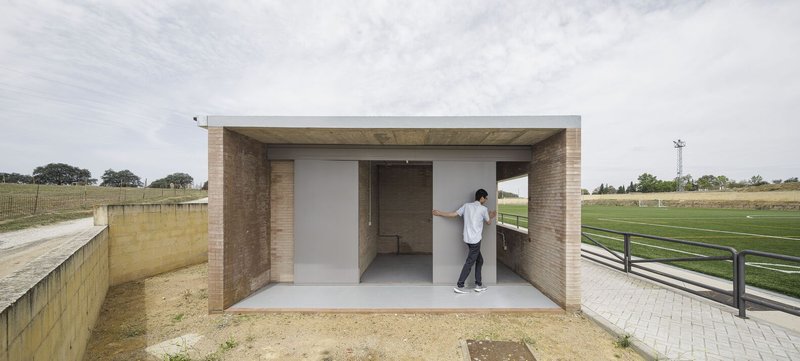
A unique aspect of the design is the choice of exposed brick as the main material for both the load-bearing walls and the facades. This material not only serves as a structural element but also creates a robust and timeless aesthetic. It unifies the building’s interior and exterior, ensuring that the space feels cohesive and connected. The pavilion’s minimalist approach reduces excess, focusing on the beauty of simplicity.
Modular Construction and Sustainability
The pavilion is constructed with load-bearing walls placed every 3 meters, providing a solid foundation for the reinforced concrete roof. This roof features a water collection system, which directs rainwater through a downspout at the rear of the building, reinforcing the project’s sustainability. This focus on eco-friendly practices enhances the building’s functionality and its ability to integrate with the surrounding environment.
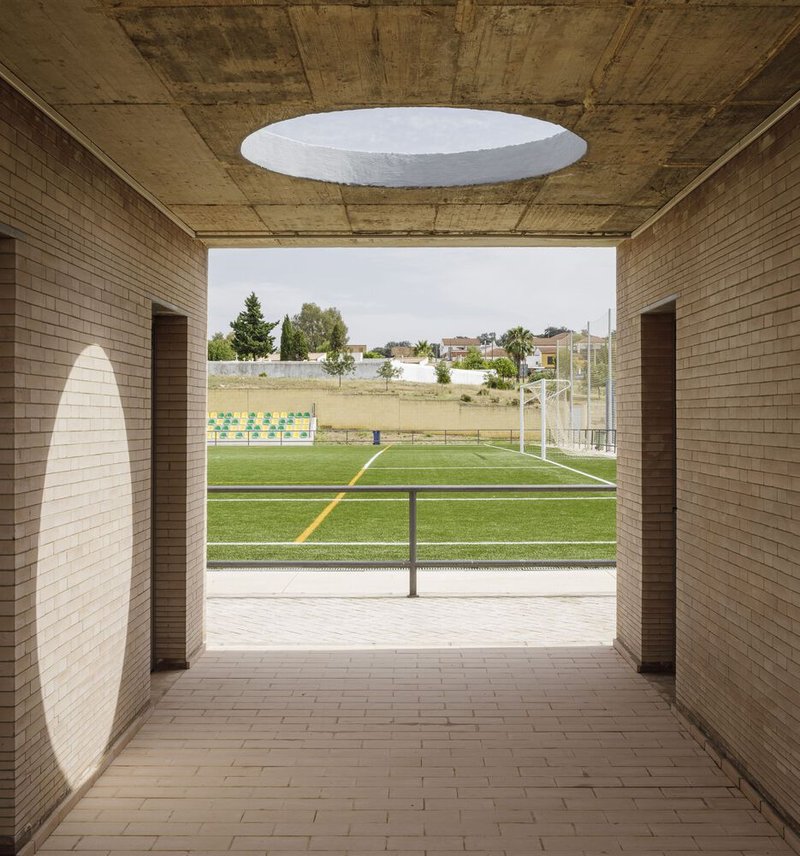
Natural light and ventilation are integral to the design, achieved through a series of louvers and upper openings at the rear of the pavilion. These design elements allow the spaces inside the building to remain well-ventilated and illuminated, improving the overall comfort of the users.
Functional Spaces and Spectator Engagement
The pavilion’s facade facing the football field features a curved shape, strategically designed to provide seating areas for spectators while protecting them from the harsh southern sunlight. The vertical openings on this facade not only enhance the building’s ventilation but also create a dynamic visual connection between the pavilion and the field.
At the eastern end, a small lounge area is incorporated into the design, offering visitors a comfortable space to relax while watching the football matches. This area provides a panoramic view of El Garrobo, allowing spectators to enjoy the natural beauty of the surrounding town while immersing themselves in the sports experience.
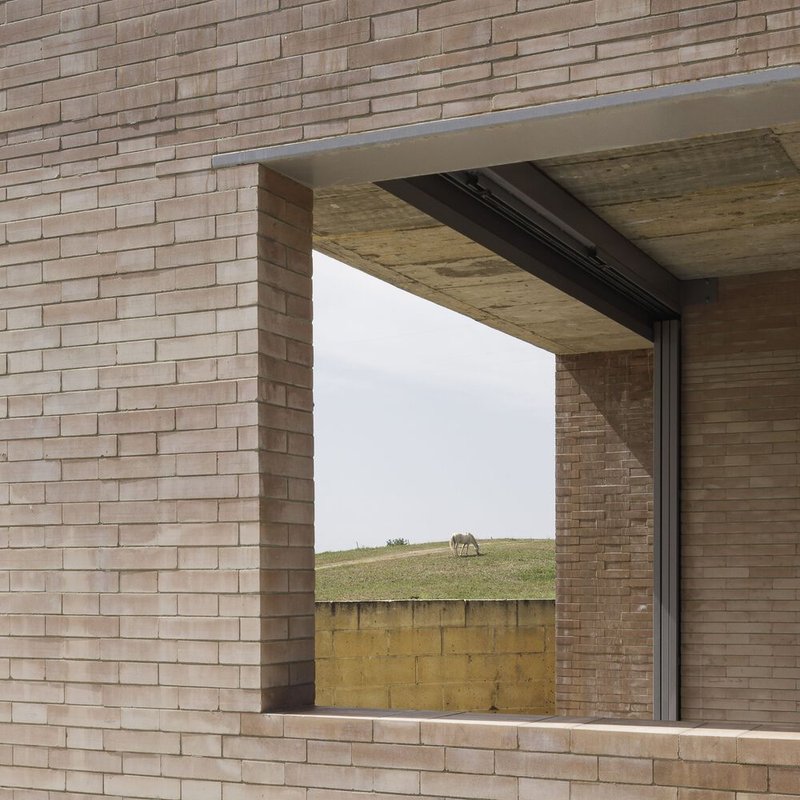
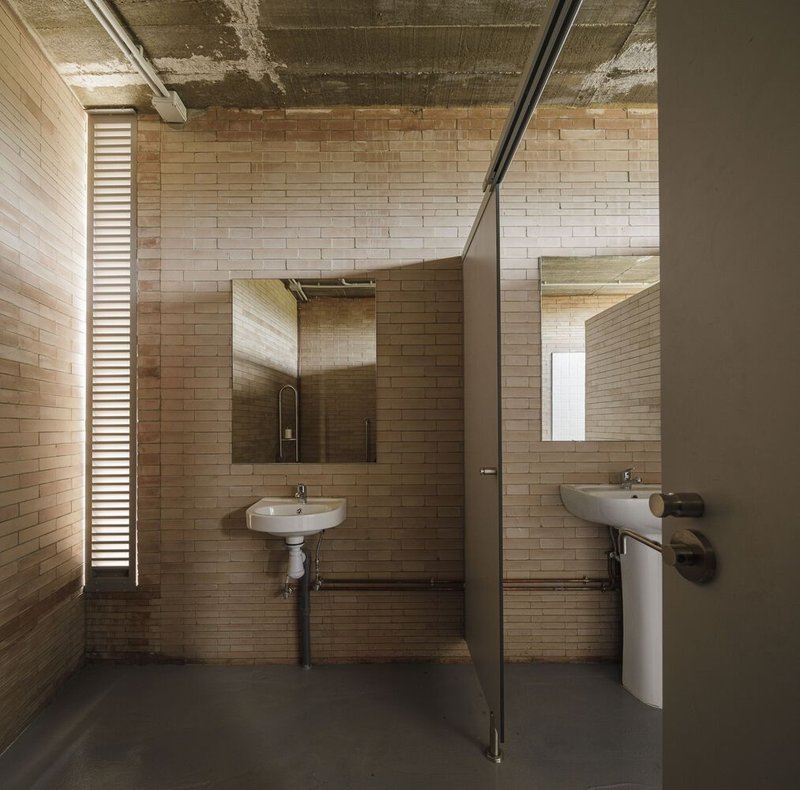
All photographs are works of Fernando Alda




Popular Articles
Popular articles from the community

Treehouse Apartment: A Warm Timber Interior Blending Craft, Play, and Contemporary Living
Warm timber apartment with integrated treehouse, combining natural materials, craftsmanship, and playful design to create a flexible, family-oriented living environment.


The Ken Roberts Memorial Delineation Competition (Krob)
As the most senior architectural drawing competition currently in operation anywhere in the world, it draws hundreds of entries each year, awarding the very best submissions in a series of medium-based categories.
A Contemporary Take on Iranian Residential Architecture
A modern interior design in Mashhad that reinterprets brick, light, and spatial flow to create a warm, contemporary residential architecture.
On the Brooks House by Monsoon Collective – A Contemporary Kerala Home Rooted in Tradition
Kerala home blending tradition and modernity with water-inspired design, brick architecture, courtyard planning, and sustainable rainwater harvesting strategies.


Similar Reads
You might also enjoy these articles
The Ken Roberts Memorial Delineation Competition (Krob)
As the most senior architectural drawing competition currently in operation anywhere in the world, it draws hundreds of entries each year, awarding the very best submissions in a series of medium-based categories.


Waterfront Redevelopment and Urban Revitalization in Mumbai: Forging a New Dawn for Darukhana
A transformative waterfront redevelopment project reimagining Darukhana’s shipbreaking heritage into an inclusive urban future.

OUT-OF-MAP: A Call for Postcards on Feminist Narratives of Public Space
Rhizoma Design and Research Lab invites artists, designers, architects, researchers, and students to reflect on how feminist perspectives can reshape public space. Selected works will be exhibited in Barcelona, October 2026. Submissions open until 15 April 2026.


Documentation Work on Buddhist Wooden Temple
Architectural syncretism and cultural hybridity: A comparative study of the Buddhist temples in Chattogram Hill tracks


Explore Architecture Competitions
Discover active competitions in this discipline




The International Standard for Design Portfolios


The Global Benchmark for Architecture Dissertation Awards


The Global Benchmark for Graduation Excellence


Challenge to design a barrier free sports center
Comments (0)
Please login or sign up to add comments
No comments yet. Be the first to comment!