
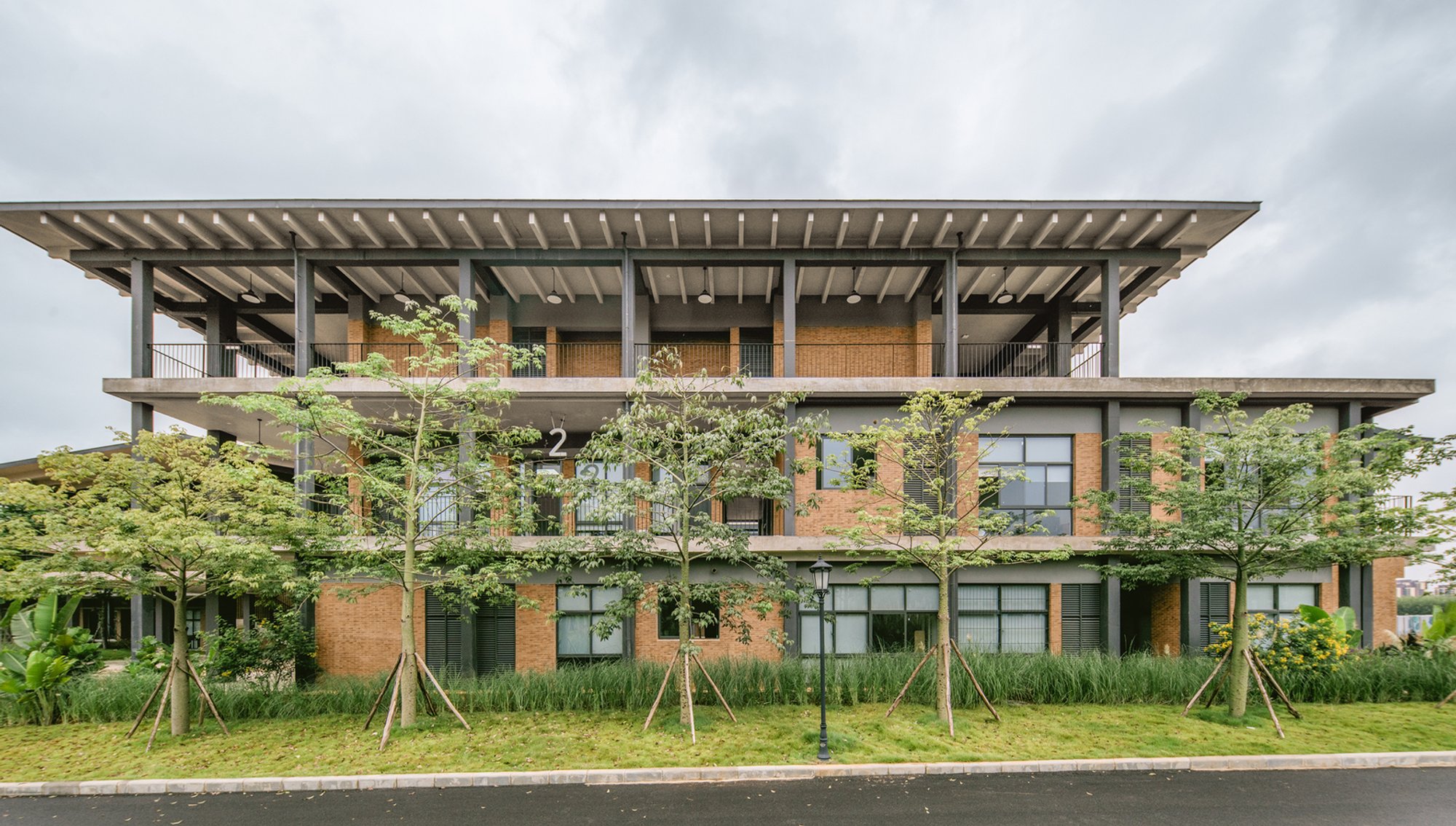
LYCEUM School by DL Atelier: Redefining Educational Spaces in Chongzuo, China
LYCEUM School by DL Atelier blends nature, architecture, and education, fostering creativity, exploration, and self-directed learning in an inspiring environment.

LYCEUM School, designed by DL Atelier in Chongzuo, China, is an architectural marvel that redefines traditional educational spaces. Spanning 12,000 m², the project was completed in 2022 and aims to inspire exploration, creativity, and communal learning. The design reflects the philosophy of “captivate initially, lead subsequently, support tenacity, and cultivate collaboratively.” Through a unique integration of nature, architecture, and education, the school encourages self-directed learning while promoting harmony between students, teachers, and the environment.
Design Philosophy and Concept
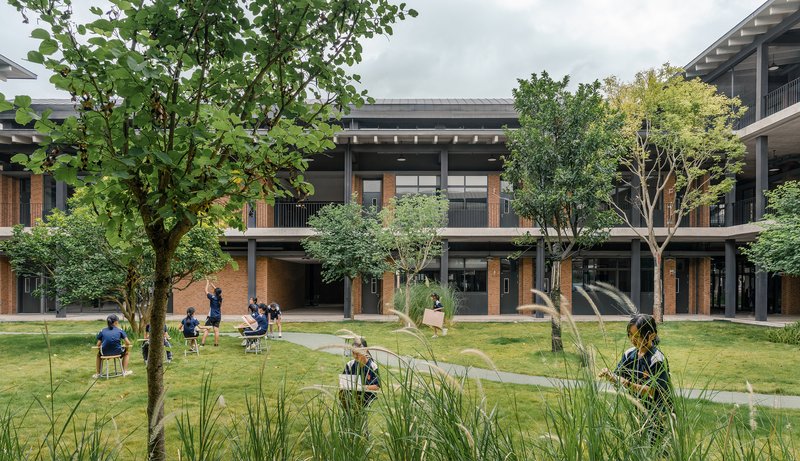
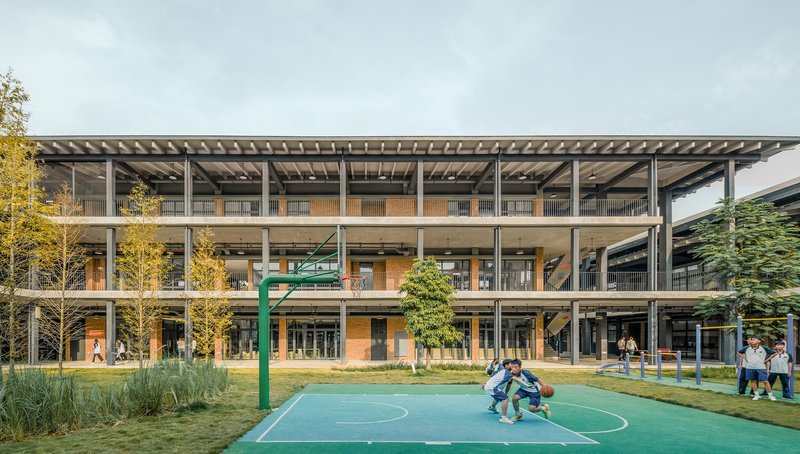
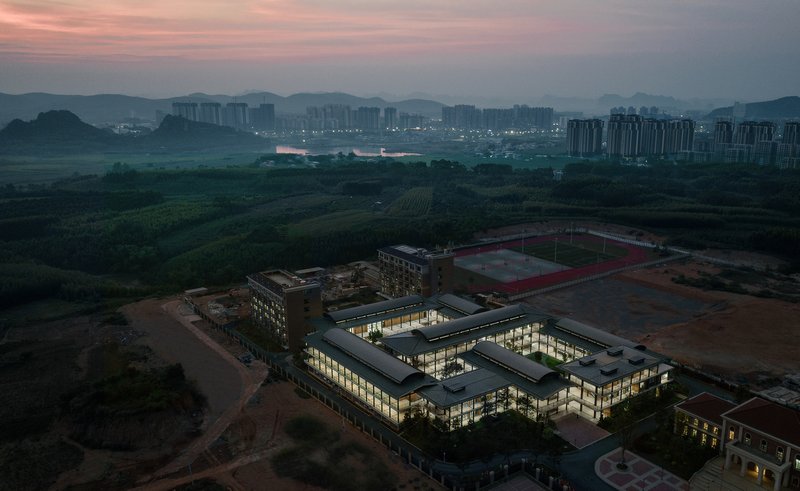
LYCEUM School’s design goes beyond functionality. It fosters a dynamic, inclusive environment where children experience both communal gatherings and solitary reflection. The architectural layout incorporates elements that encourage exploration, physical activity, and social interaction, enabling the development of well-rounded personalities. Drawing inspiration from traditional Chinese academy-style layouts, the school consists of three intermingling courtyards that create a safe, tranquil learning environment while promoting a sense of community.
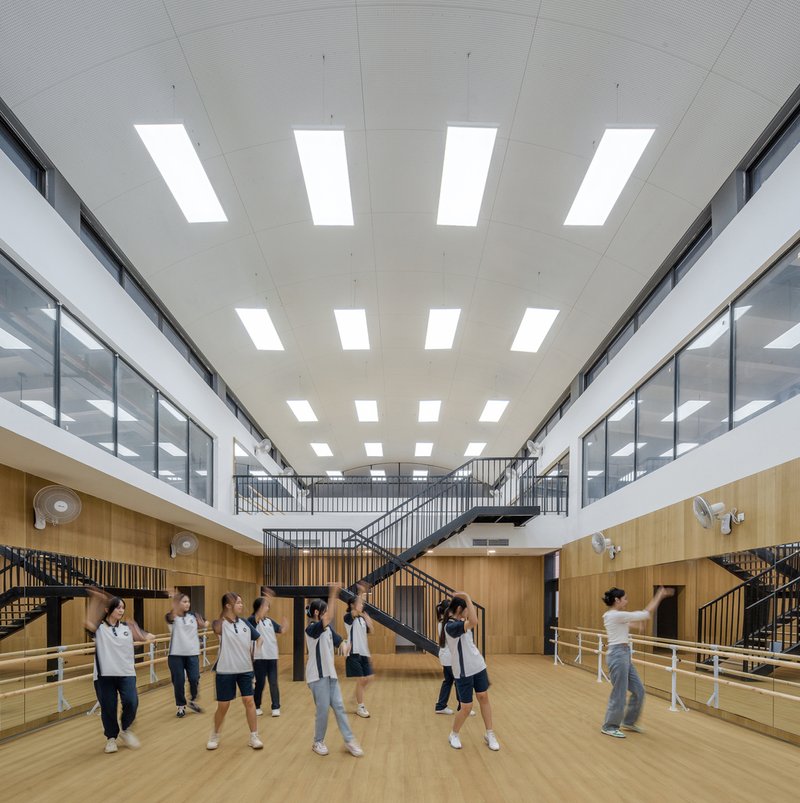
Courtyards as Dynamic Learning Hubs
1. Main Courtyard:
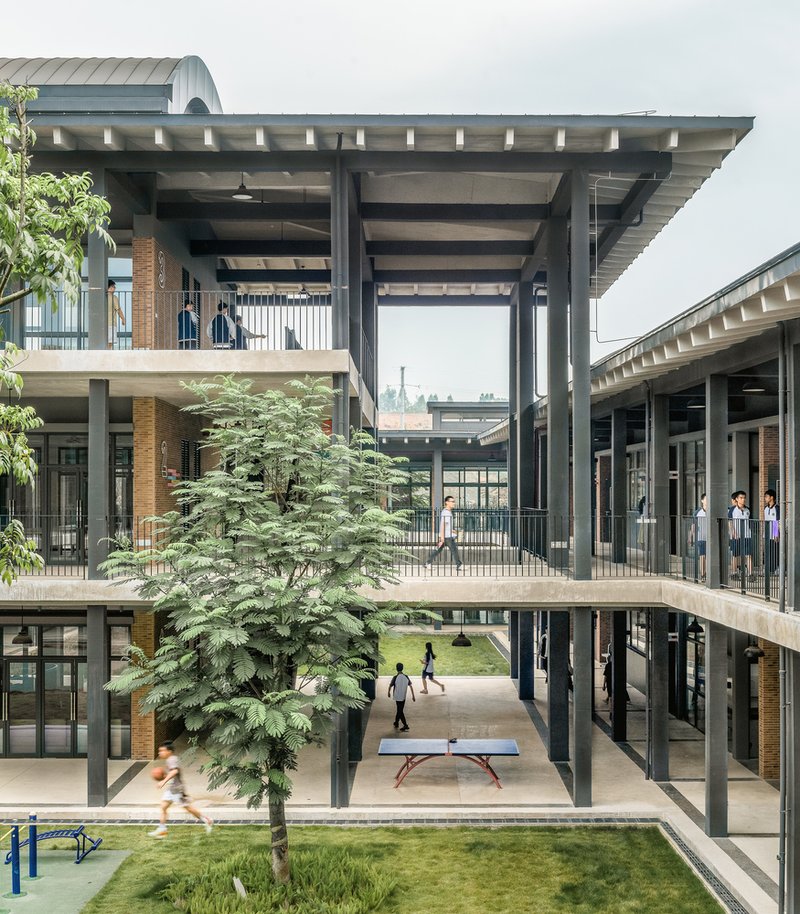
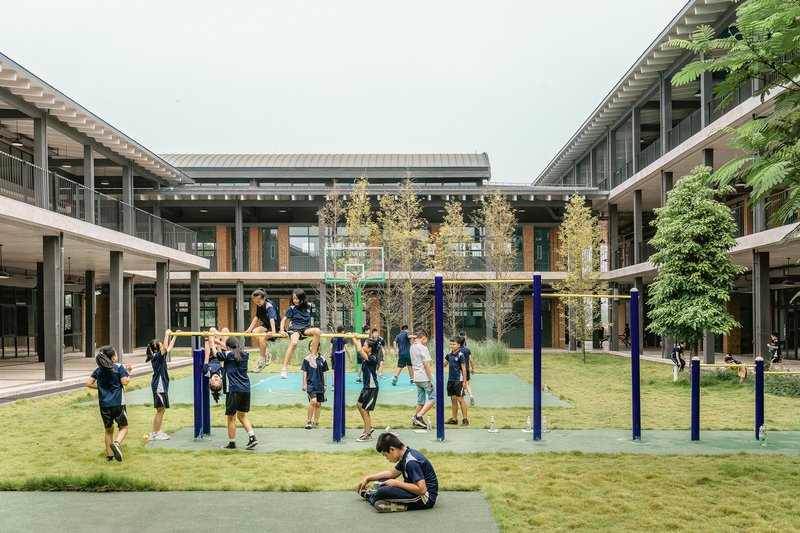
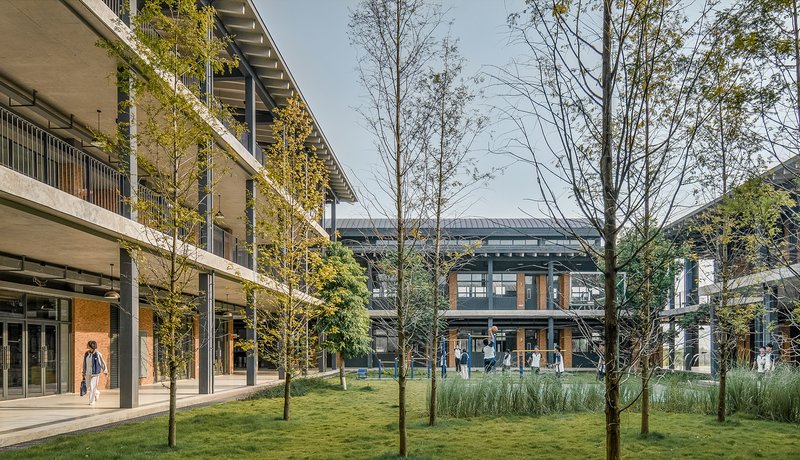
Serving as the heart of the school, the main courtyard is a focal point where students and teachers gather, fostering interaction and collaboration. It features a spacious area equipped with sports facilities and playgrounds, allowing children to engage in physical activities such as playing basketball or exploring the outdoor space.
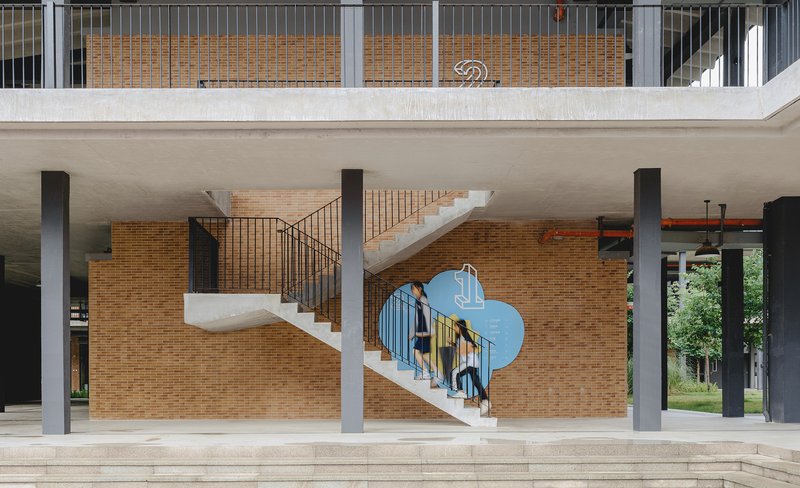
2. Moderate Courtyard:
This space is designed for slower-paced activities, such as outdoor painting sessions and group discussions. The serene atmosphere promotes a relaxed learning environment where students can engage with peers and teachers in a less formal setting.
3. Nature Courtyard:
Lush greenery and a majestic tree at the center provide a space where children can connect with nature. Students can immerse themselves in silent conversations with the environment, fostering a deep appreciation for biodiversity and natural beauty.
Innovative Architectural Elements
1. Blurred Boundaries:
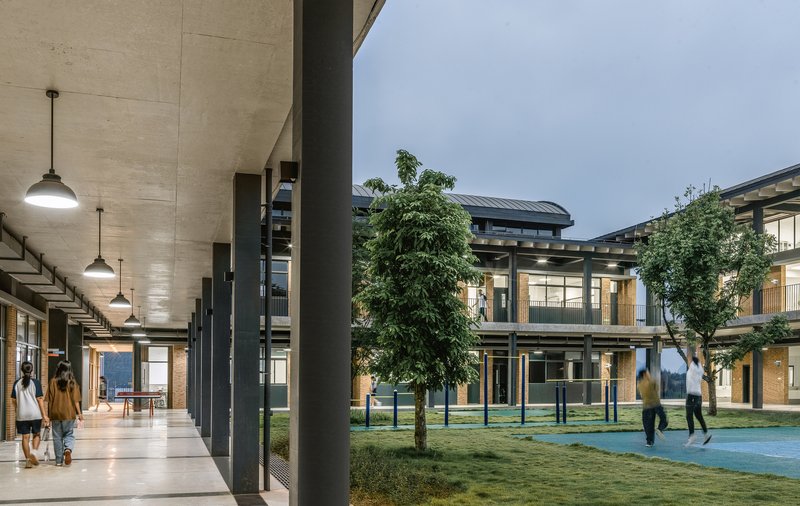
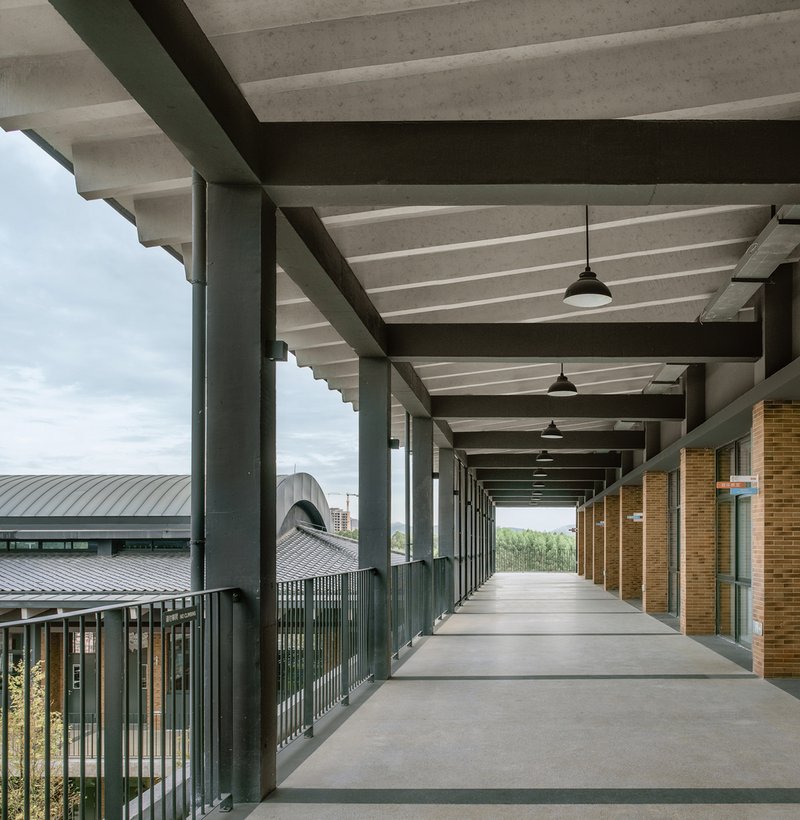
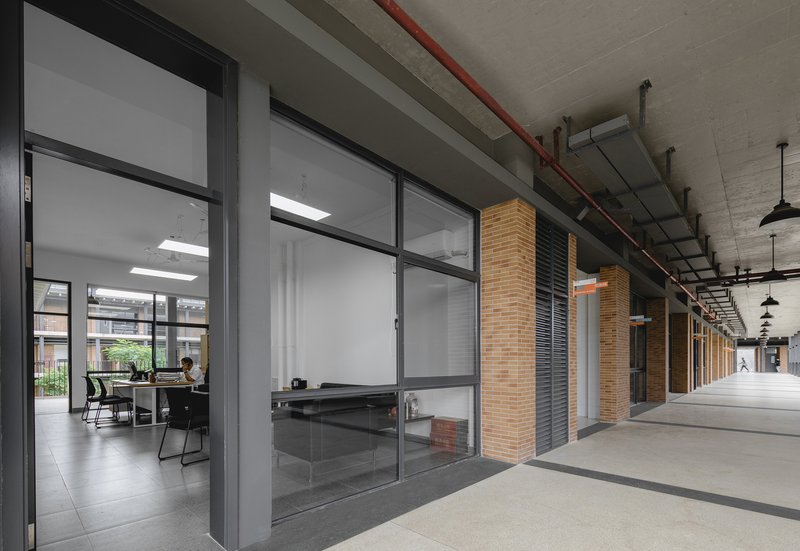
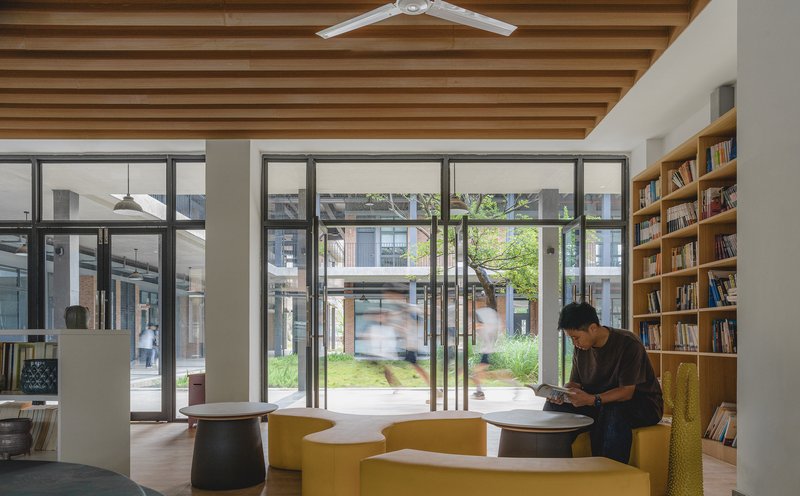
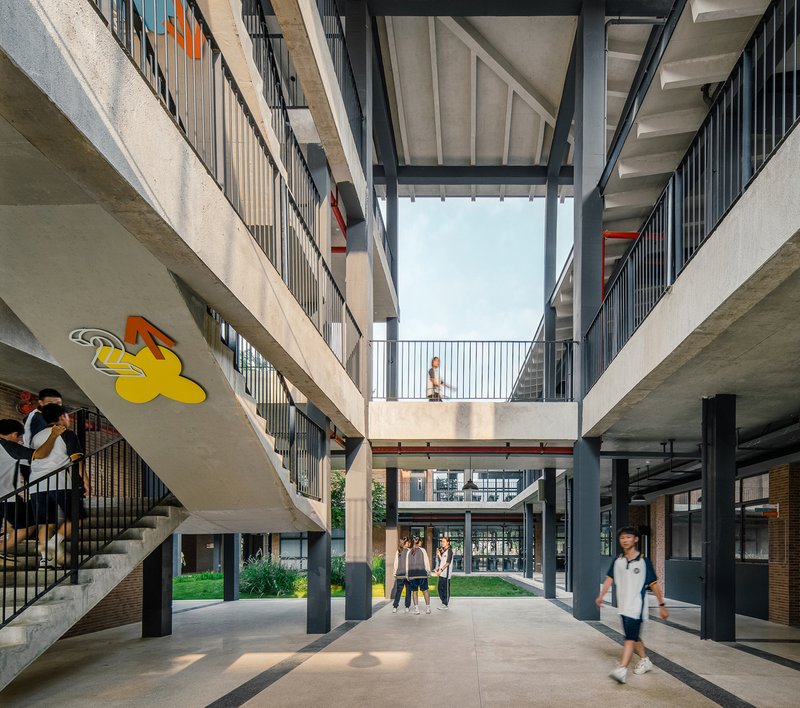
The school’s circular corridors seamlessly connect indoor and outdoor spaces, breaking down conventional boundaries between learning and recreation. Corridors function as extended learning spaces, where students can engage in social activities, play games, or study in a relaxed setting.
2. Dual-Level Layout for Efficiency:
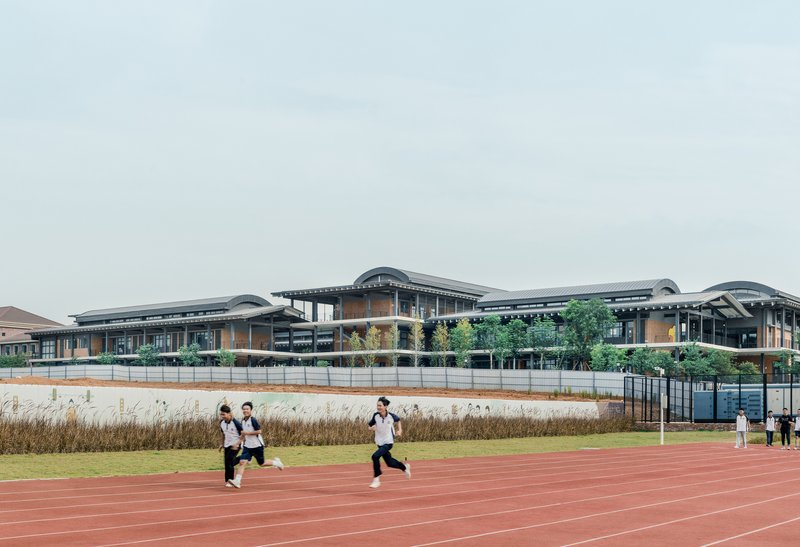
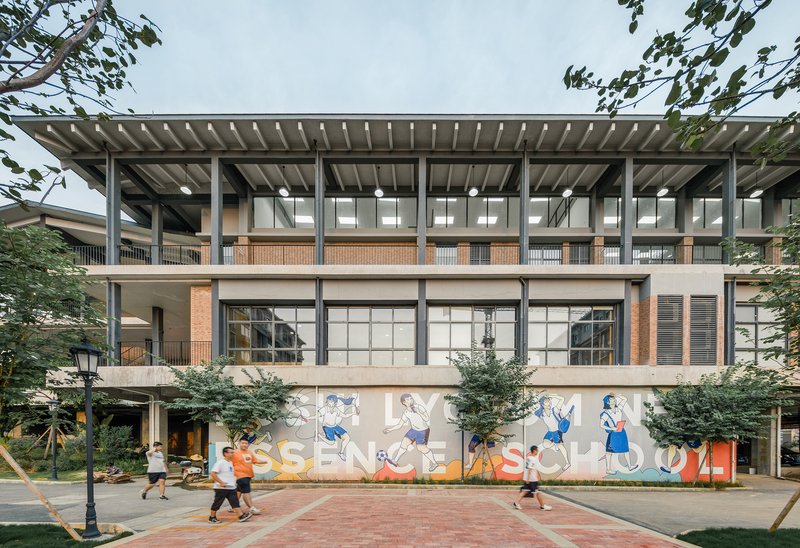
Despite accommodating 1,800 students, the school maintains a low-rise, two-story design that minimizes vertical movement and enhances interaction between students and nature. The open-air corridors allow for free movement between classrooms and courtyards, ensuring ease of access.
3. Classroom with a View:
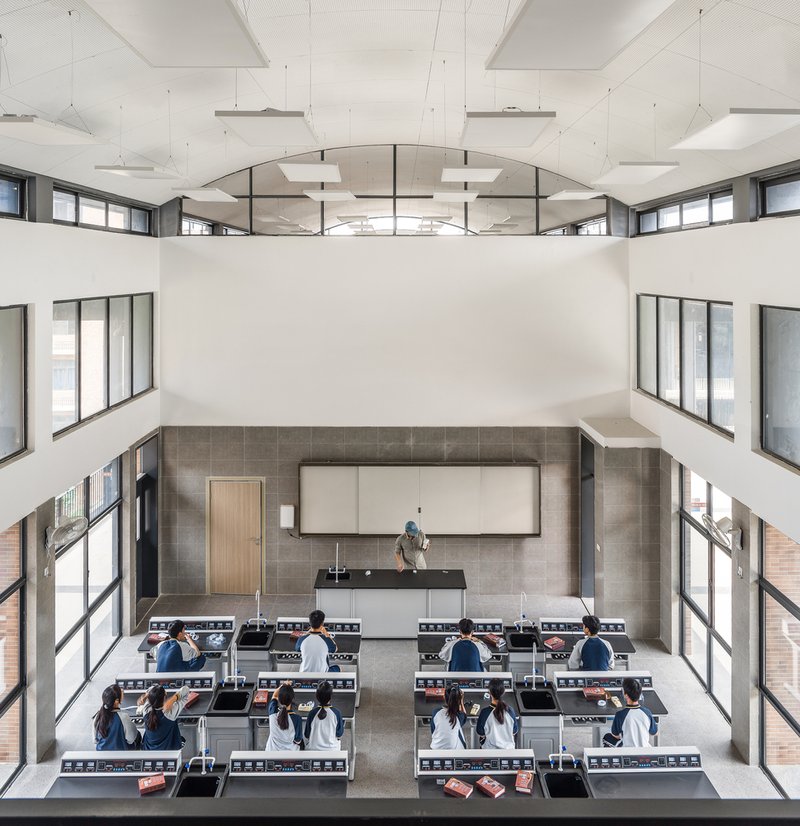
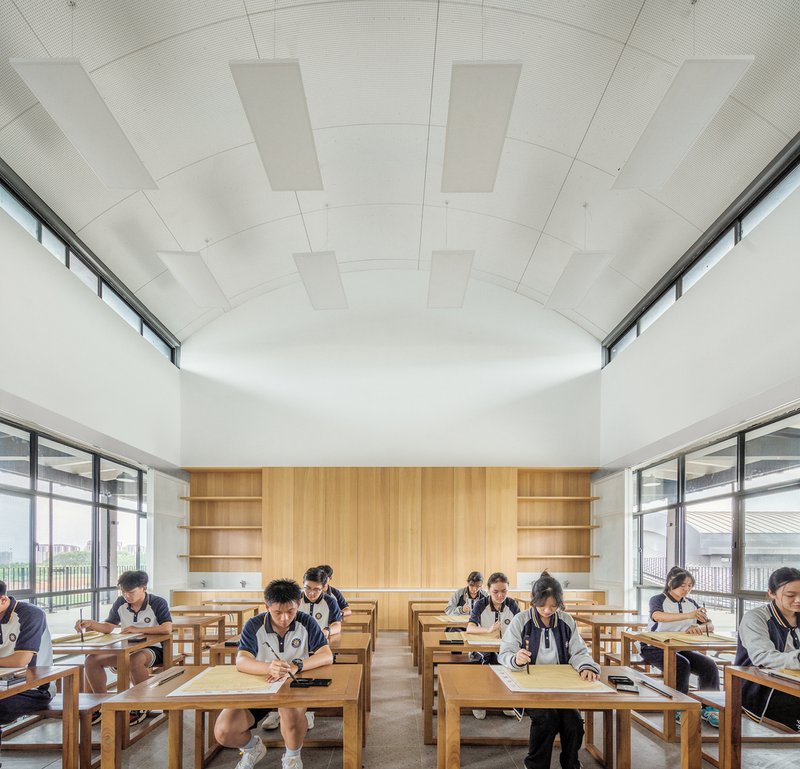
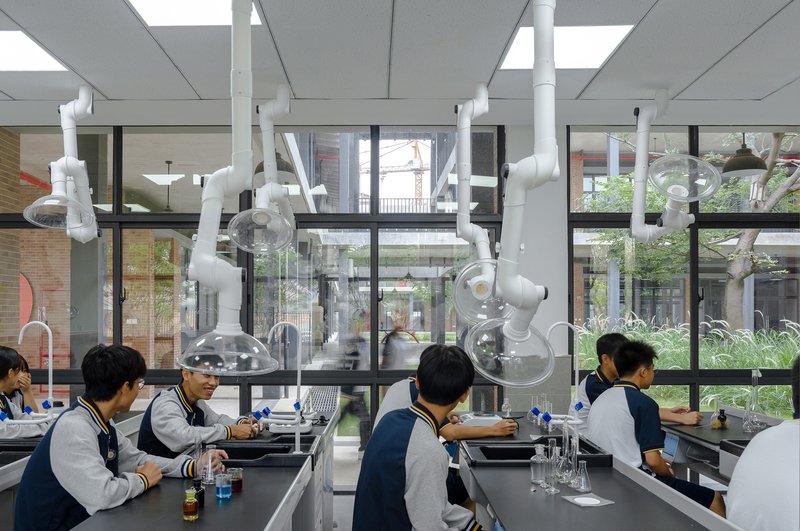
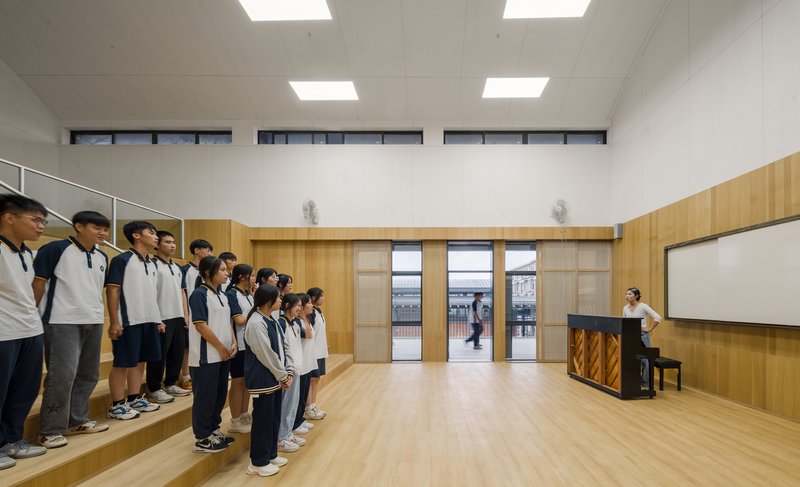
Classrooms are located under sloping roofs with two-way lighting and balconies, allowing natural ventilation and visual transparency. Large windows create a connection between classrooms, encouraging eye contact and communication between students, fostering a sense of community.
4. Chimney Effect for Ventilation:
Windows placed strategically between the arches and sloping roofs promote natural ventilation, reducing the need for artificial air conditioning. This sustainable design enhances comfort and energy efficiency.
Integrating Nature for Holistic Learning
The school’s design emphasizes the importance of connecting children with nature. Through thoughtfully designed courtyards, open corridors, and green roofs, LYCEUM School blurs the boundaries between indoor and outdoor learning environments. The gradual growth of courtyard plants will eventually create a canopy of shade, offering a peaceful and serene atmosphere for children to explore and learn.
Promoting Active Learning Beyond Classrooms
The school’s architecture encourages self-directed learning beyond the confines of traditional classrooms. Corridors double as communal spaces equipped with ping-pong tables and seating, enabling children to engage in informal learning, socializing, and play. The blurred spatial boundaries foster creativity and independent thought, allowing students to explore their interests at their own pace.
Sustainability and Climate Responsiveness
To combat the effects of the region’s seasonal monsoon climate, DL Atelier designed the school with southeast and northwest openings in the courtyards for optimal air circulation. Additionally, the northeast corner was enclosed to minimize the entry of cold winter air. The natural ventilation system, coupled with the integration of greenery, ensures a sustainable and climate-responsive learning environment.
Symbolism and Emotional Impact
LYCEUM School is more than just an educational institution; it is a symbol of growth and exploration. Each architectural element evokes a sense of wonder and warmth, encouraging children to develop a lifelong love for learning. The towering trees and natural elements symbolize the journey of growth, while the communal spaces reflect the importance of shared knowledge and collaboration.
All Photographs are works of Yumeng Zhu




Popular Articles
Popular articles from the community

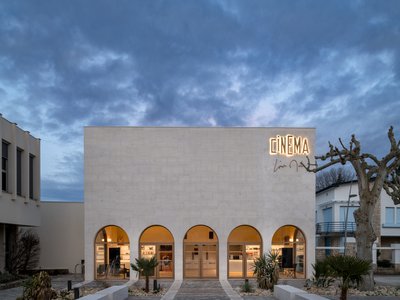
Louis Malle Cinema: A Limestone Cultural Landmark Revitalizing Community Life in Prayssac
Limestone cinema extension with public forecourt, blending heritage and modern design to create flexible cultural spaces and strengthen community interaction.
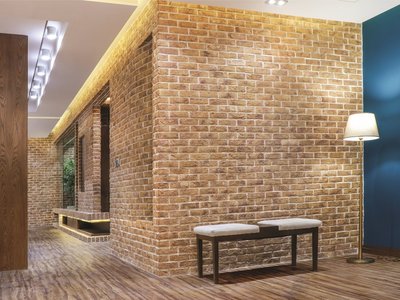
A Contemporary Take on Iranian Residential Architecture
A modern interior design in Mashhad that reinterprets brick, light, and spatial flow to create a warm, contemporary residential architecture.
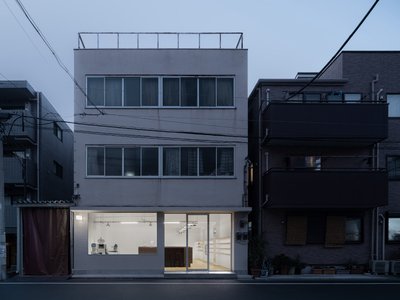
Atelier Macri Concept Store Interior Design by CASE-REAL
Atelier Macri store features a "ko" counter, walnut wood details, cork displays, blending retail, gallery, and seamless customer experiences.
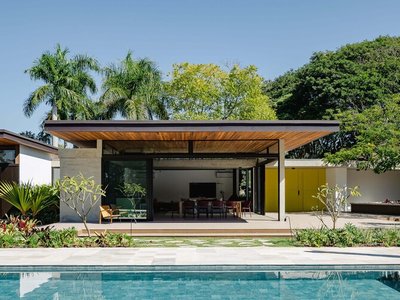
Flamboyant House by Juliana Camargo + Prumo Projetos
Modern Brazilian house integrating existing tree, pool, and volumes with glass, wood, and transitional spaces blending interior, exterior, and landscape seamlessly.


Similar Reads
You might also enjoy these articles


The Ken Roberts Memorial Delineation Competition (Krob)
As the most senior architectural drawing competition currently in operation anywhere in the world, it draws hundreds of entries each year, awarding the very best submissions in a series of medium-based categories.


Waterfront Redevelopment and Urban Revitalization in Mumbai: Forging a New Dawn for Darukhana
A transformative waterfront redevelopment project reimagining Darukhana’s shipbreaking heritage into an inclusive urban future.

OUT-OF-MAP: A Call for Postcards on Feminist Narratives of Public Space
Rhizoma Design and Research Lab invites artists, designers, architects, researchers, and students to reflect on how feminist perspectives can reshape public space. Selected works will be exhibited in Barcelona, October 2026. Submissions open until 15 April 2026.


Documentation Work on Buddhist Wooden Temple
Architectural syncretism and cultural hybridity: A comparative study of the Buddhist temples in Chattogram Hill tracks

Explore Architecture Competitions
Discover active competitions in this discipline




The International Standard for Design Portfolios


The Global Benchmark for Architecture Dissertation Awards


The Global Benchmark for Graduation Excellence


Challenge to design public laboratory
Comments (0)
Please login or sign up to add comments
No comments yet. Be the first to comment!