
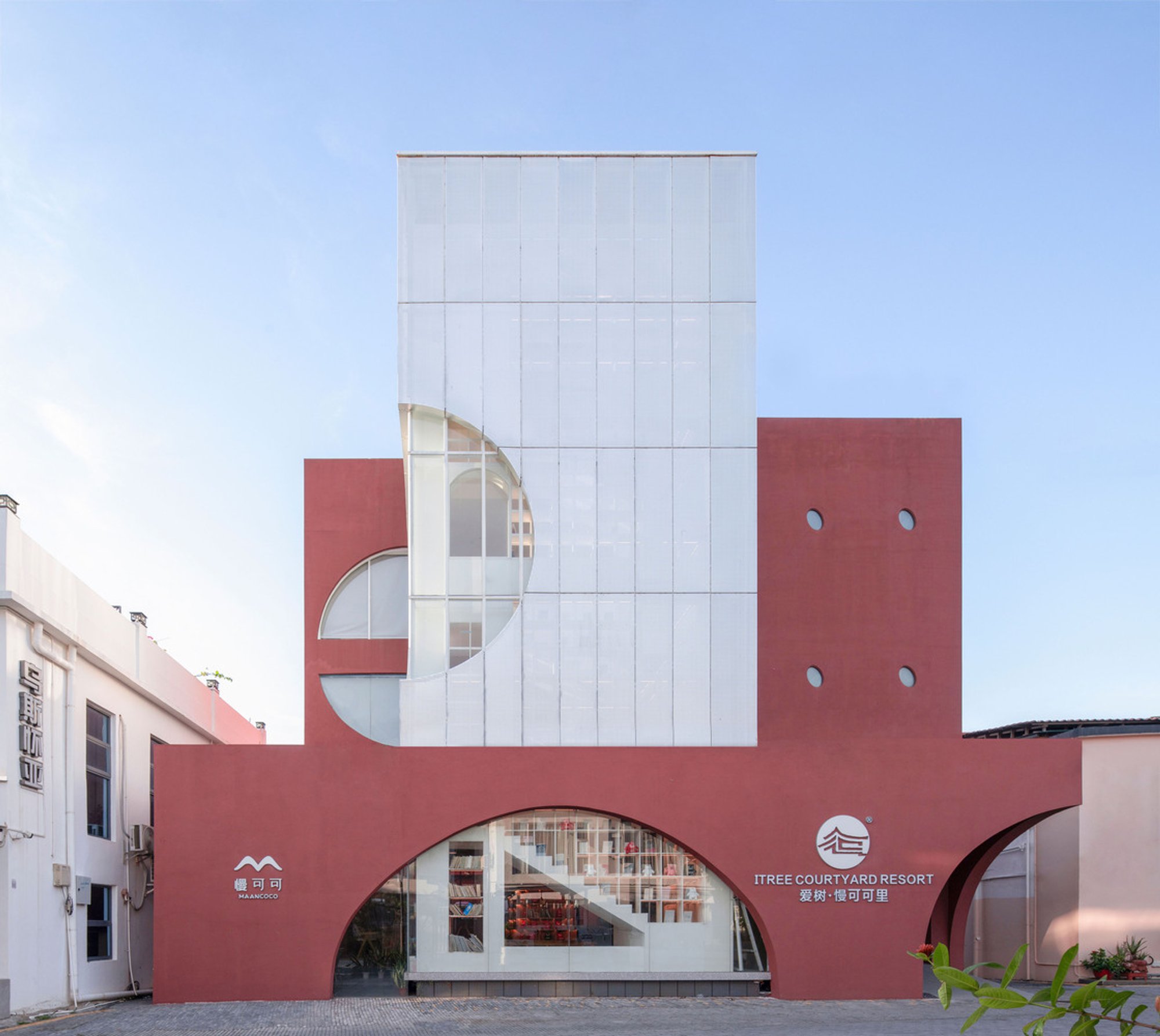
Modern Coastal Architecture: The Itree Mankekeli Homestay by Wildurban Architects
The article explores the design of Itree Mankekeli Homestay, a modern coastal architecture project blending natural materials and community space.

Revolutionizing Modern Coastal Architecture
Coastal regions are often the most breathtaking and serene places to live, but as urbanization spreads, many coastal areas face the challenge of maintaining harmony between nature and development. The Itree Mankekeli Homestay, designed by Wildurban Architects, is a brilliant example of modern coastal architecture that combines natural beauty with innovative design. Located in the charming seaside village of Jiaochangwei on the Dapeng Peninsula, Shenzhen, China, this homestay stands as a testament to the power of thoughtful, contextually relevant architecture.
Understanding the Challenges of Coastal Architecture
Coastal regions are unique in their environmental conditions and cultural significance. As tourism expands along these shores, the rapid development of the area often leads to overcrowding, and the once tranquil environment becomes noisy and chaotic. For architects, designing a space in such a location requires an in-depth understanding of not just aesthetic beauty but the balance between the surrounding natural elements, human-scale functionality, and community needs.
In the case of Itree Mankekeli Homestay, the design challenge was to create a space that respected its coastal context while providing a functional and aesthetically pleasing environment for the public. The project’s success lies in its ability to create a space that both complements the surrounding natural beauty and brings something new to the local architectural landscape.
Site Context: A Busy Coastal Village
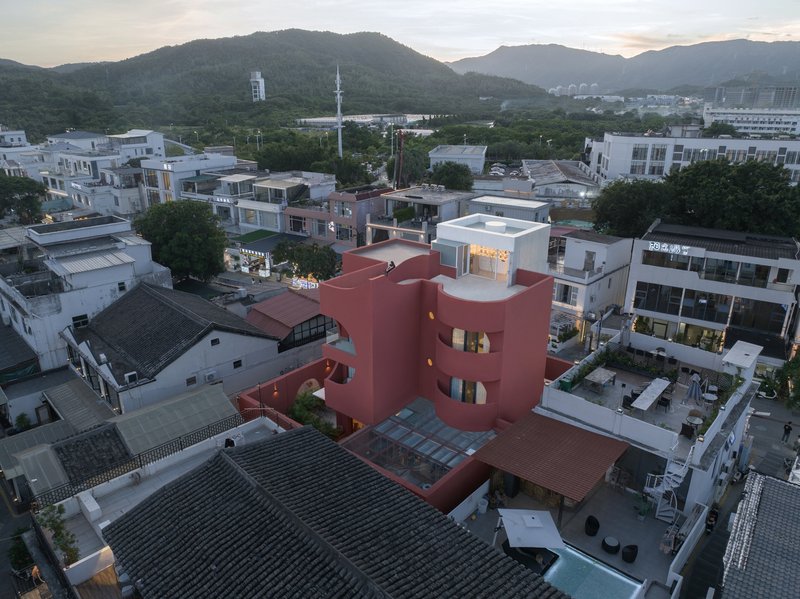
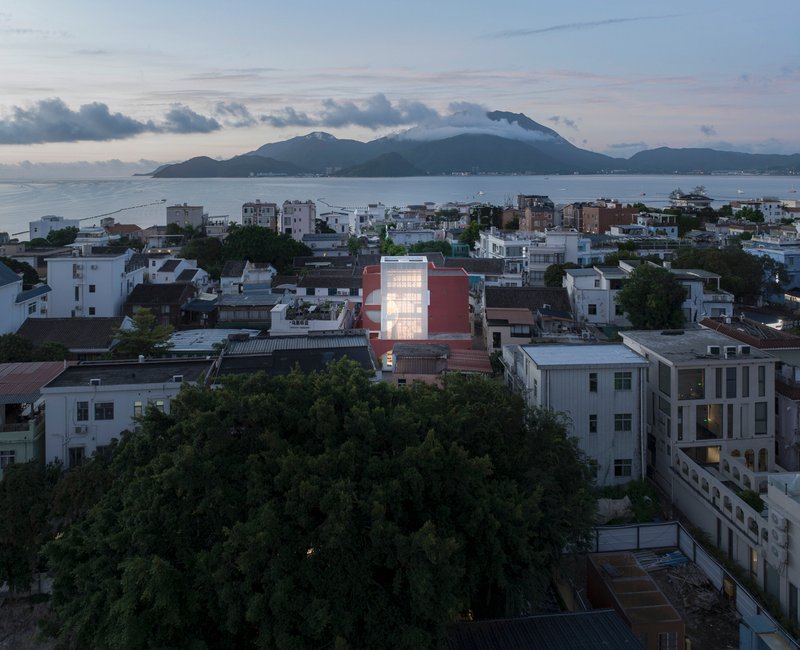
The Itree Mankekeli Homestay is located in Jiaochangwei, a coastal village in Shenzhen, China. Once a peaceful village, the rapid expansion of the tourism industry has caused overcrowding, challenging the sense of tranquility that once characterized the area. The homestay is positioned on the edge of a busy old street, with three sides of the site adjacent to neighboring houses. The only open view is from the street. Therefore, the design of the building had to address these challenges by creating a spatial experience that could be both private and connected to the surrounding community.
The Design Concept: Creating Harmony Between Space and Nature
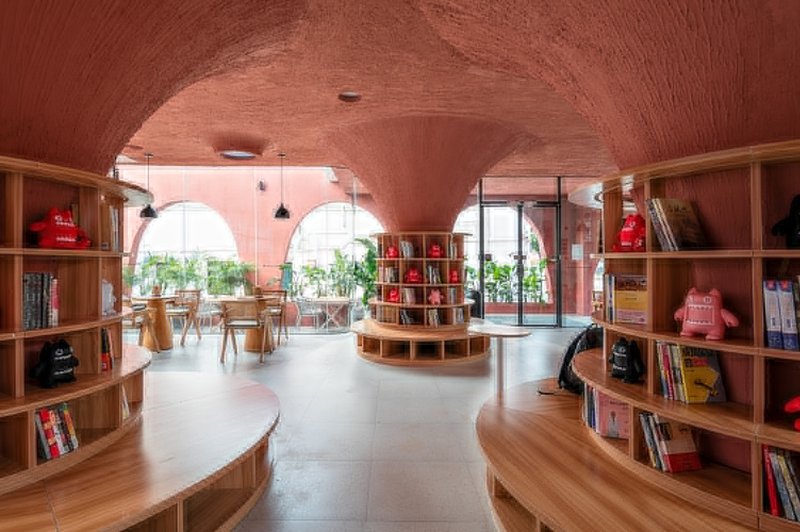
One of the key aspects of modern coastal architecture is the ability to create spaces that harmonize with nature. Wildurban Architects drew inspiration from the local environment, particularly the unique red reefs found on the Dapeng Peninsula. These natural geological formations were not only a visual inspiration but were also integrated into the material palette of the building. The architects used the red volcanic rocks as a key material for the facade and interior, allowing the building to connect deeply with its coastal surroundings.
Use of Geometry and Spatial Flow
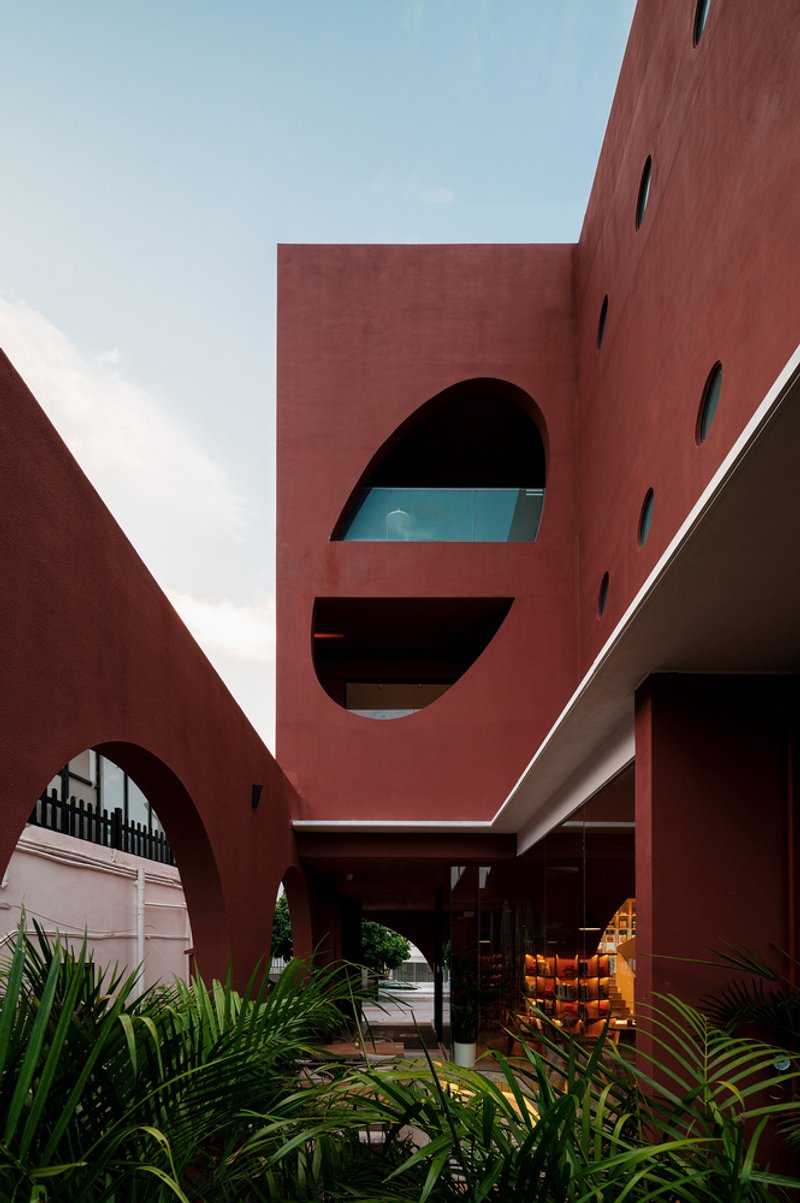
The Itree Mankekeli Homestay follows a nine-square grid pattern in its layout. The four corners of the building are tapered inward to reduce the building’s volume, which in turn allows for better integration with neighboring structures. This design also creates a series of courtyards within the structure, each with its own unique characteristics. These courtyards act as transitional spaces between the interior and exterior, providing moments of quiet reflection amidst the busy coastal village.
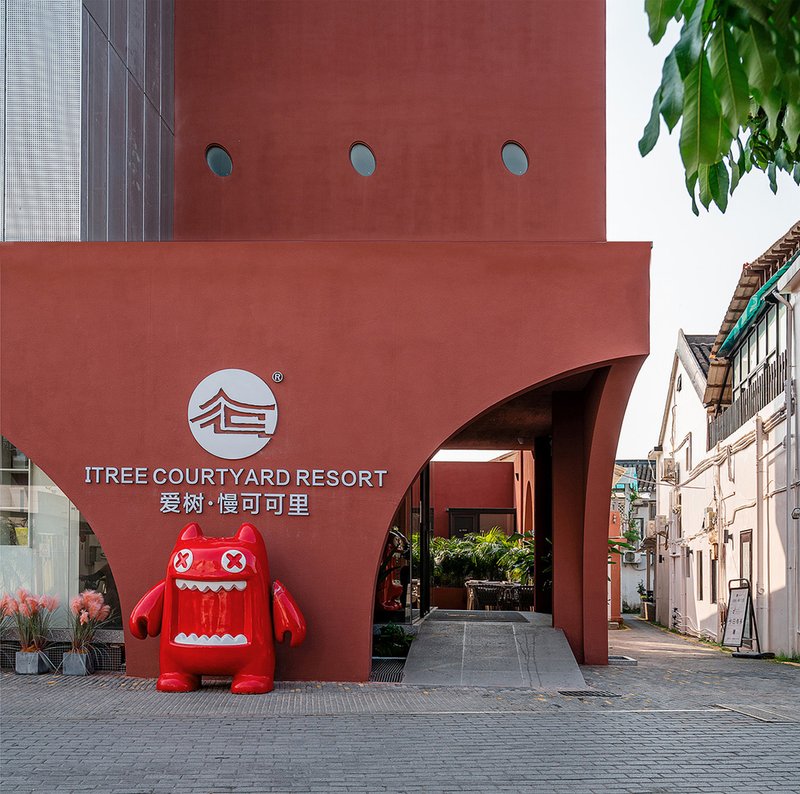
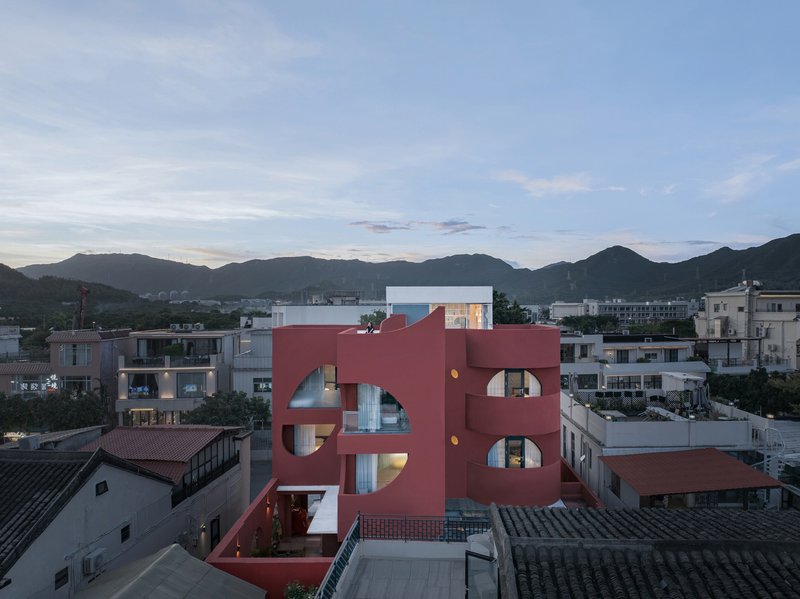
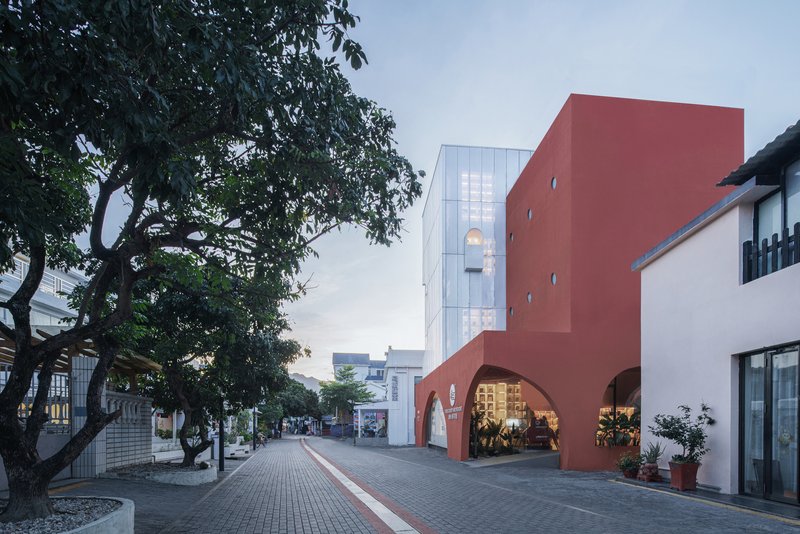
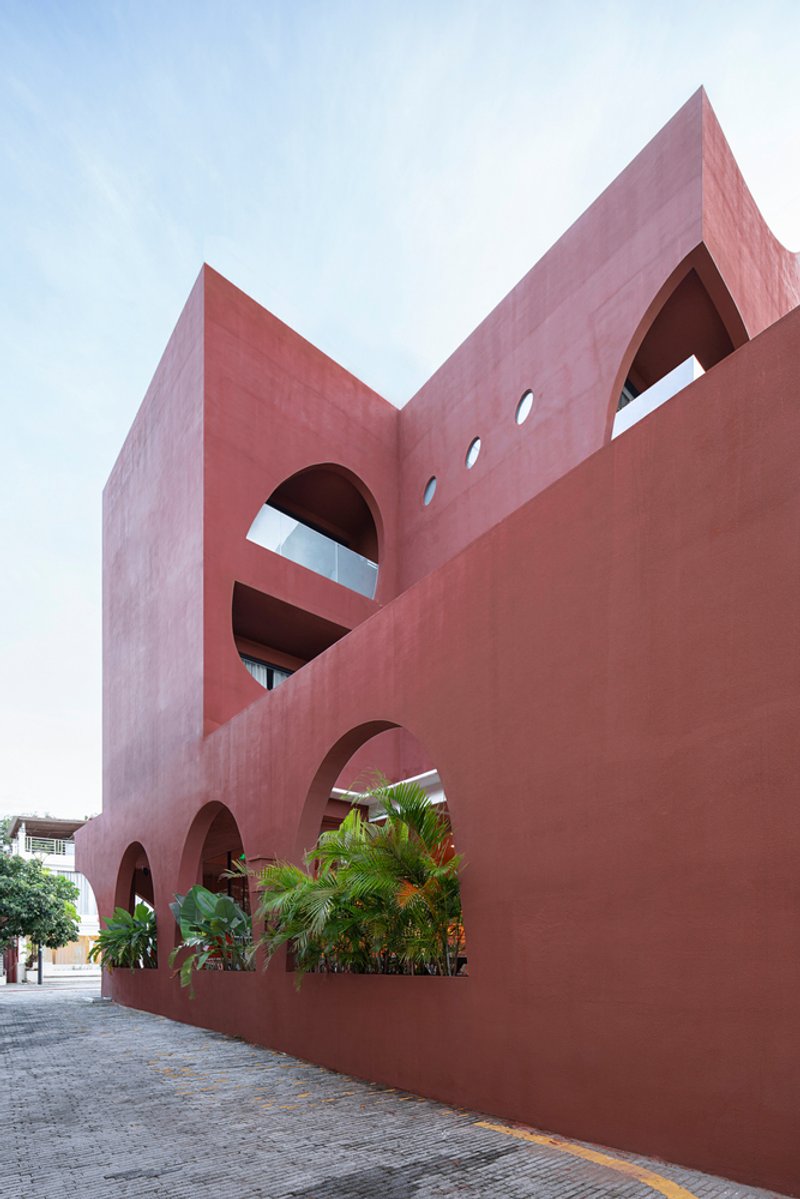
The building is designed with an arched wall structure that adds a sequence of geometric forms along the street. This series of retreats and advances in the structure forms a dynamic relationship between the space and its surroundings. The gentle transitions between spaces provide a sense of scale and flow within the homestay, giving guests a unique spatial experience that connects them with both nature and the bustling village.
Key Architectural Elements: The Red Reef and the White Book Tower
One of the standout features of modern coastal architecture in the Itree Mankekeli Homestay is the contrast between the building’s two main elements: the red block and the white book tower.
The Red Block: A Tribute to Local Geology
The red block is a bold design element inspired by the red reefs that are unique to the Dapeng Peninsula. This part of the building uses thick red walls, which form the core of the homestay. These walls not only provide structural integrity but also evoke a connection to the land’s geological history. The red color of the walls also complements the natural hues of the coastal environment, making the building feel rooted in its coastal setting.
The White Book Tower: A Space for Public Interaction
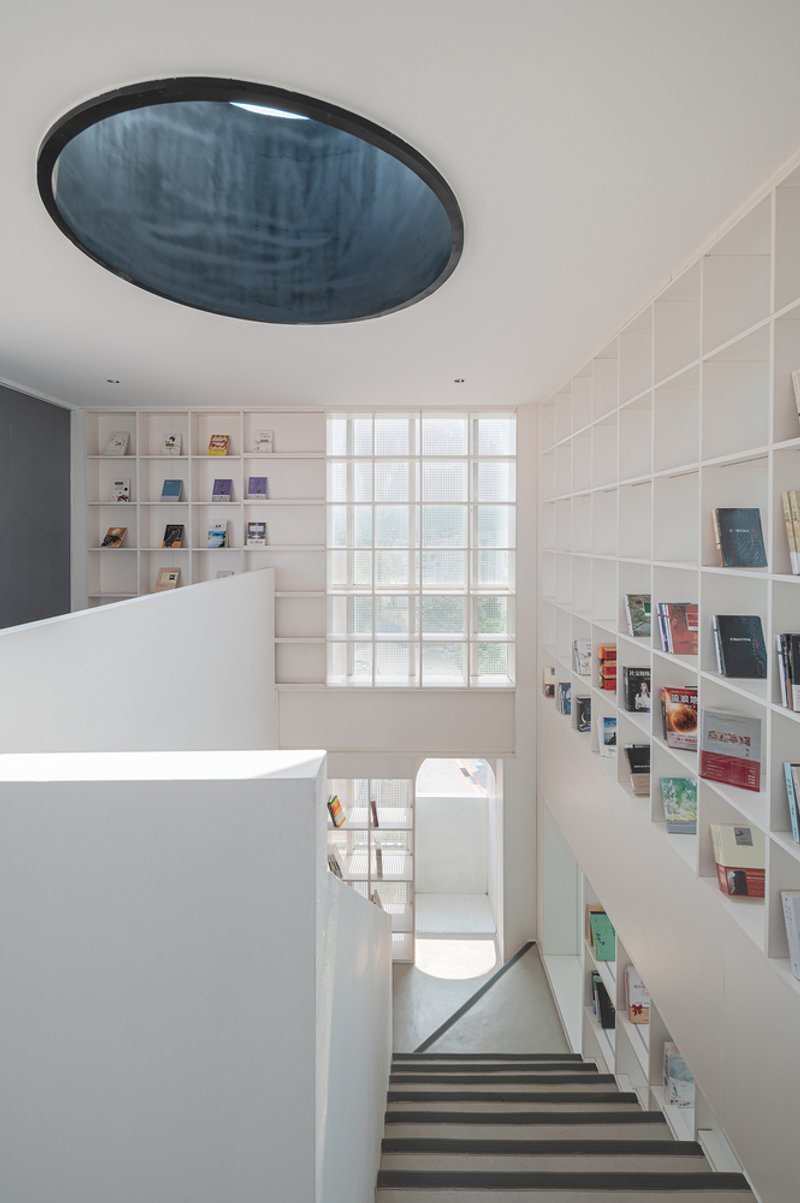
In stark contrast to the red block, the white book tower serves as a public space within the homestay. It is a light-filled structure that houses vertical traffic, bookshelves, and other elements of the public space. The use of translucent perforated aluminum panels ensures that the structure remains visually light and airy, while still maintaining a level of privacy and separation from the outside world. The white book tower becomes a focal point in the design, drawing visitors into a space that encourages learning, reflection, and community interaction.
The Roof: A Symbol of Coastal Landscape
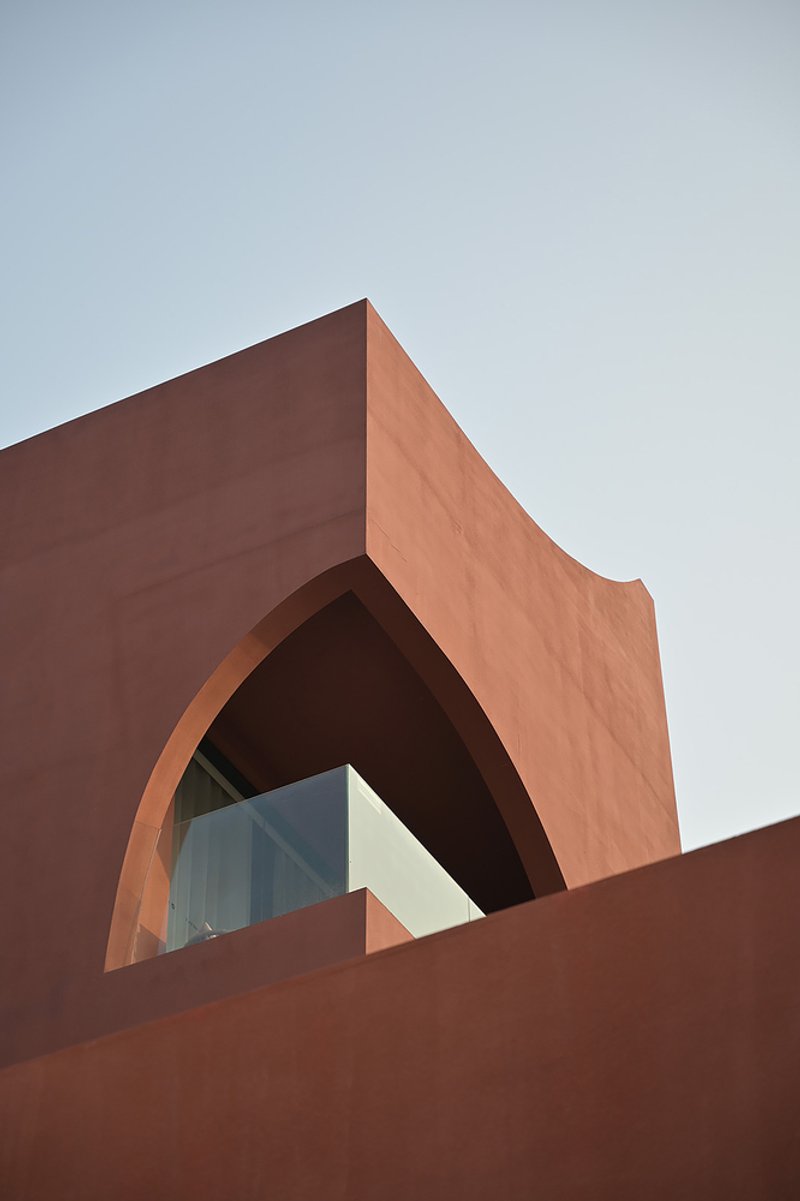
Another defining feature of the Itree Mankekeli Homestay is its undulating roof. The roof design evokes the natural forms of the nearby mountains and the sea, creating a sense of fluidity that mirrors the coastal landscape. The flowing curves of the parapet roof provide an organic contrast to the angularity of the building’s red block, reinforcing the connection between the built environment and the natural world.
Promoting Community Interaction Through Design
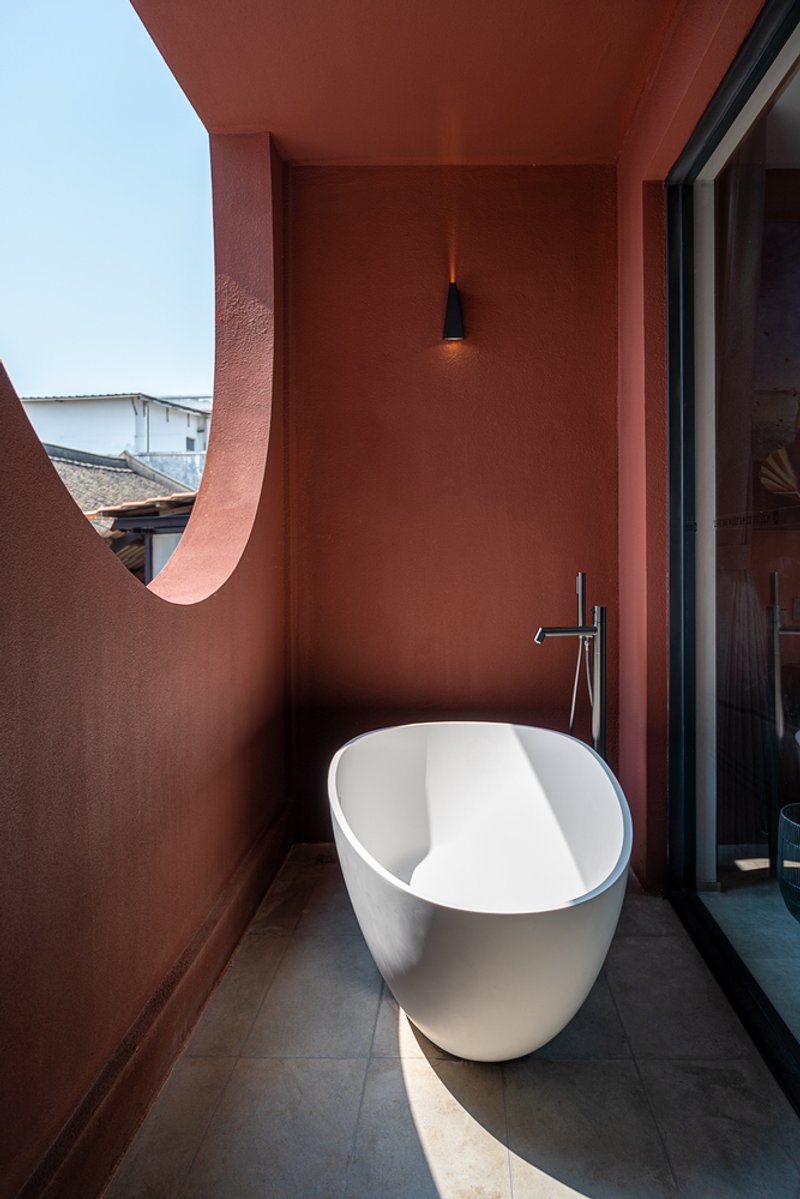
A key goal of the Itree Mankekeli Homestay is to serve as more than just a place to stay. It aims to be a space that promotes interaction within the community, fostering local renewal and a sense of togetherness. The design encourages social engagement, offering spaces for both quiet solitude and group interaction. By integrating the building with the community, the architects have created a homestay that contributes to the revitalization of the coastal village.
The Future of Modern Coastal Architecture
The Itree Mankekeli Homestay by Wildurban Architects exemplifies the potential of modern coastal architecture to address both the aesthetic and functional challenges of coastal living. By drawing inspiration from local geological features, integrating natural materials, and creating a dynamic spatial experience, the homestay stands as a model for future coastal developments. It shows that it is possible to create architecture that is not only modern and innovative but also deeply connected to its environment.
This project demonstrates how modern coastal architecture can redefine the way we approach urban development in sensitive, natural locations. It emphasizes the importance of blending function with beauty, creating spaces that resonate with both the people who use them and the natural surroundings that inspire them.
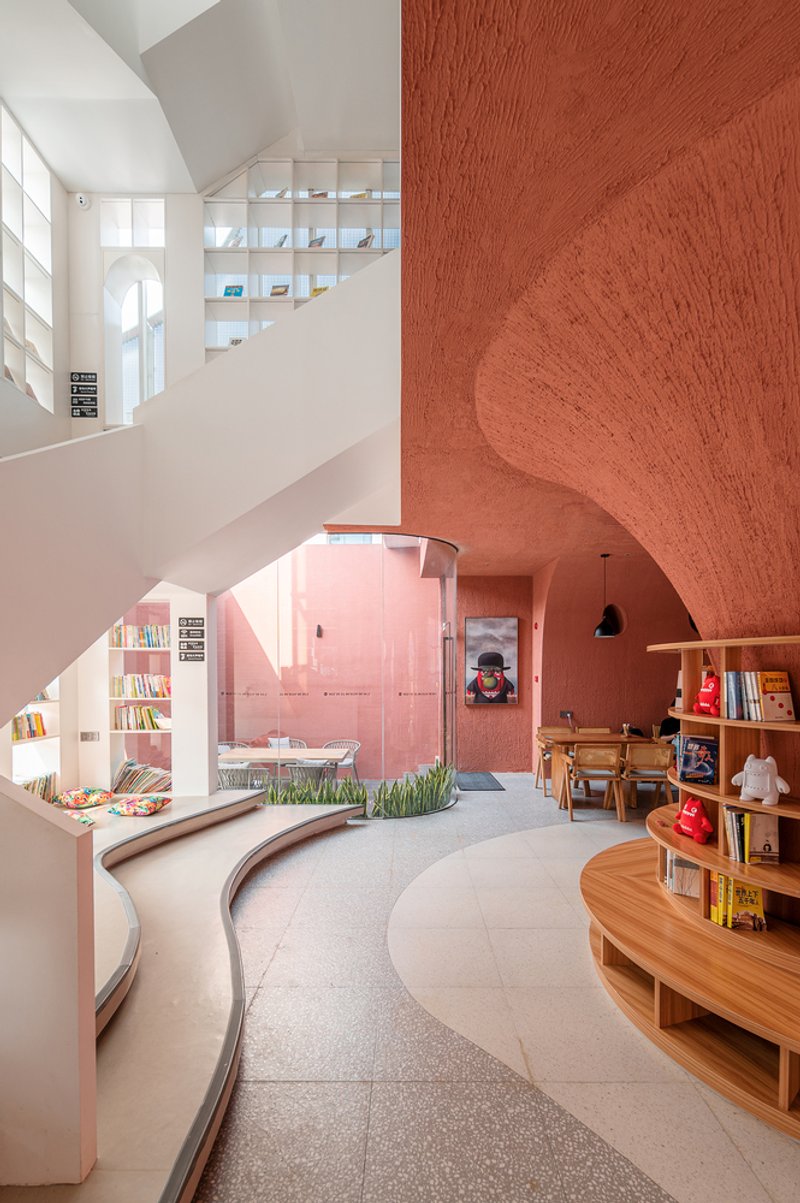
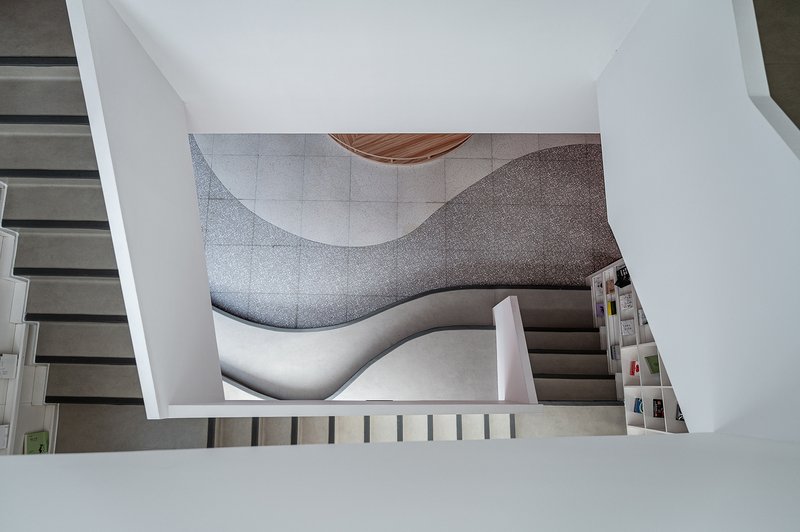
All Photographs are work of Siming Wu, Chaosheng




Popular Articles
Popular articles from the community


Solar Steam: A Climate-Responsive Architecture That Redefines the Monument
A climate-responsive memorial architecture that transforms heat, decay, and time into a living system reflecting humanity’s ecological impact.
On the Brooks House by Monsoon Collective – A Contemporary Kerala Home Rooted in Tradition
Kerala home blending tradition and modernity with water-inspired design, brick architecture, courtyard planning, and sustainable rainwater harvesting strategies.
Treehouse Apartment: A Warm Timber Interior Blending Craft, Play, and Contemporary Living
Warm timber apartment with integrated treehouse, combining natural materials, craftsmanship, and playful design to create a flexible, family-oriented living environment.
Atelier Macri Concept Store Interior Design by CASE-REAL
Atelier Macri store features a "ko" counter, walnut wood details, cork displays, blending retail, gallery, and seamless customer experiences.


Similar Reads
You might also enjoy these articles


The Ken Roberts Memorial Delineation Competition (Krob)
As the most senior architectural drawing competition currently in operation anywhere in the world, it draws hundreds of entries each year, awarding the very best submissions in a series of medium-based categories.


Waterfront Redevelopment and Urban Revitalization in Mumbai: Forging a New Dawn for Darukhana
A transformative waterfront redevelopment project reimagining Darukhana’s shipbreaking heritage into an inclusive urban future.

OUT-OF-MAP: A Call for Postcards on Feminist Narratives of Public Space
Rhizoma Design and Research Lab invites artists, designers, architects, researchers, and students to reflect on how feminist perspectives can reshape public space. Selected works will be exhibited in Barcelona, October 2026. Submissions open until 15 April 2026.


Documentation Work on Buddhist Wooden Temple
Architectural syncretism and cultural hybridity: A comparative study of the Buddhist temples in Chattogram Hill tracks


Explore Architecture Competitions
Discover active competitions in this discipline




The International Standard for Design Portfolios


The Global Benchmark for Architecture Dissertation Awards


The Global Benchmark for Graduation Excellence


Challenge to reimagine the Iron Throne
Comments (0)
Please login or sign up to add comments
No comments yet. Be the first to comment!