
Modern Library Architecture: The Innovative Design of CAUC’s New Library
The article explores the innovative design of the CAUC Library, showcasing modern library architecture, sustainability, and functional campus integration.

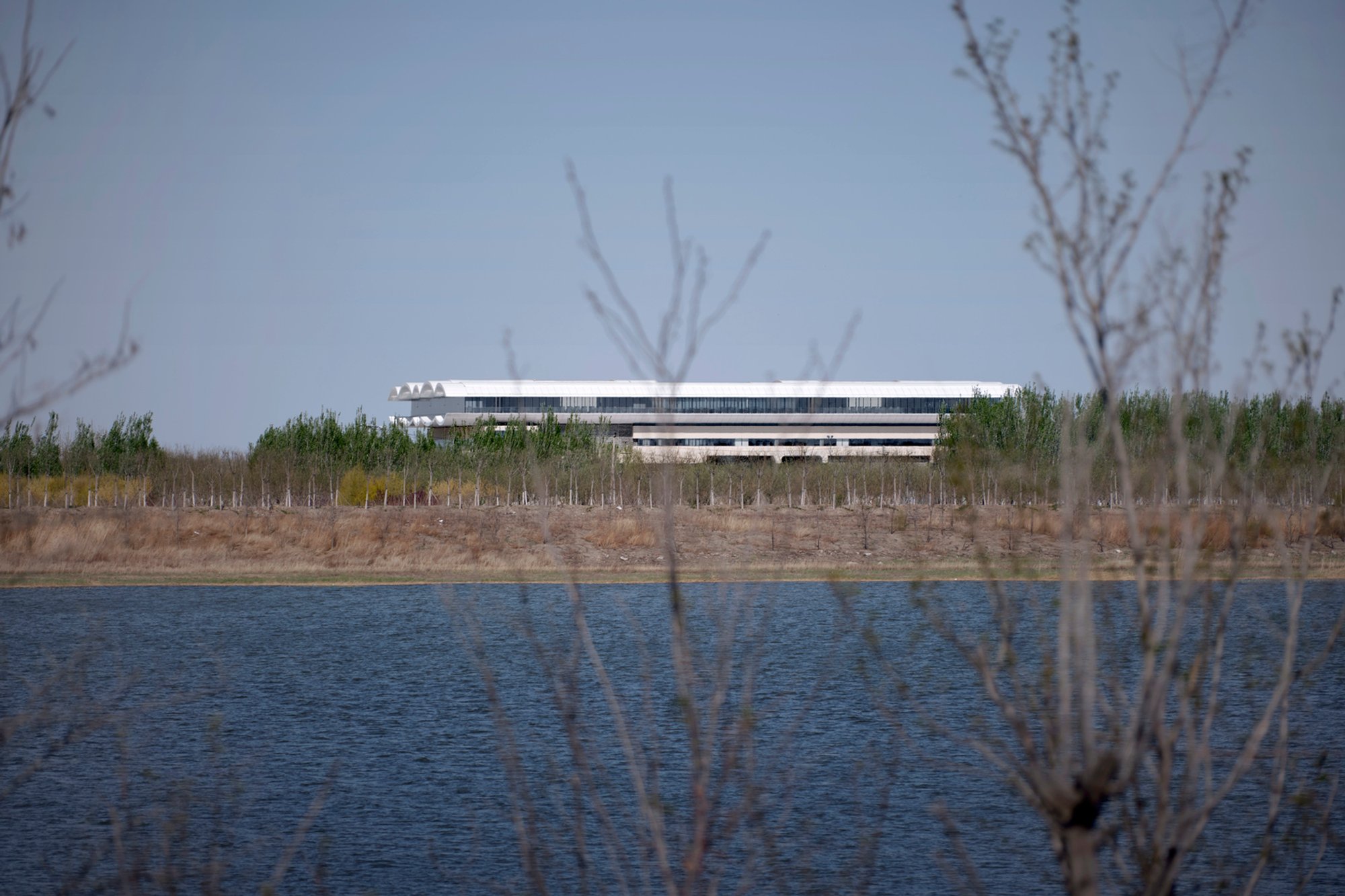
The Civil Aviation University of China (CAUC) in Ninghe District, Tianjin, has unveiled a stunning new library that redefines modern library architecture. Designed by TJAD Original Design Studio, the library is the centerpiece of the university's new campus project. The building, with a total area of 40,000 square meters, represents a leap forward in how educational spaces can integrate functionality, sustainability, and aesthetic appeal.
A Landmark in Educational Architecture
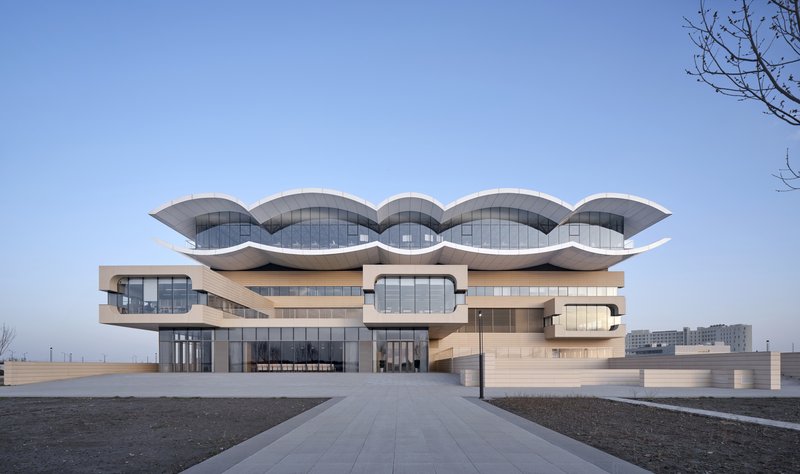
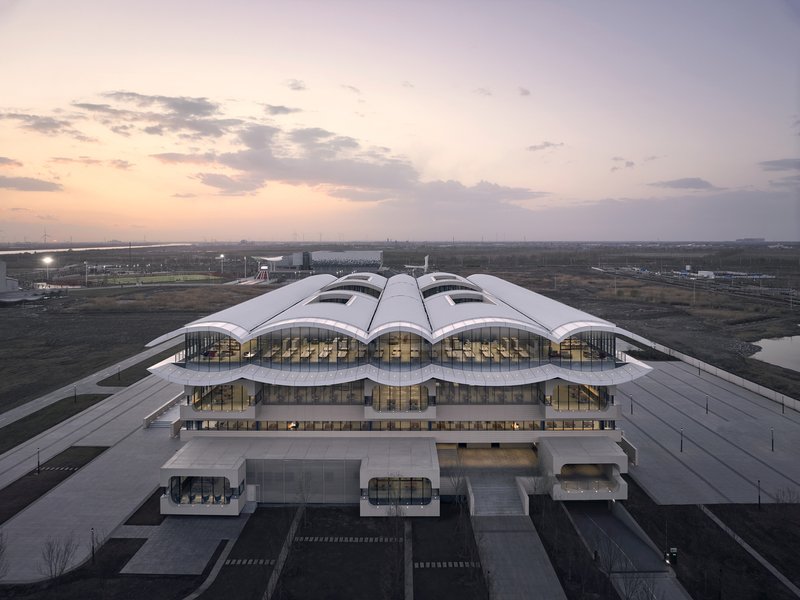
The CAUC Library is not just another educational building—it's an architectural marvel that embodies the future of modern library design. At 23.7 meters tall, it stands as a symbol of the university’s commitment to forward-thinking infrastructure. The design is both innovative and practical, offering a multi-dimensional approach that blends the library seamlessly into the campus landscape.
Key Features of Modern Library Architecture
1. The Thin Shell Concrete Structure: A Bold Entrance
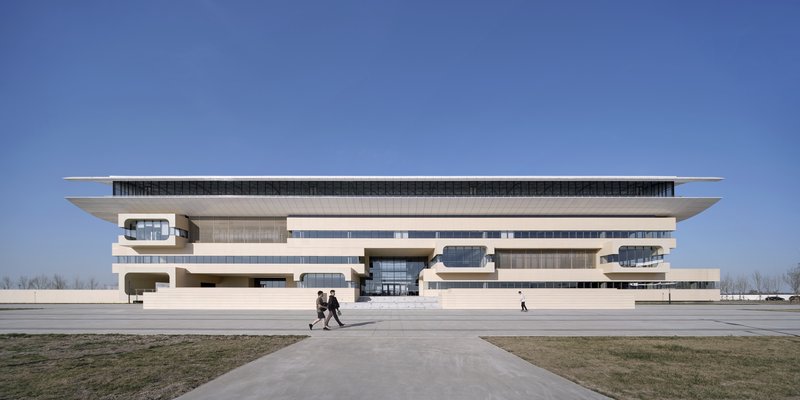
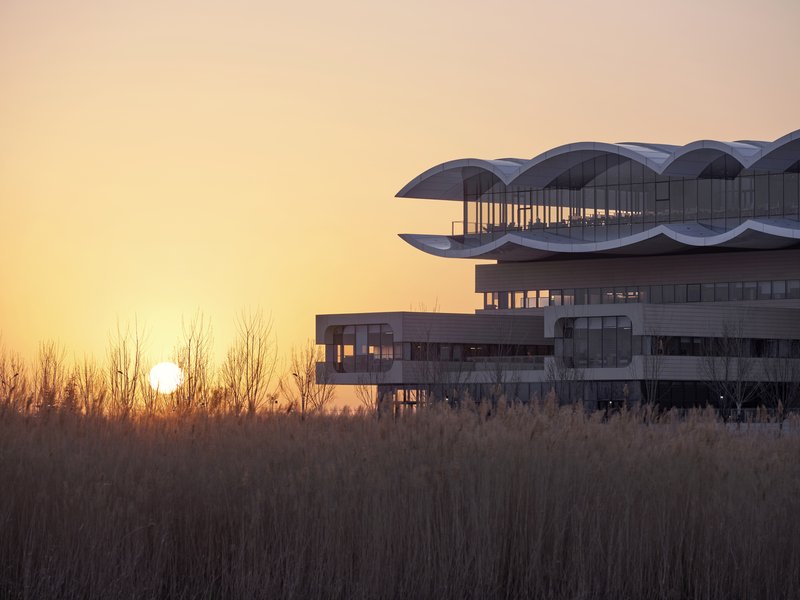
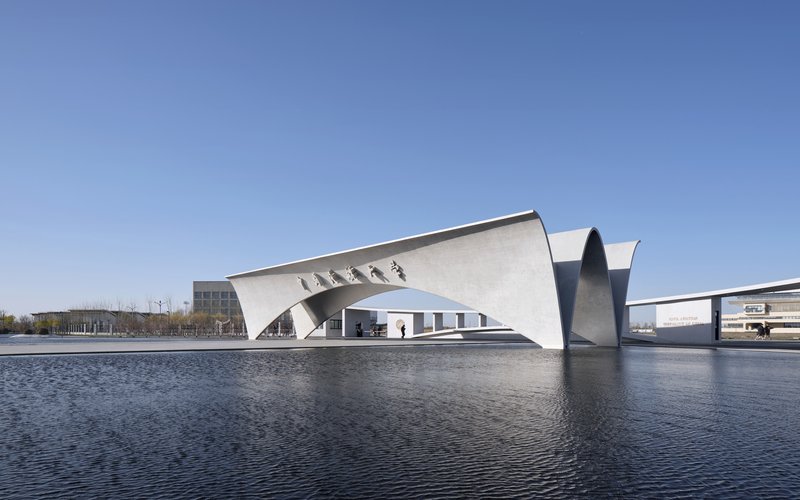
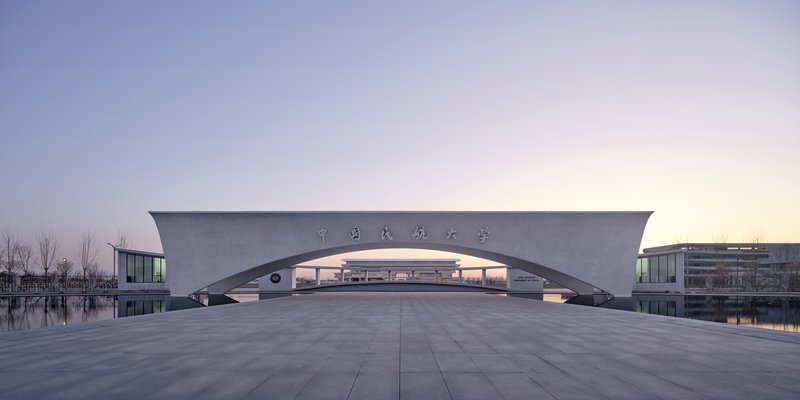
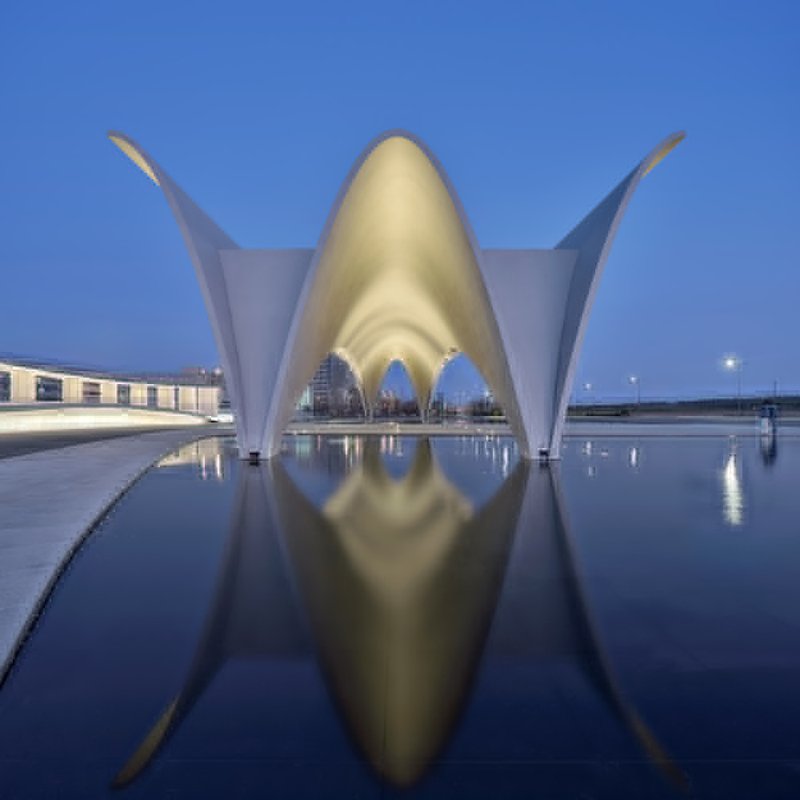
The library’s entrance is marked by a thin shell concrete structure that sets the tone for the entire campus. The south gate, as part of the first phase of the campus expansion, forms a simple yet bold image that leads visitors into the heart of the educational complex. This unique structure not only serves as the main entrance but also highlights modern engineering techniques that prioritize both beauty and functionality.
2. Integration with Campus Flow: Connecting People and Spaces
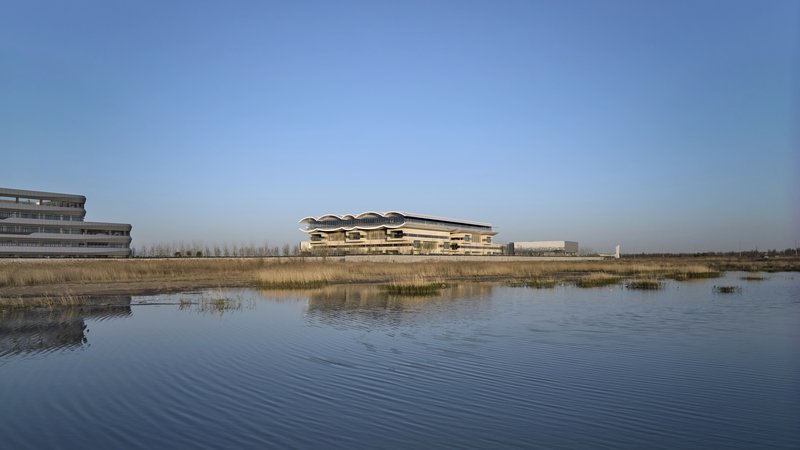
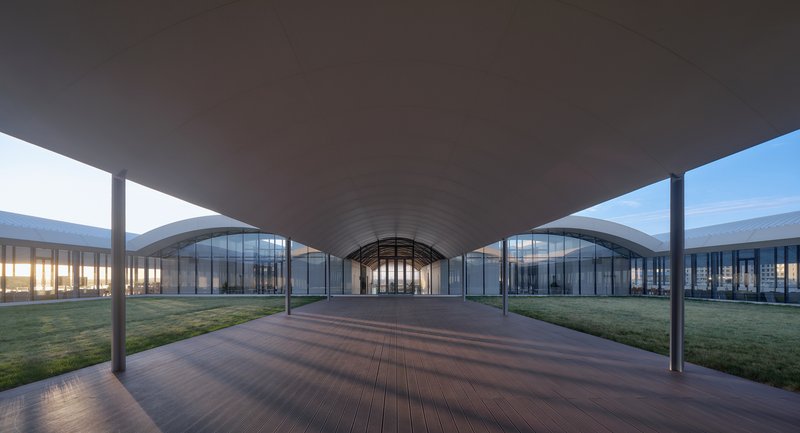
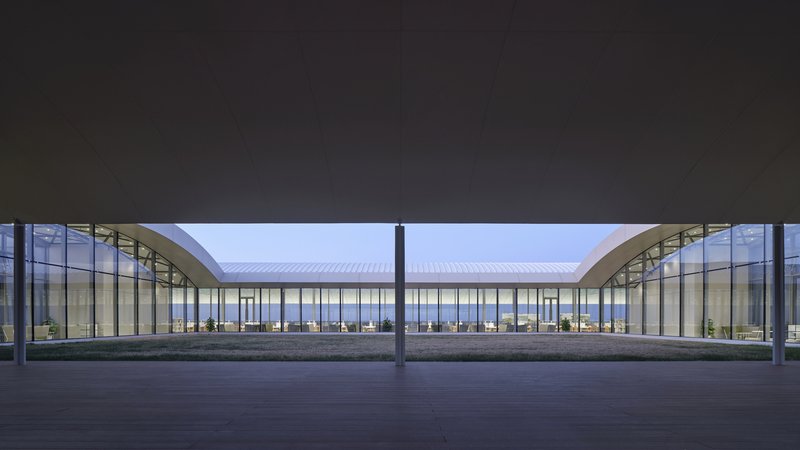
One of the core principles of modern library architecture is the integration of the building with its surrounding environment. The CAUC library was designed to connect the campus' pedestrian flow, climate considerations, and green landscape. Situated centrally within the campus, the building aligns with the flow of students and staff, making it an easily accessible and functional space. The design allows for natural airflow and optimal pedestrian movement, creating an inviting space for learning and interaction.
3. Climate-Responsive Design: Smart and Sustainable Features
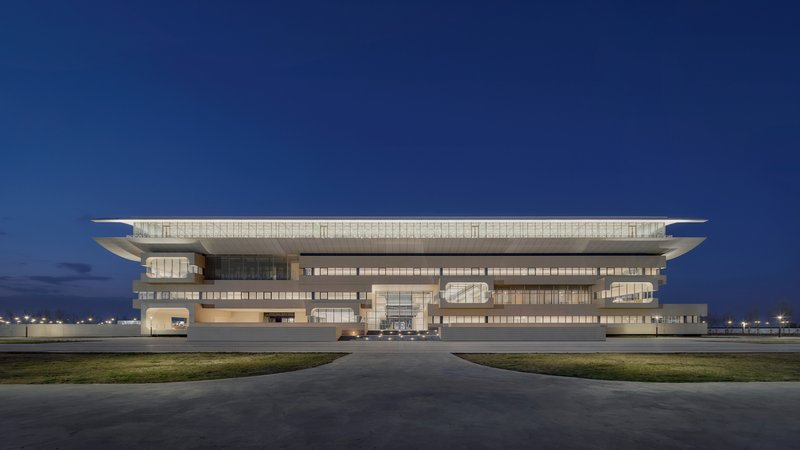
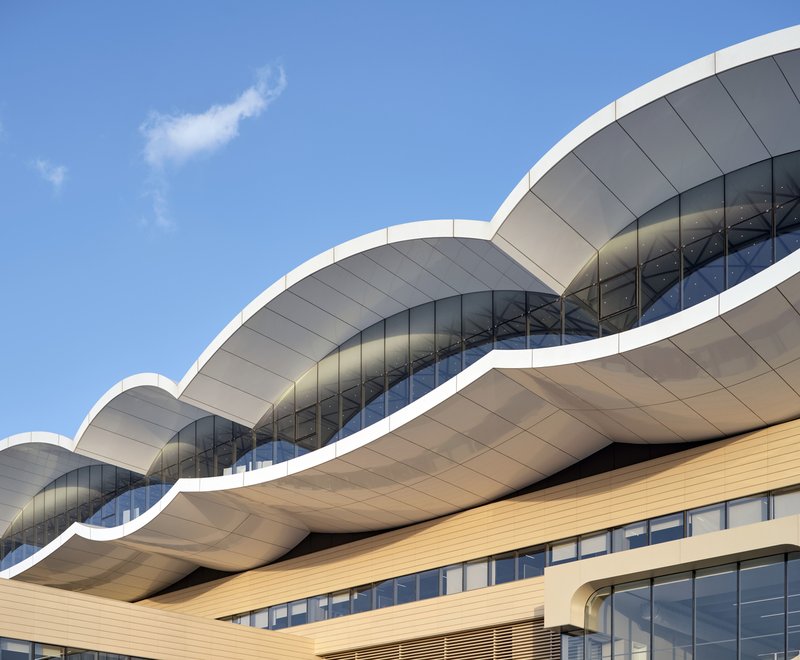
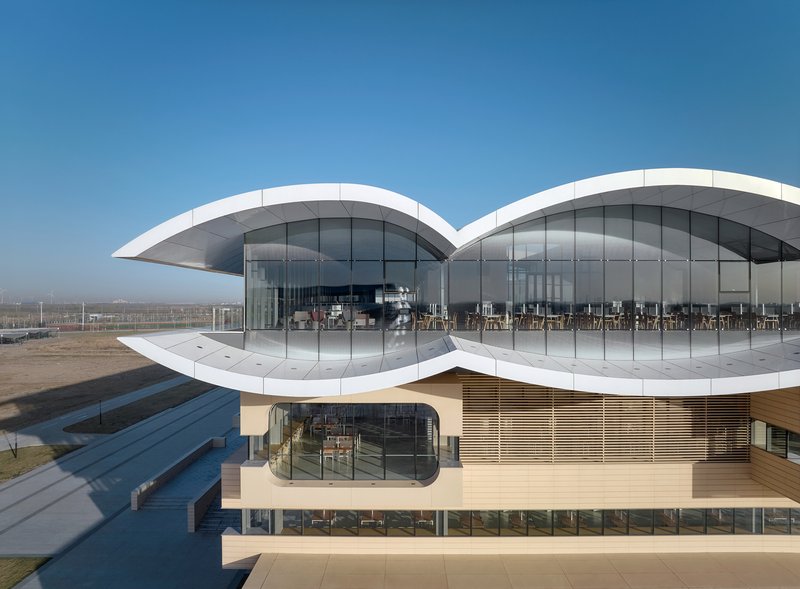
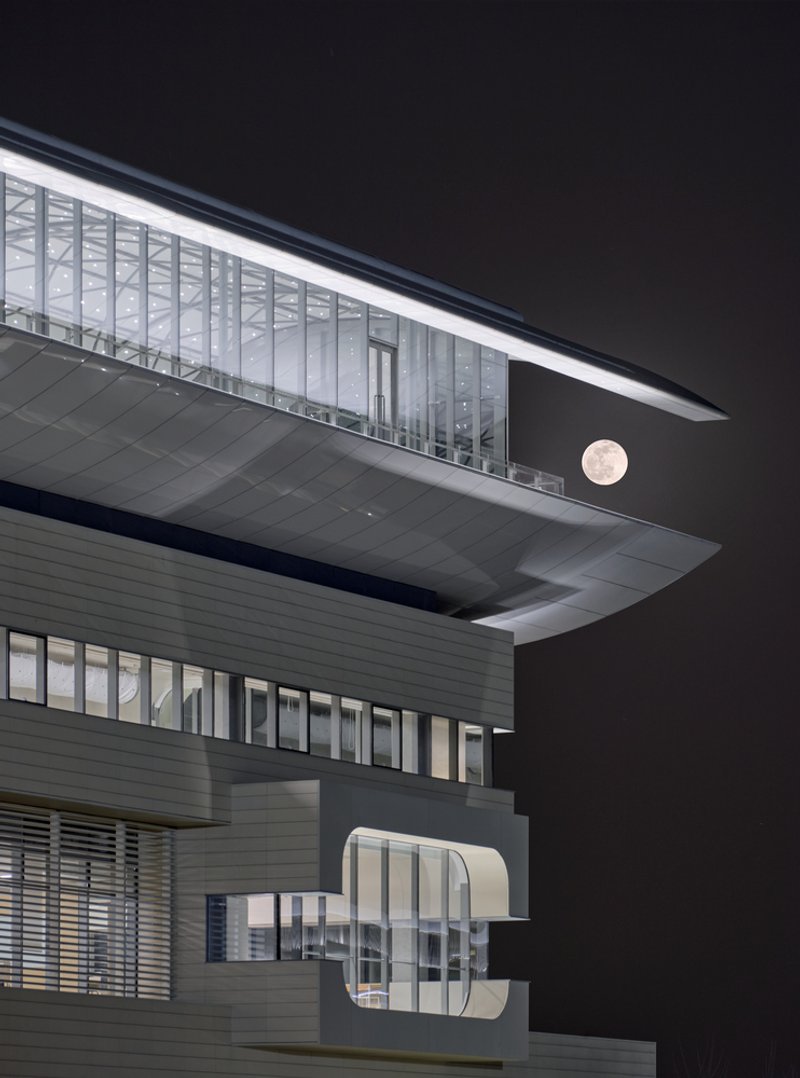
In response to the local climate in Tianjin, the library’s architecture incorporates several smart design elements to maximize energy efficiency. For instance, the building’s protruding form provides self-shading to prevent the lower floors from being directly exposed to the sun. The façade includes long horizontal windows that reduce the window-to-wall ratio, improving insulation and reducing the energy consumption for heating and cooling.
4. Functional Zoning: Tailoring Spaces for Learning
The interior design of the CAUC library is segmented into three major systems that enhance the user experience:
- Structural Core: At the heart of the library lies the structural core, containing bookstores and vertical transportation systems that support the entire structure while facilitating easy access to all areas.
- Cabin Reading Rooms: Layered cabins within the library offer designated spaces for individual study and office work, ensuring flexibility for various types of learning.
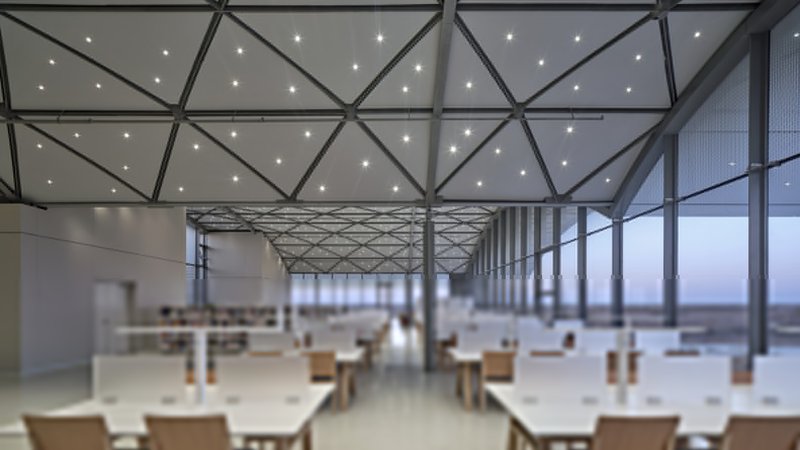
- Cloud Hall: The top floor features an expansive, column-free Cloud Hall that creates an open, shared space for interactive learning and events. This large, flexible area is designed to foster collaboration and creativity, embodying the essence of modern library architecture.
The Future of Library Spaces
The CAUC Library is more than just a place to store books—it’s a symbol of how architecture can evolve to meet the changing needs of education. With its emphasis on interactivity, openness, and smart design, the library represents the future of modern educational spaces. It is not just a repository of knowledge but also a dynamic environment that encourages shared learning, making it a crucial part of the campus ecosystem.
The Role of Architecture in Modern Education
Modern library architecture is increasingly focused on creating spaces that are not only functional but also foster a sense of community and collaboration. The design of the CAUC library exemplifies this shift. It integrates advanced architectural features with an open, flexible layout that invites users to engage with the space in new ways. The library's design is a direct response to the demands of contemporary education, offering a space that supports both individual study and group interaction.
CAUC’s New Library as a Model for the Future
The new library at CAUC sets a new standard for modern library architecture. It showcases how thoughtful design can respond to climate, function, and community needs, all while creating a space that is visually striking and environmentally sustainable. As a central feature of the new campus, it serves as a model for future educational buildings, offering a glimpse into how libraries of tomorrow will look and function.
By integrating sustainability, functionality, and aesthetics, the CAUC Library is not just a place to read—it’s a forward-thinking space that sets the stage for the future of learning environments worldwide.
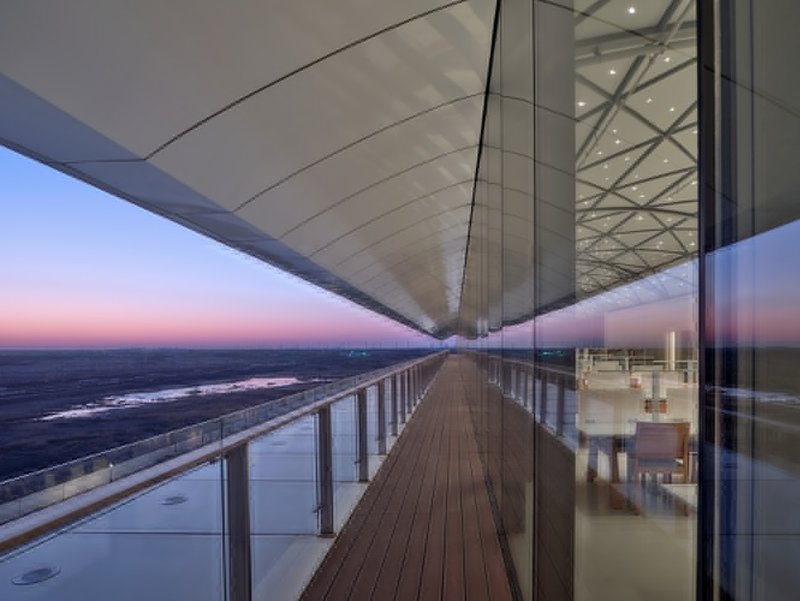
All photographs are work of Yong Zhang




Popular Articles
Popular articles from the community

Flamboyant House by Juliana Camargo + Prumo Projetos
Modern Brazilian house integrating existing tree, pool, and volumes with glass, wood, and transitional spaces blending interior, exterior, and landscape seamlessly.
An Miên Lumière Cafe by xưởng xép, Ho Chi Minh City, Vietnam
An industrial-inspired café where layered steel and warm light create a dynamic, immersive environment shaped by reflection, depth, and perception.
Louis Malle Cinema: A Limestone Cultural Landmark Revitalizing Community Life in Prayssac
Limestone cinema extension with public forecourt, blending heritage and modern design to create flexible cultural spaces and strengthen community interaction.

Solar Steam: A Climate-Responsive Architecture That Redefines the Monument
A climate-responsive memorial architecture that transforms heat, decay, and time into a living system reflecting humanity’s ecological impact.


Similar Reads
You might also enjoy these articles


The Ken Roberts Memorial Delineation Competition (Krob)
As the most senior architectural drawing competition currently in operation anywhere in the world, it draws hundreds of entries each year, awarding the very best submissions in a series of medium-based categories.

Waterfront Redevelopment and Urban Revitalization in Mumbai: Forging a New Dawn for Darukhana
A transformative waterfront redevelopment project reimagining Darukhana’s shipbreaking heritage into an inclusive urban future.

OUT-OF-MAP: A Call for Postcards on Feminist Narratives of Public Space
Rhizoma Design and Research Lab invites artists, designers, architects, researchers, and students to reflect on how feminist perspectives can reshape public space. Selected works will be exhibited in Barcelona, October 2026. Submissions open until 15 April 2026.


Documentation Work on Buddhist Wooden Temple
Architectural syncretism and cultural hybridity: A comparative study of the Buddhist temples in Chattogram Hill tracks


Explore Architecture Competitions
Discover active competitions in this discipline




The International Standard for Design Portfolios


The Global Benchmark for Architecture Dissertation Awards


The Global Benchmark for Graduation Excellence


Challenge to design public laboratory
Comments (0)
Please login or sign up to add comments
No comments yet. Be the first to comment!