
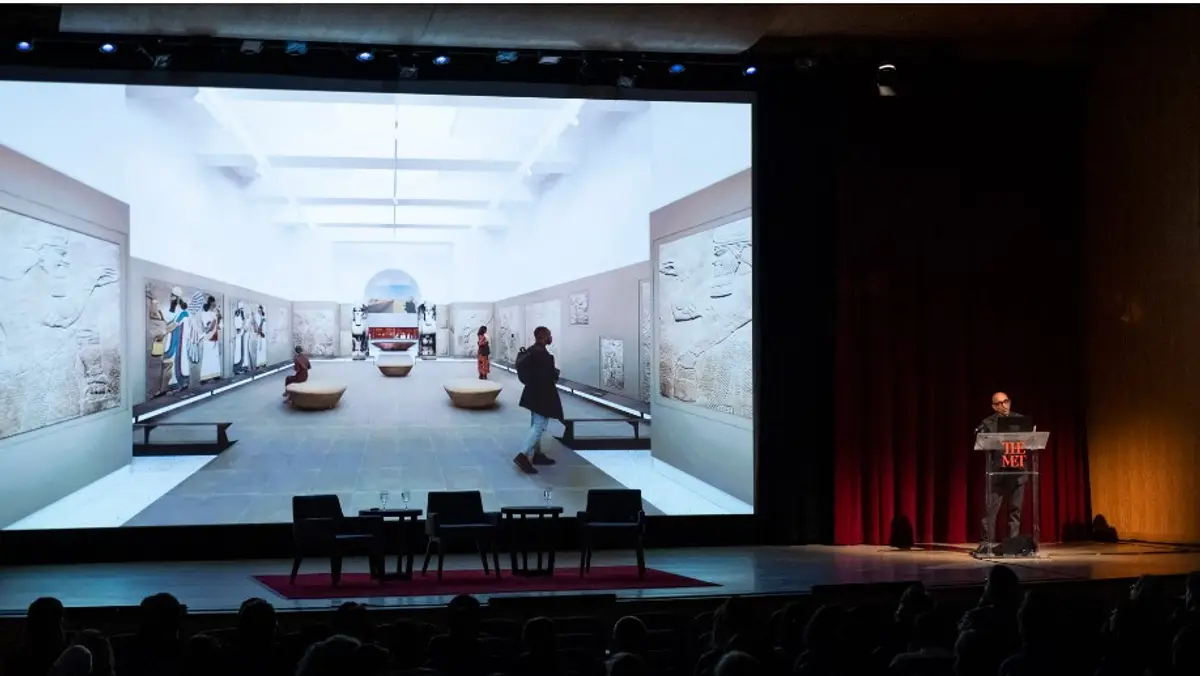
Nader Tehrani to Introduce New Designs at Metropolitan Museum of Art
The new design features wider aisles, more natural light, and easier navigation so that visitors can enjoy the museum's collections more fully

 Nader Tehrani in conversation with Met curators Kim Benzel and Sean Hemingway. Photo by Paula Lobo, courtesy of The Metropolitan Museum
On November 17, Nadar Tehrani of Boston-based firm NADAAA gave the second lecture in the "Designing Tomorrow's Met" series. The talk highlighted NADAAA's plans to renovate the Ancient Near East and Cypriot Art galleries of New York's Metropolitan Museum of Art. These galleries are part of the museum's larger renovation plans that will also see the African Art, Ancient American Art, and Oceanic Art galleries in the Michael C. Rockefeller Wing redesigned by WHY Architects, and the Modern and Contemporary galleries renewed by Frida Escobedo.
 Nader Tehrani of NADAAA revealing designs for the Ancient Near East and Cypriot Art galleries. Photo by Paula Lobo, courtesy of The Metropolitan Museum of Art
As part of the Met's ongoing effort to update and improve its facilities, director Max Hollein has commissioned architect Hameh Tehrani to redesign the space occupied by the Ancient Near East and Cypriot Art Galleries. Taking both a contextual and materials-based approach, Tehrani plans to replace the existing flat ceilings with vaulted ones, taking advantage of the Met's Great Hall ceiling height to create an impressive and practical new space. The vaults, which will be composed of ribbons with lighting, sprinklers, and mechanicals packaged in between, are both emblematic of the Met's commitment to excellence and practicality in their design. We're excited to see what Tehrani comes up with and how it will enhance the visitor experience at the Met.
The organization of each floor is based on the concept of a "field condition". This means that the floor plan appears to be random, but is actually a series of calculated rooms, edges, and markers. These are designed to help guide viewers through the story of the ancients. The Ancient Near East and Cypriot galleries will be connected by a ramp. This ramp symbolically links the two areas, which had been segregated before. The ramp also provides ADA accessibility.
 Met director Max Hollein introduced the lecture. Photo by Paula Lobo, courtesy of The Metropolitan Museum of Art
NADAAA, a design firm, creates conceptual connections between ancient and modern times through the use of architectural elements and fixtures that reflect and highlight the cultural significance of the objects on display. For example, bronze casework representing the Bronze Age, a charred wood passage showcasing the scorched remains of Hasanlu in Iran, and a stone version of a red silk carpet are all used to evoke the original aesthetics and cultural context of the objects. This approach, which incorporates materials such as copper, gold, clay, and bold colours like turquoise, sepia, and lapis lazuli, allows viewers to engage more deeply with the objects and understand them as cultural artefacts rather than simply works of art. This emphasis on cultural context and the use of colour challenges the traditional "white cube" museum model, which is often associated with colonialism and cultural erasure. As curator Kim Benzel noted, "the denial of colour has so often been a tool of colonialism, of cultural erasure."
 Nader Tehrani of NADAAA revealing designs for the Ancient Near East and Cypriot Art galleries. Photo by Paula Lobo, courtesy of The Metropolitan Museum of Art
It raises questions about how we understand and interpret the history and the importance of cultural context in understanding the past. The design of the exhibition not only showcases the artefacts themselves but also invites visitors to consider the larger cultural and historical context in which they were created and used.
Furthermore, the transformational design approach allows for a more interactive and engaging experience for visitors, as they are able to fully immerse themselves in the exhibit and engage with the artefacts in a more meaningful way. This approach encourages visitors to think critically about the objects on display and to consider their significance within the larger cultural narrative.
Overall, the transformational design of the exhibition not only highlights the importance of cultural context in understanding the past but also invites visitors to engage with and consider the role of museums in shaping our understanding of history.
References (2)

Popular Articles
Popular articles from the community


The Musturak Paradise: Senior Living Architecture for a Connected Future in Temara, Morocco
The Musturak Paradise reimagines senior living architecture in Temara via private homes, social spaces, culture, community, and shared care.

ALGAL REALM: A Bio-Integrated Lunar Habitat Design for Life Beyond Earth
ALGAL REALM reimagines lunar habitat design with algae-powered life support, 3D-printed regolith, and vertical living for a lunar future.

Co-Life: Senior Housing Design That Reconnects Older Adults With the City
Co-Life reimagines senior housing design through healing gardens, shared streets, workshops, and a sustainable community across generations.

Co-life: Sustainable Architecture for Age-Friendly Community Living
Co-life reimagines sustainable architecture for seniors through courtyards, rammed earth, shared gardens, and spaces designed for belonging.

Similar Reads
You might also enjoy these articles
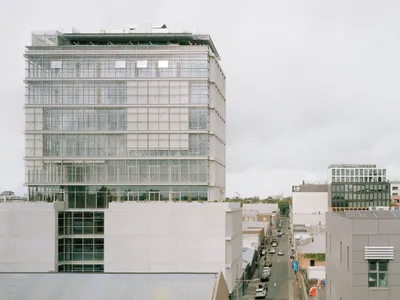
116 Rokeby Building, Collingwood
Sustainable Collingwood office building featuring double-skin façade, natural ventilation, rooftop amenities, and carbon-neutral design focused on wellbeing and longevity.
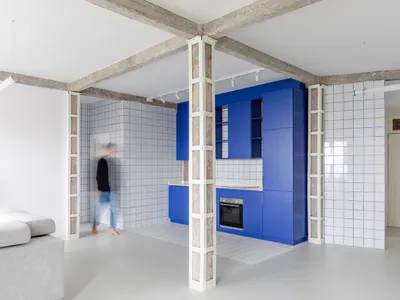
Contemporary Apartment Renovation in Spain: RV House by BIAN Opens Up to the Sea
A minimalist 1930s apartment in Santander is transformed into a flexible, sea-facing home through contemporary Spanish renovation.
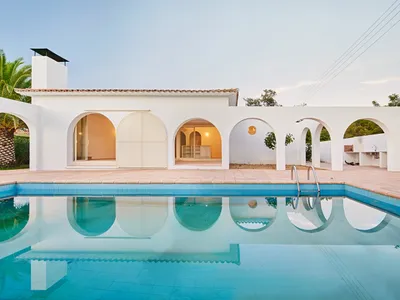
3 Marías House: A Contemporary Mediterranean Courtyard Retreat by Bajet Giramé + Burckhardt
Mediterranean courtyard home blending traditional architecture with modern design, terracotta flooring, flexible interiors, sustainable climate strategies, and garden integration.
NZ10 Apartment by auba studio: Adaptive Reuse in Palma de Mallorca
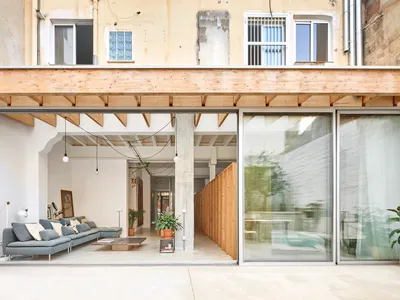
Adaptive reuse apartment transforms bakery into light-filled home with patios, privacy layers, and wood interiors enhancing urban living experience.

Explore Cultural Architecture Competitions
Discover active competitions in this discipline


Challenge to reimagine the Iron Throne

Photograph architecture without architects

Illustrate the lost glory of Angkor Wat - Render Challenge

Bring back Drive In's
Comments (0)
Please login or sign up to add comments
No comments yet. Be the first to comment!