
Nature-Inclusive Logistics Architecture: Redefining Warehouses for a Sustainable Future
The article explores nature-inclusive logistics architecture, showcasing sustainable warehouse designs integrating functionality, biodiversity, and user-friendly features.

Nature-Inclusive Logistics Architecture
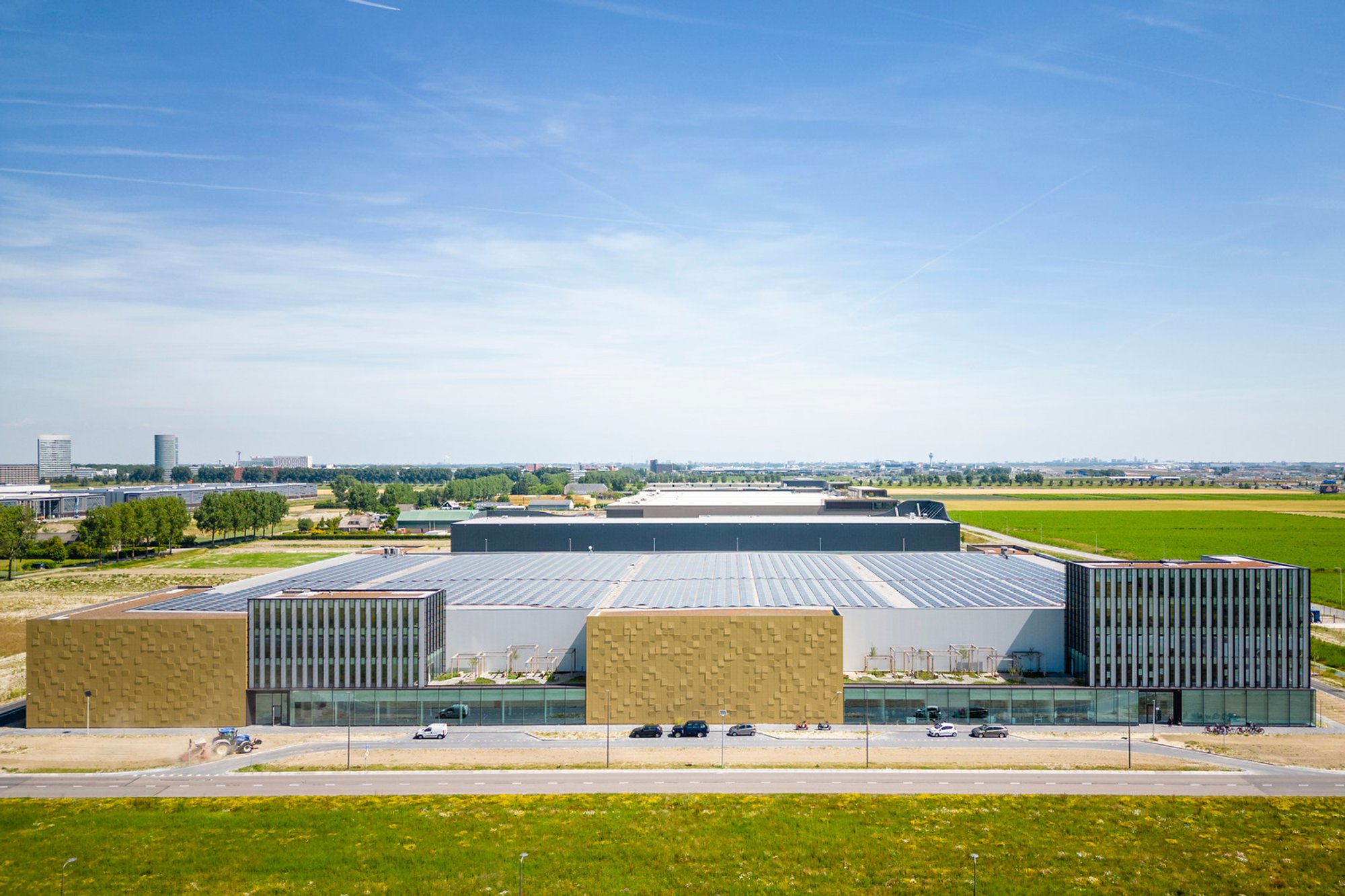
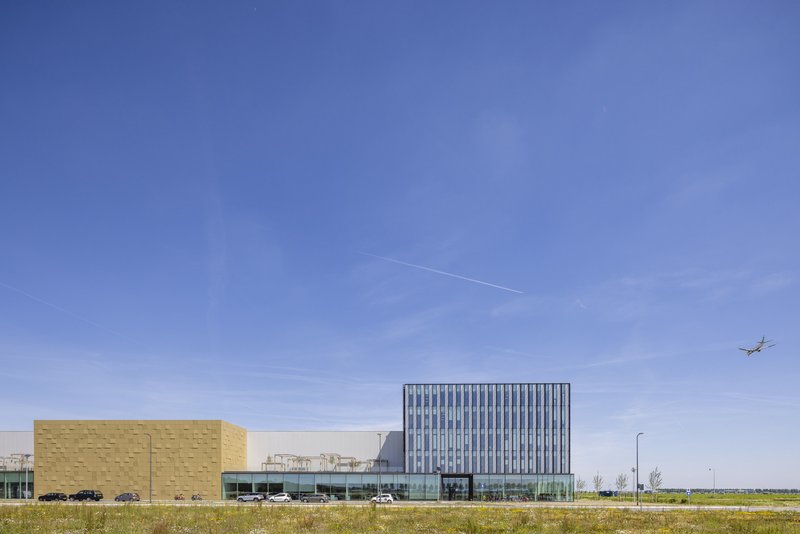
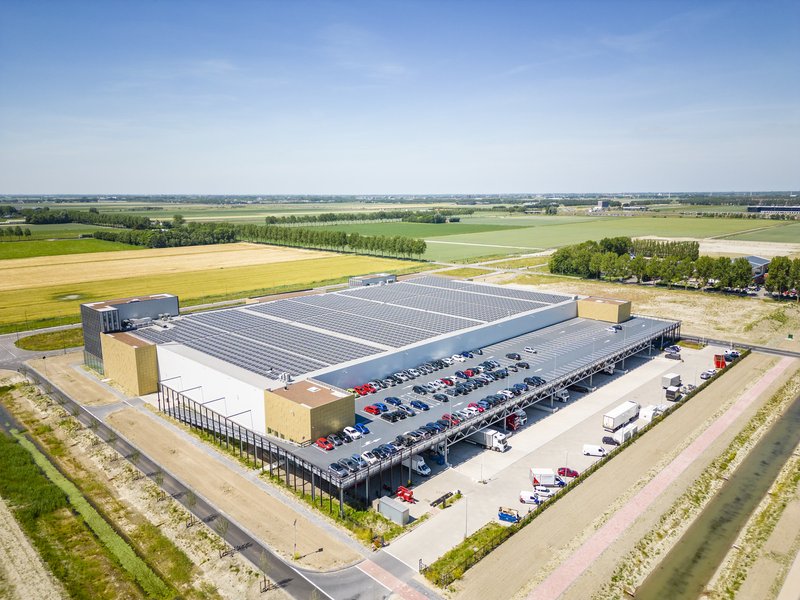
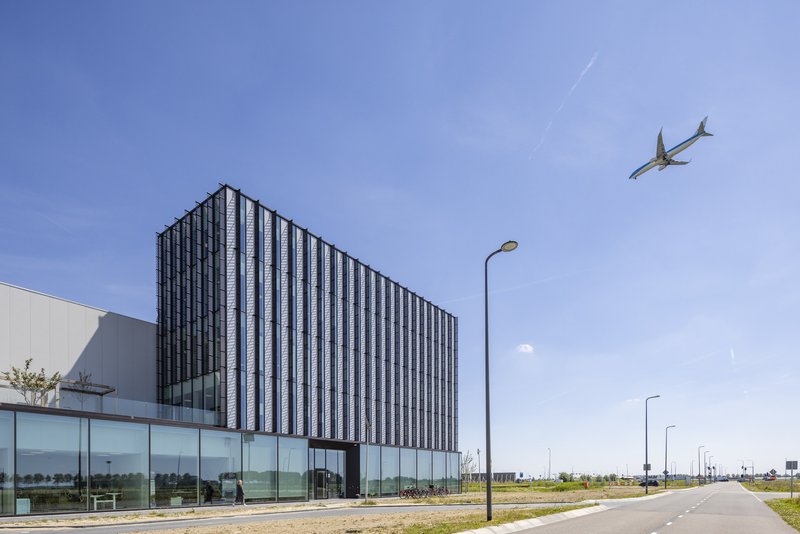
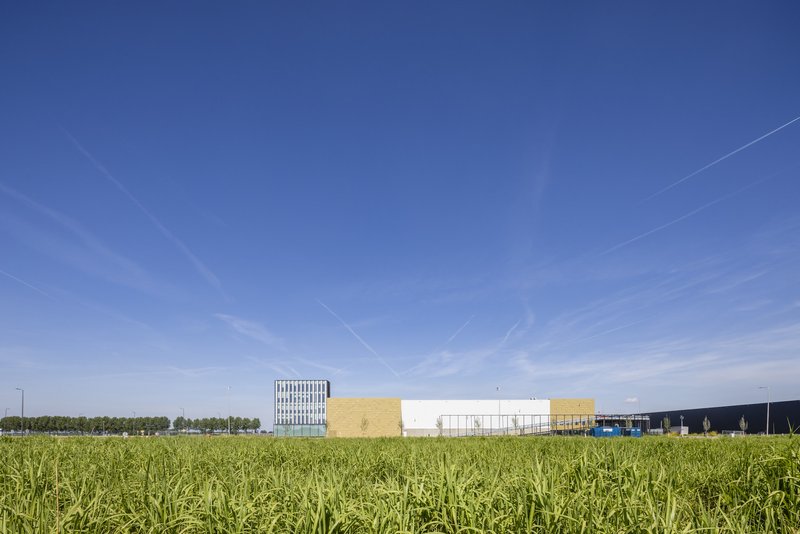
In modern architectural design, integrating sustainability and functionality has become paramount. Nature-inclusive logistics architecture is a groundbreaking approach that combines industrial efficiency with environmental stewardship. One standout example is the Warehouse Schiphol Trade Park, designed by Denkkamer, near Schiphol Airport in the Netherlands. This innovative project showcases how warehouses can evolve into sustainable, nature-centric spaces without compromising their core logistical operations.
The Vision Behind Warehouse Schiphol Trade Park
The Schiphol Trade Park aims to set a new benchmark for industrial development by being Europe’s most sustainable and innovative business park. The Warehouse Schiphol Trade Park exemplifies this vision with a design that balances logistical efficiency, ecological responsibility, and user well-being.
Key Objectives
- Sustainability: Employing eco-friendly materials and processes to minimize environmental impact.
- Nature Inclusivity: Creating spaces that support biodiversity, including green roofs and wildlife habitats.
- User-Centric Design: Providing comfortable and inspiring spaces for workers and visitors alike.
Innovative Features of Nature-Inclusive Warehouses
1. Dynamic Architectural Shell
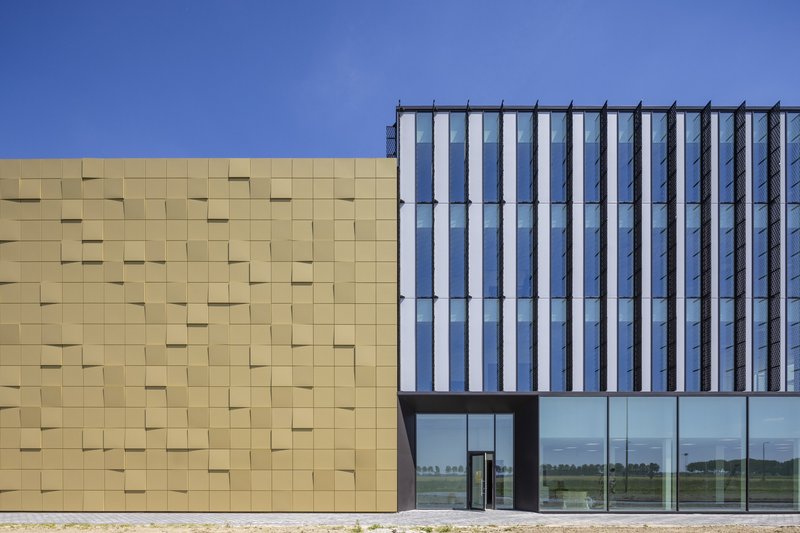
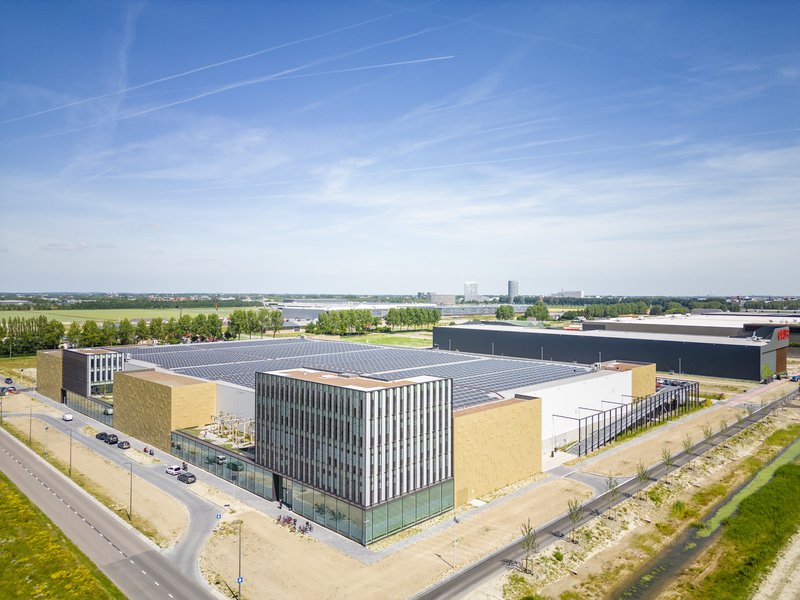
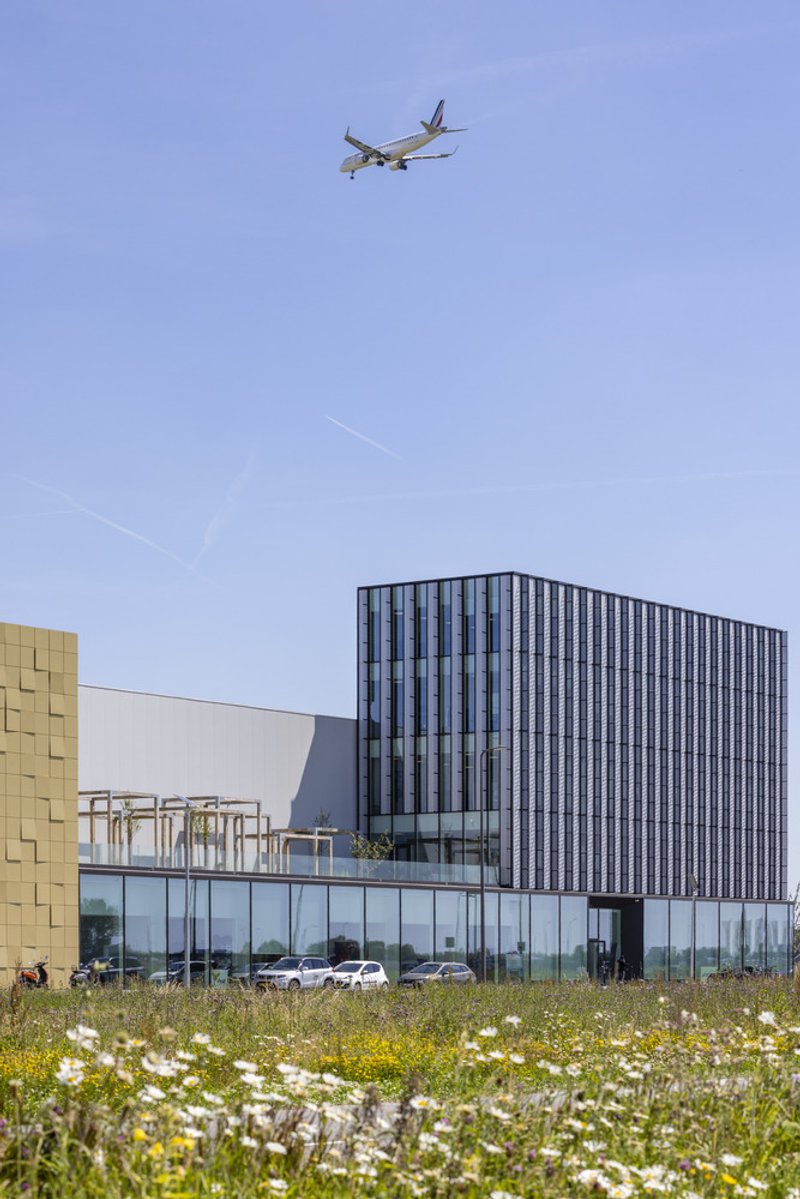
The warehouse features a dynamic shell that seamlessly connects its logistics core to the surrounding environment. Unlike traditional warehouses, which often appear closed-off, this design introduces transparency and openness.
Components of the Shell
- Programmatic Elements: Enhance functionality with areas dedicated to logistics operations.
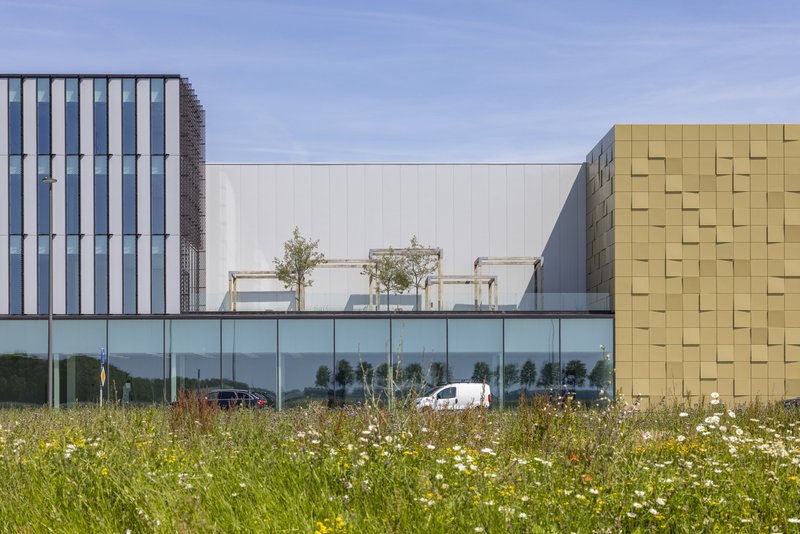
- Nature-Inclusive Features: Incorporate green façades and biodiversity-supporting roofs.
2. Green Roof Systems and Biodiversity
One of the defining features of nature-inclusive logistics architecture is its integration of green roofs.
- Herbaceous Roofs: High-level roofs are covered with plants that support nesting birds and pollinators.
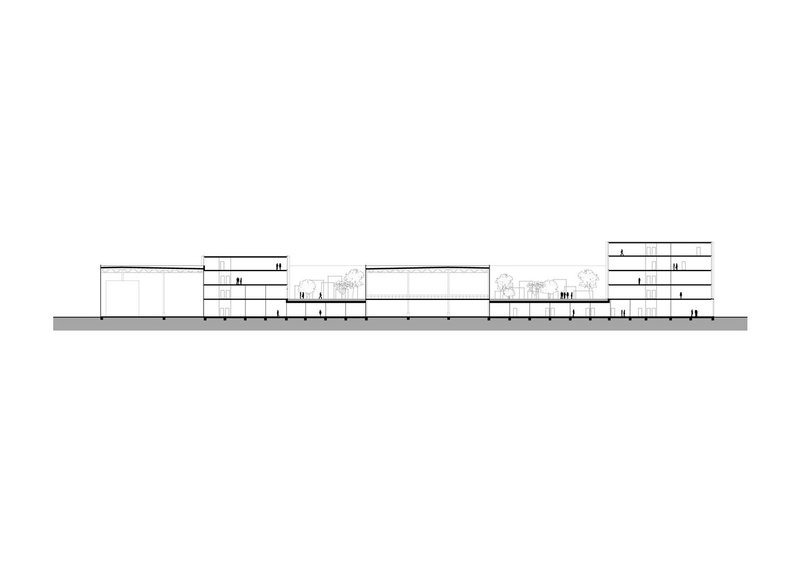
- Protected Roof Gardens: Lower-level roofs create tranquil spaces for users while fostering biodiversity.
- Ecological Connectivity: The design acts as a stepping stone, connecting ground-level habitats with rooftop ecosystems.
3. Traffic Optimization for Sustainability
The warehouse separates vehicle flows into two distinct areas:
- Logistics Traffic: Loading docks at the rear ensure uninterrupted operations.
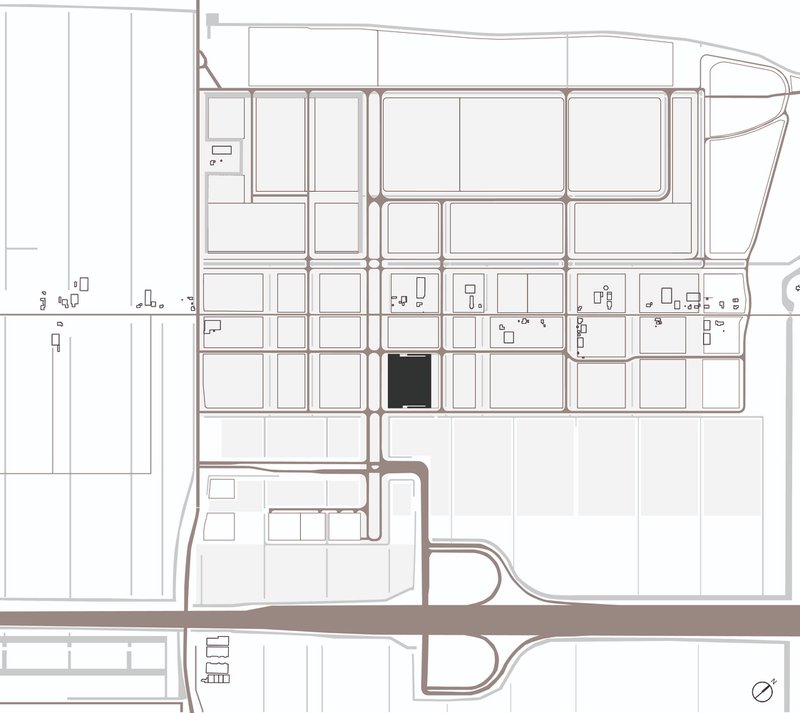
- Passenger Traffic: Parking decks for employees and visitors are integrated above the logistics area, promoting efficient use of space.
By encouraging walking through strategically located parking, the design activates public spaces and reduces carbon footprints.
Sustainability Through Material Choices
The project employs cutting-edge materials from leading manufacturers to ensure durability and eco-friendliness:
- Kingspan Insulated Panels: Enhance thermal efficiency.
- Reynaers Aluminium: Provides lightweight and recyclable building components.
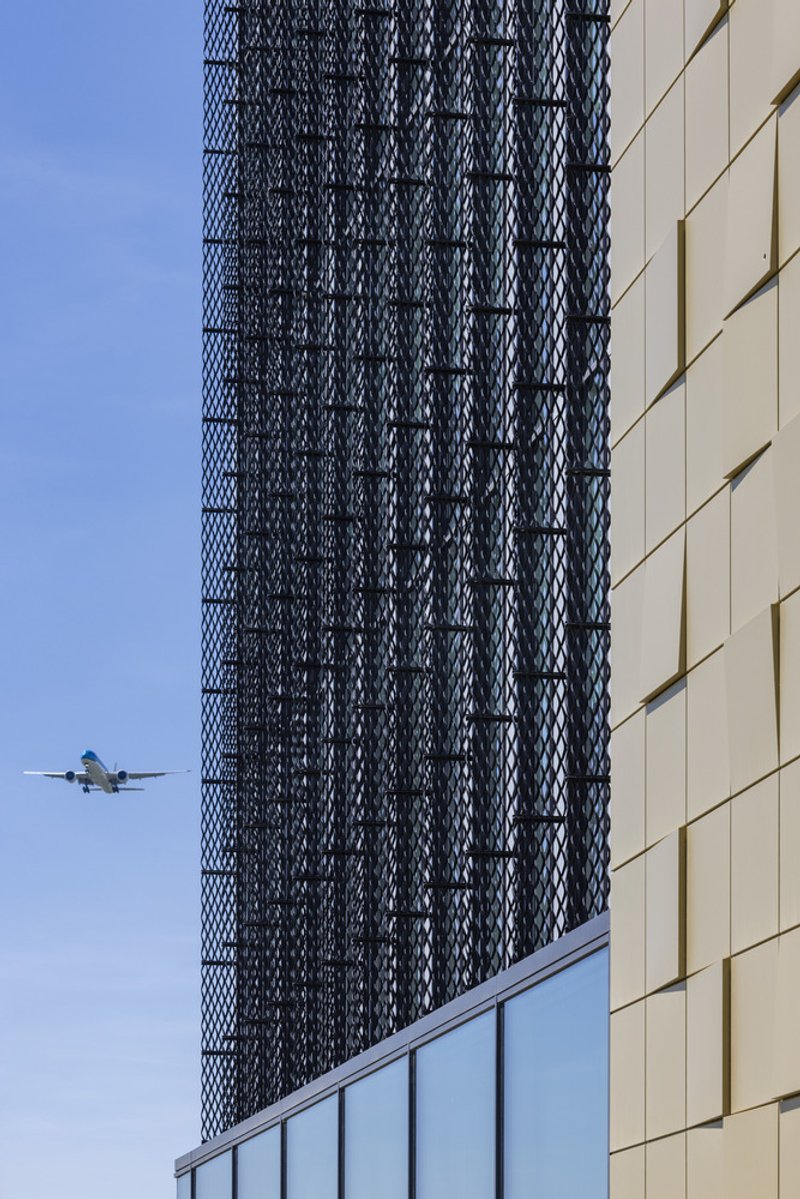
- Expanded Metal Façades: Add texture while supporting airflow and vegetation.
User Experience in Nature-Inclusive Logistics Architecture
The design goes beyond functionality to prioritize user experience. Transparent office spaces connect directly to rooftop gardens, creating a natural, calming environment for employees. These features promote well-being and productivity, redefining the role of warehouses as community-friendly spaces.
The Future of Logistics Architecture
The Warehouse Schiphol Trade Park is more than a logistics hub; it is a statement about the future of industrial architecture. By embracing nature-inclusive logistics architecture, this project sets an example for sustainable development globally.
Why Nature-Inclusive Logistics Architecture Matters
- Environmental Benefits: Supports local ecosystems and reduces urban heat island effects.
- Economic Advantages: Enhances property value and operational efficiency.
- Social Impact: Creates healthier, more inspiring spaces for communities and workers.
The Warehouse Schiphol Trade Park demonstrates the transformative potential of nature-inclusive logistics architecture. By integrating nature, optimizing functionality, and focusing on sustainability, it redefines what warehouses can achieve in the modern era.
As the world shifts toward greener practices, projects like this pave the way for a harmonious balance between industrial progress and ecological preservation.




Popular Articles
Popular articles from the community

On the Brooks House by Monsoon Collective – A Contemporary Kerala Home Rooted in Tradition
Kerala home blending tradition and modernity with water-inspired design, brick architecture, courtyard planning, and sustainable rainwater harvesting strategies.
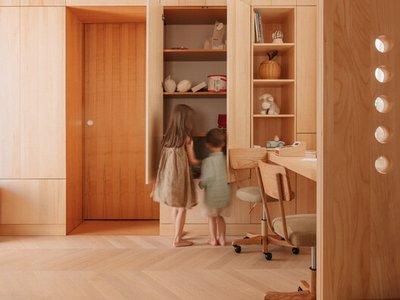
Treehouse Apartment: A Warm Timber Interior Blending Craft, Play, and Contemporary Living
Warm timber apartment with integrated treehouse, combining natural materials, craftsmanship, and playful design to create a flexible, family-oriented living environment.

Solar Steam: A Climate-Responsive Architecture That Redefines the Monument
A climate-responsive memorial architecture that transforms heat, decay, and time into a living system reflecting humanity’s ecological impact.


The Ken Roberts Memorial Delineation Competition (Krob)
As the most senior architectural drawing competition currently in operation anywhere in the world, it draws hundreds of entries each year, awarding the very best submissions in a series of medium-based categories.


Similar Reads
You might also enjoy these articles
The Ken Roberts Memorial Delineation Competition (Krob)
As the most senior architectural drawing competition currently in operation anywhere in the world, it draws hundreds of entries each year, awarding the very best submissions in a series of medium-based categories.


Waterfront Redevelopment and Urban Revitalization in Mumbai: Forging a New Dawn for Darukhana
A transformative waterfront redevelopment project reimagining Darukhana’s shipbreaking heritage into an inclusive urban future.

OUT-OF-MAP: A Call for Postcards on Feminist Narratives of Public Space
Rhizoma Design and Research Lab invites artists, designers, architects, researchers, and students to reflect on how feminist perspectives can reshape public space. Selected works will be exhibited in Barcelona, October 2026. Submissions open until 15 April 2026.


Documentation Work on Buddhist Wooden Temple
Architectural syncretism and cultural hybridity: A comparative study of the Buddhist temples in Chattogram Hill tracks


Explore Architecture Competitions
Discover active competitions in this discipline




The International Standard for Design Portfolios


The Global Benchmark for Architecture Dissertation Awards


The Global Benchmark for Graduation Excellence


Challenge to reimagine the Iron Throne
Comments (0)
Please login or sign up to add comments
No comments yet. Be the first to comment!