
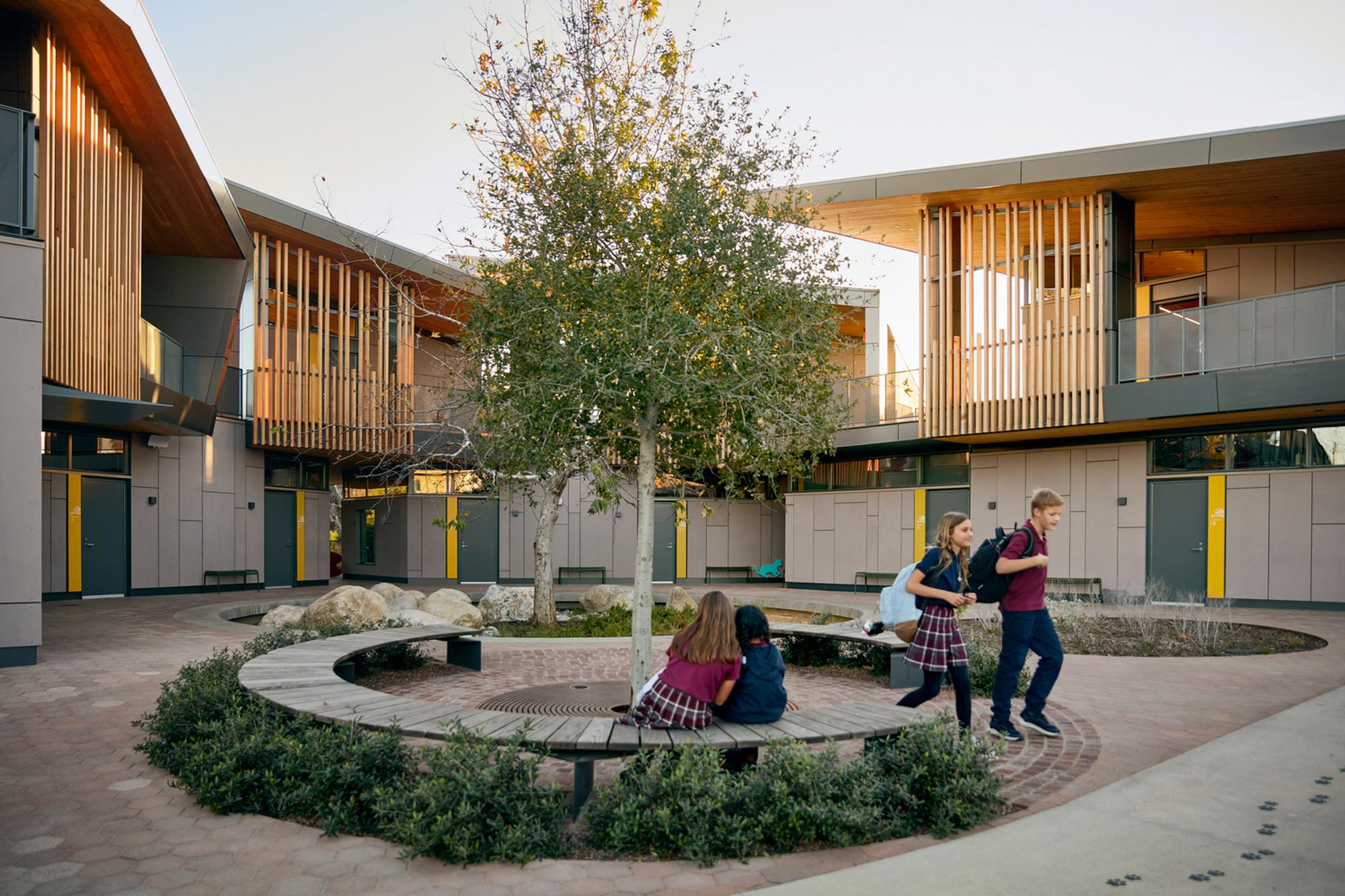
Neurodiversity-Focused School Design: A Look at Westmark School's Lower Campus by NBBJ
Exploring the innovative, neurodiversity-focused design of Westmark School's Lower Campus by NBBJ, highlighting inclusivity, sustainability, and support for learning differences.

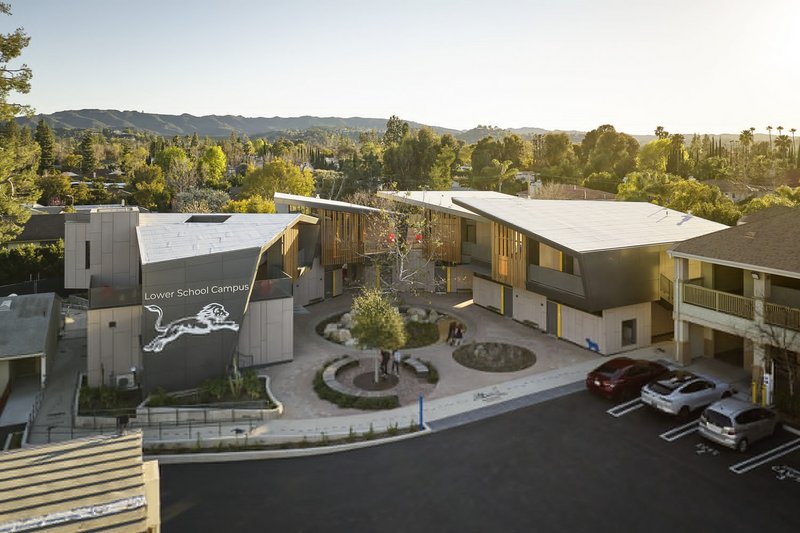
Neurodiversity-focused school design is an emerging field that aims to create educational environments tailored to the varied ways in which people think, learn, and process the world. The Lower School Campus of Westmark School, designed by NBBJ, stands as a pioneering example of this approach, catering specifically to students with language-based learning differences such as dyslexia, dysgraphia, and dyscalculia.
Architectural Vision Meets Specialized Education
Project Overview
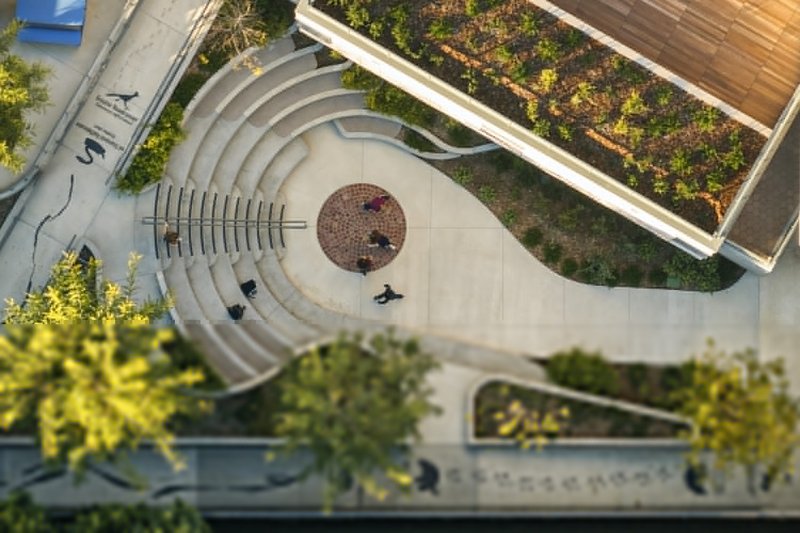
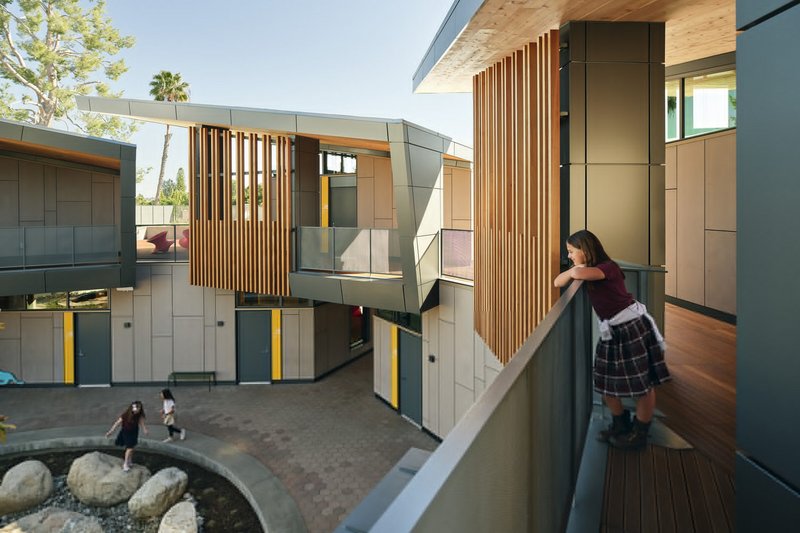
Located in Encino, CA, the project, completed in 2023, encapsulates an area of 1200.0 m². Under the leadership of Eric LeVine and the design expertise of Stacey Hooper and Alden (Bill) Glauch, the team brought to life a space that harmonizes with the specialized educational model of Westmark School.
The Importance of Inclusive Design
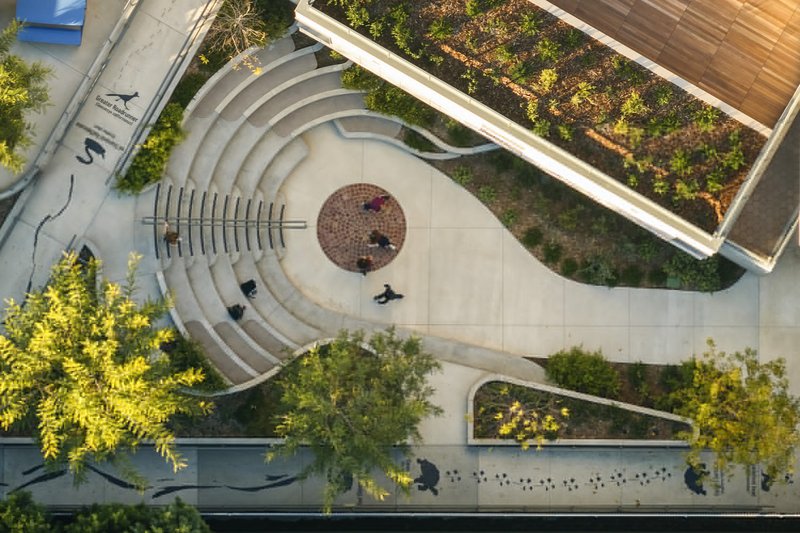
One in five children face learning differences that traditional school environments often do not accommodate. The Lower School Campus addresses this gap by integrating an inclusive, nature-infused environment using mass timber and other natural materials. Centered around a grand California Sycamore tree, its design promotes a net-zero goal, embodying the vision for a sustainable and inclusive educational space.
Supporting Neurodiverse Students Through Design
Acoustical Comfort and Ambient Sound Management
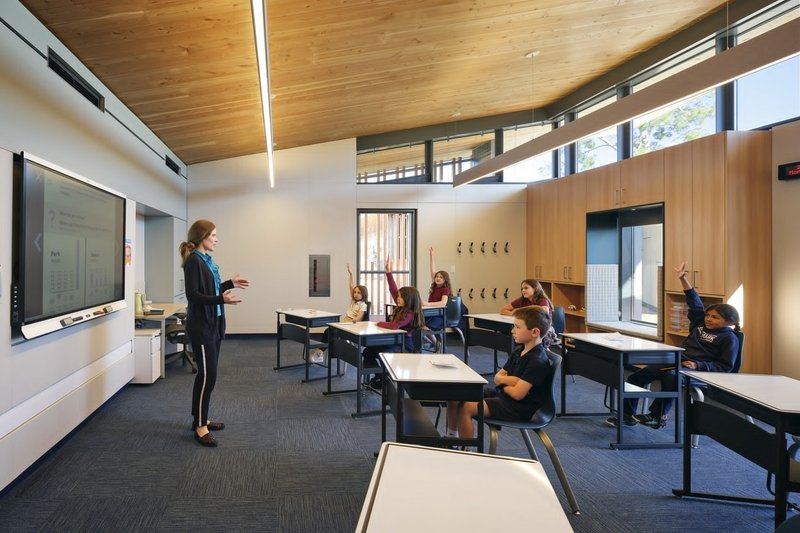
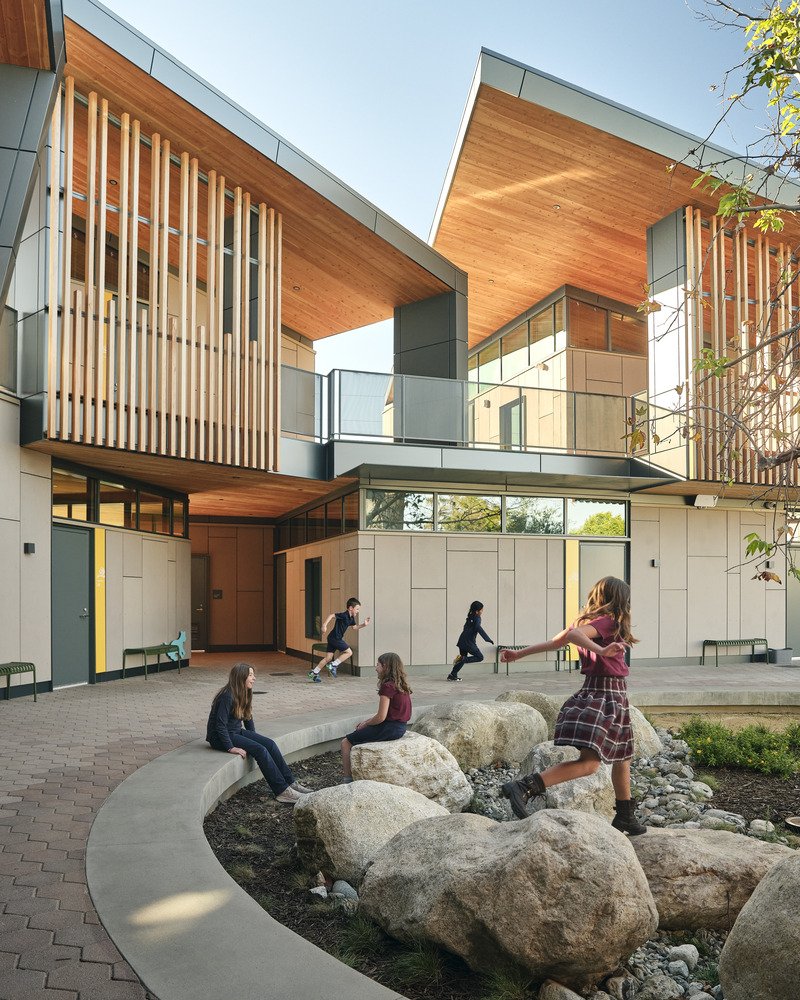
The school’s architecture, featuring staggered volumes, minimizes sound transfer between classrooms, while specific areas like the quiet room within the occupational therapy space offer a calming refuge for students more sensitive to ambient noises.
Enhancing Focused Learning with Muted Colors and Natural Light
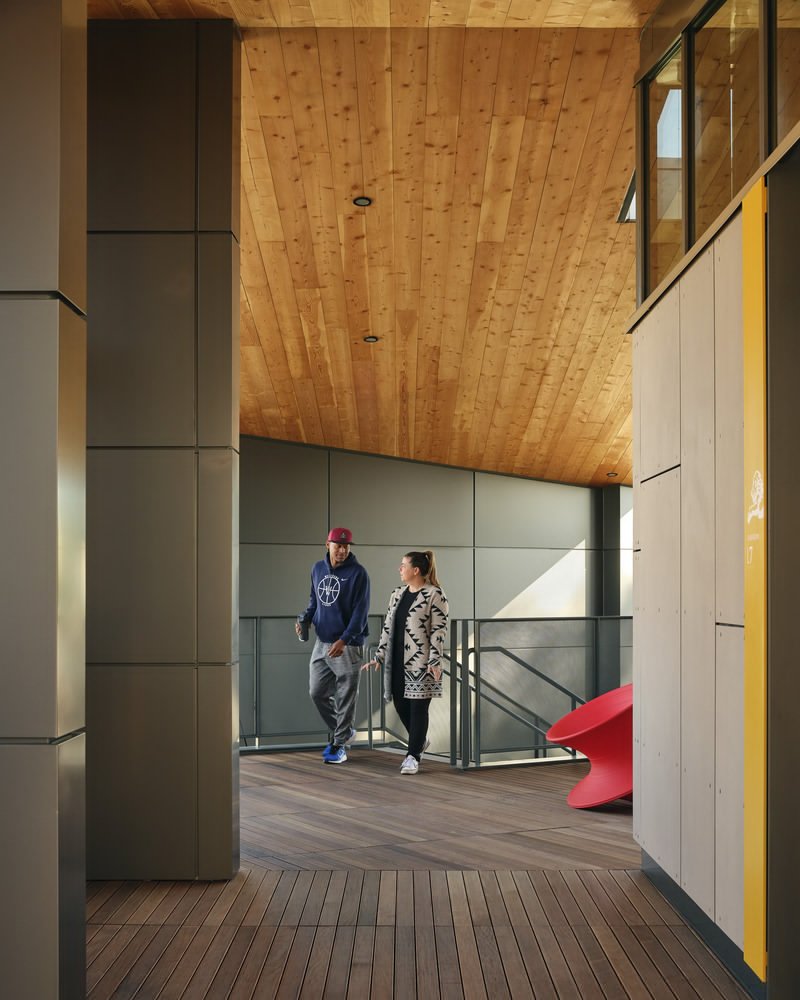
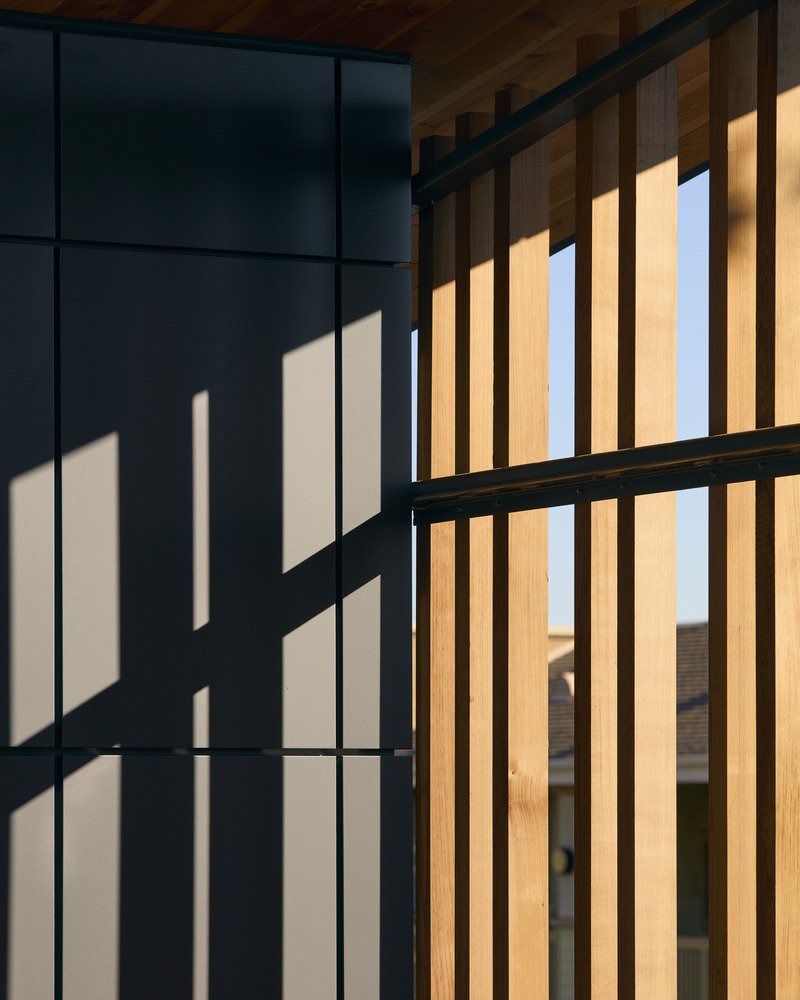
Attention to detail ensures that potential distractions are minimized. Muted colors, dimmable lights, and the use of natural materials like exposed wood create a learning environment conducive to focus and concentration.
Nature as a Calming Influence
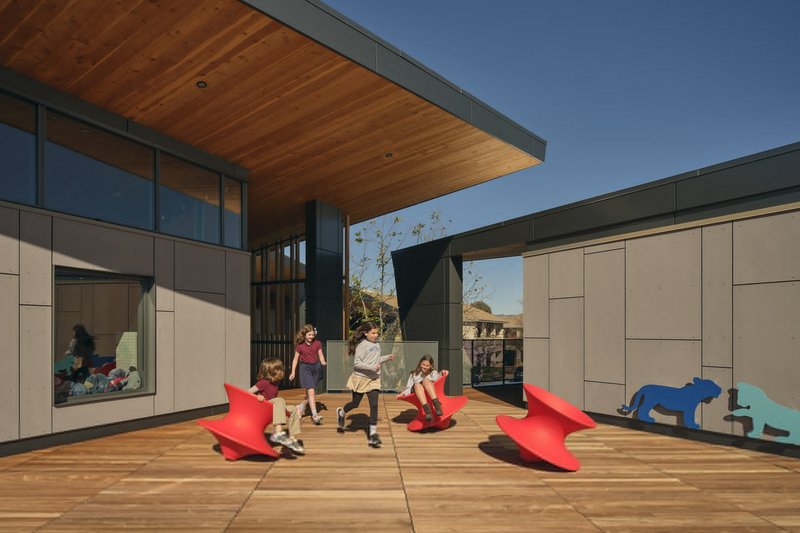
With every space situated no more than 50 feet from the outdoors, nature is woven into the fabric of the school’s learning experience. This proximity to nature aids in reducing anxiety and stress, providing a serene backdrop for both education and play.
Creating Choice-Driven Learning Environments
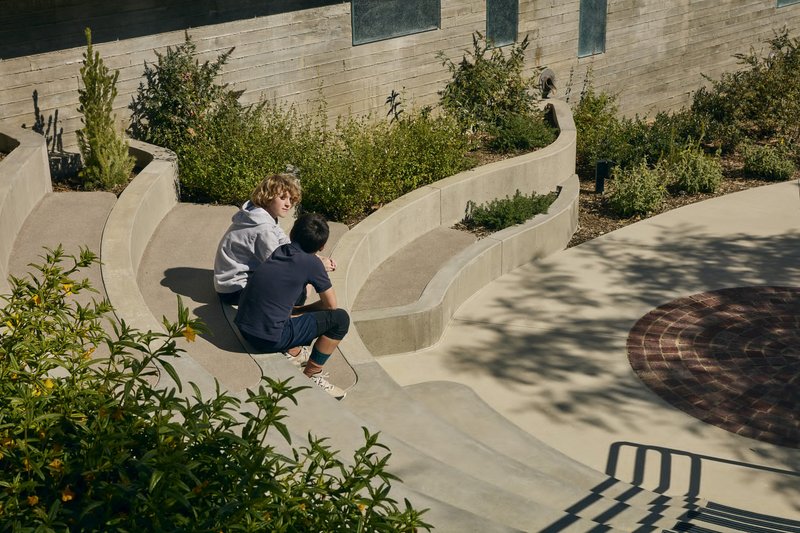
The layout of the school offers students and teachers a variety of paths, nooks, and hubs, catering to individual needs for respite and connection. Indoor and outdoor classrooms mimic garden-like environments, serving as oases of calm that support both teaching and learning.
Sustainability and Environmental Education
Sustainable Goals and Features
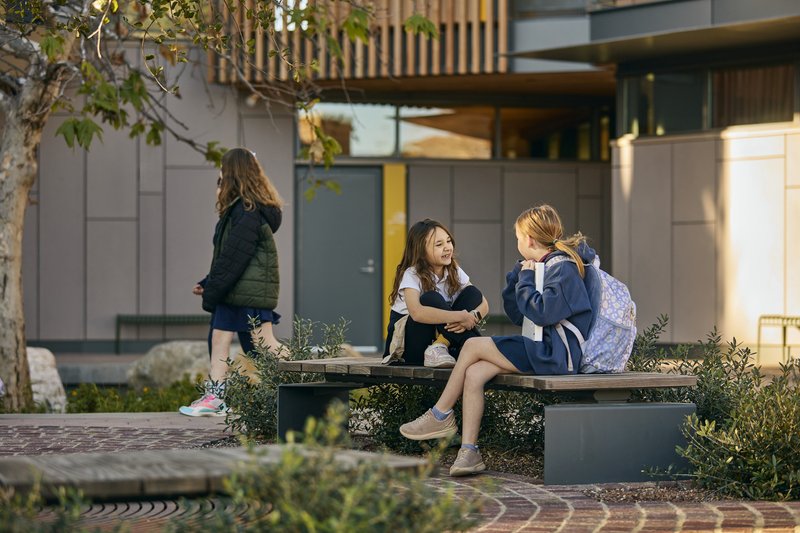
Aiming for ILFI Zero Carbon design and tracking LEED Gold certification, the Lower School Campus incorporates sustainable features like rooftop gardens and solar panels. These elements not only reduce the school's carbon footprint but also serve as practical tools for environmental education.
Educational Opportunities Through Sustainability
Efficient landscape and plumbing fixtures, alongside the metered display of the school’s energy and water savings, provide students with tangible insights into sustainability practices. This aligns with Westmark School's mission to nurture future leaders who are stewards of our world.
The Future of School Design
The Lower School Campus of Westmark School by NBBJ is more than an architectural achievement; it is a testament to the potential of neurodiversity-focused school design to transform educational environments. Through thoughtful design and sustainable practices, it offers a model for how schools can accommodate and celebrate the diverse ways in which students learn and interact with the world around them.
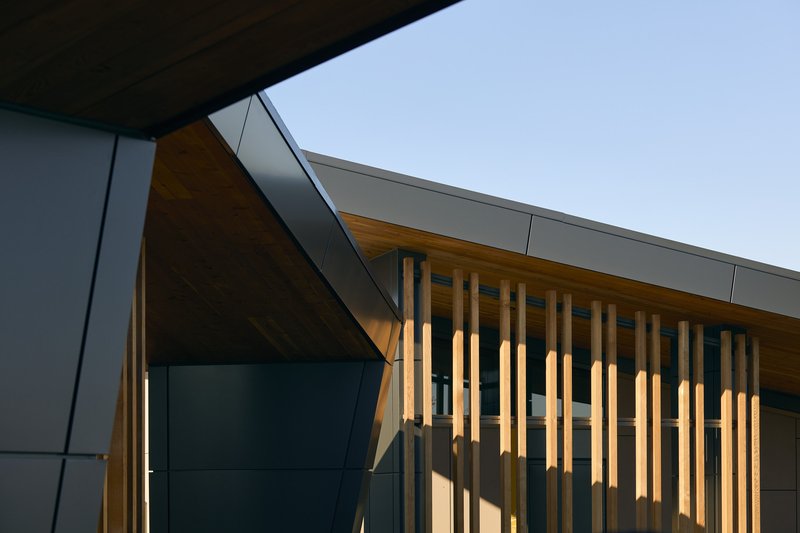
All photographs are work of Ty Cole




Popular Articles
Popular articles from the community


Solar Steam: A Climate-Responsive Architecture That Redefines the Monument
A climate-responsive memorial architecture that transforms heat, decay, and time into a living system reflecting humanity’s ecological impact.
Gads Hill Early Learning Center by JGMA: Adaptive Reuse Shaping Community-Focused Educational Architecture
Adaptive reuse transforms fragmented structure into vibrant early learning center with playful façade, natural light, and community-focused sustainable design.
Treehouse Apartment: A Warm Timber Interior Blending Craft, Play, and Contemporary Living
Warm timber apartment with integrated treehouse, combining natural materials, craftsmanship, and playful design to create a flexible, family-oriented living environment.
Louis Malle Cinema: A Limestone Cultural Landmark Revitalizing Community Life in Prayssac
Limestone cinema extension with public forecourt, blending heritage and modern design to create flexible cultural spaces and strengthen community interaction.

Similar Reads
You might also enjoy these articles


The Ken Roberts Memorial Delineation Competition (Krob)
As the most senior architectural drawing competition currently in operation anywhere in the world, it draws hundreds of entries each year, awarding the very best submissions in a series of medium-based categories.


Waterfront Redevelopment and Urban Revitalization in Mumbai: Forging a New Dawn for Darukhana
A transformative waterfront redevelopment project reimagining Darukhana’s shipbreaking heritage into an inclusive urban future.

OUT-OF-MAP: A Call for Postcards on Feminist Narratives of Public Space
Rhizoma Design and Research Lab invites artists, designers, architects, researchers, and students to reflect on how feminist perspectives can reshape public space. Selected works will be exhibited in Barcelona, October 2026. Submissions open until 15 April 2026.


Documentation Work on Buddhist Wooden Temple
Architectural syncretism and cultural hybridity: A comparative study of the Buddhist temples in Chattogram Hill tracks


Explore Architecture Competitions
Discover active competitions in this discipline




The International Standard for Design Portfolios


The Global Benchmark for Architecture Dissertation Awards


The Global Benchmark for Graduation Excellence


Challenge to design public laboratory
Comments (0)
Please login or sign up to add comments
No comments yet. Be the first to comment!