
Nujiang River 72 Canyon Scenic Area by Archermit – A High-Altitude Landmark Along the Sichuan–Tibet Highway
A dramatic cliffside skywalk with glass platforms and weathering steel celebrates the Nujiang 72 Turns, offering immersive, high-altitude adventure and breathtaking canyon views.

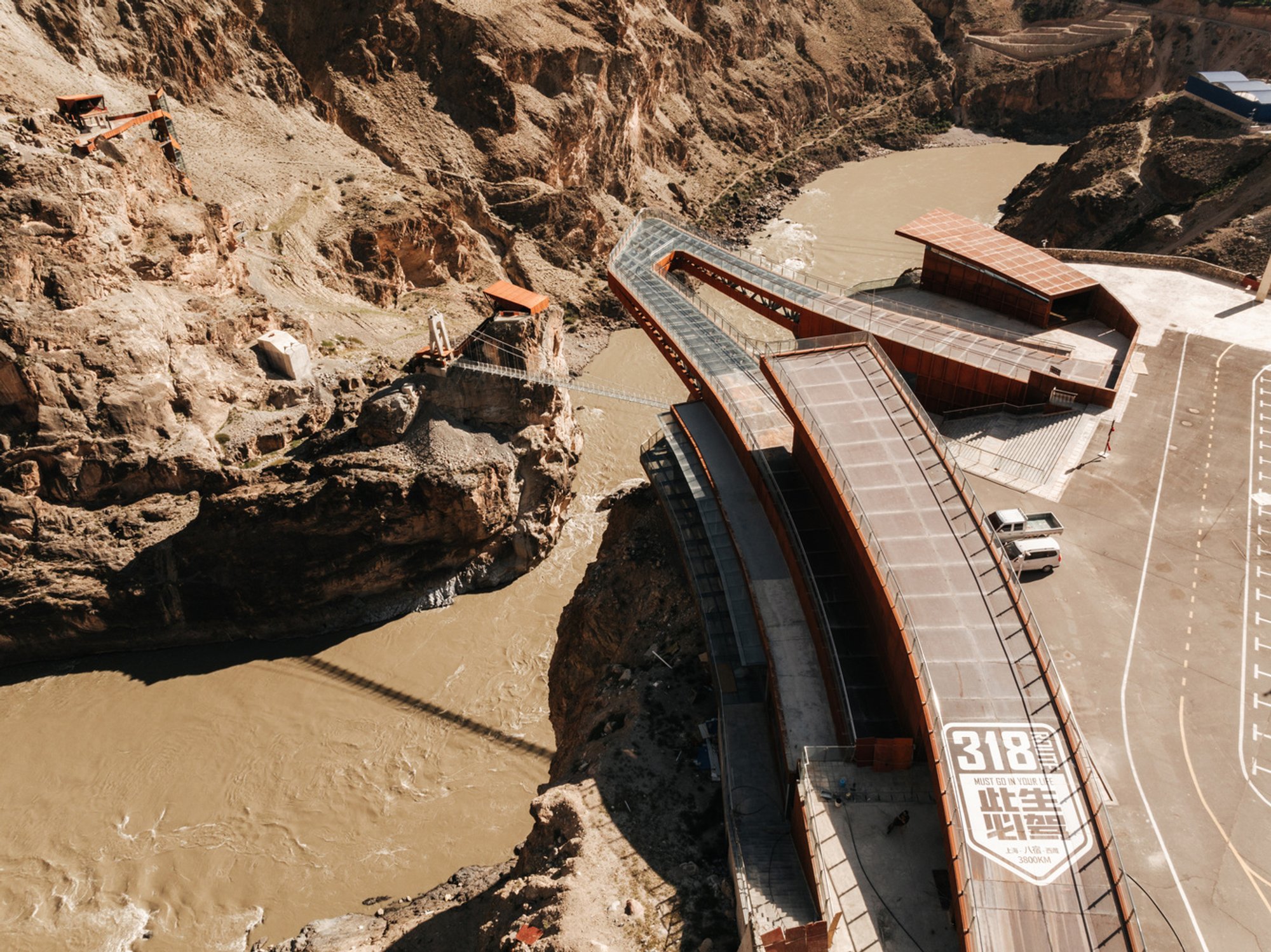
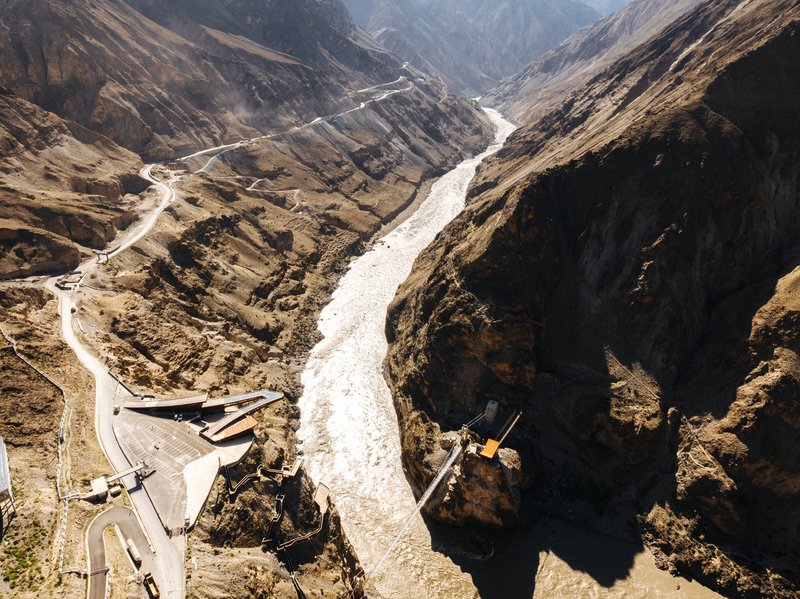
Located in the dramatic landscapes of Chamdo, Tibet, the Nujiang River 72 Canyon Scenic Area designed by Archermit redefines high-altitude tourism architecture along the legendary G318 Sichuan–Tibet Highway. This bold 800 m² project transforms one of China’s most dangerous and awe-inspiring road sections—the iconic Nujiang 72 Turns—into an immersive, multi-layered visitor experience that celebrates engineering, geography, and cultural identity.
A Sacred Route Reimagined
For generations, travelers dreaming of Tibet have carried with them the mythic allure of the G318 Highway, widely known as China’s Scenic Avenue. Approximately 200 kilometers past the convergence of the northern and southern Sichuan–Tibet routes, the small town of Baxoi marks one of the most breathtaking segments of the journey.
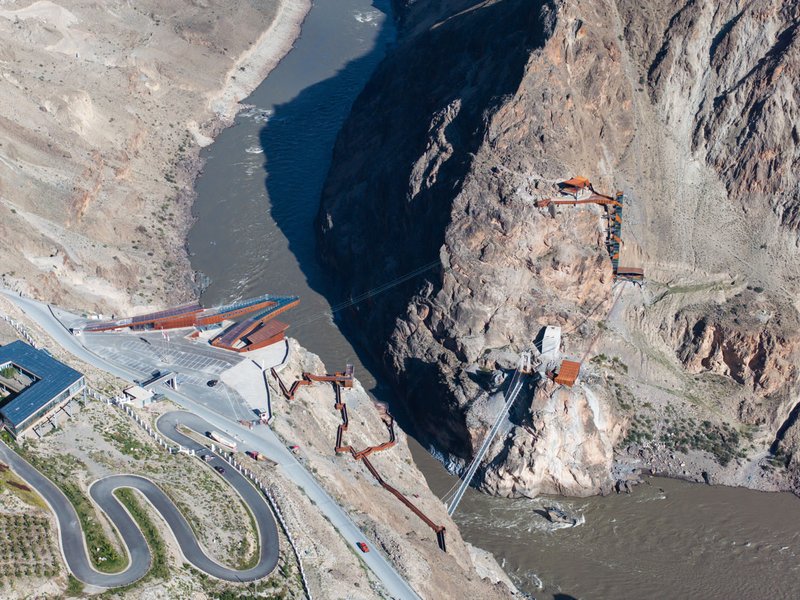
This region hosts some of Tibet’s most celebrated natural sites—including Bangda Grassland, Nujiang Grand Canyon, Ranwu Lake, and the Laigu Glacier. Embedded within Buze Village of Baxu County, the Nujiang River 72 Canyon Scenic Area stands at the heart of this extreme terrain, 48.5 kilometers from Baxoi County and 97 kilometers from Changdu Bangda Airport.
The new development celebrates the history, danger, and ambition behind the construction of the Sichuan–Tibet Highway. Every architectural decision reflects the spirit of exploration, resilience, and wonder that defines the G318 journey.
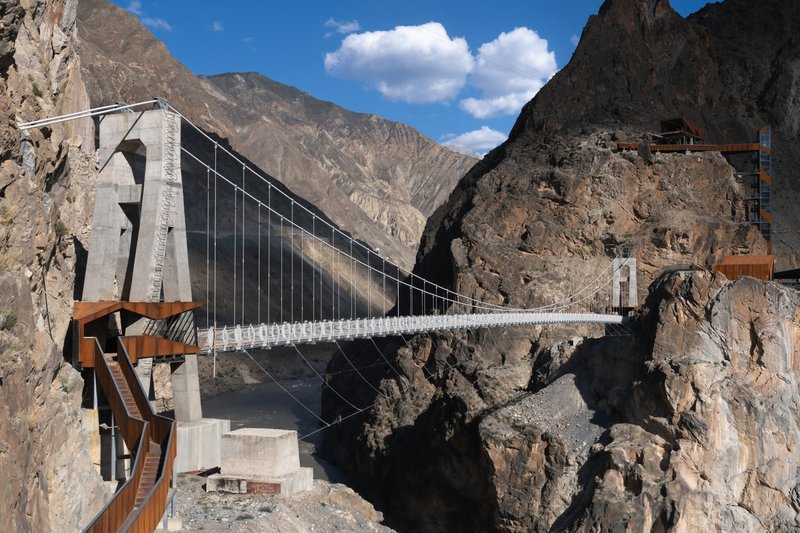
A Gravity-Defying Glass Viewing Platform
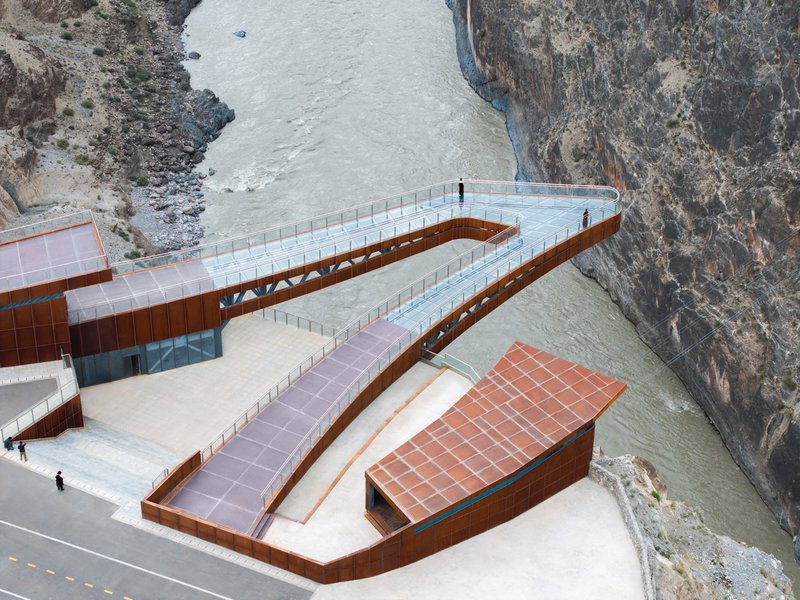
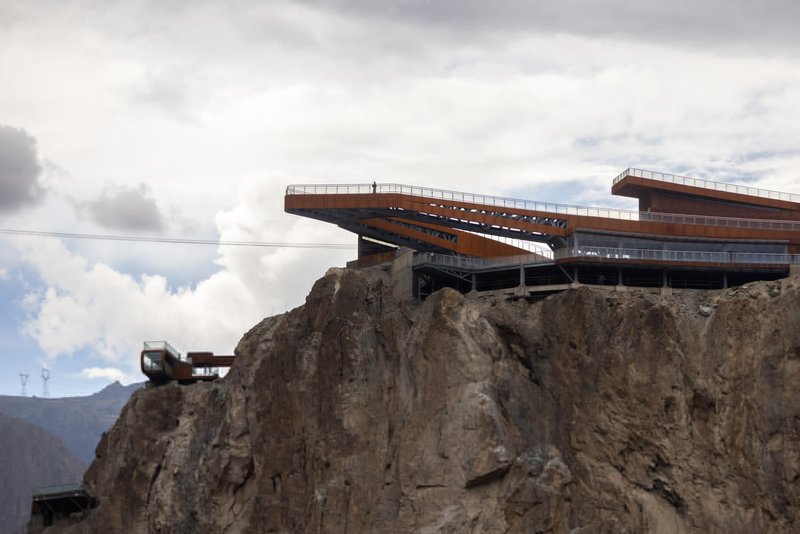
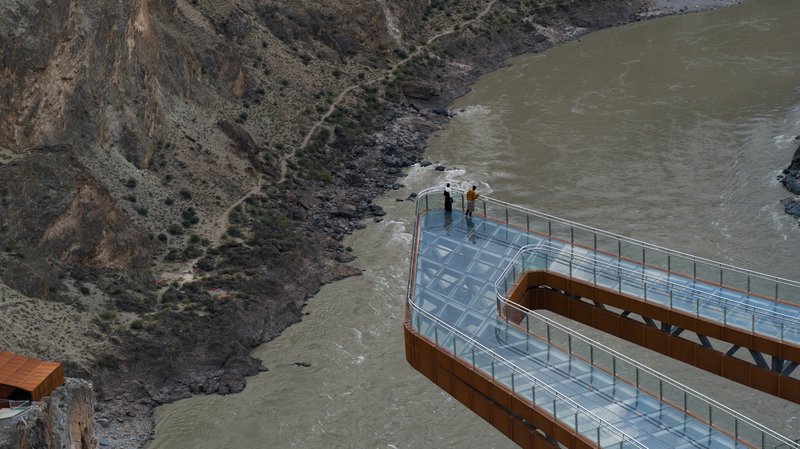
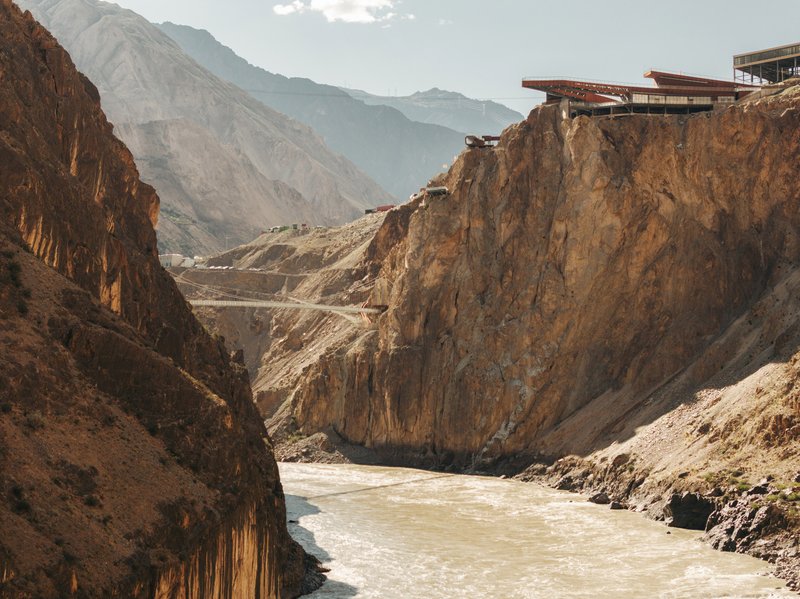
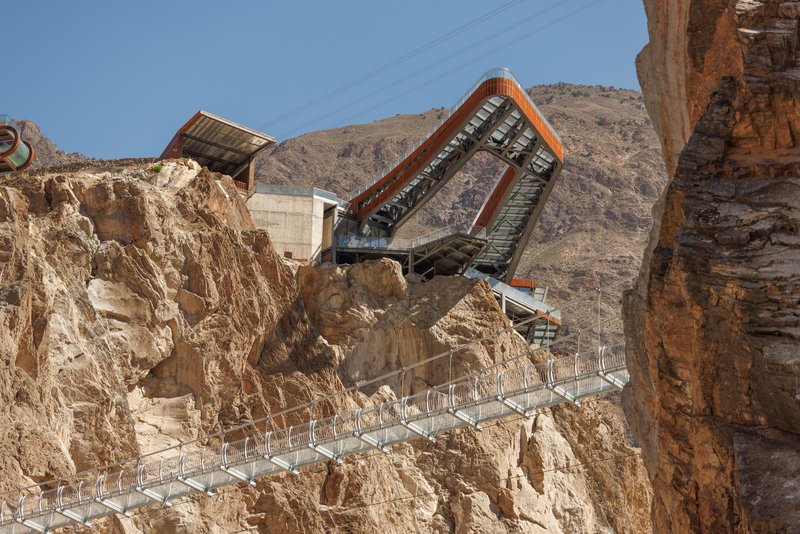
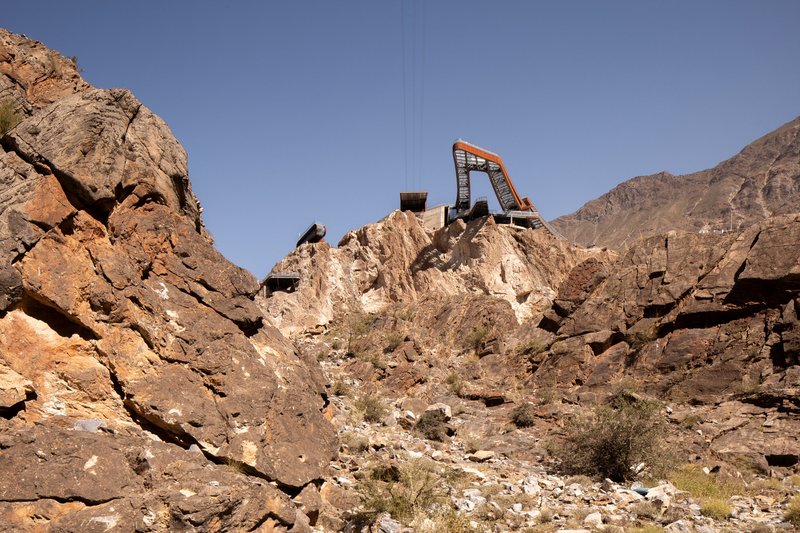
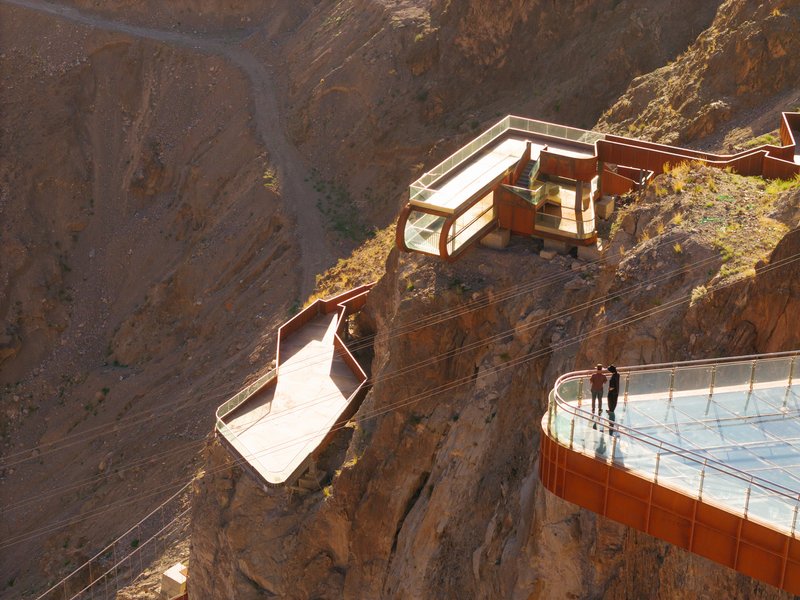
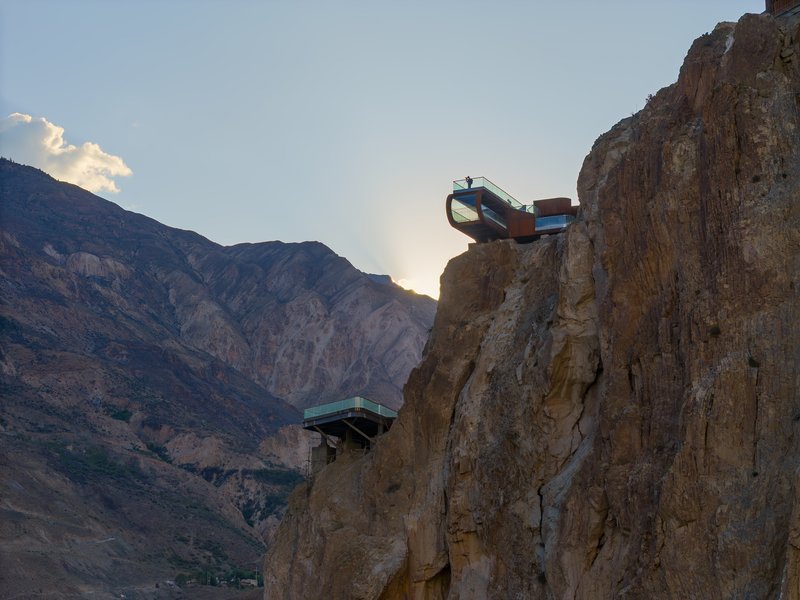
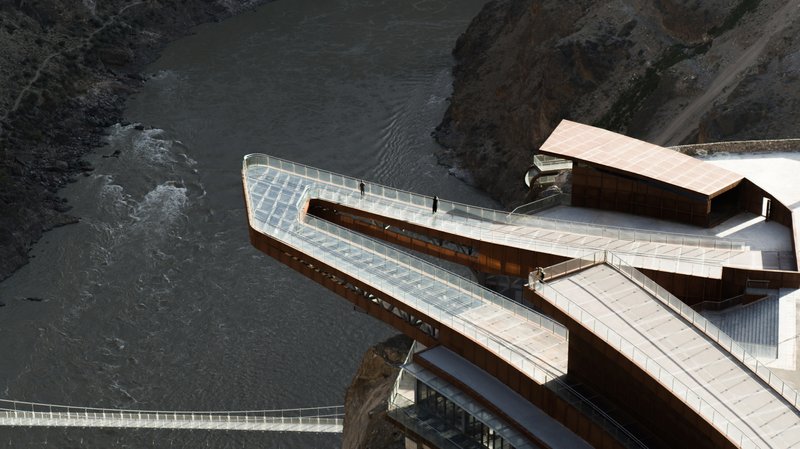
The highlight of the project is its high-altitude glass viewing platform, conceived as an architectural tribute to the highway’s signature hairpin bends. Suspended above a 130-meter cliff, the design pushes structural limits with a 37-meter single cantilevered steel truss that dramatically extends over the canyon.
The platform’s floor, made of high-transparency safety glass, transforms the legendary driving challenge into an exhilarating pedestrian experience—a literal “sky road” where visitors walk above the vast emptiness of the Nujiang River Canyon. This daring structure is intentionally designed to evoke both thrill and admiration for the majestic landscape.
Materiality Inspired by Tibetan Landscape and Culture
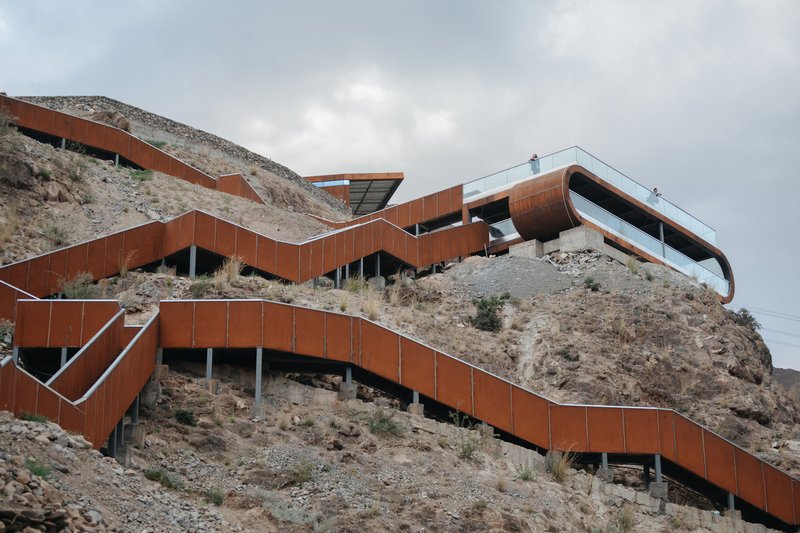
Archermit adopts weathering steel as the primary exterior material, rendered in a deep Tibetan red. This color choice resonates with regional cultural traditions while simultaneously standing out against the rugged mountain backdrop. The material’s rough, oxidized texture echoes the canyon’s stone surfaces, reinforcing a dialogue between architecture and nature.
Weather-resistant steel ensures durability in the harsh plateau climate, contributing to the project’s long-term resilience while forming a bold, sculptural silhouette on the cliffside.
Experiential Attractions: Adventure Meets Culture
Beyond the skywalk, the scenic area incorporates multiple attractions inspired by real construction scenes from the historic building of the G318 Highway:
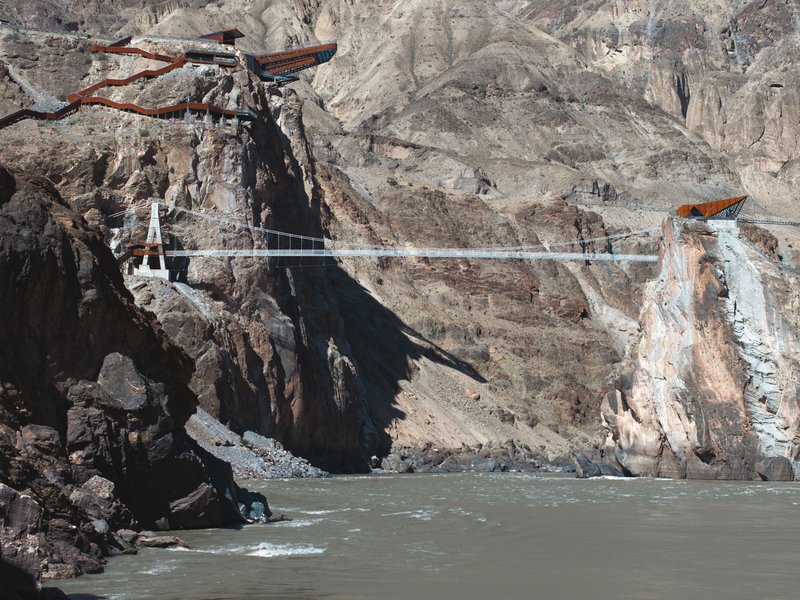
- Zipline Across the Nujiang River – recreating the daring crossings once used during highway construction
- Thrilling Steps Challenge Bridge – echoing the physical challenges faced by early workers
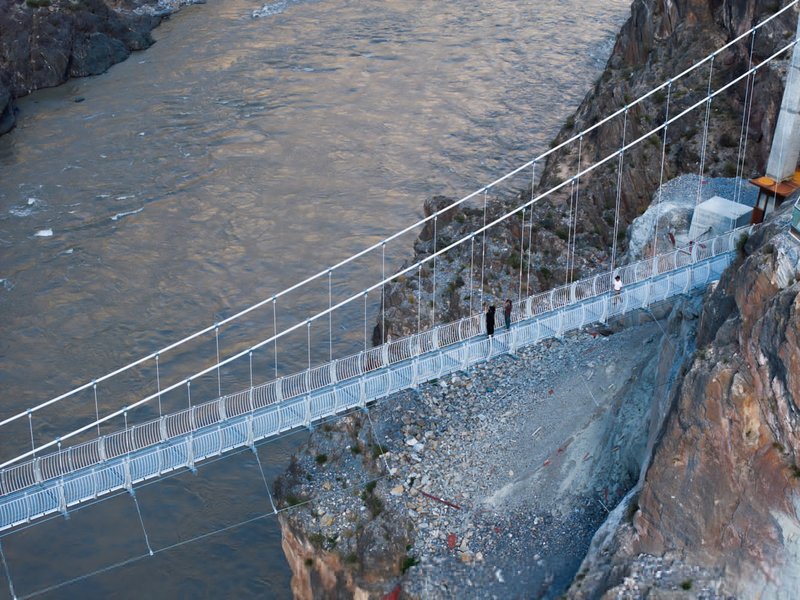
- Glass Suspension Bridge – extending the high-altitude experience across sweeping canyon views
These elements respond to modern tourism’s desire for immersive, participatory, and adrenaline-driven experiences.
Cliffside Amenities for a Full Immersive Journey
Beneath the glass platform, Archermit integrates a cliffside restaurant, coffee bar, and multifunctional supermarket, ensuring visitors can rest, dine, and explore without losing connection to the dramatic natural setting. Each space is designed to maintain unobstructed views of the canyon, merging hospitality with landscape immersion.
A New Geographic Landmark for Tibet
The Nujiang River 72 Canyon Scenic Area aims to become one of Tibet’s most recognizable tourism landmarks, encouraging travelers to step out of their vehicles and confront the extreme verticality of the Nujiang cliffs on foot. The project champions the idea of “seeking danger within danger”—a celebration of courage, self-challenge, and the spirit of adventure along the famed Sichuan–Tibet Highway.
All photographs are works of ChillShine Studio




Popular Articles
Popular articles from the community

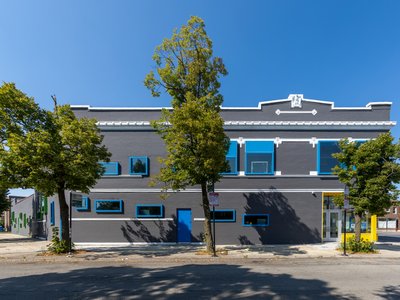
Gads Hill Early Learning Center by JGMA: Adaptive Reuse Shaping Community-Focused Educational Architecture
Adaptive reuse transforms fragmented structure into vibrant early learning center with playful façade, natural light, and community-focused sustainable design.


The Ken Roberts Memorial Delineation Competition (Krob)
As the most senior architectural drawing competition currently in operation anywhere in the world, it draws hundreds of entries each year, awarding the very best submissions in a series of medium-based categories.
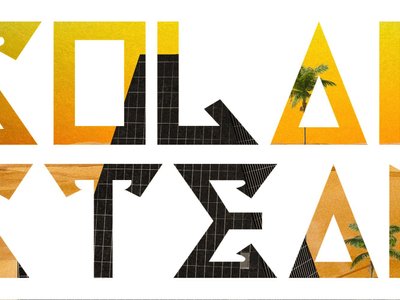
Solar Steam: A Climate-Responsive Architecture That Redefines the Monument
A climate-responsive memorial architecture that transforms heat, decay, and time into a living system reflecting humanity’s ecological impact.

Free Architecture Competitions You Can Enter Right Now
No entry fees, real prizes. Here are the best free architecture competitions open for submissions in 2026.


Similar Reads
You might also enjoy these articles
The Ken Roberts Memorial Delineation Competition (Krob)
As the most senior architectural drawing competition currently in operation anywhere in the world, it draws hundreds of entries each year, awarding the very best submissions in a series of medium-based categories.

Waterfront Redevelopment and Urban Revitalization in Mumbai: Forging a New Dawn for Darukhana
A transformative waterfront redevelopment project reimagining Darukhana’s shipbreaking heritage into an inclusive urban future.

OUT-OF-MAP: A Call for Postcards on Feminist Narratives of Public Space
Rhizoma Design and Research Lab invites artists, designers, architects, researchers, and students to reflect on how feminist perspectives can reshape public space. Selected works will be exhibited in Barcelona, October 2026. Submissions open until 15 April 2026.


Documentation Work on Buddhist Wooden Temple
Architectural syncretism and cultural hybridity: A comparative study of the Buddhist temples in Chattogram Hill tracks

Explore Architecture Competitions
Discover active competitions in this discipline




The International Standard for Design Portfolios


The Global Benchmark for Architecture Dissertation Awards


The Global Benchmark for Graduation Excellence


Challenge to design a portable theatre
Comments (0)
Please login or sign up to add comments
No comments yet. Be the first to comment!