
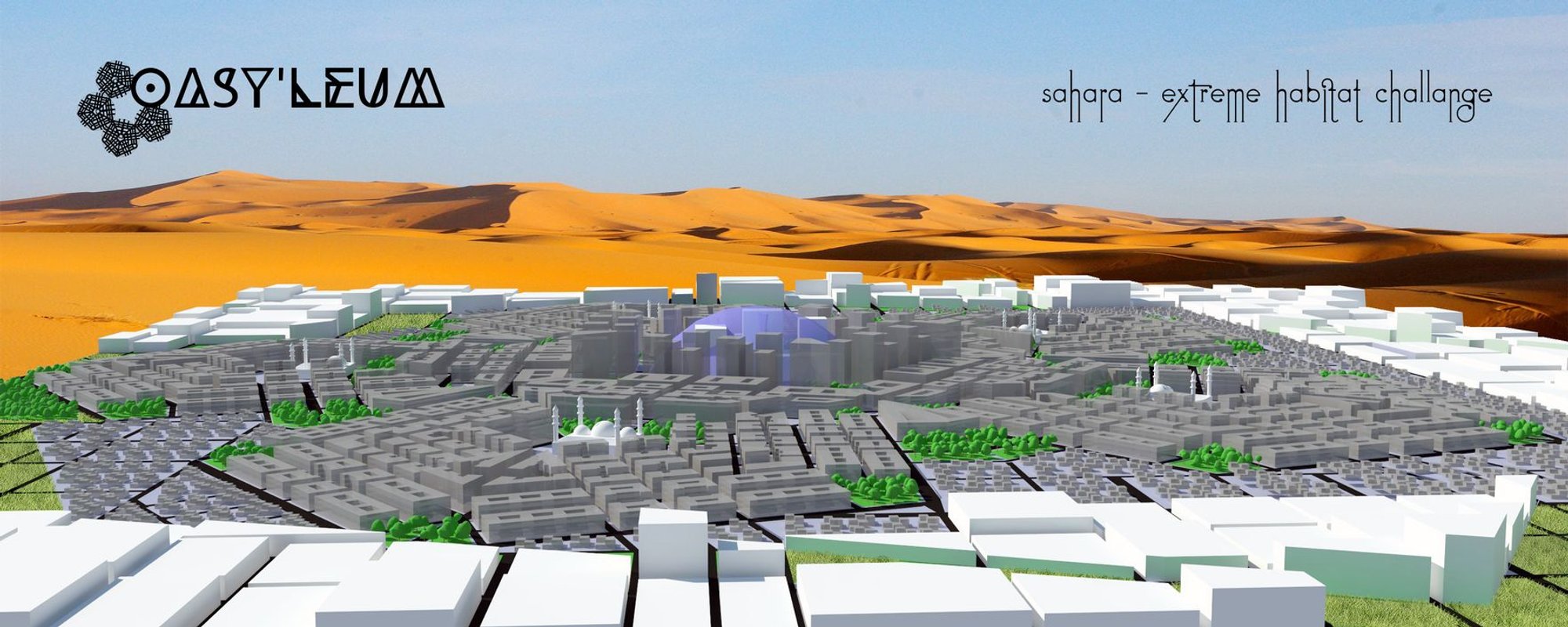
Oasyleum: A Vision for Resilient Desert Urbanism in the Sahara
Designed for the unforgiving climate of the Sahara, Oasyleum is a visionary proposal for resilient desert architecture that adapts to extreme conditions while drawing from vernacular Islamic-Arabic tr

Designed for the unforgiving climate of the Sahara, Oasyleum is a visionary proposal for resilient desert architecture that adapts to extreme conditions while drawing from vernacular Islamic-Arabic traditions. Created by architects Mateusz Mulica and Błażej Wendrowski, the project was shortlisted in the Extreme Habitat Challenge (EHC) – Sahara edition.
Rethinking the Oasis: A Self-Sustaining Urban Model
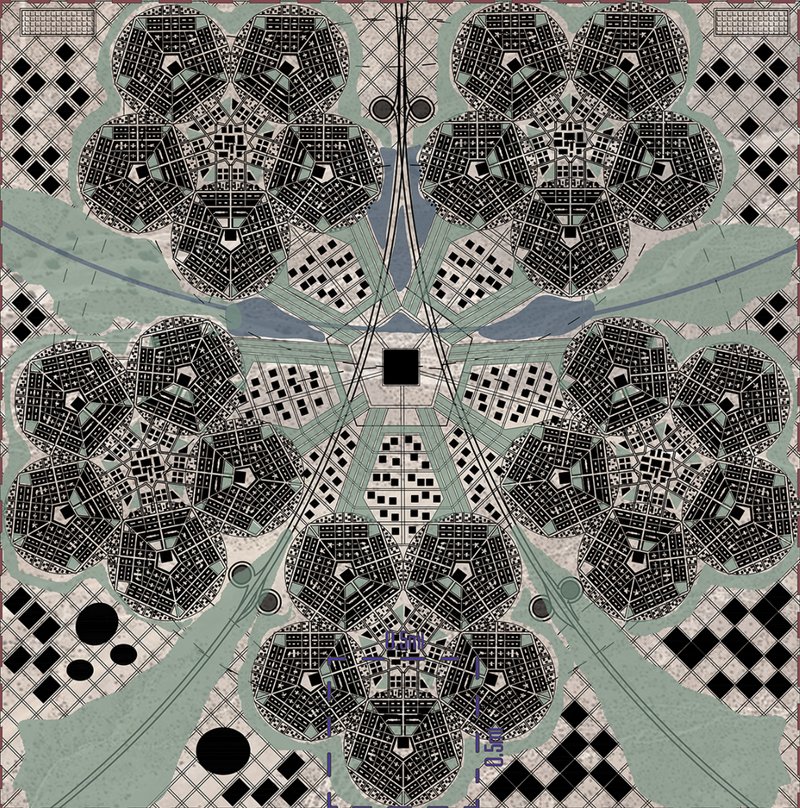
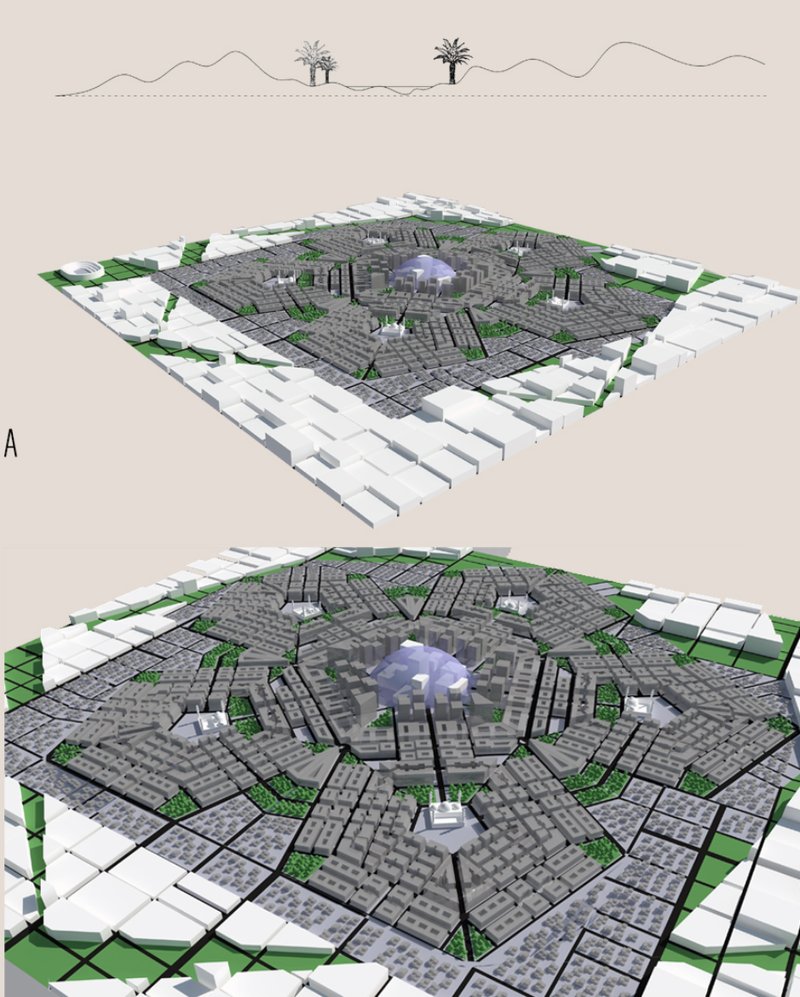
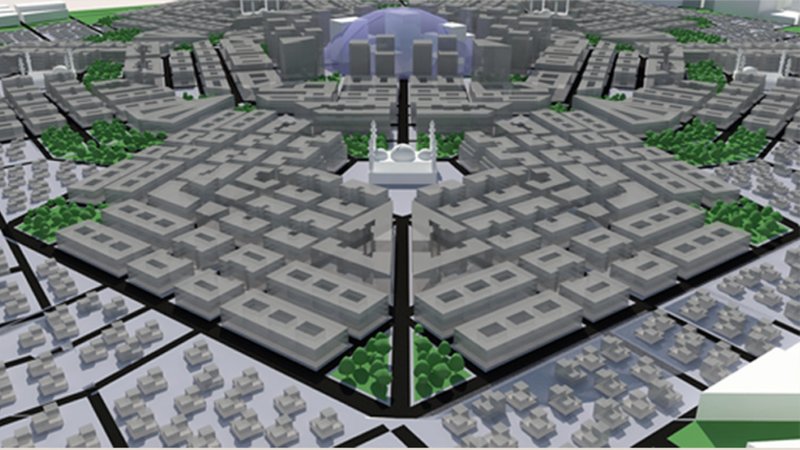
Set in Mauritania’s desert, Oasyleum reinterprets the concept of an oasis as a high-density, self-sufficient city that houses up to one million people. The masterplan integrates floral geometry and polygonal modules, creating a layout that promotes environmental stability, social inclusivity, and urban harmony. The design also anticipates future Hyperloop connectivity to major global hubs like New York and Mumbai.
Environmental Adaptation Through Vernacular Strategies
With annual rainfall under 50mm and extreme temperature swings, the environmental conditions are among the harshest on Earth. Oasyleum addresses these with passive cooling systems such as arched roofs, wind catchers, domes, and underground water storage—principles rooted in vernacular architecture. By using local materials like mud brick, limestone, and palm wood, the habitat embraces a low-carbon construction philosophy.
Modular and Mixed-Use Planning
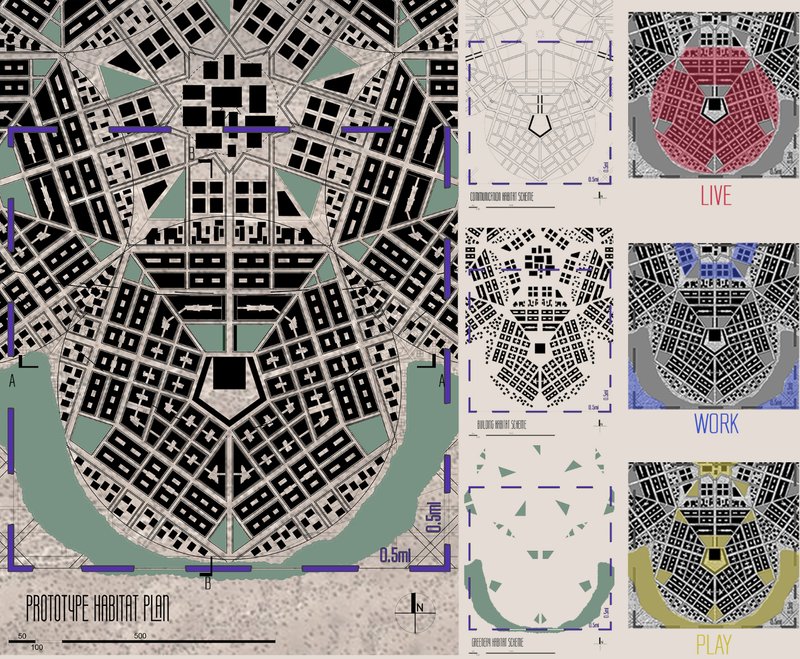
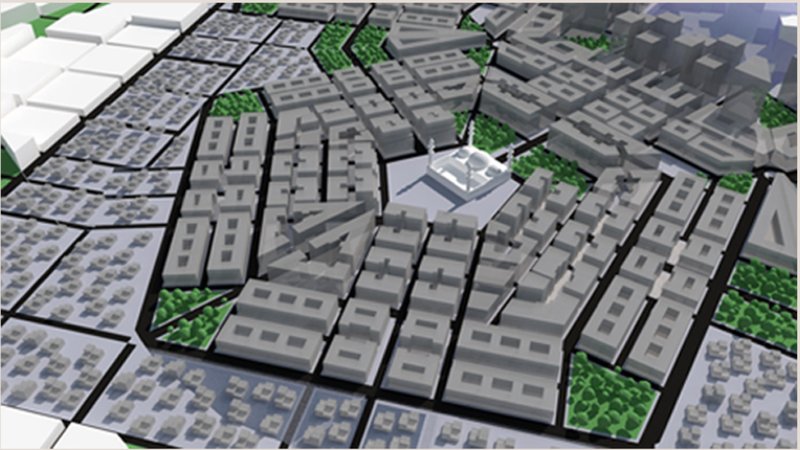
The design is based on a repeating pentagonal module that merges live, work, and play zones. Each district is centered around a mosque and a community hub, with the density of buildings decreasing outward into single-family housing and open green spaces. This hierarchy allows the city to scale organically while maintaining communal and cultural coherence.
Socio-Spatial Equity
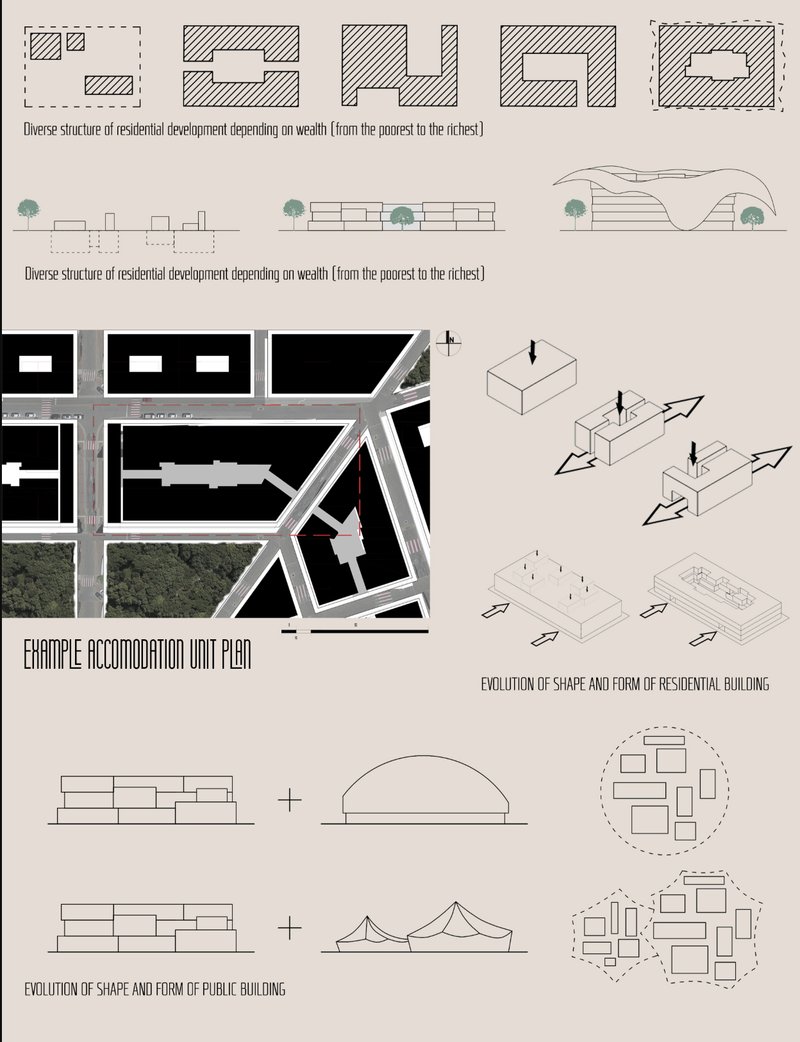
Oasyleum’s accommodation units reflect socio-economic diversity, from simple rectangular blocks to complex integrated forms. The evolution of form in both residential and public architecture showcases how design can adapt to varying wealth levels while preserving collective identity.
A Blueprint for the Future of Arid Region Architecture
Oasyleum offers more than just a survival strategy—it proposes a holistic model for future desert urbanism. By aligning resilient desert architecture with climate-conscious technologies and human-centered urban planning, the project stands as a scalable blueprint for sustainable cities in arid zones around the world.
Project by Mateusz Mulica and Błażej Wendrowski
Shortlisted Entry – Extreme Habitat Challenge (EHC) Sahara



Popular Articles
Popular articles from the community

On the Brooks House by Monsoon Collective – A Contemporary Kerala Home Rooted in Tradition
Kerala home blending tradition and modernity with water-inspired design, brick architecture, courtyard planning, and sustainable rainwater harvesting strategies.
Solar Steam: A Climate-Responsive Architecture That Redefines the Monument
A climate-responsive memorial architecture that transforms heat, decay, and time into a living system reflecting humanity’s ecological impact.
Flamboyant House by Juliana Camargo + Prumo Projetos
Modern Brazilian house integrating existing tree, pool, and volumes with glass, wood, and transitional spaces blending interior, exterior, and landscape seamlessly.
Treehouse Apartment: A Warm Timber Interior Blending Craft, Play, and Contemporary Living
Warm timber apartment with integrated treehouse, combining natural materials, craftsmanship, and playful design to create a flexible, family-oriented living environment.
Similar Reads
You might also enjoy these articles


The Ken Roberts Memorial Delineation Competition (Krob)
As the most senior architectural drawing competition currently in operation anywhere in the world, it draws hundreds of entries each year, awarding the very best submissions in a series of medium-based categories.


Waterfront Redevelopment and Urban Revitalization in Mumbai: Forging a New Dawn for Darukhana
A transformative waterfront redevelopment project reimagining Darukhana’s shipbreaking heritage into an inclusive urban future.
OUT-OF-MAP: A Call for Postcards on Feminist Narratives of Public Space
Rhizoma Design and Research Lab invites artists, designers, architects, researchers, and students to reflect on how feminist perspectives can reshape public space. Selected works will be exhibited in Barcelona, October 2026. Submissions open until 15 April 2026.

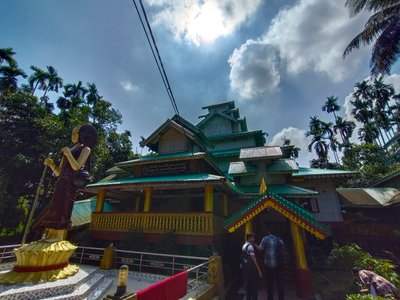
Documentation Work on Buddhist Wooden Temple
Architectural syncretism and cultural hybridity: A comparative study of the Buddhist temples in Chattogram Hill tracks




Comments (0)
Please login or sign up to add comments
No comments yet. Be the first to comment!