
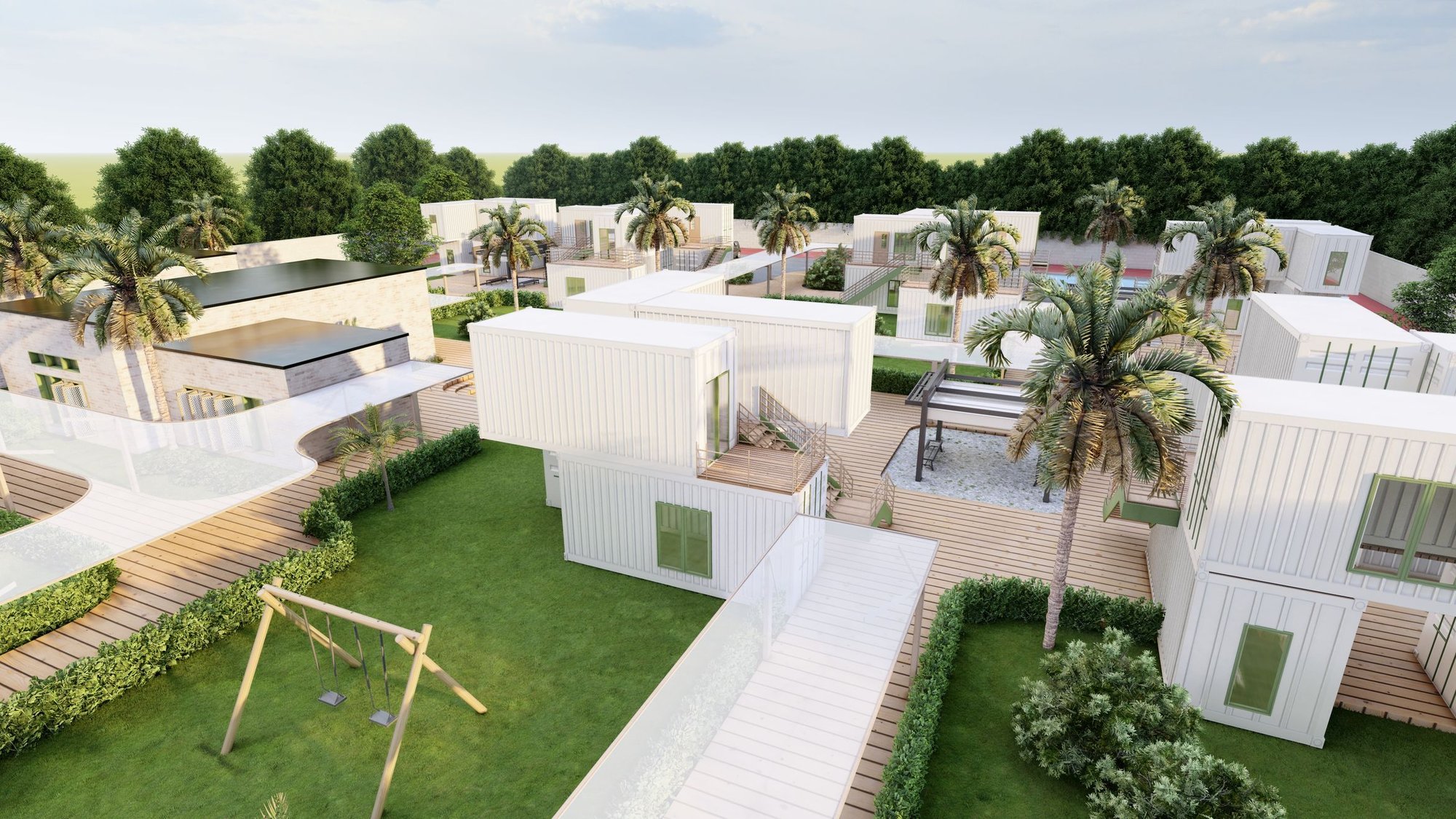
Oklahoma Refugee Shelter: A Modular Approach to Homelessness
An innovative modular shelter design for homeless refugees, combining sustainability and durability in Oklahoma.

The Oklahoma Refugee Shelter, conceptualized by Mahya Sarlak and shortlisted in the prestigious Reinstate competition, exemplifies innovative solutions for temporary housing. Designed with the dual objective of providing immediate accommodation and long-term educational spaces, this project merges modularity with sustainability to create a harmonious, integrated environment.
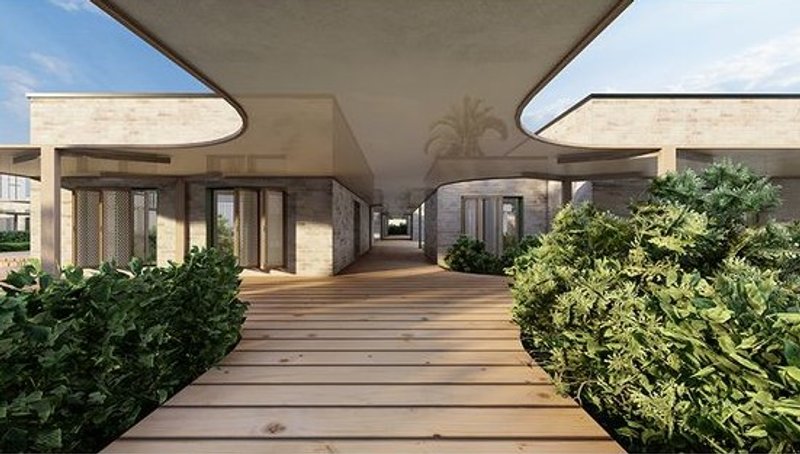
Reinstate Competition: A Focus on Homelessness
The Reinstate competition called for designs addressing homelessness through simplicity and functionality. Sarlak's proposal stood out by combining temporary residential units with permanent educational facilities, ensuring a cohesive design while adhering to modular principles. The use of containers, chosen for their stability and durability in the face of Oklahoma's storm-prone climate, forms the backbone of this innovative shelter.
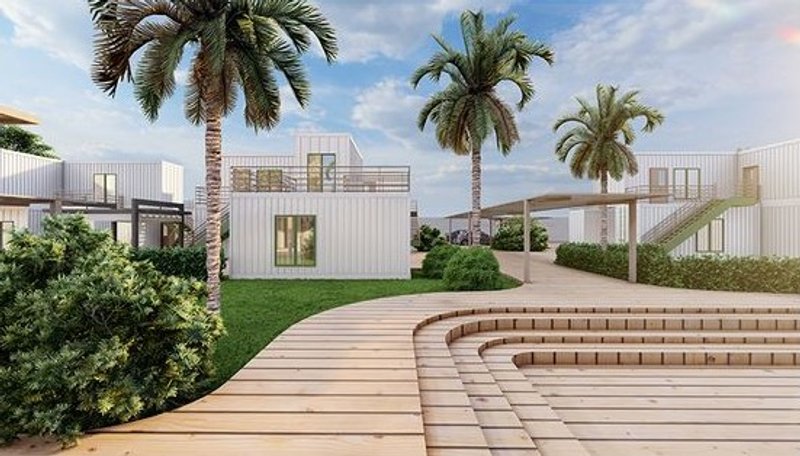
Modular Design: The Core Concept
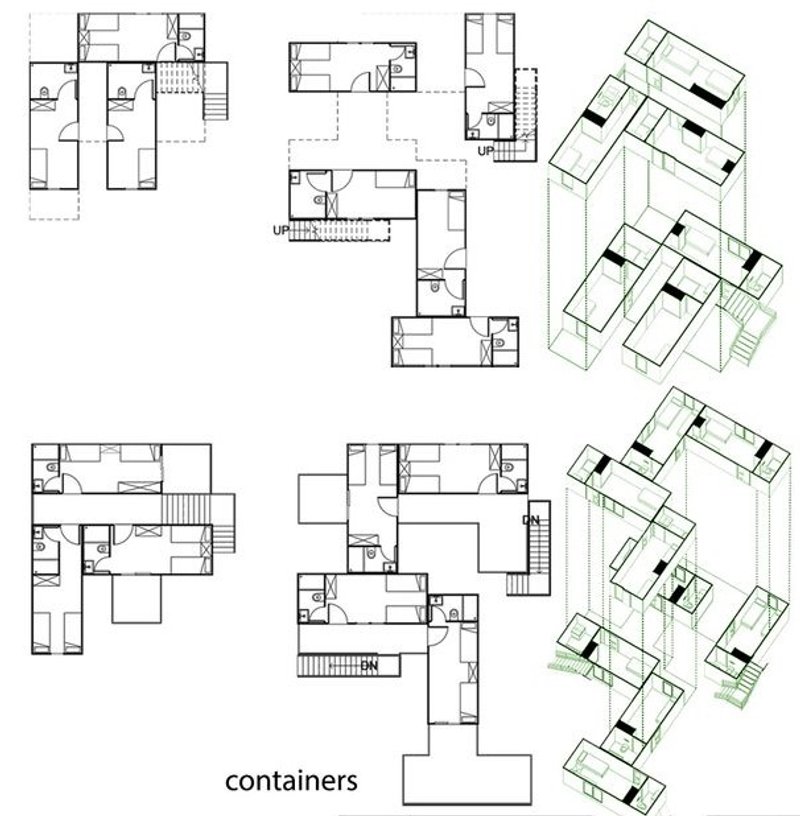
The Oklahoma Refugee Shelter's design hinges on modularity, allowing for flexibility and scalability. Each space within the complex is designed as a module, facilitating easy assembly and disassembly. Containers serve as the primary building units, providing a stable structure capable of withstanding harsh weather conditions. Insulators are employed to regulate the internal temperature, ensuring a comfortable living environment.
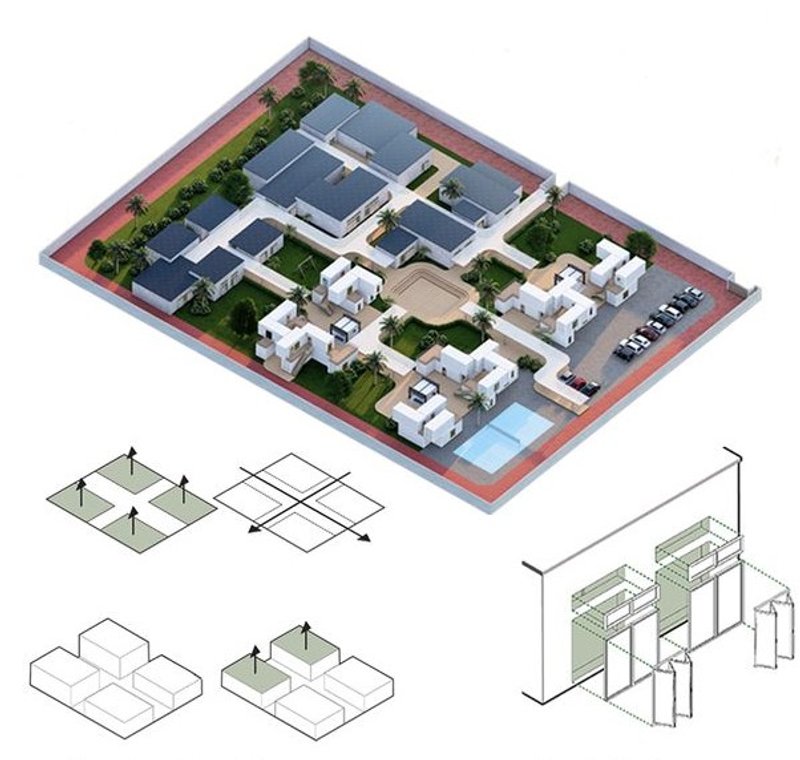
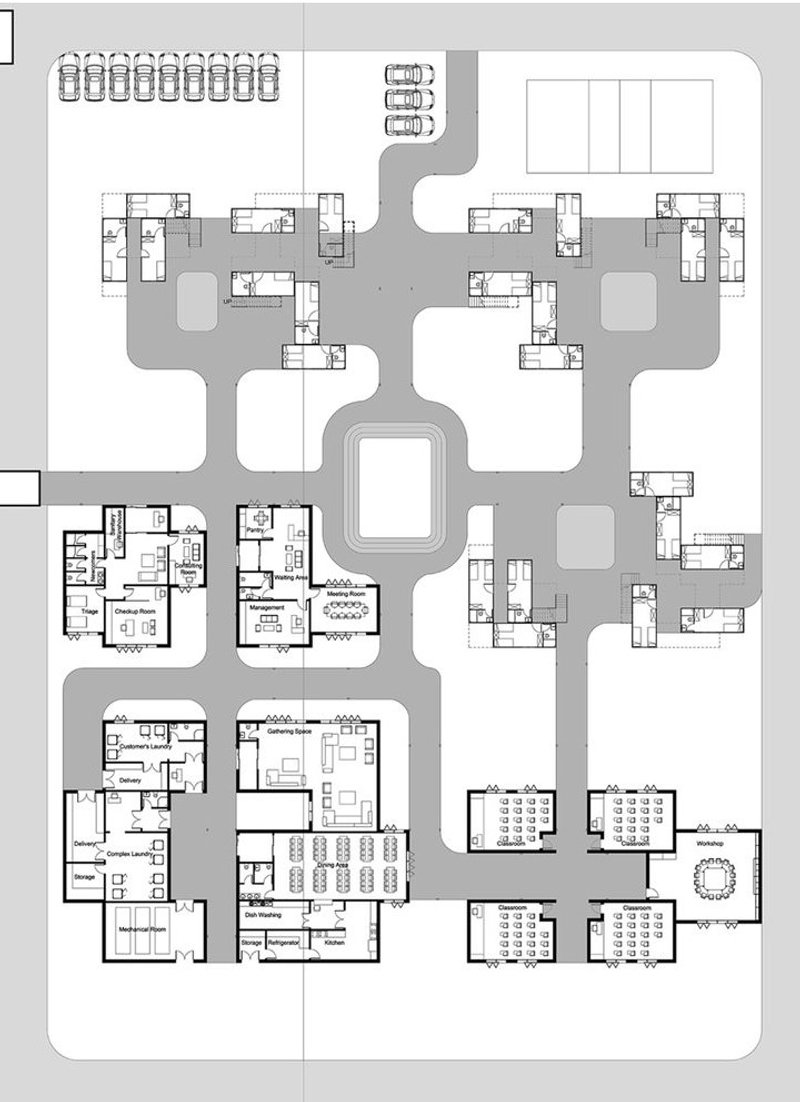
The site's entrance, strategically positioned on the western side, aligns with climate considerations and site analysis. To minimize noise pollution from a nearby school, residential containers are situated on the northern side, creating a tranquil living space for the residents.
Accommodations for Disabled Individuals
Addressing the needs of homeless individuals with disabilities, four containers are specifically designed to be accessible and comfortable. These units are tailored to provide private living spaces, ensuring dignity and independence. Additionally, three containers are allocated for staff and 24/7 security personnel, maintaining a safe and supportive environment.
Advantages of Using Containers
Strength and Structural Stability: Shipping containers, constructed from heavy-duty materials like aluminum and steel, are inherently strong and capable of supporting substantial loads. Each container can bear up to 62,000 pounds, making them ideal for housing applications. Their robust construction enables them to withstand extreme weather conditions, including strong winds, heavy rains, and even earthquakes, ensuring the safety and security of the occupants.
Ease and Speed of Construction: Unlike traditional buildings, which require extensive time and resources, converting shipping containers into livable spaces is significantly faster and more efficient. The pre-existing structure of containers, complete with walls, floors, and ceilings, reduces the construction workload, allowing for quicker project completion.
Eco-Friendliness: Utilizing repurposed shipping containers is an environmentally friendly choice. Recycling a single 40-foot container prevents 3,500 kg of steel from going to waste and requires only about 400 kWh of electricity for fabrication. This approach also reduces reliance on concrete, the third-largest emitter of carbon dioxide, promoting a cleaner and more sustainable environment.
Long Shelf Life: The durability of shipping containers ensures a lifespan of 30 years or more, making them a reliable choice for long-term housing solutions.
Design Considerations
Climate Adaptation: Oklahoma City's climate necessitates the creation of shaded spaces. Canopies are used along main pathways to balance sunlight exposure, while height variations provide additional shading and highlight important areas. Shaders are installed in front of windows to mitigate intense solar radiation.
Iterative Design Process: The design process involved multiple iterations, focusing on shadow creation and container combinations. The final design integrates two types of container arrangements, optimizing both residential and communal spaces.
Sustainable Materials and Landscaping
Local and Recyclable Materials: The project emphasizes the use of local materials, such as wood, and recyclable materials like metal. This approach minimizes environmental impact and aligns with the regional context.
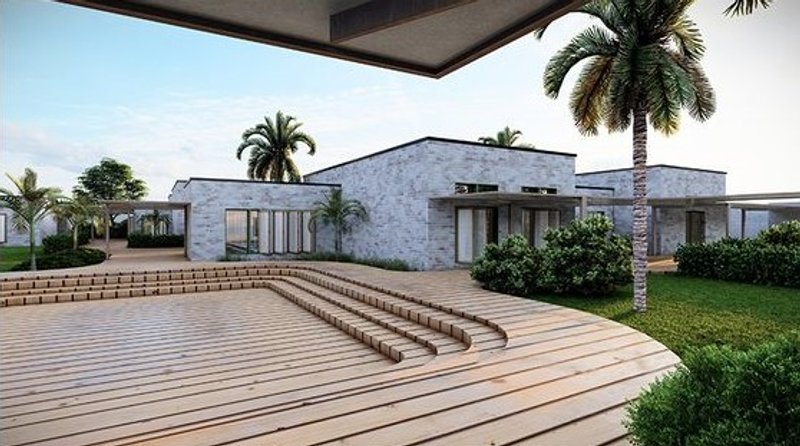
Eco-Friendly Landscaping: Climate-friendly plants and environmentally sustainable flooring materials are employed in the landscape design, further enhancing the project's green credentials.
Future Expansion and Adaptability
The east part of the site is reserved for future development, allowing the shelter to expand as needed. The modular nature of the containers facilitates easy addition and reconfiguration, ensuring the project can adapt to changing requirements. This flexibility also enables the quick removal or relocation of containers, accommodating shifts in residential needs.




Popular Articles
Popular articles from the community

Treehouse Apartment: A Warm Timber Interior Blending Craft, Play, and Contemporary Living
Warm timber apartment with integrated treehouse, combining natural materials, craftsmanship, and playful design to create a flexible, family-oriented living environment.
On the Brooks House by Monsoon Collective – A Contemporary Kerala Home Rooted in Tradition
Kerala home blending tradition and modernity with water-inspired design, brick architecture, courtyard planning, and sustainable rainwater harvesting strategies.
Atelier Macri Concept Store Interior Design by CASE-REAL
Atelier Macri store features a "ko" counter, walnut wood details, cork displays, blending retail, gallery, and seamless customer experiences.
Louis Malle Cinema: A Limestone Cultural Landmark Revitalizing Community Life in Prayssac
Limestone cinema extension with public forecourt, blending heritage and modern design to create flexible cultural spaces and strengthen community interaction.


Similar Reads
You might also enjoy these articles


The Ken Roberts Memorial Delineation Competition (Krob)
As the most senior architectural drawing competition currently in operation anywhere in the world, it draws hundreds of entries each year, awarding the very best submissions in a series of medium-based categories.
A Contemporary Take on Iranian Residential Architecture
A modern interior design in Mashhad that reinterprets brick, light, and spatial flow to create a warm, contemporary residential architecture.
Franche-Comté Advanced School of Engineering by Dominique Coulon & associés, Besançon
A flexible engineering school immersed in woodland, combining concrete minimalism, adaptable spaces, and natural light to support evolving educational environments.


Documentation Work on Buddhist Wooden Temple
Architectural syncretism and cultural hybridity: A comparative study of the Buddhist temples in Chattogram Hill tracks


Explore Architecture Competitions
Discover active competitions in this discipline




The International Standard for Design Portfolios


The Global Benchmark for Architecture Dissertation Awards


The Global Benchmark for Graduation Excellence


Challenge to reimagine the Iron Throne
Comments (0)
Please login or sign up to add comments
No comments yet. Be the first to comment!