

OMA Unveils Stunning Design for Jojutla Bridge, Redefining Infrastructure in Mexico
Combining Functionality and Aesthetics, OMA's Jojutla Bridge Sets a New Standard for Mexican Infrastructure
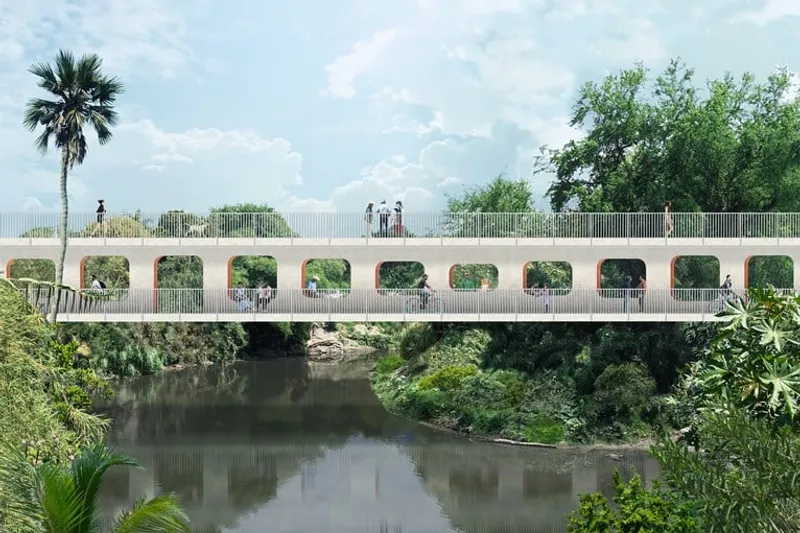
The 2017 earthquake in Jojutla de Juárez, Morelos, caused severe damage to the city's infrastructure, including the Apatlaco River, which was one of the most affected areas. The earthquake revealed the brittle infrastructure of the city, leaving many houses and buildings vulnerable to collapse due to their weakened structure. The major drainage line of the city running over the river also suffered persistent fractures, and the preexisting lack of access to cross the river was exacerbated by the destruction of a main bridge, severing mobility. The absence of intervention along the river edges also left the surrounding neighbourhoods vulnerable to flooding.
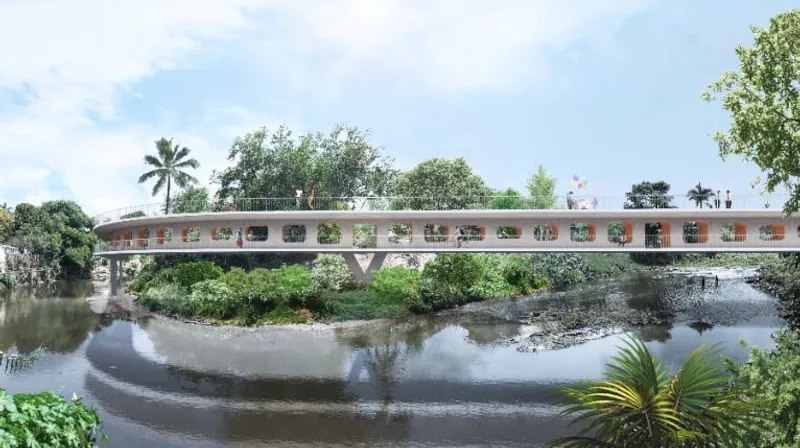
In response to the disaster, OMA New York designed a bridge to facilitate a much-needed link between currently disconnected communities and create a new commercial axis, transforming the Apatlaco River into a community resource rather than a threat. The bridge is bent into a shape that dodges private properties, crosses the river twice, and anchors itself to three distinct points of the city: Panchimalco, a colony south of the municipal capital; the blocks at the bottom of Pacheco alley, in close proximity to the historic centre; and the Juarez neighbourhood, the most central but most damaged by the earthquake.
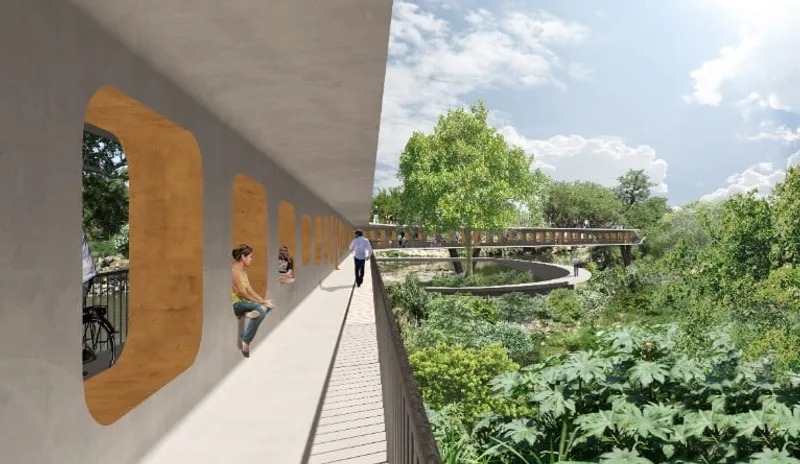
The bridge's form is akin to a large I-beam, giving way to a double-decker concrete structure. Its upper deck simultaneously provides a higher datum in anticipation of water level rise and shade for the dedicated pedestrian and bicycle paths below. The "flanges" allow for a wide surface for occupiable spaces in addition to mobility. Along the entire length of the bridge, the I-beam’s “web” is perforated, with habitable openings of various scales that operate as undefined spaces, benches, stairs, and doors accommodating a diversity of activities, pace, and access. Windows open up the bridge to its surroundings and frame the landscape around it.
According to Shohei Shigematsu, OMA Partner, the Jojutla Bridge aims to restore infrastructure as well as the spirit of community. Its two datums simultaneously reconnect not two, but three, fractured neighbourhoods, anticipate disasters beyond earthquakes by mitigating potential flooding, and provide new amenities to revitalize people's relationship to a river that's currently feared or overlooked. The bridge's design shows the importance of incorporating public spaces and resources into resiliency design, especially as natural disasters become more frequent and their impacts are more wide-ranging.
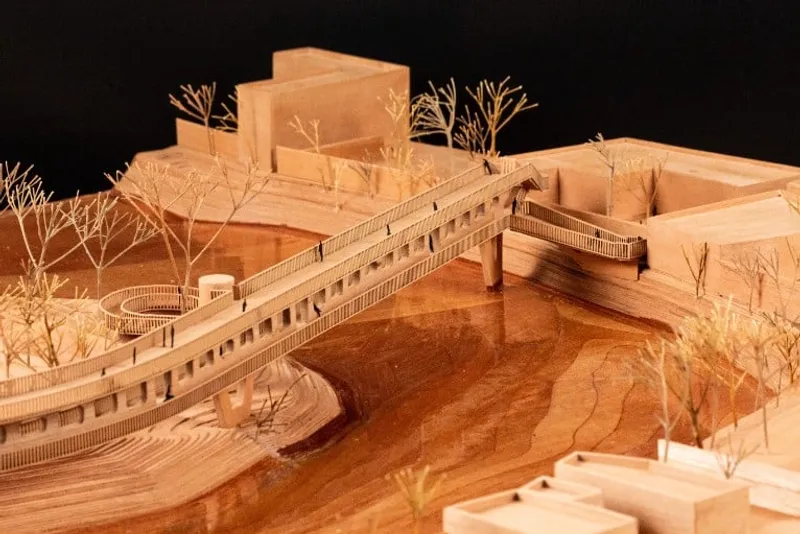
Established in 2001, OMA New York is responsible for OMA's operations in the Americas and has overseen the successful completion of several buildings across the country. Shohei Shigematsu is a Partner at OMA and has led the firm's diverse portfolio in the Americas for over the last decade. In addition to the Jojutla Bridge, Sho's urban and public space designs around the world include a post-Hurricane Sandy urban water strategy for New Jersey, the ReefLine underwater sculpture park of artificial coral reef along Miami Beach, a city-integrated mixed-use village for Facebook in Menlo Park, and a masterplan for a civic centre in Bogota, Colombia.
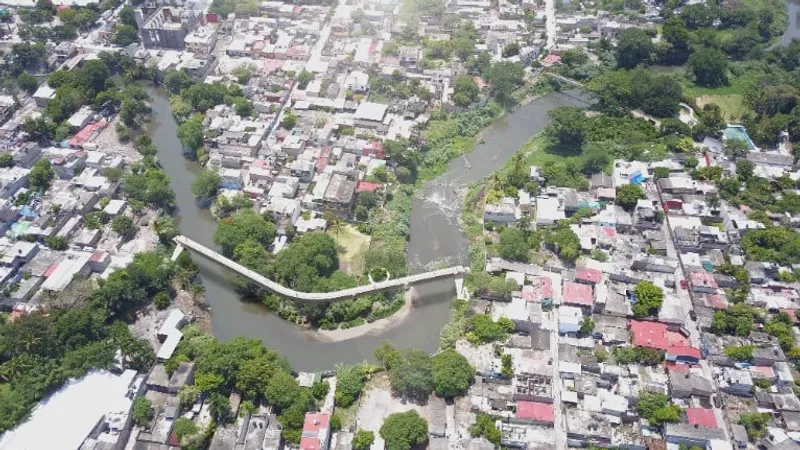
The Jojutla Bridge's design creates a new commercial axis that serves as a connector of disparate communities. The bridge provides opportunities to incorporate a linear park, plaza, and market, encouraging economic growth and social interaction. The bridge's double-decker structure also provides shade for the dedicated pedestrian and bicycle paths below, making it more comfortable for people to cross the bridge, even in the hot sun. The perforated I-beam's web accommodates a diversity of activities, pace, and access, allowing people to use the bridge for various purposes and at their own speed.
© Press release and images Courtesy of OMA New York

Popular Articles
Popular articles from the community

Opera by the Sea Estonia: Three Shells Dissolving Architecture into Tallinn's Coastline
A winning opera house proposal replaces monumental form with interconnected shells that blur the boundary between building, park and Baltic Sea.
Extended Shell: Retrofitting Kolkata's Balconies as Living Urban Thresholds
A modular retrofit system recovers the social and environmental intelligence of Kolkata's historic verandas for contemporary Park Street residents.

The Amber Palace Opera: A Geological Fiction Surfaces on Tallinn's Baltic Waterfront
Pierre Brillard reimagines a Baltic legend as a public landscape, opera house, and waterfront promenade rooted in Tallinn's coastal identity.
Temporary Home for Dogs: A Reversed Zoo Rethinks Animal Shelter Architecture
In Bucharest, a sinuous corridor and freed landscape flip the logic of containment, designing a shelter that works to make itself unnecessary.

Similar Reads
You might also enjoy these articles
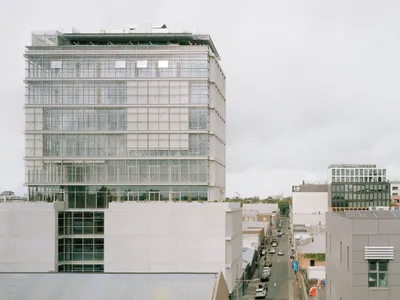
116 Rokeby Building, Collingwood
Sustainable Collingwood office building featuring double-skin façade, natural ventilation, rooftop amenities, and carbon-neutral design focused on wellbeing and longevity.
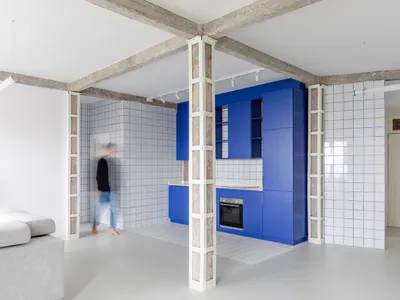
Contemporary Apartment Renovation in Spain: RV House by BIAN Opens Up to the Sea
A minimalist 1930s apartment in Santander is transformed into a flexible, sea-facing home through contemporary Spanish renovation.
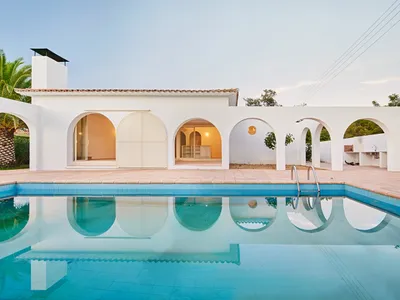
3 Marías House: A Contemporary Mediterranean Courtyard Retreat by Bajet Giramé + Burckhardt
Mediterranean courtyard home blending traditional architecture with modern design, terracotta flooring, flexible interiors, sustainable climate strategies, and garden integration.
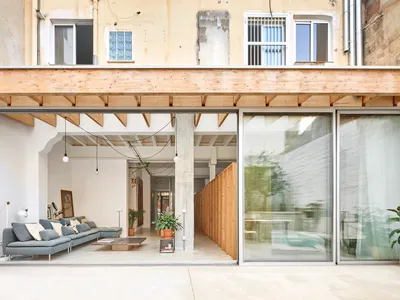
NZ10 Apartment by auba studio: Adaptive Reuse in Palma de Mallorca
Adaptive reuse apartment transforms bakery into light-filled home with patios, privacy layers, and wood interiors enhancing urban living experience.

Explore Architecture Competitions
Discover active competitions in this discipline


Challenge to reimagine the Iron Throne

Photograph architecture without architects

Illustrate the lost glory of Angkor Wat - Render Challenge

Design challenge to reuse E-waste
Comments (0)
Please login or sign up to add comments
No comments yet. Be the first to comment!