
Revolutionary Reinvention: Bayer & Strobel Architects Unveil Kurt 2.0, Redefining Modern Architecture
Is Kurt 2.0 by Bayer & Strobel Architects the Future of Architectural Innovation?


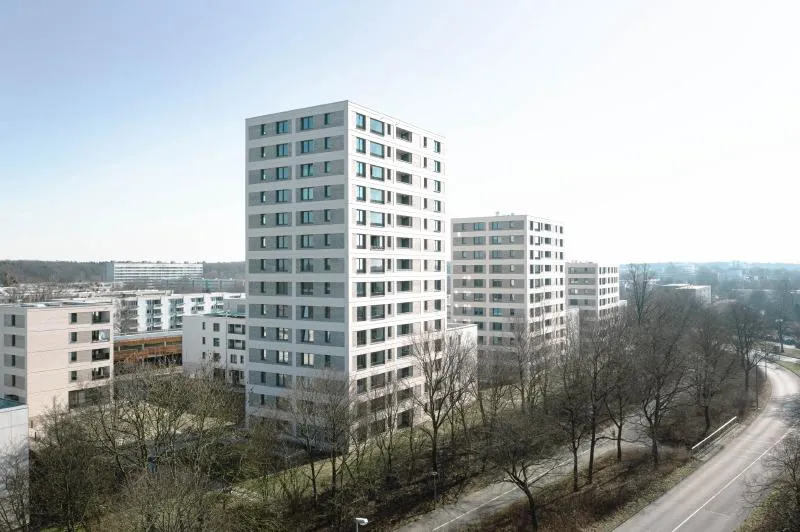
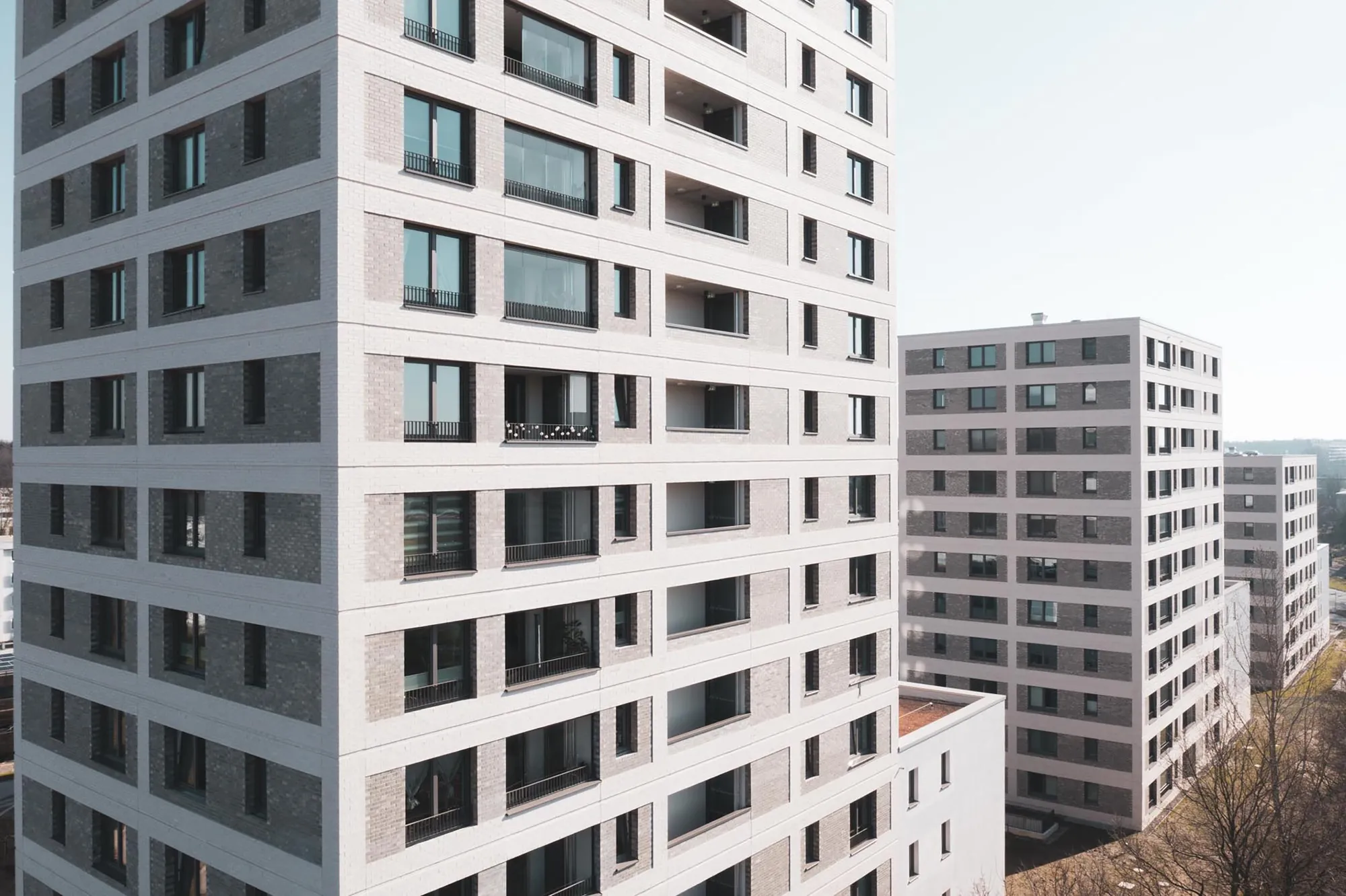
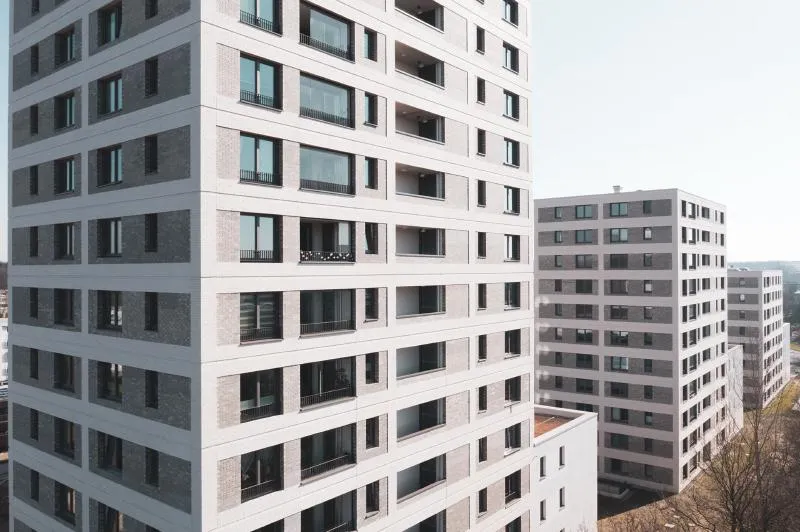
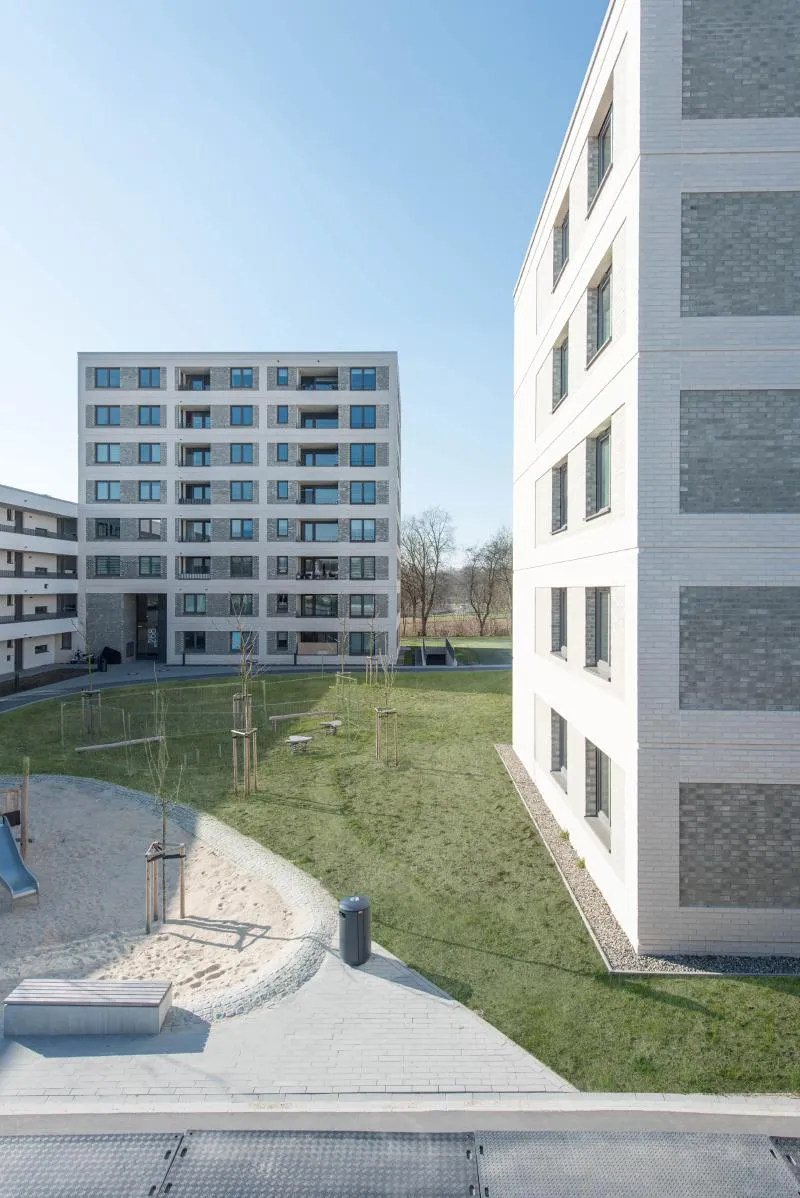
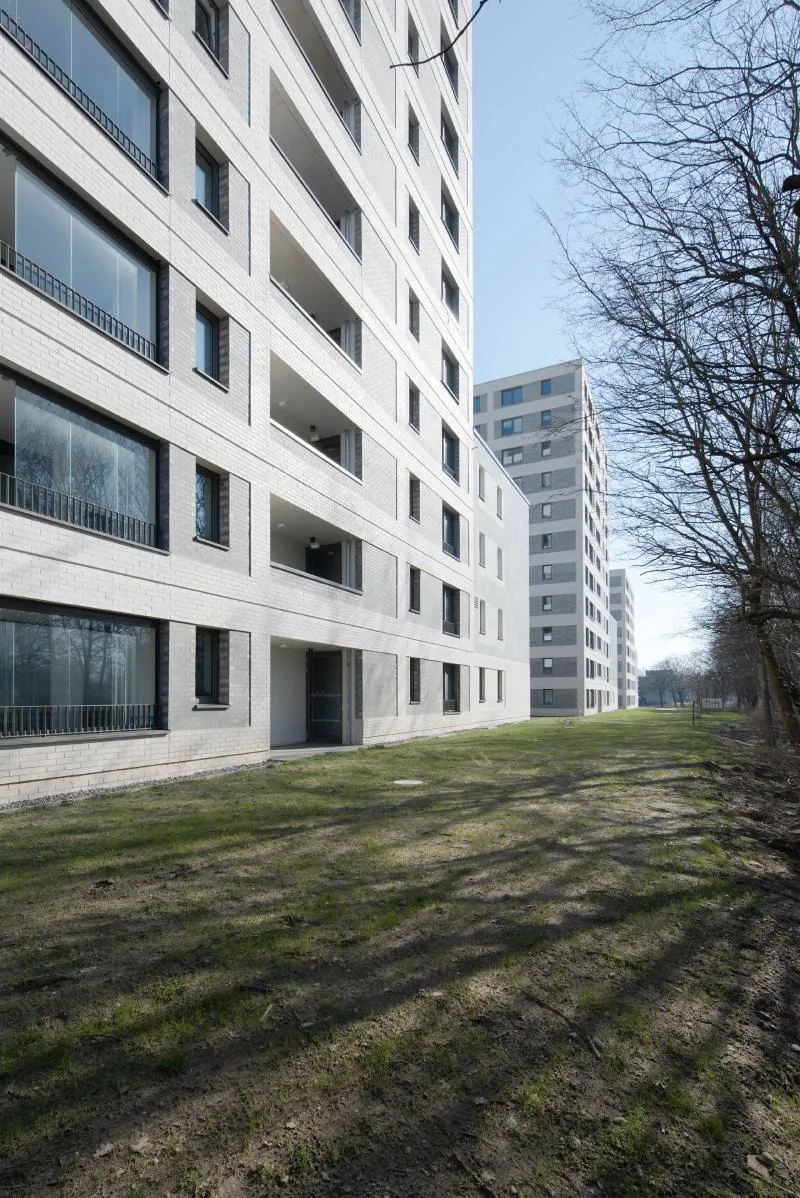
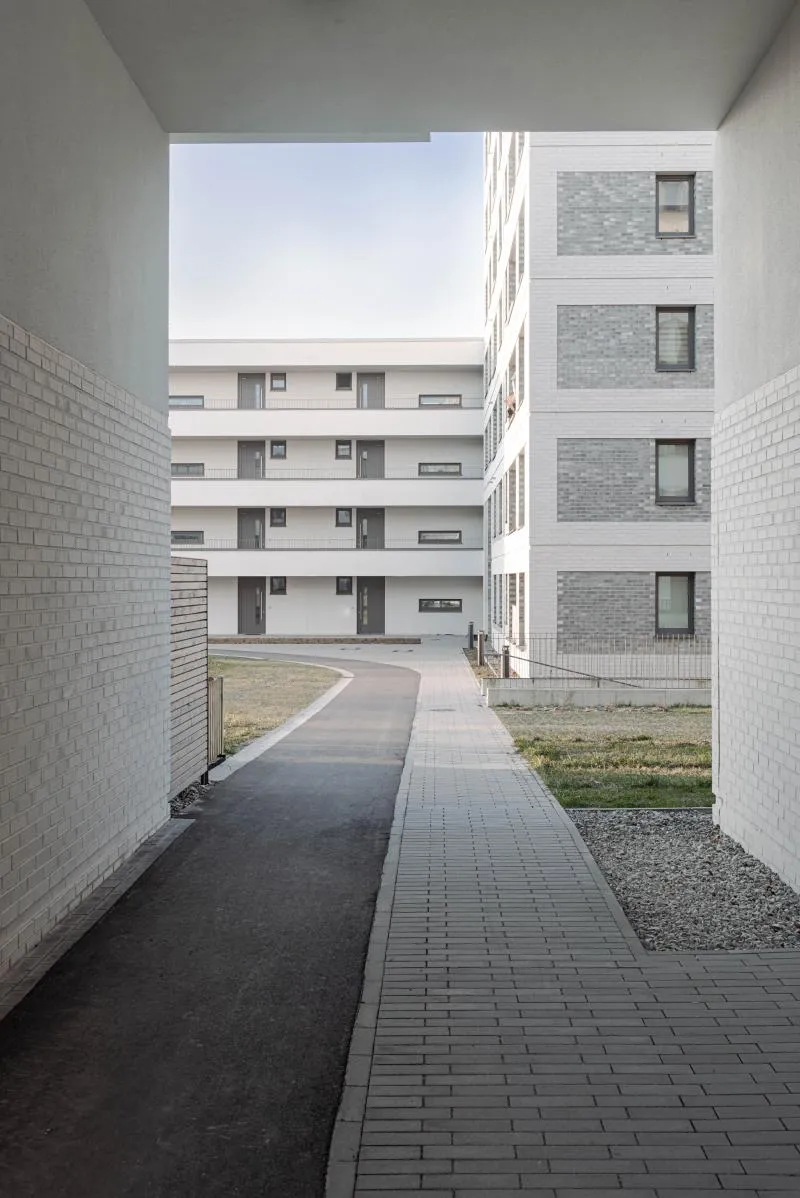
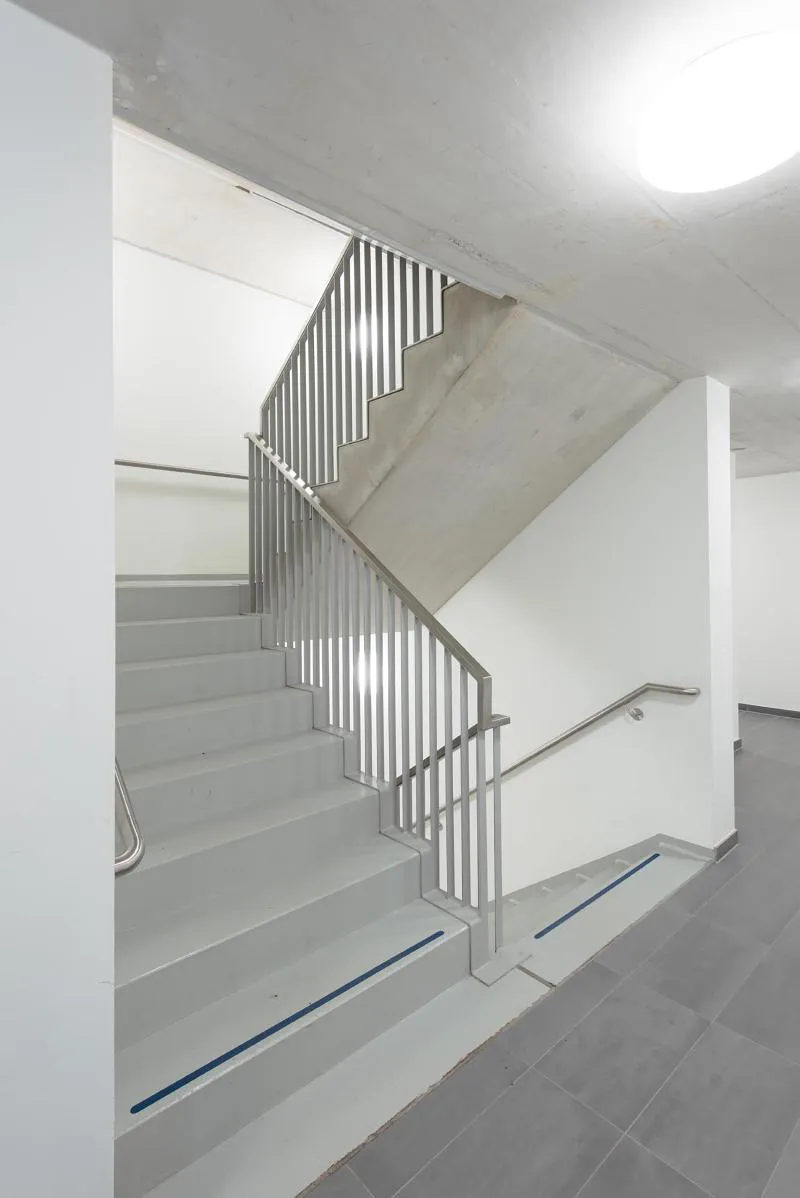
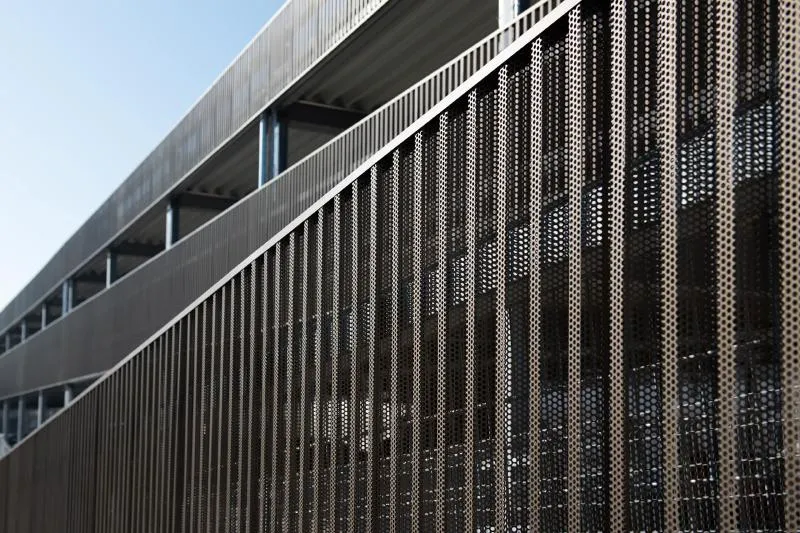
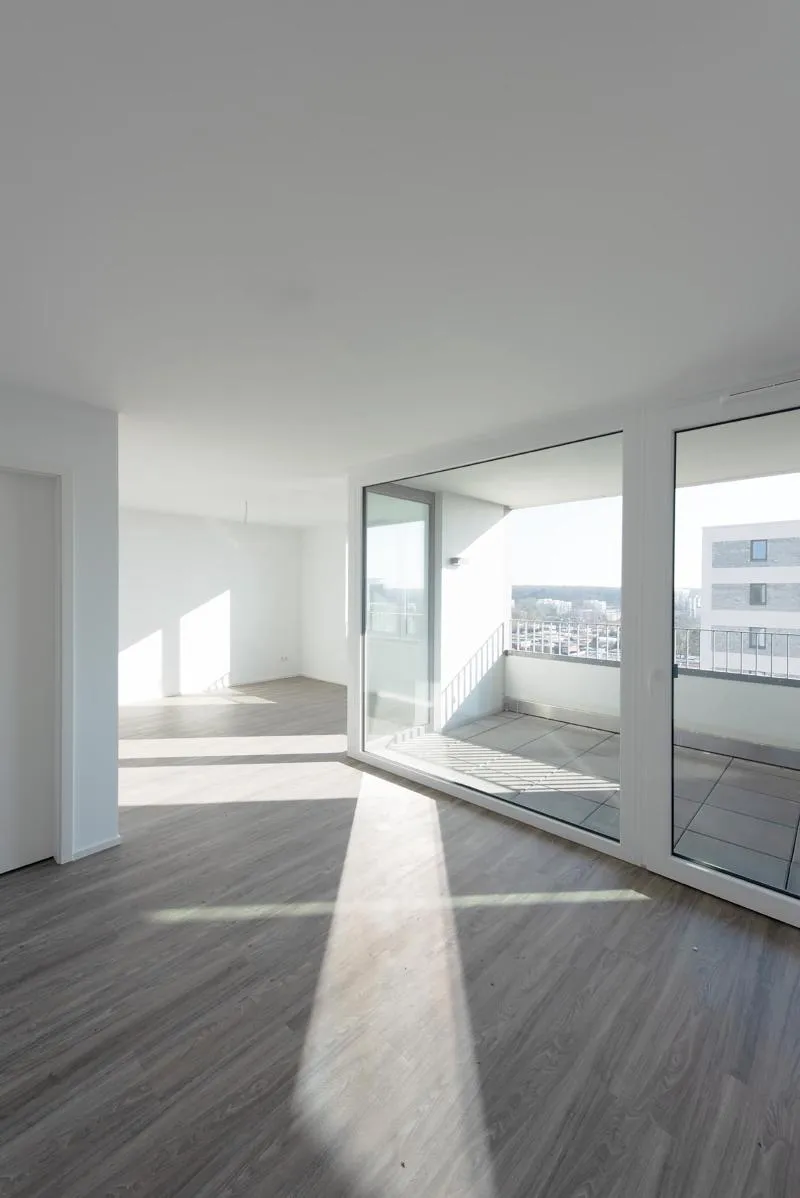
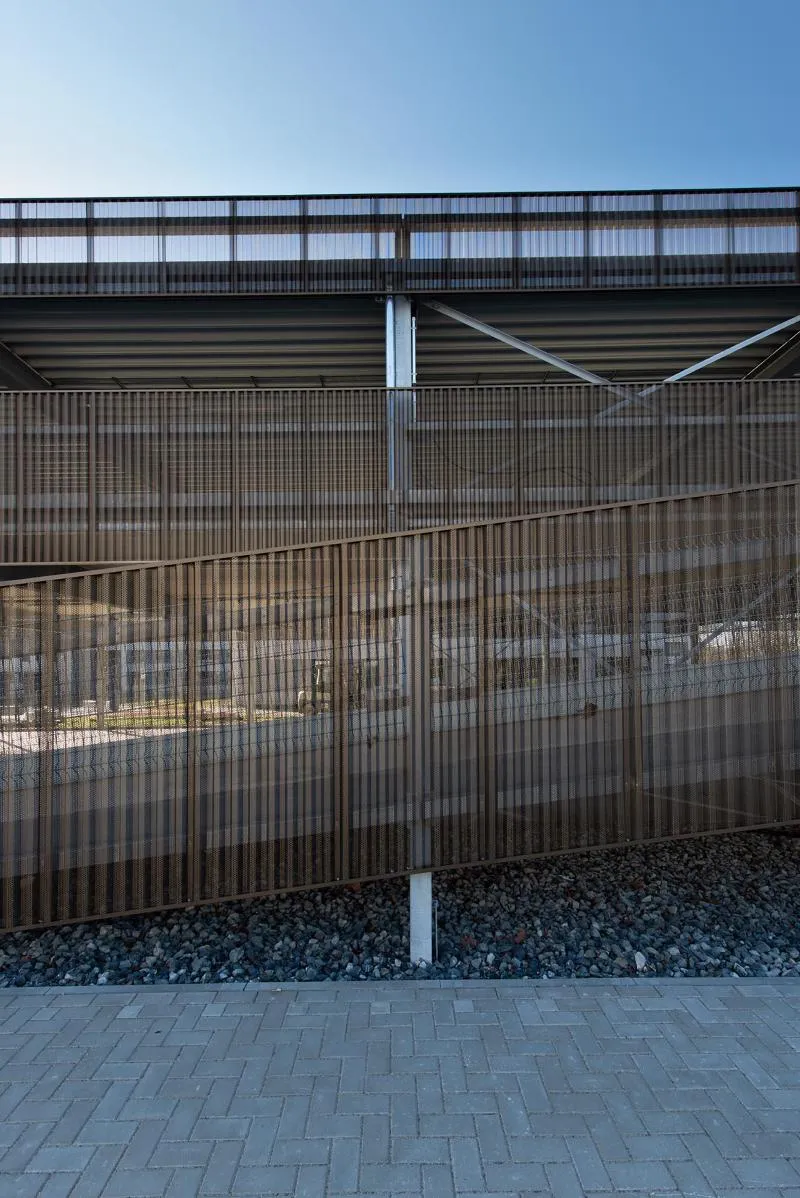
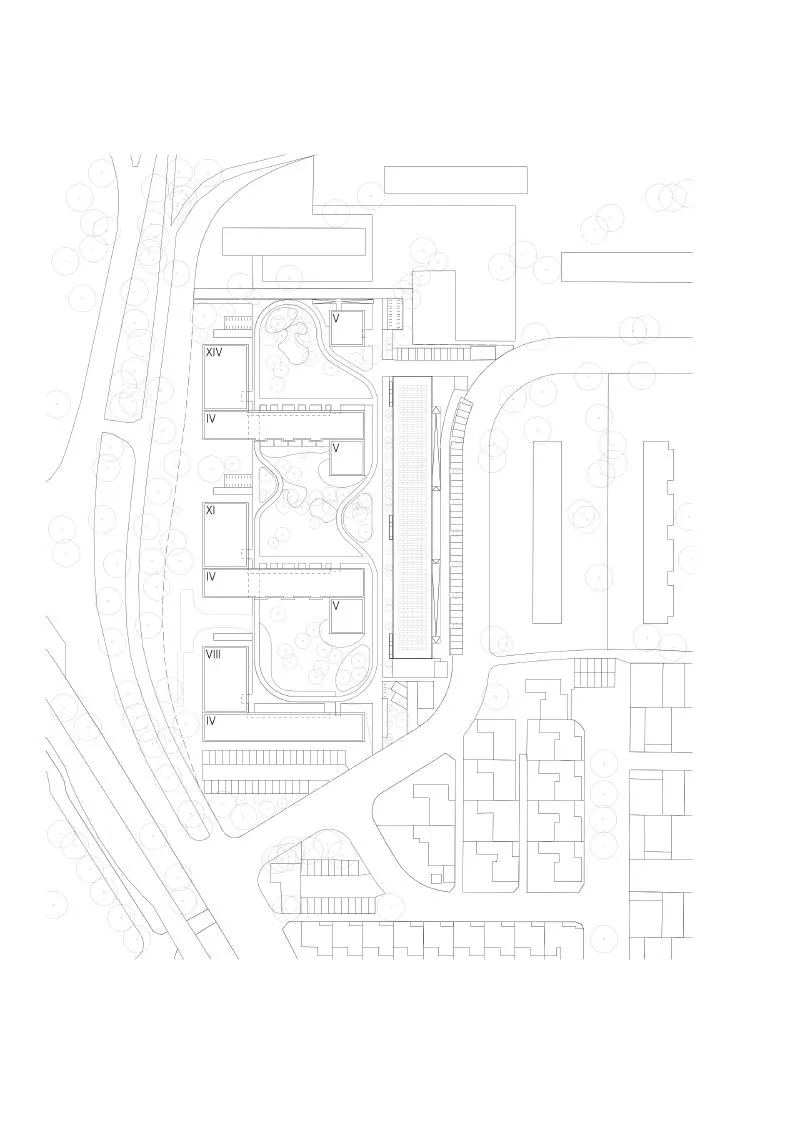
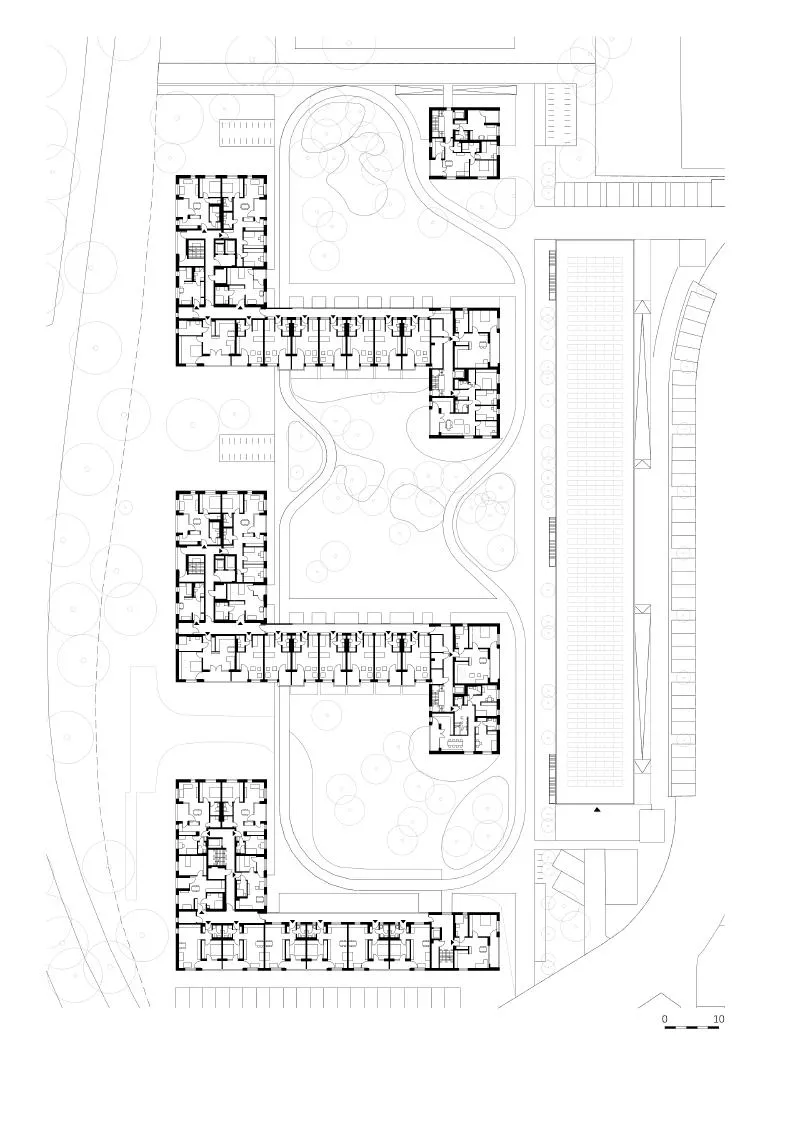
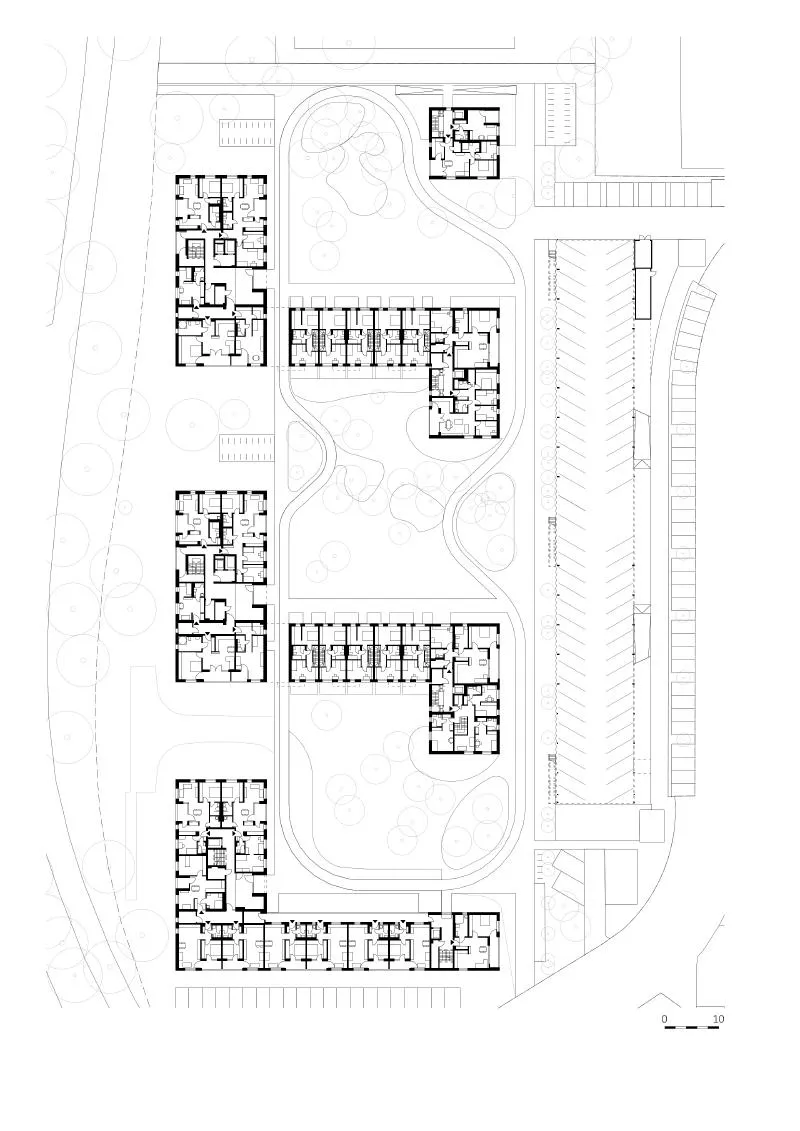
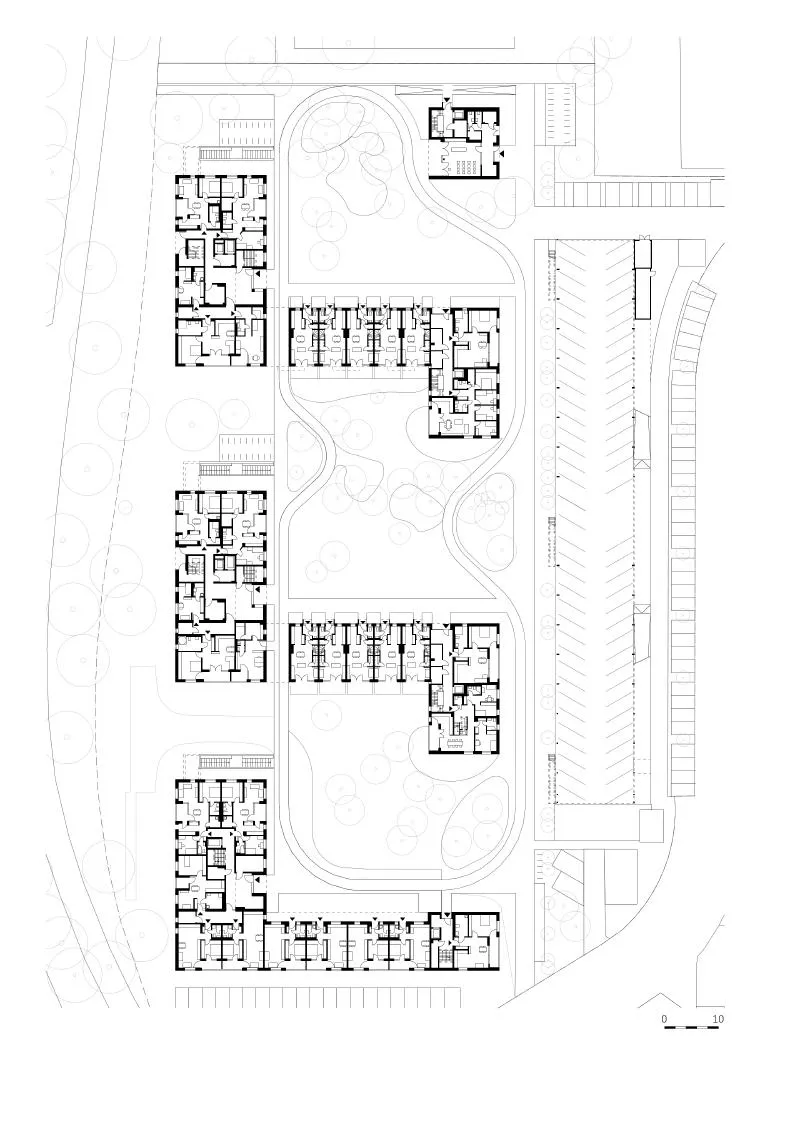
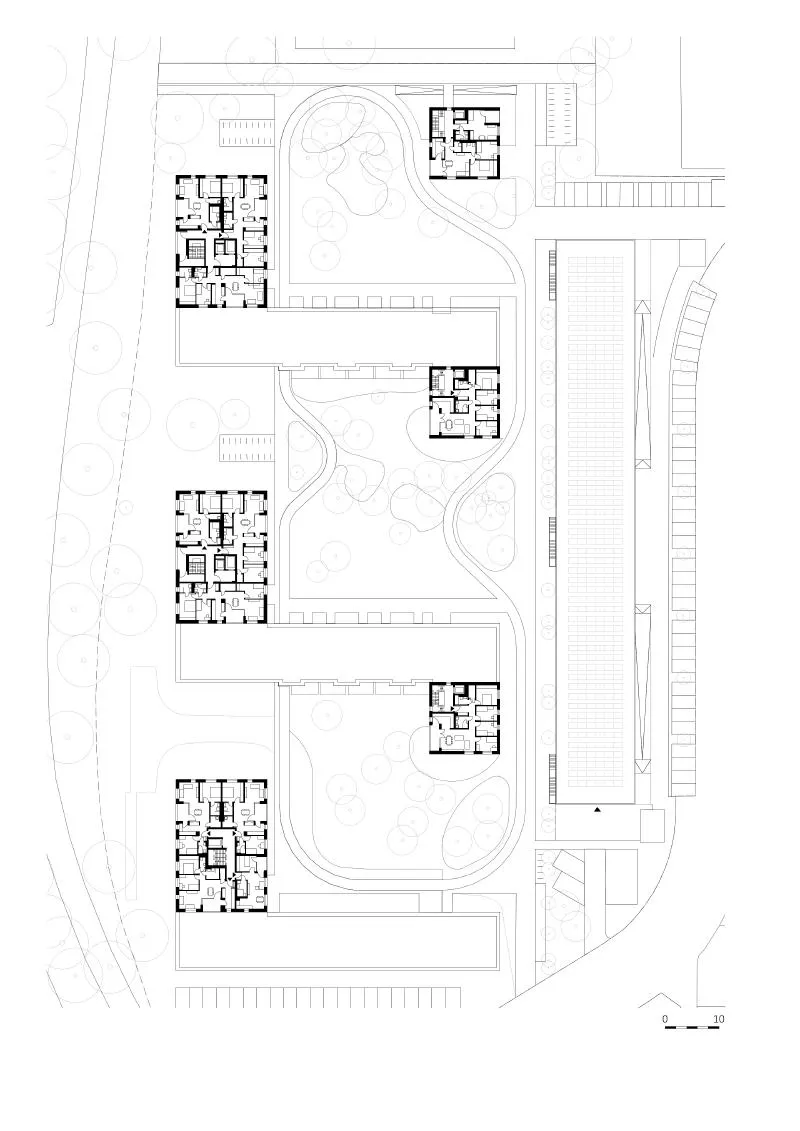
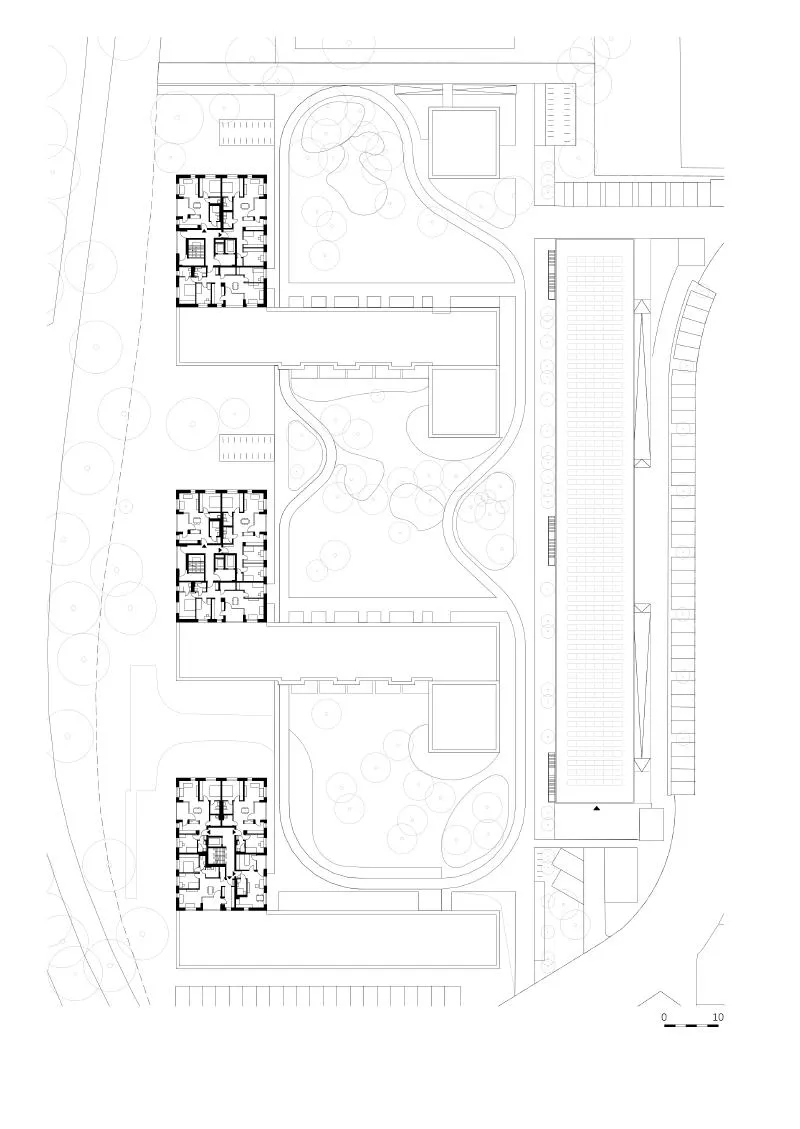
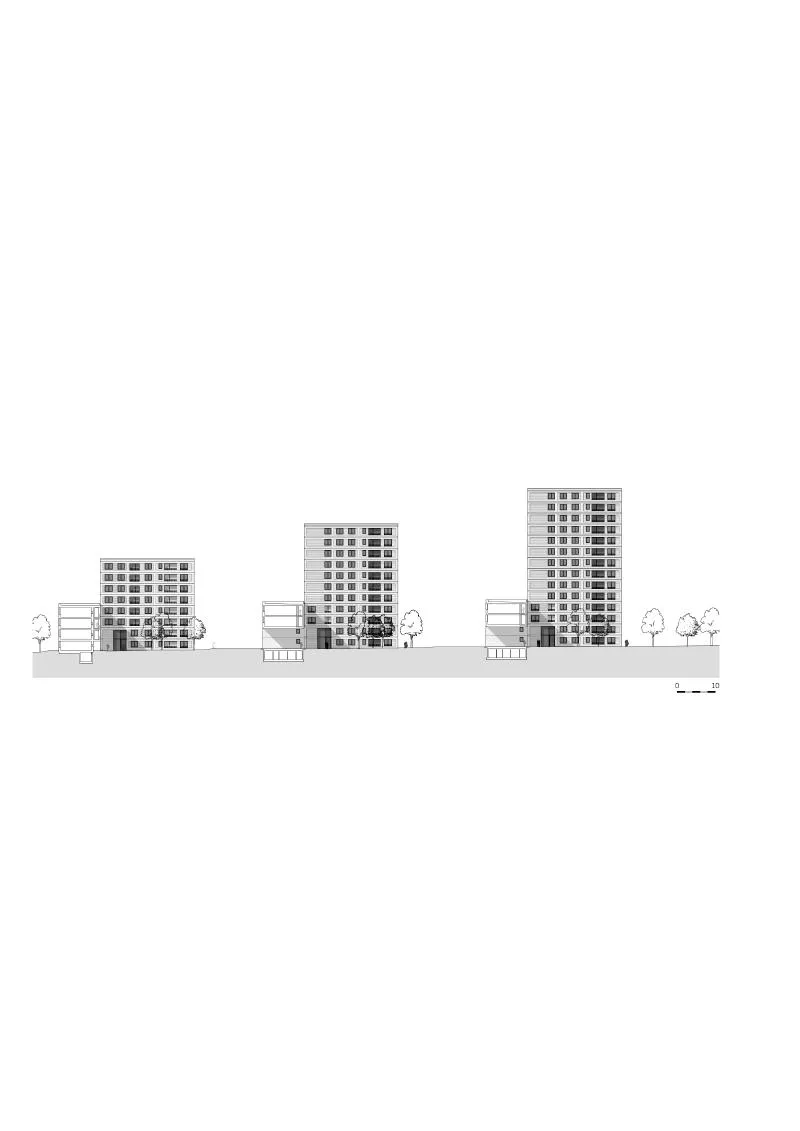
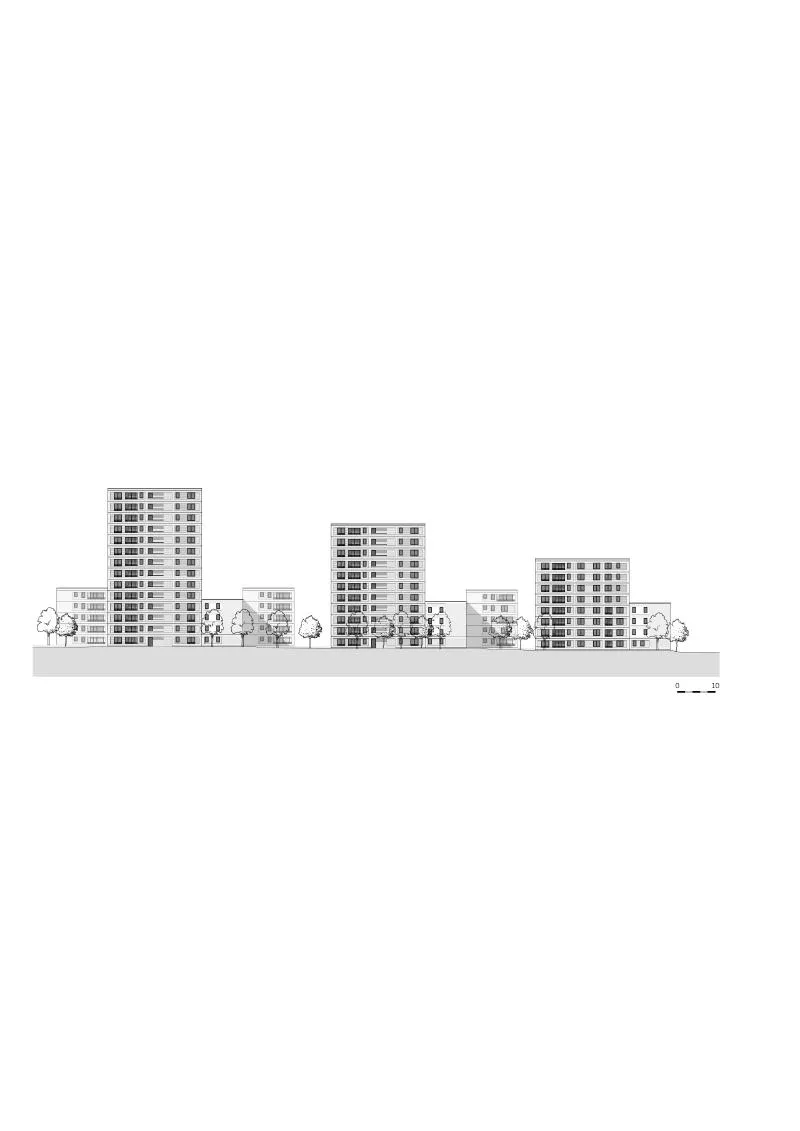
KURT 2.0 is being built in a typical large housing estate of the 1960s as a replacement for the distinctive „Stufenhochhaus“ by Paul Baumgarten, a terraced residential high-rise, which had to be demolished in 2018. Based on the typical linear buildings of the area, a structure of angular buildings was developed, which both opens up to the surrounding buildings and forms three spacious residential courtyards. A „loop“ connects the courtyards and entrances with each other and makes it possible to walk through the entire neighbourhood. The three-stepped high points trace the silhouette of the important predecessor building.
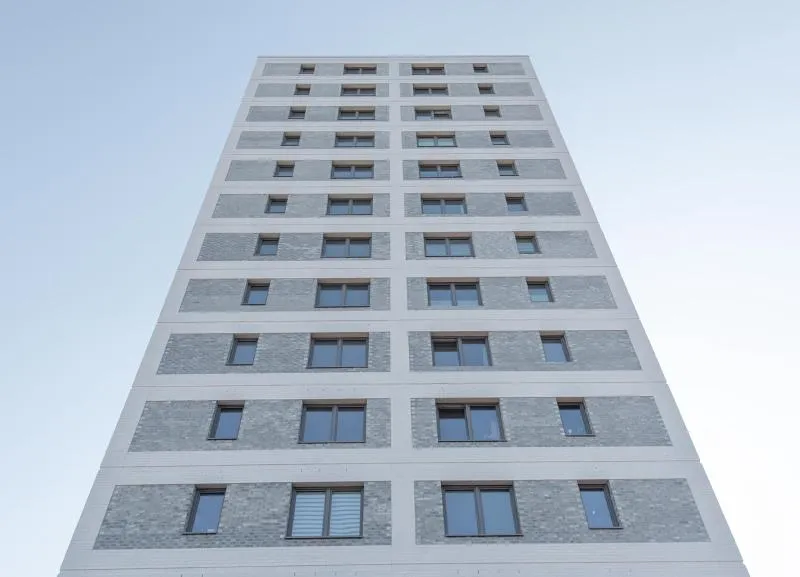
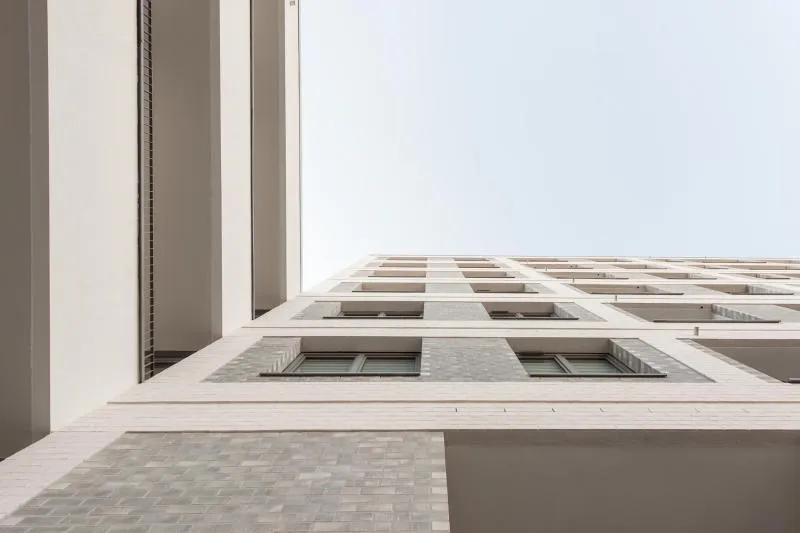
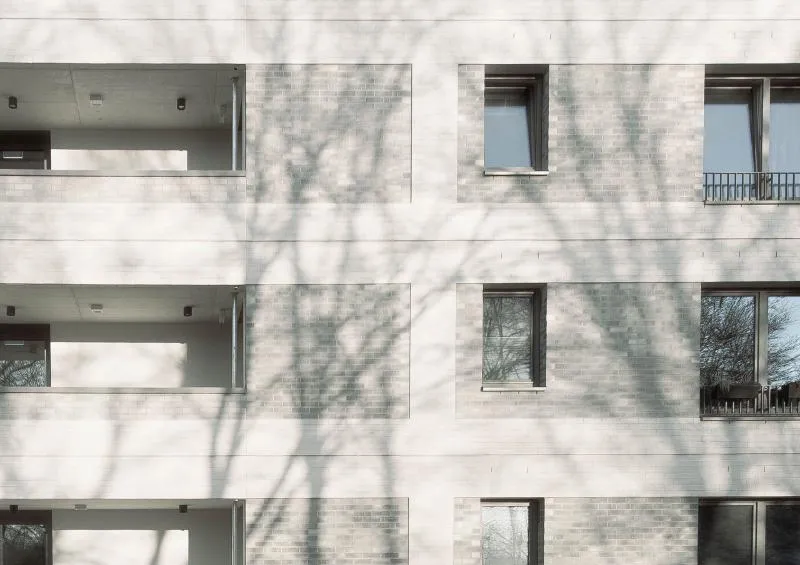
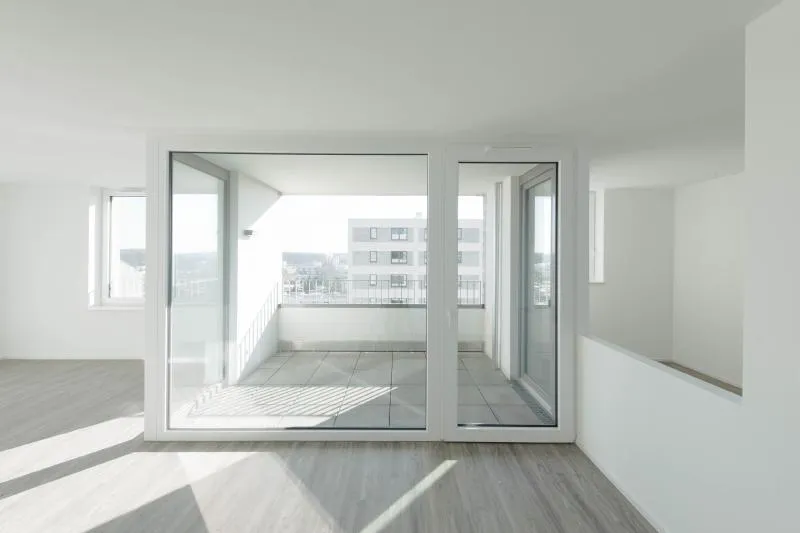
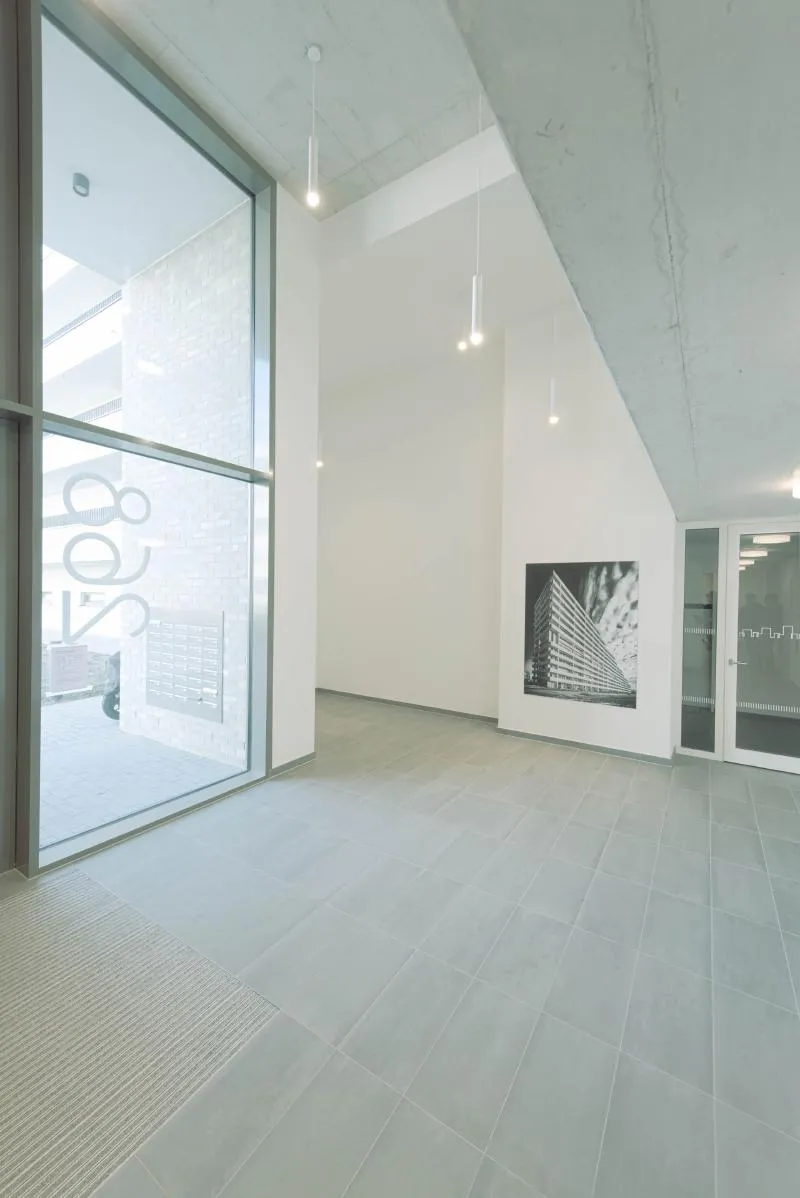
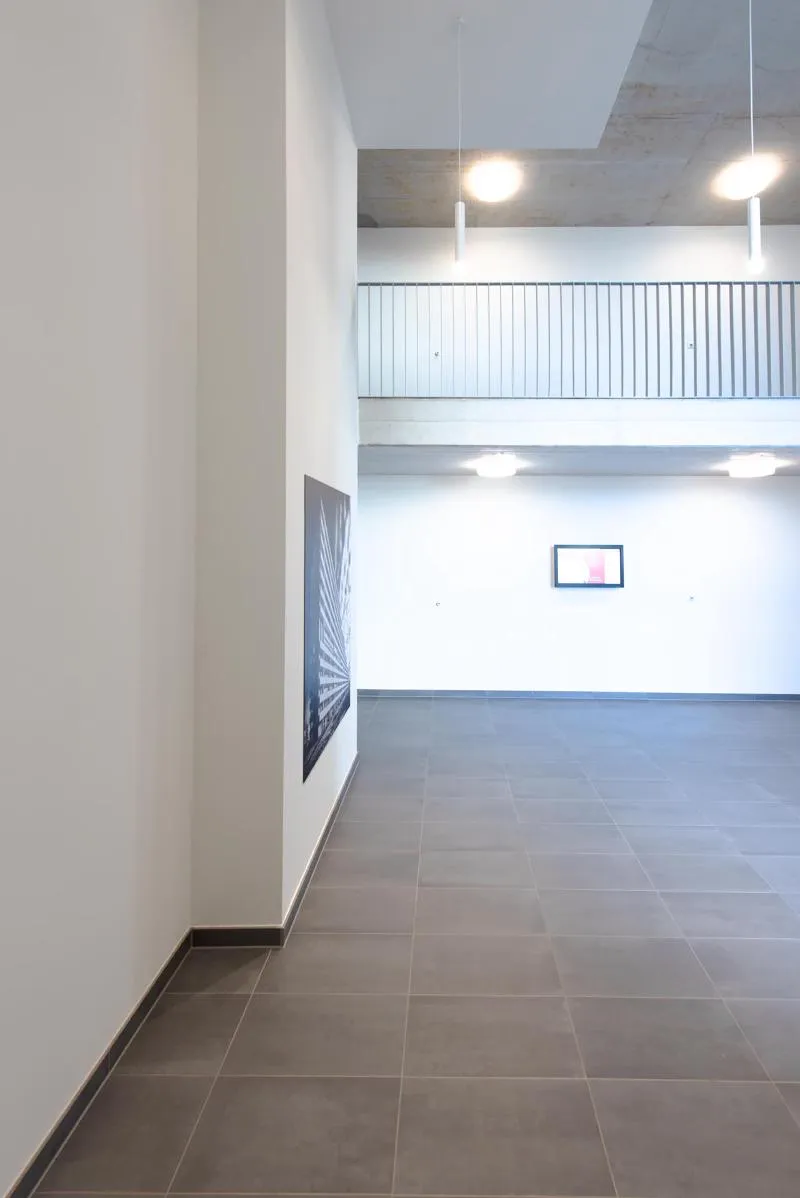
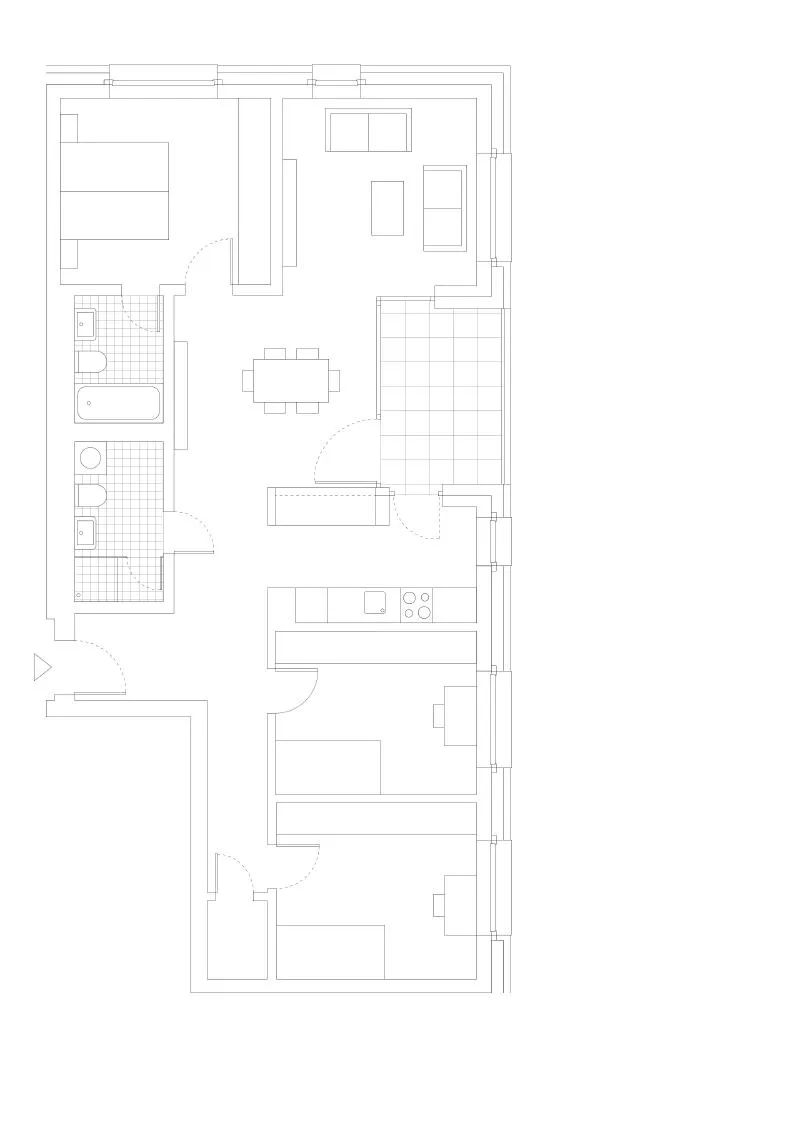
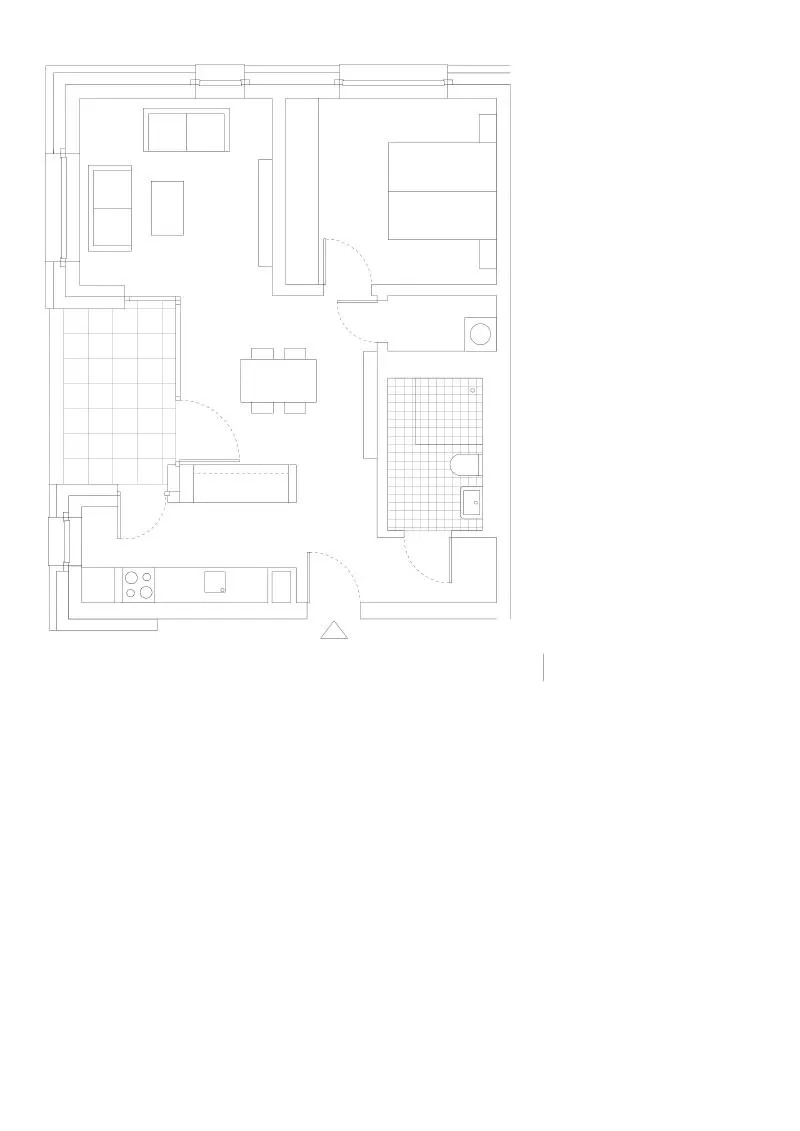
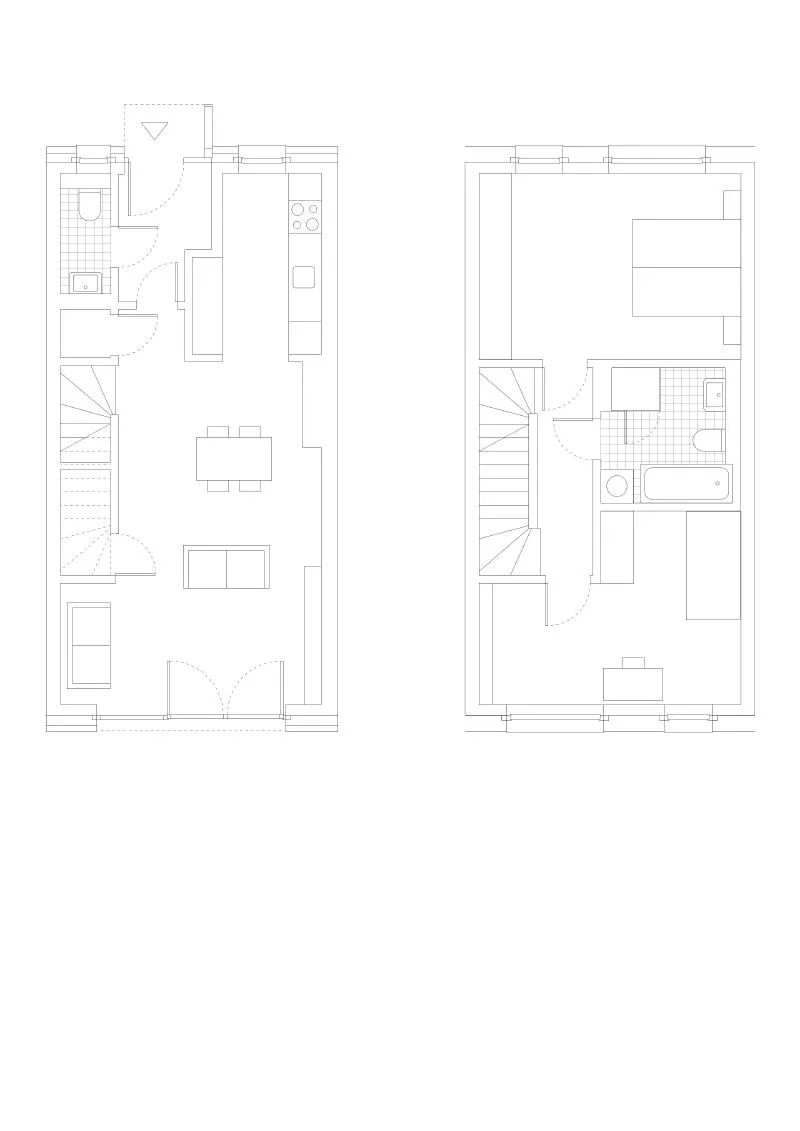
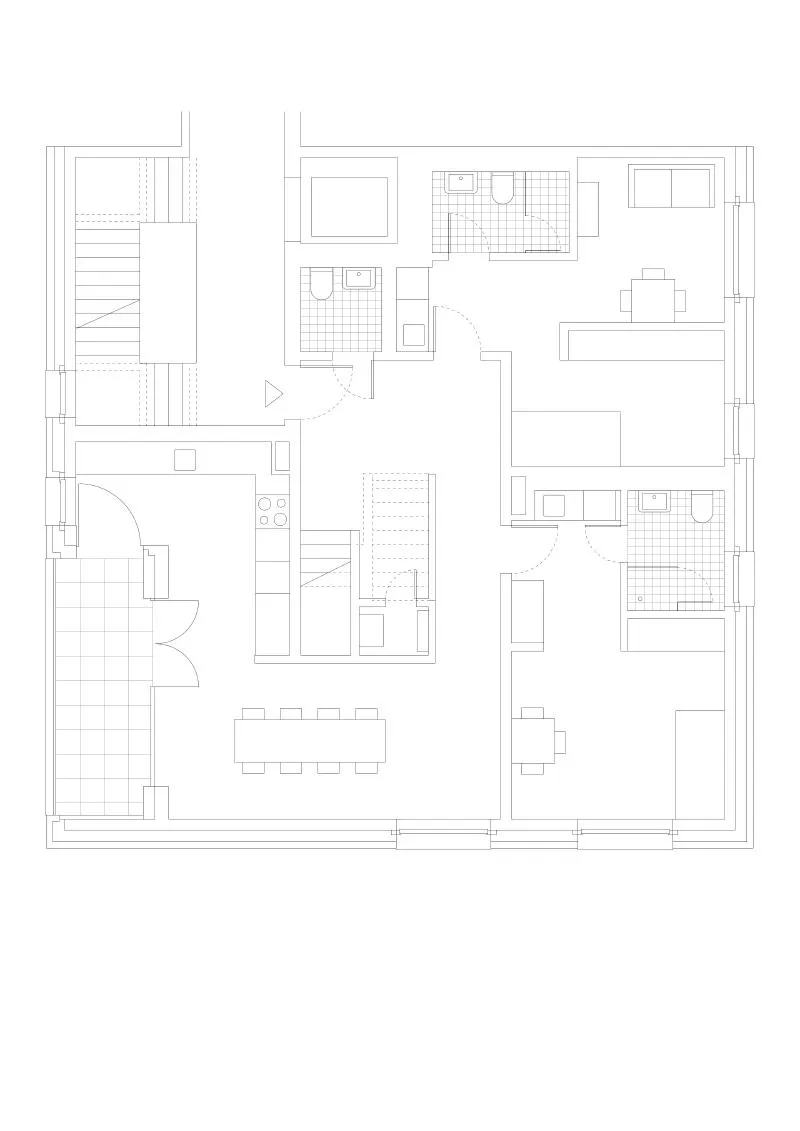
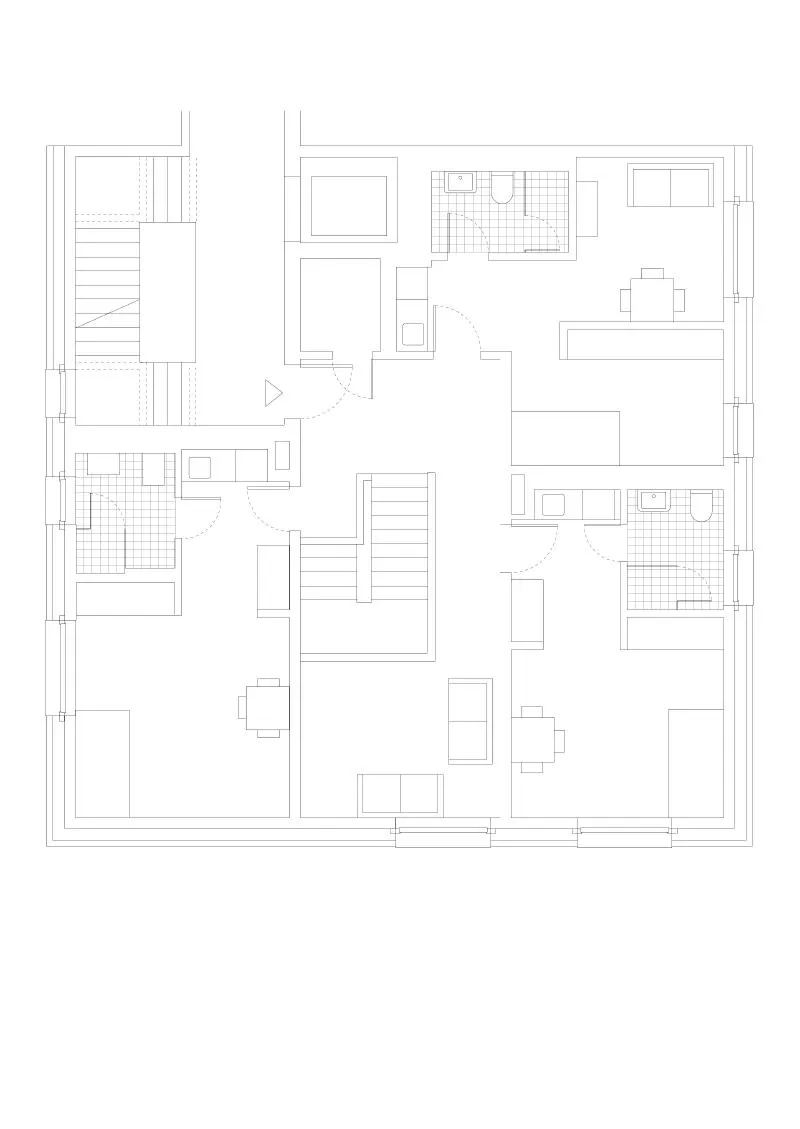
The angled volumes provide the basis for the apartment types (210 one to five-room apartments in total): Over- corner apartments in the high-rises, cluster apartments and „Durchwohnen“, three-sided apartments, in the head buildings, and south-facing apartments in the horizontal elongated parts of the building. Access balconies provide entrance to the smaller residential units and also to the maisonettes in a cost-effective manner. In addition, KURT 2.0 offers guest apartments, a multifunctional room as a neighbourhood meeting place and services such as e-car sharing and e-bike rental. Light-coloured clinker as the façade material blends the new buildings into Wolfsburg's "white district" and, in addition to design qualities, also meets all other requirements such as comfort, durability and economy. The window openings are grouped together by slightly recessed grey surfaces, and the horizontal arrangement again establishes references to the previous building.



Popular Articles
Popular articles from the community


Co-life: Sustainable Architecture for Age-Friendly Community Living
Co-life reimagines sustainable architecture for seniors through courtyards, rammed earth, shared gardens, and spaces designed for belonging.

The Musturak Paradise: Senior Living Architecture for a Connected Future in Temara, Morocco
The Musturak Paradise reimagines senior living architecture in Temara via private homes, social spaces, culture, community, and shared care.

Lunar Spiral: Space Architecture Shaped by the Mathematics of the Universe
Lunar Spiral reimagines space architecture through Fibonacci geometry, lunar regolith, levitating habitats, and self-sustaining Moon living.

Conexión: Biophilic Design Reimagines High-Rise Living in Hong Kong
Conexión reimagines high-rise living in Hong Kong through biophilic design, green facades, shared spaces, daylight, water and nature within.
Similar Reads
You might also enjoy these articles
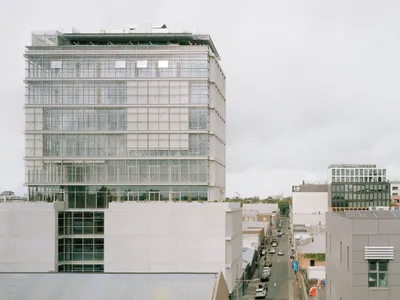
116 Rokeby Building, Collingwood
Sustainable Collingwood office building featuring double-skin façade, natural ventilation, rooftop amenities, and carbon-neutral design focused on wellbeing and longevity.
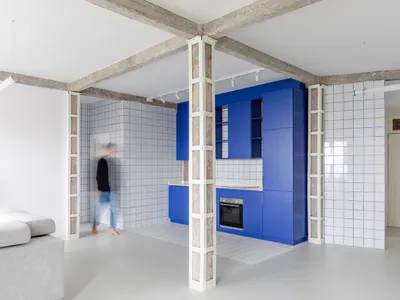
Contemporary Apartment Renovation in Spain: RV House by BIAN Opens Up to the Sea
A minimalist 1930s apartment in Santander is transformed into a flexible, sea-facing home through contemporary Spanish renovation.
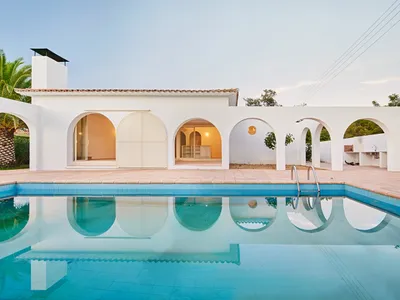
3 Marías House: A Contemporary Mediterranean Courtyard Retreat by Bajet Giramé + Burckhardt
Mediterranean courtyard home blending traditional architecture with modern design, terracotta flooring, flexible interiors, sustainable climate strategies, and garden integration.
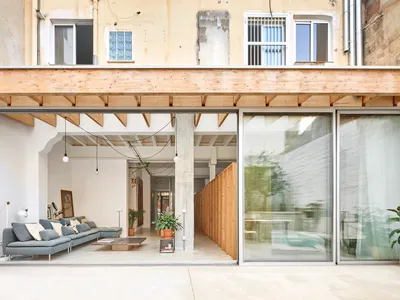
NZ10 Apartment by auba studio: Adaptive Reuse in Palma de Mallorca
Adaptive reuse apartment transforms bakery into light-filled home with patios, privacy layers, and wood interiors enhancing urban living experience.


Explore New Bauhaus Competitions
Discover active competitions in this discipline



Challenge to reimagine the Iron Throne


Photograph architecture without architects


Illustrate the lost glory of Angkor Wat - Render Challenge


Design challenge to reuse E-waste
Comments (0)
Please login or sign up to add comments
No comments yet. Be the first to comment!