
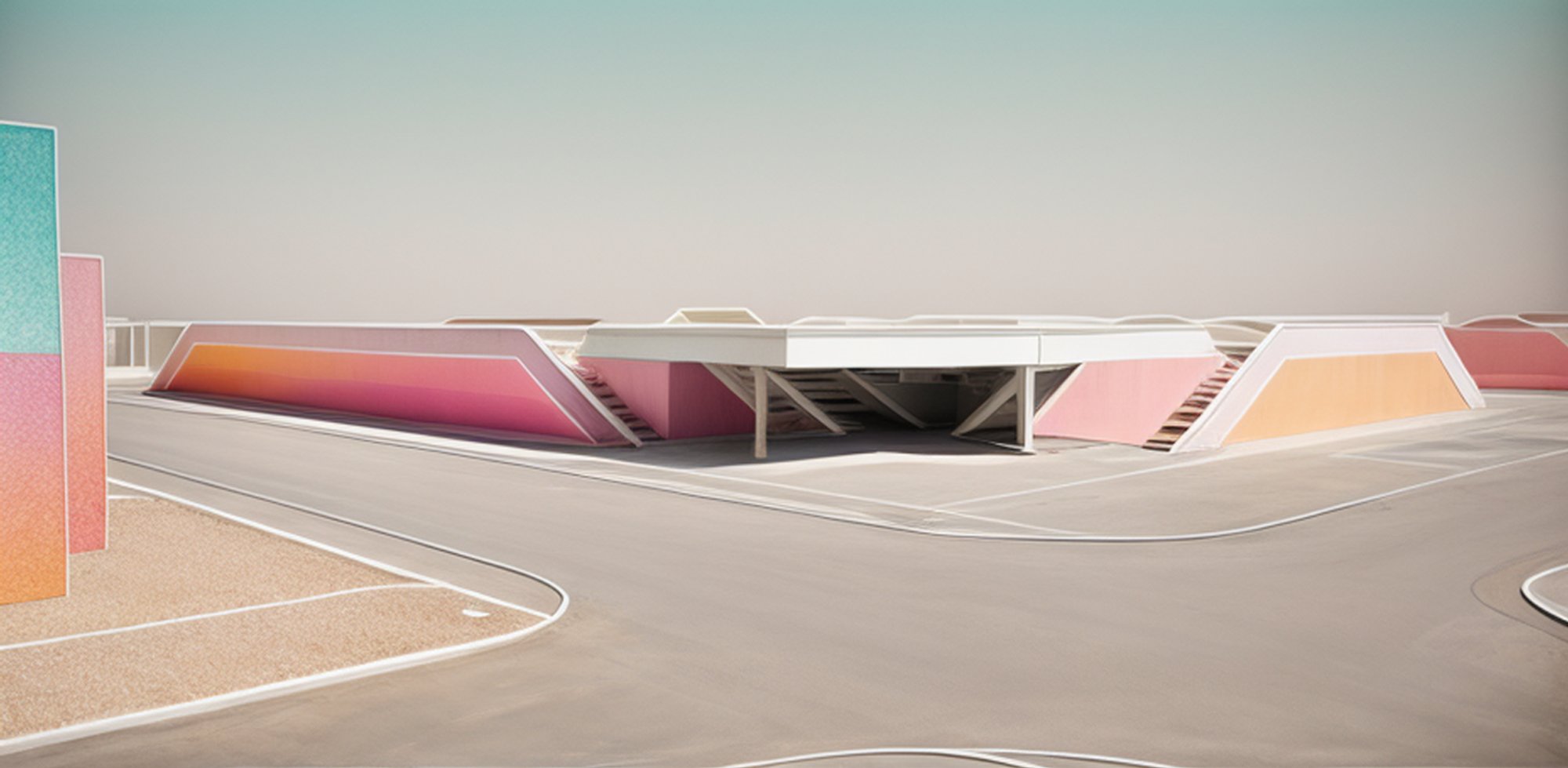
See Green - A Sustainable Oasis in Curitiba's Capão da Imbuia Neighborhood
Breathing new life into a Curitiba neighborhood through innovative and community-focused design.

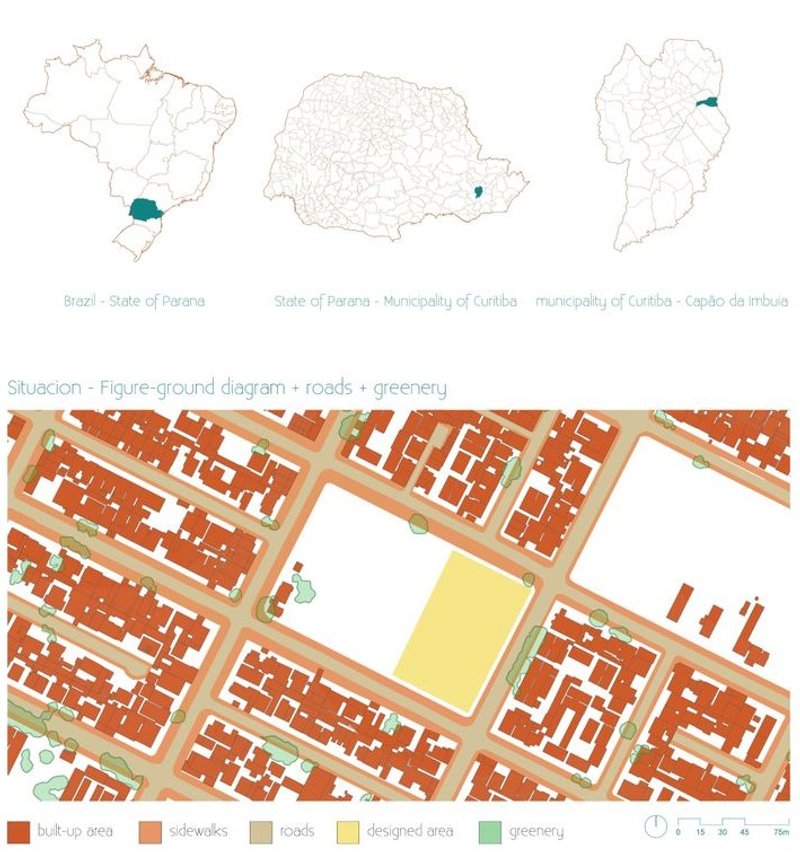
"See Green - Sustainable Public Space" project, a People's Choice Award entry by Milan Pokrývka for the See Green competition. This urban design initiative envisions a vibrant and sustainable public space in Capão da Imbuia, a neighborhood in Curitiba, Brazil. Through an analysis of the existing urban fabric and community needs, the project proposes a dynamic and interconnected space that promotes social interaction, environmental responsibility, and improved quality of life.
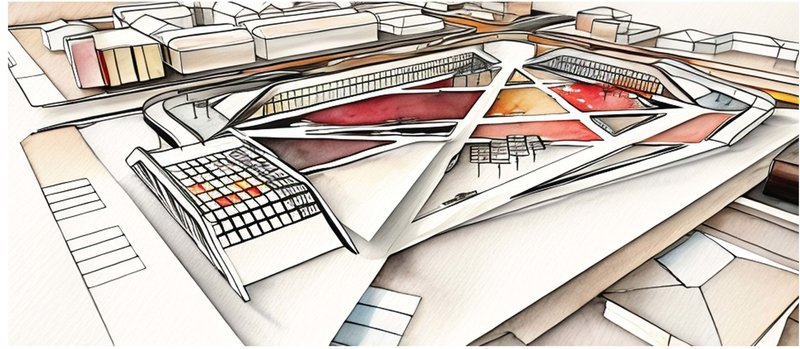
A Response to Urban Challenges
Capão da Imbuia, like many urban areas, faces challenges related to social equity, environmental sustainability, and the provision of adequate public spaces. Pokrývka's project addresses these challenges head-on by proposing a multi-functional public space that integrates green infrastructure, community facilities, and recreational areas. This holistic approach aims to create a space that caters to the diverse needs of the community while promoting a sense of belonging and ownership.
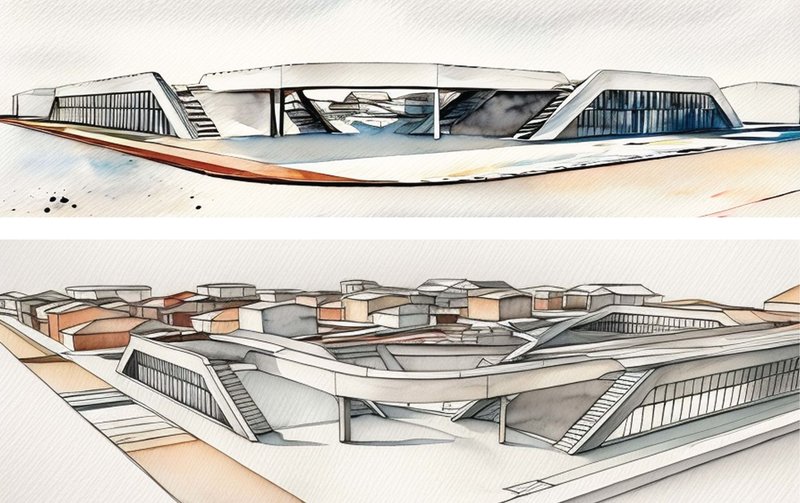
Design Concept and Key Features
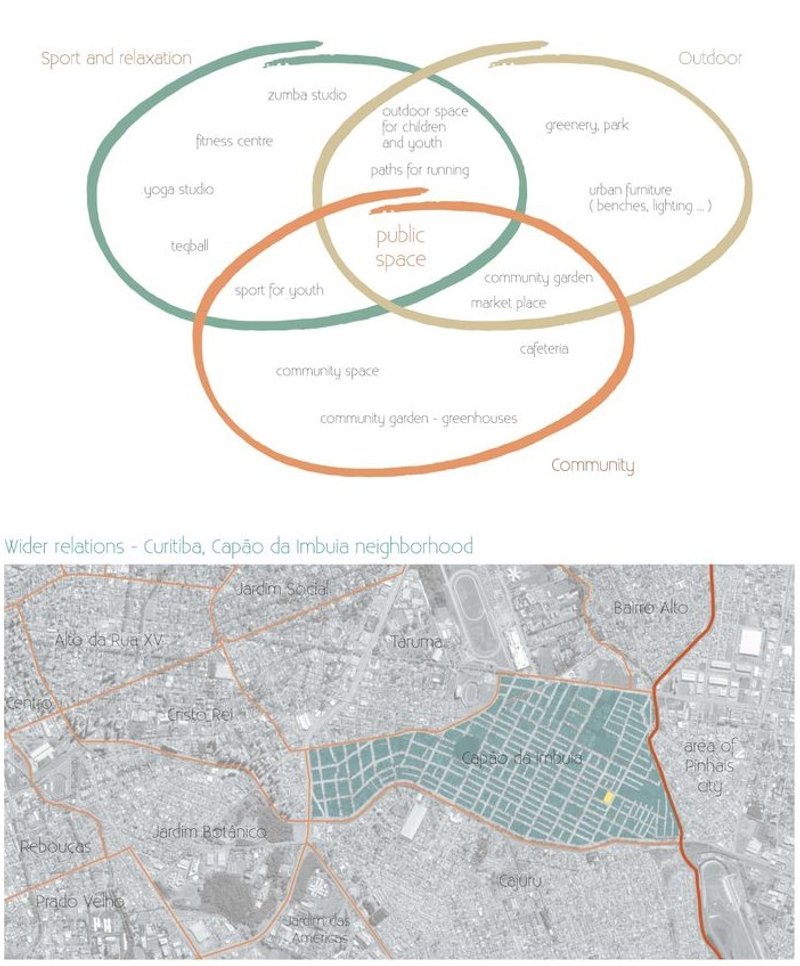
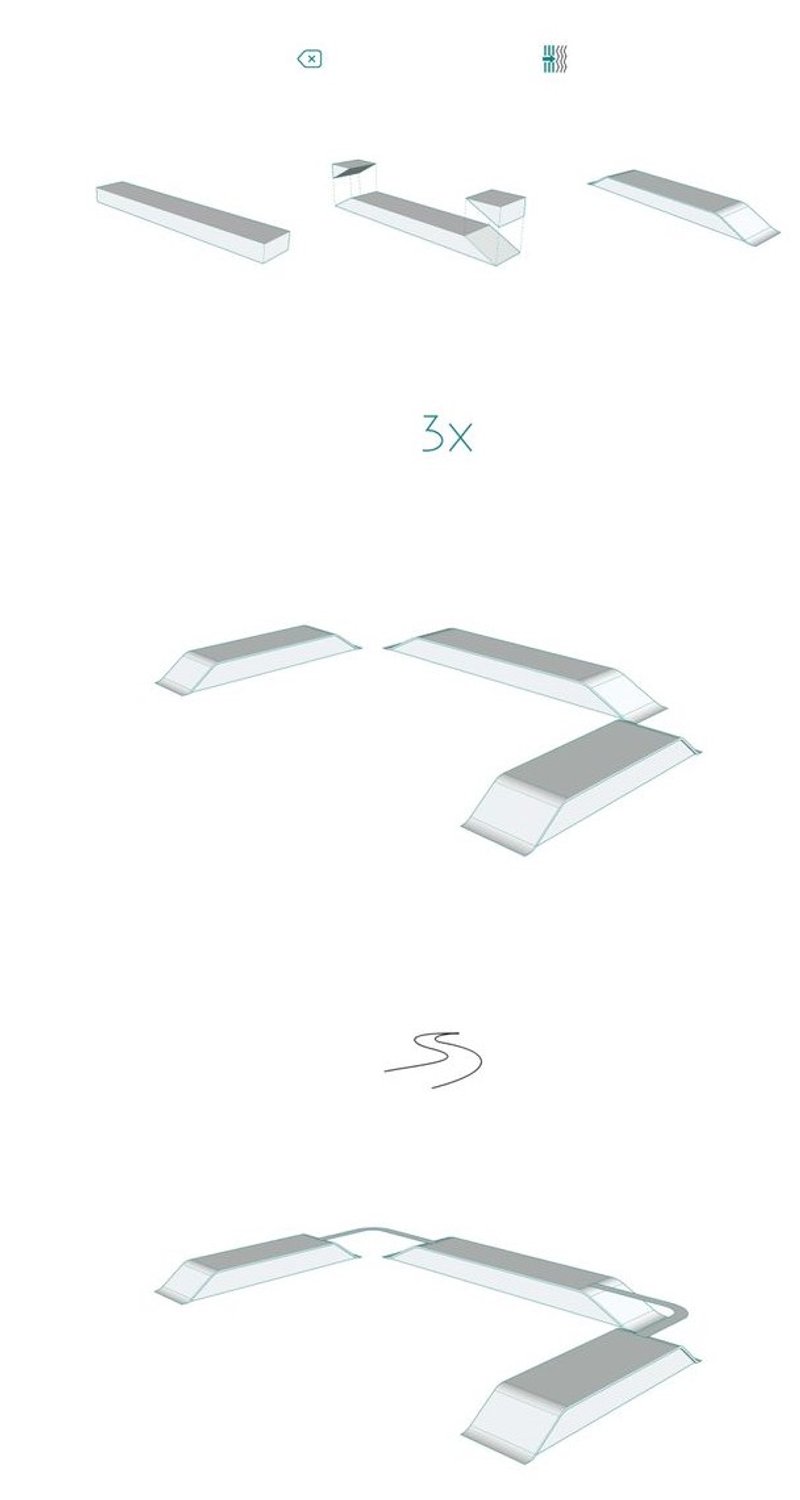
The design revolves around the concept of "three masses," strategically positioned to create a dynamic and interconnected public realm. These masses house a variety of functions, including:
Community Center: This central hub provides a space for social gatherings, workshops, and community events..
Fitness Center and Cafeteria: Promoting health and well-being, this area encourages physical activity and social interaction.
Community Greenhouse: Fostering environmental awareness and sustainable practices, the greenhouse provides a space for urban gardening and community engagement with nature.
In addition to these key structures, the design incorporates:
Outdoor Gathering Spaces: Plazas and open areas encourage community interaction and provide flexible spaces for events and activities.
Playgrounds: Dedicated play areas cater to children of different age groups, promoting physical activity and social development.
Green Infrastructure: Extensive green spaces, including community gardens and green roofs, enhance biodiversity, improve air quality, and contribute to a healthier urban environment.
Connectivity: A network of pedestrian walkways and bike paths promotes accessibility and encourages non-motorized transportation.
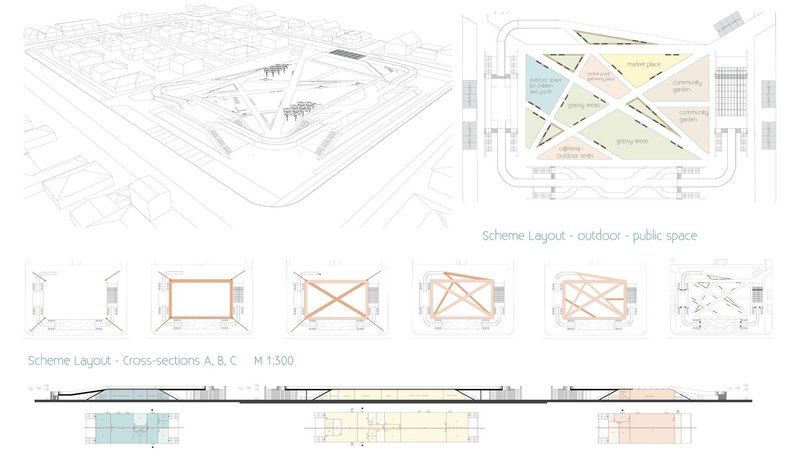
Sustainability at the Core
The "See Green" project prioritizes sustainability in several ways:
Green Building Practices: The design incorporates sustainable materials and construction techniques to minimize the environmental impact of the structures.
Water Management: Rainwater harvesting and greywater recycling systems reduce water consumption and promote responsible water management.
Energy Efficiency: Passive solar design strategies and energy-efficient building systems minimize energy use.
Urban Greenery: The incorporation of green roofs, community gardens, and permeable surfaces contributes to urban heat island reduction and promotes biodiversity.
Community Impact and Social Benefits
The project's emphasis on community engagement and social inclusion is evident throughout the design. By providing a diverse range of amenities and fostering a sense of place, the "See Green" project aims to:
Strengthen Community Bonds: Shared spaces and community facilities encourage interaction and collaboration among residents.
Promote Social Equity: The design ensures accessibility for people of all ages and abilities, creating an inclusive environment.
Improve Quality of Life: By providing access to recreational opportunities, green spaces, and community services, the project enhances the overall quality of life for residents.
Stimulate Local Economy: The public space can act as a catalyst for local economic development by attracting visitors and supporting small businesses.
An Exemplar of Sustainable Urban Design
The "See Green - Sustainable Public Space" project exemplifies how innovative design can transform urban areas into thriving, equitable, and environmentally responsible spaces. By prioritizing community needs, sustainability principles, and social inclusion, the project offers a compelling vision for the future of Capão da Imbuia and serves as an inspiration for similar initiatives worldwide.




Popular Articles
Popular articles from the community

Louis Malle Cinema: A Limestone Cultural Landmark Revitalizing Community Life in Prayssac
Limestone cinema extension with public forecourt, blending heritage and modern design to create flexible cultural spaces and strengthen community interaction.
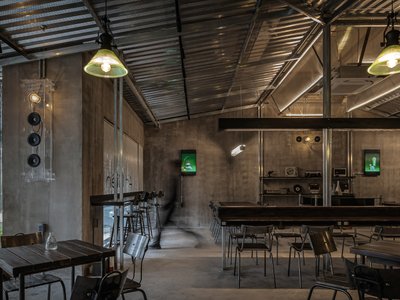
An Miên Lumière Cafe by xưởng xép, Ho Chi Minh City, Vietnam
An industrial-inspired café where layered steel and warm light create a dynamic, immersive environment shaped by reflection, depth, and perception.
Solar Steam: A Climate-Responsive Architecture That Redefines the Monument
A climate-responsive memorial architecture that transforms heat, decay, and time into a living system reflecting humanity’s ecological impact.


The Ken Roberts Memorial Delineation Competition (Krob)
As the most senior architectural drawing competition currently in operation anywhere in the world, it draws hundreds of entries each year, awarding the very best submissions in a series of medium-based categories.


Similar Reads
You might also enjoy these articles
The Ken Roberts Memorial Delineation Competition (Krob)
As the most senior architectural drawing competition currently in operation anywhere in the world, it draws hundreds of entries each year, awarding the very best submissions in a series of medium-based categories.
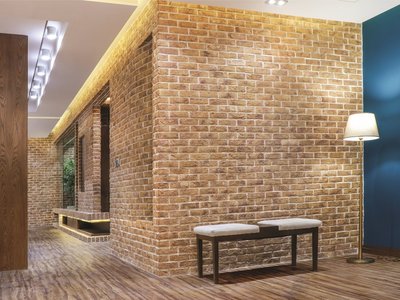
A Contemporary Take on Iranian Residential Architecture
A modern interior design in Mashhad that reinterprets brick, light, and spatial flow to create a warm, contemporary residential architecture.
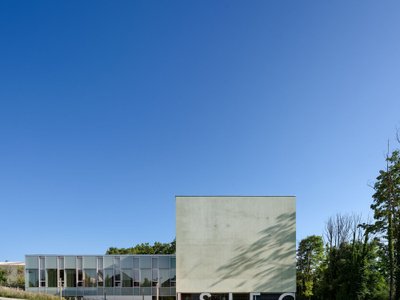
Franche-Comté Advanced School of Engineering by Dominique Coulon & associés, Besançon
A flexible engineering school immersed in woodland, combining concrete minimalism, adaptable spaces, and natural light to support evolving educational environments.

Documentation Work on Buddhist Wooden Temple
Architectural syncretism and cultural hybridity: A comparative study of the Buddhist temples in Chattogram Hill tracks

Explore Public Building Competitions
Discover active competitions in this discipline




The Global Benchmark for Architecture Dissertation Awards

Challenge to design locus for the upliftment of human rights

Challenge to design a learning and healing center

Challenge to re-imagine a department store in present times
Comments (0)
Please login or sign up to add comments
No comments yet. Be the first to comment!