
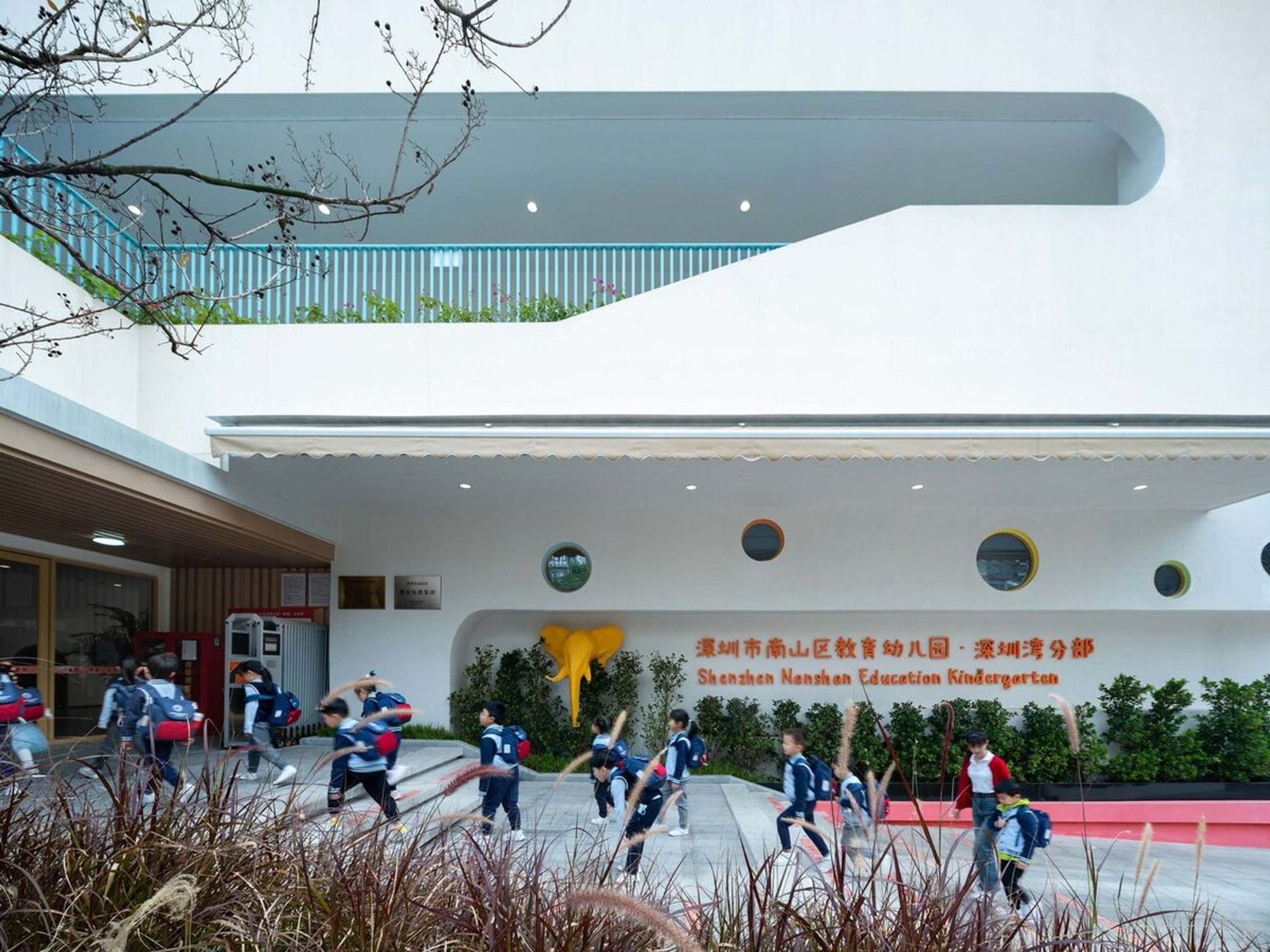
Shenzhen Nanshan Education Kindergarten by Shenzhen TIANHUA Architectural Design: A Vertical Oasis of Learning in a Dense Urban Core
A terraced kindergarten in Shenzhen blending play, nature, and city views through biophilic design and child-centered architectural elements.

Located in the heart of the high-density Shenzhen Bay area, the Shenzhen Nanshan Education Kindergarten, designed by Shenzhen TIANHUA Architectural Design, reimagines early childhood education environments within compact urban settings. Spanning 13,248 square meters, the kindergarten serves 21 classes and over 630 children, pushing the boundaries of traditional school design through innovative spatial planning, biophilic integration, and child-centric architecture.
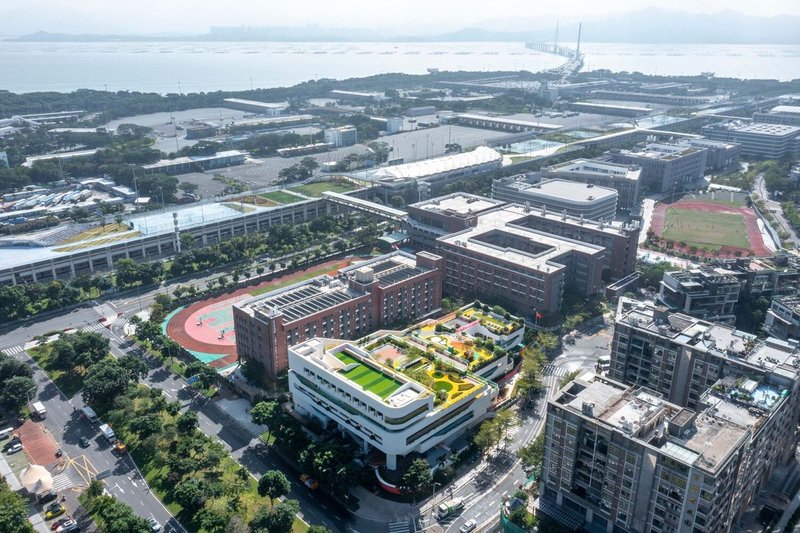
Design Philosophy: Terraced Campus and Bonsai Landscape
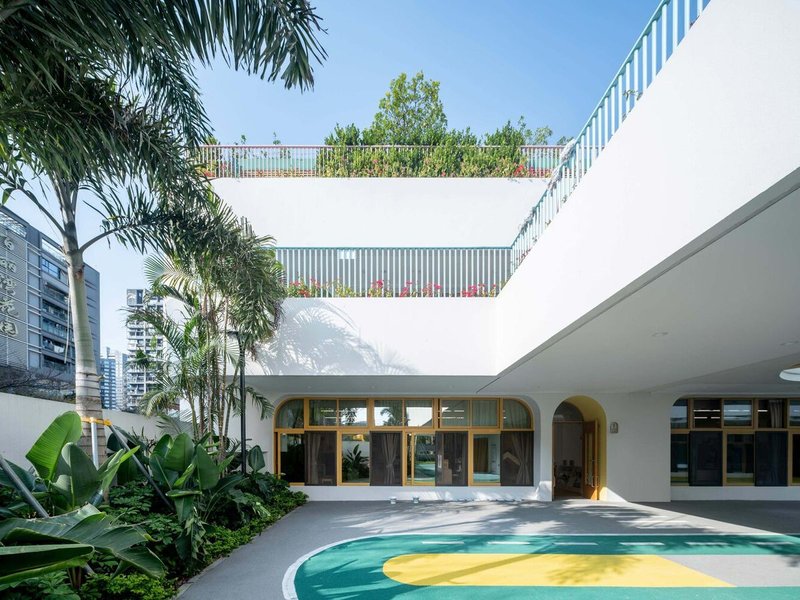
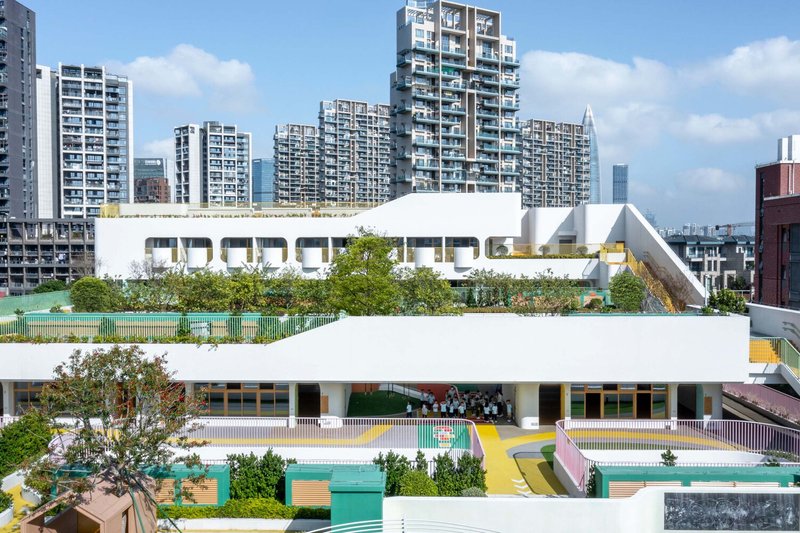
Faced with the challenge of creating expansive outdoor spaces in a tight urban plot, the architects introduced the concept of a “Terraced Campus, Bonsai Landscape”. The design steps down from north to south, relieving pressure on the southern side and opening views while forming a striking profile along the urban street edge. This layered architectural form mimics terraced hillsides and invites a continuous interaction between nature and play.
Urban Integration and Civic Presence
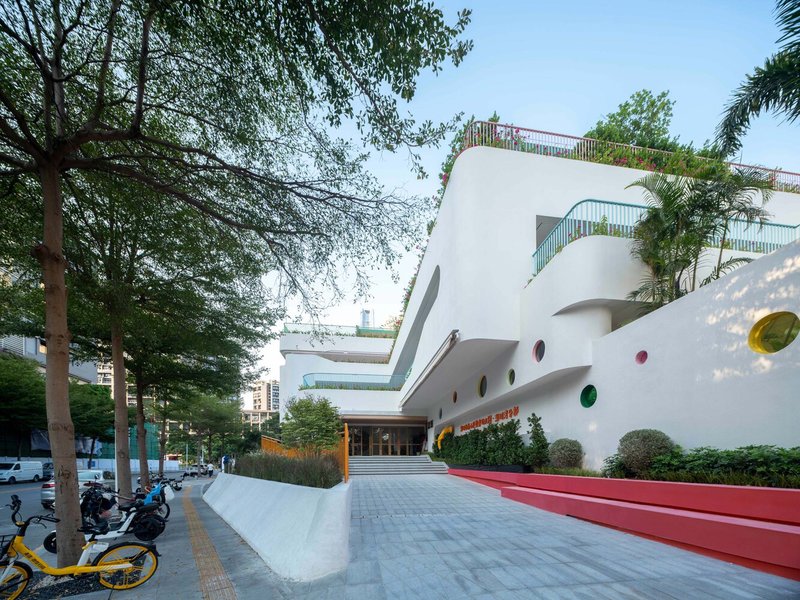
Despite its large scale for a kindergarten, the school is carefully integrated into its urban context. The west-facing façade gently recedes from the road, creating a welcoming public plaza that functions as a pick-up/drop-off zone and communal gathering space. The campus becomes not just a place for learning, but an active and accessible part of the neighborhood’s daily life.
Maximized Play Spaces and Vertical Connectivity
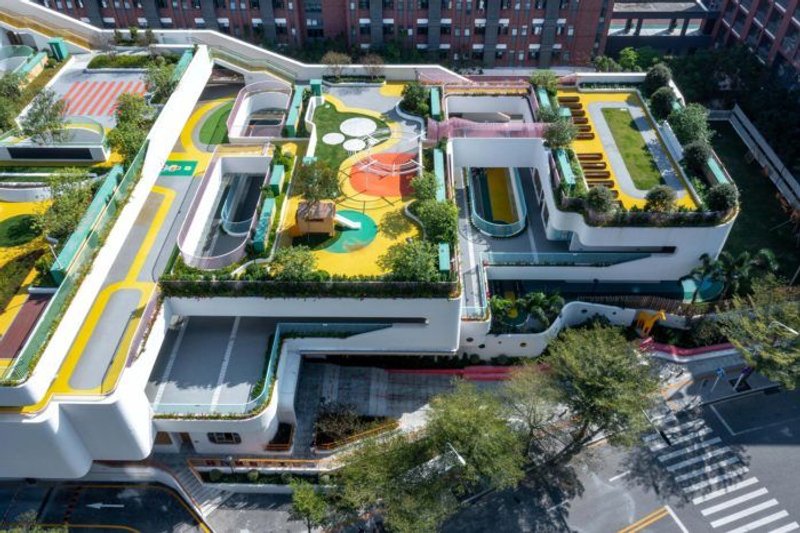
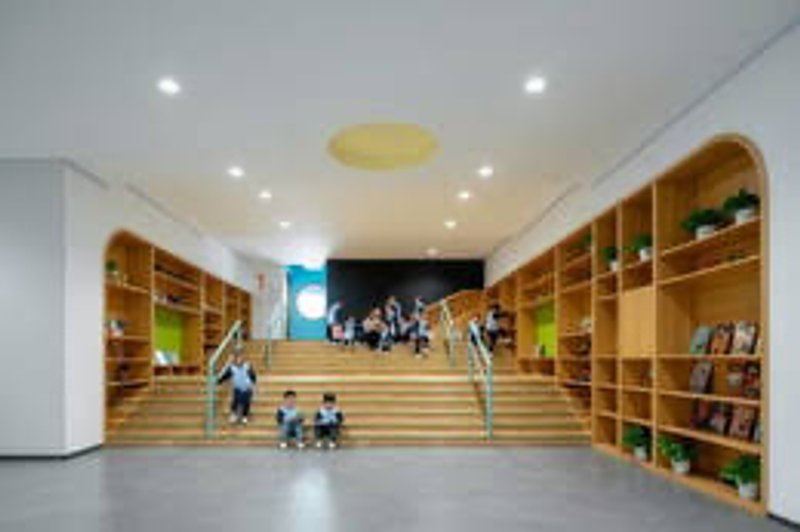
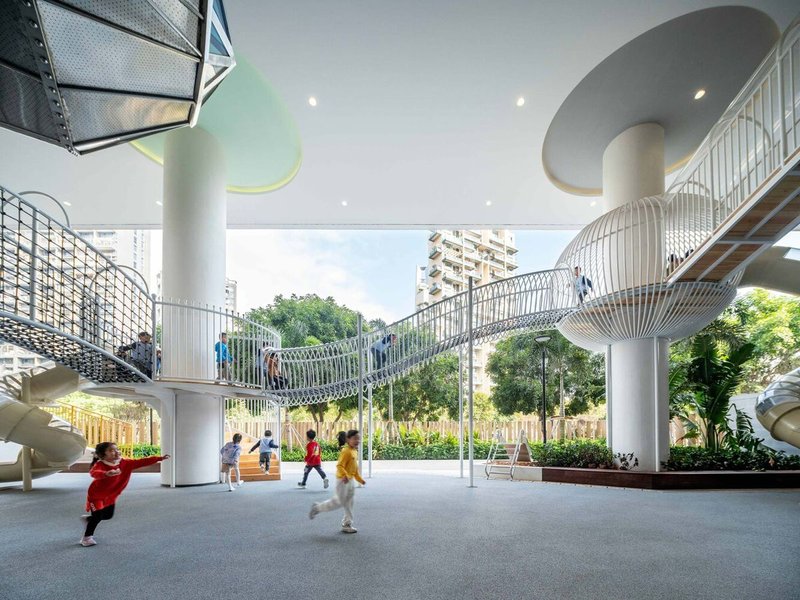
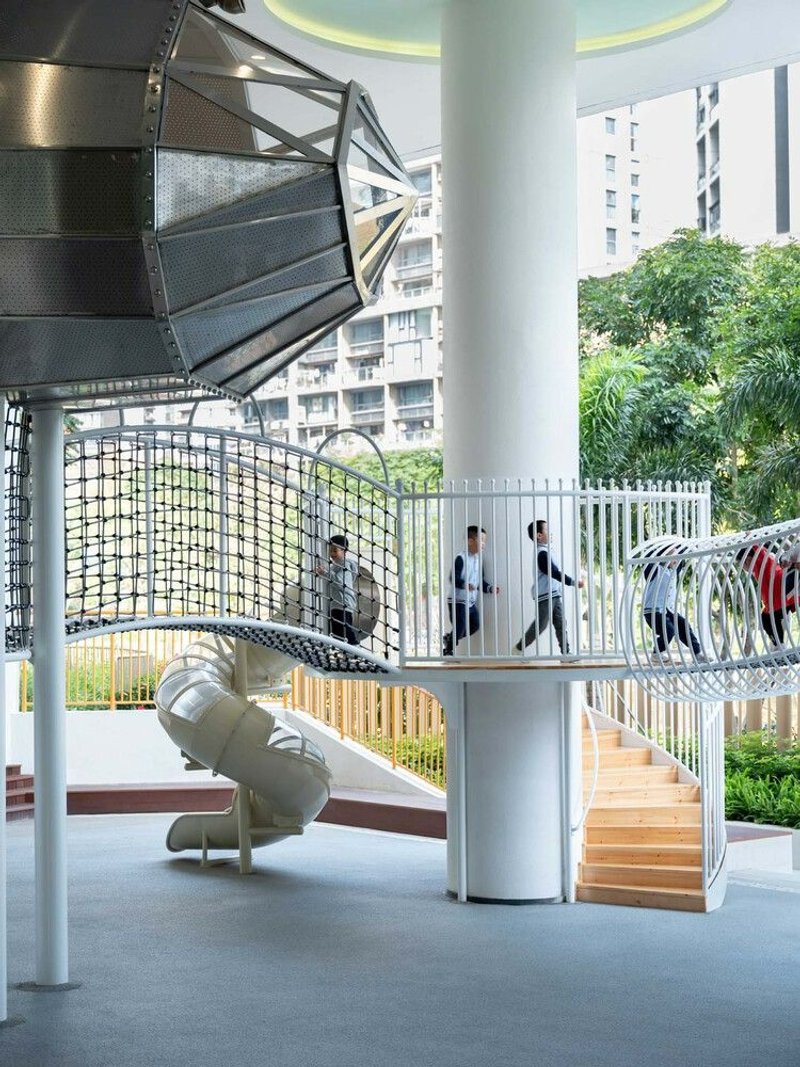
The “Terrace Garden” acts as a vertical playground, weaving through every level of the building with vibrant staircases that encourage exploration and interaction. Each floor features themed gardens that double as scenic classroom views and direct outdoor activity zones. Children of all age groups can engage with diverse landscapes—ranging from quiet corners to wide-open plazas—facilitating social interaction and sensory-rich play.
Child-Centered Interiors and Informal Learning
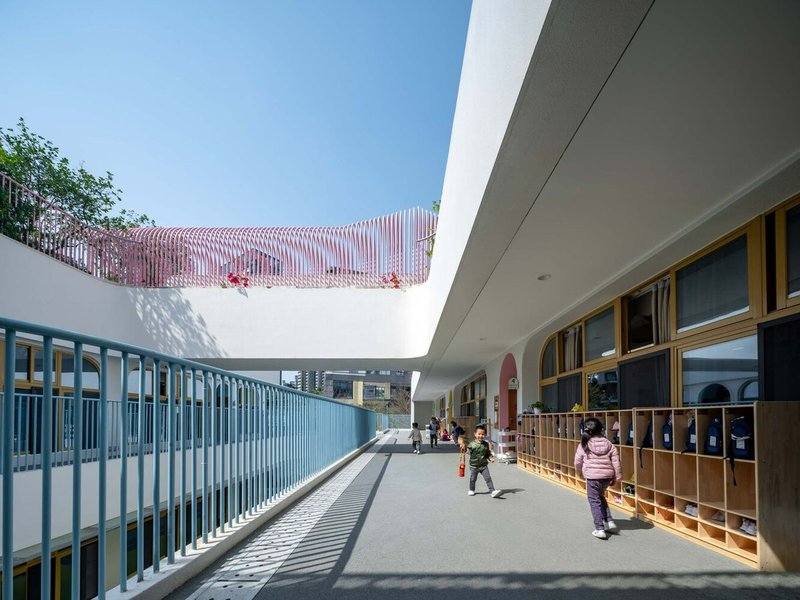
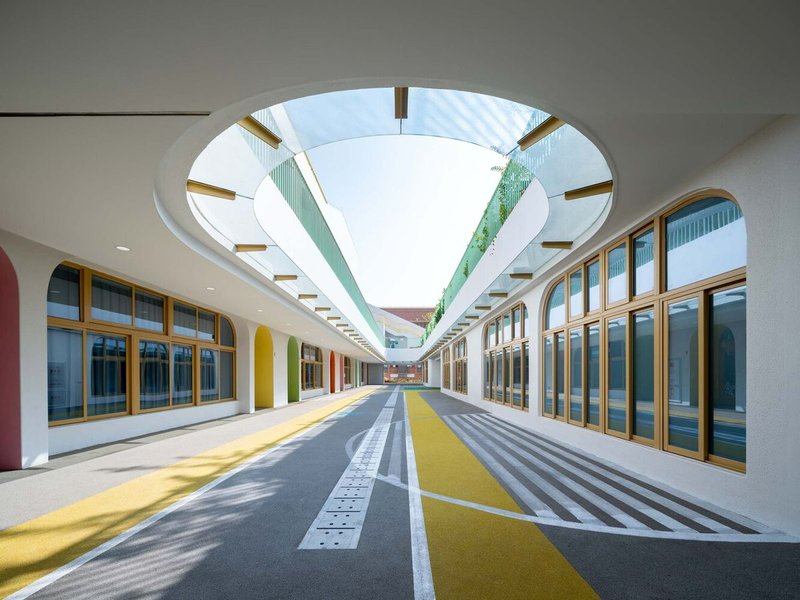
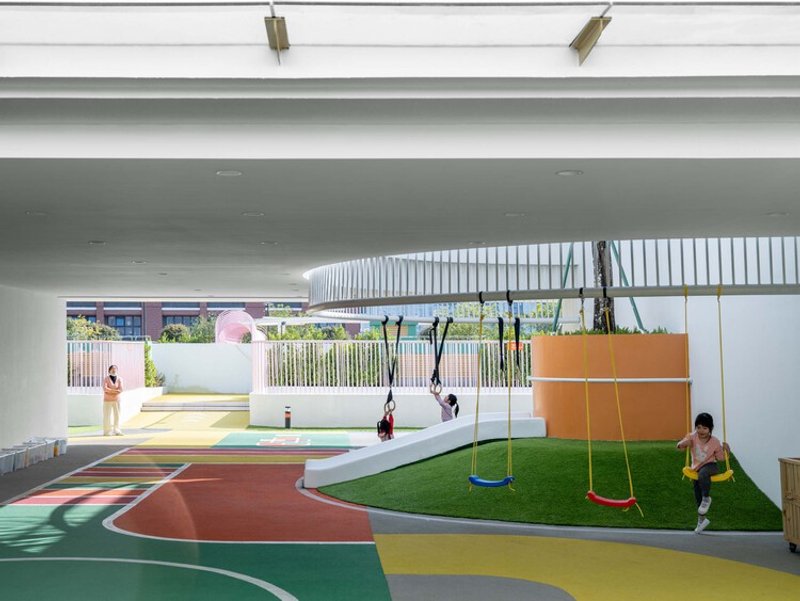
Internally, the architecture is punctuated with playful features like "niches," stepped seating areas, mini courtyards, and thematic zones, all interconnected by a looped corridor. The spatial layout supports both collective learning and solitary discovery, making informal education seamless throughout the day. Natural light, soft curves, and cozy materials support safety and comfort for young children.
Biophilic Design and Climate Responsiveness
The school borrows views from a lush green belt to the north and celebrates seasonal flora like the Spathodea campanulata, bringing local ecology into daily awareness. The architects designed shaded open floors, projecting windows, eaves, and hollow corridors that adapt to Shenzhen’s hot, rainy climate while also creating a dynamic, cave-like facade enriched with texture and greenery.
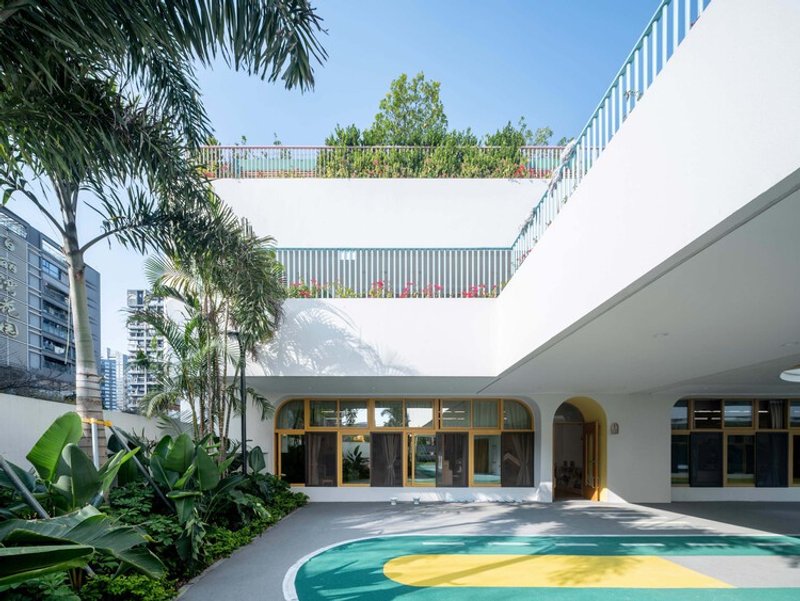
Safety and Sensory Engagement in Every Detail
Rounded edges, child-height windowsills that double as seats, interactive playground equipment, and strategically placed columns all support safe and intuitive movement. The north-side two-story plaza becomes a key play and gathering zone during inclement weather, doubling as a platform for imaginative play with structures like the submarine-themed playground.
A New Model for Kindergartens in Dense Cities
The Shenzhen Nanshan Education Kindergarten sets a new benchmark for educational facilities in crowded urban contexts. It demonstrates how educational architecture can be both high-density and high-quality, blending compactness with creativity. With its rich architectural vocabulary, seamless indoor-outdoor connection, and child-first approach, the campus redefines how cities can grow with their youngest residents in mind.
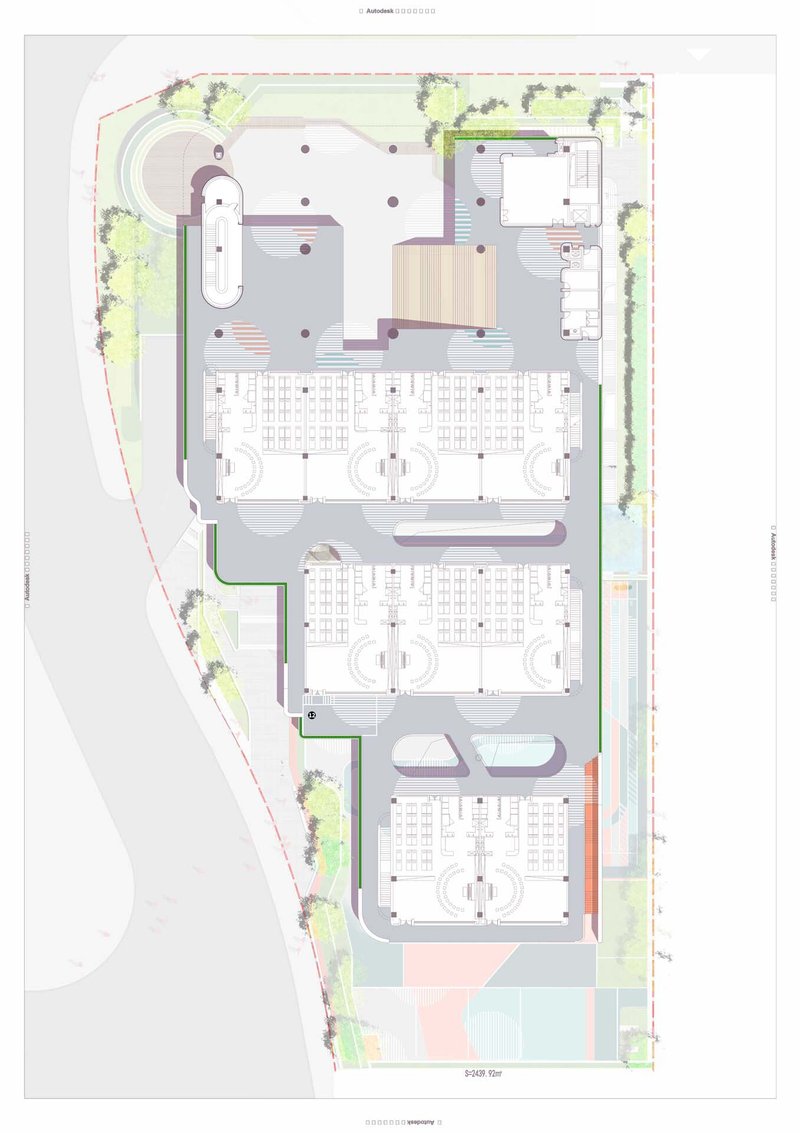
All the photographs sre works of IX-MILES




Popular Articles
Popular articles from the community


The Ken Roberts Memorial Delineation Competition (Krob)
As the most senior architectural drawing competition currently in operation anywhere in the world, it draws hundreds of entries each year, awarding the very best submissions in a series of medium-based categories.

An Miên Lumière Cafe by xưởng xép, Ho Chi Minh City, Vietnam
An industrial-inspired café where layered steel and warm light create a dynamic, immersive environment shaped by reflection, depth, and perception.
Flamboyant House by Juliana Camargo + Prumo Projetos
Modern Brazilian house integrating existing tree, pool, and volumes with glass, wood, and transitional spaces blending interior, exterior, and landscape seamlessly.

Solar Steam: A Climate-Responsive Architecture That Redefines the Monument
A climate-responsive memorial architecture that transforms heat, decay, and time into a living system reflecting humanity’s ecological impact.


Similar Reads
You might also enjoy these articles
The Ken Roberts Memorial Delineation Competition (Krob)
As the most senior architectural drawing competition currently in operation anywhere in the world, it draws hundreds of entries each year, awarding the very best submissions in a series of medium-based categories.

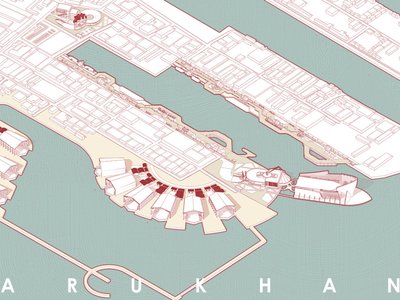
Waterfront Redevelopment and Urban Revitalization in Mumbai: Forging a New Dawn for Darukhana
A transformative waterfront redevelopment project reimagining Darukhana’s shipbreaking heritage into an inclusive urban future.

OUT-OF-MAP: A Call for Postcards on Feminist Narratives of Public Space
Rhizoma Design and Research Lab invites artists, designers, architects, researchers, and students to reflect on how feminist perspectives can reshape public space. Selected works will be exhibited in Barcelona, October 2026. Submissions open until 15 April 2026.


Documentation Work on Buddhist Wooden Temple
Architectural syncretism and cultural hybridity: A comparative study of the Buddhist temples in Chattogram Hill tracks


Explore Architecture Competitions
Discover active competitions in this discipline




The International Standard for Design Portfolios


The Global Benchmark for Architecture Dissertation Awards


The Global Benchmark for Graduation Excellence


Challenge to design public laboratory
Comments (0)
Please login or sign up to add comments
No comments yet. Be the first to comment!