
Shilamay House: A Sustainable, Playful Family Home Rooted in Vernacular Architecture
Shilamay House blends stone, reclaimed wood, natural light, and playful elements to create a sustainable, family-centered home rooted in vernacular design.

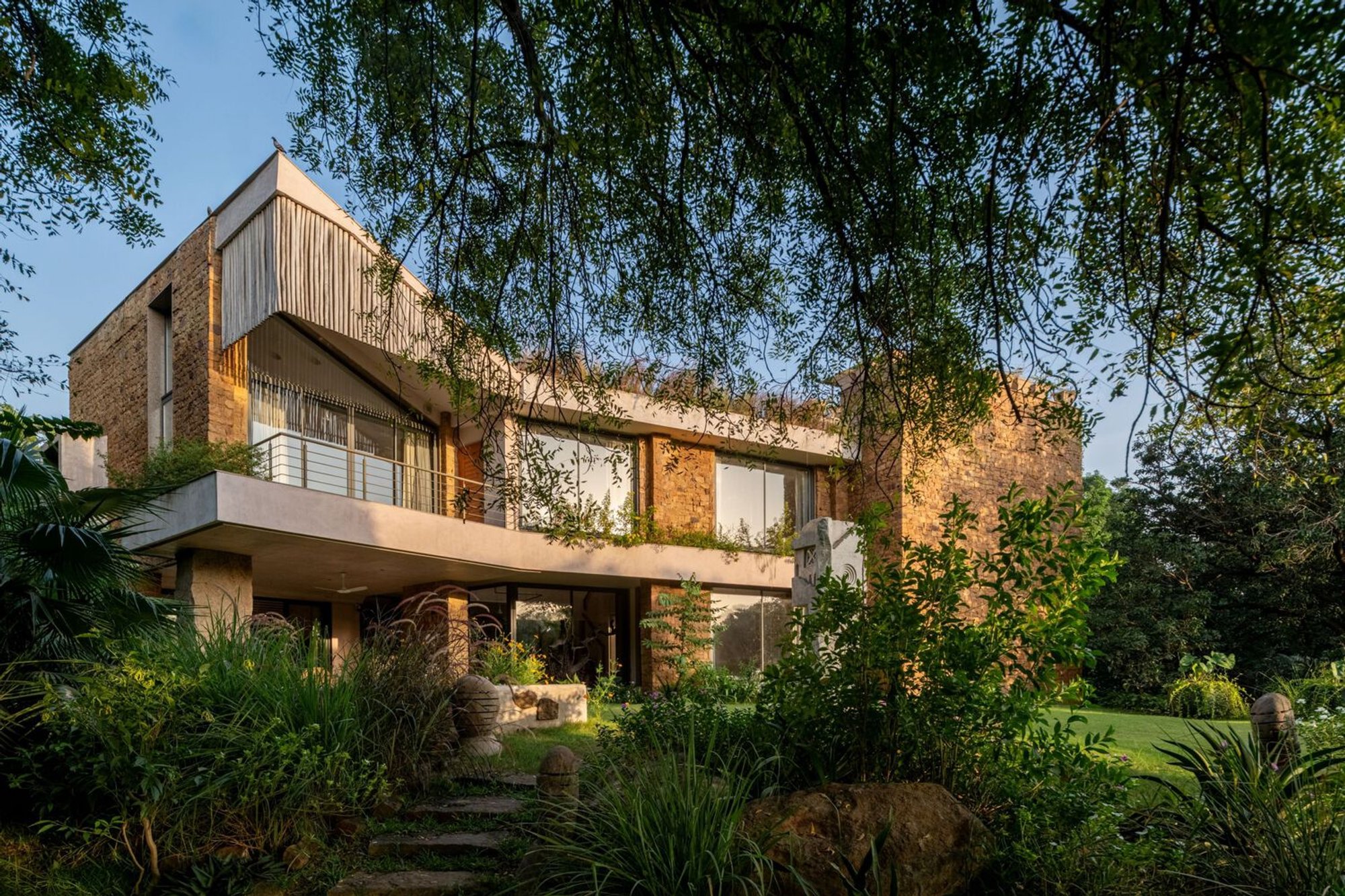
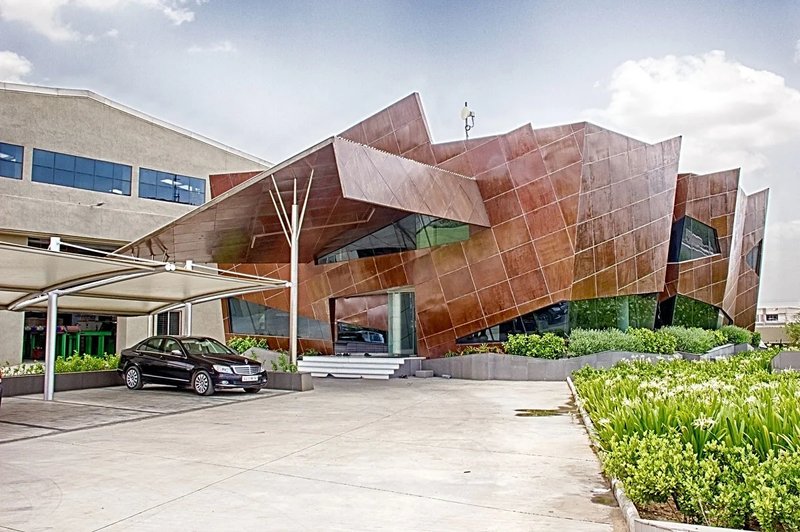
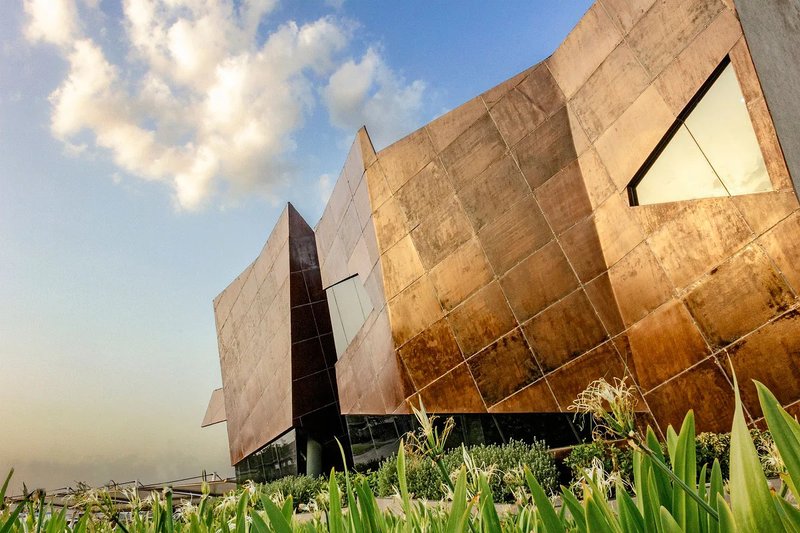
Shilamay House by SferaBlu Architects and Naman Shah Architects stands in the warm, evolving landscape of Agol near Ahmedabad—a home that merges sustainability, emotion, and playful family living into one holistic architectural experience. Designed and lived in by architect Naman Shah, the residence is a personal exploration of how architecture can remain grounded in regional wisdom while embracing a lively, contemporary spirit.
A Home Shaped by Material Honesty and Climatic Sensitivity
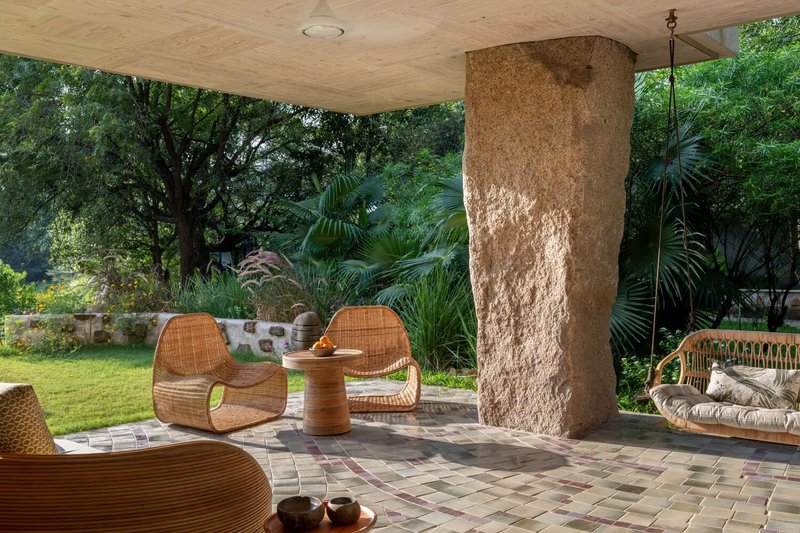
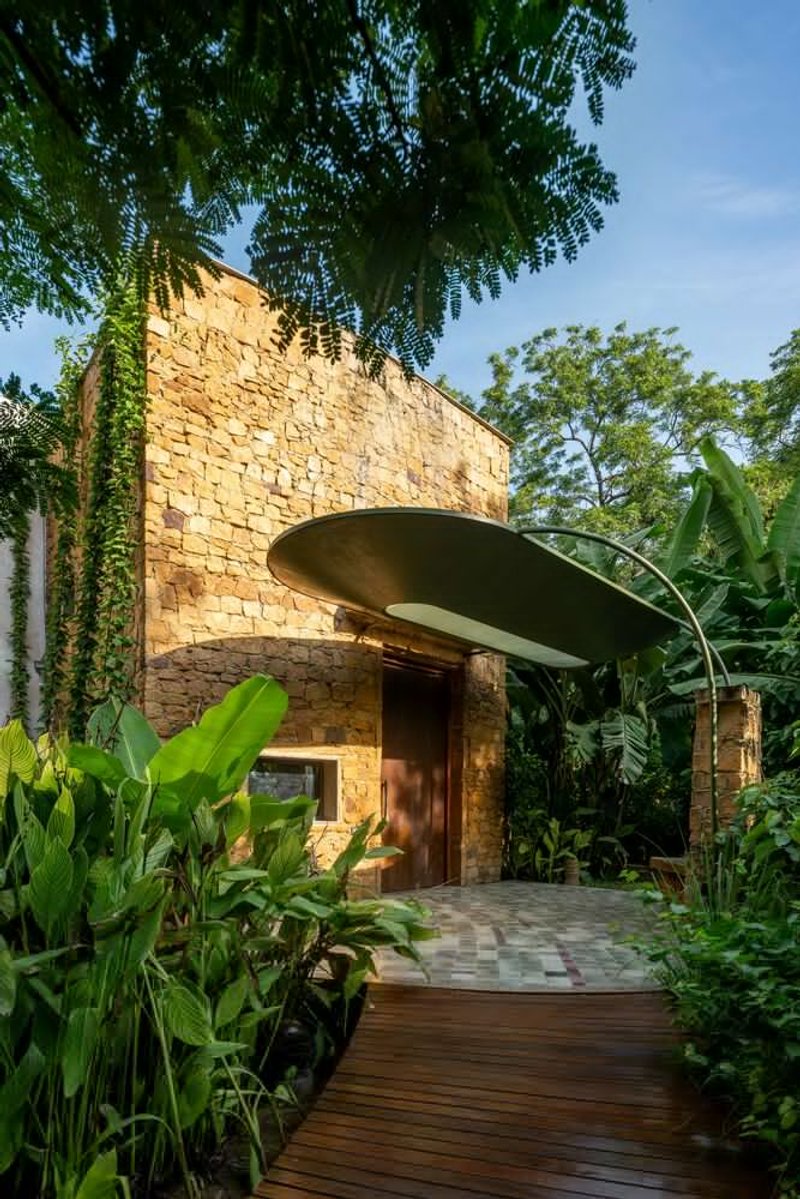
Spanning 550 m², the house draws deeply from vernacular architectural principles. Locally sourced stone forms the primary structure, paired with hand-applied lime plaster that naturally regulates temperature in Ahmedabad’s intense summers. The breathable lime finish acquires a warm patina over time, allowing the home to evolve with shifting light, seasons, and daily use.
Stone surfaces inside and out act as tactile, living elements—changing subtly with each hour as sunlight moves across the architecture. These material choices not only reduce thermal gain but root the home firmly within its geographic and cultural context.
Sustainability Through Memory and Reuse
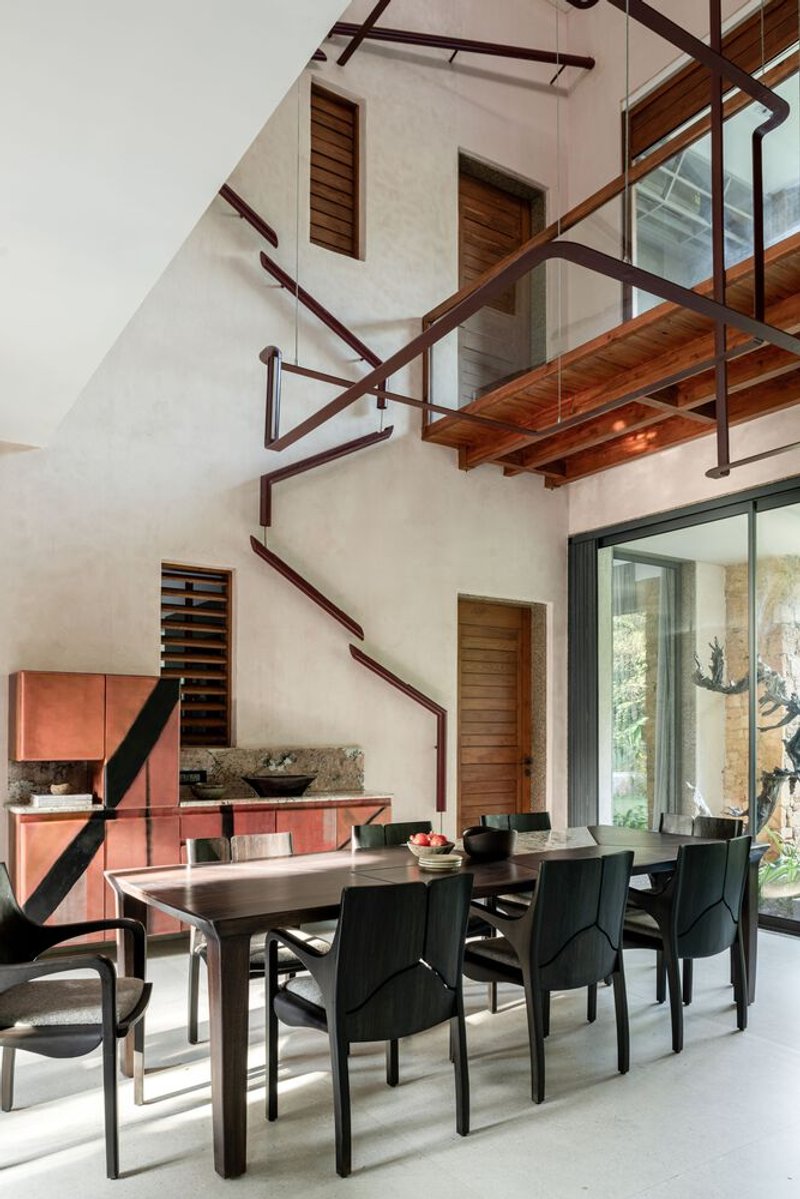
Sustainability in Shilamay House is not treated as an add-on; it emerges through heritage, memory, and material reuse. Every piece of wood is reclaimed from the architect’s ancestral home. Weathered beams, aged surfaces, and reused panels infuse warmth and continuity into the contemporary structure.
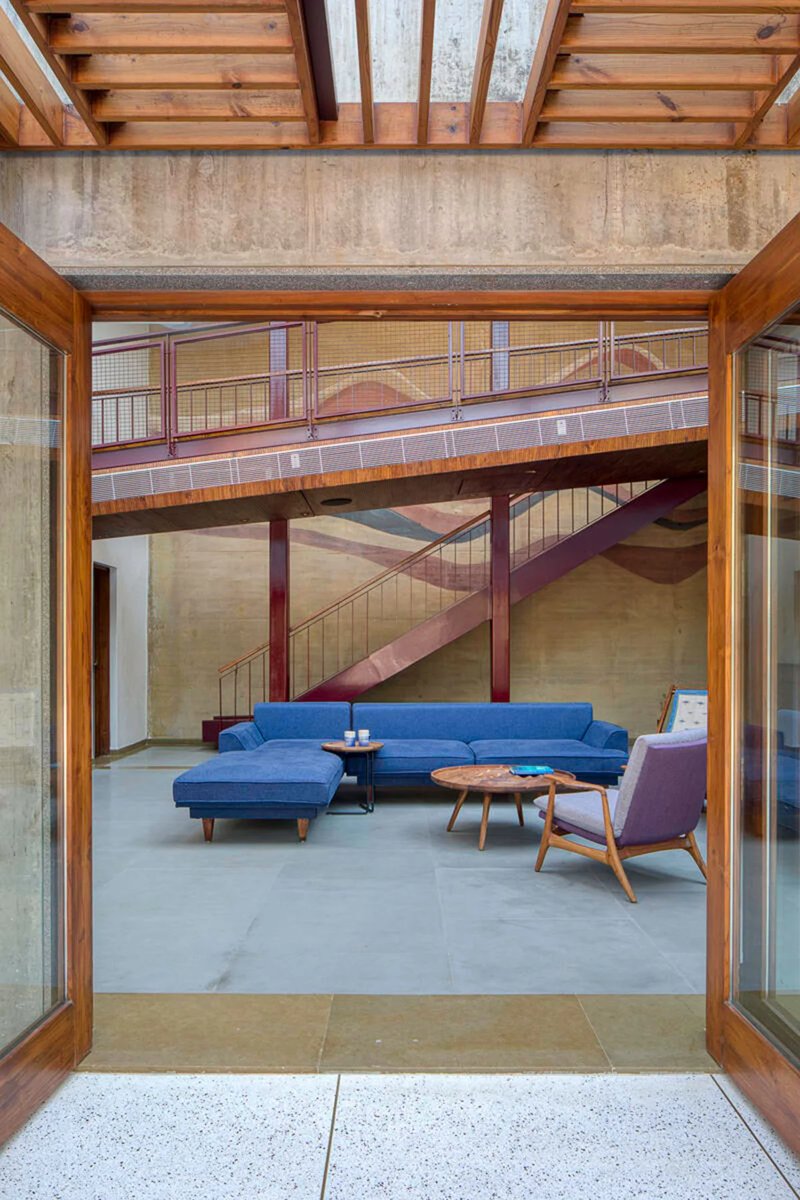
A fallen tree trunk from the family’s driveway becomes a sculptural pivot at the staircase—a symbolic and functional centerpiece that anchors movement and storytelling. This thoughtful repurposing reflects the family’s philosophy that sustainability begins with honoring what already exists.
A Playful Architecture Designed for Children
What makes Shilamay House distinct is its joyful spatial character. Despite its solid materiality and minimalist palette, the home is animated by elements of play designed for its young inhabitants.
A slide running parallel to the internal staircase transforms vertical circulation into a moment of spontaneous fun. Handcrafted wooden creatures appear to climb the sculptural tree trunk, adding a whimsical narrative to the home. In the children’s bedroom, climbing nets, ladders, and playful nooks turn everyday routines into adventurous explorations.
Even functional systems are integrated with artistry. A water stream installation near the dining area channels harvested rainwater and terrace overflow down into the garden, adding sound, movement, and ecological purpose.
Light, Transparency, and a Living Atmosphere
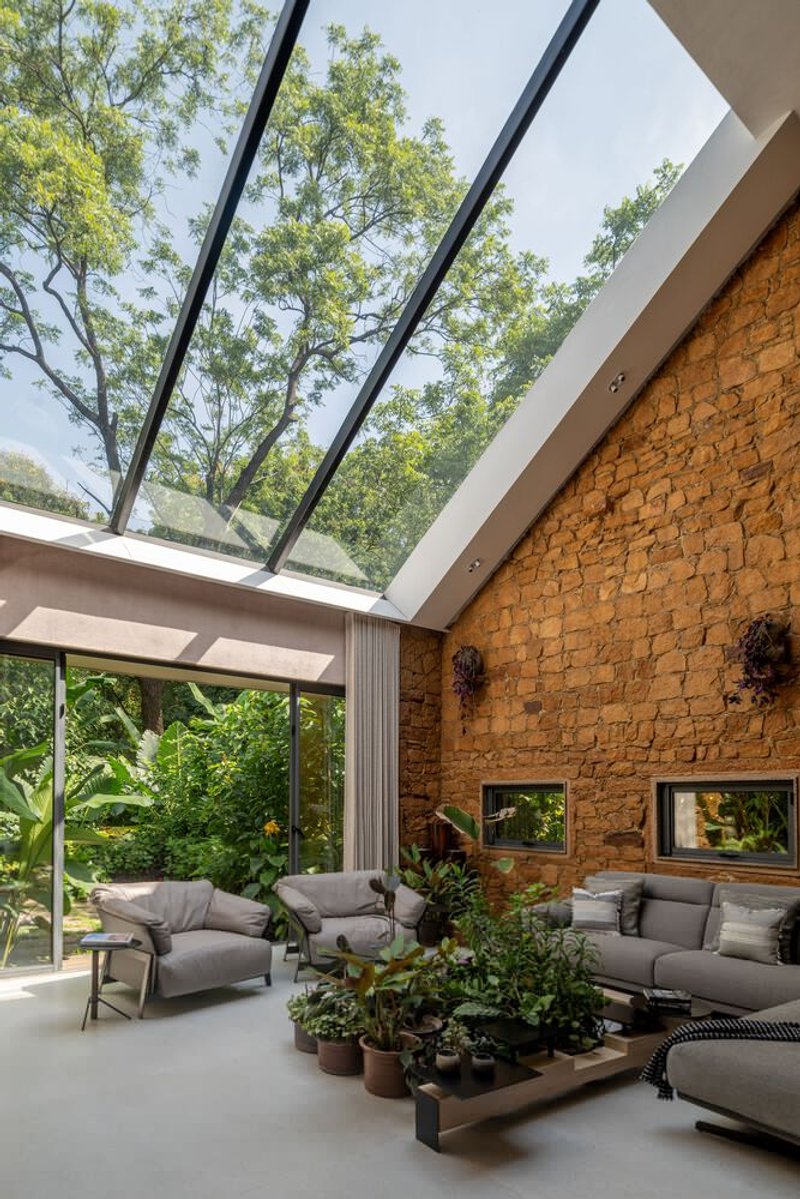
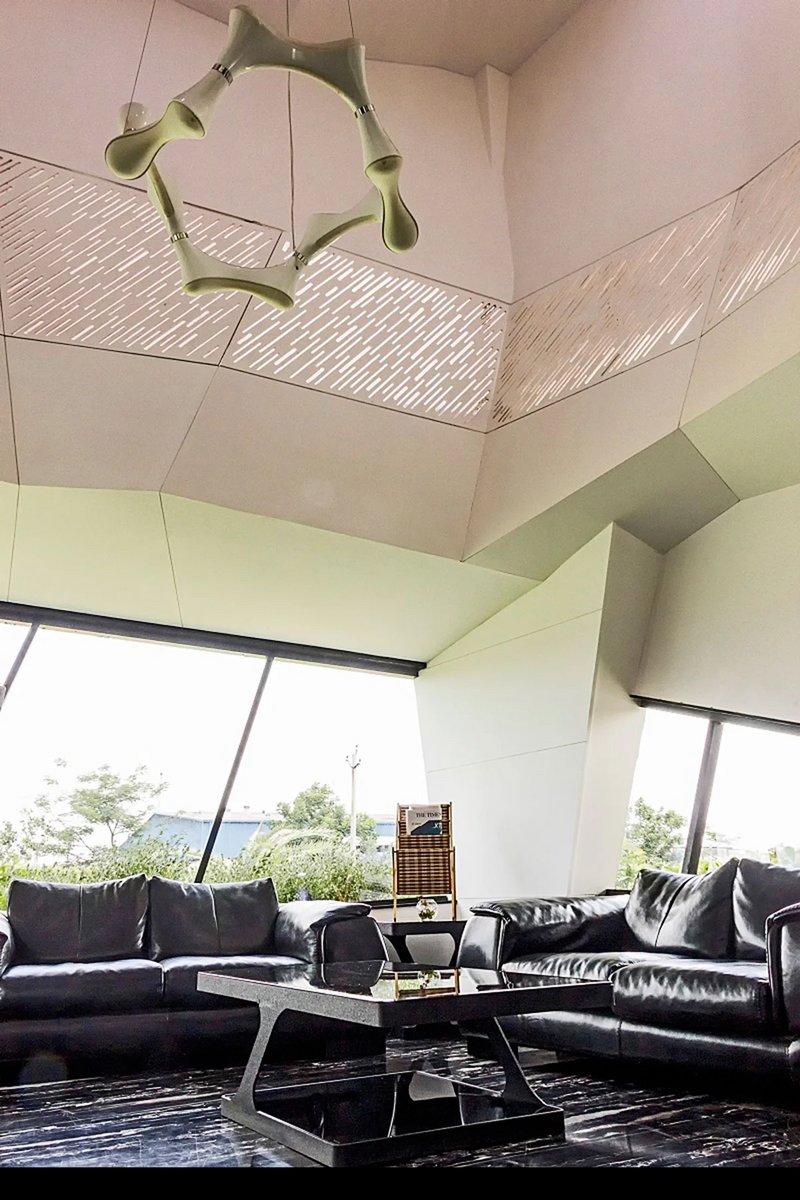
The living room, crowned with a sweeping glass roof, invites natural light to pour in throughout the day. This transparent canopy blurs the boundary between interior living and the surrounding landscape.
During monsoons, rain becomes a spectacle as droplets glide over the skylight. Occasionally, curious monkeys scramble across the glass, transforming the ceiling into an unexpected stage of urban wildlife. These interactions enrich the domestic atmosphere, making nature an active participant in everyday life.
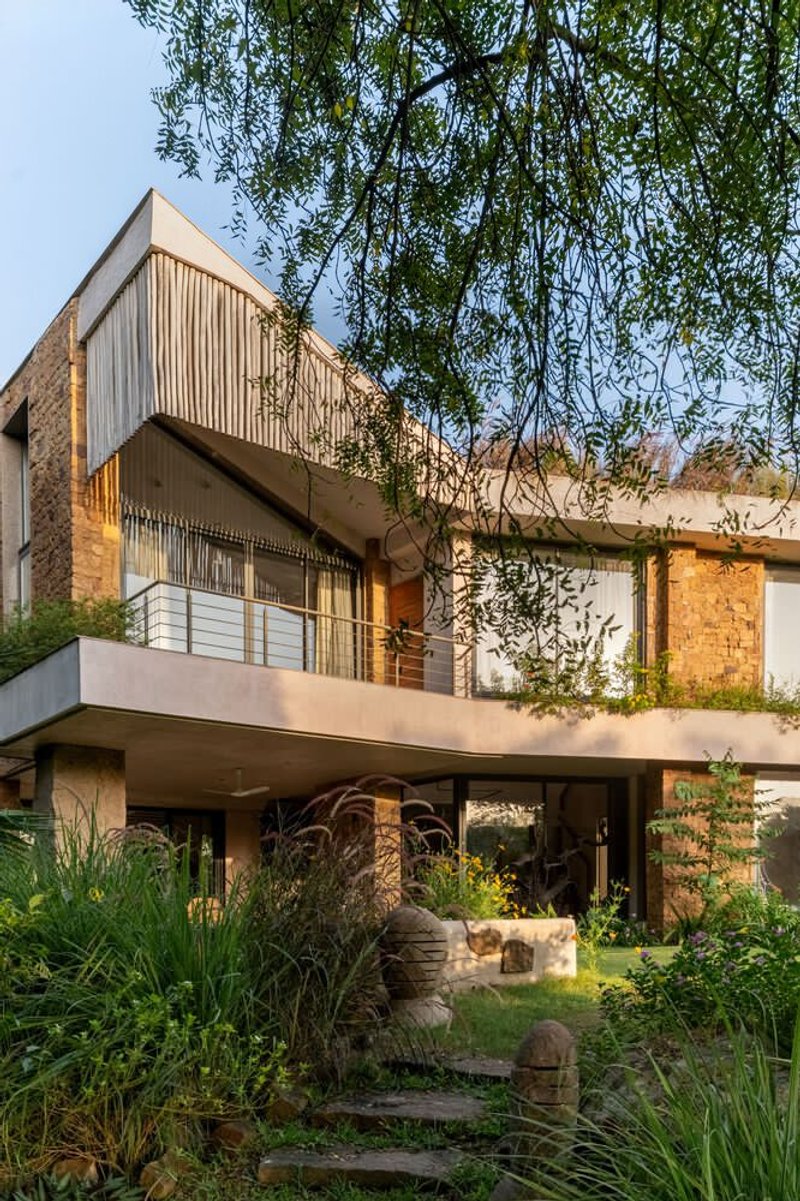
The home’s layout encourages natural ventilation and diffused illumination, eliminating the need for artificial lighting until late in the evening. Plants—both indoors and outdoors—are treated as essential architectural components rather than decorative additions. They purify the air, soften the stone surfaces, and create seamless transitions between built and natural zones.
A Living Ecosystem More Than a House
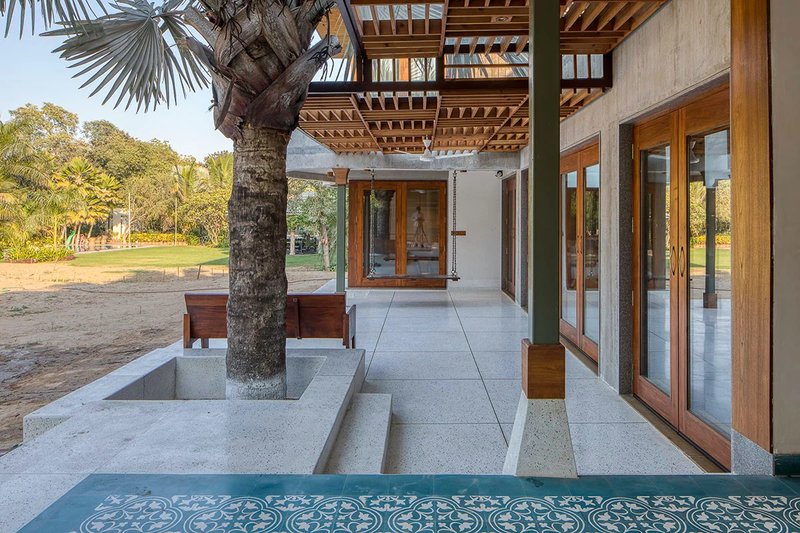
Shilamay House is not a static architectural object but an evolving ecosystem of materials, memories, plants, and people. The design ensures that no boundary between indoor and outdoor spaces feels rigid. The garden flows into the living room, while interior spaces feel like clearings within a larger natural landscape.
The home’s uncluttered planning, combined with textures of stone, reclaimed wood, glass, and greenery, creates a peaceful yet vibrant environment. Each space reveals small surprises—through light, materials, or interactive elements—aligning with the family’s dynamic rhythms.
A Philosophy of Earth, Light, and Wonder
As architect Naman Shah describes, the home seeks to reflect “respect for the earth, love for simplicity, and the belief that life—like architecture—should be lived with a sense of wonder.”
All photographs are works of VINAY PANJWANI



Popular Articles
Popular articles from the community


Solar Steam: A Climate-Responsive Architecture That Redefines the Monument
A climate-responsive memorial architecture that transforms heat, decay, and time into a living system reflecting humanity’s ecological impact.
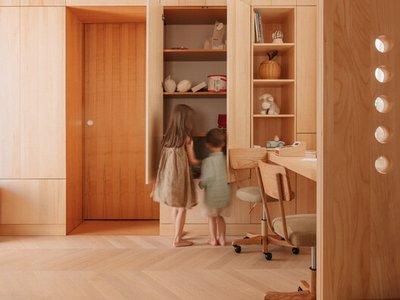
Treehouse Apartment: A Warm Timber Interior Blending Craft, Play, and Contemporary Living
Warm timber apartment with integrated treehouse, combining natural materials, craftsmanship, and playful design to create a flexible, family-oriented living environment.
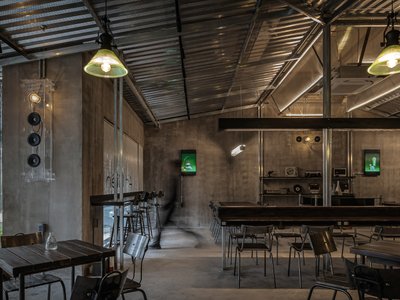
An Miên Lumière Cafe by xưởng xép, Ho Chi Minh City, Vietnam
An industrial-inspired café where layered steel and warm light create a dynamic, immersive environment shaped by reflection, depth, and perception.
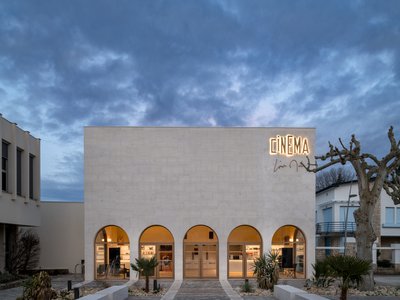
Louis Malle Cinema: A Limestone Cultural Landmark Revitalizing Community Life in Prayssac
Limestone cinema extension with public forecourt, blending heritage and modern design to create flexible cultural spaces and strengthen community interaction.


Similar Reads
You might also enjoy these articles


The Ken Roberts Memorial Delineation Competition (Krob)
As the most senior architectural drawing competition currently in operation anywhere in the world, it draws hundreds of entries each year, awarding the very best submissions in a series of medium-based categories.


Waterfront Redevelopment and Urban Revitalization in Mumbai: Forging a New Dawn for Darukhana
A transformative waterfront redevelopment project reimagining Darukhana’s shipbreaking heritage into an inclusive urban future.

OUT-OF-MAP: A Call for Postcards on Feminist Narratives of Public Space
Rhizoma Design and Research Lab invites artists, designers, architects, researchers, and students to reflect on how feminist perspectives can reshape public space. Selected works will be exhibited in Barcelona, October 2026. Submissions open until 15 April 2026.


Documentation Work on Buddhist Wooden Temple
Architectural syncretism and cultural hybridity: A comparative study of the Buddhist temples in Chattogram Hill tracks


Explore Architecture Competitions
Discover active competitions in this discipline




The International Standard for Design Portfolios


The Global Benchmark for Architecture Dissertation Awards


The Global Benchmark for Graduation Excellence


Challenge to reimagine the Iron Throne
Comments (0)
Please login or sign up to add comments
No comments yet. Be the first to comment!