
Sustainable Architecture Design: The Cracked Hill Project by Tariq Ali
The article delves into the Cracked Hill, an example of sustainable architecture blending a museum with Iceland's natural terrain.


Embracing Nature with Innovative Design
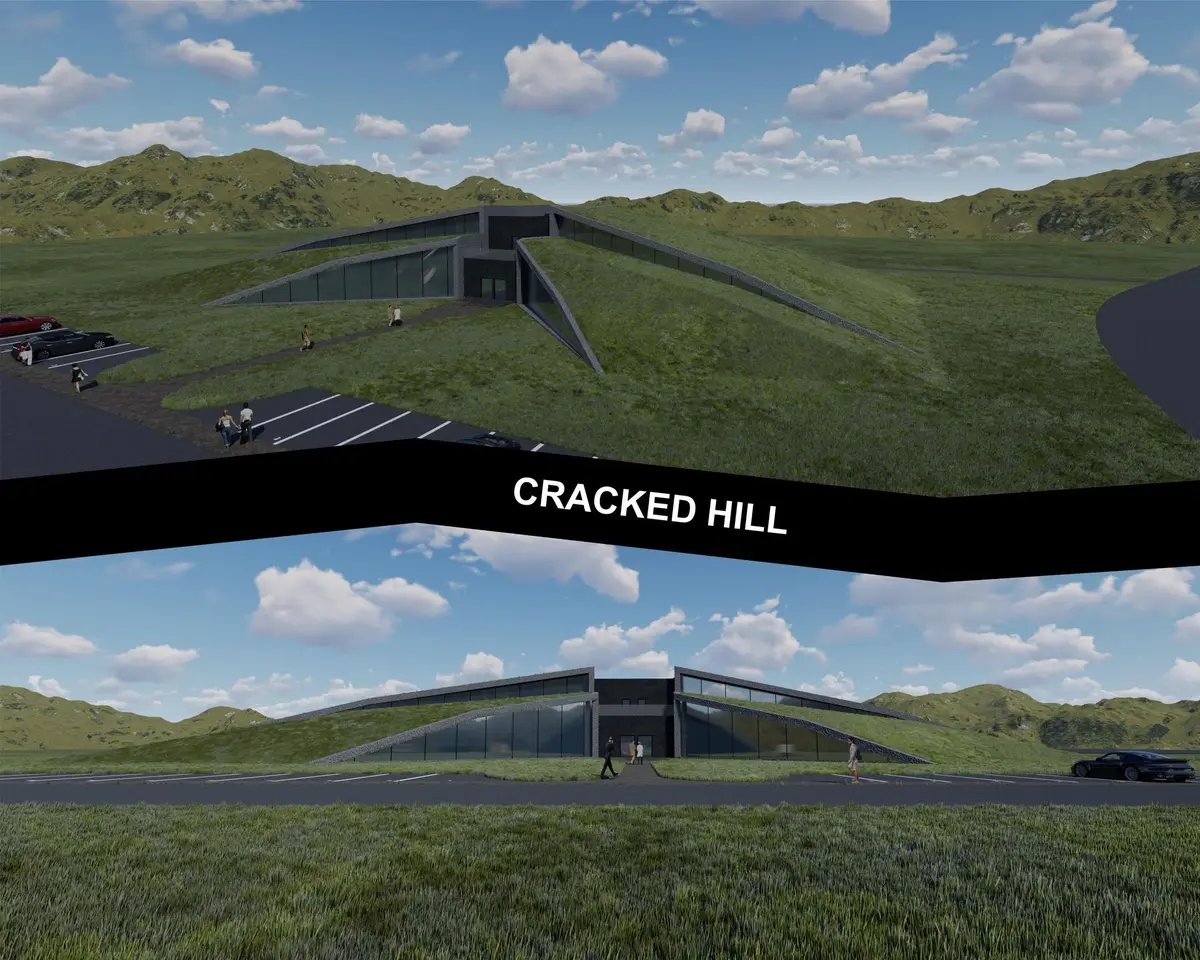
In the serene expanse of wildlife and natural beauty, the Cracked Hill project emerges as a paragon of sustainable architecture design. Conceived by the visionary architect Tariq Ali Runner Up entry of Rift, this geological museum and educational center is a masterclass in harmonizing large-scale architectural endeavors with delicate ecosystems.
The Genesis of Cracked Hill
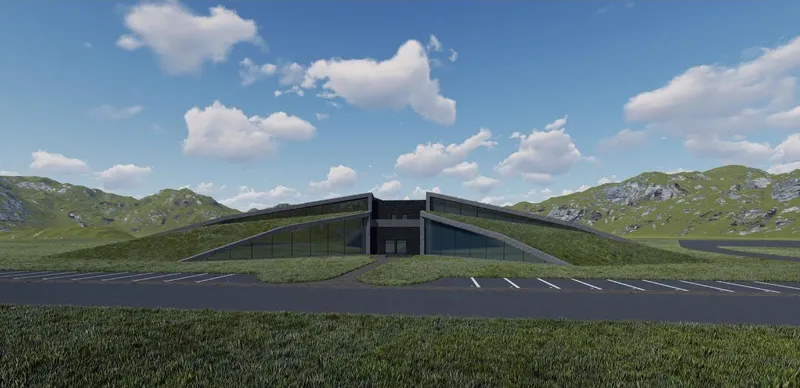
The Cracked Hill is not just a building; it's a statement of balance and respect for its setting—the national park Þingvellir. This area, untainted by industrial structures, demanded a design philosophy that not only accommodated but also celebrated its pristine surroundings. Ali's design, a seamless blend of form and function, mirrors the organic contours of a hill, ensuring minimal visual disturbance to the landscape's panoramic views of rolling hills and rugged terrain.
The Heart of Icelandic Architecture
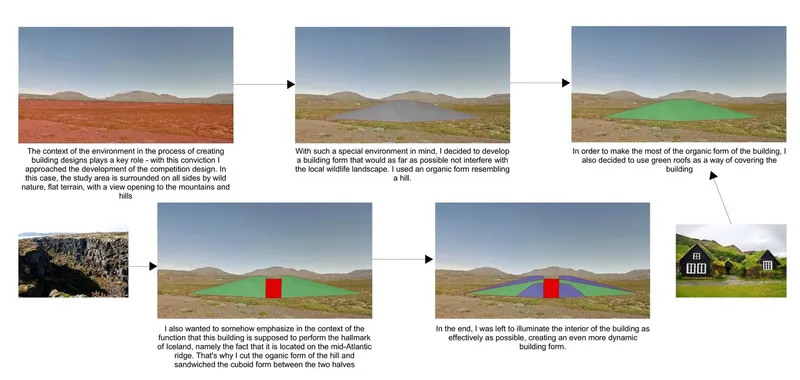
The project embodies the essence of Icelandic architecture, with its use of green roofs—a hallmark of sustainable design in the region. These living roofs serve a dual purpose: they insulate and integrate the building with the natural tapestry of Þingvellir National Park. Ali's commitment to sustainable architecture design extends to the materials chosen: locally sourced stone and extensive glazing to capture the dance of natural light across the rugged terrain.
A Structure that Mirrors Geology
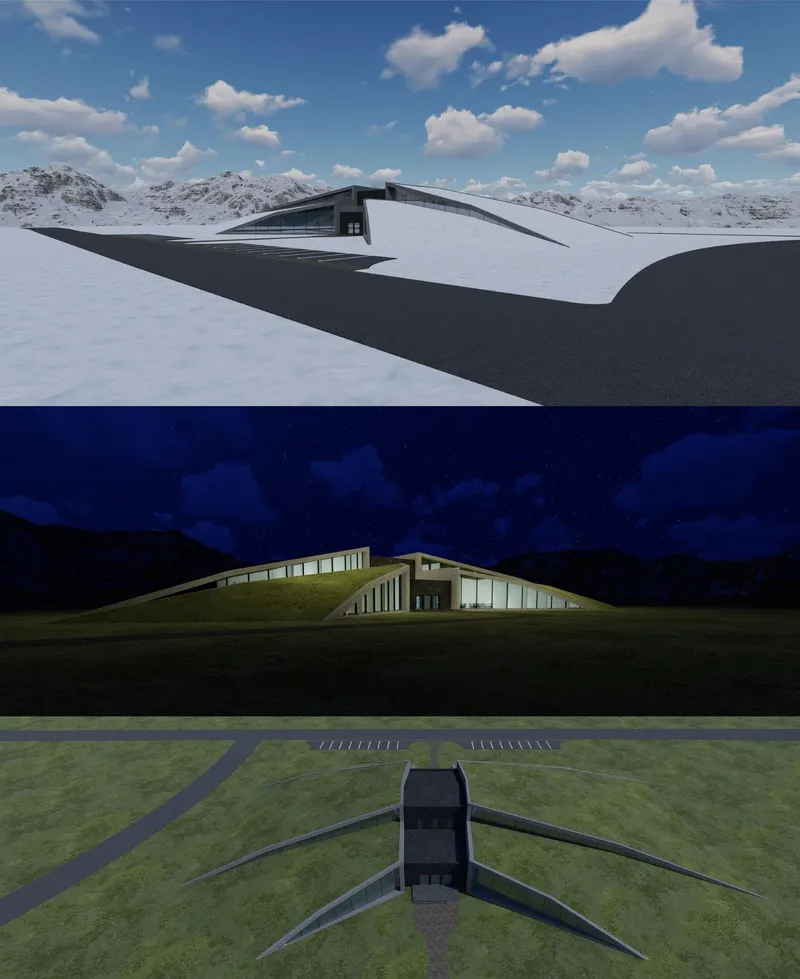
At the core of Cracked Hill's design narrative is the representation of Iceland's geological wonder—the Mid-Atlantic Ridge. Ali's ingenious use of a split-hill form, bridged by a cuboidal glass structure, symbolizes the tectonic rifts defining this volcanic island. This architectural metaphor not only pays homage to the site's geological significance but also invites natural light into the heart of the building, creating dynamic interior landscapes.
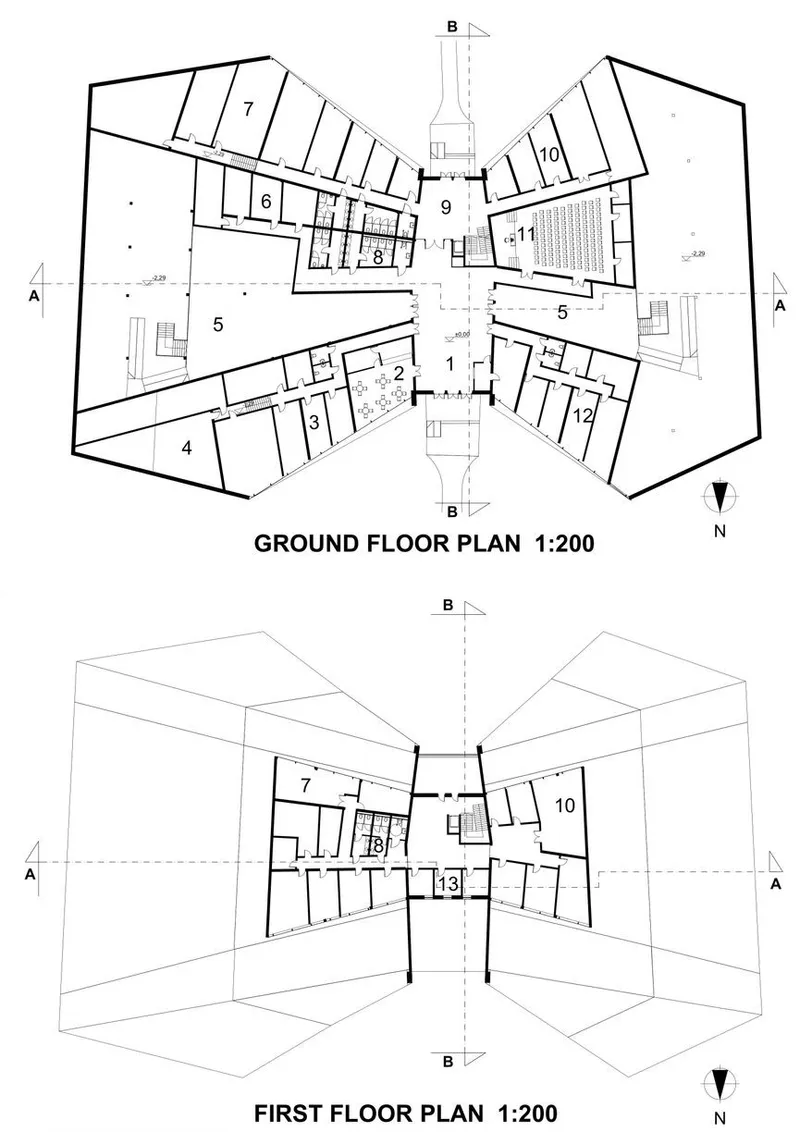
A Layout for Learning and Discovery
The Cracked Hill's floor plan is a testament to thoughtful sustainable architecture design, prioritizing learning and recreational spaces that occupy 50 percent of the building's program. With a strategic arrangement of exhibition halls, learning areas, and an auditorium, the design fosters an interactive educational experience from the very entrance.
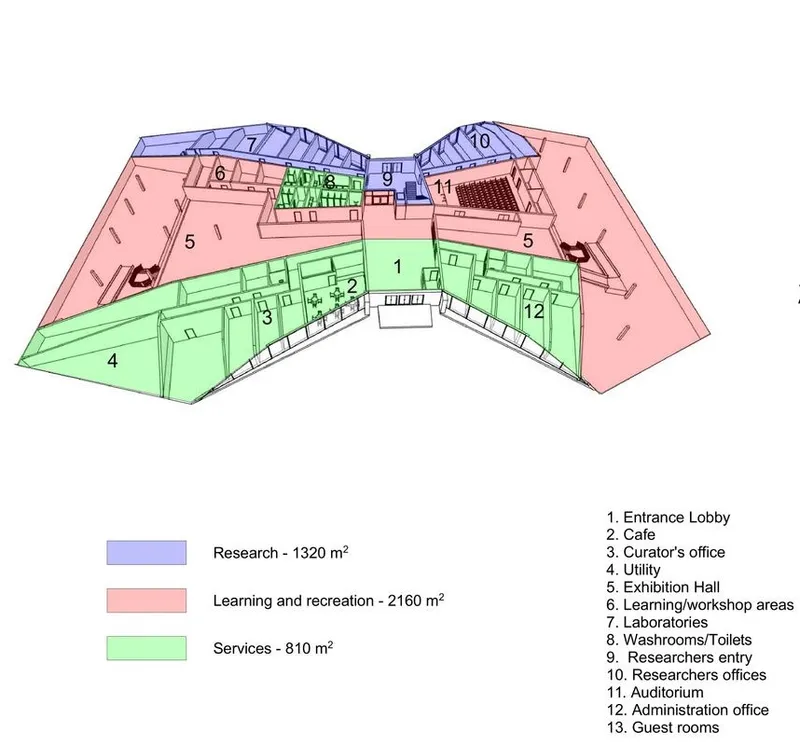
Sustainable Materials and Construction Techniques
Ali's sustainable approach is evident in the choice of construction materials and methods. The use of reinforced concrete for structural stability and ceramic elements for partition walls underscores a commitment to durability and eco-friendly practices. The building's stone and glass façade complements the natural terrain, while the interior's subdued colors echo the volcanic landscape of Iceland.
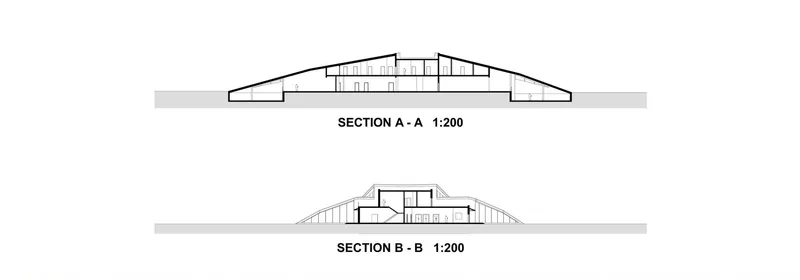
Cracked Hill is a beacon of sustainable architecture design, seamlessly integrating ecological sensitivity with architectural innovation. Tariq Ali's design is a profound reminder that buildings can—and should—exist in harmony with their environment, enriching not only our visual landscape but also the ethos of sustainable living.


Popular Articles
Popular articles from the community


FCC Arquitectura Expands a Portuguese Granite House with a Board-Marked Concrete Wing
In Portugal, JV House pairs a cleaned-up whitewashed and granite dwelling with a timber-shuttered concrete extension, courtyards and a garden pool.


Aquadapt: An Underwater Habitat That Rewrites Its Rooms by the Hour
Curved modules ring the seabed while one shell shifts from breakfast room to cinema, farm and football pitch as residents' needs change.

graciastudio Turns a Viewless Tijuana Lot Inward Around a Courtyard of Concrete, Timber and Trees
In Tijuana, Jorge Gracia's GA2 House stacks a timber-clad private floor over exposed concrete and replaces a missing view with a planted interior patio.

Juan García Correa, John González and Claudia Rueda Sink a Circular Amphitheater into a Manizales Engineering Building
On the La Nubia campus in Manizales, Colombia, the S1 Building folds labs and offices into a hillside of ramped lawns that double as a campus route.

Similar Reads
You might also enjoy these articles

Vereda Arquitetos Renovates a 40-Square-Meter Apartment Inside Niemeyer's Copan Building
A compact unit in São Paulo's most iconic residential tower gets a material overhaul that pairs exposed concrete with bold blue Formica.

Shakur's House: Exposed Brick as an Interior Organiser in a 168 m² Mashhad Residence
Brick moves indoors in this Mashhad residence, where masonry walls, glass partitions and teal planes sequence a compact home without closing it off.

Day and Night Park: A Time-Based Urban Newsstand in Beijing
A temporary urban newsstand in Beijing blending travel, light, and reading through poetic colors, compact form, and community-focused design.

Modernist Patio Renovation in El Masnou, Barcelona by Oliver Segura Arquitectura + Cebrià Arquitectura
Modernist patio renovation blending tradition and innovation with a movable pool, leveled floors, and Catalan materials in El Masnou.


Comments (0)
Please login or sign up to add comments
No comments yet. Be the first to comment!