
Sustainable Architecture in Urban Landscapes: A Case Study of 'A Peace for Peace - Nurture Nearby Nature'
Explore the fusion of sustainable design and reverence for nature in Ho Chi Minh City's award-winning urban chapel project.

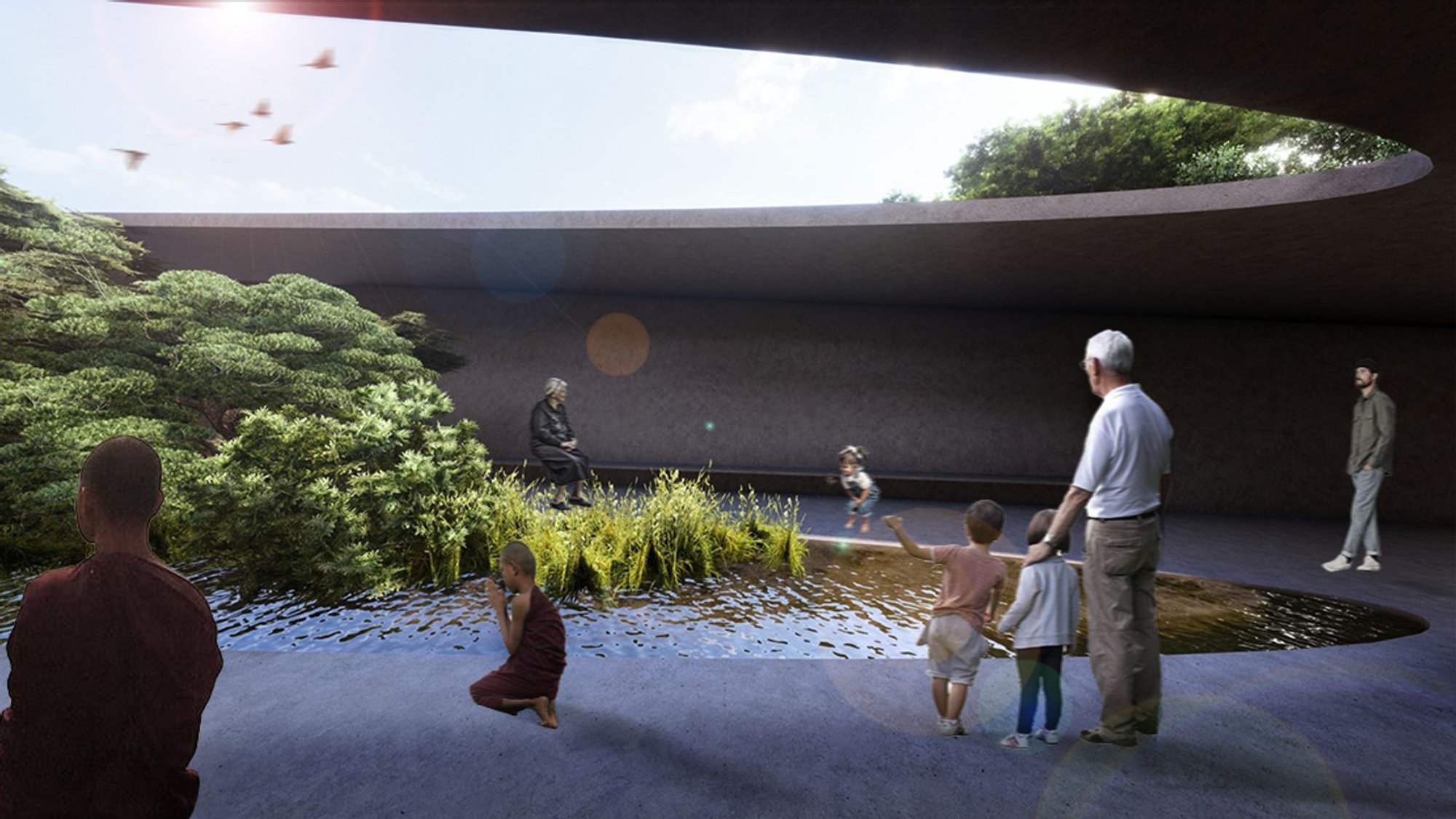
In the heart of Ho Chi Minh City, a space dedicated to tranquility and environmental reverence stands as a testament to sustainable architecture's potential. 'A Peace for Peace - Nurture Nearby Nature' isn't just an architectural marvel; it is a pledge to the city's ancient tradition of honoring landscapes, a tradition rapidly succumbing to the pressures of urbanization.
Honoring Nature in Ho Chi Minh's Urban Fabric
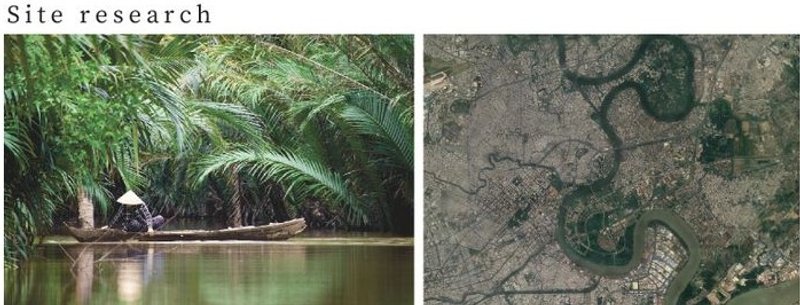
The design brainchild of Taichi Sugiyama, Yuuki Sato, Karin Yoshihara, and 祐歌 土江, this project has struck a chord with the masses, clinching the People's Choice Award at the Congregate competition. At its core, the chapel pays homage to nature, intertwined with the lives of Ho Chi Minh City's denizens since time immemorial.
A Design Rooted in Reflection and Respect
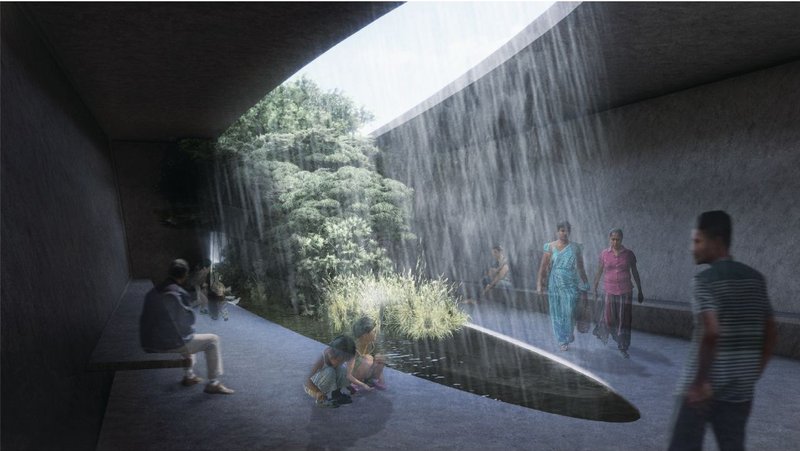
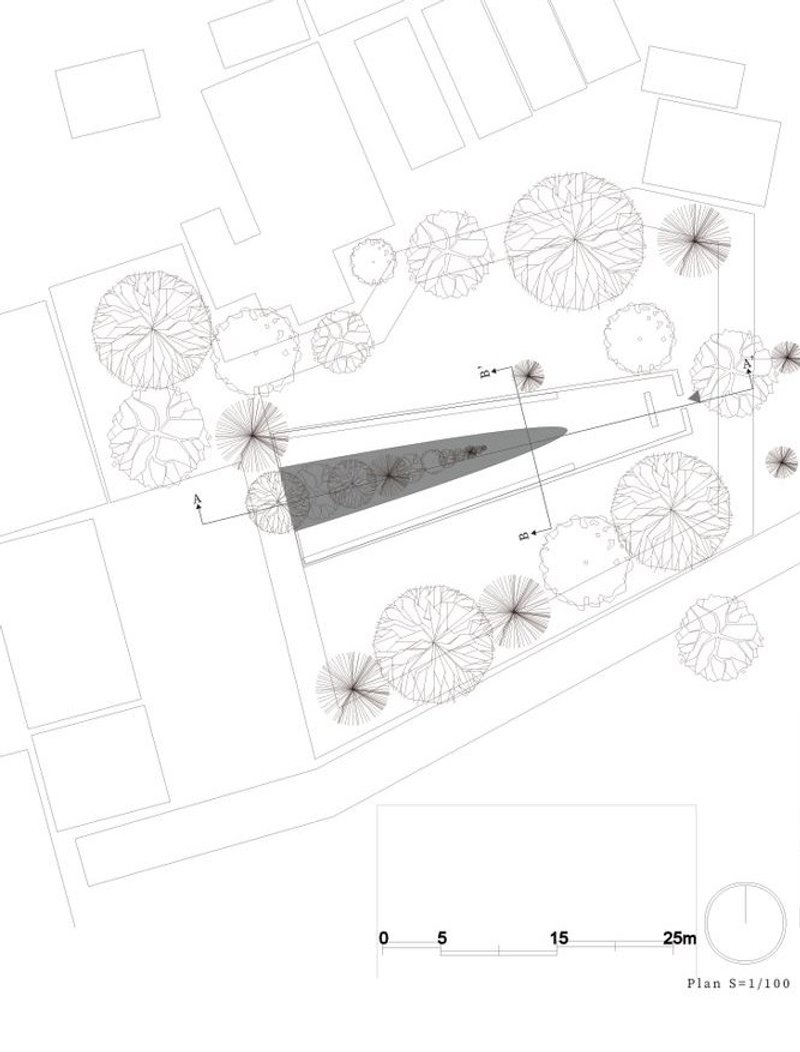
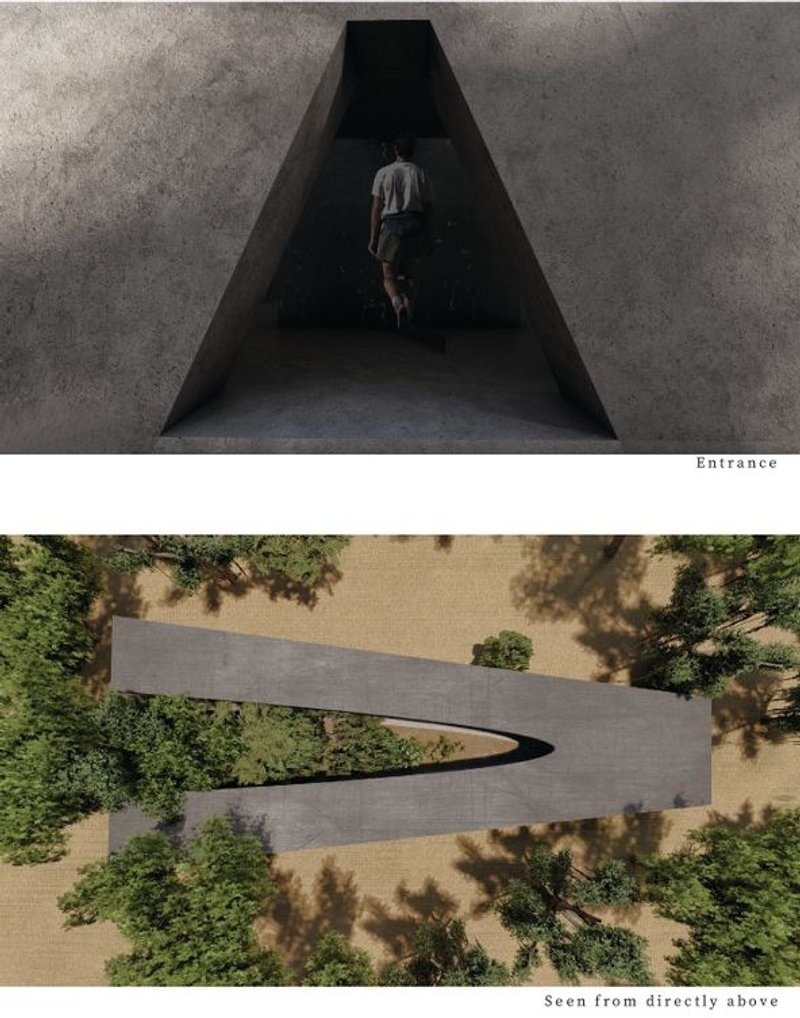
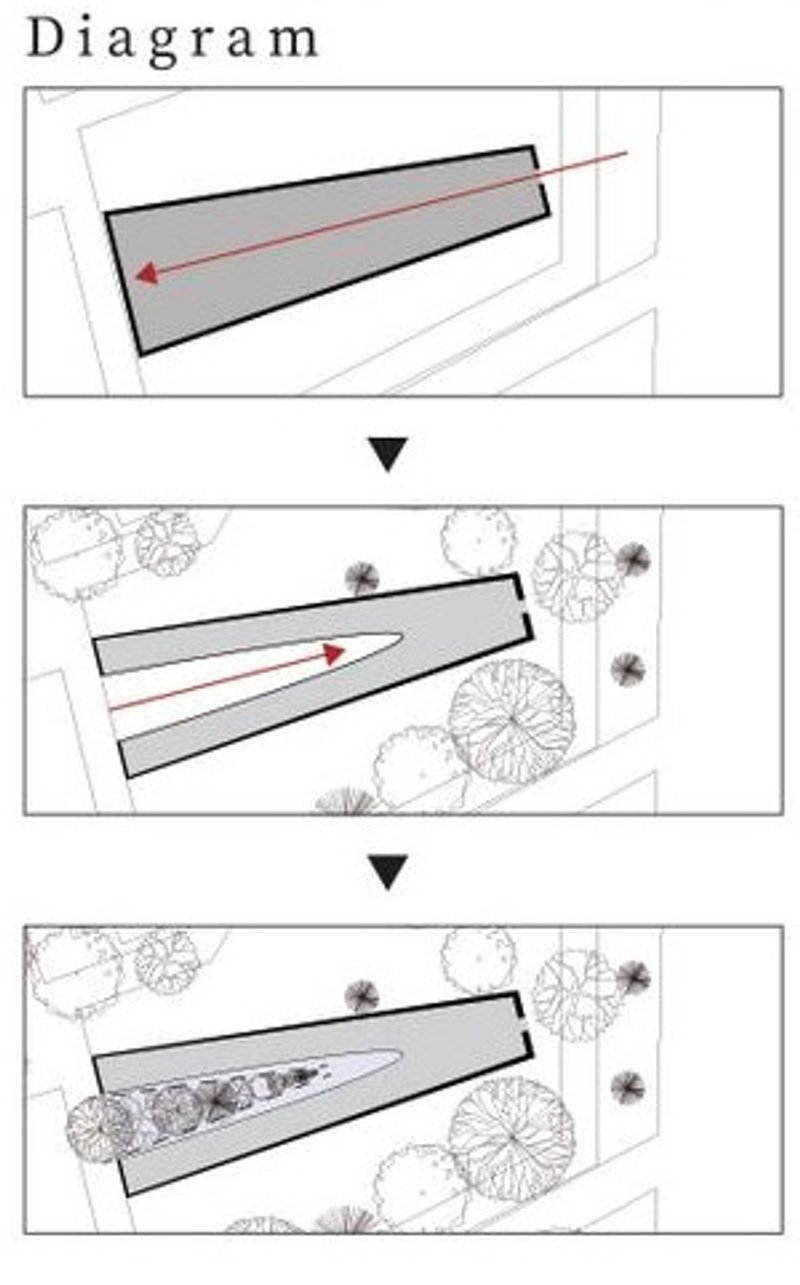
The chapel’s blueprint is a reflection of several key ideas: the necessity of a silent, darkened space for contemplation, an object and direction of worship, and a design that facilitates communion through nature. In crafting a V-shaped structure that seems to engulf its natural surroundings, the architects have provided visitors with an opportunity to engage with varying scales of greenery. This interaction allows for a multi-dimensional appreciation, fostering a bond with nature that resonates deeply with the city's cultural fabric.
Combating Urbanization with Conscious Design
Urbanization brings with it a suite of problems – declining water quality and a rapid reduction in green spaces. ‘A Peace for Peace’ emerges as a response, a design that turns its gaze towards the skies, urging its inhabitants to rediscover a coexistence with nature reminiscent of the city's original scenery.
Architectural and Environmental Synergy
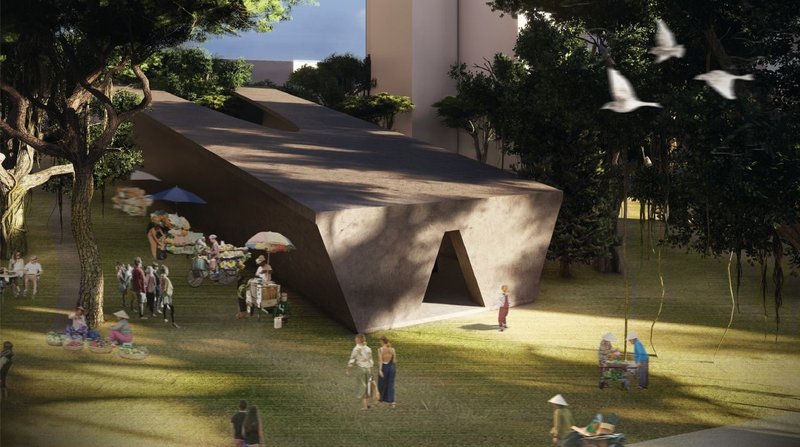
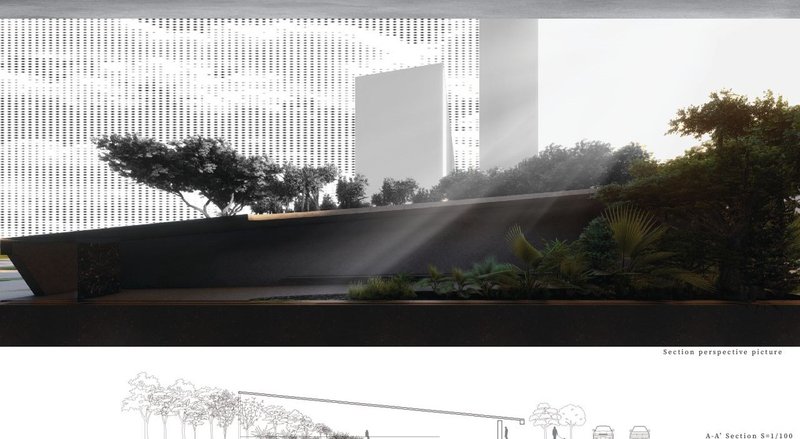
Divided into two realms, the entryway serves as a transition from the bustling streets to a serene world within. The city's hot climate is tempered by design elements that block direct sunlight while inviting the cooling winds, creating a semi-outdoor haven. Here, sustainable architecture in urban landscapes takes a prominent role, allowing for a design that accommodates both nature and the city’s climatic demands.
A Space Evolving with Its City
The project has undergone approximately 20 iterations, each refining the relationship between space, user, and environment. Leveraging tools like Rhinoceros for modeling and Lumion for rendering, the team reviewed and enhanced the design meticulously.
The selection of materials was no less thoughtful, with concrete chosen for its understated texture that allows nature – the focal point – to shine. This is sustainable architecture in urban landscapes at its most considerate – environmentally, culturally, and spiritually.
A Vision for the Future
‘A Peace for Peace’ is more than a static structure; it is a platform for growth, learning, and environmental stewardship. The design anticipates a future where the city and its people nurture a symbiotic relationship with the natural world.
The project by Sugiyama, Sato, Yoshihara, and 土江 is a powerful demonstration of how sustainable architecture can reimagine urban landscapes. It is a living reminder that even amidst the concrete jungle, there can be islands of greenery and peace – sanctuaries where nature is not only present but revered.
As urbanization continues to challenge the balance between development and environmental conservation, projects like ‘A Peace for Peace - Nurture Nearby Nature’ offer a blueprint for sustainable architecture that harmonizes with the city's rhythm while elevating its green conscience.
For those in Ho Chi Minh City and beyond, this chapel stands as a beacon of hope – a physical embodiment of the city’s enduring relationship with nature, and a call to action to preserve and cherish our urban landscapes.




Popular Articles
Popular articles from the community

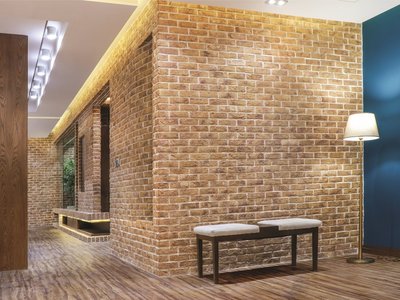
A Contemporary Take on Iranian Residential Architecture
A modern interior design in Mashhad that reinterprets brick, light, and spatial flow to create a warm, contemporary residential architecture.

Inverted Architecture Installation by Studio Link-Arc: Exploring the Intersection of Architecture and Living Organisms
Inverted Architecture Installation by Studio Link-Arc blends mycelium, sustainability, inverted design, ecological cycles, and urban adaptive architecture in Shenzhen.
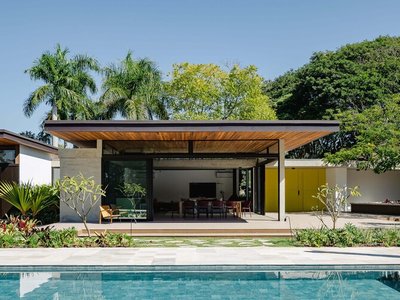
Flamboyant House by Juliana Camargo + Prumo Projetos
Modern Brazilian house integrating existing tree, pool, and volumes with glass, wood, and transitional spaces blending interior, exterior, and landscape seamlessly.

Solar Steam: A Climate-Responsive Architecture That Redefines the Monument
A climate-responsive memorial architecture that transforms heat, decay, and time into a living system reflecting humanity’s ecological impact.


Similar Reads
You might also enjoy these articles


The Ken Roberts Memorial Delineation Competition (Krob)
As the most senior architectural drawing competition currently in operation anywhere in the world, it draws hundreds of entries each year, awarding the very best submissions in a series of medium-based categories.
A Contemporary Take on Iranian Residential Architecture
A modern interior design in Mashhad that reinterprets brick, light, and spatial flow to create a warm, contemporary residential architecture.
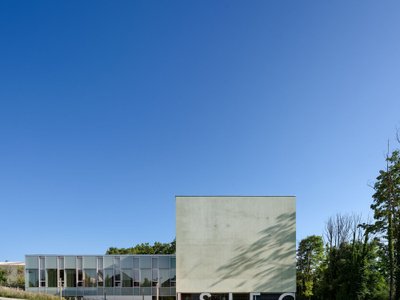
Franche-Comté Advanced School of Engineering by Dominique Coulon & associés, Besançon
A flexible engineering school immersed in woodland, combining concrete minimalism, adaptable spaces, and natural light to support evolving educational environments.


Documentation Work on Buddhist Wooden Temple
Architectural syncretism and cultural hybridity: A comparative study of the Buddhist temples in Chattogram Hill tracks


Explore Architecture Competitions
Discover active competitions in this discipline




The International Standard for Design Portfolios


The Global Benchmark for Architecture Dissertation Awards


The Global Benchmark for Graduation Excellence


Challenge to reimagine the Iron Throne
Comments (0)
Please login or sign up to add comments
No comments yet. Be the first to comment!