
Sustainable Architecture Projects in Africa: Spotlight on Xewa Sowé Center for Orphans
Explore the Xewa Sowé Center for Orphans in Benin, a model of sustainable architecture integrating community needs and local materials.

African architecture is increasingly focusing on sustainability due to the continent's need for buildings that are both environmentally friendly and suitable for the local climate and resources. One exemplary project in this realm is the Xewa Sowé Center for Orphans, located in Sowé, a rural village in central Benin.
Overview of the Xewa Sowé Center for Orphans
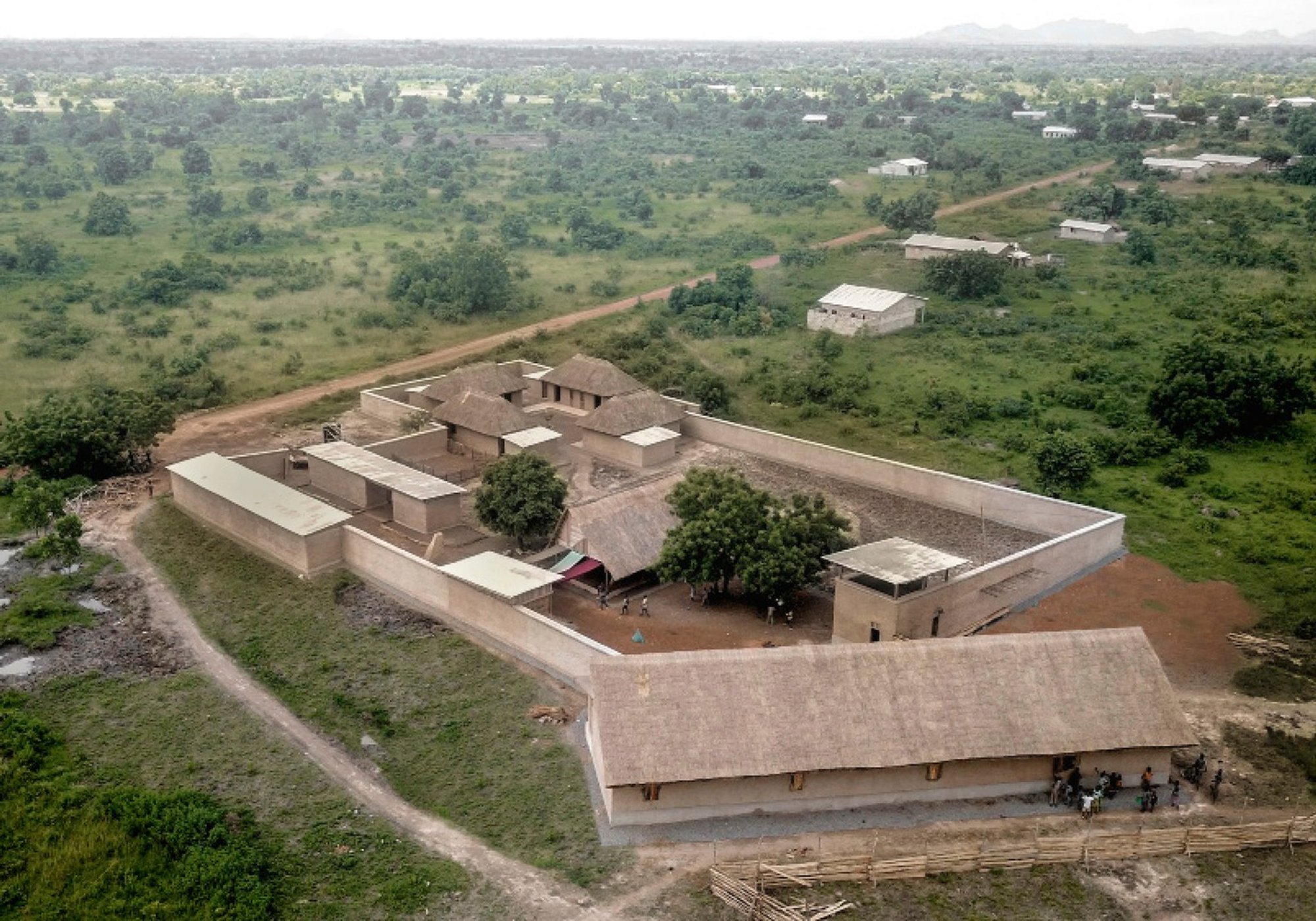
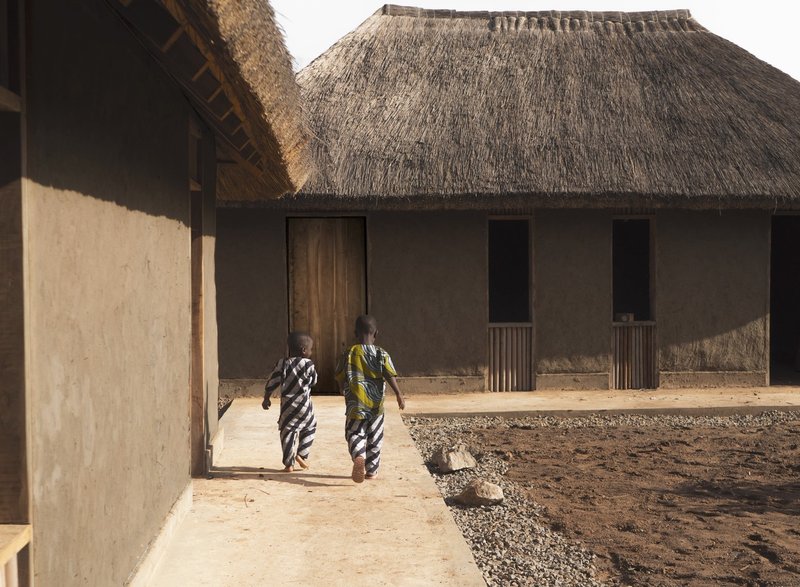
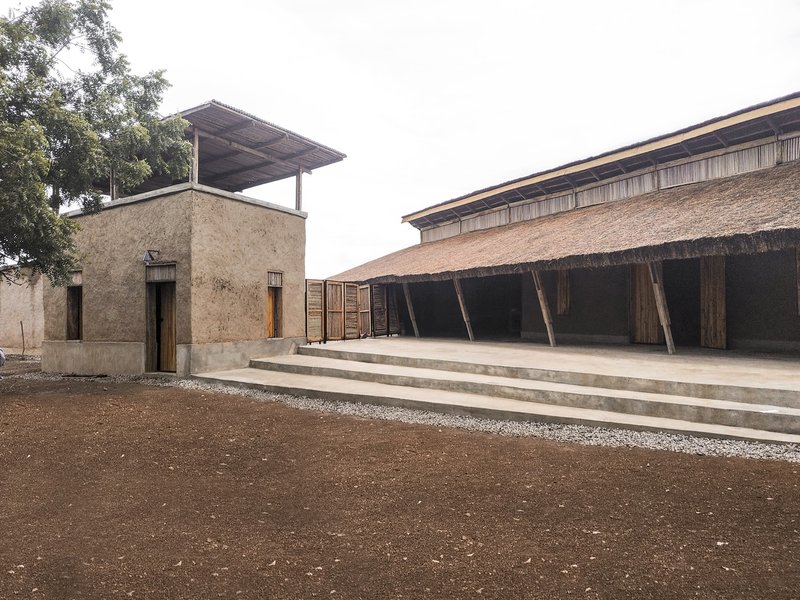
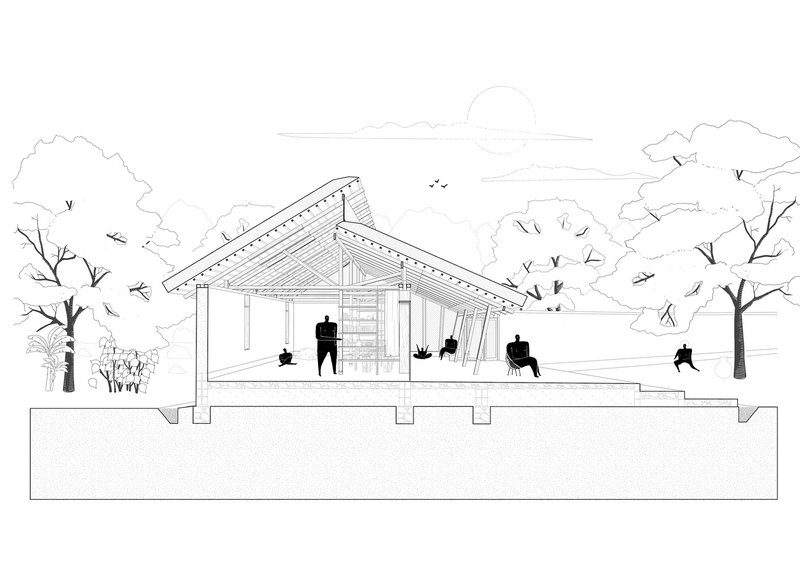
The Xewa Sowé Center for Orphans, designed by Corentin Dalon, Arianna Fabrizi De Biani, Doryan Kuschner, and Florian Mahieu, represents a remarkable fusion of traditional techniques and modern sustainability practices. Completed in 2019, this center spans 580 square meters and serves multiple purposes, including emergency accommodation for children, a food center, and a community library.
Design and Sustainability Features
Utilizing Local Materials and Techniques
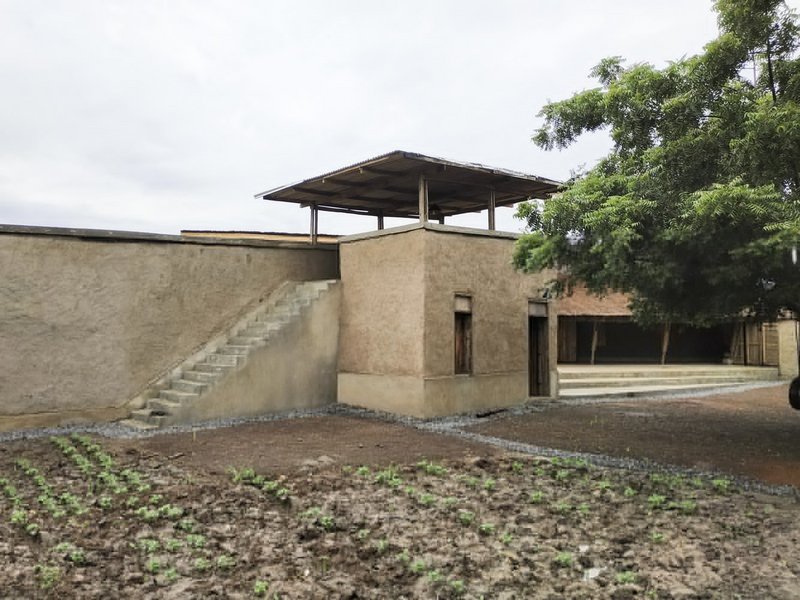
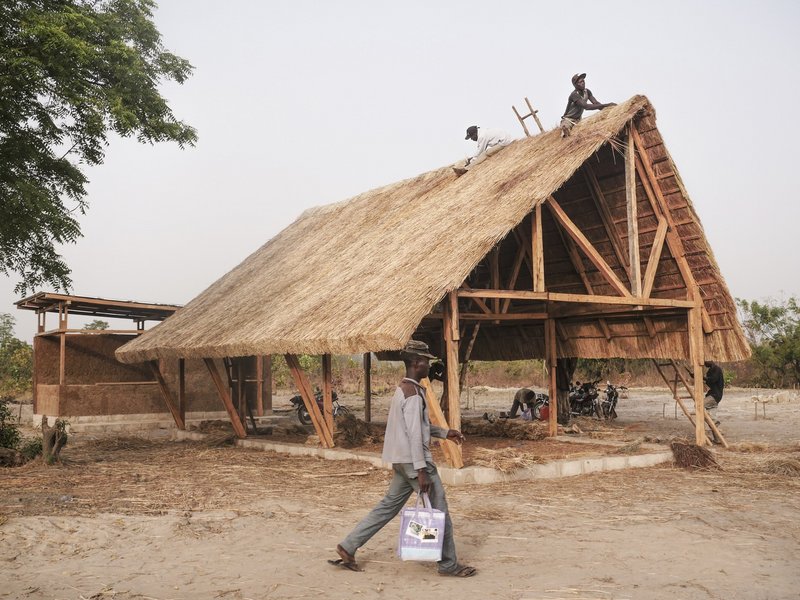
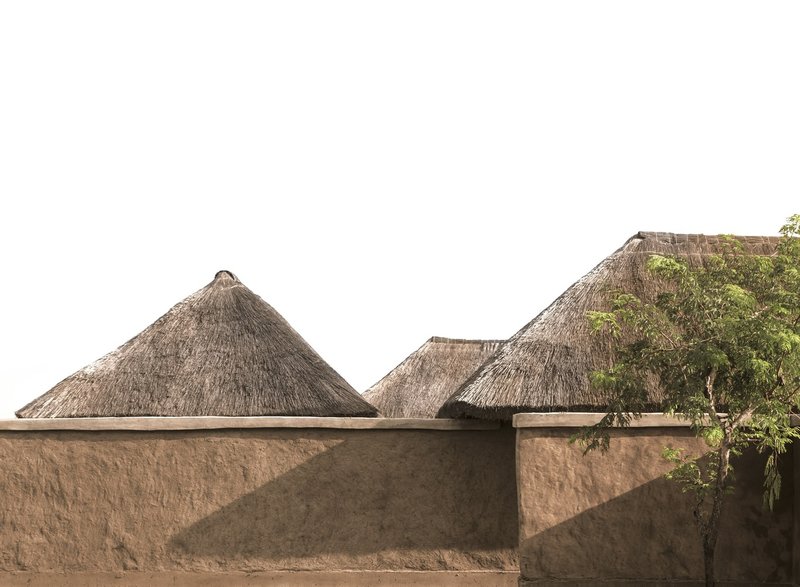
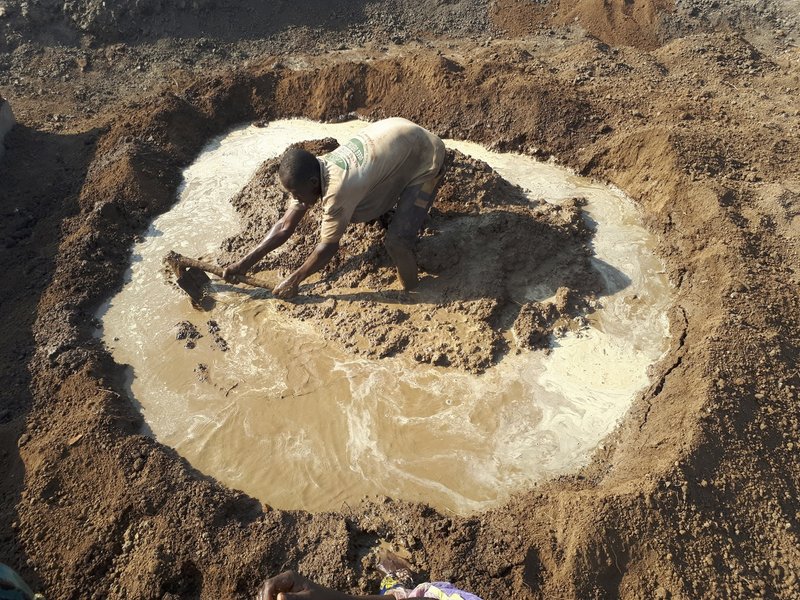
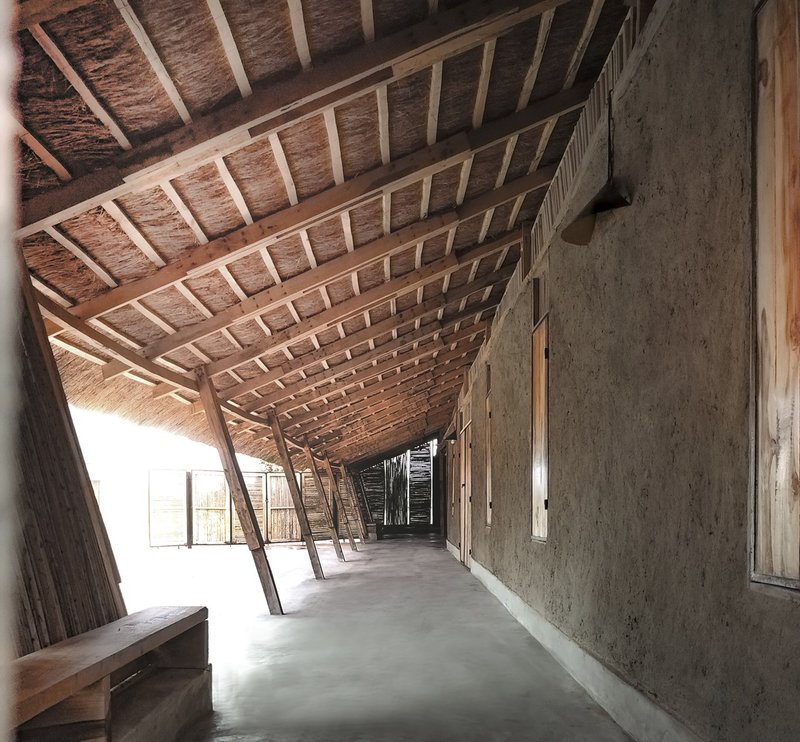
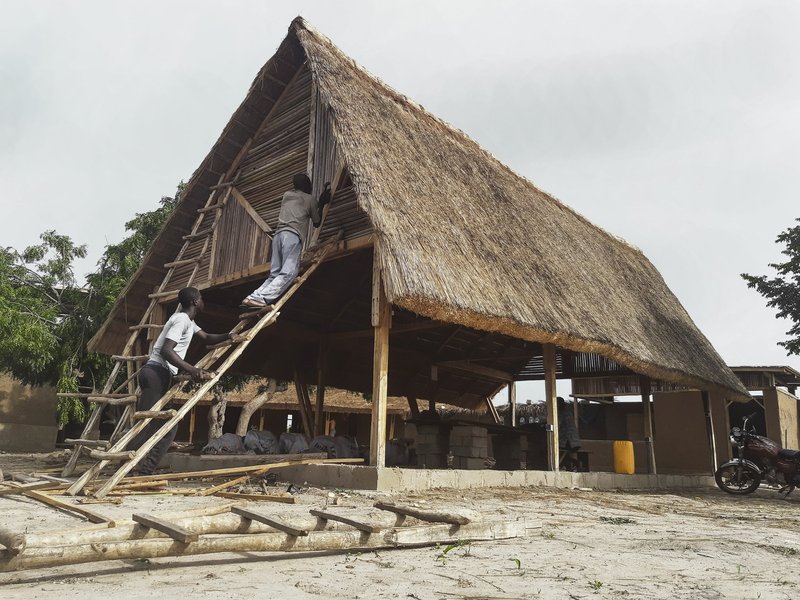
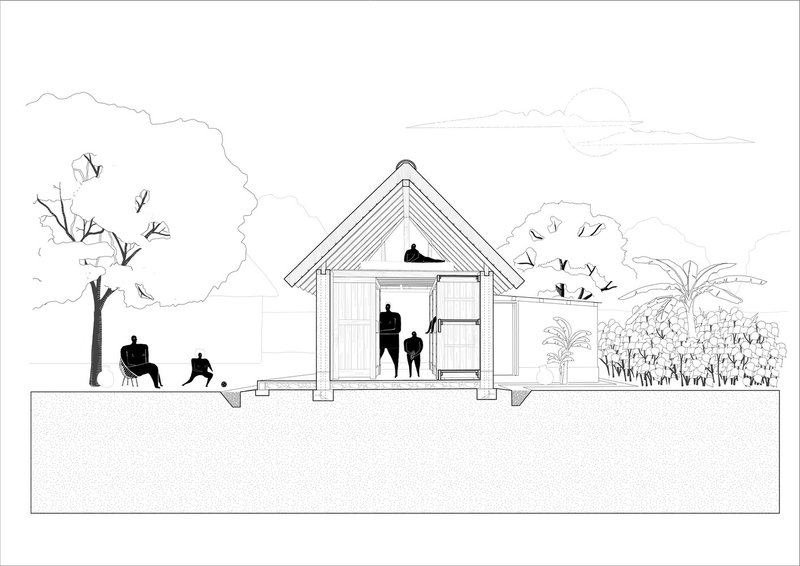
The architects of Xewa Sowé opted for local materials sourced within a thirty-kilometer radius of the site. The main building materials include clapboard for the walls and straw for the roofing, chosen for their natural insulation properties and local availability.
Innovative Architectural Layout
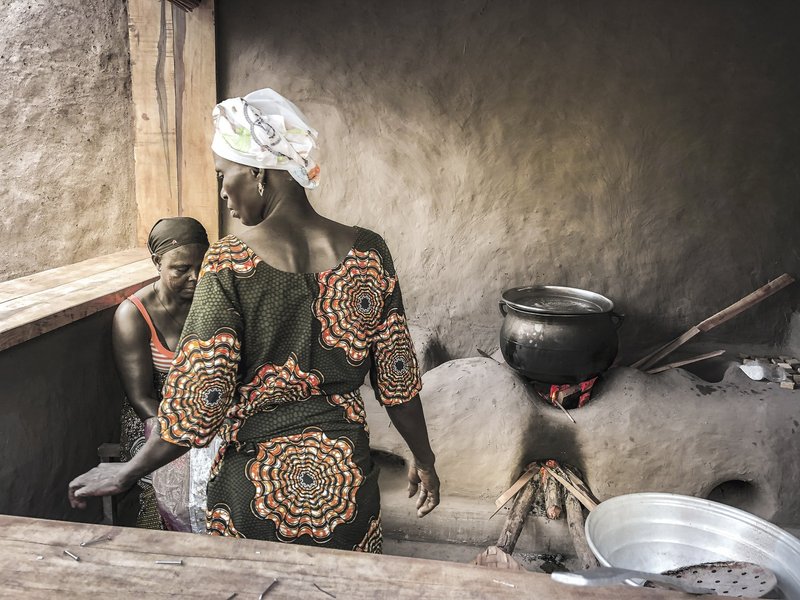
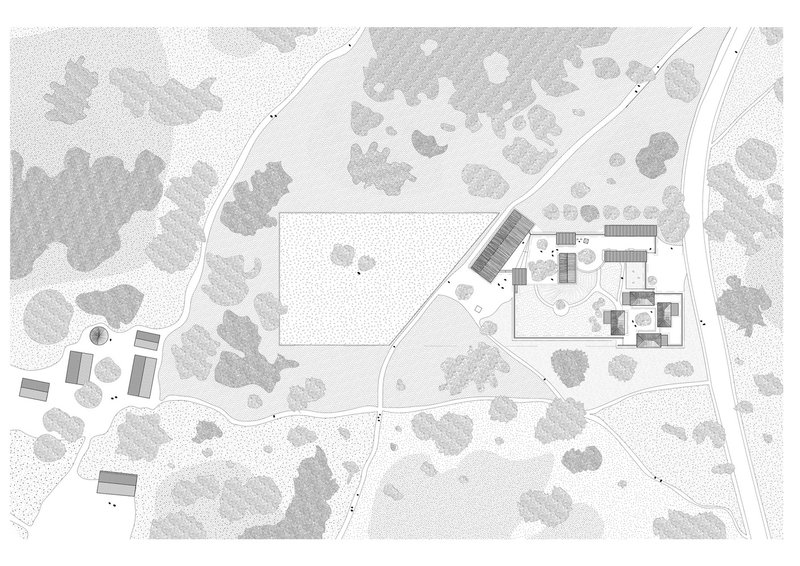
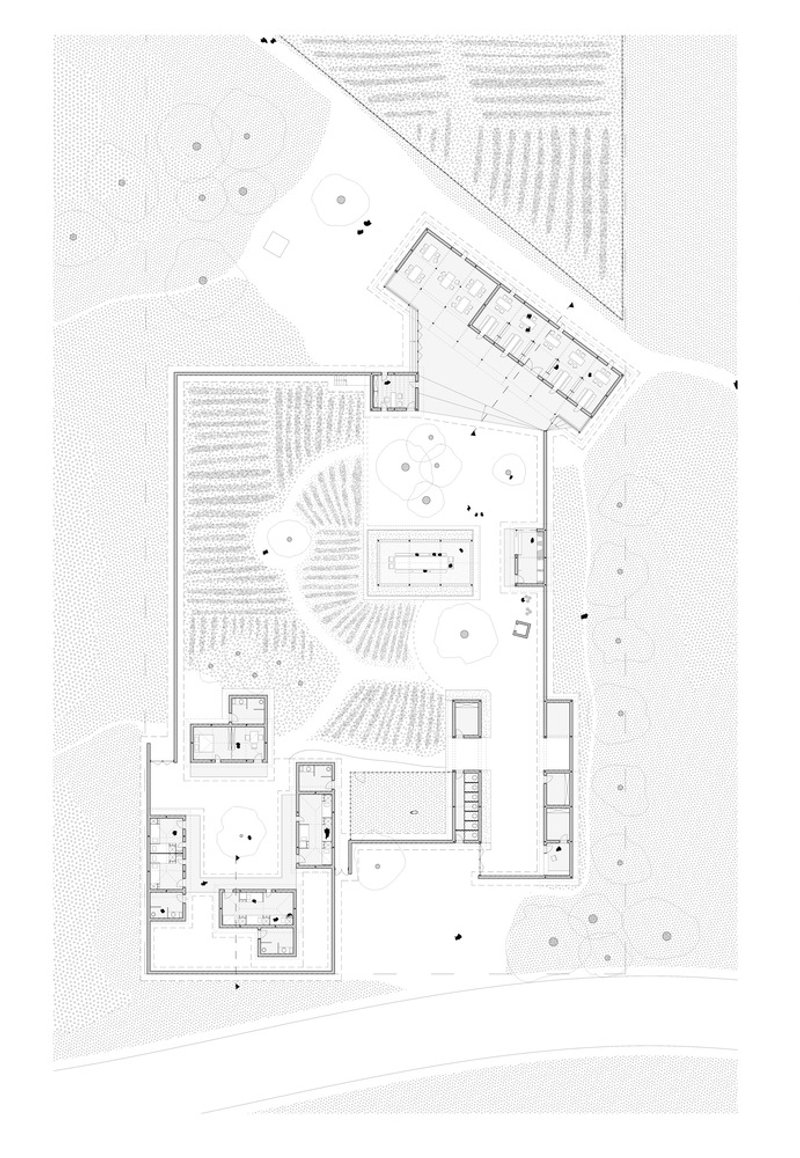
The center's design includes separate sections for the farm, kitchen, and library, each strategically placed to enhance accessibility and privacy. The layout also incorporates traditional courtyard designs, common in royal houses and palaces in Benin, modified for contemporary use.
Environmental Impact and Energy Efficiency
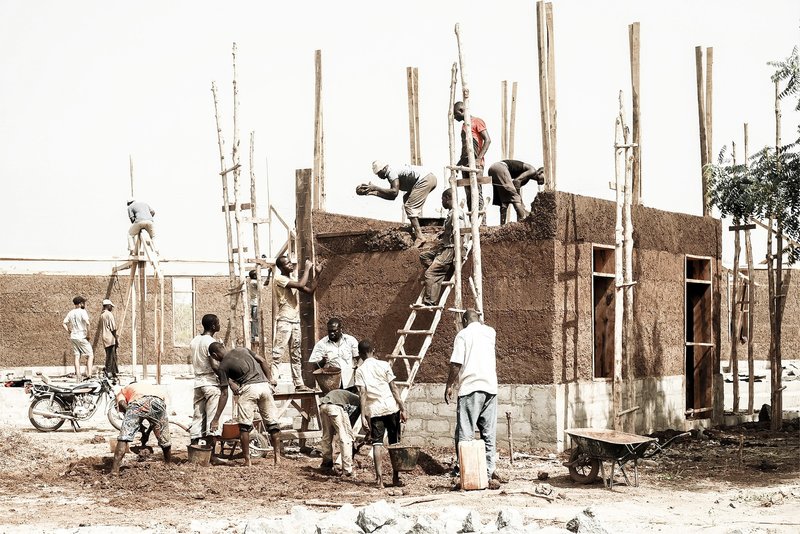
The construction of the center used minimal mechanization, reducing the "grey energy" involved in building. The use of raw earth for walls and the strategic design of roof shapes allow for natural ventilation and temperature regulation, showcasing how the project prioritizes energy efficiency.
Community Integration and Impact
A Center Open to the Village
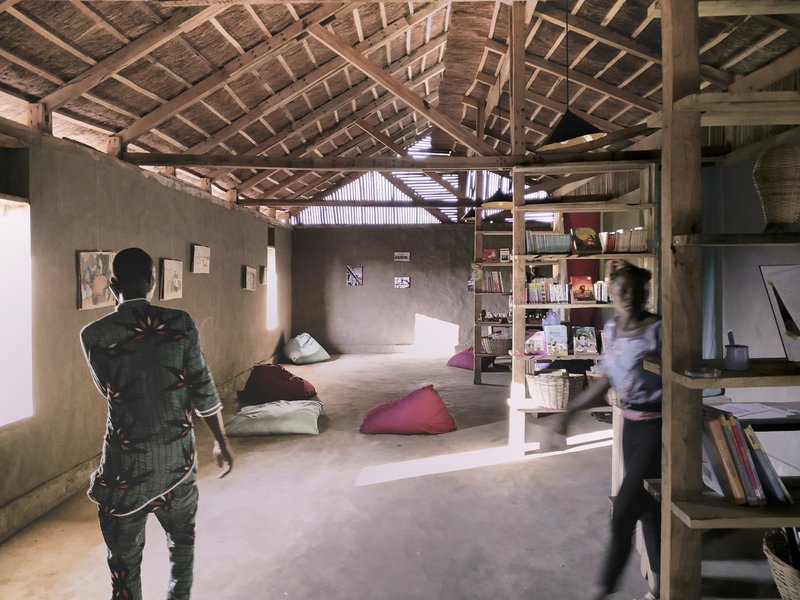
A key feature of the Xewa Sowé Center is its openness to the local community. It houses a public center that includes a library and study rooms, not just for the orphans but also for the local villagers, facilitating a supportive environment for the children and integration with the community.
Sustainable Food Production
The center includes a large vegetable garden and a farm, emphasizing self-sufficiency and providing fresh produce for the children and staff. This approach not only supports the center's food needs but also educates the children in sustainable farming practices.
The Role of Architecture in Sustainable Development
The Xewa Sowé Center for Orphans is a prime example of how architecture can play a crucial role in sustainable development. Through innovative design, the use of local materials, and community integration, the project sets a precedent for future sustainable architecture projects in Africa.
All photographs are work of Corentin Dalon, Arianna Fabrizi De Biani, Doryan Kuschner, Florian Mahieu




Popular Articles
Popular articles from the community

Atelier Macri Concept Store Interior Design by CASE-REAL
Atelier Macri store features a "ko" counter, walnut wood details, cork displays, blending retail, gallery, and seamless customer experiences.
On the Brooks House by Monsoon Collective – A Contemporary Kerala Home Rooted in Tradition
Kerala home blending tradition and modernity with water-inspired design, brick architecture, courtyard planning, and sustainable rainwater harvesting strategies.
Flamboyant House by Juliana Camargo + Prumo Projetos
Modern Brazilian house integrating existing tree, pool, and volumes with glass, wood, and transitional spaces blending interior, exterior, and landscape seamlessly.
An Miên Lumière Cafe by xưởng xép, Ho Chi Minh City, Vietnam
An industrial-inspired café where layered steel and warm light create a dynamic, immersive environment shaped by reflection, depth, and perception.


Similar Reads
You might also enjoy these articles


The Ken Roberts Memorial Delineation Competition (Krob)
As the most senior architectural drawing competition currently in operation anywhere in the world, it draws hundreds of entries each year, awarding the very best submissions in a series of medium-based categories.


Waterfront Redevelopment and Urban Revitalization in Mumbai: Forging a New Dawn for Darukhana
A transformative waterfront redevelopment project reimagining Darukhana’s shipbreaking heritage into an inclusive urban future.

OUT-OF-MAP: A Call for Postcards on Feminist Narratives of Public Space
Rhizoma Design and Research Lab invites artists, designers, architects, researchers, and students to reflect on how feminist perspectives can reshape public space. Selected works will be exhibited in Barcelona, October 2026. Submissions open until 15 April 2026.


Documentation Work on Buddhist Wooden Temple
Architectural syncretism and cultural hybridity: A comparative study of the Buddhist temples in Chattogram Hill tracks


Explore Architecture Competitions
Discover active competitions in this discipline




The International Standard for Design Portfolios


The Global Benchmark for Architecture Dissertation Awards


The Global Benchmark for Graduation Excellence


Challenge to reimagine the Iron Throne
Comments (0)
Please login or sign up to add comments
No comments yet. Be the first to comment!