

Sustainable Home Design in Chile: Las Vertientes House by Lucas Maino Fernandez
An exploration of Las Vertientes House by Lucas Maino Fernandez, highlighting its sustainable design, innovative layout, and integration with nature.


Las Vertientes House, designed by Lucas Maino Fernandez, is a remarkable example of sustainable home design in Chile. Nestled in the sector of 'Las Vertientes' in the commune of Rocas de Santo Domingo, this innovative residential project offers a harmonious blend of contemporary aesthetics and environmental consciousness.


Location and Context
Located in the Fifth Region of Chile, Las Vertientes House is set at the back of a plot, away from the coast and surrounded by eucalyptus trees on its southern boundary. This strategic positioning not only provides privacy but also leverages the natural landscape to enhance the home's sustainability.


Architectural Concept
Long-Term Family Living
The house is designed to serve as a long-term residence for a family, with careful consideration of how spaces will be used in the future. The architectural concept revolves around the idea of separating and fragmenting spaces into different units, connected through intermediate courtyards. This approach allows for flexibility and adaptability as the family's needs evolve over time.


Design and Layout
Common and Private Spaces
The layout of Las Vertientes House is thoughtfully organized into distinct zones. Common areas, including the kitchen, dining room, and living room, are placed centrally. This central block is followed by children's and guest bedrooms, and finally, the master bedroom. An additional guest apartment completes the overall volume, ensuring ample space for visitors.


Integrated Workspace
A notable feature of the house is the integrated office space, located within the block of common areas but separated in a loft accessed by a sculptural staircase. The roof rises at this point, with an inclination that contrasts with the rest of the volume, optimizing indirect light for the office.


Sustainable Design Elements
Material Choices
The exterior facades of Las Vertientes House utilize a combination of black micro-corrugated zinc and impregnated pine with a natural finish. This material interplay not only enhances the visual appeal but also contributes to the building's sustainability. The use of diagonals and geometries in the cladding creates a dynamic aesthetic while ensuring better contact with the ground, enhancing stability and integration with the landscape.


Orientation and Natural Light
All main rooms are oriented to the north, establishing a direct connection between the interior spaces and the garden. This orientation maximizes natural light, reducing the need for artificial lighting and improving energy efficiency. Wet rooms, such as bathrooms and the kitchen, are strategically placed on the south side, optimizing the overall thermal performance of the house.
Las Vertientes House by Lucas Maino Fernandez is a testament to sustainable home design in Chile. Through its innovative layout, thoughtful use of materials, and strategic orientation, the house offers a model for environmentally conscious living. It showcases how contemporary architecture can harmoniously integrate with nature, providing a functional and aesthetically pleasing home for modern families.
By focusing on sustainable home design principles and leveraging the unique aspects of its location, Las Vertientes House stands out as a premier example of sustainable residential architecture in Chile.


All the photographs are work of MArcos Zegers


Popular Articles
Popular articles from the community

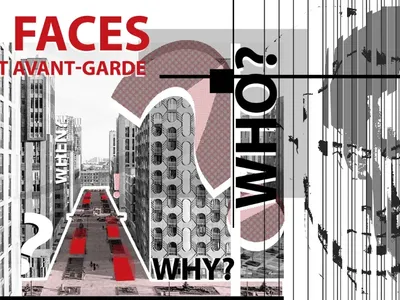
Faces of the Soviet Avant-Garde: Turning Moscow's Street Names into an Open-Air Museum
A network of sculptural installations across a Moscow residential district transforms forgotten architect names into spatial encounters with cultural memor
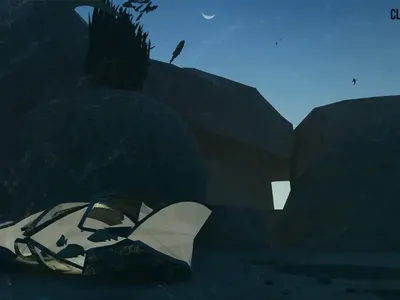
Cloaked Colonization: A Mobile Underwater Habitat That Moves Like a Fish
Micah Abaya's shortlisted EHC Pacific entry reimagines ocean settlement as a dispersed network of self-sustaining architectural organisms.
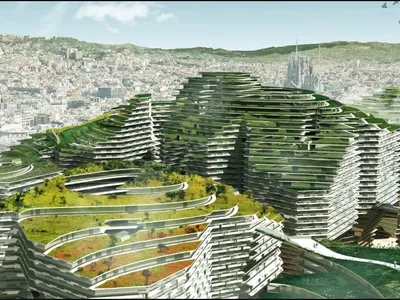
Manzana Morphosis: Stretching Barcelona's Grid into a Living Landscape for 2050
A radical reworking of the Eixample manzana turns density into a tool for generous public space, vertical ecology, and environmental performance.
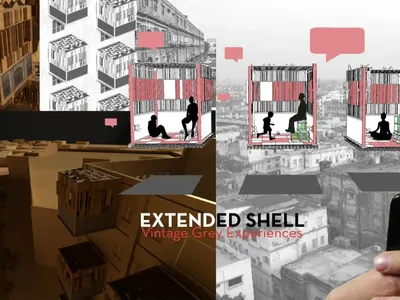
Extended Shell: Retrofitting Kolkata's Balconies as Living Urban Thresholds
A modular retrofit system recovers the social and environmental intelligence of Kolkata's historic verandas for contemporary Park Street residents.

Similar Reads
You might also enjoy these articles

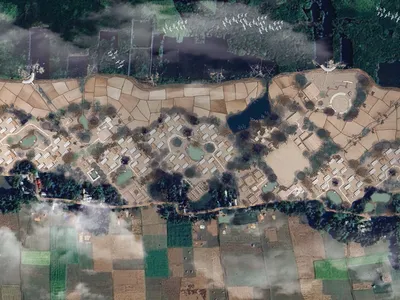
Hodi-Mandai Geram
Project Function: Preservation and revitalization of the Intangible heritage and socio-spatial identity of the Hodi by Housing, Cultural Memory Center, Sacred Grove, landscape, local tourism economy

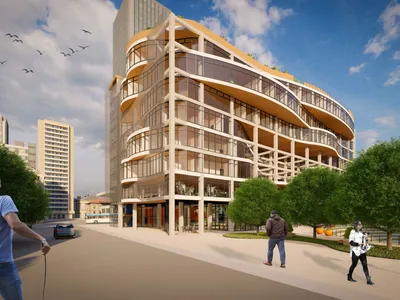
Olio Towers: A Mid-Rise for Performers That Fuses Housing, Rehearsal, and Stage
Located blocks from Houston's Theater District, this modular tower stacks living units around a central performance atrium.
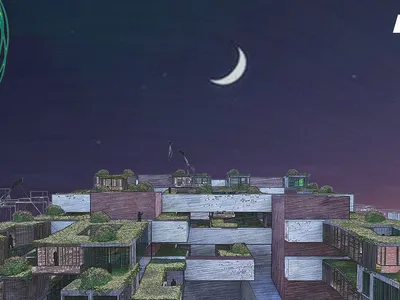
Oasis: Modular Green Housing Carved into Dhaka's Urban Fabric
A shortlisted Plugin Housing entry reclaims unauthorized settlements in Dhaka with stepped concrete volumes, green roofs, and ventilation-driven design.

Black Hole: A Floating Megastructure for the Post-Physical Era
Emiliano Mazzarotto envisions a spherical, self-scaling arena where e-sports, digital hotels, and holographic stadiums replace traditional public space.

Explore Housing Competitions
Discover active competitions in this discipline

Challenge to reimagine the Iron Throne

Photograph architecture without architects

Illustrate the lost glory of Angkor Wat - Render Challenge

Design challenge to reuse E-waste
Comments (0)
Please login or sign up to add comments
No comments yet. Be the first to comment!