

Sustainable Office Design: A Deep Dive into Greenpeace Brazil's New Headquarters
Explore the new Greenpeace Brazil Headquarters, a model of sustainable office design located in São Paulo's historic Copan Building.


The new Greenpeace Brazil headquarters in São Paulo, designed by guaja.cc and facury, exemplifies sustainable office design at its best. Located at the iconic Copan Building, this project not only revitalizes a historic space but also embeds sustainability deeply into its functional and aesthetic aspects.


Design Philosophy and Integration
Strategic Location and Accessibility
Situated in the historic center of São Paulo, the headquarters leverages its urban setting to maximize accessibility and visibility. By relocating from a high-class neighborhood to the city center, Greenpeace aligns with sustainable urban development principles, utilizing existing infrastructure and public transport links to minimize its ecological footprint.


Harmonizing with Historical Context
The design carefully preserves and integrates elements of the Copan Building’s original architecture, respecting its historical significance while adapting it for modern use. This approach underscores a commitment to preserving cultural heritage alongside environmental sustainability.


Key Features of the Headquarters
Flexible and Multipurpose Spaces
The headquarters is designed with versatility in mind, featuring spaces such as the Warehouse and various multipurpose rooms that can host events, workshops, and daily operations. This flexibility ensures that the space can evolve with the organization’s needs, reducing the need for future structural changes.


Environmental Considerations and Materials
The office makes use of sustainable materials and strategies to enhance its environmental performance. Features like movable partitions for space reconfiguration and the preservation of historical elements reduce the need for new materials, emphasizing reuse and adaptation.


Impact on Greenpeace’s Mission
Enhancing Community Engagement
The ground floor opens directly onto the public balcony of the Copan Building, making the headquarters a visible and accessible part of the community. This design invites public interaction and reflects Greenpeace’s ethos of openness and community involvement.


Sustainable Practices in Daily Operations
From the use of solar panels to energy-efficient lighting and ventilation systems, every aspect of the headquarters is designed to minimize environmental impact. These features not only reduce operational costs but also serve as a live demonstration of sustainable practices in action.


The Future of Office Design
Greenpeace Brazil’s new headquarters by guaja.cc and facury is a benchmark for sustainable office design worldwide. It showcases how architectural innovation can align with and enhance an organization's environmental and social goals. As businesses increasingly recognize the importance of sustainability, the Greenpeace headquarters stands as a model of how offices can be designed to be both beautiful and beneficial to the planet.


All the photographs are work of Manuel Sá, José Henrique Paiva


Popular Articles
Popular articles from the community


The Amber Palace Opera: A Geological Fiction Surfaces on Tallinn's Baltic Waterfront
Pierre Brillard reimagines a Baltic legend as a public landscape, opera house, and waterfront promenade rooted in Tallinn's coastal identity.

Singing Woman: An Opera House That Performs Before the Curtain Rises
Ovidiu Cristian Pavel's conceptual opera house translates Estonia's choral identity into a sculpted waterfront landmark facing the Baltic Sea.
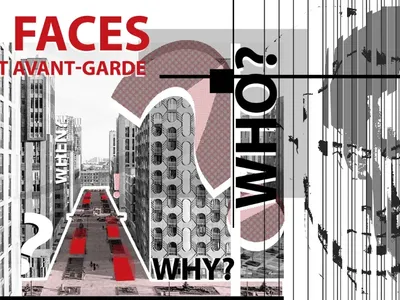
Faces of the Soviet Avant-Garde: Turning Moscow's Street Names into an Open-Air Museum
A network of sculptural installations across a Moscow residential district transforms forgotten architect names into spatial encounters with cultural memor

Tsunami Convergenics: Turning Catastrophic Ocean Forces into Underwater Housing Infrastructure
A speculative underwater settlement off the coast of Onagawa, Japan, treats tsunamis and typhoons as energy sources rather than threats.

Similar Reads
You might also enjoy these articles

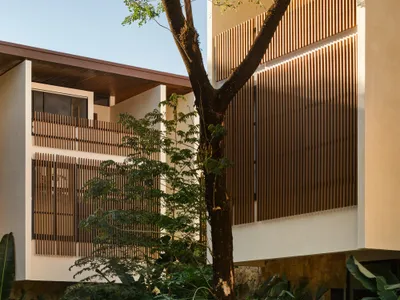
FAMM Arquitectura Organizes Ten Villas Around Courtyards and Jungle in Nosara, Costa Rica
El Molino pairs two elongated volumes with deep overhangs and timber louvers to build a compact coastal community five minutes from the beach.
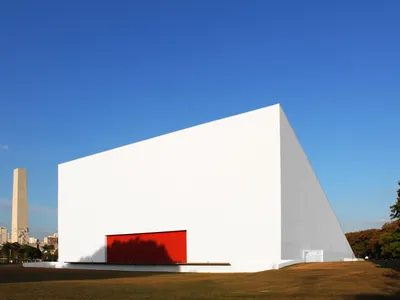
Oscar Niemeyer's Ibirapuera Park Pavilions Define São Paulo's Cultural Identity in Concrete and Curve
A constellation of modernist volumes set within São Paulo's most important urban park, conceived for the city's 400th anniversary in 1954.
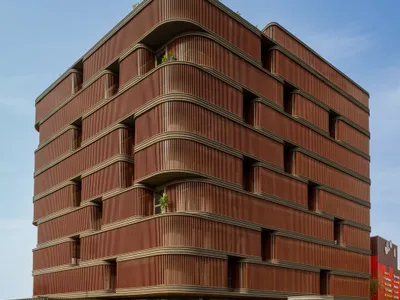
Sanjay Puri Architects Wraps a Jaipur Office Tower in Capsule-Shaped Green Buffers
A nine-level climate-responsive workplace near Jaipur Airport uses stacked planter terraces and aluminium screens to fight 40°C heat.
RHO Converts a Berlin Spree-Side Industrial Courtyard into Enkime's 1,000 m² Agency Headquarters
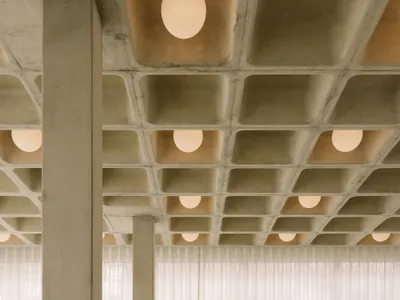
A social media agency's new home in Charlottenburg trades glossy branding for concrete waffle ceilings, glazed tile, and sheer curtains.

Explore Green Building Competitions
Discover active competitions in this discipline

Challenge to reimagine the Iron Throne

Photograph architecture without architects

Illustrate the lost glory of Angkor Wat - Render Challenge

Design challenge to reuse E-waste
Comments (0)
Please login or sign up to add comments
No comments yet. Be the first to comment!