
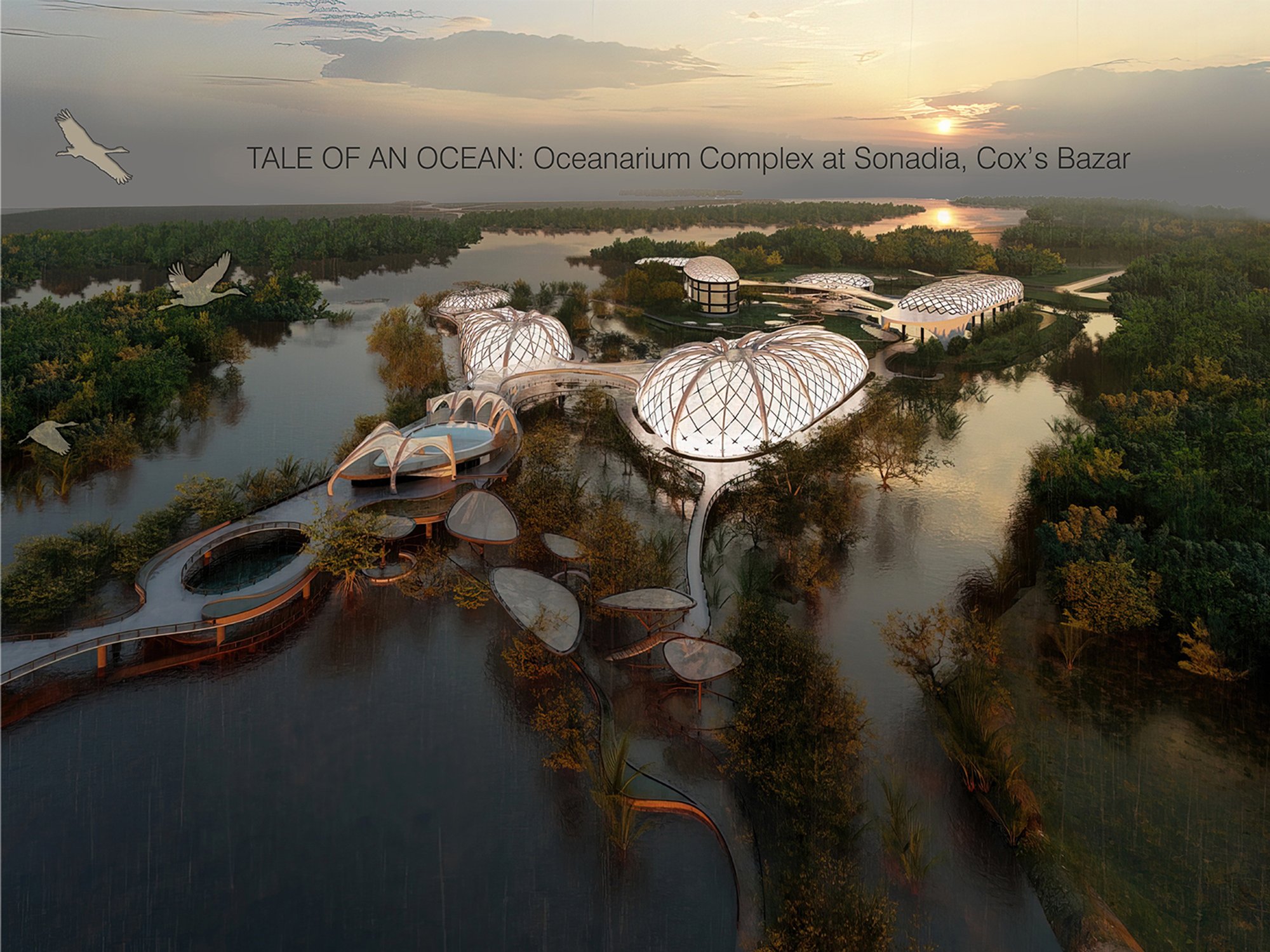
TALE OF AN OCEAN: Oceanarium Complex at Sonadia,Cox’s Bazar, Bangladesh.
Self-Sufficient Dome- A sustainable Prototype

Sonadia Island, close to the Bay of Bengal, is a mix of microclimates with sand dunes, black mangroves, and a special estuary ecology that is impacted by tidal surges every day. Numerous animals live there, including over 50 vulnerable species. Due to local illegal usage of these places and environmental changes, the island experienced considerable losses; as a result, Environment Conservation Act of Bangladesh recognized it as an Ecologically Critical Area (ECA). Out of the 8300 acres of nature reserve, 900 acres will be developed for public use, and the government has proposed using 13.3 acres of this property for the Oceanarium complex. The project explores energy efficient, sustainable construction methodology that can survive the complex climatic conditions of Sonadia including poor soil conditions, salinity, daily water surges, seasonal cyclones. The challenge was to design a lightweight structure which can be easily assembled, support the massive aquariums, and also address the absence of usable freshwater. Through conscious landscaping using local flora and fauna as a guideline, symbiosis is created between the architecture and nature which rejuvenates the natural ecosystem and provide safe crawling spaces for the local fauna. The final objective is to raise public awareness and enable research possibilities by showcasing marine creatures in aquariums and in their natural environments. However, the main goal of the complex is to rescue marine life and provide outdoor natural exhibitions in contrast to the conventional aquariums. The topography of the site is of three categories: Dry zone (usually dry), Semi-dry zone (prone to seasonal tidal surge), and Wet zone (due to regular tidal surge). There are three separate exhibitions-Salt water, Fresh water and Dolphinarium, an ocean heritage museum, a research and service block, a public block and a cafeteria along the site. Here, the Dolphinarium has the capacity to accommodate two rescued local Dolphins in special need and also includes an outdoor open to sky crawling tank. The ground floor holds habitat tanks and medical tank(as per section AA’ and Ground floor plan).Dolphins tend to do well in open tanks in outdoor areas. In nature, they swim to the shallow shore areas for eating small fishes. A shallow pool here mimics this phenomena with small fishes with opening routines at certain time of day for feeding purposes. These rescued fish and animals facilitates educating people about wildlife and about how they are affected in daily life. The masses’ substructure is elevated given the highest level of storm surge and water level rise. Ferrock is used as it is a sustainable carbon negative, lightweight material and is resistant to saline water. The roofing materials are cushions of double-layered ETFE and PTFE membrane integrated with photovoltaic cells, which are lightweight, generates solar power for the aquariums, and reduces indoor temperature up to 5 degrees Celsius reducing cooling loads in the long run. These cushions are cyclone resistant, thus the domes can be used as cyclone shelter. At the center of the domes is a service core with a solar powered desalination pod added to desalinate the surface water for regular and aquarium usage. The bi-product salt is collected and supplied to the local factories, eliminating the first step of local salt collection process. This maintains the salinity of the soil and provides financial support for maintenance. The interior spatial transitions and the pavilions are designed to give the experience of mystery of an ocean. The domes are sustainable and mostly depends on renewable energy sources. The materials are lightweight and can be assembled on site in a small amount of time. These are cyclone resistant and not reactive to saline water which makes them suitable for such critical areas. The planting of trees was done consciously to create natural outdoor exhibitions. Different types of trees attract different species. For example, the Pangas fish consumes the fruits of the Keora tree. The wet zone region is planted with many Keora trees, which will draw fish during tidal surges and turn it into a fishing zone. Fish will draw mudskipper and crabs, which will also draw in various shorebirds nearer. To attract birds with its fruits, large trees like Mangrove Cedar are planted. The Sundari tree, an endangered species that only grows in semi-arid regions, can thrive there. Bees produce bee wax from the sap of this tree. Bees build beehives in Mangrove Cedar and Bain trees and harvest honey from Khalisa and Sundari trees. To draw bees to this location, these trees were planted close to Sundari trees. Sundari tree only grows on the areas subjected to seasonal inundation. To stop erosion brought on by tidal surges, Golpata trees are planted along the shoreline. The shallow canals with dead end are connected with the main canals to prevent water clogging. Each aquarium dome is self-sufficient-uses solar power, produces its own water, is cyclone and saline water resilient -which makes it a site responsive prototype that can be installed in this type of areas. The materials used are low maintenance, cost effective and environmentally sustainable. The solar powered dome will be able to produce 65-70% of its daily electricity needs based on the weather and sun exposure. Again,the structure is elevated considering future sea level rise.If the sea level rises more than the future prediction, most of the materials can be demounted and reused because of its modular properties. The modular properties also allow easier transportation even using waterways. All these materials are lightweight than the conventional materials like concrete, glass-which makes it feasible for this type of loose mangrove quality. Service routes within the complex is managed by maintaining a independent service loop at different levels from entrance to the Service block. Internal moving cart will be used to provide maintenance and cleaning services within the complex. Emergency exits have been ensured from each domes maintaining the BNBC Law. The daily population entry per hour is well controlled to protect the peace within the compound so that it does not affect the wildlife in the outdoor natural exhibitions. The indoor and outdoor spaces within the complex will play a vital role in the rescue of natural ecosystem of Sonadia and promote public awareness.


Popular Articles
Popular articles from the community

Treehouse Apartment: A Warm Timber Interior Blending Craft, Play, and Contemporary Living
Warm timber apartment with integrated treehouse, combining natural materials, craftsmanship, and playful design to create a flexible, family-oriented living environment.
Atelier Macri Concept Store Interior Design by CASE-REAL
Atelier Macri store features a "ko" counter, walnut wood details, cork displays, blending retail, gallery, and seamless customer experiences.
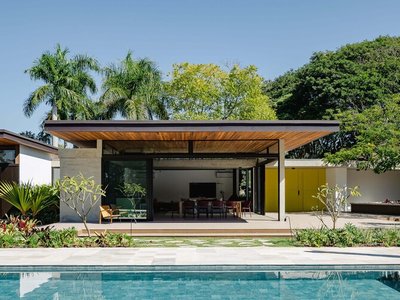
Flamboyant House by Juliana Camargo + Prumo Projetos
Modern Brazilian house integrating existing tree, pool, and volumes with glass, wood, and transitional spaces blending interior, exterior, and landscape seamlessly.
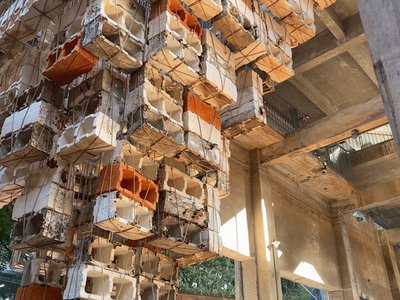
Inverted Architecture Installation by Studio Link-Arc: Exploring the Intersection of Architecture and Living Organisms
Inverted Architecture Installation by Studio Link-Arc blends mycelium, sustainability, inverted design, ecological cycles, and urban adaptive architecture in Shenzhen.

Similar Reads
You might also enjoy these articles


The Ken Roberts Memorial Delineation Competition (Krob)
As the most senior architectural drawing competition currently in operation anywhere in the world, it draws hundreds of entries each year, awarding the very best submissions in a series of medium-based categories.
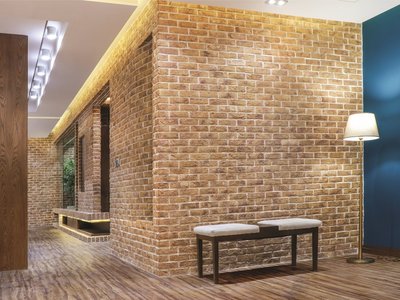
A Contemporary Take on Iranian Residential Architecture
A modern interior design in Mashhad that reinterprets brick, light, and spatial flow to create a warm, contemporary residential architecture.
Franche-Comté Advanced School of Engineering by Dominique Coulon & associés, Besançon
A flexible engineering school immersed in woodland, combining concrete minimalism, adaptable spaces, and natural light to support evolving educational environments.

Waterfront Redevelopment and Urban Revitalization in Mumbai: Forging a New Dawn for Darukhana
A transformative waterfront redevelopment project reimagining Darukhana’s shipbreaking heritage into an inclusive urban future.


Explore Architecture Competitions
Discover active competitions in this discipline




The International Standard for Design Portfolios


The Global Benchmark for Architecture Dissertation Awards


The Global Benchmark for Graduation Excellence


Challenge to reimagine the Iron Throne
Comments (1)
Please login or sign up to add comments
really unique idea....great work