
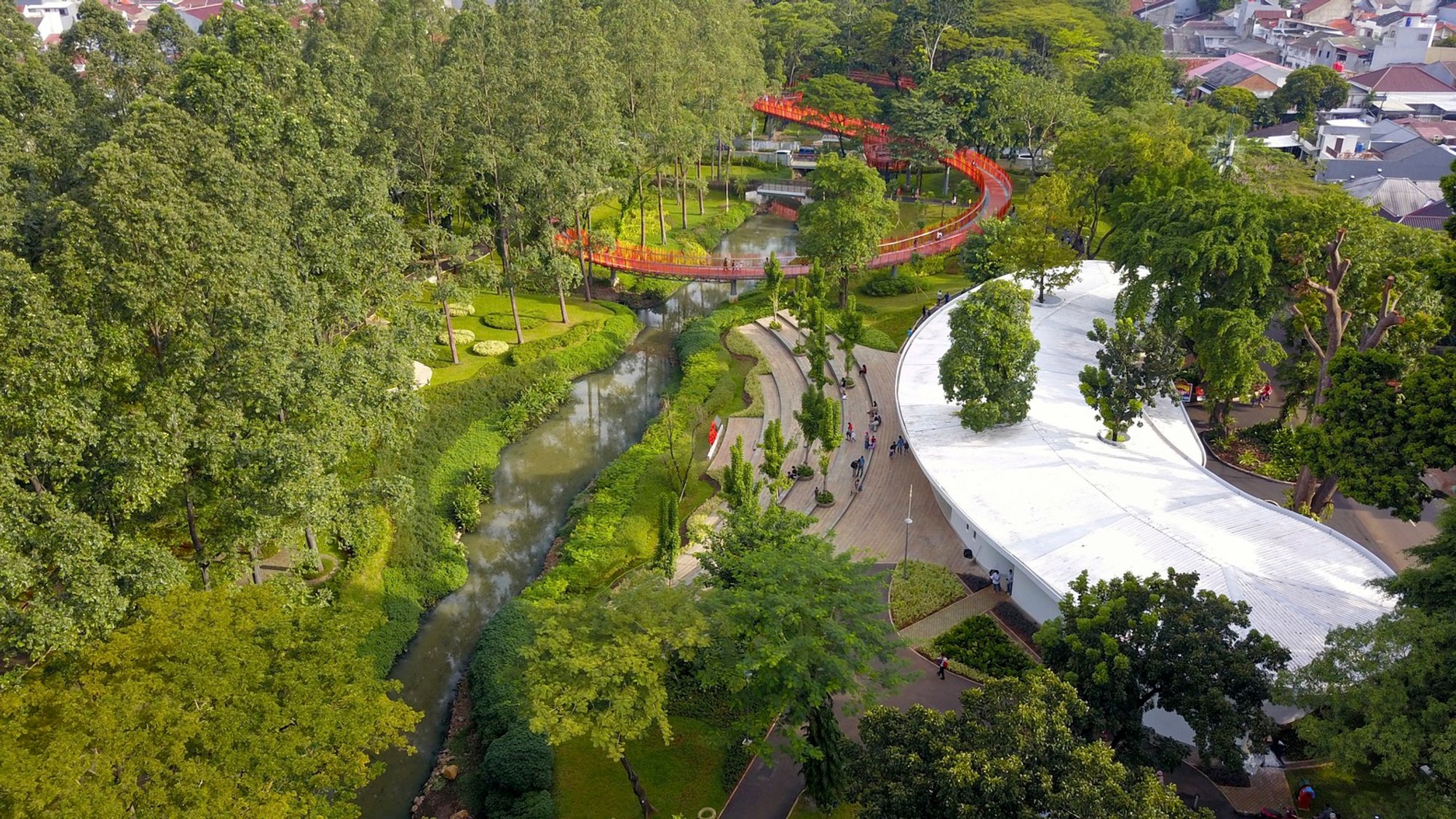
Tebet Eco Park by SIURA Studio: A Landmark in Ecological Urban Regeneration in Jakarta
Tebet Eco Park is a revitalized urban park in Jakarta, blending ecological restoration, flood resilience, and inclusive public space design.

In the heart of Jakarta, a once-neglected public park plagued by environmental degradation, frequent flooding, and poor accessibility has been dramatically transformed into an ecological and community-centered urban oasis. Tebet Eco Park, designed by SIURA Studio, is a groundbreaking example of how landscape architecture and urban planning can work hand in hand to regenerate natural ecosystems and foster social inclusivity.
A Vision for Blue-Green Infrastructure and Ecological Restoration
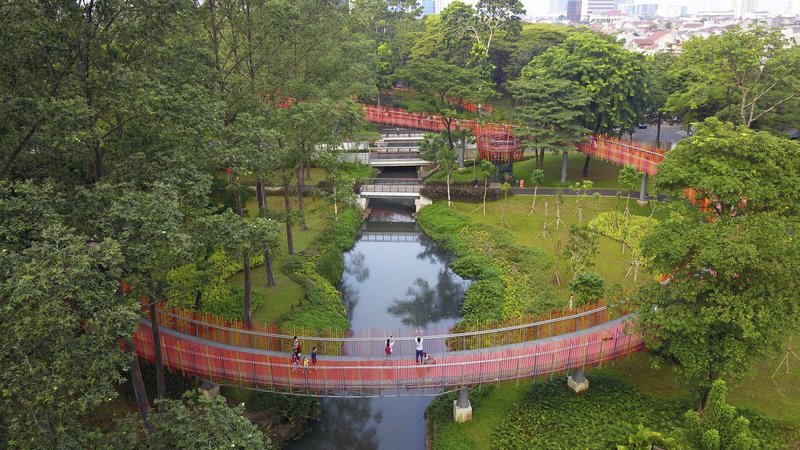
The design for Tebet Eco Park emphasizes active ecological regeneration, with a focus on tree conservation, biodiversity enhancement, and blue-green infrastructure. By re-naturalizing the site’s river system, the park not only improves water quality and enhances local biodiversity, but also significantly mitigates the risk of flooding—a critical issue in Jakarta’s rapidly urbanizing landscape.
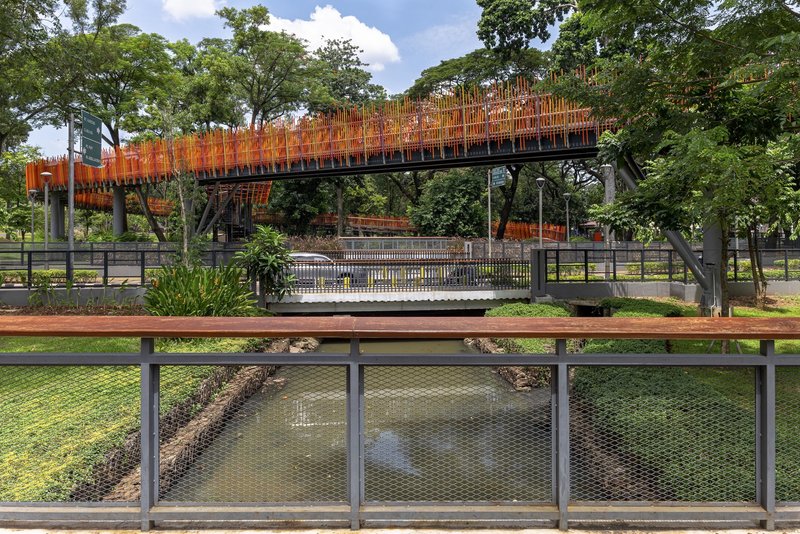
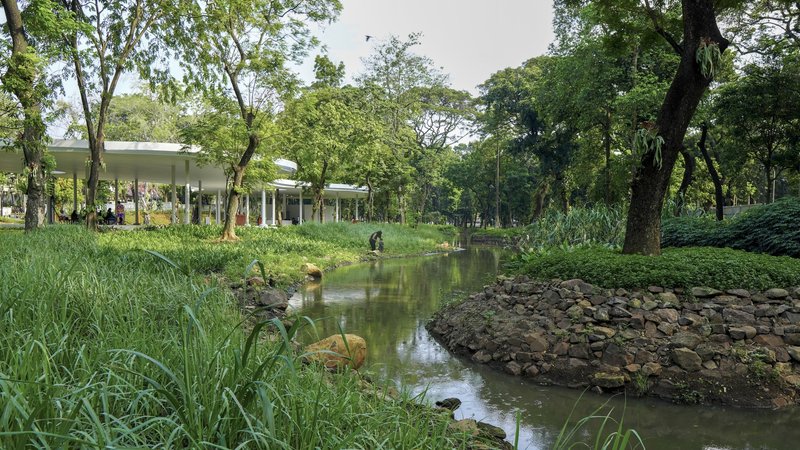
A previously polluted 714-meter canal running through the park has been transformed into a vibrant, climate-adaptive waterway. Planted with riparian vegetation, the restored river ecosystem acts as a natural filter for surface runoff, improving water quality and creating a resilient floodplain that can handle storm surges brought on by climate change. This nature-based solution fosters the return of native species and reintroduces a functional, living ecosystem to the urban park.
Sustainable Design and Circular Construction Methods
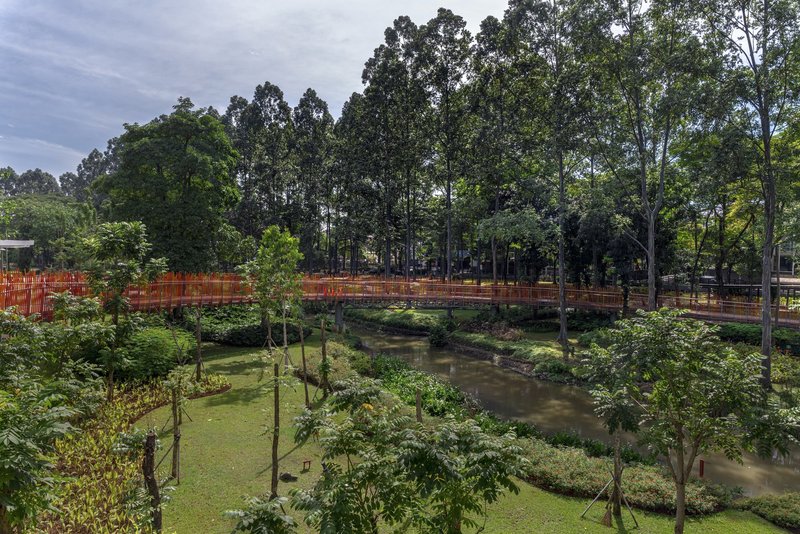
Sustainability lies at the core of Tebet Eco Park’s revitalization. Over 1,500 trees were surveyed and preserved during the park’s transformation, with only unhealthy specimens removed or repurposed. SIURA Studio prioritized minimal intervention, ensuring that valuable natural resources were conserved.
Materials such as excavated stones and felled logs from the original site were recycled and upcycled into park infrastructure, including furniture, play structures, and landscape elements. This circular approach to construction underscores the project's commitment to environmental stewardship and resource efficiency.
Community-Driven Design and Inclusive Programming
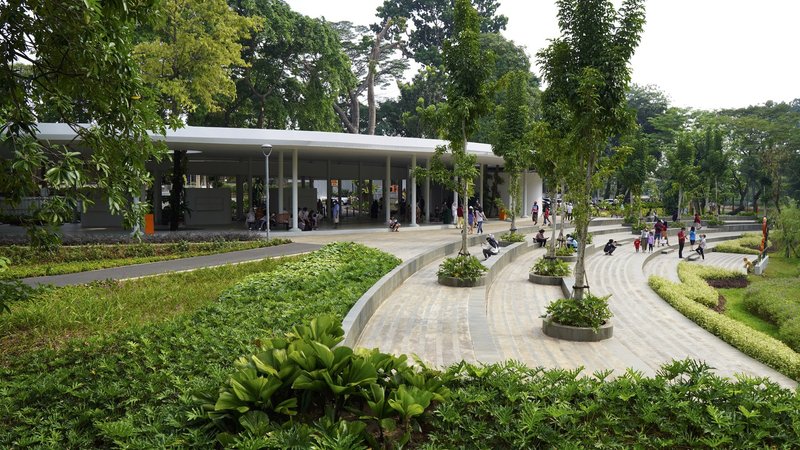
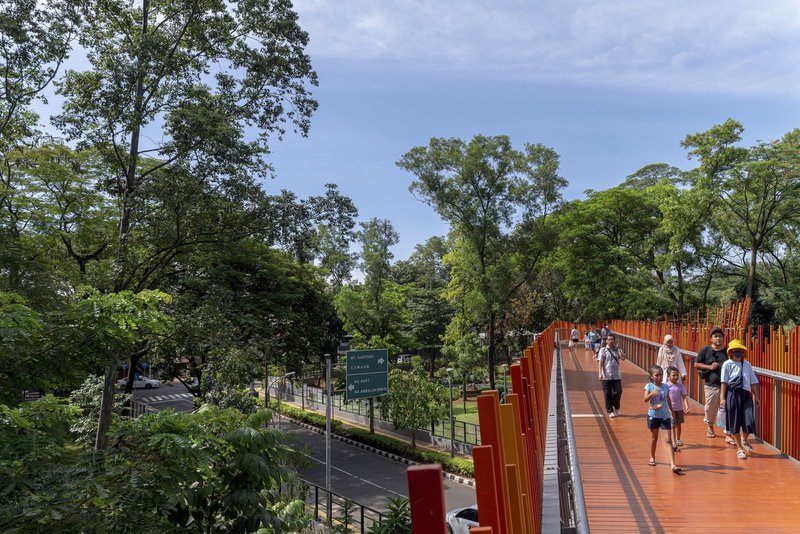
One of the park’s most significant achievements is its ability to reconnect people with nature through inclusive and participatory design. Developed through a co-creation process with local communities and stakeholders, the park offers both active and passive recreational spaces for people of all ages and backgrounds.
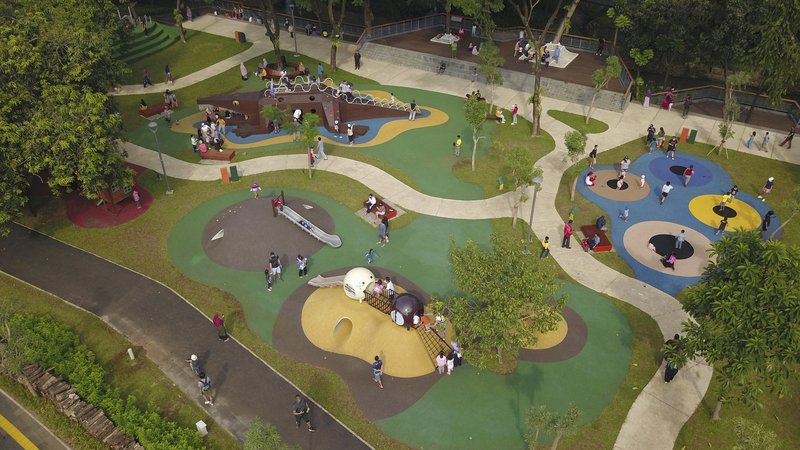
From interactive playgrounds and educational gardens to serene walking trails and shaded forest areas, the park accommodates a wide array of social, educational, and leisure activities. It promotes social equity and well-being, transforming the park into a true urban commons embraced by its surrounding community.
Enhancing Urban Connectivity with Iconic Infrastructure
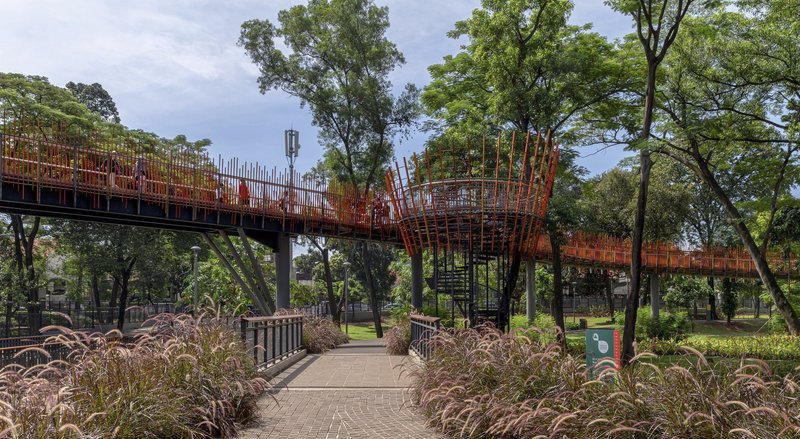
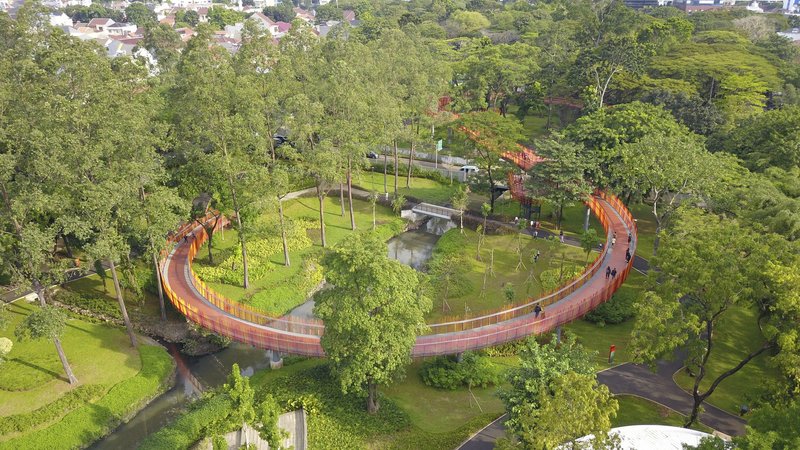
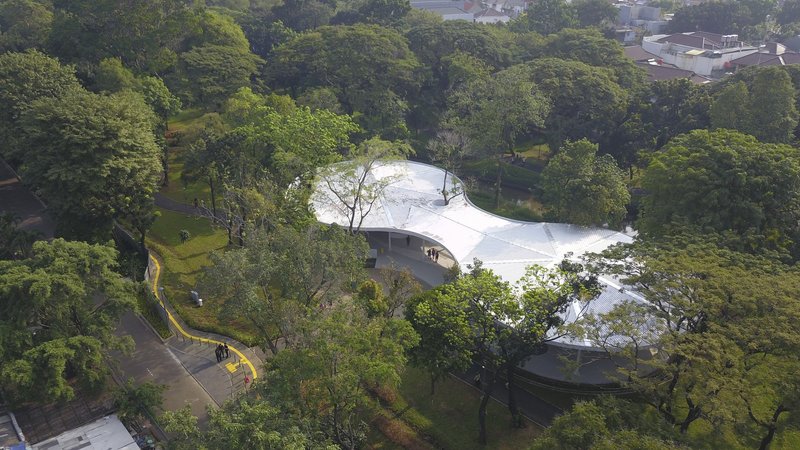
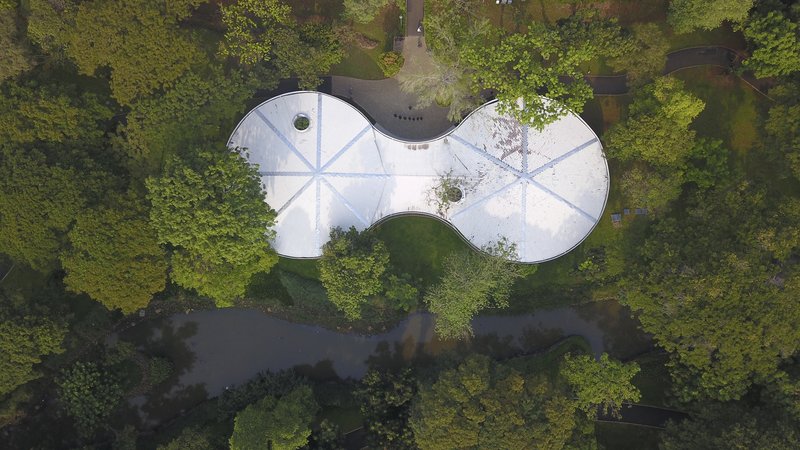
Before its transformation, the park was divided by both a polluted river and a heavily trafficked road, limiting accessibility. In response, SIURA Studio introduced an infinity-shaped pedestrian bridge that elegantly spans the river, reconnecting both sides of the park.
This meandering, colorful structure not only enhances pedestrian flow but is also designed with a deep sensitivity to the site’s ecology—avoiding existing trees and minimizing environmental impact. The bridge serves as a landmark of connectivity and inclusion, inviting users to fully engage with all parts of the park.
A New Model for Urban Park Design in Southeast Asia
Tebet Eco Park represents a paradigm shift in urban park design in Indonesia and the broader Southeast Asian region. It blends ecological resilience, community engagement, and sustainable design into a singular vision that reimagines what public space can achieve in the face of urban and environmental challenges.
This revitalized green space is not just a destination—it’s a living system and a model for future urban landscapes that prioritize harmony between people and nature.



Popular Articles
Popular articles from the community

Gads Hill Early Learning Center by JGMA: Adaptive Reuse Shaping Community-Focused Educational Architecture
Adaptive reuse transforms fragmented structure into vibrant early learning center with playful façade, natural light, and community-focused sustainable design.
Treehouse Apartment: A Warm Timber Interior Blending Craft, Play, and Contemporary Living
Warm timber apartment with integrated treehouse, combining natural materials, craftsmanship, and playful design to create a flexible, family-oriented living environment.
Louis Malle Cinema: A Limestone Cultural Landmark Revitalizing Community Life in Prayssac
Limestone cinema extension with public forecourt, blending heritage and modern design to create flexible cultural spaces and strengthen community interaction.
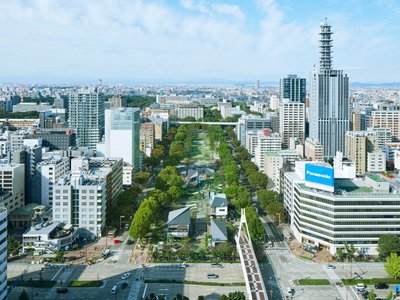
On the Brooks House by Monsoon Collective – A Contemporary Kerala Home Rooted in Tradition
Kerala home blending tradition and modernity with water-inspired design, brick architecture, courtyard planning, and sustainable rainwater harvesting strategies.


Similar Reads
You might also enjoy these articles


The Ken Roberts Memorial Delineation Competition (Krob)
As the most senior architectural drawing competition currently in operation anywhere in the world, it draws hundreds of entries each year, awarding the very best submissions in a series of medium-based categories.

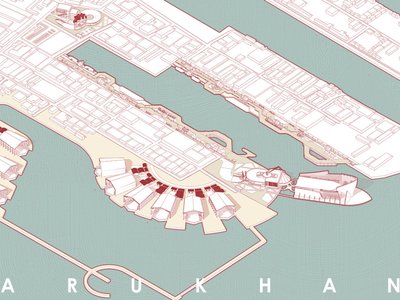
Waterfront Redevelopment and Urban Revitalization in Mumbai: Forging a New Dawn for Darukhana
A transformative waterfront redevelopment project reimagining Darukhana’s shipbreaking heritage into an inclusive urban future.
OUT-OF-MAP: A Call for Postcards on Feminist Narratives of Public Space
Rhizoma Design and Research Lab invites artists, designers, architects, researchers, and students to reflect on how feminist perspectives can reshape public space. Selected works will be exhibited in Barcelona, October 2026. Submissions open until 15 April 2026.

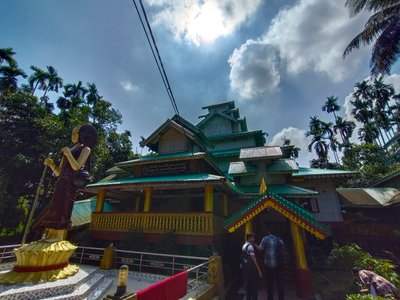
Documentation Work on Buddhist Wooden Temple
Architectural syncretism and cultural hybridity: A comparative study of the Buddhist temples in Chattogram Hill tracks


Explore Architecture Competitions
Discover active competitions in this discipline




The International Standard for Design Portfolios


The Global Benchmark for Architecture Dissertation Awards


The Global Benchmark for Graduation Excellence


Challenge to reimagine the Iron Throne
Comments (0)
Please login or sign up to add comments
No comments yet. Be the first to comment!