

The Lecco Fire Station in Italy, designed by SET Architects
The station is equipped with state-of-the-art equipment and provides a comfortable working environment for firefighters.

 ©SET Architects
The new Lecco Fire Station is designed as a low, permeable and nanomaterial building that can easily blend into any landscape. The use of natural colours was a deliberate choice to make it more appealing to the eye. The use of red tones also has a symbolic value because it is linked to the National Fire Corps.
 ©SET Architects
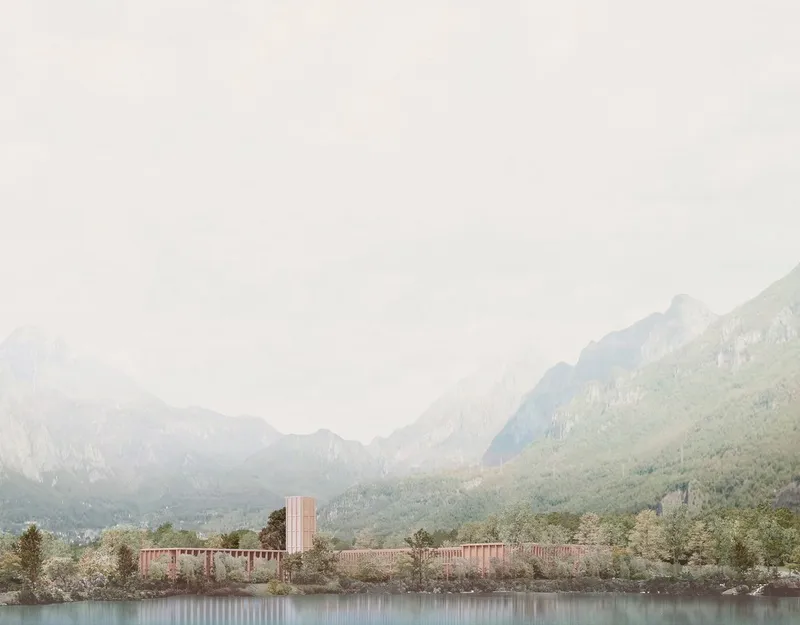
The plant layout at our company not only has great symbolic meaning, but it is also functional. The "C" shape of the buildings defines a square area with an open courtyard that overlooks the lake. This configuration also symbolizes two open arms, which represent protection and security.
 ©SET Architects
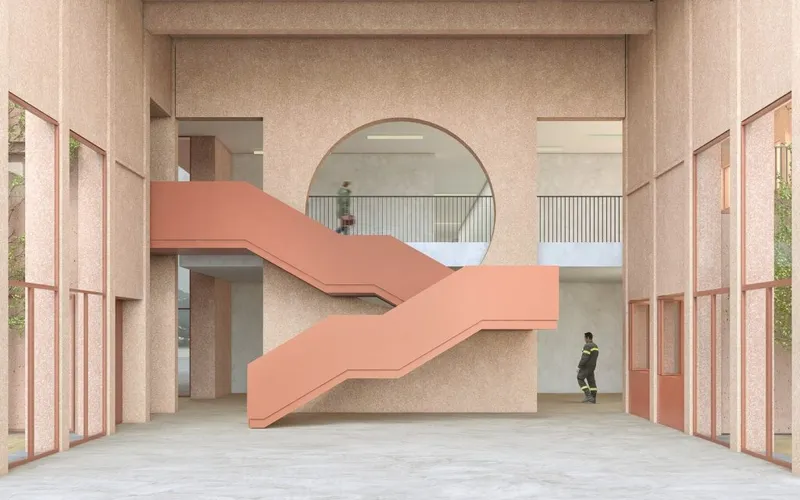
The internal organization of the building is designed to optimize spaces and movements, allowing for the fluidity of routes. Many building environments such as offices and rooms are designed as open spaces, flexible and able to be reconfigured as needs change. Common areas can often replace traditional corridors by becoming internal distribution spaces within a building. This can be a more efficient use of space, especially in larger buildings where corridors can become congested.
 ©SET Architects
The open spaces in this project are designed to give everyone a sense of community and togetherness. The square is the main meeting place where people can come together for all sorts of activities. And the green zone that surrounds the building is perfect for carrying out activities in nature.
 ©SET Architects
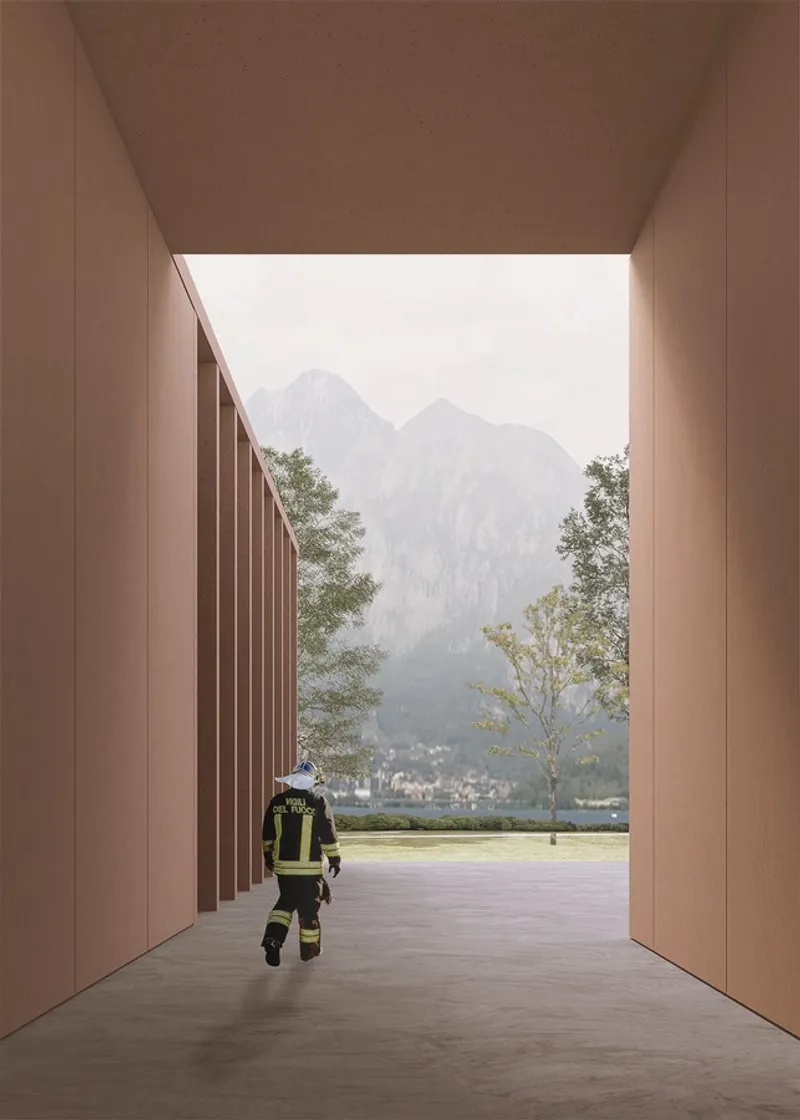
Our high-energy performance project is set up using renewable energy sources, and in terms of passive technologies, we've carefully planned the layout to make the most of the sun. We've used porticoes to shade south-facing areas from the sun, so we can limit how much light and heat comes in during summer. This way, we can maximize the natural and passive energy intake for our project.
 ©SET Architects
 ©SET Architects
 ©SET Architects
References (2)

Popular Articles
Popular articles from the community


Opera on the Sea: Driftwood Logic Shapes a Timber Opera House on Estonia's Coast
Trevor Orgill's opera house translates the entangled drift of floating timber into a civic building where wood, water, and music converge.

The Amber Palace Opera: A Geological Fiction Surfaces on Tallinn's Baltic Waterfront
Pierre Brillard reimagines a Baltic legend as a public landscape, opera house, and waterfront promenade rooted in Tallinn's coastal identity.
Tsunami Convergenics: Turning Catastrophic Ocean Forces into Underwater Housing Infrastructure
A speculative underwater settlement off the coast of Onagawa, Japan, treats tsunamis and typhoons as energy sources rather than threats.
Cloaked Colonization: A Mobile Underwater Habitat That Moves Like a Fish
Micah Abaya's shortlisted EHC Pacific entry reimagines ocean settlement as a dispersed network of self-sustaining architectural organisms.

Similar Reads
You might also enjoy these articles
Sustainable Architecture Design: Embracing Nature and Modernity at Villa Solsidan
The article explores Villa Solsidan by AndrénFogelström, showcasing its sustainable architecture design and integration with the natural surroundings in Saltsjöbaden, Sweden.

Maya Harvest: A Cacao Resort Village Rooted in Mayan Tradition and Local Craft
Situated within a Tabasco cacao plantation, this shortlisted resort proposal merges vernacular materials with hands-on cultural immersion.
Harmonia: A River-Shaped Community That Grows Over Decades in Boa Vista
Curved pathways and modular grid structures along the Branco River create a phased settlement designed to evolve from 2030 to 2050.
The Architecture of Bathing: A Mughal Hammam Reimagined Across the Yamuna
Charlotte May's honorable mention entry for The Black Taj reinterprets Agra's bathing rituals through red sandstone, water, and framed views of the Taj Mah

Explore Architecture Competitions
Discover active competitions in this discipline


Challenge to reimagine the Iron Throne

Photograph architecture without architects

Illustrate the lost glory of Angkor Wat - Render Challenge

Design challenge to reuse E-waste
Comments (0)
Please login or sign up to add comments
No comments yet. Be the first to comment!