
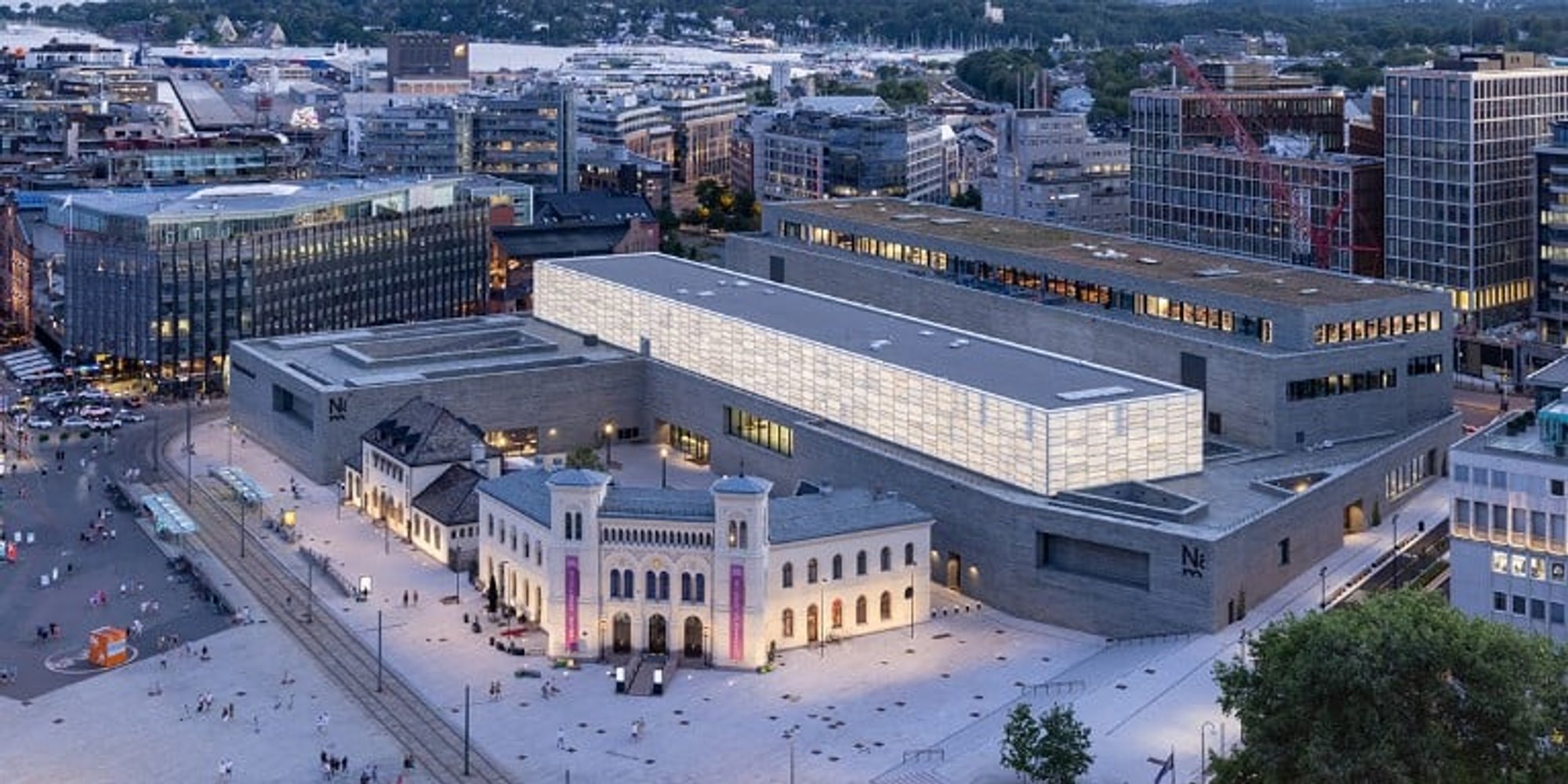
The National Museum of Art, Architecture and Design to open in Oslo on June 11, 2022
Norway's largest cultural institution brings together three museums under one roof for a new era of art, architecture, and design appreciation

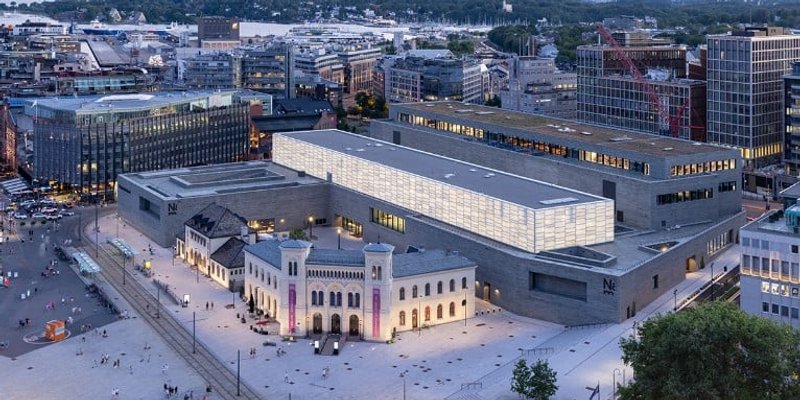
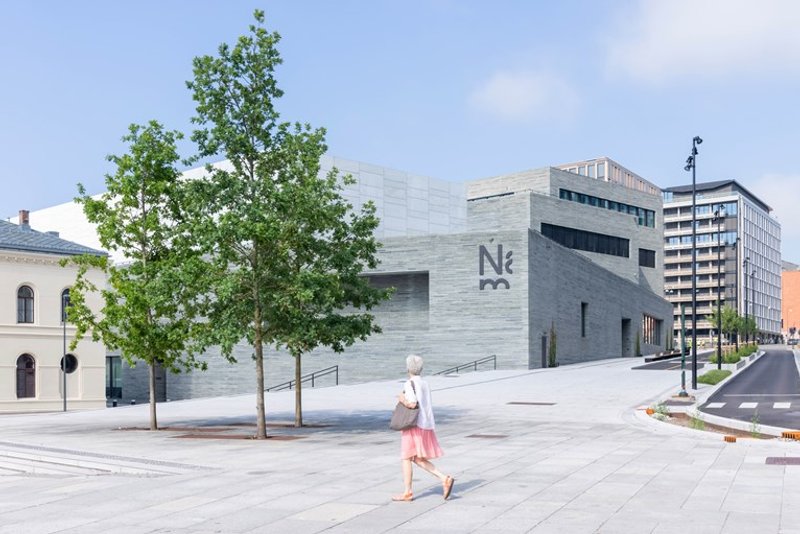
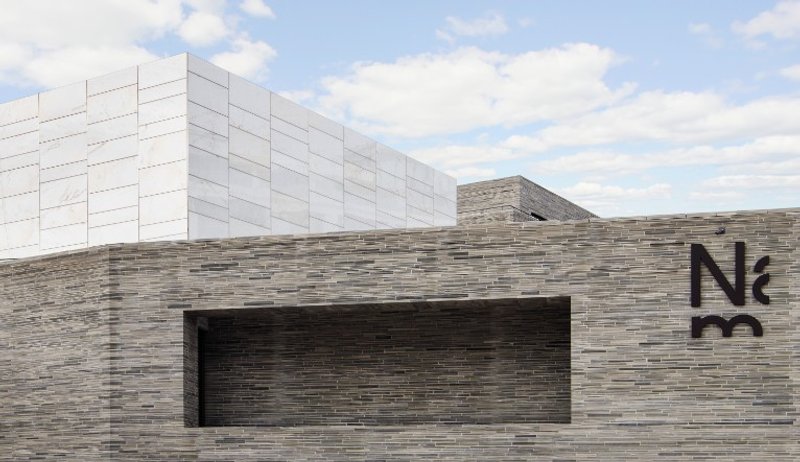
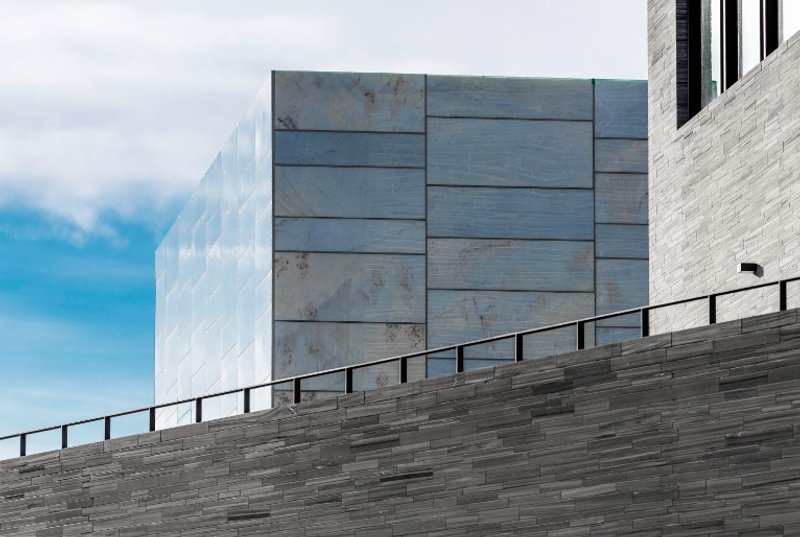
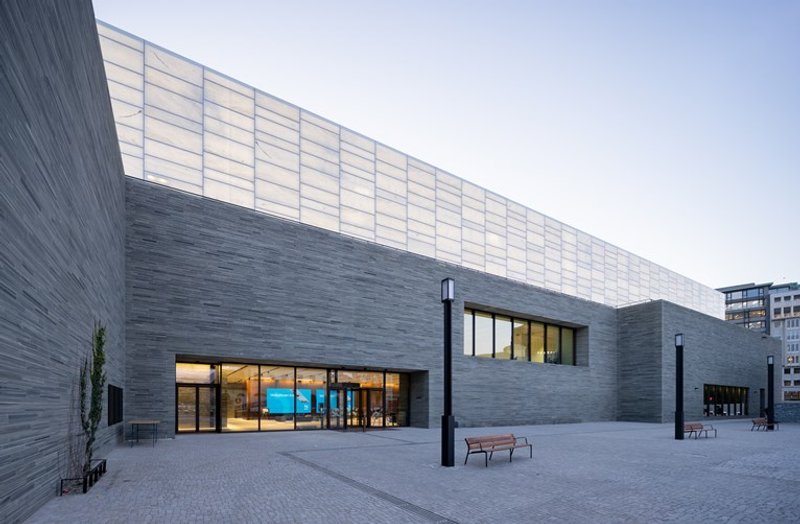
Norway's National Museum of Art, Architecture, and Design is set to open on June 11, 2022, in Oslo. The museum is designed by Klaus Schuwerk Architects and constructed by Norway's government building commissioner, Statsbygg. The building is designed with the intention of housing artworks for centuries. The entire facade of the museum is covered with Norwegian slate, while materials like oak, bronze, and marble are used in the construction to ensure that the building ages with dignity. As a FutureBuilt pilot project, the new museum is designed to reduce greenhouse gas emissions by at least 50% compared to current building standards.
 ©Iwaan Baan
The National Museum of Art, Architecture, and Design is Norway's largest museum space dedicated to art, architecture, and design. The museum boasts a collection of more than 5,000 works from antiquity to contemporary acquisitions, exhibited across two floors and almost 90 rooms. The museum also has a space for temporary exhibitions, the Light Hall, situated on the roof, a large open-air roof terrace, cafes, a shop, and the largest art library in the Nordic region. Situated on Oslo's harbour, the museum offers spectacular views of the city.
 ©National Museum/Ina Wesenberg
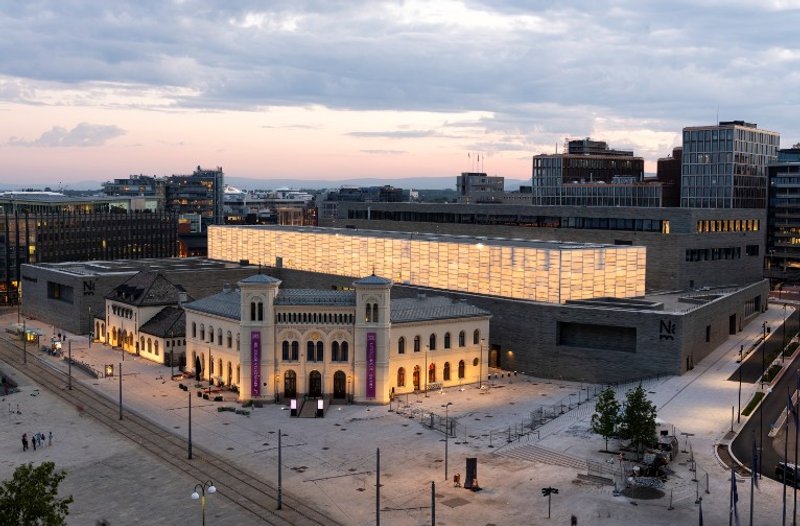
The National Museum of Art, Architecture, and Design is designed to be in harmony with the existing structures of the city. The museum's design creates a new entrance courtyard on the ground level, introducing the museum with sculptures and creating an external area for the cafe. The museum has a similar eave height to neighbouring buildings. Looking from the pier to the building, the various parts of the building are arranged offset/staggering up to the higher horizontal element of the alabaster hall. On this second level, the museum gets into relation with the existing monuments in this area, the dignified town/city hall and the Akershus Fortress.
 ©National Museum/Annar Bjørgli
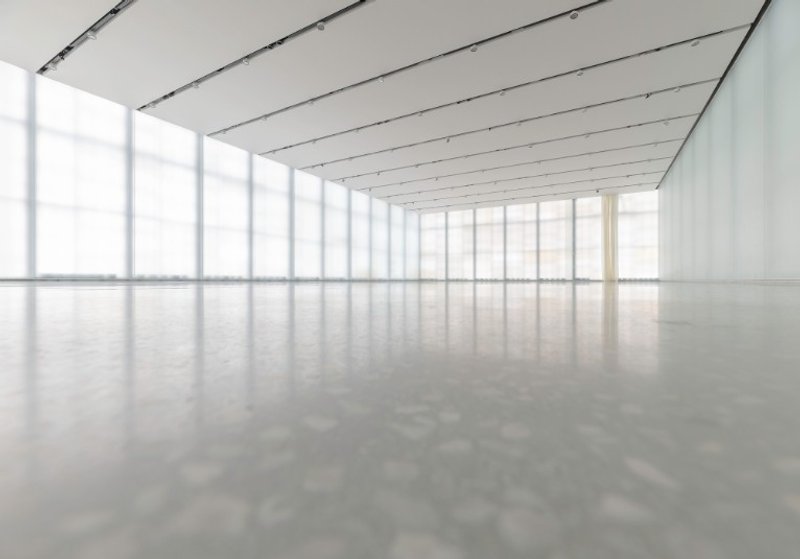
The museum's interior is designed with a spacious foyer that has direct connections to the exhibitions, as well as the café and the bookstore. The library and the auditorium are arranged around a reflecting pool, which illuminates the reading room. Broad steps lead from the foyer to the first floor. The halls and small rooms are arranged around a central sculpture atrium, connected to the terrace and the recessed gardens on the roof. The top floor is the alabaster hall, which seems to be placed on the stone plinth of the first two floors. With its magical light, the hall is not an ordinary exhibition space – it is an inspiring space for artists and the symbol of the new museum.
 ©National Museum/Annar Bjørgli
The National Museum of Art, Architecture, and Design is set to become one of Norway's most significant landmarks, offering a unique space for the country's extensive collection of art, architecture, and design. The building is designed to reduce greenhouse gas emissions by at least 50% compared to current building standards, in line with FutureBuilt's pilot project. The clean and robust materials used in the construction of the building are designed to age with dignity, ensuring that the museum remains an important cultural landmark for centuries to come.
 ©Iwan Baan
Overall, the National Museum of Art, Architecture, and Design is a stunning architectural masterpiece that provides a unique space for the country's art, architecture, and design collection. The museum is a testament to Norway's commitment to sustainable design, reducing greenhouse gas emissions by at least 50%.
 ©Borre Hostland
The building's design is in harmony with the city's existing structures, creating a new entrance courtyard on the ground level and introducing the museum with sculptures. The interior of the museum is designed with spacious halls and rooms arranged around a central sculpture atrium, connected to the terrace and the recessed gardens on the roof. The top floor is the alabaster hall, which is not an ordinary exhibition space – it is an inspiring space for artists and the symbol of the new museum.
***
Cover Photo: ©Iwan Baan, Courtesy of The National Museum of Norway
References (1)



Popular Articles
Popular articles from the community

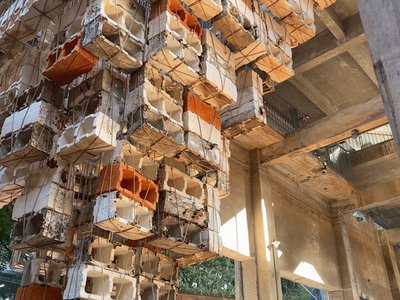
Inverted Architecture Installation by Studio Link-Arc: Exploring the Intersection of Architecture and Living Organisms
Inverted Architecture Installation by Studio Link-Arc blends mycelium, sustainability, inverted design, ecological cycles, and urban adaptive architecture in Shenzhen.
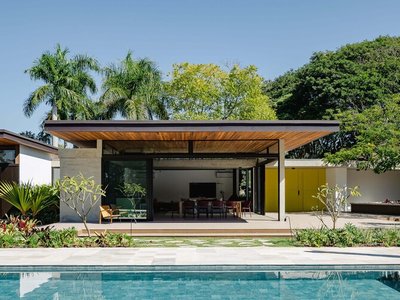
Flamboyant House by Juliana Camargo + Prumo Projetos
Modern Brazilian house integrating existing tree, pool, and volumes with glass, wood, and transitional spaces blending interior, exterior, and landscape seamlessly.
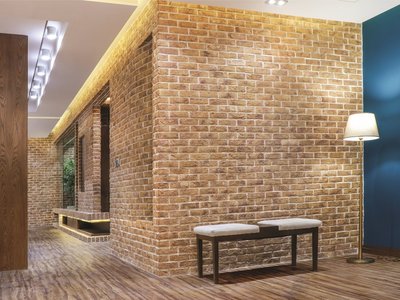
A Contemporary Take on Iranian Residential Architecture
A modern interior design in Mashhad that reinterprets brick, light, and spatial flow to create a warm, contemporary residential architecture.
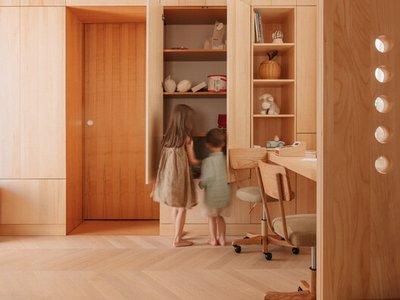
Treehouse Apartment: A Warm Timber Interior Blending Craft, Play, and Contemporary Living
Warm timber apartment with integrated treehouse, combining natural materials, craftsmanship, and playful design to create a flexible, family-oriented living environment.


Similar Reads
You might also enjoy these articles
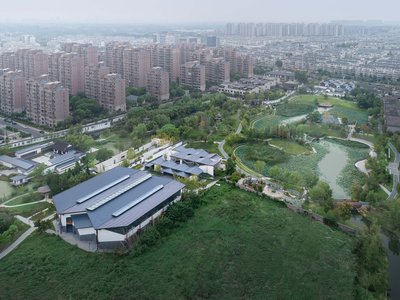
Zhuxi Wonderland: Reimagining Traditional Chinese Gardens by Doarchi Architects
Zhuxi Wonderland by Doarchi Architects reinterprets traditional Yangzhou gardens, integrating courtyards, pavilions, and tea houses in modern cultural design.
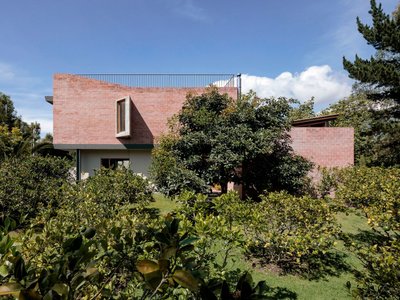
Doble Soga House: A Contemporary Brick Residence Rooted in Landscape in Quito, Ecuador
Brick house in Quito integrating nature, flexible living spaces, exposed materials, and rooftop terrace, creating warm contemporary architecture for modern family life.
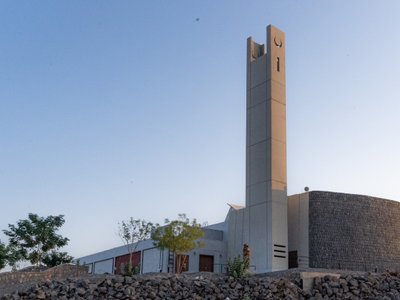
Al Gharra Mosque in Medina Redefining Contemporary Islamic Architecture
Minimalist Medina mosque using concrete, light, and landscape to reinterpret Islamic worship spaces through symbolic spiritual transitions and contemporary architecture.
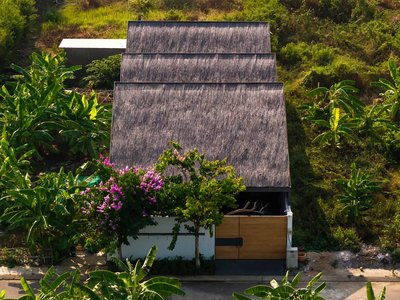
Viczonecode Villa by DDconcept – Tropical Family Living in Ho Chi Minh City
Tropical family villa in Ho Chi Minh City featuring courtyards, skylights, natural ventilation, elevated flooring, and seamless indoor–outdoor living surrounded by greenery.


Explore Architecture Competitions
Discover active competitions in this discipline




The International Standard for Design Portfolios


The Global Benchmark for Architecture Dissertation Awards


The Global Benchmark for Graduation Excellence


Challenge to design an urban locus of culture and heritage
Comments (0)
Please login or sign up to add comments
No comments yet. Be the first to comment!