
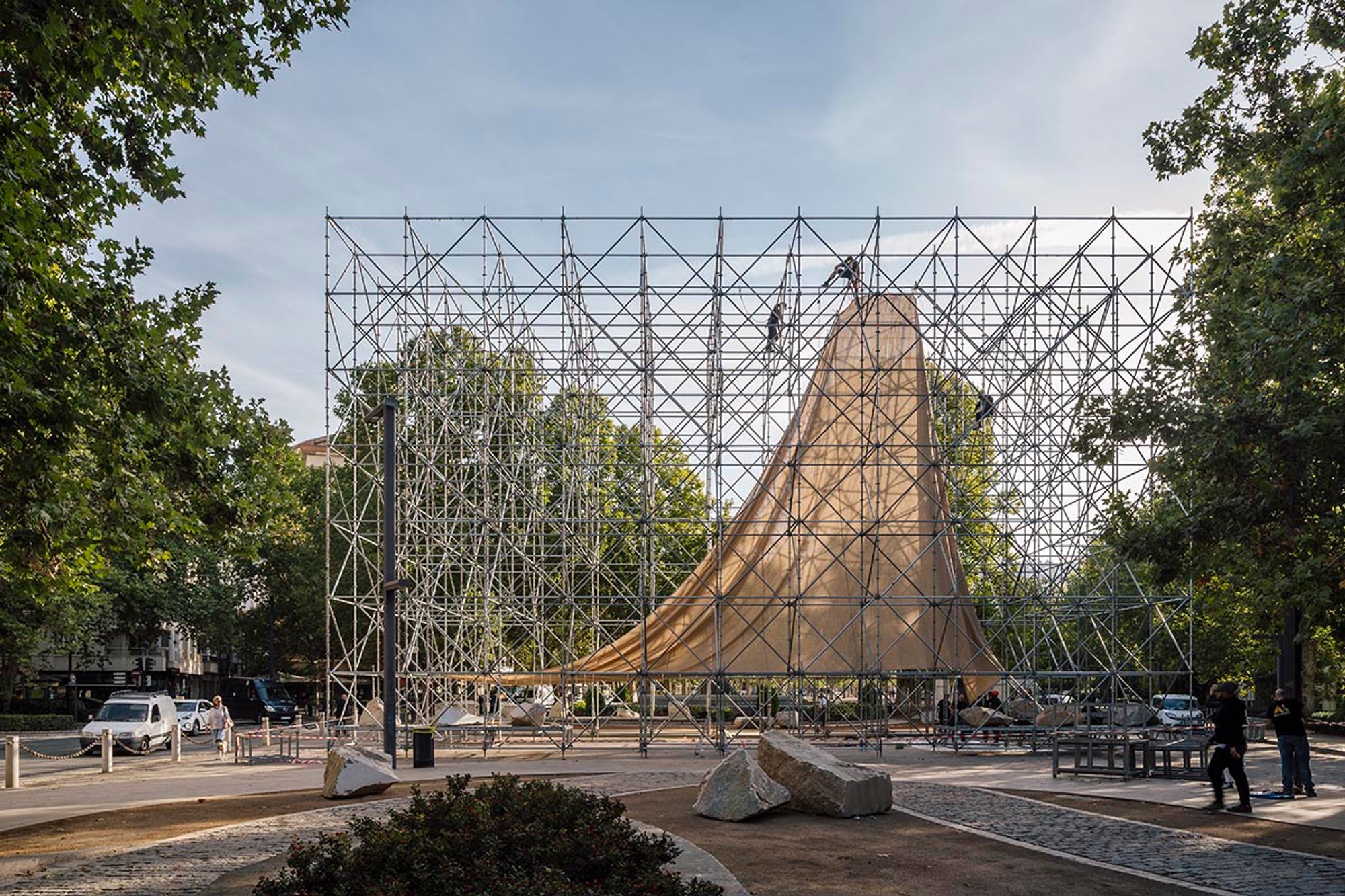
Unveiling the Unfinished Beauty: Giant Scaffolding Wraps Aire Pavilion in Granada, Spain
Experience the raw beauty of architecture in progress at the Aire Pavilion

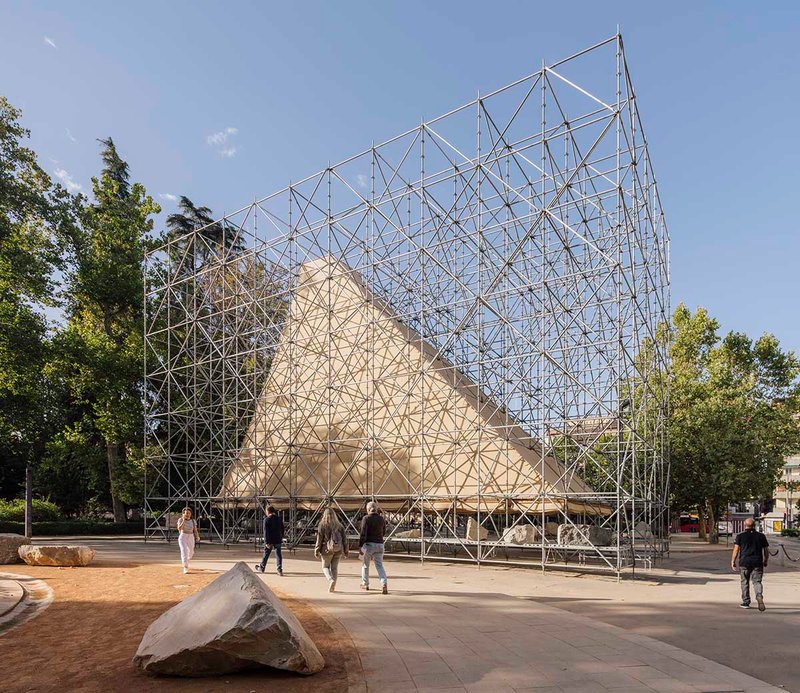
The city of Granada, Spain is home to the Aire Pavilion, a unique structure designed by Madrid-based architecture studio P + S Estudio de Arquitectura. The triangular-shaped pavilion is wrapped in a giant steel scaffolding and made of hessian fabric. The Aire Pavilion was installed for the TAC! Urban Architecture Festival 2022, which takes place annually from October 14 to November 14. P + S Estudio de Arquitectura's design was the winning proposal in an international competition for the festival.
The 236-square-meter pavilion, located in the Plaza del Humilladero, embodies the idea of "the condition of the unfinished or in the process of being erected with all its corporeity, a half-finished architecture," according to the studio.
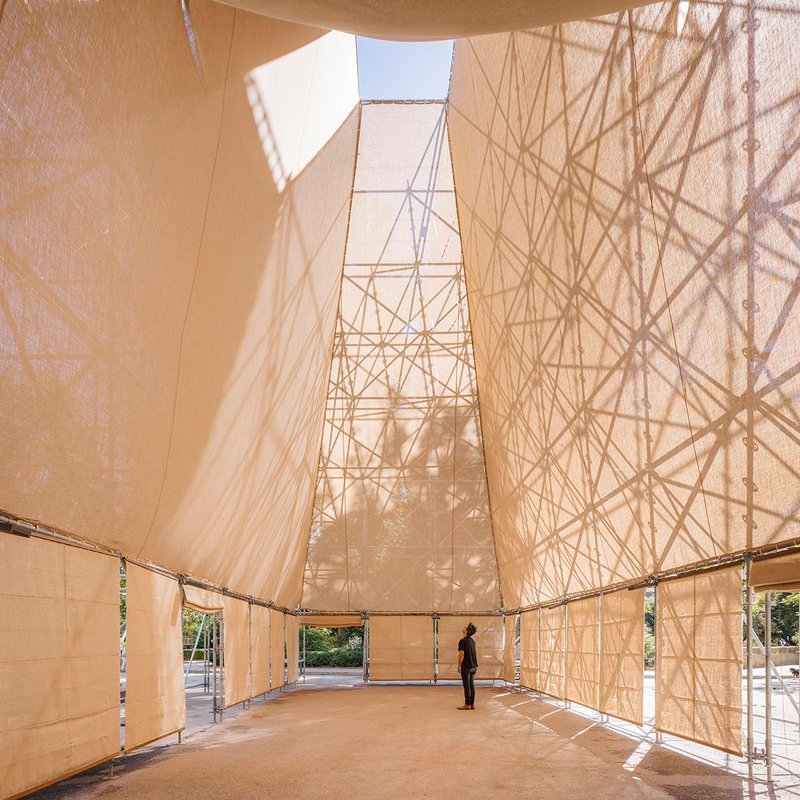
The pavilion is constructed using only three materials - steel scaffolding, hessian fabric, and riprap stone - arranged in a simple layout. As soon as visitors enter, they will feel as though they are inside a shelter. The tent-like design of the pavilion allows for it to be easily disassembled and reassembled in any location, making it a highly flexible and decomposable structure.
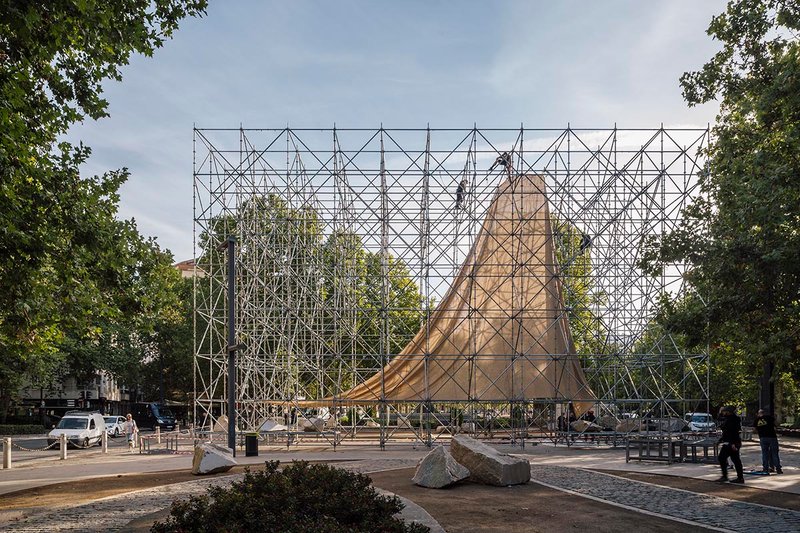
According to P + S Estudio de Arquitectura, the Aire Pavilion is constructed based on the concepts of the transient, delicate, and intangible. This allusion is made to one of the most fundamental and elusive aspects of architecture.
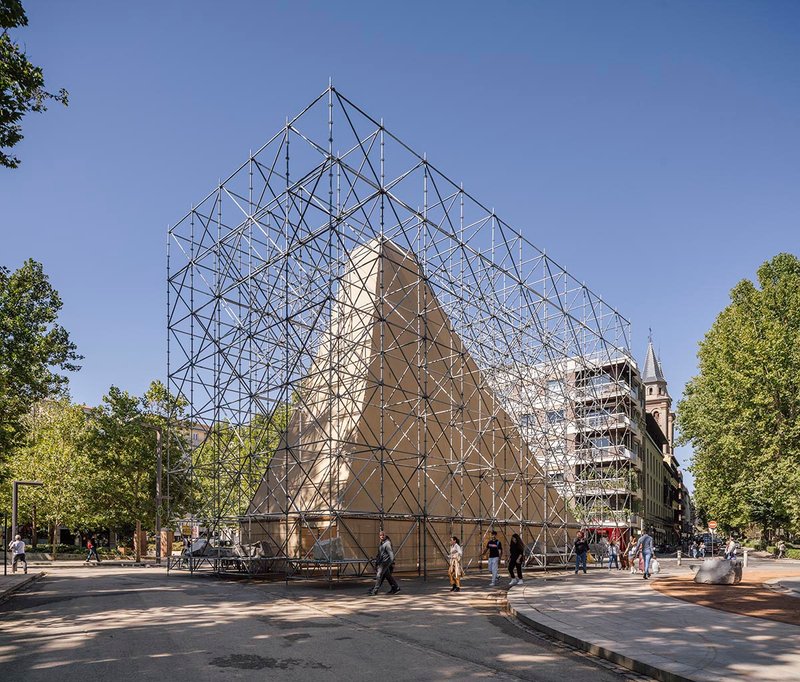
The architectural firm feels that those who visit the pavilion can experience the sensation of being in a tent in the middle of a desert, shielding themselves from the sun, or in a spacious and open area like a circus supported by various poles. The studio adds.
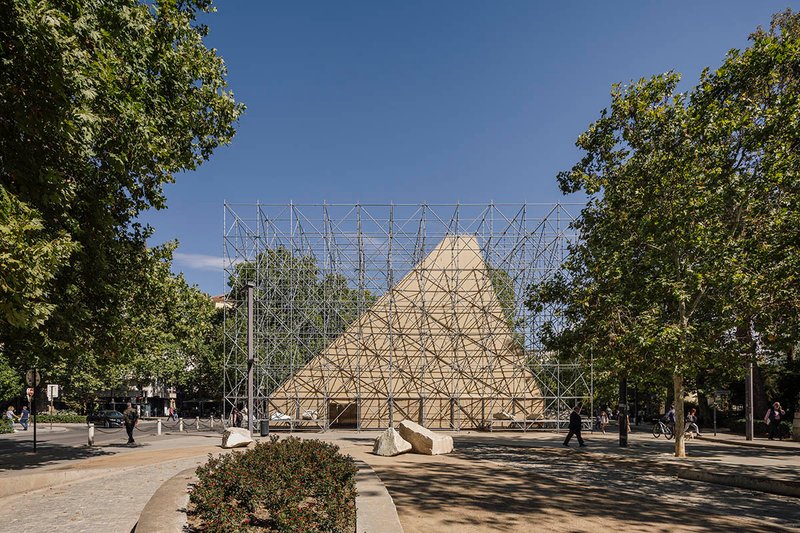
The Ministry of Transport, Mobility, and Urban Agenda debuted TAC! this year, an annual festival that promotes "innovation and experimentation in architecture through the construction of temporary pavilions in various Spanish cities."
The 2022 competition theme was to design a pavilion that would showcase the Plaza del Humilladero in Granada and serve as a venue for the city's cultural and leisure events. Anyone who sees the structure may mistakenly believe it is unfinished.
"The spatial strategy of the pavilion is synthesised in the elementary operation of containing the AIRE that will define an indeterminate space, open to the multiple needs of both the TAC! Festival and the city of Granada and its inhabitants; promoting the transformation and adaptability of the space, without requiring greater operations than the opening or closing the fragile limit that defines it," added the studio.
The design principles of the studio are based on three key material strategies: "creating a balance between form and function, ensuring structural integrity, and promoting environmental sustainability."
In the initial phase, the team developed a framework system that mirrors the principles of industrial efficiency."
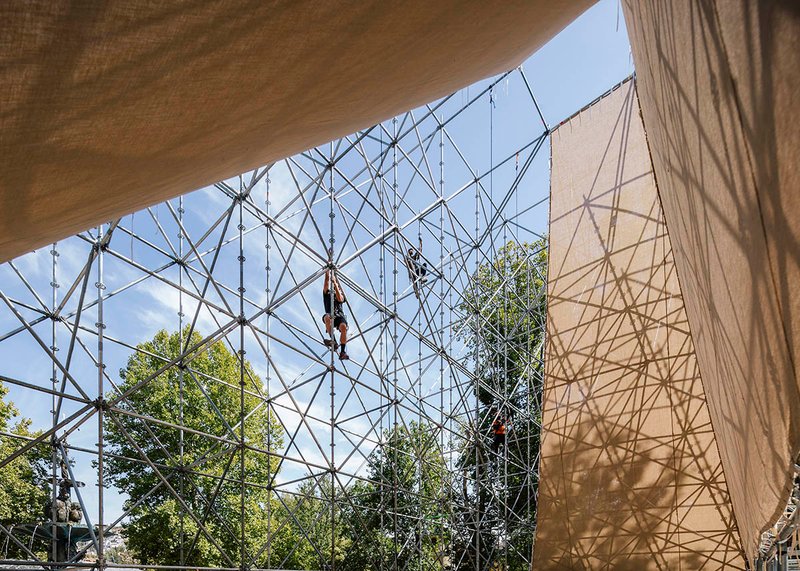
Despite recognizing its roots in the early days of architectural design, the architects argue that the scaffolding system employed in the pavilion represents a modern approach to construction. This includes concepts of modularity and globalization, as well as a sense of temporary and delicate nature that will inevitably be dismantled once the project is complete. The scaffolding system serves as the primary support structure for the pavilion.
According to the studio, the use of a resistant yet lightweight fabric, such as hessian, serves as a symbol of the local community, traditional handicrafts, and the control of light. It also represents the vernacular knowledge and common characteristics of the area. "It is a way of preserving Granada's unique identity and its unique climate," the studio stated.
The final aspect of the project includes a collection of riprap stones sourced from the Sierra Elvira area. These stones serve as a counterbalance to the structure and add new urban furniture to the pavilion's surroundings, linking the project to the Plaza del Humilladero.
According to the design team, the utilization of these three materials showcases Aire's dedication to the principles of the circular economy, as well as its respect for the local economy, customs and trades of Granada.
The studio stressed that the scaffolding can be rented out and will be repurposed once the pavilion is taken down. Additionally, the riprap stone will be returned to its original quarry. Furthermore, the locally-made hessian fabric will also have a second use as it is a common material used as shading in the city, and can easily be moved to another public space in Granada.
The AIRE pavilion, whose name translates to "rise" in English, will be constructed using scaffolding and hessian fabric to create a space for diverse, open, and flexible encounters in the Plaza del Humilladero in Granada, according to an official statement. The goal is for the pavilion to serve as a catalyst for new relationships and uses in the area.
Project facts
Architecture: P + S Estudio de Arquitectura (Francisco Parada + Laura R. Salvador)
Arquitects: Francisco Parada + Laura R. Salvador
Team: Ricardo Sousa Melo, Paloma Pantoja
Year: 2022
Area: 236 m2
Location: Plaza del Humilladero, Granada, Spain
Developer: MITMA (Ministry of Transport, Mobility and Urban Agenda, Spain) & Fundación Aquia
Steel scaffolding: GRUPO CERO (Córdoba)
Hessian Fabric: CORDELERÍA MULHACÉN (Granada)
Lighting: DISUR (Granada)
Riprap Stone: CANTERAS Y EXCAVACIONES HERMANOS ARROYO (Granada)
Equipment: GRÚAS JALDO (Granada)
All images © Imagen Subliminal (Miguel de Guzmán + Rocío Romero) + Javier Callejas.
All drawings © P + S Estudio de Arquitectura.



Popular Articles
Popular articles from the community


The Ken Roberts Memorial Delineation Competition (Krob)
As the most senior architectural drawing competition currently in operation anywhere in the world, it draws hundreds of entries each year, awarding the very best submissions in a series of medium-based categories.

Treehouse Apartment: A Warm Timber Interior Blending Craft, Play, and Contemporary Living
Warm timber apartment with integrated treehouse, combining natural materials, craftsmanship, and playful design to create a flexible, family-oriented living environment.
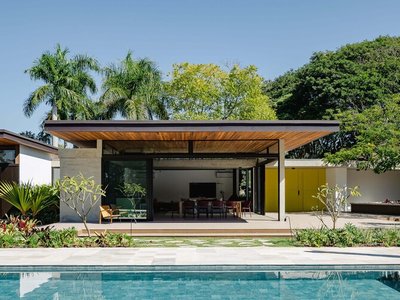
Flamboyant House by Juliana Camargo + Prumo Projetos
Modern Brazilian house integrating existing tree, pool, and volumes with glass, wood, and transitional spaces blending interior, exterior, and landscape seamlessly.

Solar Steam: A Climate-Responsive Architecture That Redefines the Monument
A climate-responsive memorial architecture that transforms heat, decay, and time into a living system reflecting humanity’s ecological impact.


Similar Reads
You might also enjoy these articles
The Ken Roberts Memorial Delineation Competition (Krob)
As the most senior architectural drawing competition currently in operation anywhere in the world, it draws hundreds of entries each year, awarding the very best submissions in a series of medium-based categories.
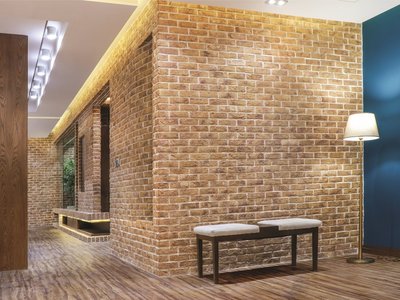
A Contemporary Take on Iranian Residential Architecture
A modern interior design in Mashhad that reinterprets brick, light, and spatial flow to create a warm, contemporary residential architecture.
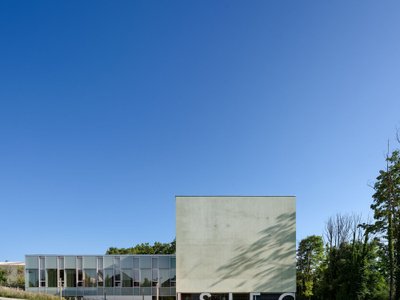
Franche-Comté Advanced School of Engineering by Dominique Coulon & associés, Besançon
A flexible engineering school immersed in woodland, combining concrete minimalism, adaptable spaces, and natural light to support evolving educational environments.


Waterfront Redevelopment and Urban Revitalization in Mumbai: Forging a New Dawn for Darukhana
A transformative waterfront redevelopment project reimagining Darukhana’s shipbreaking heritage into an inclusive urban future.


Explore Construction Technology Competitions
Discover active competitions in this discipline




The International Standard for Design Portfolios


The Global Benchmark for Architecture Dissertation Awards


The Global Benchmark for Graduation Excellence


Challenge to reimagine the Iron Throne
Comments (0)
Please login or sign up to add comments
No comments yet. Be the first to comment!