
Upcycled House: A Sustainable Transformation by Freehand Projects
Upcycled House by Freehand Projects blends sustainable design, recycled materials, and modern upgrades to create a harmonious, eco-friendly home.

Situated in the coastal town of Ocean Grove, Australia, the Upcycled House is a stunning example of how design can respect the past while embracing a sustainable future. This project, conceptualized and executed by Freehand Projects, blends environmentally responsible building practices with the charm of the original home. The transformation honors the house’s architectural history while enhancing its functionality for the owners, making it a truly sustainable family home.
Historical Context and Architectural Significance
The original house, built in the early 1980s, was designed by a local builder and architectural draftsman influenced by the era’s casual modernism. Drawing inspiration from architectural practices like Merchant Builders and Fasham Johnson, the original house was built as a low-maintenance beach house, typical of the era. As part of the expansion of the Bellarine Peninsula and Surf Coast, these homes, including this one, became iconic in the region during the 1970s and 1980s. Over time, however, many of these humble beach houses were being replaced with more substantial luxury homes and townhouses as the area underwent rapid development.
The owners of the Upcycled House, who had lived there since 2010, were committed to preserving the essence of their home. They loved the neighborhood, the quiet streets, and the local community. Their garden, which had flourished into a thriving permaculture system complete with chickens, vegetables, and fruit trees, reflected their deep connection to the land. Despite the pressures of urban expansion, the owners wanted to ensure that their beloved house could be adapted to suit their growing family’s needs without compromising the character of the original structure.
The Renovation Vision:
The renovation of the Upcycled House was driven by a desire to modernize the living spaces while honoring the home’s history and raw, textured aesthetic. The house featured fantastic solar orientation, excellent structural integrity, and the promise of a vibrant future through thoughtful renovations.
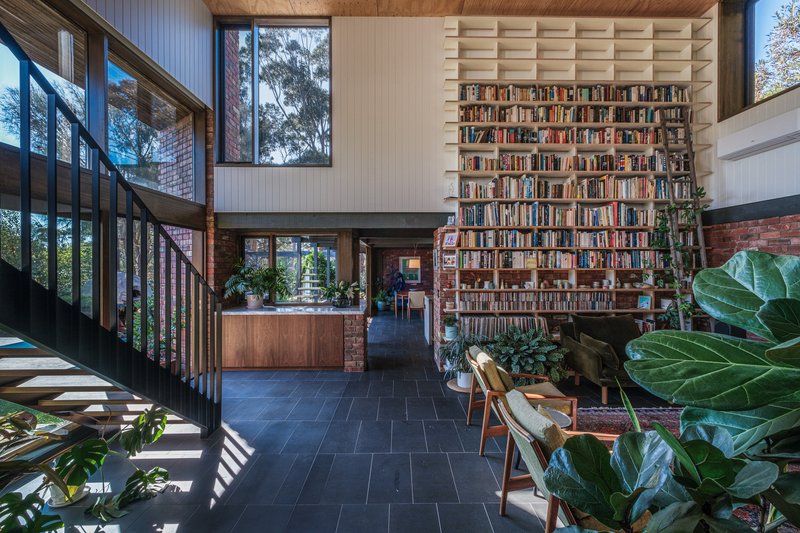
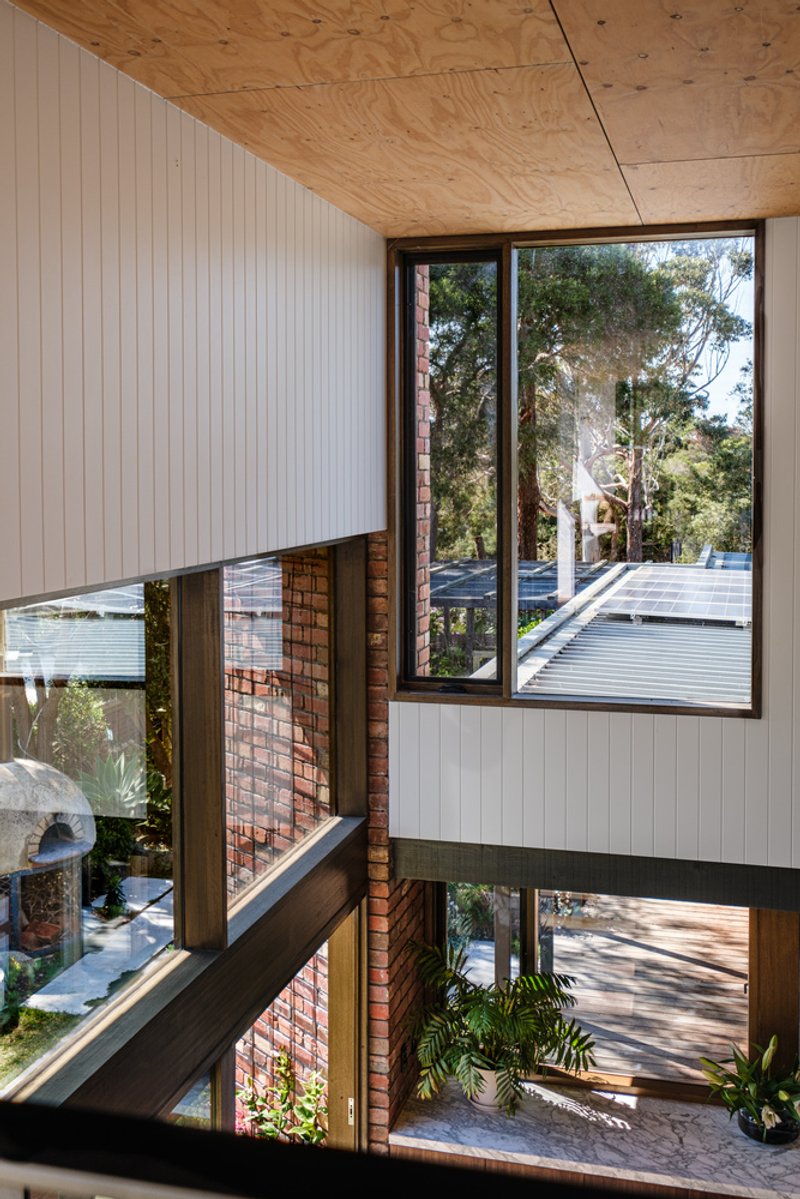
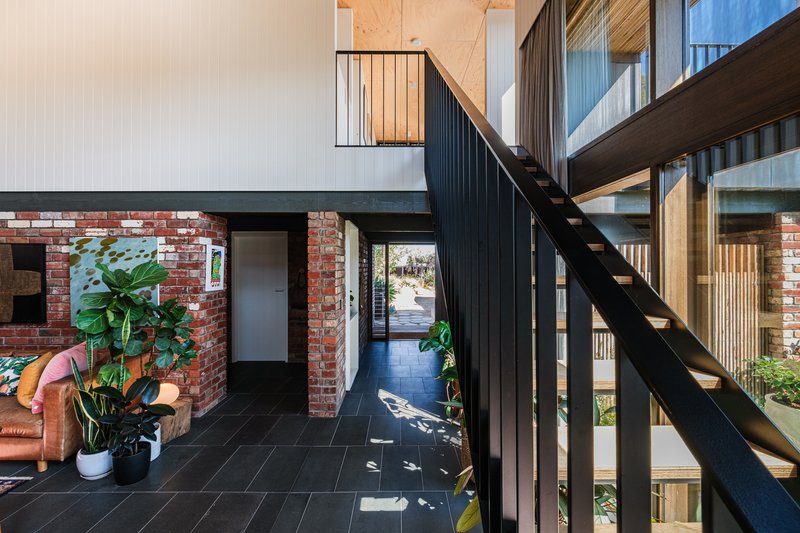
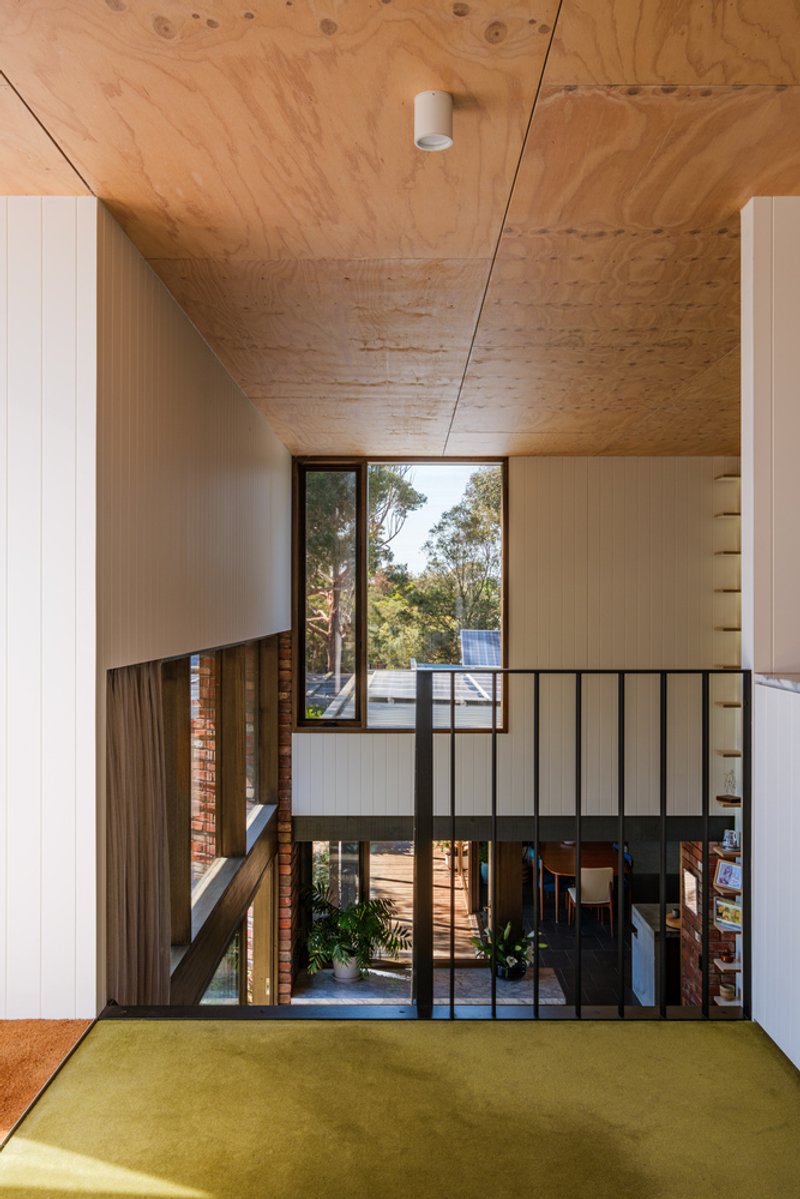
As their family expanded, the owners decided to add a master bedroom, a larger ensuite, and create additional living spaces. One of the standout features of the design was the introduction of a two-story void above the main living room, which lifted the ceilings and provided greater spatial volume. A new entryway, stairwell, garage conversion, sunroom, and roof deck were also included in the master plan. These improvements not only made the house more spacious and functional but also integrated with the surrounding natural environment.
The architectural philosophy behind the renovation was rooted in minimalism and sustainability. The design team at Freehand Projects adhered to a few key principles: keep it small, respect the existing garden, retain the raw and textured aesthetic, focus on quality over quantity, and avoid excessive decoration or over-complication. This simple yet effective approach allowed the Upcycled House to preserve the core of its original design while enhancing its living experience.
Material Selection: Sustainability and Durability at the Core
One of the most striking aspects of the Upcycled House renovation is the careful selection of materials that honor the past while contributing to a sustainable future. Freehand Projects made a deliberate effort to repurpose existing materials wherever possible, reducing waste and preserving the home’s character.
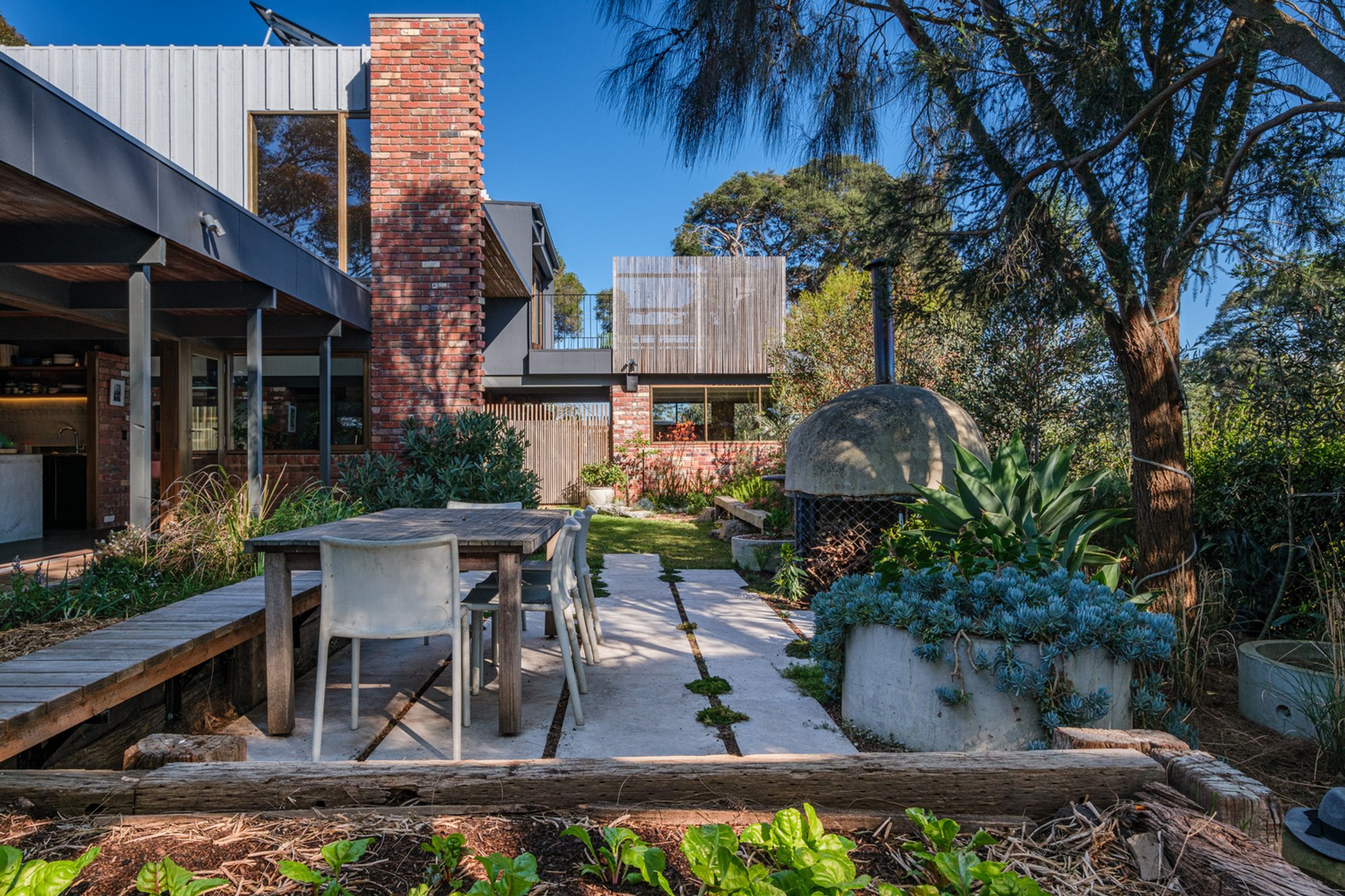
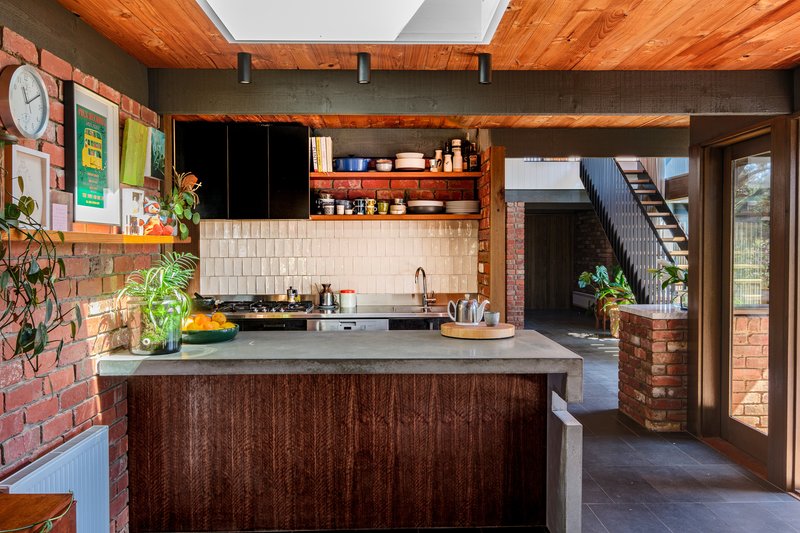
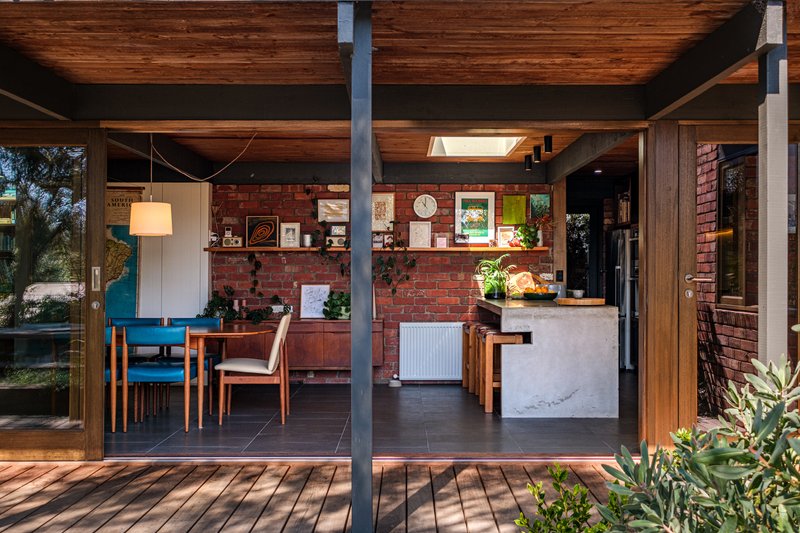
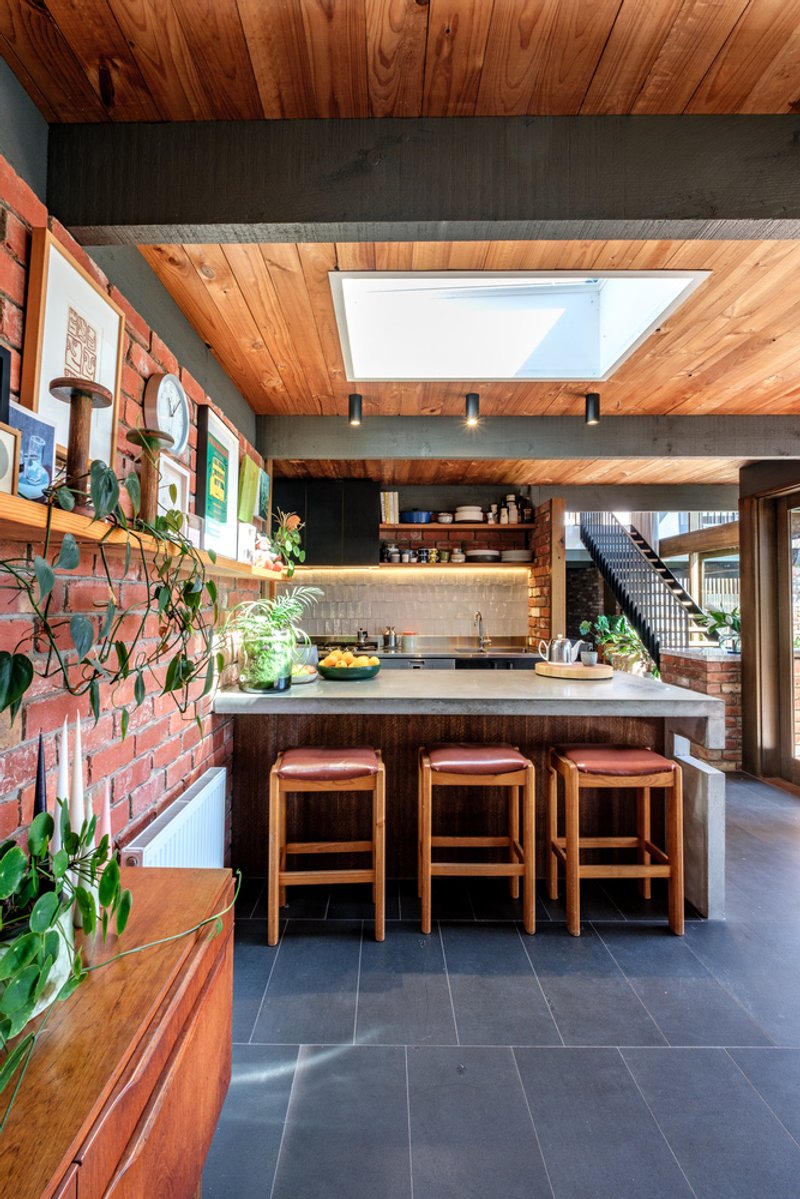
For example, the original red bricks used in the landscaping were carefully salvaged, cleaned, and reused in the new masonry walls. This particular set of bricks had a fascinating history—the original owner had salvaged them from demolished houses in Geelong during the 1970s and had painstakingly cleaned them by hand. Now, these recycled bricks anchor the living room and frame expansive views of the garden, creating a seamless connection between the indoors and outdoors.
Internally, the renovation embraced tactile, natural materials. The slate floor tiles, which were beginning to delaminate, were replaced with bluestone slabs, echoing the design principles of the National Gallery of Victoria (NGV) by Roy Grounds—a favorite building of the owners. Rather than opting for conventional plasterboard, Freehand Projects used grooved wall paneling throughout the interiors, which added texture and visual interest. The ceiling, instead of expensive timber finishes, was lined with off-the-shelf plywood to create a warm timber look that remained affordable yet aesthetically pleasing.
Sustainable Exterior Design
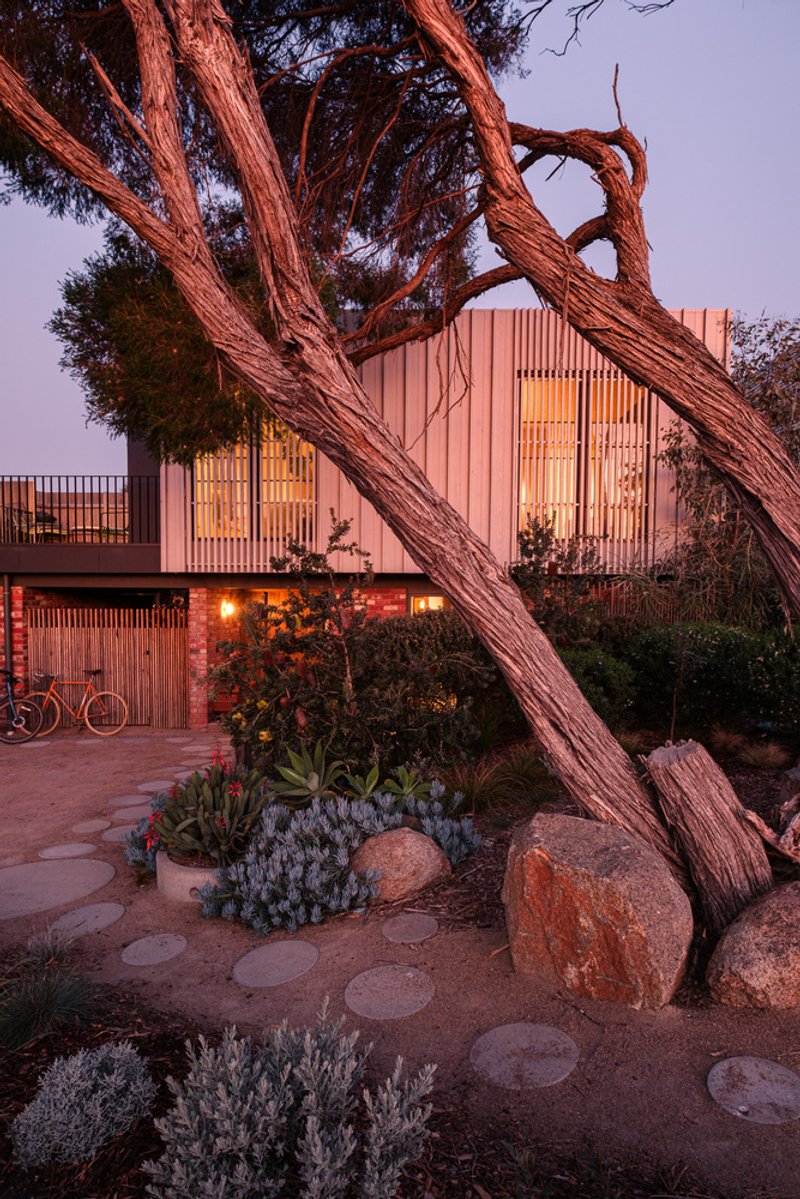
Externally, the addition of new living spaces maintained the original home’s connection with the surrounding landscape. The extension is clad in Weathertex Weathergroove Woodsman panels, a zero-carbon, natural product made from waste timber and beeswax. This eco-friendly choice reflects Freehand Projects’ commitment to sustainability. Oregon battens placed at regular intervals further enhance the design, giving the exterior a sense of movement and life.
The extension’s light grey paint complements the natural melaleuca trees in the front yard, whose shadows add dynamic beauty in the evenings. Furthermore, the hardwood window frames are stained to blend seamlessly with the bark of the ancient Moonah trees that surround the house. This design strategy ensures that the home dissolves into its natural environment, becoming one with the landscape when viewed from the interior.
Commitment to Sustainable Living
The owners’ dedication to sustainability is evident not only in the materials chosen but also in their broader commitment to eco-conscious living. The home’s extensive permaculture garden continues to thrive, contributing to a self-sustaining lifestyle. The addition of a roof garden by Fytogreen Australia further reinforces this ethos. These green spaces not only provide fresh produce for the family but also help regulate the home’s temperature and contribute to its overall environmental performance.
By focusing on high-quality, durable materials, the design team minimized the home’s carbon footprint while ensuring that the Upcycled House would stand the test of time. The innovative use of recycled materials, sustainable construction practices, and respect for the original architecture all contribute to the home’s enduring appeal.
A Harmonious Fusion of Old and New The Upcycled House by Freehand Projects is a remarkable example of how thoughtful design can blend the old with the new in a sustainable and aesthetically pleasing way. By retaining the core elements of the original house while introducing modern upgrades, the renovation provides a spacious, functional, and environmentally responsible living space for the owners. This project showcases the potential of upcycling to transform an existing structure into a home that’s not only beautiful but also aligned with a sustainable lifestyle.
The Upcycled House is more than just a renovation—it’s a testament to the power of design to honor the past while embracing the future, all while minimizing environmental impact. The result is a home that tells a story through its materials and design, offering comfort, sustainability, and a deep connection to the natural environment.
All Photographs are works of Steph McGlenchy




Popular Articles
Popular articles from the community

Louis Malle Cinema: A Limestone Cultural Landmark Revitalizing Community Life in Prayssac
Limestone cinema extension with public forecourt, blending heritage and modern design to create flexible cultural spaces and strengthen community interaction.
A Contemporary Take on Iranian Residential Architecture
A modern interior design in Mashhad that reinterprets brick, light, and spatial flow to create a warm, contemporary residential architecture.
Inverted Architecture Installation by Studio Link-Arc: Exploring the Intersection of Architecture and Living Organisms
Inverted Architecture Installation by Studio Link-Arc blends mycelium, sustainability, inverted design, ecological cycles, and urban adaptive architecture in Shenzhen.
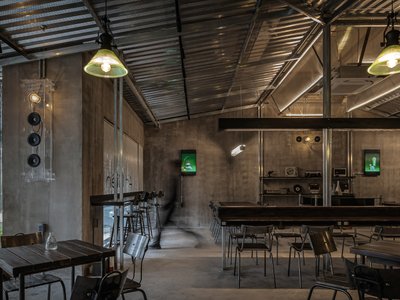
An Miên Lumière Cafe by xưởng xép, Ho Chi Minh City, Vietnam
An industrial-inspired café where layered steel and warm light create a dynamic, immersive environment shaped by reflection, depth, and perception.


Similar Reads
You might also enjoy these articles


The Ken Roberts Memorial Delineation Competition (Krob)
As the most senior architectural drawing competition currently in operation anywhere in the world, it draws hundreds of entries each year, awarding the very best submissions in a series of medium-based categories.

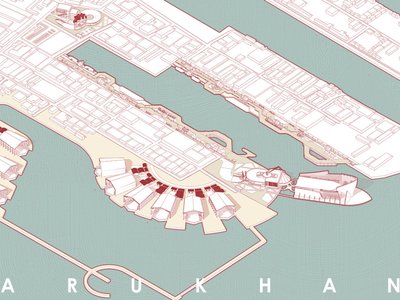
Waterfront Redevelopment and Urban Revitalization in Mumbai: Forging a New Dawn for Darukhana
A transformative waterfront redevelopment project reimagining Darukhana’s shipbreaking heritage into an inclusive urban future.
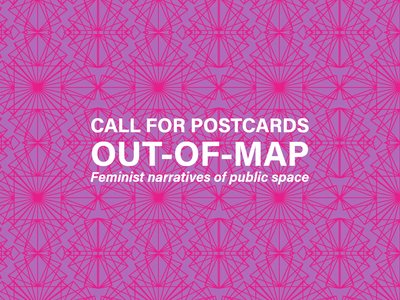
OUT-OF-MAP: A Call for Postcards on Feminist Narratives of Public Space
Rhizoma Design and Research Lab invites artists, designers, architects, researchers, and students to reflect on how feminist perspectives can reshape public space. Selected works will be exhibited in Barcelona, October 2026. Submissions open until 15 April 2026.

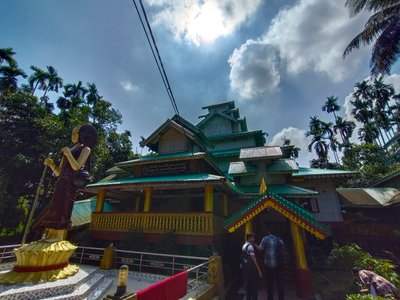
Documentation Work on Buddhist Wooden Temple
Architectural syncretism and cultural hybridity: A comparative study of the Buddhist temples in Chattogram Hill tracks


Explore Architecture Competitions
Discover active competitions in this discipline




The International Standard for Design Portfolios


The Global Benchmark for Architecture Dissertation Awards


The Global Benchmark for Graduation Excellence


Challenge to reimagine the Iron Throne
Comments (0)
Please login or sign up to add comments
No comments yet. Be the first to comment!