
0 Club Coworking Space: A Model of Sustainability in Design and Functionality
An exploration of how the 0 Club Coworking Space incorporates sustainable design principles to foster collaboration in the Climate Tech industry.


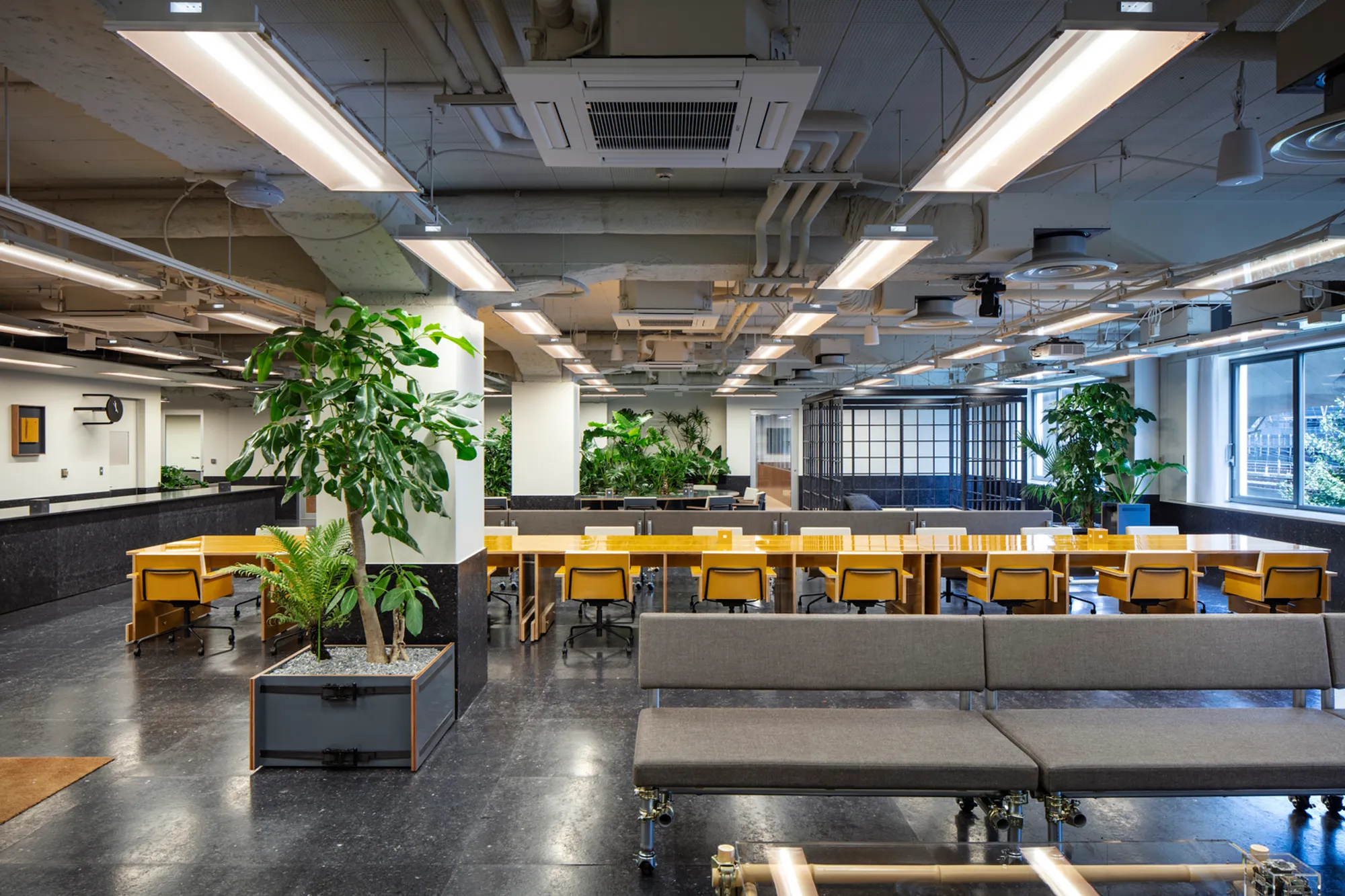
The 0 Club Coworking Space designed by DDAA is an innovative and environmentally-conscious workspace located in Japan. It is dedicated to startups, venture capitalists (VCs), and academics working in the Climate Tech field. This cutting-edge coworking space is designed to promote sustainability, foster collaboration, and inspire innovation in addressing the global climate crisis. In this article, we delve into the design philosophy, material choices, and sustainable strategies employed by DDAA to create an environmentally-friendly workspace that aligns with the principles of sustainable coworking spaces.

Understanding the Concept of Sustainable Coworking Spaces
Sustainable coworking spaces go beyond just providing a flexible working environment. They integrate eco-friendly materials, energy-efficient technologies, and design solutions that prioritize reducing environmental impacts. These spaces aim to provide a balance between functionality, innovation, and sustainability, all while fostering a collaborative atmosphere for businesses focused on climate tech and environmental issues.


The 0 Club Coworking Space is an exemplary model that incorporates sustainable design principles in every aspect of its layout and material selection. By reimagining conventional office design through sustainability, it has become a hub for companies and individuals working towards creating a carbon-neutral future.


Key Design Elements in the 0 Club Coworking Space
Material Selection for Low Environmental Impact
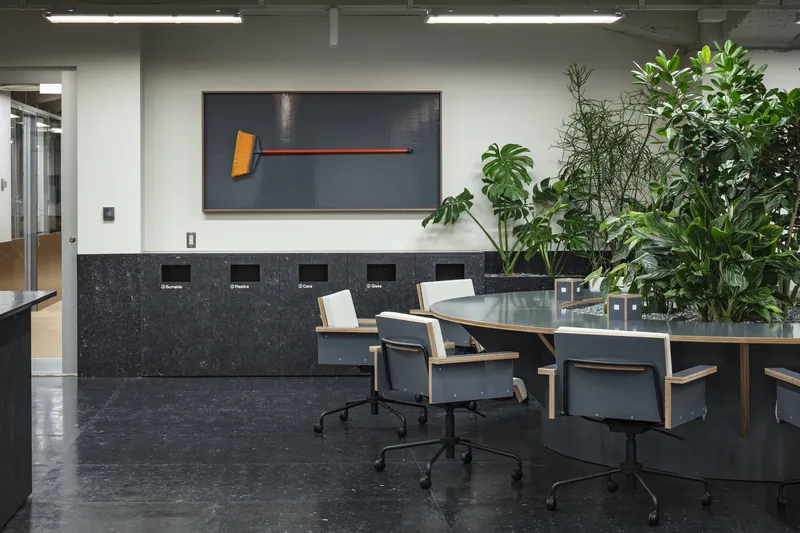
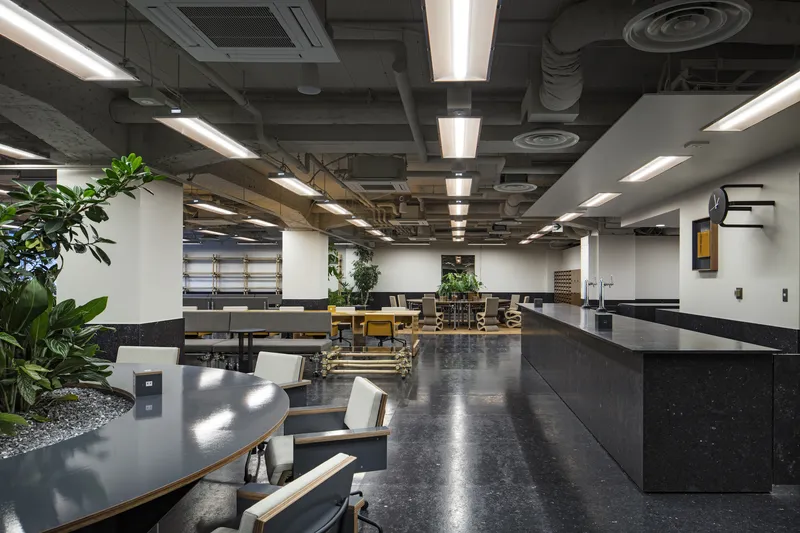
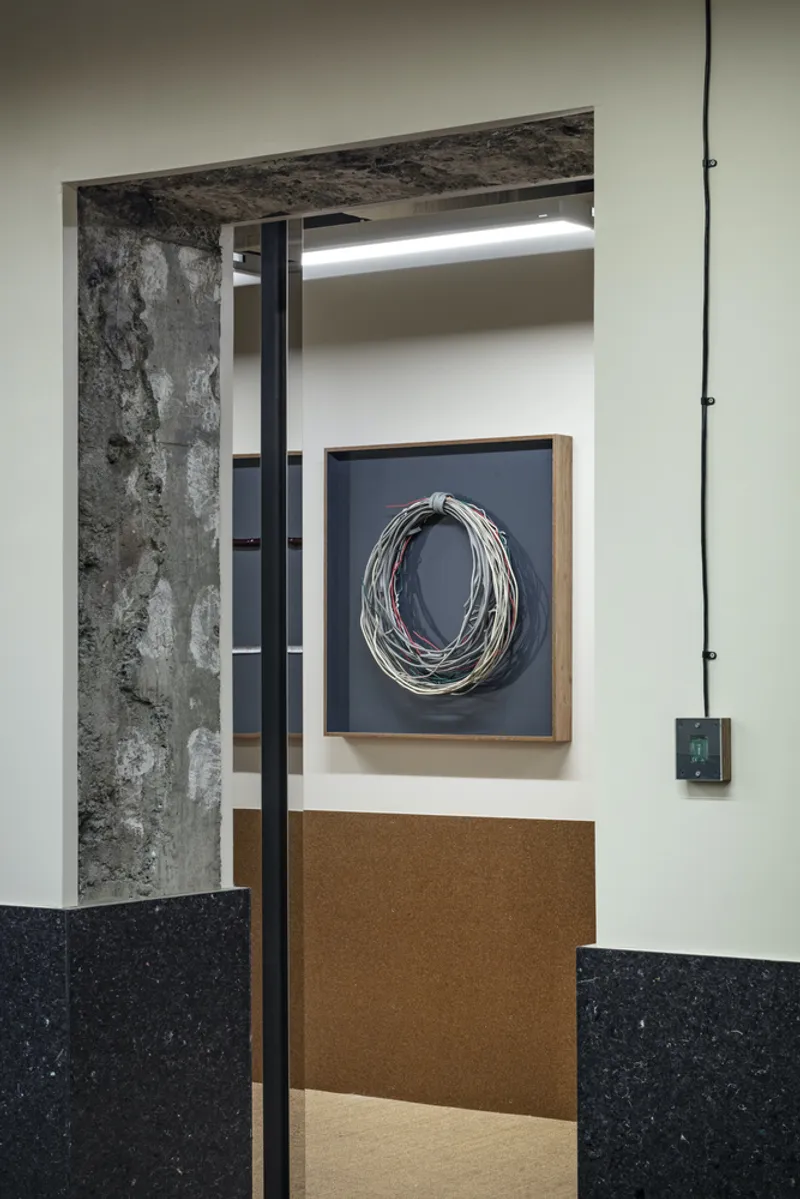
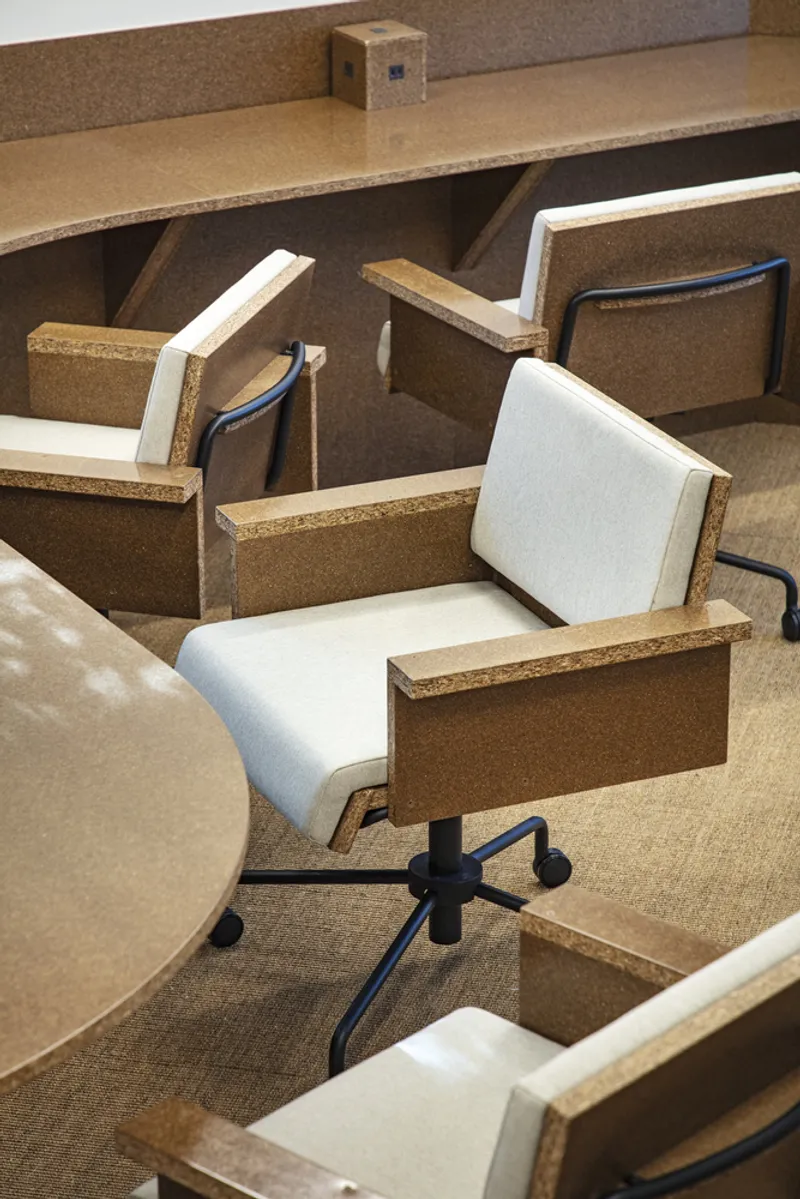
One of the core elements of the 0 Club Coworking Space is its careful selection of materials that minimize environmental impact. The project emphasizes the use of natural materials and recycled resources to construct the interior spaces. The design team chose materials that not only promote environmental sustainability but also ensure longevity and resilience in the face of long-term usage. For example, the flooring is made of Rifmo, a recycled material, while the walls are constructed from particleboard made from crushed waste wood. These choices reduce the carbon footprint and contribute to a circular economy by repurposing waste materials.

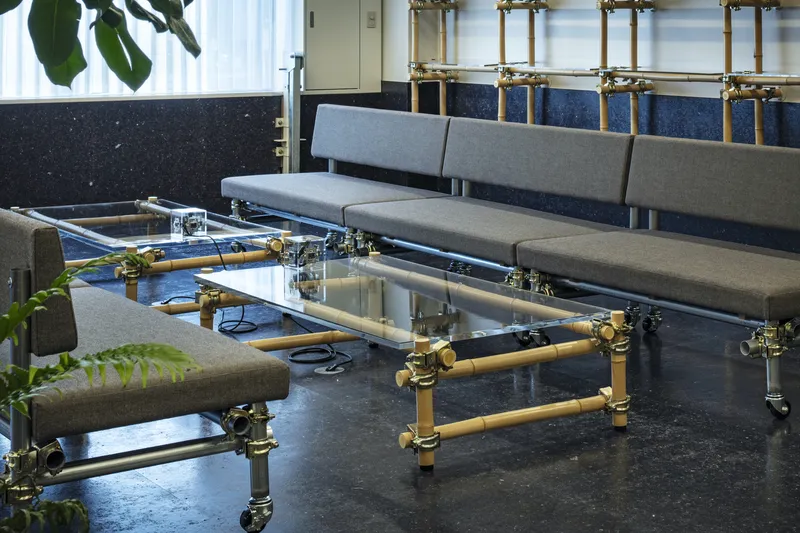
The project also incorporated upcycled circular plasterboard and locally sourced materials to avoid the environmental toll of long-distance transportation. The goal was to create a space that minimized the need for new construction and maximized the reuse of existing elements.


Energy Efficiency and Environmental Considerations
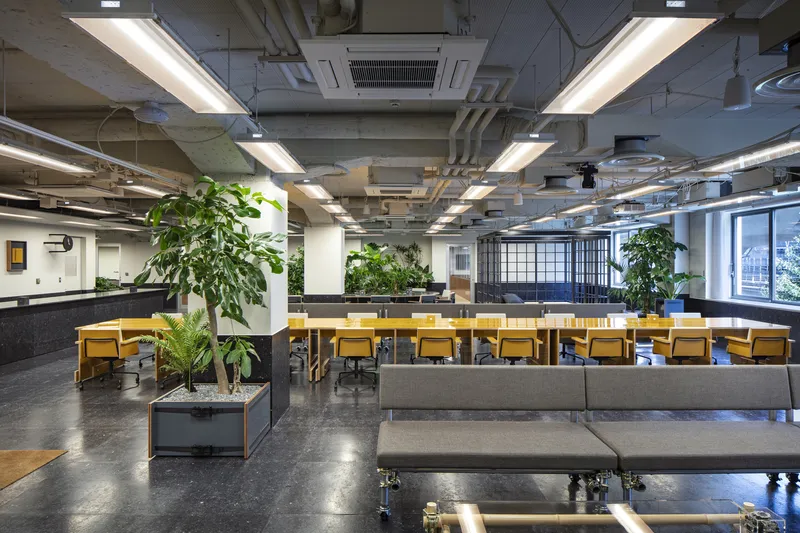
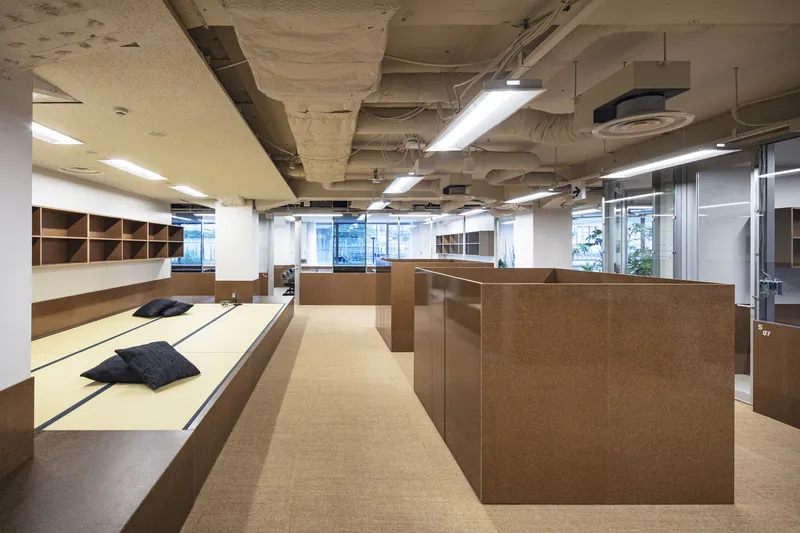
The 0 Club Coworking Space places a strong emphasis on energy-efficient systems. The ceiling heights in common areas were increased by dismantling existing structures, allowing for better airflow and reducing the need for extensive cooling or heating. The lighting was also adjusted for energy efficiency by using existing fixtures and simply modifying the color temperature with minimal intervention. These strategies not only reduce energy consumption but also enhance the overall user experience by creating a comfortable and sustainable work environment.
Furniture and Layout for Flexibility
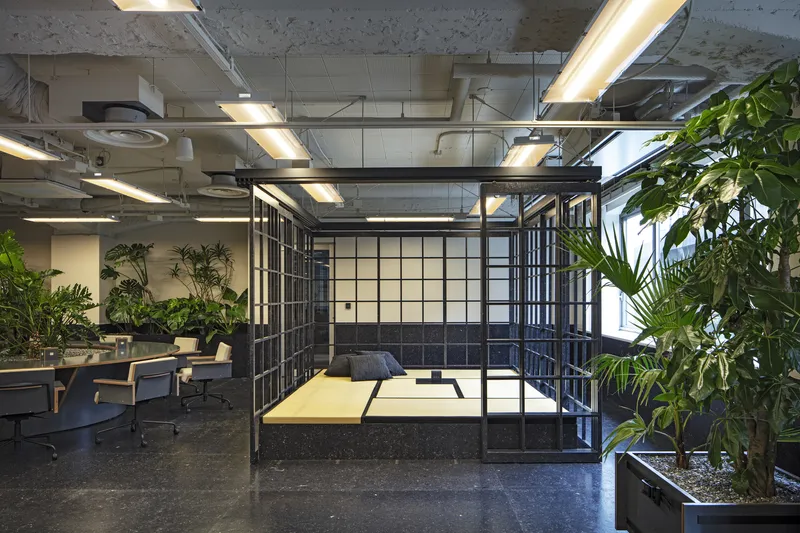
The furniture layout in the 0 Club Coworking Space is designed with flexibility in mind. Given that the coworking space serves a community focused on climate tech and innovation, the layout encourages interaction, collaboration, and a fluid exchange of ideas. Private rooms are arranged in a radial pattern around a central lounge area, which can be reconfigured for various events or team collaborations. This adaptive design allows for different layouts, whether for a large conference or a small group work session, and ensures that the space can evolve with the needs of its users.


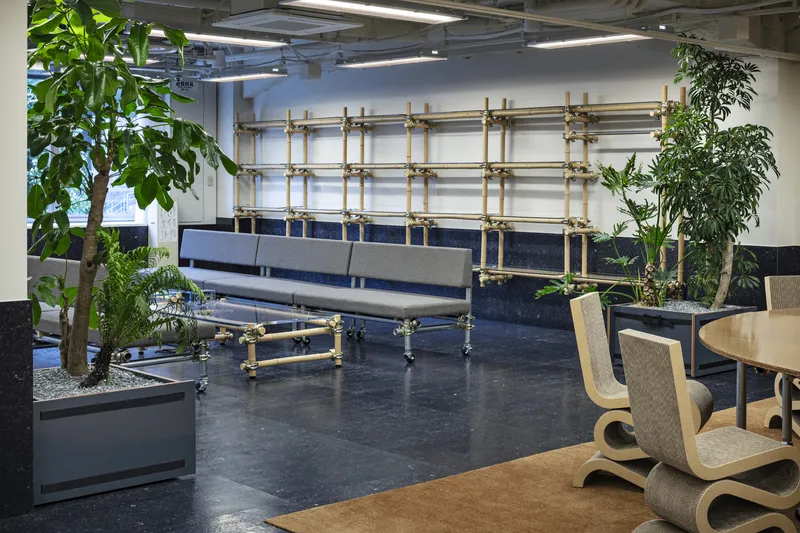
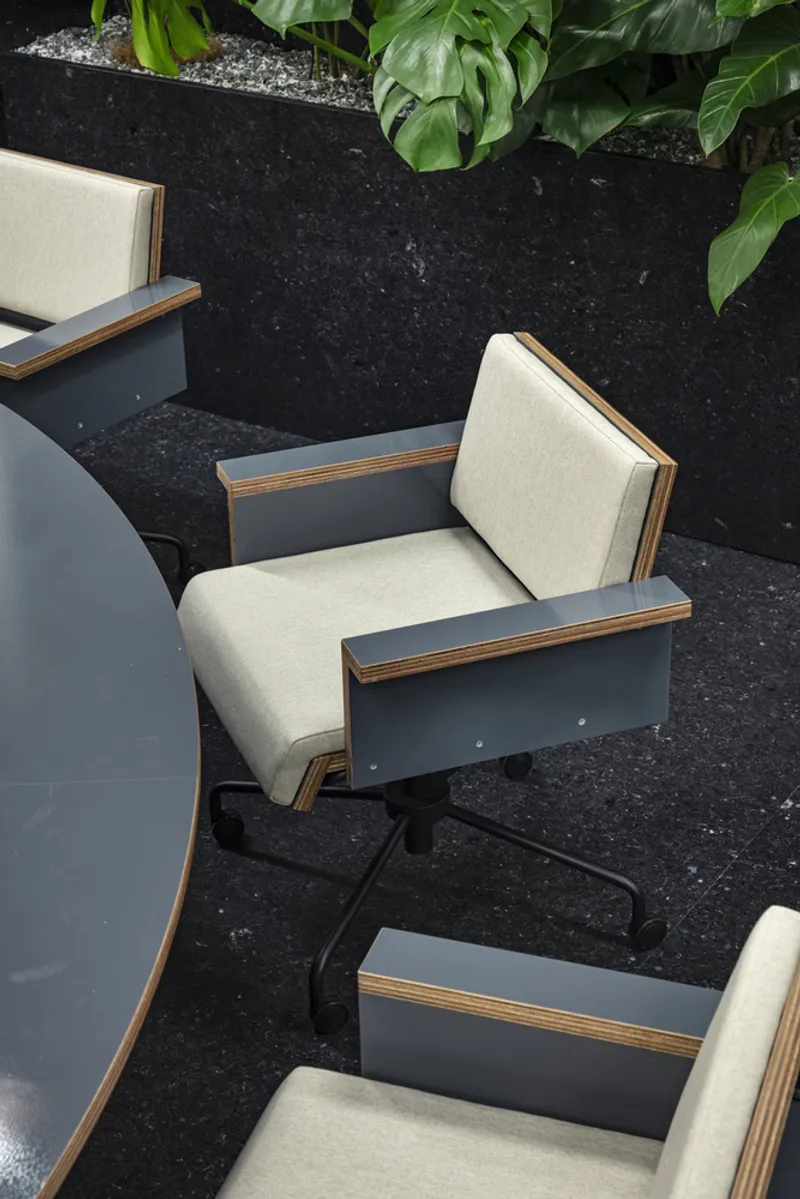
The furniture itself is thoughtfully designed and chosen with sustainability in mind, reflecting the core values of sustainable coworking spaces. The use of modular and upcycled furniture pieces ensures that each item is functional, reusable, and aligned with the principles of low environmental impact.


Integration of Climate Tech Innovation
The 0 Club Coworking Space serves as a physical manifestation of the ideas and innovations it aims to support. It is a place where entrepreneurs, researchers, and professionals working in the field of Climate Tech can come together to collaborate and share ideas. This focus on climate technology is central to the design of the space, which was created not only as a functional workspace but as a source of inspiration for those working to solve some of the world’s most pressing environmental challenges.

Sustainable Design Philosophy: Craftsmanship and Careful Thought
DDAA's design approach embraces the idea of sustainability without compromise. Rather than opting for quick fixes or easy solutions, the project team focused on creating a space that reflects careful craftsmanship and thoughtful decision-making at every step. By embracing the philosophy of “create without creating as much as possible,” DDAA was able to deliver a sustainable coworking environment that balances innovation and environmental responsibility.

This mindset encourages designers and architects to reconsider their approach to sustainability—not as a secondary concern but as an integral part of the creative process. By thinking about the long-term environmental impact of every design decision, the 0 Club Coworking Space challenges the traditional methods of construction and interior design, ultimately creating a space that benefits both the planet and its occupants.

All Photographs are works of Kenta Hasegawa




Popular Articles
Popular articles from the community


Conexión: Biophilic Design Reimagines High-Rise Living in Hong Kong
Conexión reimagines high-rise living in Hong Kong through biophilic design, green facades, shared spaces, daylight, water and nature within.

Hill & Cross Opera: Sculptural Opera House Architecture Shaped by Tallinn’s Landscape and Identity
Hill & Cross Opera reimagines opera house architecture in Tallinn through its sculptural hill, civic plaza, glass wave and a luminous cross.

Co-Life: Senior Housing Design That Reconnects Older Adults With the City
Co-Life reimagines senior housing design through healing gardens, shared streets, workshops, and a sustainable community across generations.

The Earth Pod: 3D Printed Homes for Resilient Refugee Communities
The Earth Pod reimagines refugee housing through 3D printed homes made from clay, combining resilience, self-sufficiency, and rapid shelter.

Similar Reads
You might also enjoy these articles


Hodi-Mandai Geram
Project Function: Preservation and revitalization of the Intangible heritage and socio-spatial identity of the Hodi by Housing, Cultural Memory Center, Sacred Grove, landscape, local tourism economy


Olio Towers: A Mid-Rise for Performers That Fuses Housing, Rehearsal, and Stage
Located blocks from Houston's Theater District, this modular tower stacks living units around a central performance atrium.

Oasis: Modular Green Housing Carved into Dhaka's Urban Fabric
A shortlisted Plugin Housing entry reclaims unauthorized settlements in Dhaka with stepped concrete volumes, green roofs, and ventilation-driven design.

Black Hole: A Floating Megastructure for the Post-Physical Era
Emiliano Mazzarotto envisions a spherical, self-scaling arena where e-sports, digital hotels, and holographic stadiums replace traditional public space.


Explore Co-Working Competitions
Discover active competitions in this discipline



Challenge to reimagine the Iron Throne


Photograph architecture without architects


Illustrate the lost glory of Angkor Wat - Render Challenge


Design challenge to reuse E-waste
Comments (0)
Please login or sign up to add comments
No comments yet. Be the first to comment!