

5 Rooms Studio by Hyper: Adaptive Reuse of an Industrial Workshop into a Contemporary Graphic Design Studio in Paris
Former Paris furniture workshop transformed into graphic design studio using post-and-beam structure, five service rooms, open workspace, and galvanized steel display surfaces.


Located within an industrial estate on the outskirts of Paris, 5 Rooms, designed by the architecture studio Hyper, represents a thoughtful transformation of a former furniture workshop into a contemporary graphic design studio. Completed in 2024 and covering an area of 90 square meters, the project demonstrates how adaptive reuse and minimal intervention can create an efficient and inspiring workspace for creative professionals.
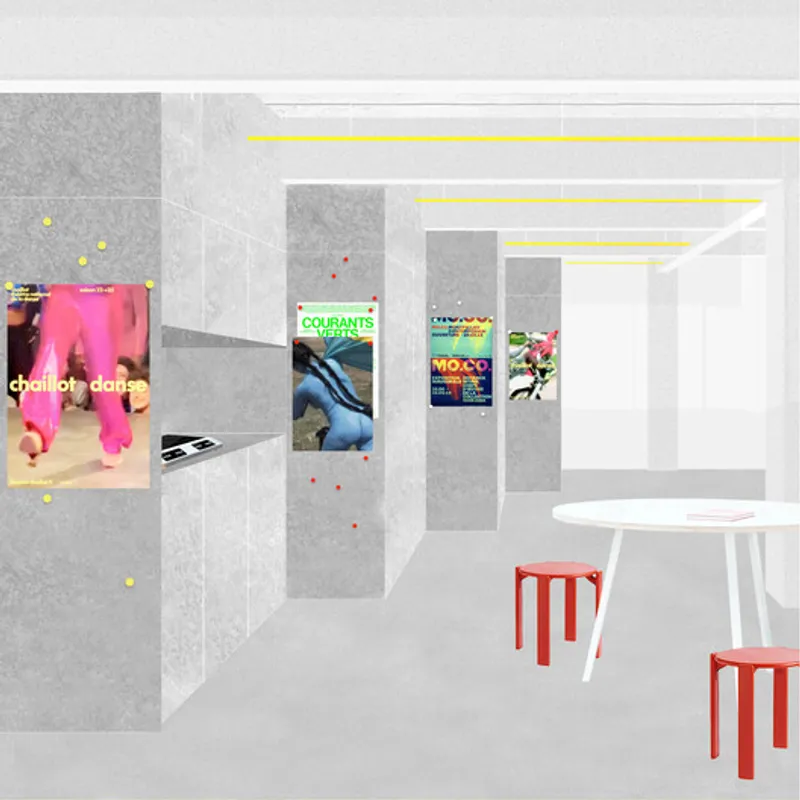
Led by architect Lucas Meliani, the project reinterprets the existing industrial architecture while maintaining its structural authenticity. Rather than completely redesigning the interior, the architects embraced the original post-and-beam framework, allowing the building’s structural logic to guide the spatial organization. This approach reflects a growing trend in contemporary architecture that prioritizes sustainability, resource efficiency, and respect for existing industrial heritage.
Rediscovering the Value of Industrial Architecture
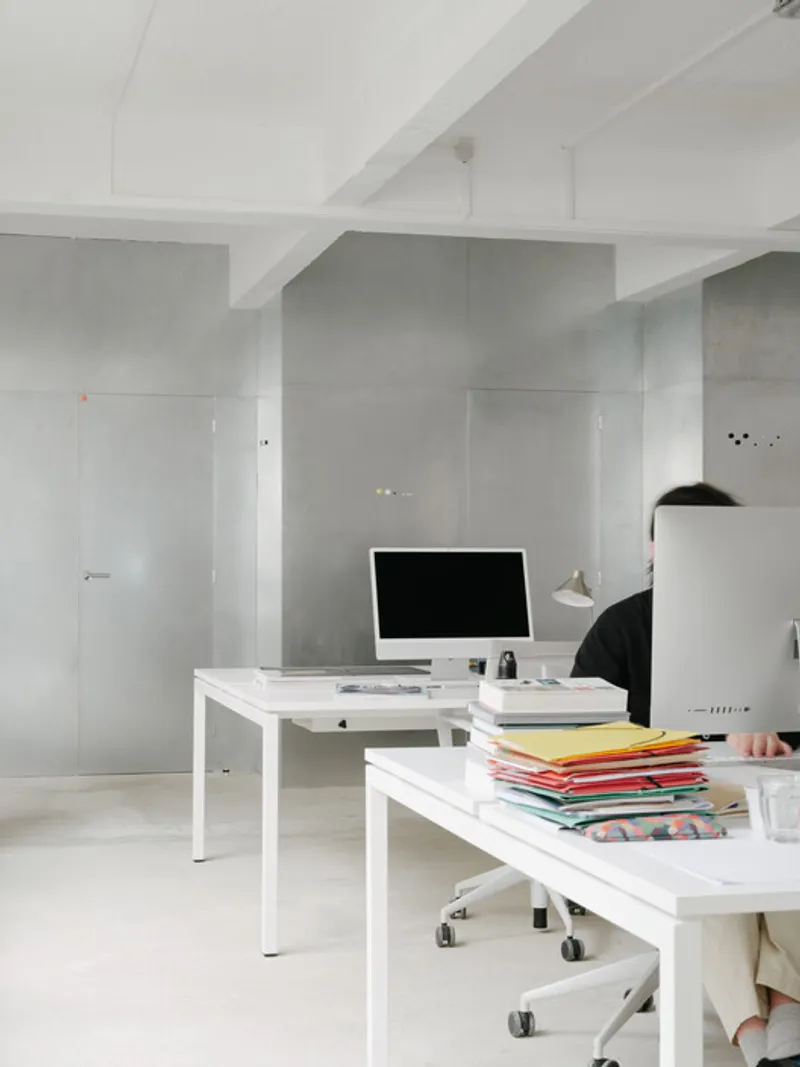
The design strategy for 5 Rooms focused on revealing the inherent qualities of the original industrial structure. Over time, the former workshop had undergone multiple modifications that obscured its architectural clarity. With a limited renovation budget, the architects adopted a subtractive approach, removing unnecessary layers and previous interventions to rediscover the essential spatial qualities of the building.
By exposing the rational post-and-beam system, the project celebrates the simplicity and strength of industrial construction. The open structural grid becomes the foundation for the new program, offering flexibility while maintaining a sense of order and rhythm throughout the interior space.
This architectural decision not only preserves the identity of the building but also aligns with sustainable design practices. By working with the existing structure rather than replacing it, the project minimizes material waste and reduces the environmental impact of the renovation.
A Spatial Strategy Organized Around Five Functional Rooms
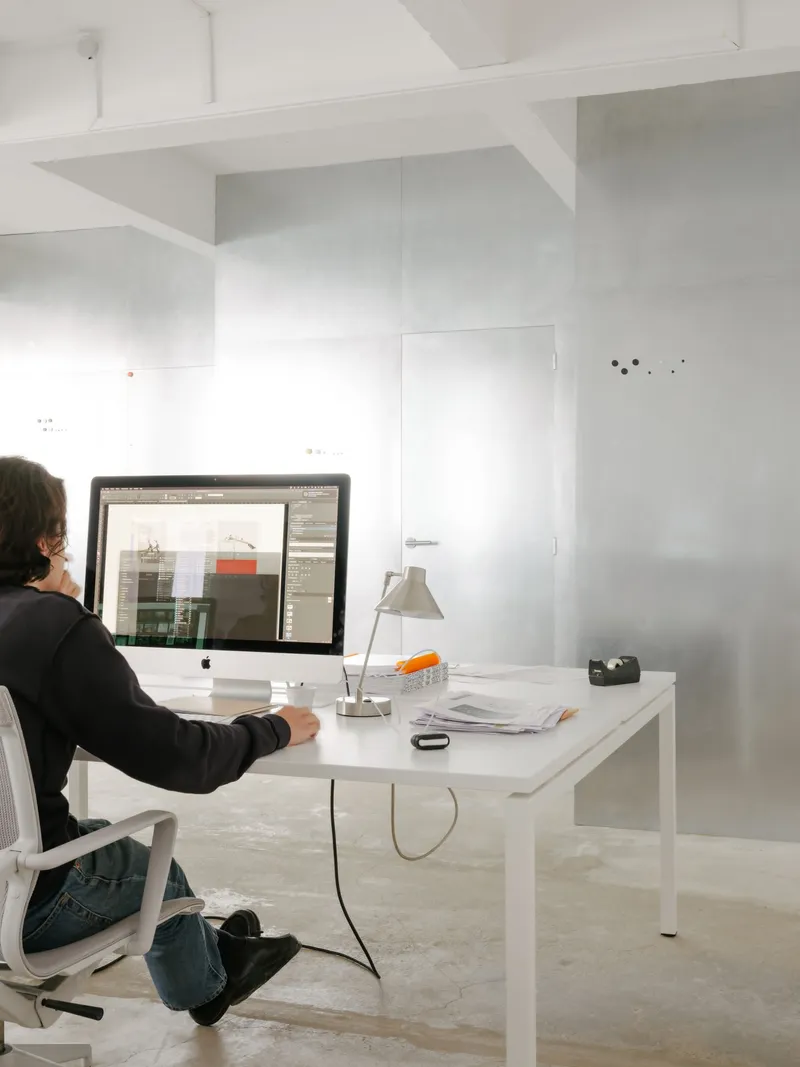
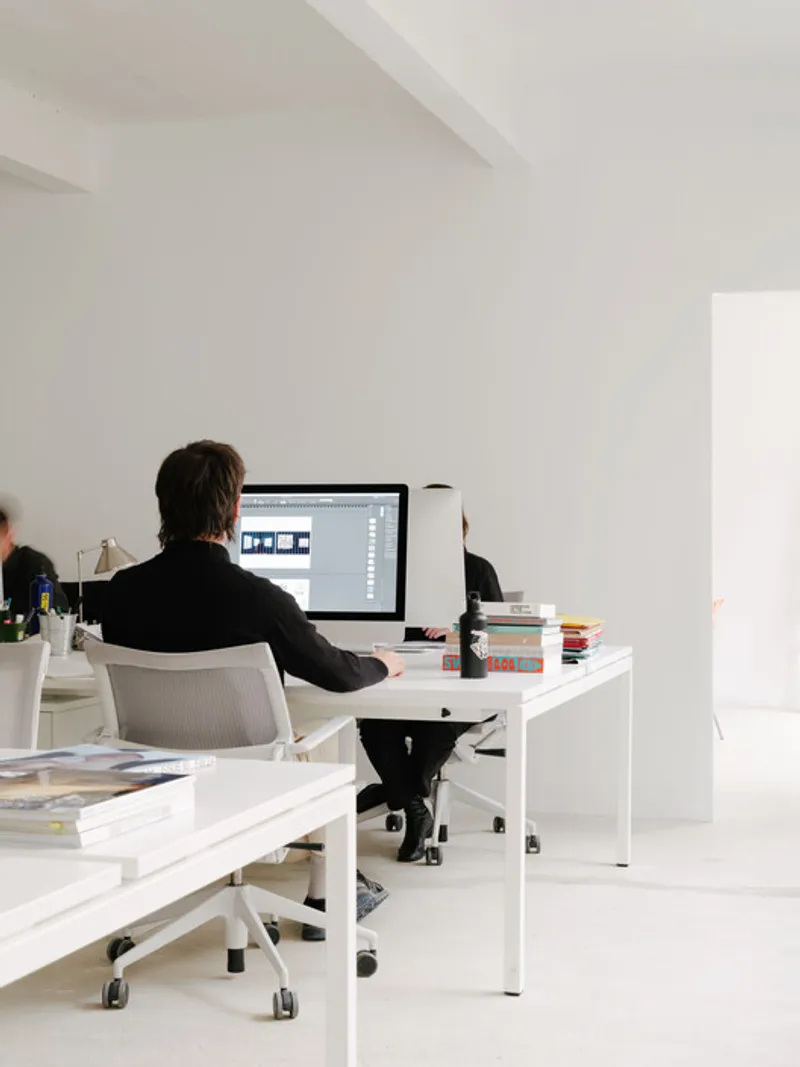
The spatial concept of the project revolves around the integration of five essential functional rooms within the structural framework. These rooms include archives, reprographics, a kitchen, sanitary and shower facilities, and a technical shaft. Rather than occupying the entire space, these rooms are carefully inserted between the structural beams, forming a compact service band that supports the studio’s daily operations.
This configuration creates what the architects describe as a “servant thickness,” where technical and support functions are concentrated in a defined zone. By consolidating these programmatic elements, the remainder of the studio remains open and flexible, allowing designers to work collaboratively in a spacious and adaptable environment.
The staggered positioning of the rooms generates a sequence of spatial transitions within the studio. Upon entering the space, visitors encounter a defined entrance pathway that gradually reveals the interior. This spatial choreography separates a communal dining area from the main open workspace, establishing subtle zones without disrupting the overall openness of the studio.
Material Expression and Industrial Aesthetics
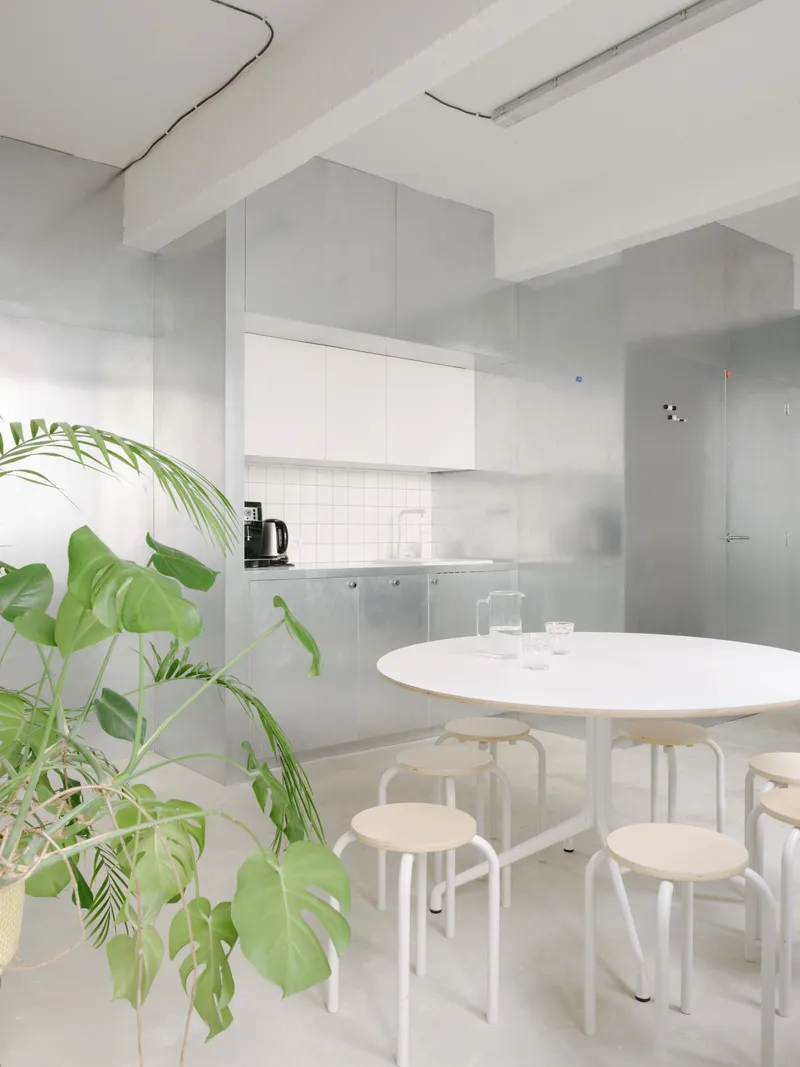
Materiality plays a crucial role in defining the identity of the 5 Rooms project. The architects intentionally embraced a raw and industrial aesthetic that reflects the building’s original purpose. Exposed structural elements, simple finishes, and minimal detailing reinforce the workshop atmosphere while supporting the functional needs of the design studio.
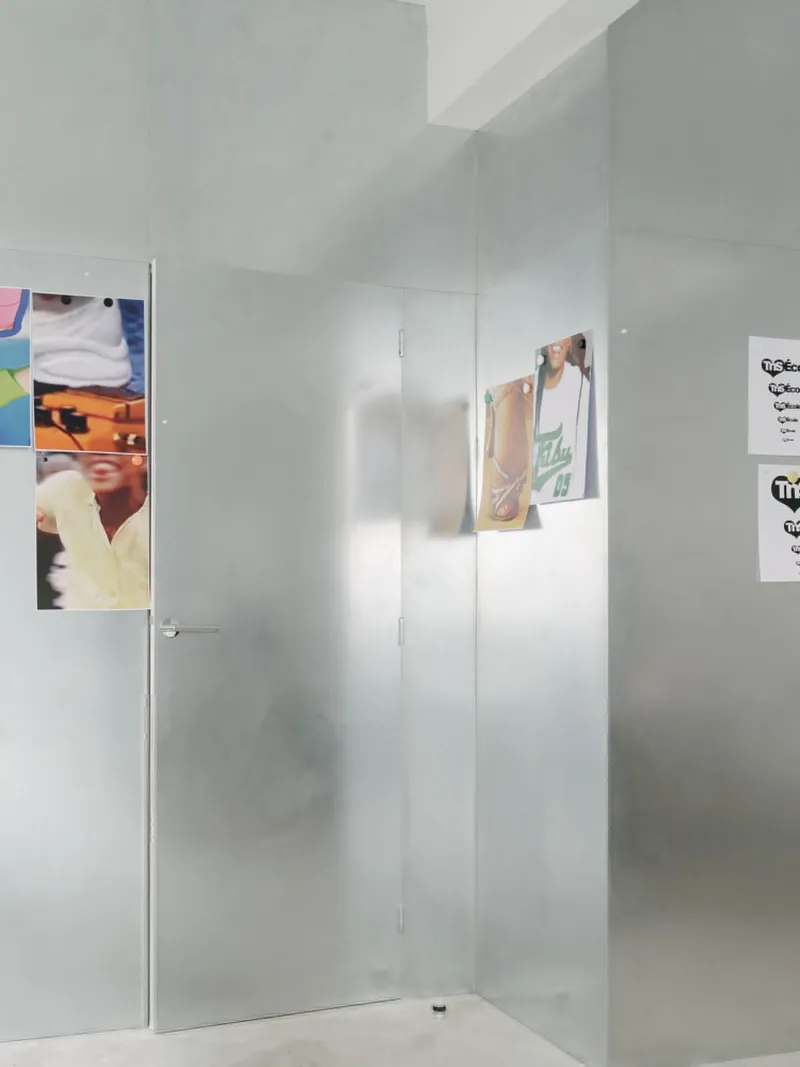
One of the most distinctive features of the project is the use of galvanized steel on the interior facades. This material introduces a reflective metallic surface that serves both aesthetic and practical purposes. The steel panels transform the walls into magnetized display surfaces where graphic designers can pin, arrange, and showcase their visual work.
This design decision effectively turns the workspace itself into a dynamic exhibition environment. Walls become constantly evolving canvases for sketches, layouts, and visual references, reinforcing the creative process of the studio. At the same time, the metallic surfaces reflect light and add texture, balancing the rawness of the industrial interior.
Balancing Brutal Simplicity with Creative Functionality
While the project embraces a certain architectural brutality through its exposed structure and industrial materials, this boldness is carefully balanced by the thoughtful organization of the interior. The spatial clarity provided by the structural grid allows the workspace to remain calm, efficient, and functional.
The integration of service rooms within the structural rhythm ensures that practical requirements such as storage, printing, and utilities do not interfere with the openness of the working environment. This careful balance between structure and program results in a workspace that feels both organized and flexible.
For creative professionals, such environments are essential. Open workspaces encourage collaboration and exchange, while clearly defined service areas ensure that technical tasks can be performed efficiently without disrupting the workflow.
A Contemporary Example of Adaptive Industrial Reuse
The 5 Rooms project demonstrates how small-scale architectural interventions can produce meaningful spatial transformations. By working with the existing structure, the architects were able to create a distinctive creative studio without extensive demolition or reconstruction.
This approach highlights the growing relevance of adaptive reuse in contemporary architecture, particularly in urban contexts like Paris where former industrial areas are being reimagined for new uses. Rather than erasing the past, projects like 5 Rooms reinterpret existing buildings to accommodate modern working cultures.
Through its clear spatial logic, restrained material palette, and respect for industrial heritage, the project offers a compelling example of how architecture can support creativity while remaining environmentally responsible.
All photographs are works of
Giaime Meloni


Popular Articles
Popular articles from the community

Opera on the Sea: Driftwood Logic Shapes a Timber Opera House on Estonia's Coast
Trevor Orgill's opera house translates the entangled drift of floating timber into a civic building where wood, water, and music converge.

Singing Woman: An Opera House That Performs Before the Curtain Rises
Ovidiu Cristian Pavel's conceptual opera house translates Estonia's choral identity into a sculpted waterfront landmark facing the Baltic Sea.
Faces of the Soviet Avant-Garde: Turning Moscow's Street Names into an Open-Air Museum
A network of sculptural installations across a Moscow residential district transforms forgotten architect names into spatial encounters with cultural memor

Opera by the Sea Estonia: Three Shells Dissolving Architecture into Tallinn's Coastline
A winning opera house proposal replaces monumental form with interconnected shells that blur the boundary between building, park and Baltic Sea.

Similar Reads
You might also enjoy these articles

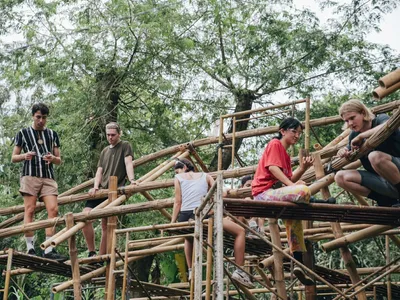
Bamboo Housing Challenge 2026: Design Affordable, Sustainable Homes Using Bamboo
An international design competition by Bamboo U and IBUKU inviting architects and designers to reimagine affordable housing using bamboo — with the winning design built full-scale in Bali.
Computational Design & Education: Beegraphy Design Awards Introduces 7th Category (Featuring Jiyun's Innovative Approach)
Dive into Beegraphy’s 7th Design Awards category, where computational design meets education to create immersive, interactive learning tools, inspired by Jiyun’s work.
From Parametric Lighting to Urban Furniture: Join the 2nd Workshop in Beegraphy’s Computational Design Series
Dive into Cutting-Edge Design Techniques and Practical Applications with Industry Experts

Last Call: Unleash Your Architectural Genius in SHAK's Kindergarten Design Competition
Urgent call for architects to join SHAK's kindergarten design competition before the looming deadline

Explore Spatial & Interior Design Competitions
Discover active competitions in this discipline

Challenge to design luxury tourism on rails

Challenge to reimagine the Iron Throne

Photograph architecture without architects

VR headsets Storefront design competition
Comments (0)
Please login or sign up to add comments
No comments yet. Be the first to comment!