
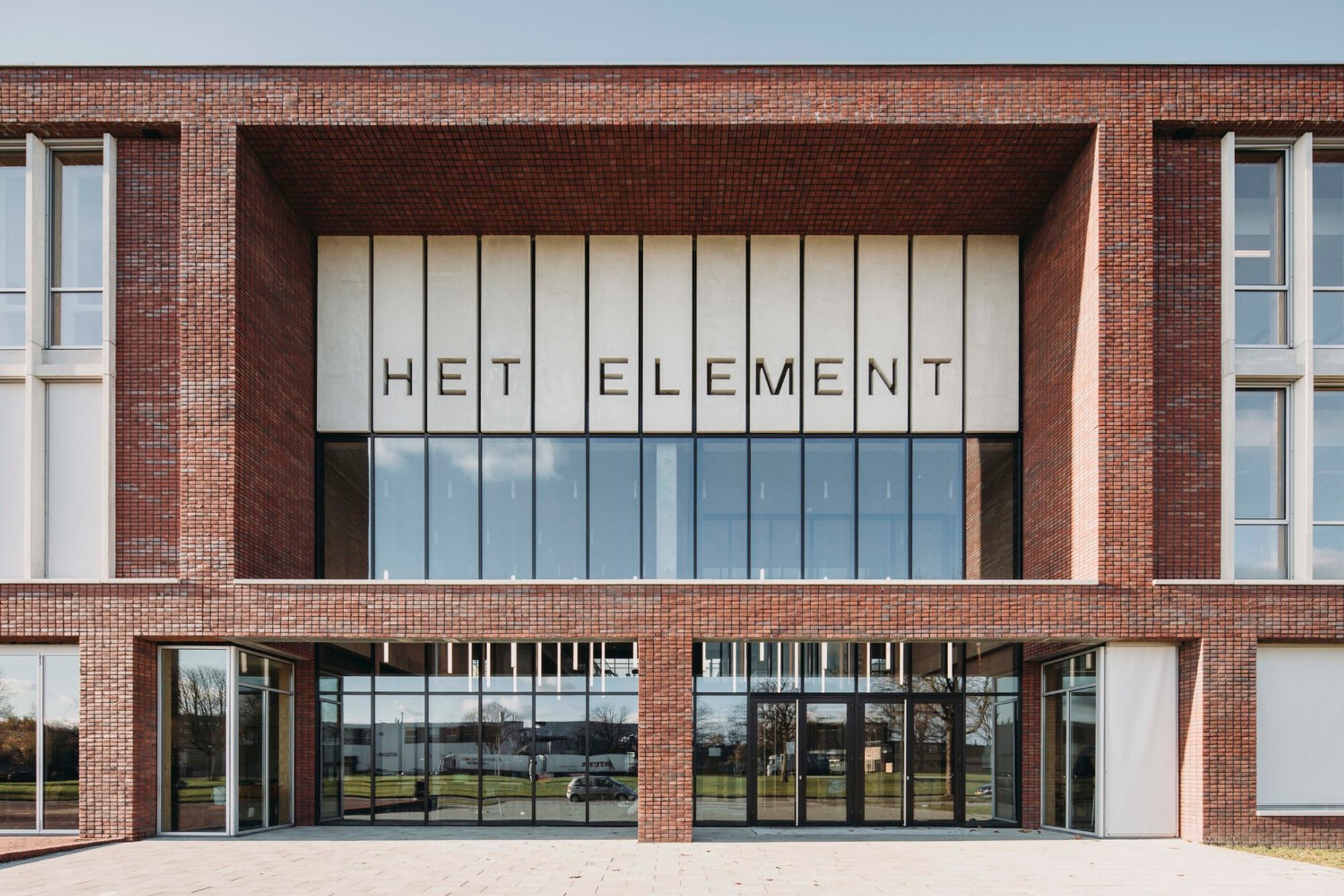
A Beacon of Sustainable School Architecture in Amersfoort: The New Building for Het Element
Explore Het Element's new school building in Amersfoort, a sustainable architectural gem fostering education and community integration in an industrial area.

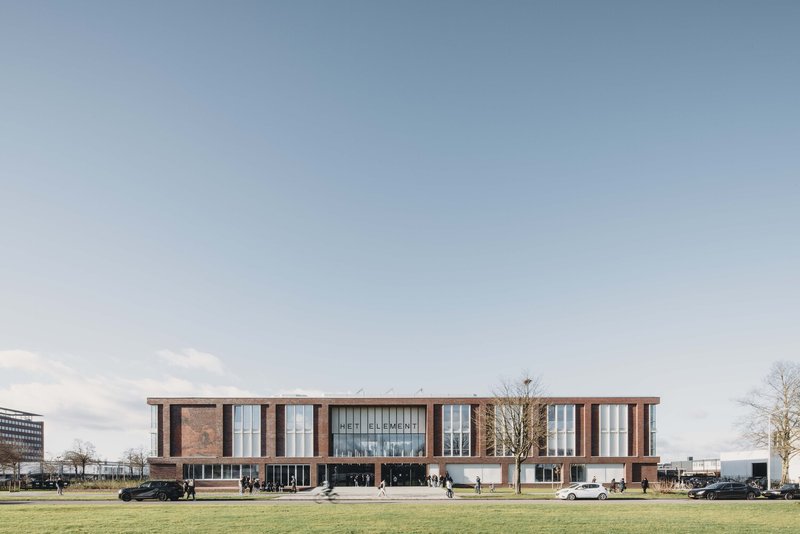
In the industrial yet evolving landscape of Amersfoort, the new school building for Het Element, designed by De Zwarte Hond, emerges as a paradigm of sustainable school architecture. This facility not only serves educational purposes but also stands as a model of environmental responsibility and community integration.
Design Philosophy and Environmental Integration
Creating a Green Oasis in an Industrial Zone
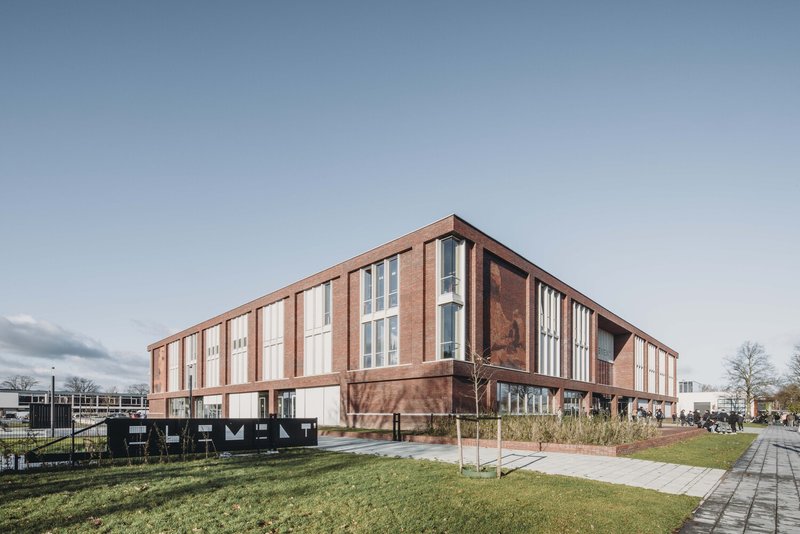
The design of Het Element school was driven by the necessity to transform a barren industrial area into a welcoming and green educational environment. Architect Bart van Kampen and his team at De Zwarte Hond envisioned a structure that harmonizes with nature while providing state-of-the-art facilities for students. The school is surrounded by newly developed green spaces, including a transformed front garden that not only enhances the school's aesthetic but also contributes to the city's climate-proofing efforts.
Compact Design for Enhanced Community Interaction
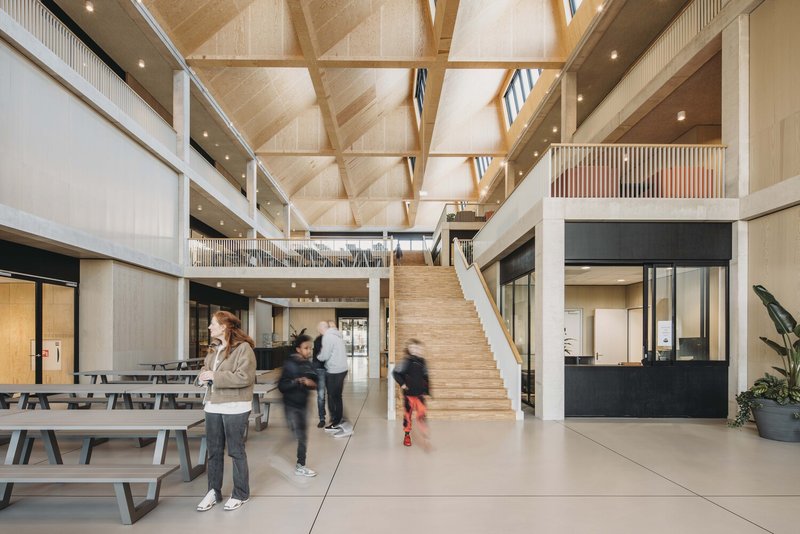
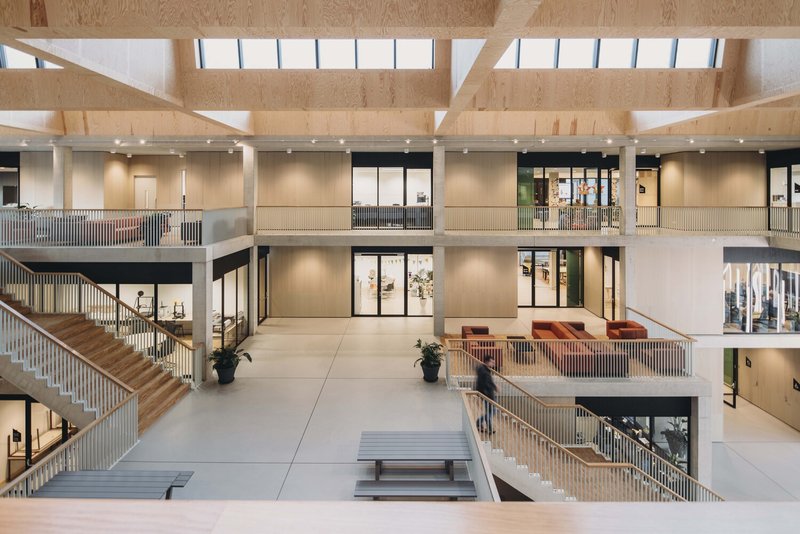
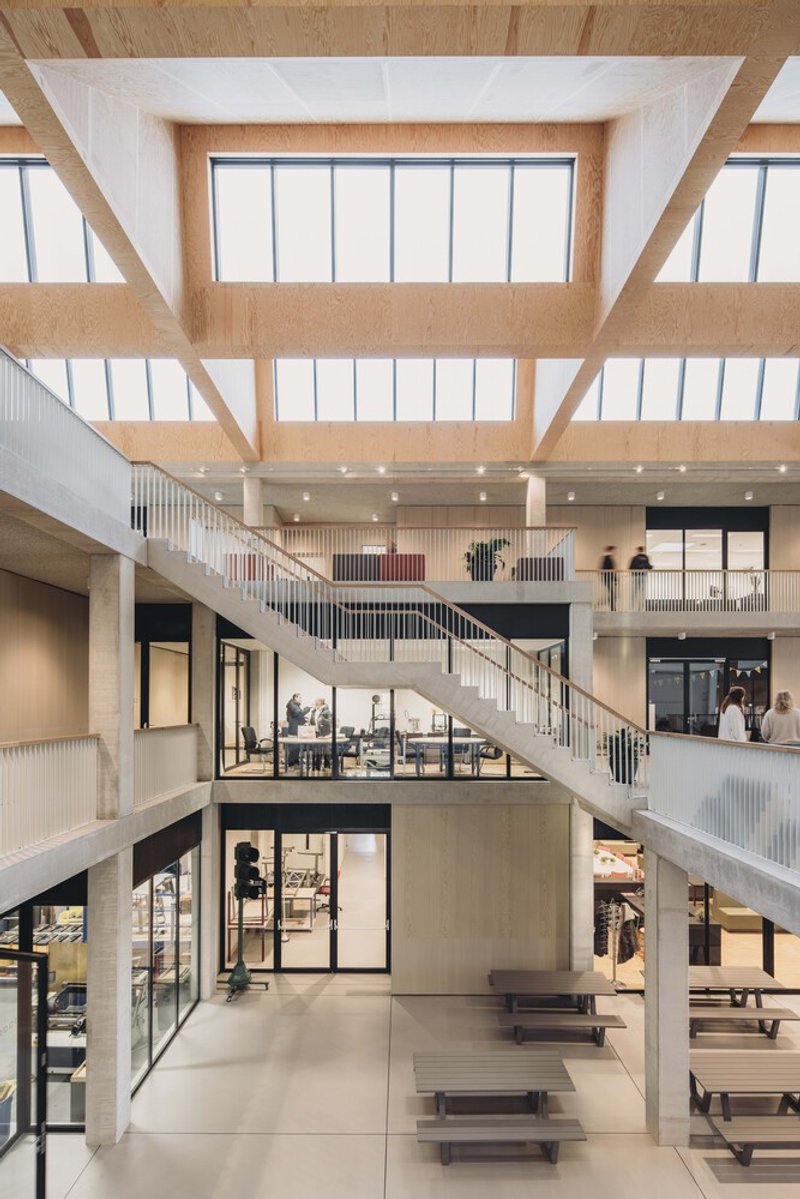
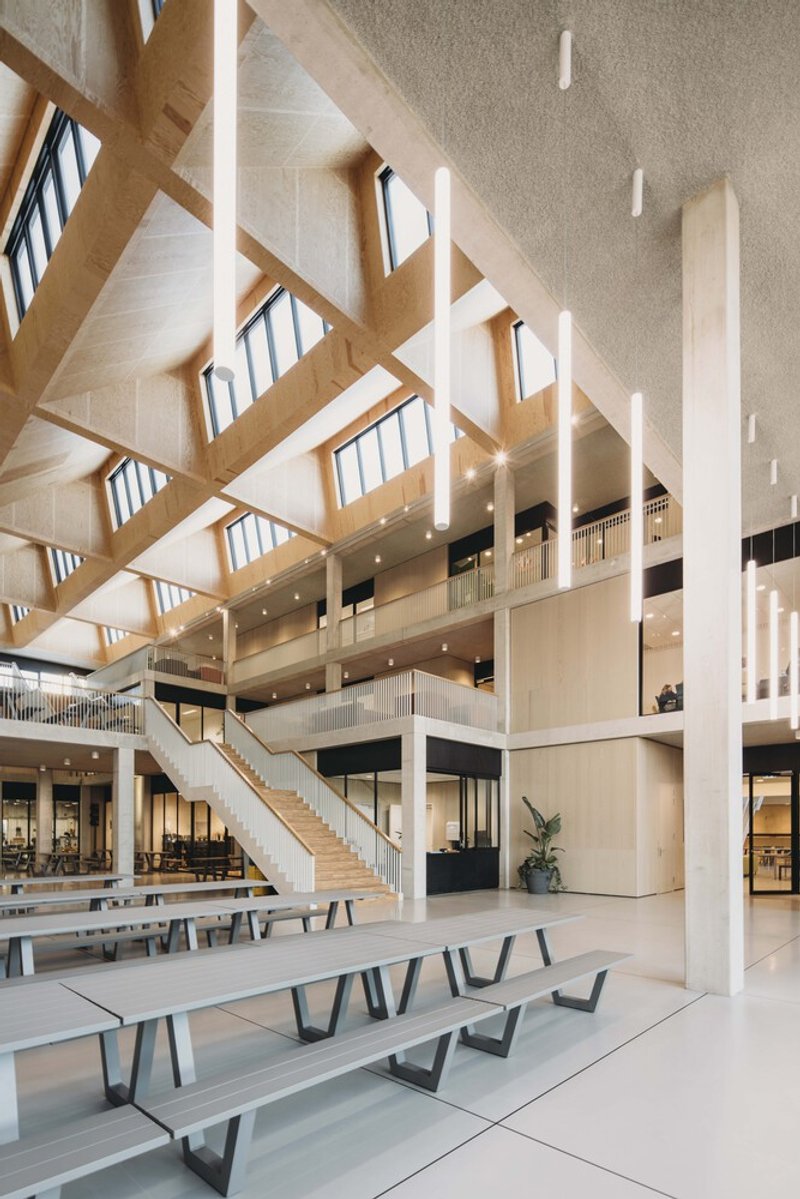
By opting for a compact building structure, the architects ensured that the school efficiently uses space while fostering a vibrant community center at its heart. This central hub connects various educational clusters, each with its distinct identity, encouraging interaction among approximately 1,000 pupils.
Architectural Features and Sustainability
Adaptive and Flexible Building Structure
Het Element is built on a generic column grid that allows for tremendous flexibility and future adaptations. This foresight ensures that the building can evolve according to future educational needs or even be repurposed into commercial, healthcare, or residential facilities, adhering to De Zwarte Hond's philosophy of sustainable longevity in architecture.
Natural Light and Material Use
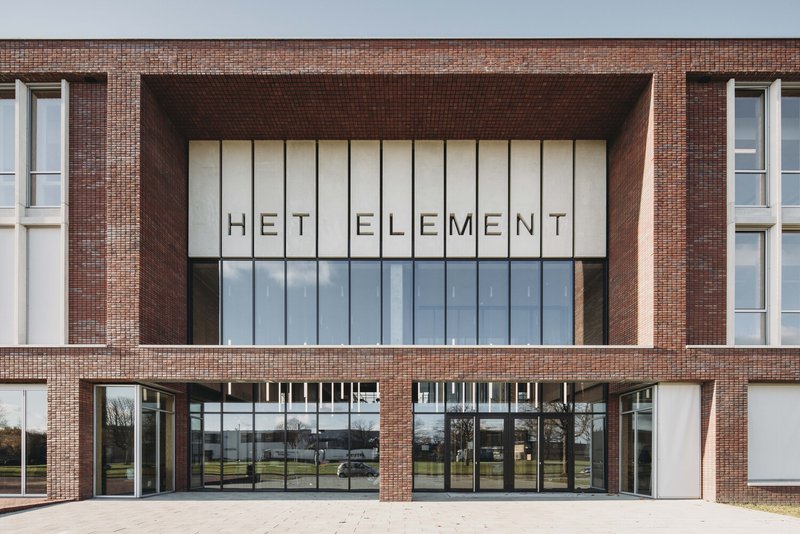
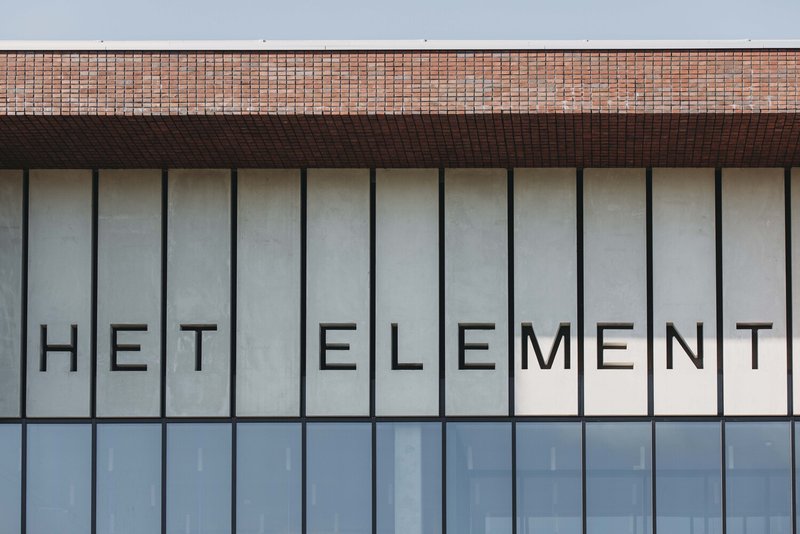
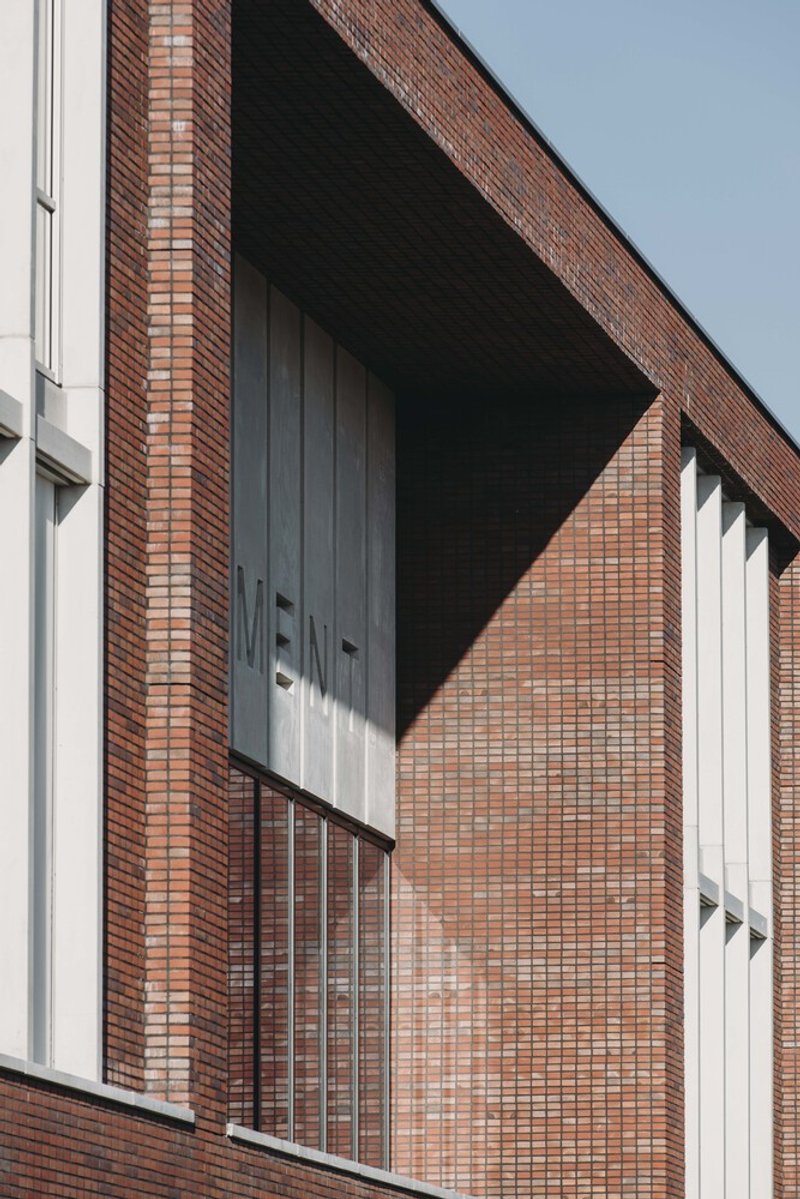
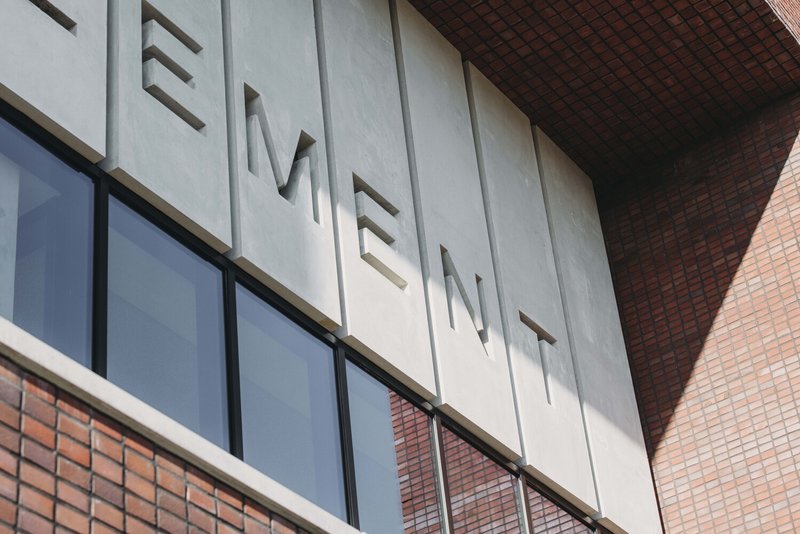
The school makes extensive use of natural light, particularly in the central heart where daylight from the roof illuminates the interior, creating a courtyard feel. The use of timber and brick mosaics not only pays homage to the industrial heritage of the area but also emphasizes sustainability in material choice.
Long-Term Sustainability and Community Impact
Building for the Future
Sustainability in architecture goes beyond immediate environmental benefits to embrace long-term usability. Het Element is designed to be as energy-efficient as possible, utilizing materials wisely and planning for decades of use. This approach ensures that the school remains a valuable asset to the community, adaptable to changing needs and uses.
A Model for Future Developments
Het Element sets a precedent for future development in Amersfoort, showcasing how educational buildings can significantly impact urban renewal and sustainability. It stands as a beacon of innovative design and environmental stewardship, inspiring similar initiatives in the region and beyond.
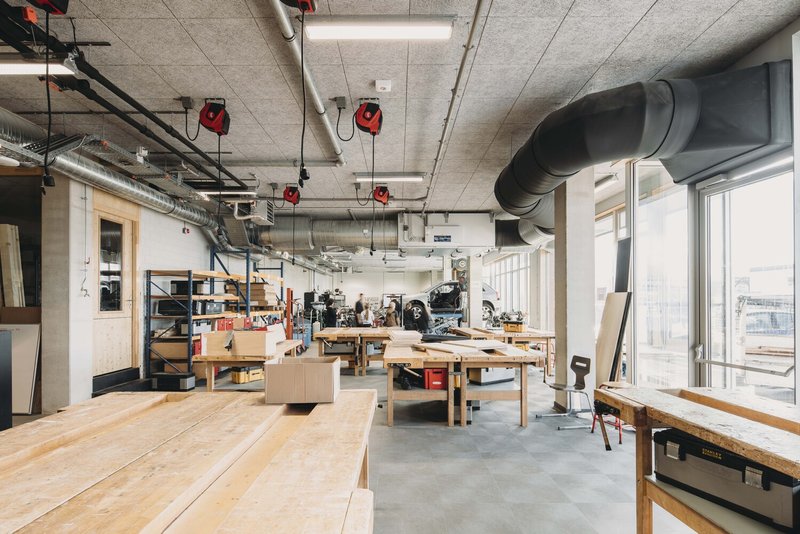
The School Building for Het Element by De Zwarte Hond is a standout example of sustainable school architecture in Amersfoort, offering a blueprint for future educational facilities worldwide. With its innovative design, focus on community integration, and commitment to sustainability, Het Element is not just a place of learning but a cornerstone of community development and environmental responsibility.
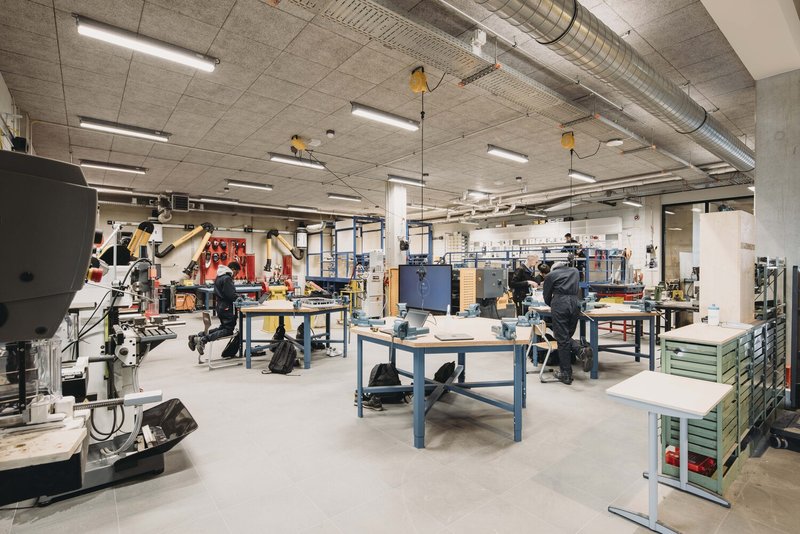
All photographs are work of Eva Bloem



Popular Articles
Popular articles from the community

A Contemporary Take on Iranian Residential Architecture
A modern interior design in Mashhad that reinterprets brick, light, and spatial flow to create a warm, contemporary residential architecture.

Solar Steam: A Climate-Responsive Architecture That Redefines the Monument
A climate-responsive memorial architecture that transforms heat, decay, and time into a living system reflecting humanity’s ecological impact.
An Miên Lumière Cafe by xưởng xép, Ho Chi Minh City, Vietnam
An industrial-inspired café where layered steel and warm light create a dynamic, immersive environment shaped by reflection, depth, and perception.
On the Brooks House by Monsoon Collective – A Contemporary Kerala Home Rooted in Tradition
Kerala home blending tradition and modernity with water-inspired design, brick architecture, courtyard planning, and sustainable rainwater harvesting strategies.


Similar Reads
You might also enjoy these articles

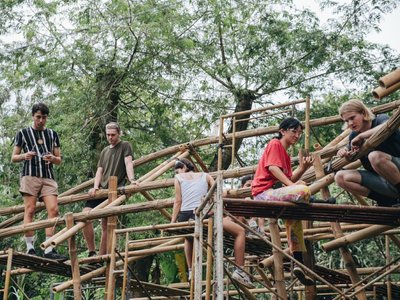
Bamboo Housing Challenge 2026: Design Affordable, Sustainable Homes Using Bamboo
An international design competition by Bamboo U and IBUKU inviting architects and designers to reimagine affordable housing using bamboo — with the winning design built full-scale in Bali.

Computational Design & Education: Beegraphy Design Awards Introduces 7th Category (Featuring Jiyun's Innovative Approach)
Dive into Beegraphy’s 7th Design Awards category, where computational design meets education to create immersive, interactive learning tools, inspired by Jiyun’s work.
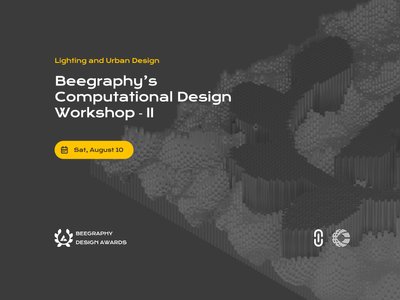
From Parametric Lighting to Urban Furniture: Join the 2nd Workshop in Beegraphy’s Computational Design Series
Dive into Cutting-Edge Design Techniques and Practical Applications with Industry Experts

Introducing Sphere by UNI: Pioneering a New Era in AEC Industry
Unlocking Global Potential with BIM and Agile Management

Explore Architecture Competitions
Discover active competitions in this discipline




The International Standard for Design Portfolios


The Global Benchmark for Architecture Dissertation Awards


The Global Benchmark for Graduation Excellence


Challenge to design public laboratory
Comments (0)
Please login or sign up to add comments
No comments yet. Be the first to comment!