

A Harmonious Blend of Tradition and Contemporary Design by Lajedo Arquitetura
Figa House by Lajedo Arquitetura is a contemporary home in Bahia that integrates traditional caiçara architecture with sustainable practices, blending seamlessly into its natural surroundings.


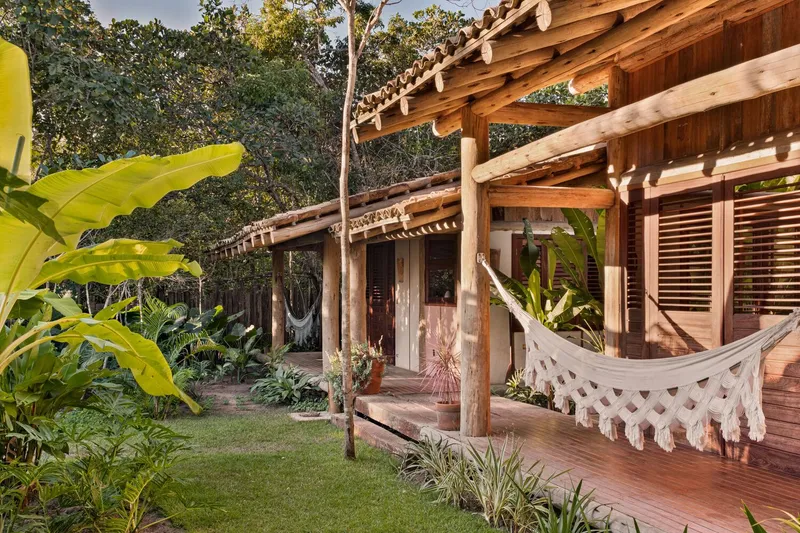
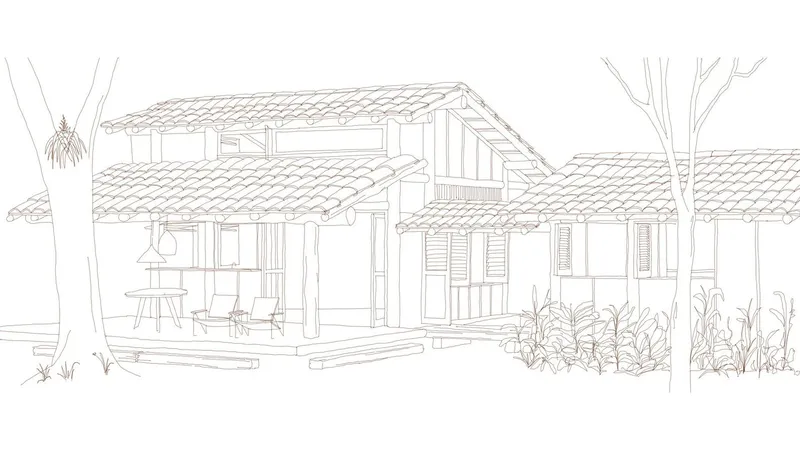
Figa House, designed by Lajedo Arquitetura, is a beautiful example of how traditional building techniques and contemporary architecture can come together in harmony with nature. Located near the village of Caraíva, in the coastal region of Bahia, Brazil, this 2,368 ft² house is a celebration of caiçara architecture, respecting both the environment and local culture. Scheduled for completion in 2024, the design merges simplicity, sustainability, and artisanal craftsmanship, creating a space that fosters connection with nature and local traditions.


Design Concept and Layout
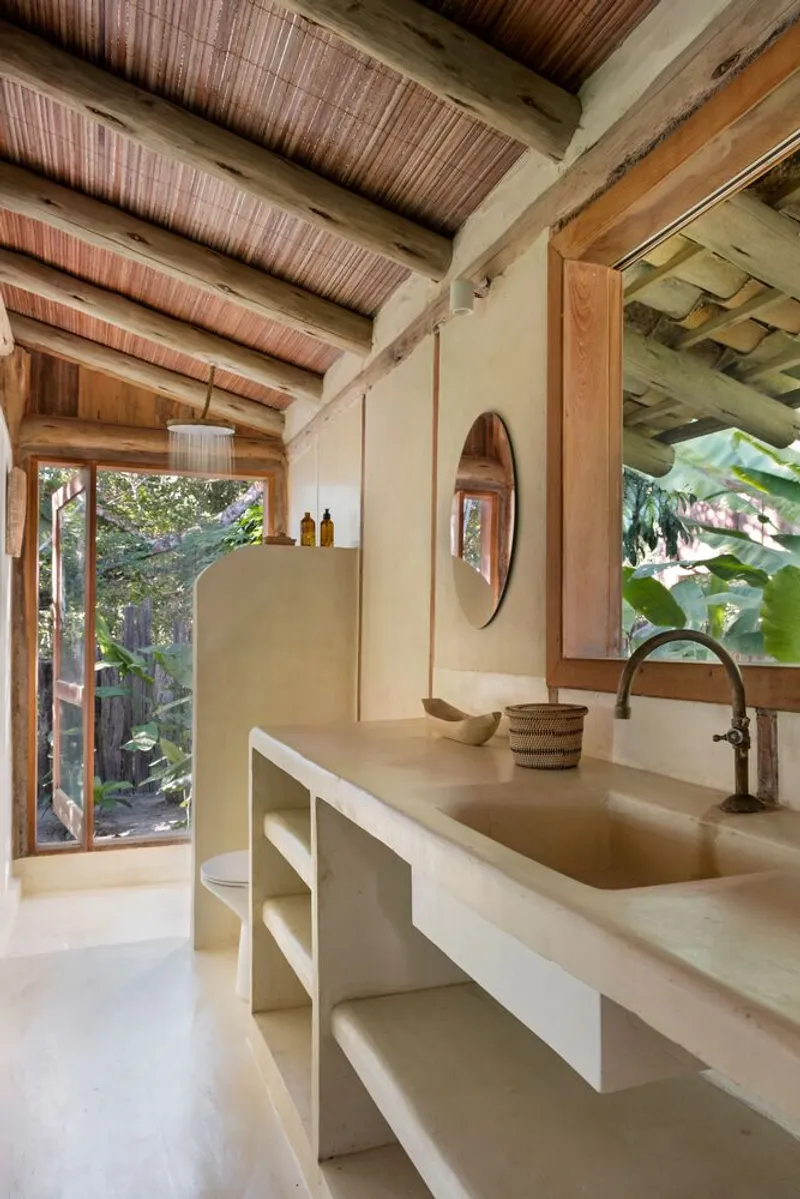
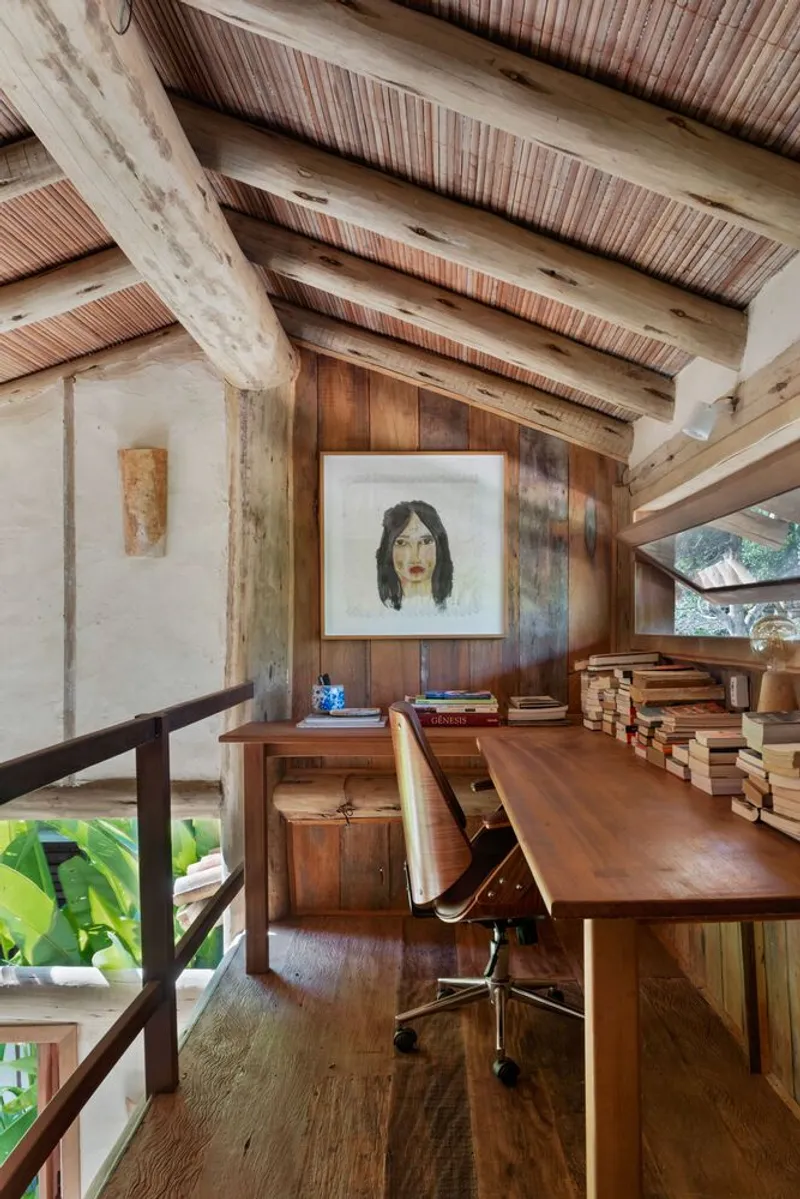
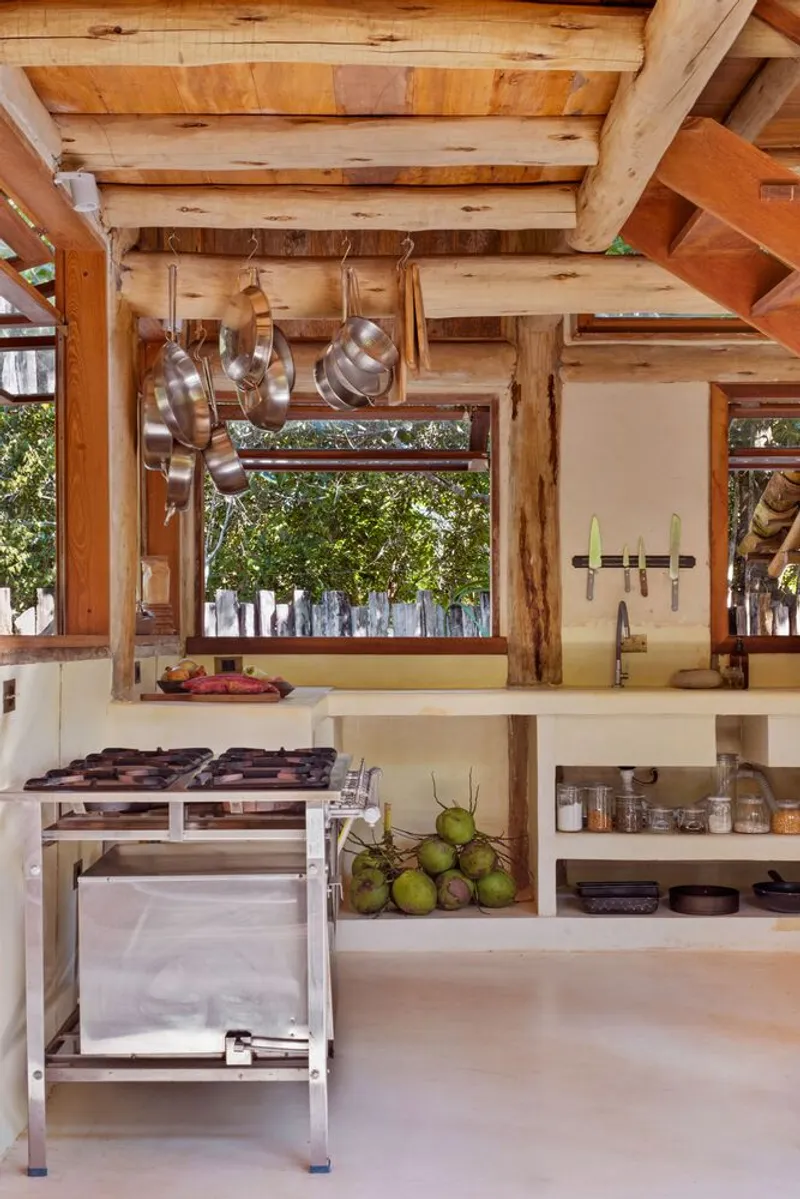
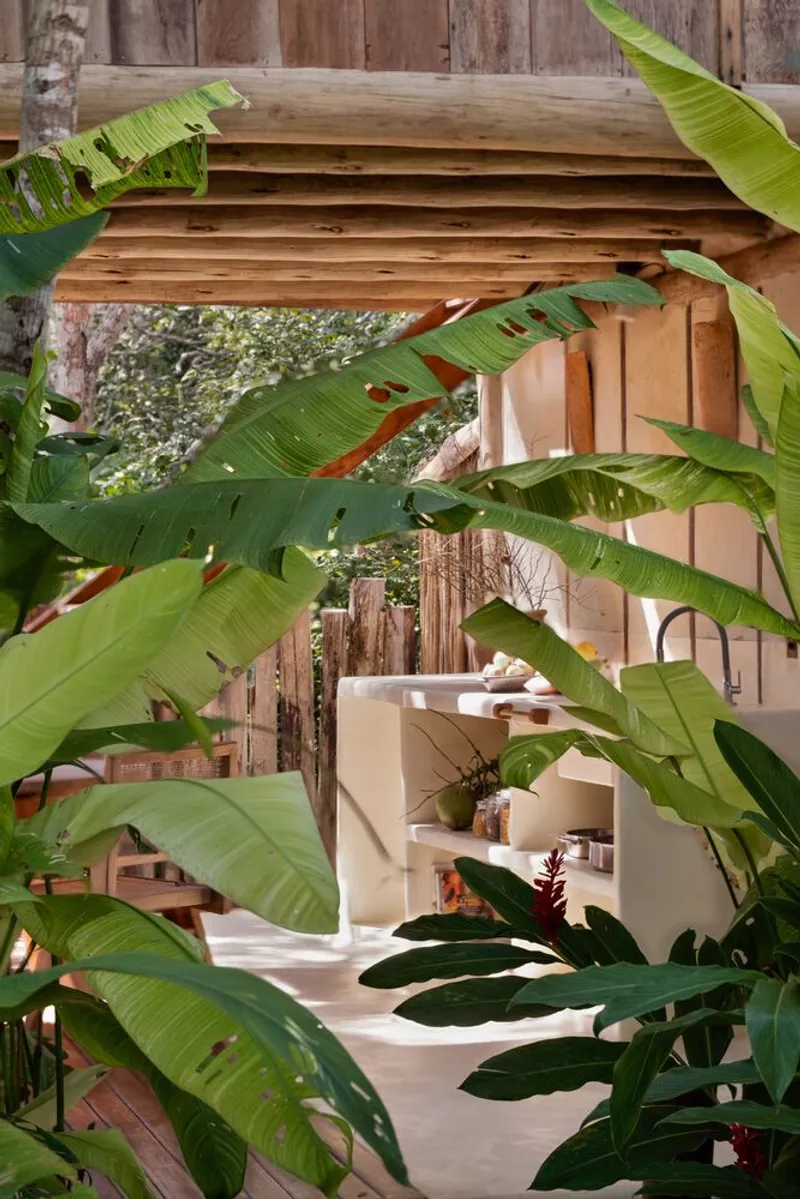
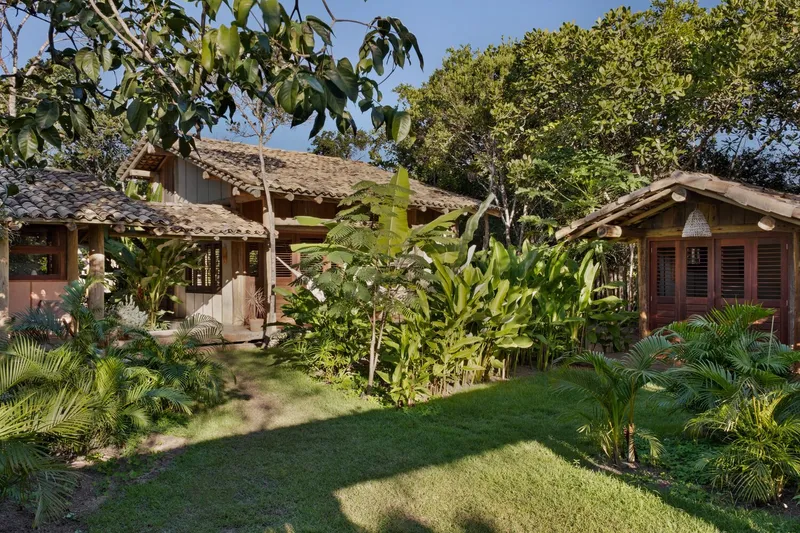
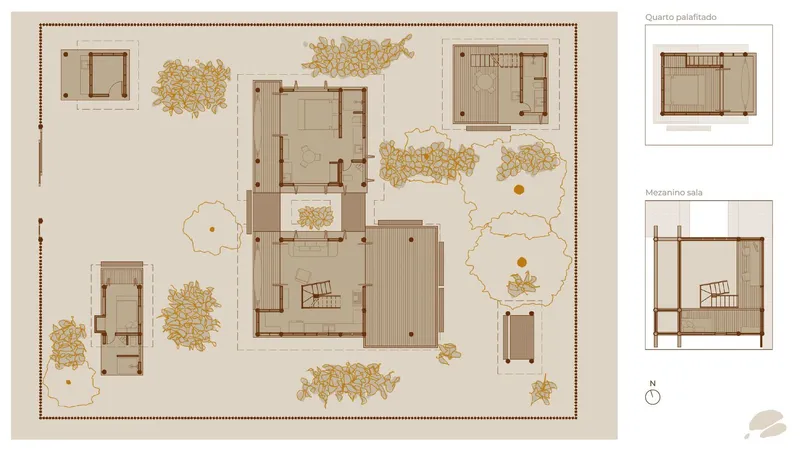
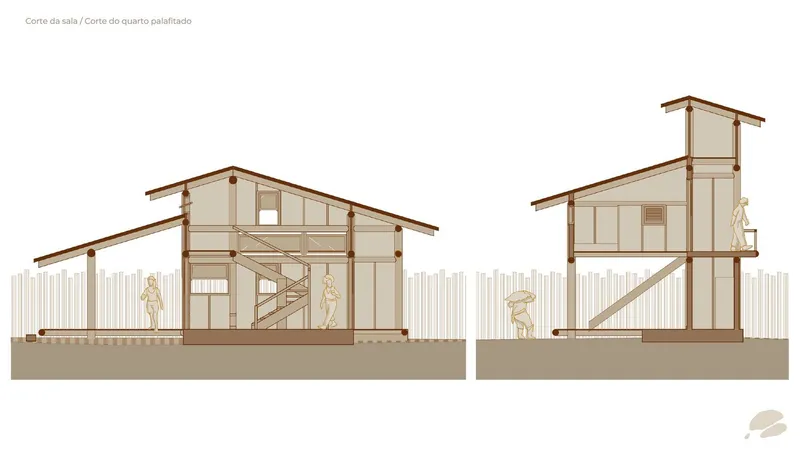
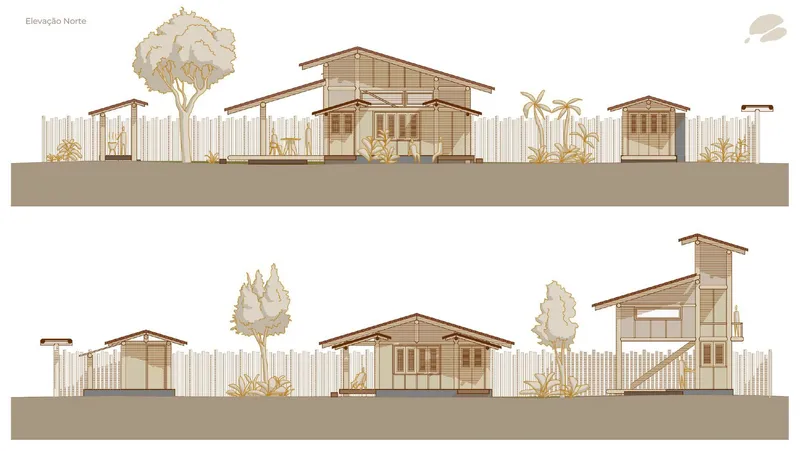
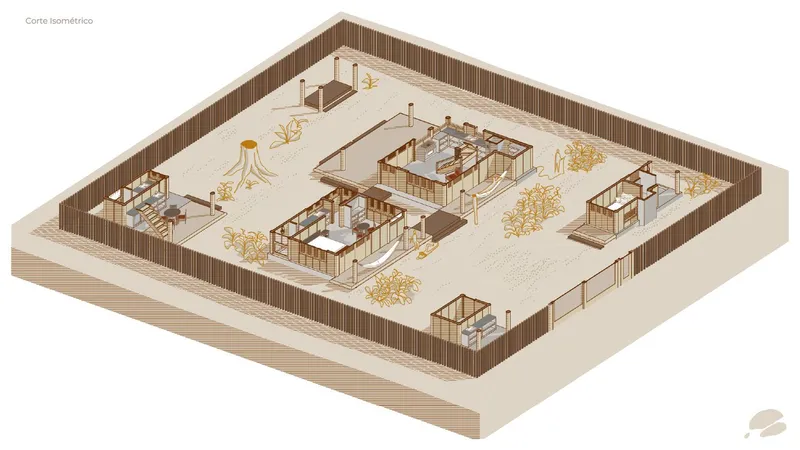
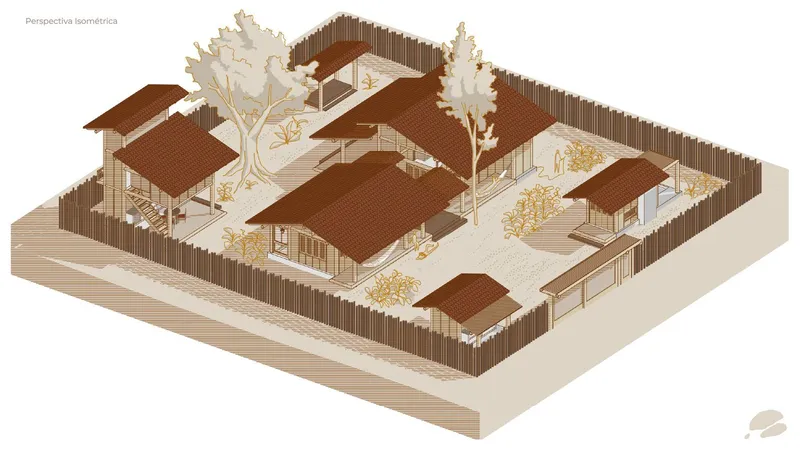
The house is organized across four distinct volumes placed thoughtfully on an 850 m² lot to respect the surrounding landscape. The central block, which houses the kitchen, living room, mezzanine, and an office, serves as the core of the house, while three additional blocks—designed as suites—offer privacy and comfort to its residents. The main volumes are connected by walkways made of railway ties, which create a natural flow between the spaces and the lush garden surrounding the house. Bedrooms are accessed via paths that meander through garden beds, further enhancing the relationship with the landscape.

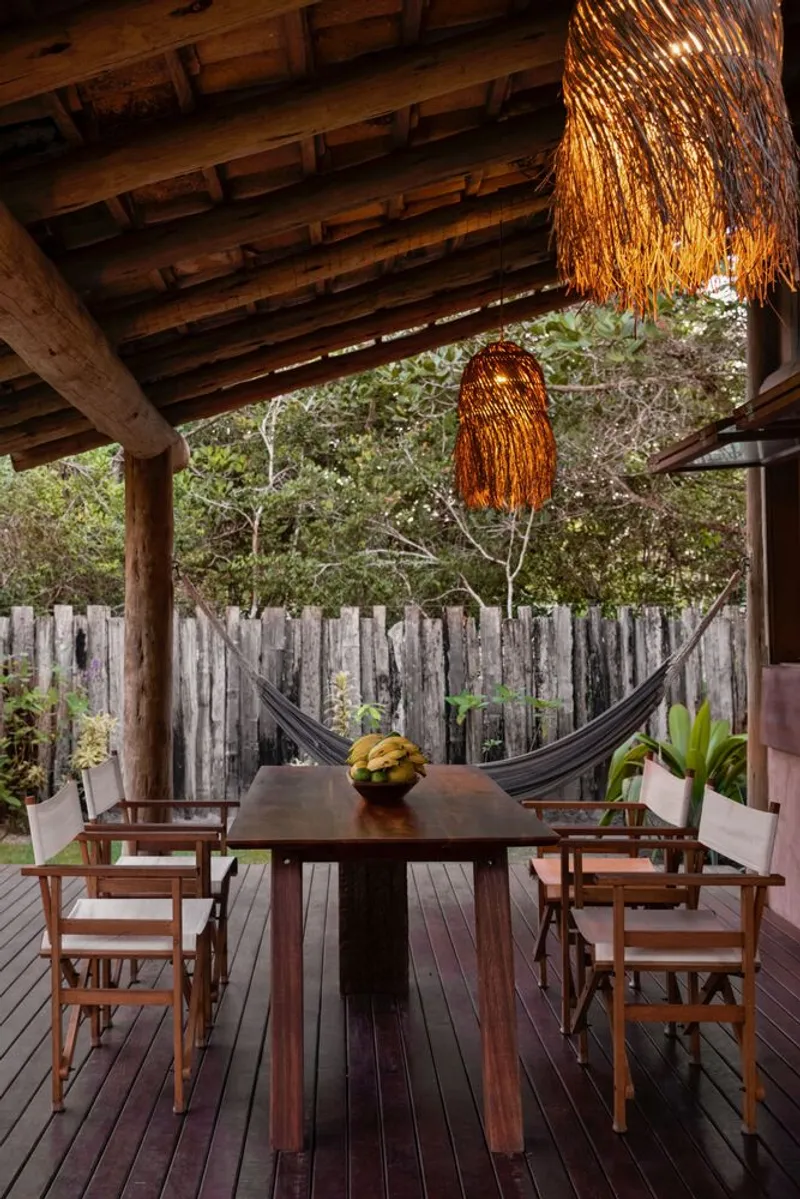

Integration with Nature
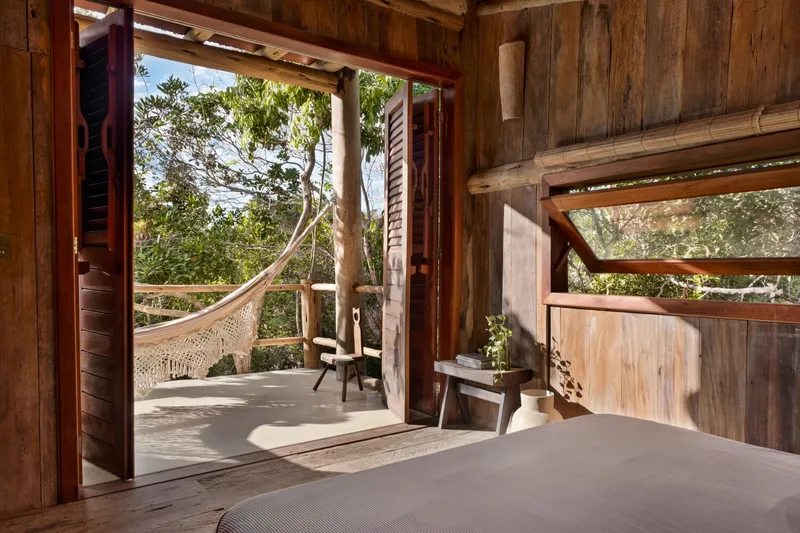
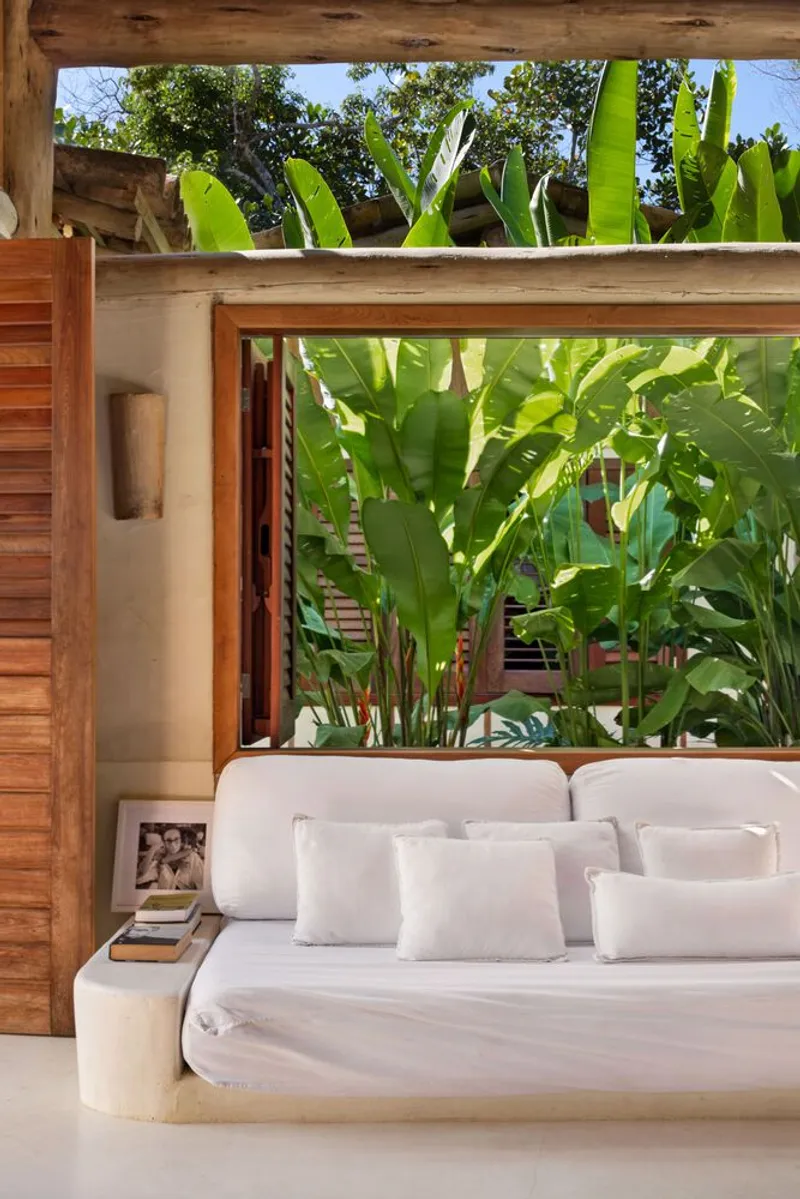
One of the most notable features of Figa House is its seamless connection to the surrounding environment. The house doesn't assert itself but rather integrates gently with its surroundings. Folding doors made from Tatajuba wood open up the living areas to the breeze, sounds, and sights of the forest, offering both ventilation and protection when needed. This design ensures that the house remains connected to nature while providing comfort and protection from the elements.

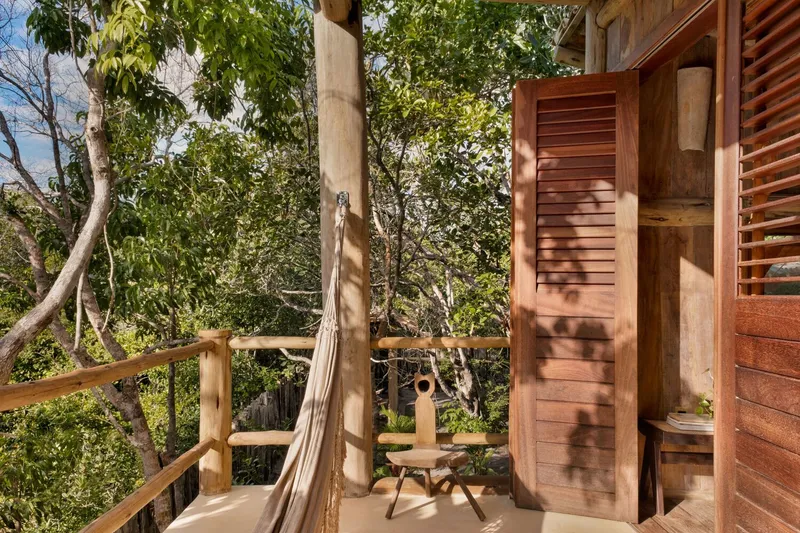


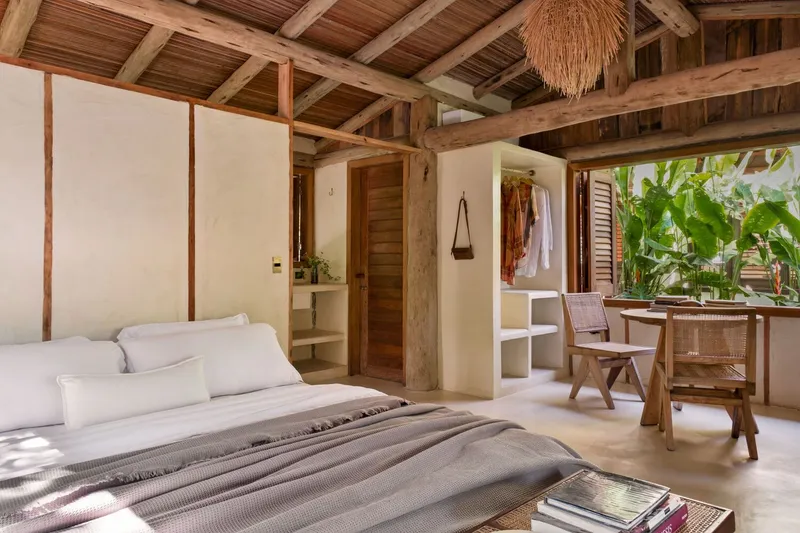

Materials and Sustainability
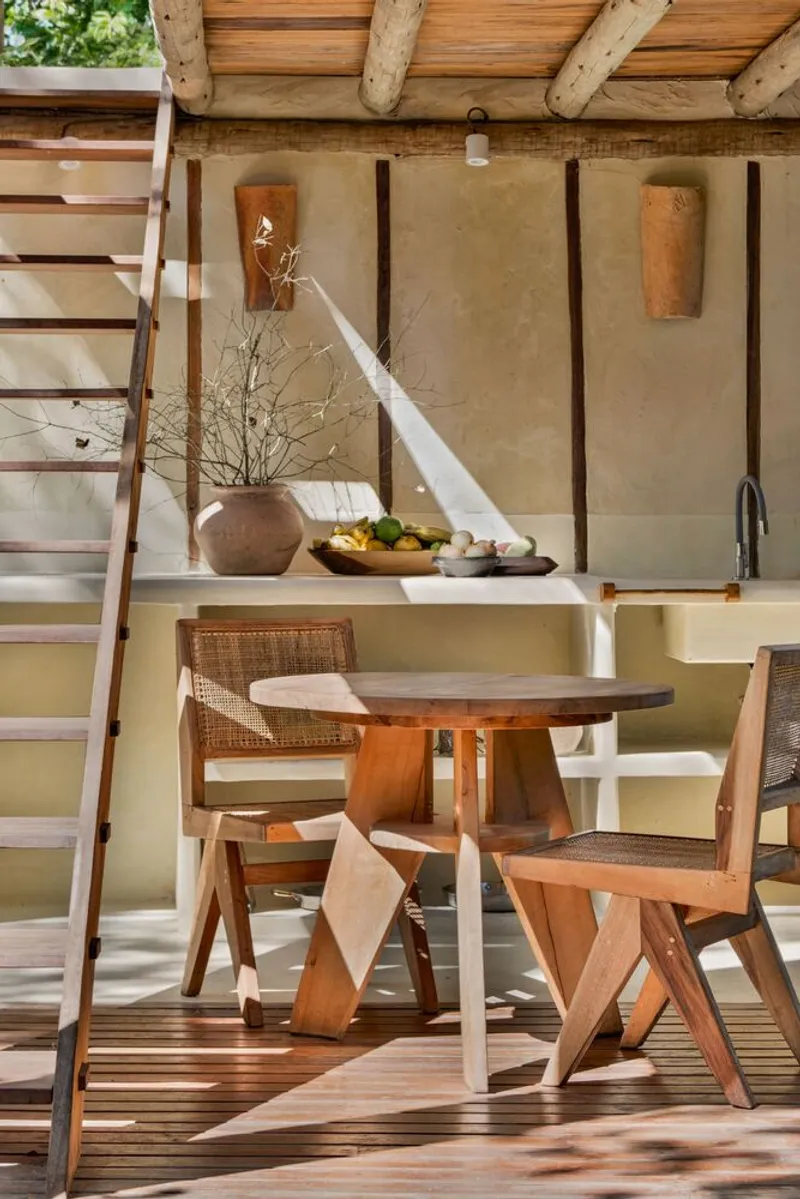
Figa House places great emphasis on the use of local and reclaimed materials, honoring traditional construction techniques while minimizing its environmental impact. The rough-hewn wood used throughout the house, selected for its imperfections and variations, adds character and authenticity. The mud walls, applied manually, provide thermal and acoustic comfort, with a lime and sand coating to protect against weathering and pests while allowing the walls to breathe.
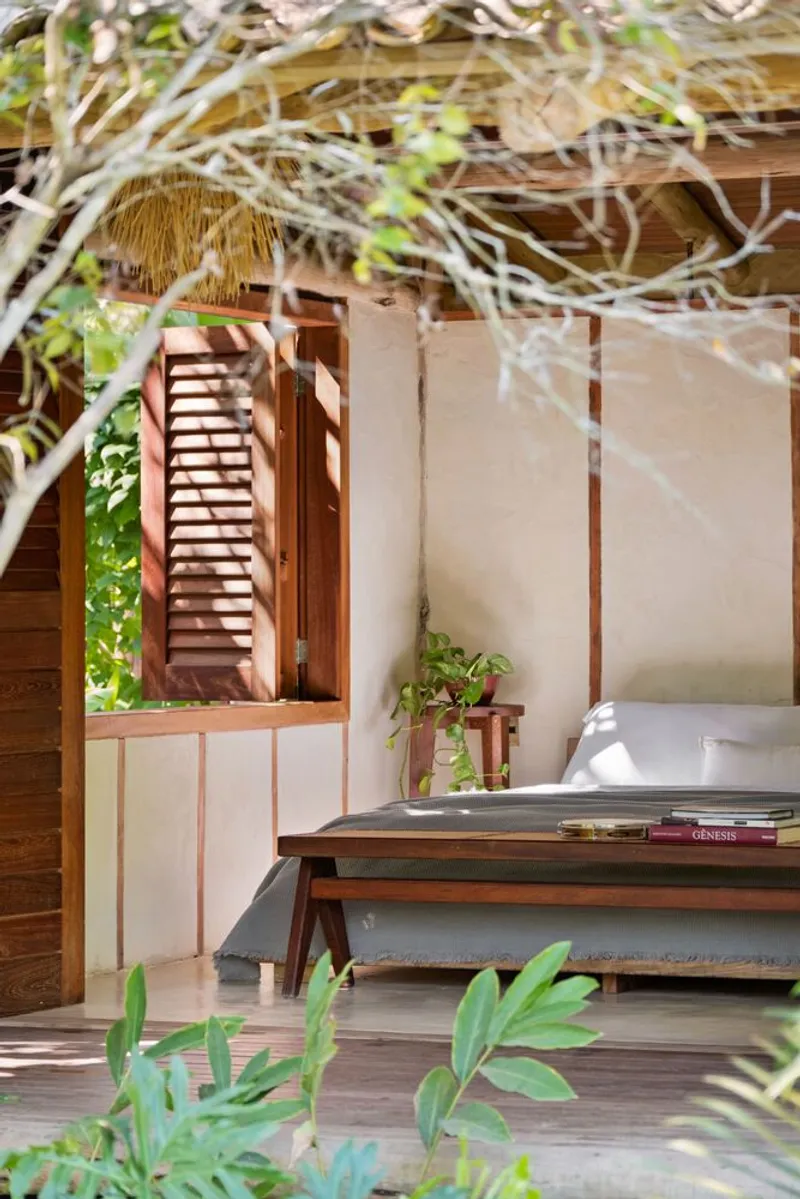
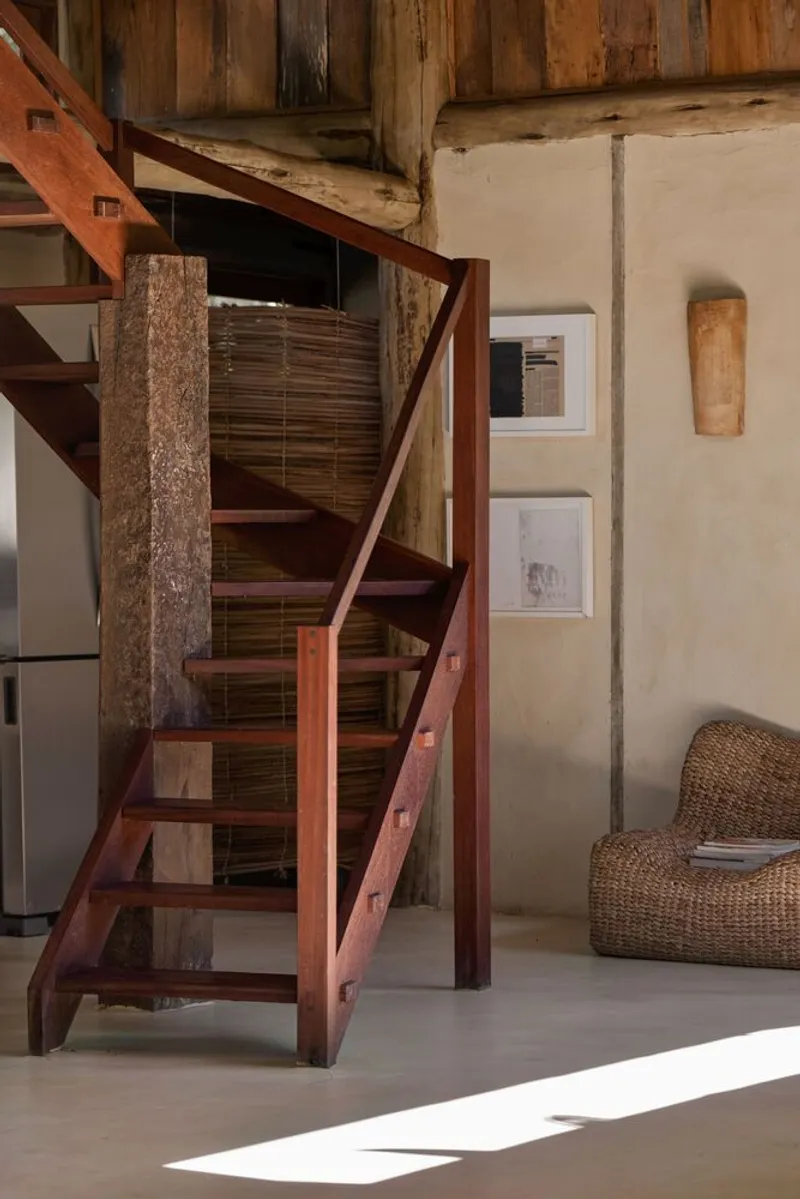
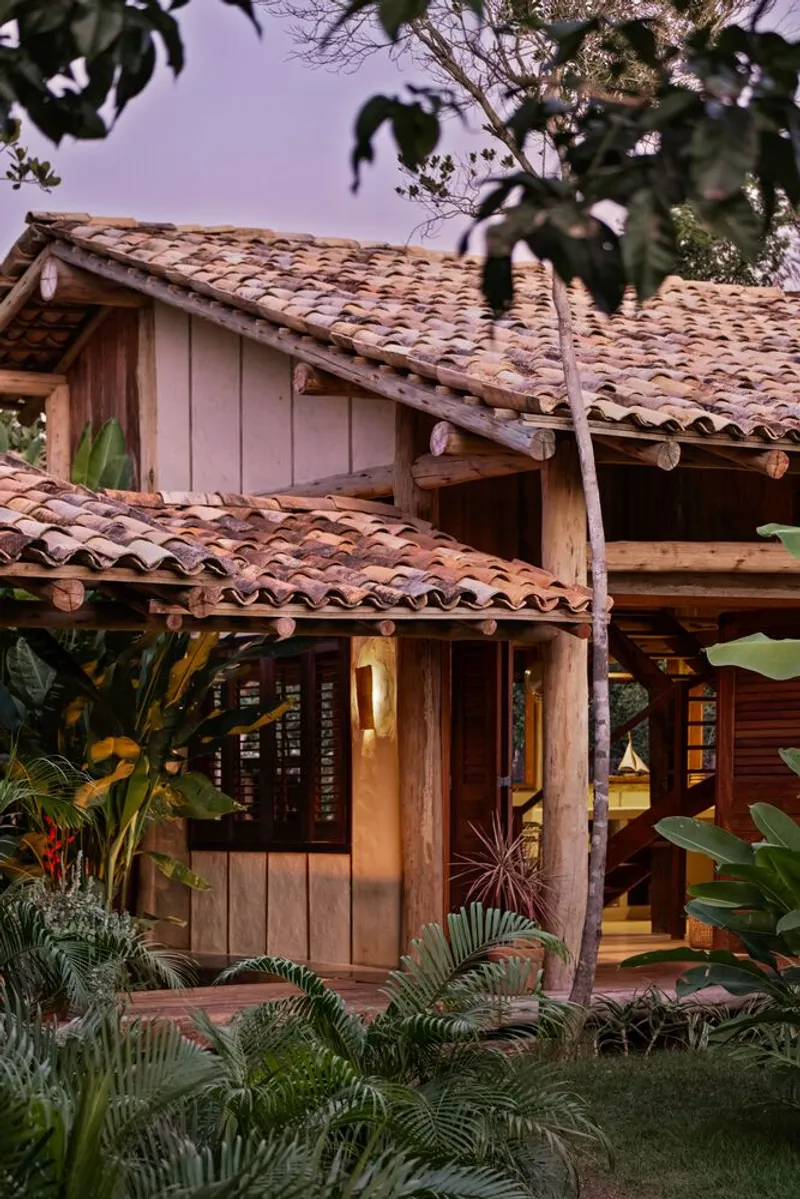
The roof tiles are reclaimed from old mansions, salvaged from Vitória da Conquista. These tiles not only contribute to the house’s unique aesthetic but also create a mosaic of colors that naturally adapt to the climate. The ceiling, made from palm fiber mats, is crafted by local artisans, further emphasizing the project’s focus on sustainability and respect for renewable resources.


The Philosophy Behind the Design
Casa Figa is more than just a house; it is a reflection of the values of preservation, tradition, and connection to place. The architecture invites its inhabitants to live simply and meaningfully, offering a space that does not strive to impress but to nurture a genuine relationship with its environment. By using reclaimed materials and respecting traditional craftsmanship, the house embodies a mindful approach to living that balances modernity with authenticity.
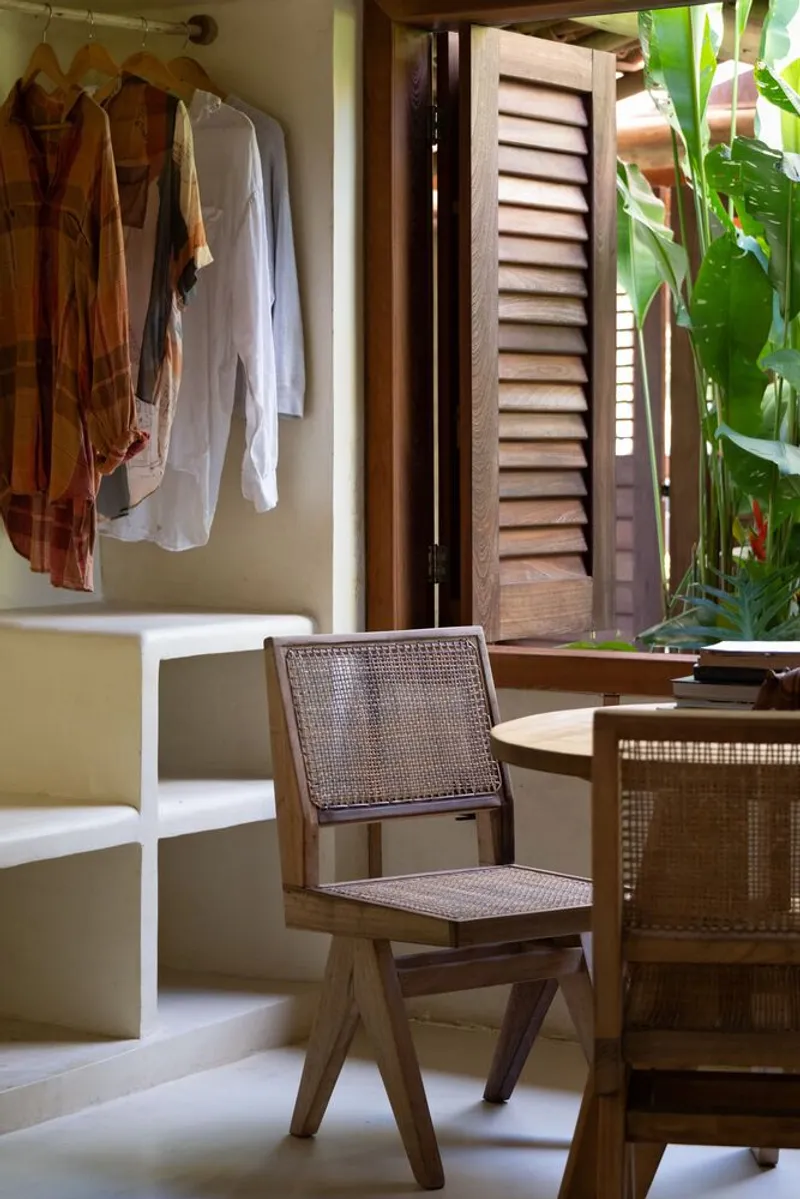

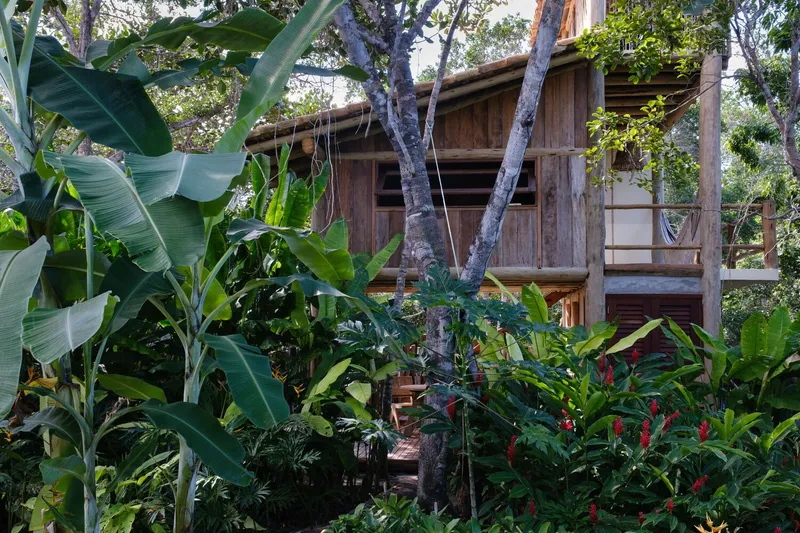
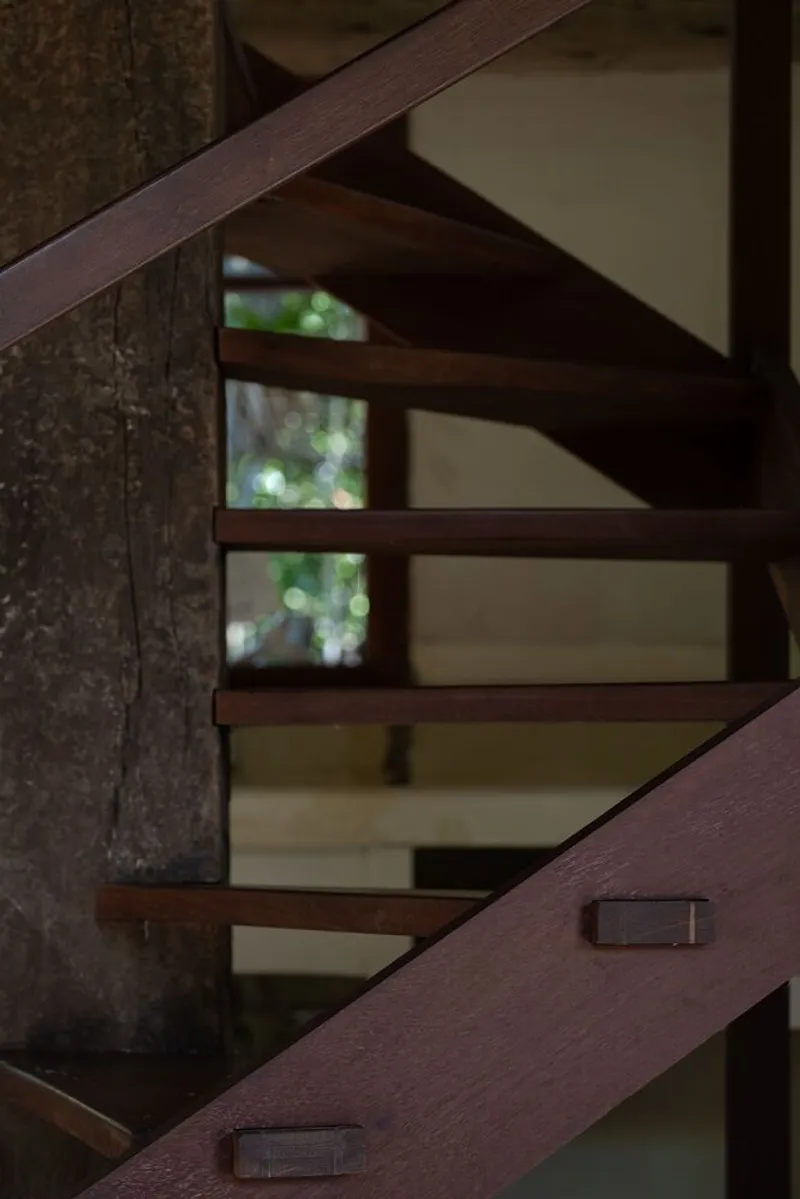
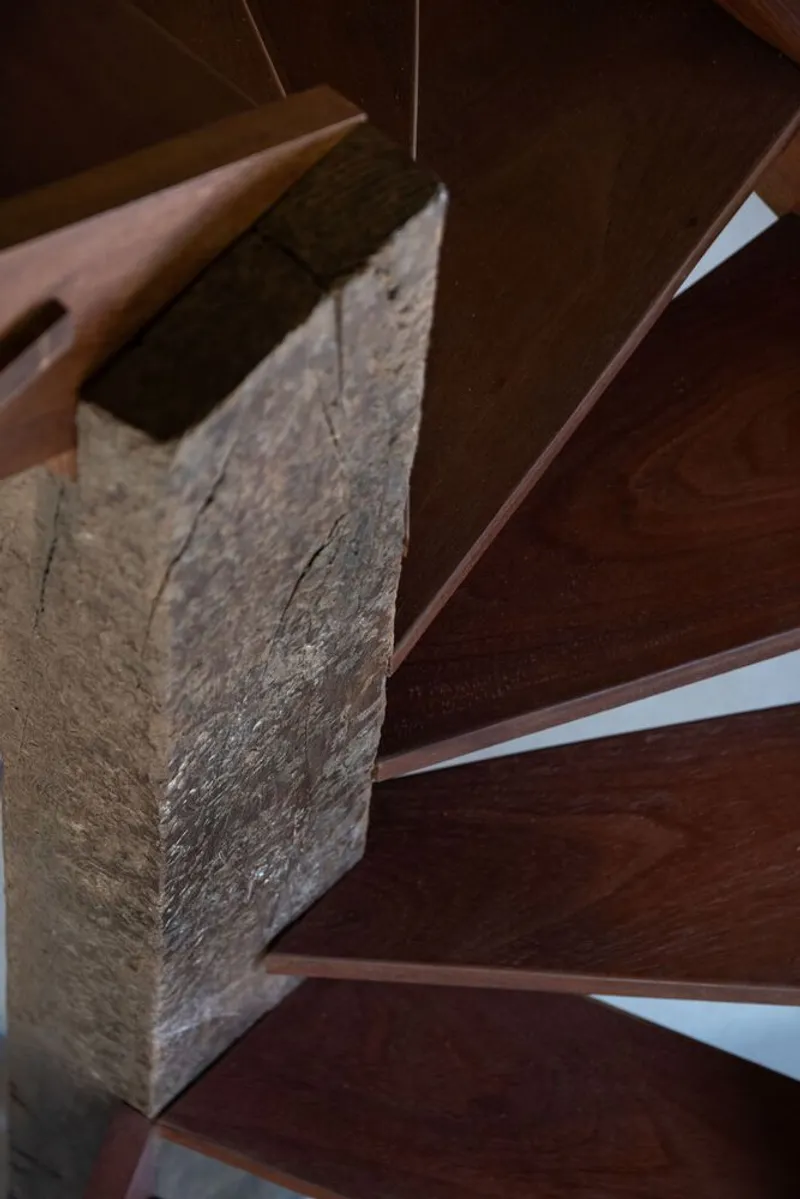

Figa House by Lajedo Arquitetura is a profound example of how architecture can blend with its environment, honoring traditional materials and techniques while creating a modern, functional home. Through its use of local materials, natural ventilation, and careful integration with the landscape, the house stands as a testament to sustainability and respect for local culture.


All Photographs are work of Oka Fotografia


Popular Articles
Popular articles from the community


Cube Design Draws an Ecological Corridor Between Two Shenzhen Hills with the Nankai Building
Beside Shenzhen's container docks, the Nankai Building pairs stacked balconies with a climbing green screen to connect two hillsides across its height.

U.GA Architects Wraps an Oval Rooftop Pool in Curved Board-Formed Concrete on Busan's Jeollidan-gil
In Busan's Jeonpo-dong, a 454 m² mixed-use block stacks a neighborhood facility, guest rooms and an oval rooftop pool inside spiraling concrete walls.

GROUP A Strips a 1969 Rotterdam Harbor Headquarters to Its Frame and Wraps It in Timber Louvers
In Rotterdam's M4H harbor district, Ferro Offices reuses a 1969 frame, adds one timber storey and reaches BREEAM-NL Outstanding.

longwave studio Reorganizes a 112 m² Tainan Apartment Around the Daily Routines of a Family and Two Cats
In Tainan, Taiwan, birch plywood, rust-red furniture and a freestanding plaster wall link arrival, storage, work and family life in one apartment.

Similar Reads
You might also enjoy these articles


Hodi-Mandai Geram
Project Function: Preservation and revitalization of the Intangible heritage and socio-spatial identity of the Hodi by Housing, Cultural Memory Center, Sacred Grove, landscape, local tourism economy


Olio Towers: A Mid-Rise for Performers That Fuses Housing, Rehearsal, and Stage
Located blocks from Houston's Theater District, this modular tower stacks living units around a central performance atrium.

Oasis: Modular Green Housing Carved into Dhaka's Urban Fabric
A shortlisted Plugin Housing entry reclaims unauthorized settlements in Dhaka with stepped concrete volumes, green roofs, and ventilation-driven design.

Black Hole: A Floating Megastructure for the Post-Physical Era
Emiliano Mazzarotto envisions a spherical, self-scaling arena where e-sports, digital hotels, and holographic stadiums replace traditional public space.

Explore Brazilian Architecture Competitions
Discover active competitions in this discipline

Challenge to reimagine the Iron Throne

Photograph architecture without architects

Illustrate the lost glory of Angkor Wat - Render Challenge

Bring back Drive In's
Comments (0)
Please login or sign up to add comments
No comments yet. Be the first to comment!