
Adaptive Reuse Architecture in Japan
The article explores Okinosu Indoor Park, a Japanese adaptive reuse project blending community space and disaster relief functionality.

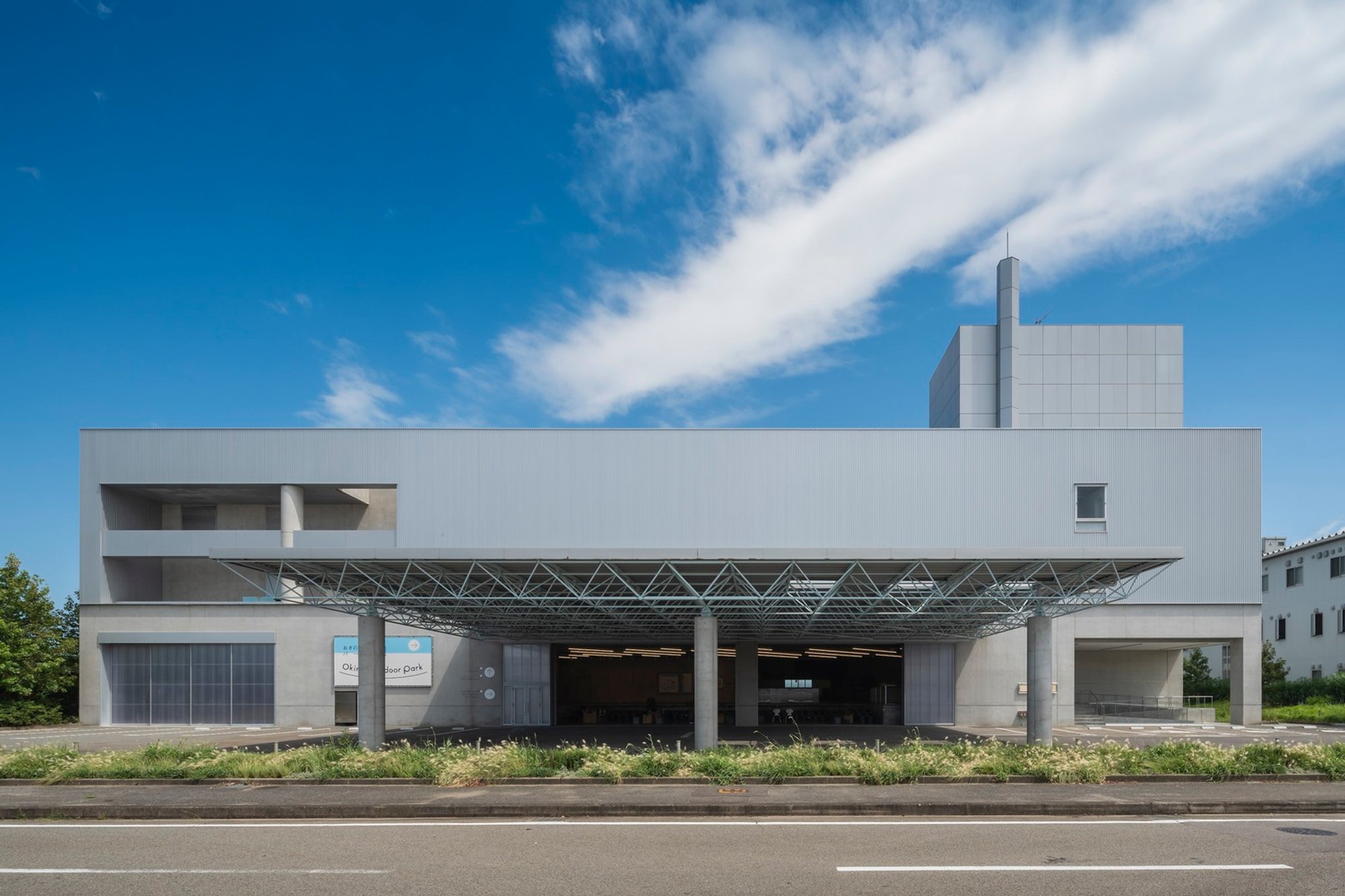
Adaptive reuse architecture is an essential concept in contemporary design, particularly in urban environments where space is limited, and sustainability is a priority. In Japan, a country known for its blend of tradition and modernity, adaptive reuse projects have gained prominence. One standout example of this approach is the Okinosu Indoor Park, a renovation project that repurposes an old newspaper printing center in Tokushima, Japan, into a vibrant, multi-purpose community hub.
The Concept of Adaptive Reuse in Japan
Adaptive reuse involves repurposing existing buildings for new functions without demolishing their historical essence. This sustainable practice has become increasingly popular in Japan, where space is precious, and environmental consciousness drives much of the architectural discourse. The Okinosu Indoor Park exemplifies how adaptive reuse can breathe new life into a building, giving it relevance in both modern society and in times of emergency.
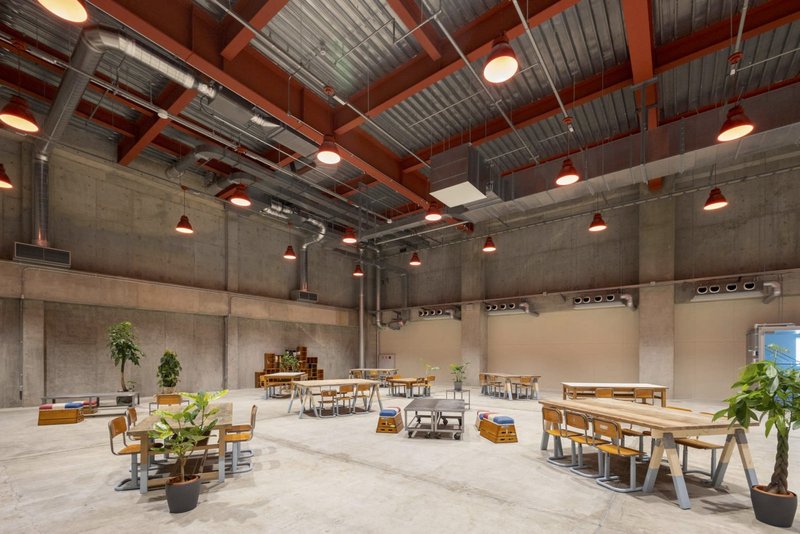
The Okinosu Indoor Park: A Model of Adaptive Reuse
The Okinosu Indoor Park was initially the Tokushima Shimbun Company’s printing center. However, with the relocation of the company’s operations, the building found a new lease on life in 2020 when it was repurposed by the prefecture for a variety of functions, including as a transportation hub for disaster relief supplies.
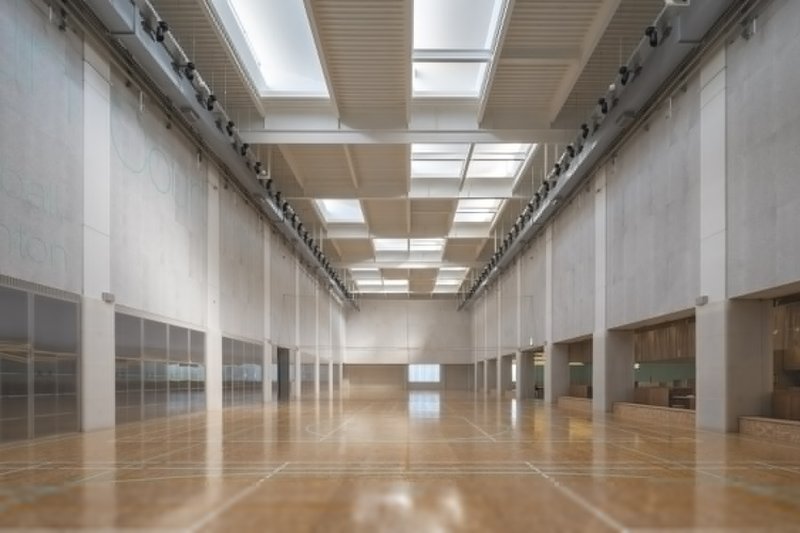
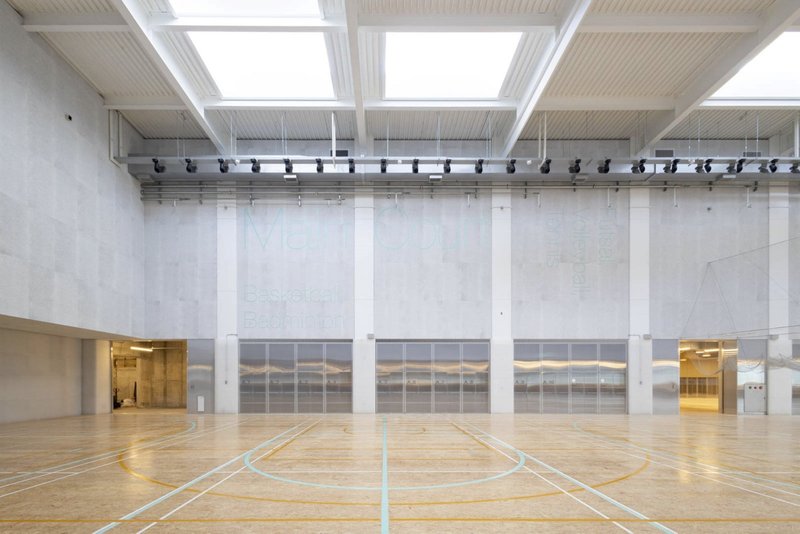
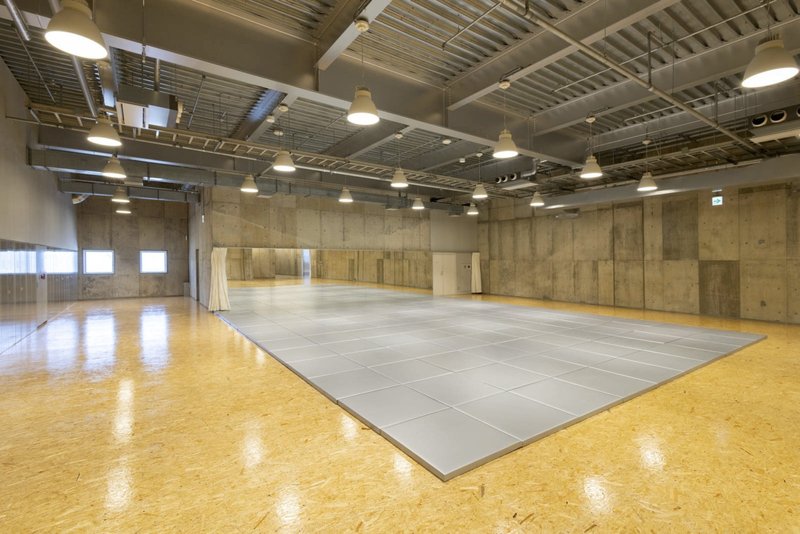
The design of the park is rooted in reversibility, ensuring that it can be adapted for use during regular conditions and converted into a disaster relief center when necessary. This flexibility is a key feature of adaptive reuse architecture in Japan, where buildings must serve multiple purposes to meet the changing needs of their communities.
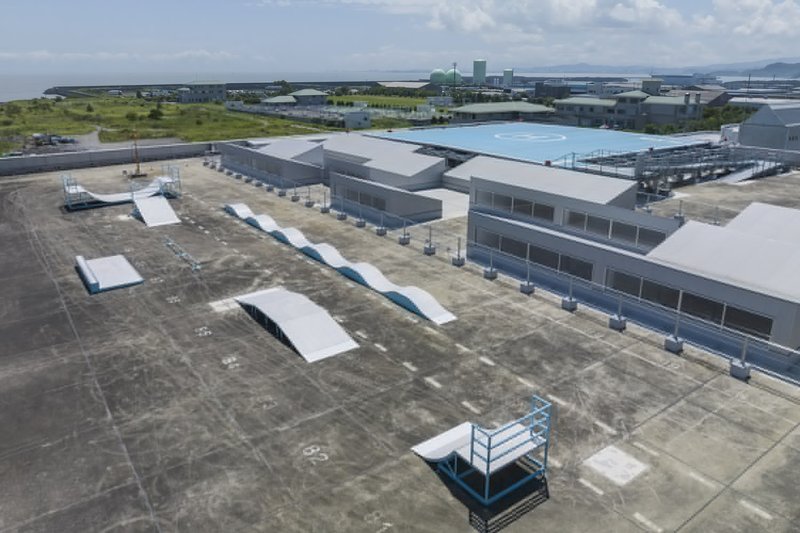
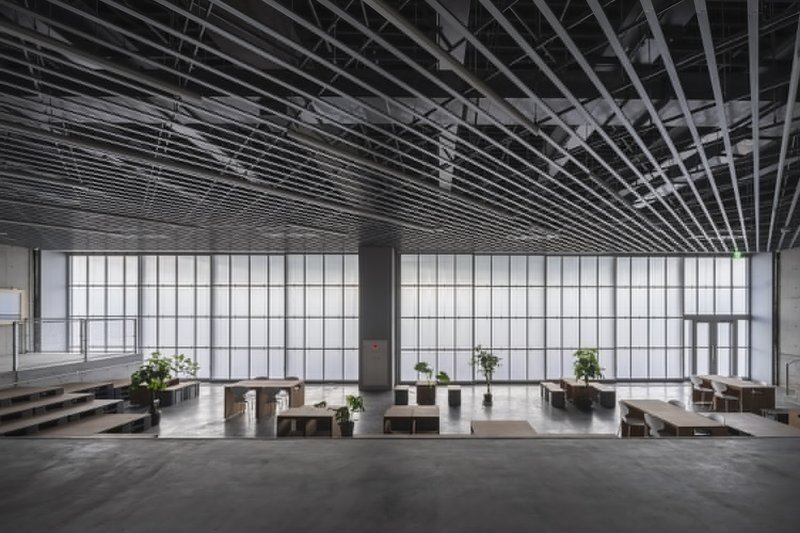
Design Features: Flexibility and Functionality
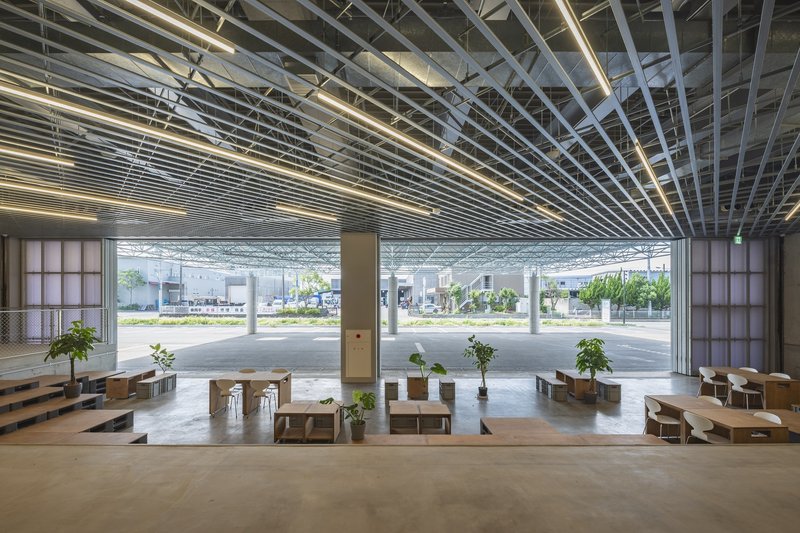
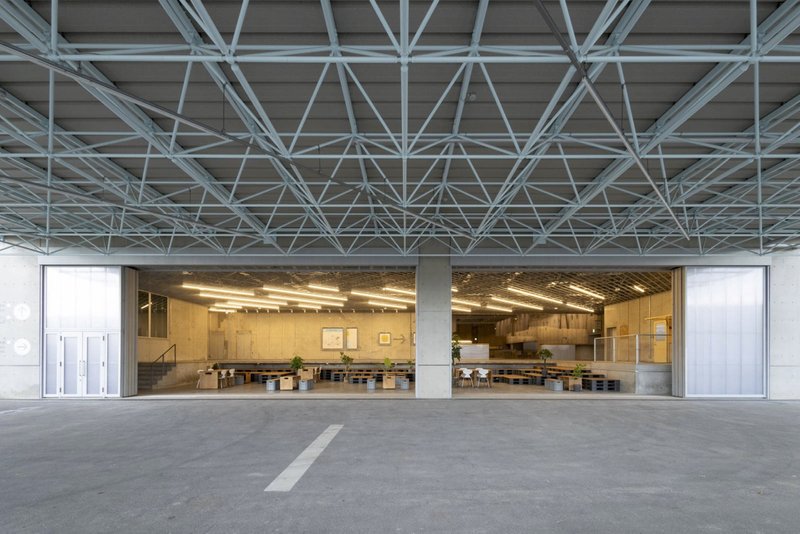
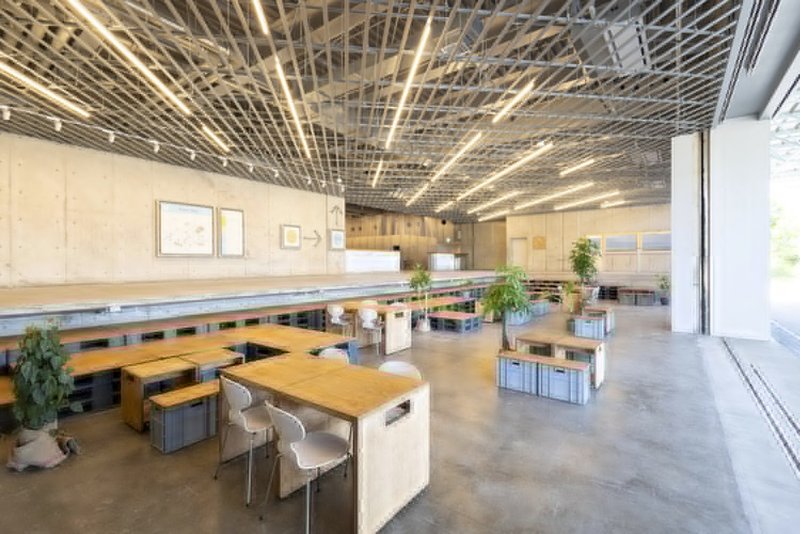
One of the most striking features of the Okinosu Indoor Park is its design’s focus on flexibility. The polycarbonate sliding doors that separate the cafe area from the outside can be used both as a traditional shoji screen and as an emergency entry point for trucks. This adaptability ensures that the space can seamlessly transition between daily use and disaster scenarios. Furthermore, the facility’s use of movable shipping pallets allows the interior layout to change depending on the needs of the moment.
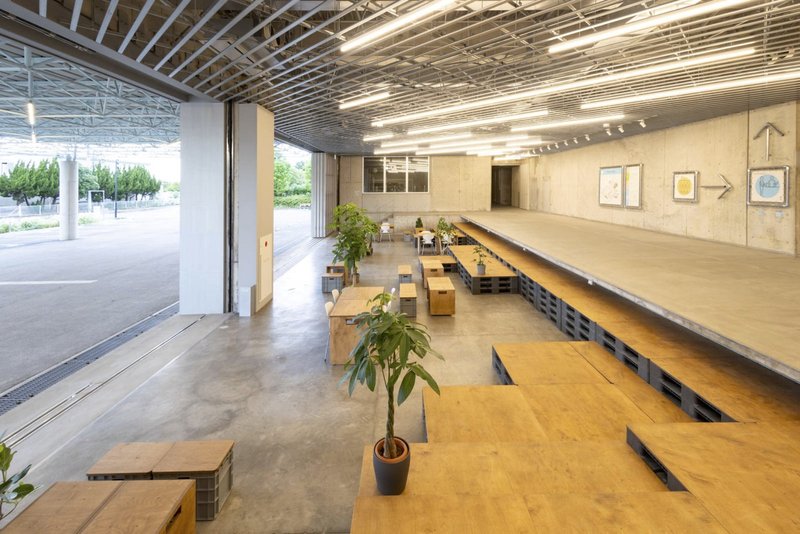
The Role of the Okinosu Indoor Park in the Community
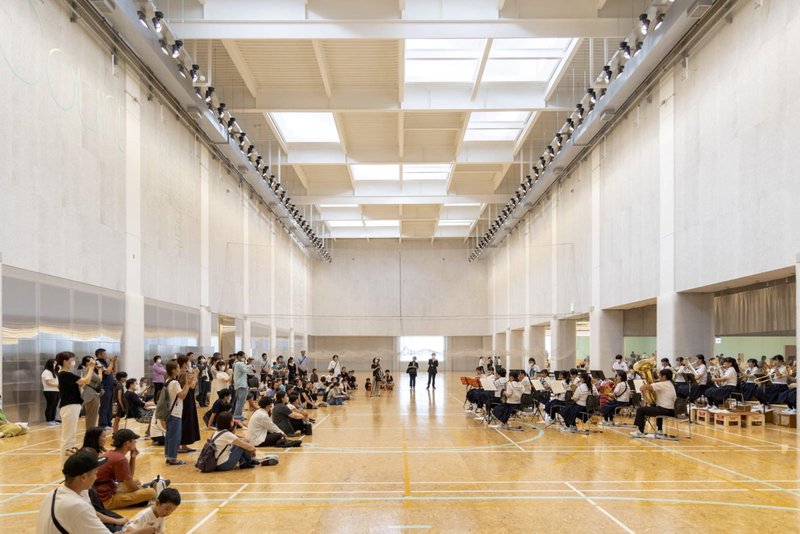
Since its opening in September 2023, the Okinosu Indoor Park has quickly become a popular spot for residents, especially families with young children. The park has successfully integrated the functionality of a disaster relief hub with the vibrant energy of a community gathering space. It demonstrates how adaptive reuse architecture can serve both immediate local needs and longer-term sustainable development goals.
The Future of Adaptive Reuse Architecture in Japan
The Okinosu Indoor Park is a testament to the potential of adaptive reuse architecture in Japan. By maintaining the building’s historical identity while introducing modern, flexible elements, GEO-GRAPHIC DESIGN LAB has created a space that serves both as a community hub and a disaster relief center. This project showcases the importance of thoughtful, reversible design in today’s ever-evolving architectural landscape. As cities around the world look to repurpose existing structures to meet new challenges, the Okinosu Indoor Park stands as a model for how adaptive reuse can create spaces that are both functional and sustainable.
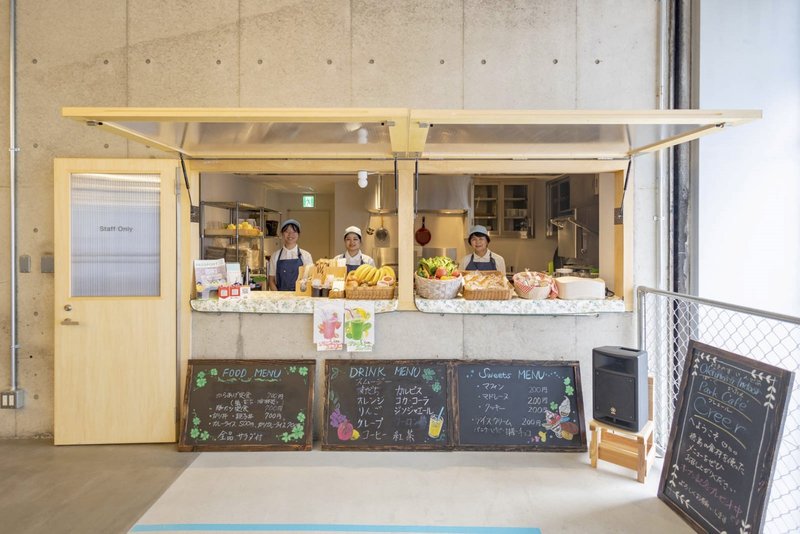
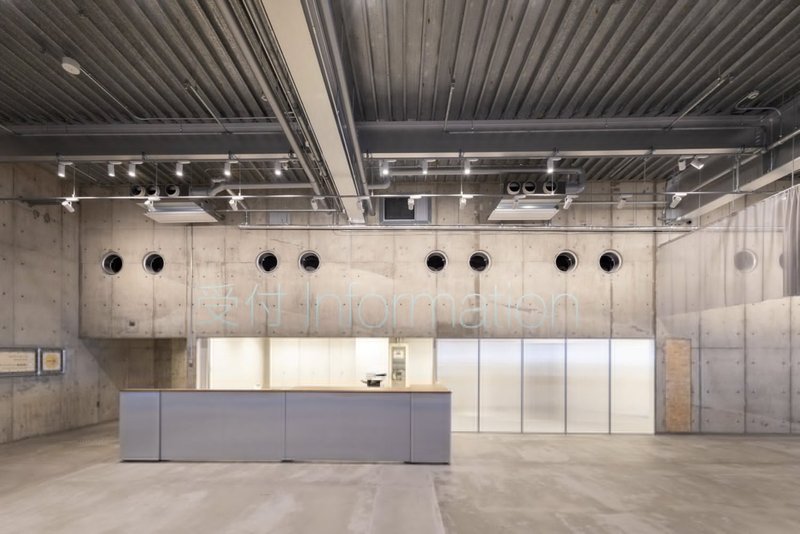
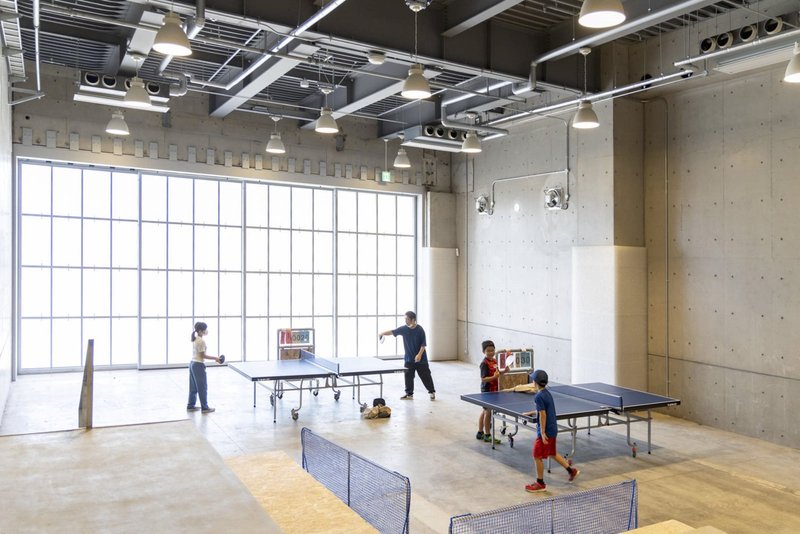
All photographs are work of Hiraiwa Airi, Shinkenchiku-sha




Popular Articles
Popular articles from the community

Free Architecture Competitions You Can Enter Right Now
No entry fees, real prizes. Here are the best free architecture competitions open for submissions in 2026.

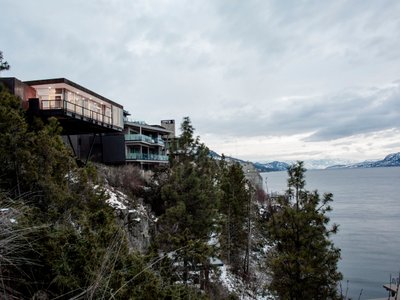
Alton Cliff House: A Harmonious Retreat by f2a Architecture in Lake Country, Canada
Alton Cliff House blends corten steel, prefabrication, and sustainable design, creating a luxurious, energy-efficient retreat perched on Canadian cliffs.
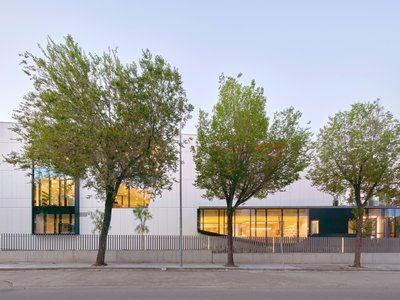
Magic Box Office Barcelona Innovative Sustainable Workplace Design
Innovative sustainable office design featuring triangular form, ceramic façade, flexible interiors, natural light optimization, and creative workspace for modern work culture.
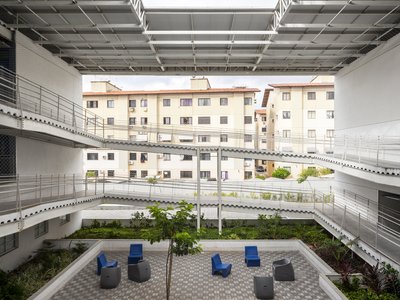
Rede Arquitetos Builds an Open-Air School in Fortaleza That Doubles as a Neighborhood Living Room
Educar II SESC-CE folds sports, dance, and community gathering into a courtyard campus wrapped in mesh and tropical color.

Similar Reads
You might also enjoy these articles

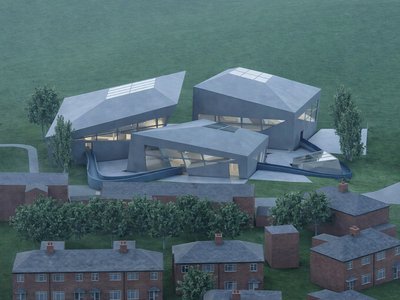
Filtering Space: A Gradual Spatial Experience
From urban intensity to spatial calm.


The Ken Roberts Memorial Delineation Competition (Krob)
As the most senior architectural drawing competition currently in operation anywhere in the world, it draws hundreds of entries each year, awarding the very best submissions in a series of medium-based categories.
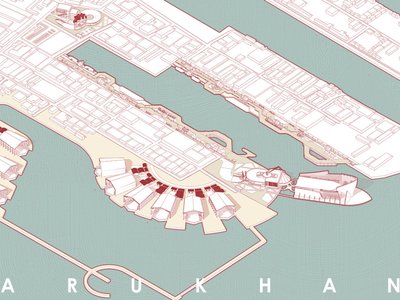
Waterfront Redevelopment and Urban Revitalization in Mumbai: Forging a New Dawn for Darukhana
A transformative waterfront redevelopment project reimagining Darukhana’s shipbreaking heritage into an inclusive urban future.

OUT-OF-MAP: A Call for Postcards on Feminist Narratives of Public Space
Rhizoma Design and Research Lab invites artists, designers, architects, researchers, and students to reflect on how feminist perspectives can reshape public space. Selected works will be exhibited in Barcelona, October 2026. Submissions open until 15 April 2026.


Explore Architecture Competitions
Discover active competitions in this discipline




The International Standard for Design Portfolios


The Global Benchmark for Architecture Dissertation Awards


The Global Benchmark for Graduation Excellence


Challenge to design locus for the upliftment of human rights
Comments (0)
Please login or sign up to add comments
No comments yet. Be the first to comment!