
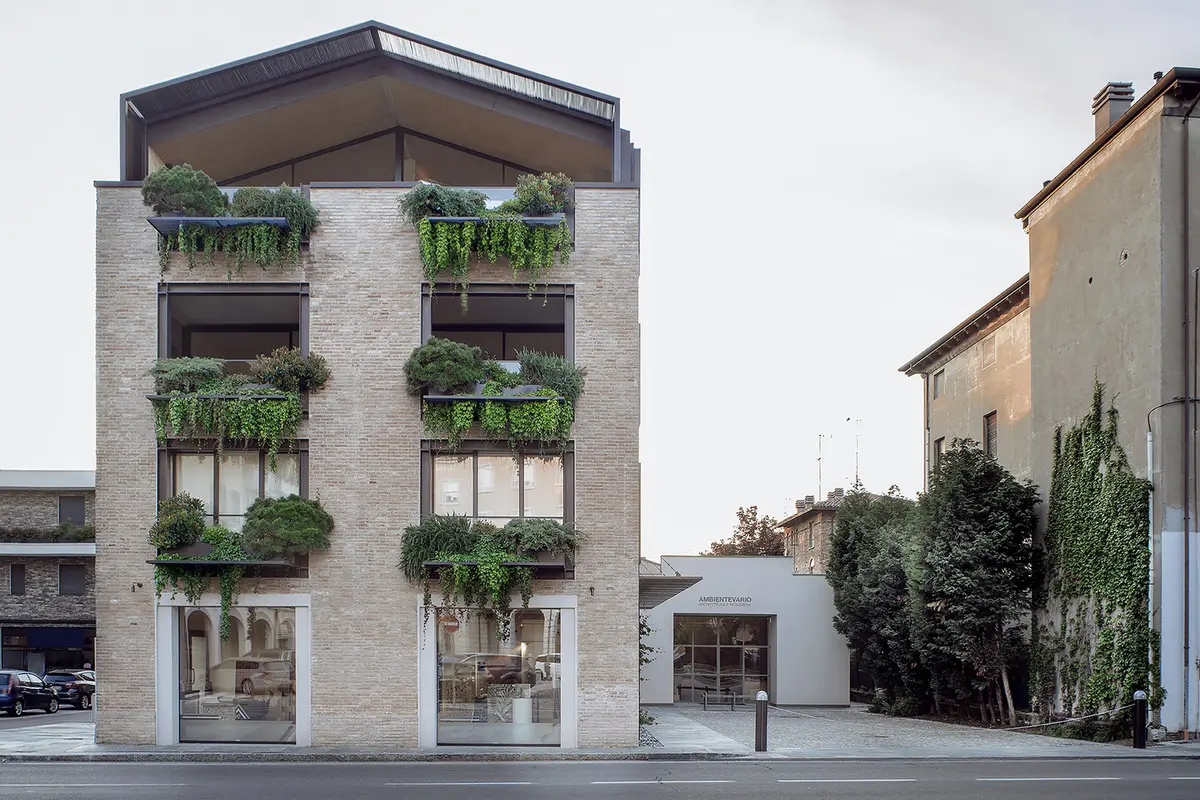
Adaptive Reuse Architecture Projects: Exemplified by Ex Officine Tosi / Ambientevario
Exploring Ex Officine Tosi's transformation by Ambientevario: a harmonious blend of historical preservation and modern design in adaptive reuse architecture.


Adaptive reuse is a pivotal approach in contemporary architecture, where old buildings are repurposed with new design elements and functionalities. This strategy not only preserves historical architecture but also contributes to sustainable development by reducing the need for new resources. The Ex Officine Tosi, transformed by Ambientevario in Formigine, Italy, serves as an exemplary model of adaptive reuse, blending historical elements with modern design innovations.

Preserving History Through Architecture
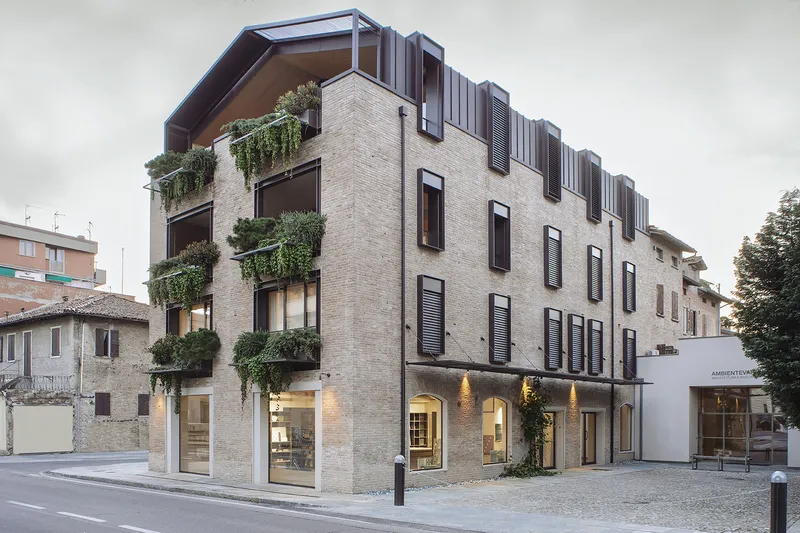
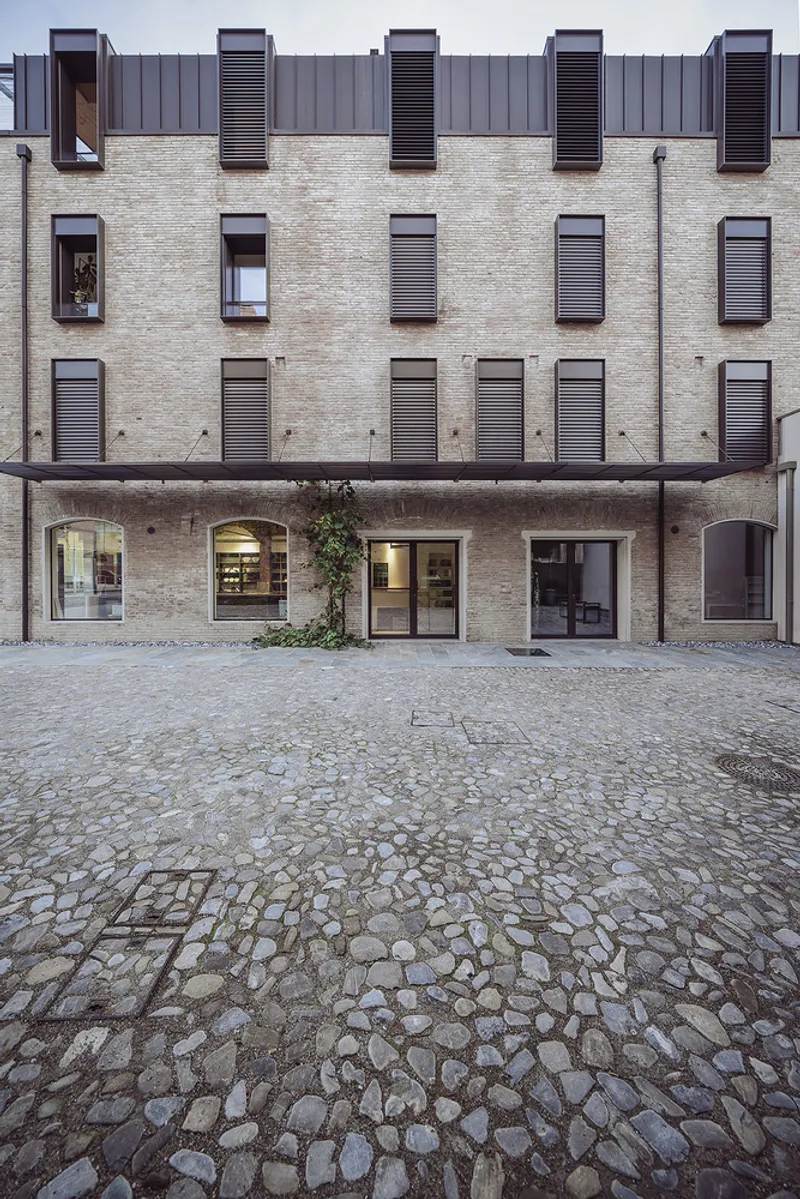
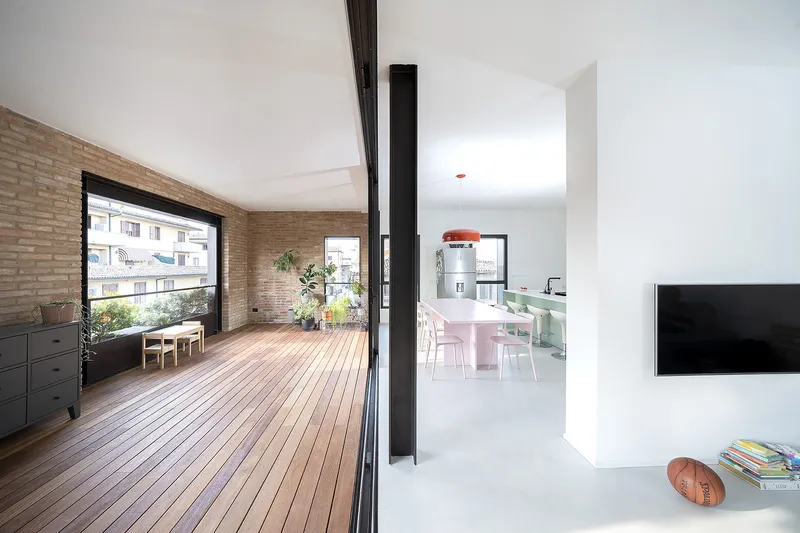
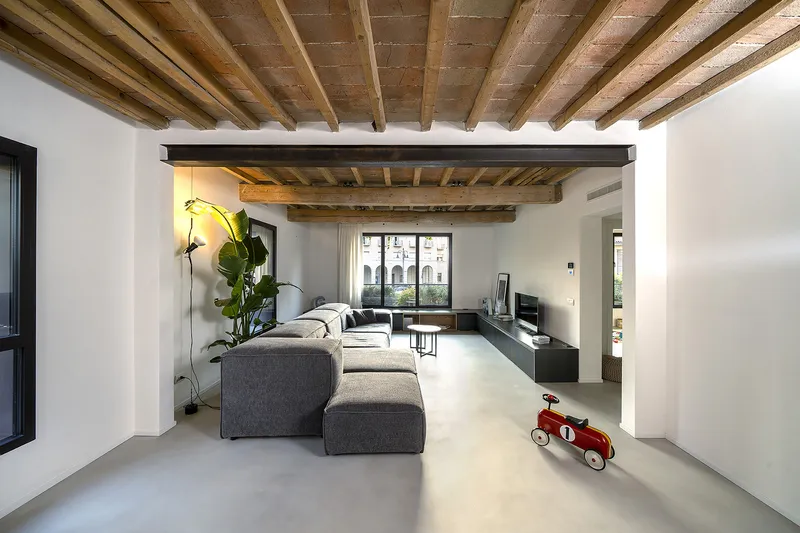
The Ex Officine Tosi project, finalized in 2022, showcases the meticulous preservation of the building's original aesthetic, particularly its exposed brick exteriors and antique vaults. This preservation effort underscores the value of maintaining architectural history while integrating new, functional elements that cater to contemporary needs.

The Challenge of Integrating Old and New
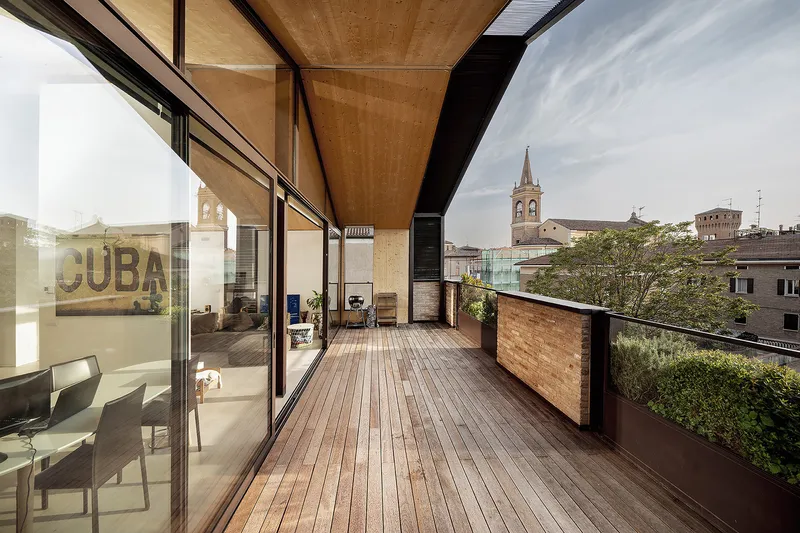
A significant aspect of the Ex Officine Tosi project is the harmonious integration of old and new materials. The project's super elevation exemplifies the use of modern materials, such as x-lam wooden panels and dark metal sheets, which contrast yet complement the traditional brickwork. This juxtaposition illustrates the project's overarching theme: the dialogue between the building's historical past and its contemporary adaptation.

Technical Innovations and Sustainability
Key to the project's success are the technical innovations employed, including seismic retrofitting and the enhancement of the building's energy performance. The use of thermal-reflecting materials and mineral wool for insulation exemplifies the project's commitment to sustainability. Moreover, the structural modifications, such as reinforced foundations and steel hoops, ensure the building's longevity and safety.

The Role of Natural Elements in Adaptive Reuse
Incorporating natural elements into the Ex Officine Tosi project adds an essential layer to its architectural significance. The strategic placement of plants on the building's facade not only beautifies the space but also offers practical benefits, such as solar shading and creating a noise barrier. This integration of nature within the urban landscape highlights the project's innovative approach to adaptive reuse.

The Future of Adaptive Reuse Architecture
The Ex Officine Tosi / Ambientevario project stands as a testament to the potential of adaptive reuse architecture to preserve our cultural heritage while adapting to contemporary needs. By meticulously blending historical elements with modern design and sustainability practices, such projects pave the way for future architectural endeavors that respect our past while innovating for our future.
This project not only revitalizes a piece of architectural history in Formigine, Italy, but also serves as an inspiration for architects and developers worldwide to embrace adaptive reuse as a viable and sustainable approach to modern urban development.

All the photographs are work of Gabriele Melloni


Popular Articles
Popular articles from the community


graciastudio Turns a Viewless Tijuana Lot Inward Around a Courtyard of Concrete, Timber and Trees
In Tijuana, Jorge Gracia's GA2 House stacks a timber-clad private floor over exposed concrete and replaces a missing view with a planted interior patio.

LT2A and OPEN Architectes Thread a Brick and Glass High School Through a Wooded Belgian Campus
In Braine-l'Alleud, a 3,000 m² wing for Collège Cardinal Mercier pairs pale brick with a glazed colonnade, deferring to a small chapel and a dense wood.

David Ortega Stacks a Two-Story Mexico City Penthouse Around a Steel Stair and a Pergola-Shaded Roof Terrace
In Colonia Roma, a 300 m² penthouse uses oak joinery, a planted steel stair and a slatted roof pergola to make a new-build apartment feel like a house.


The Amber Palace Opera: A Geological Fiction Surfaces on Tallinn's Baltic Waterfront
Pierre Brillard reimagines a Baltic legend as a public landscape, opera house, and waterfront promenade rooted in Tallinn's coastal identity.

Similar Reads
You might also enjoy these articles

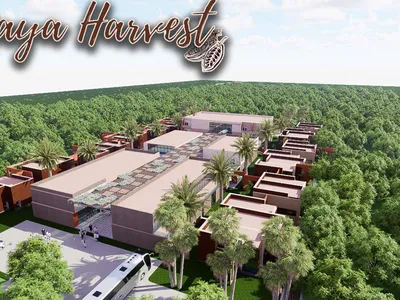
Maya Harvest: A Cacao Resort Village Rooted in Mayan Tradition and Local Craft
Situated within a Tabasco cacao plantation, this shortlisted resort proposal merges vernacular materials with hands-on cultural immersion.
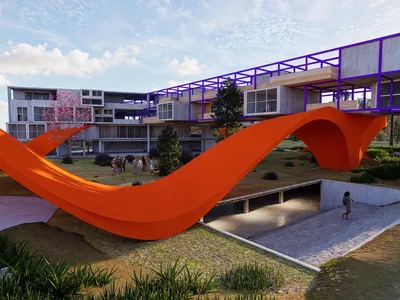
Harmonia: A River-Shaped Community That Grows Over Decades in Boa Vista
Curved pathways and modular grid structures along the Branco River create a phased settlement designed to evolve from 2030 to 2050.

The Architecture of Bathing: A Mughal Hammam Reimagined Across the Yamuna
Charlotte May's honorable mention entry for The Black Taj reinterprets Agra's bathing rituals through red sandstone, water, and framed views of the Taj Mah
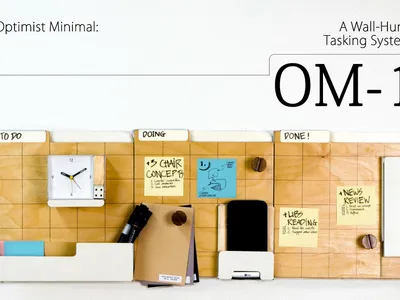
Om-1: A Wall-Hung System That Moves Your Workspace Off the Desk
Modular plywood boards, magnetic pegs, and utility elements migrate clutter from the horizontal surface to the vertical plane.

Explore Adaptive Reuse Competitions
Discover active competitions in this discipline

Challenge to design mud housing for contemporary communities

Challenge to reimagine the Iron Throne

Photograph architecture without architects

Illustrate the lost glory of Angkor Wat - Render Challenge
Comments (0)
Please login or sign up to add comments
No comments yet. Be the first to comment!