
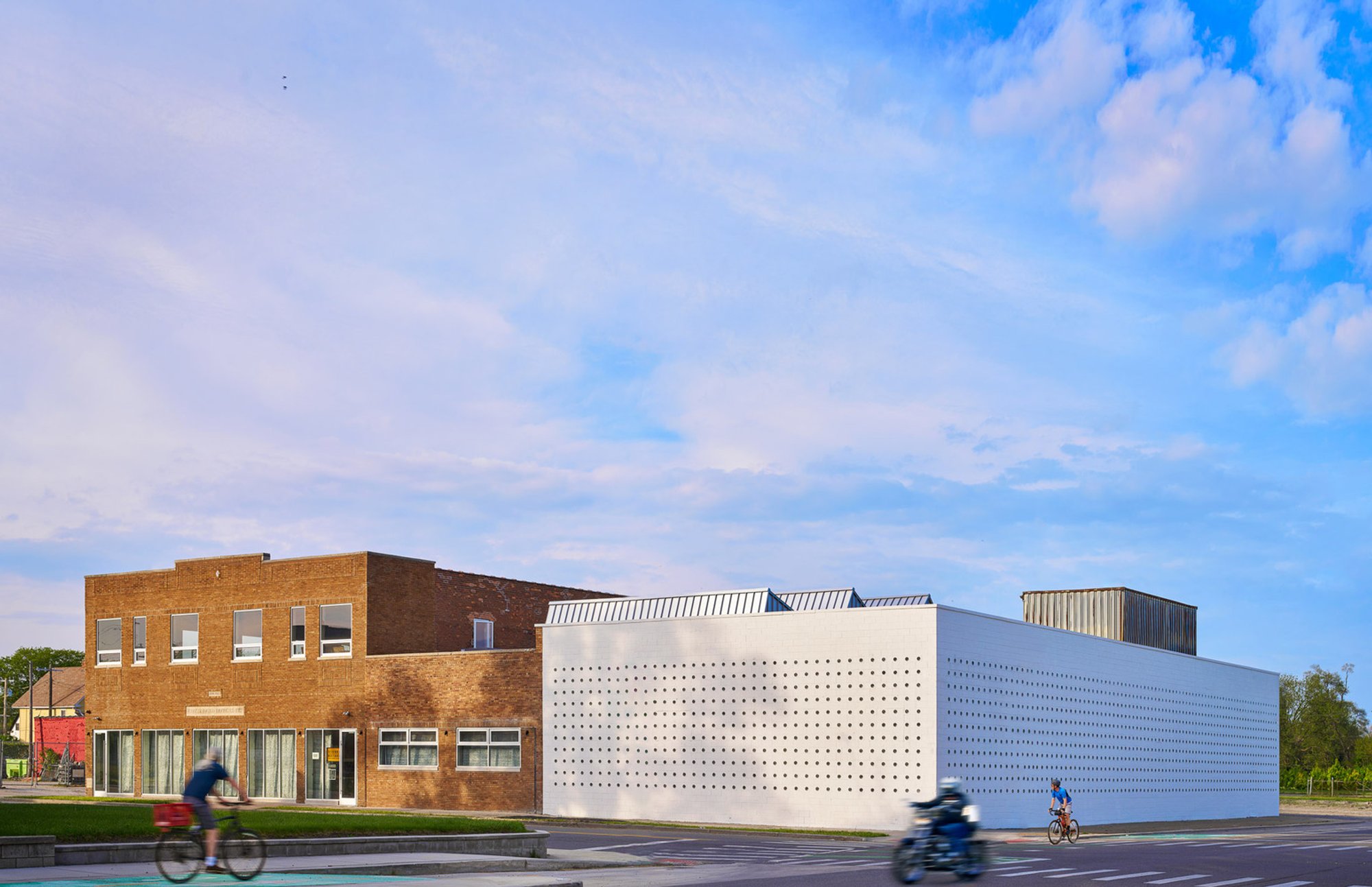
Adaptive Reuse Architecture: Transforming Spaces with Lantern by OMA in Detroit
The article explores OMA's Lantern project in Detroit, showcasing adaptive reuse architecture's transformative impact on urban spaces and sustainable community design.

In the realm of architecture, the concept of adaptive reuse has gained significant traction in recent years. It refers to the practice of repurposing existing structures for new functions, often incorporating sustainable design principles. One standout example of this trend is Lantern, a project by renowned architecture firm OMA in Detroit, United States.
The Evolution of Lantern
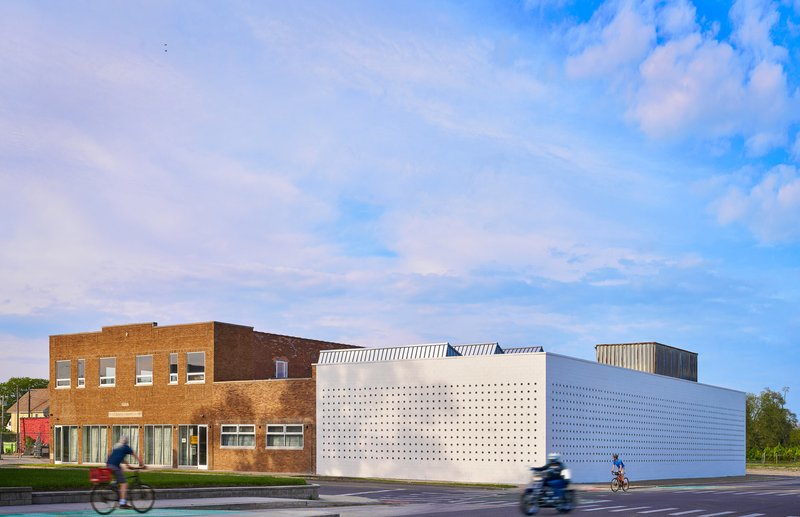
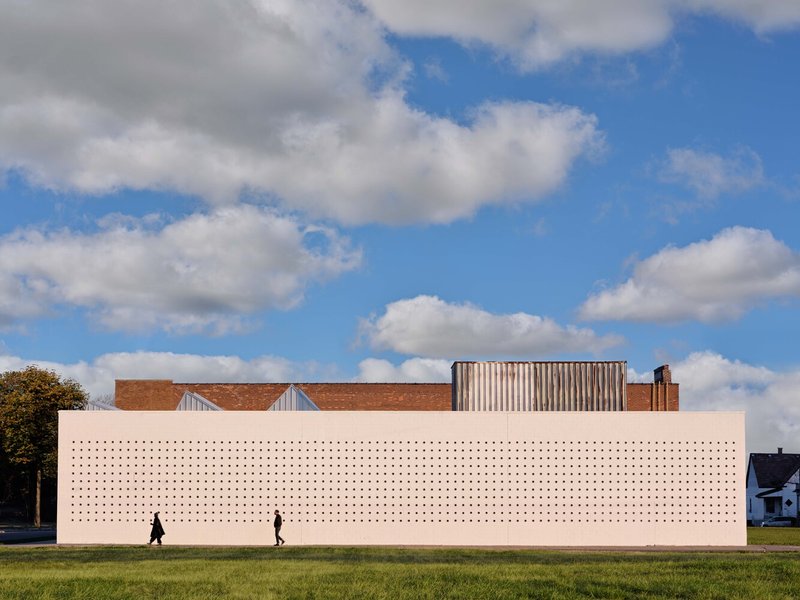
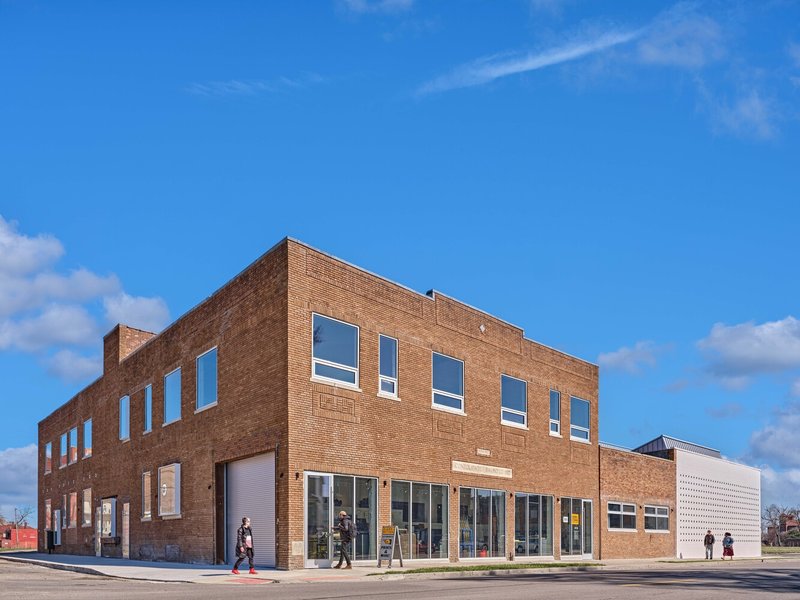
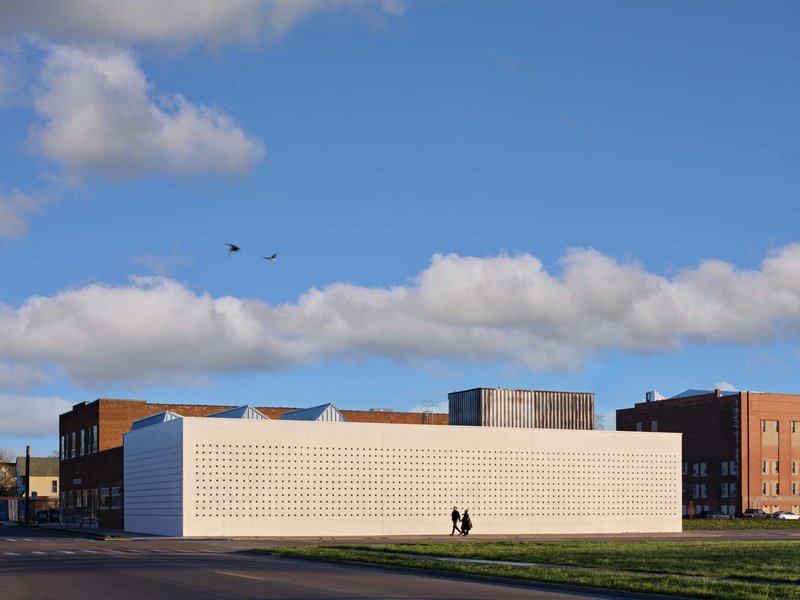
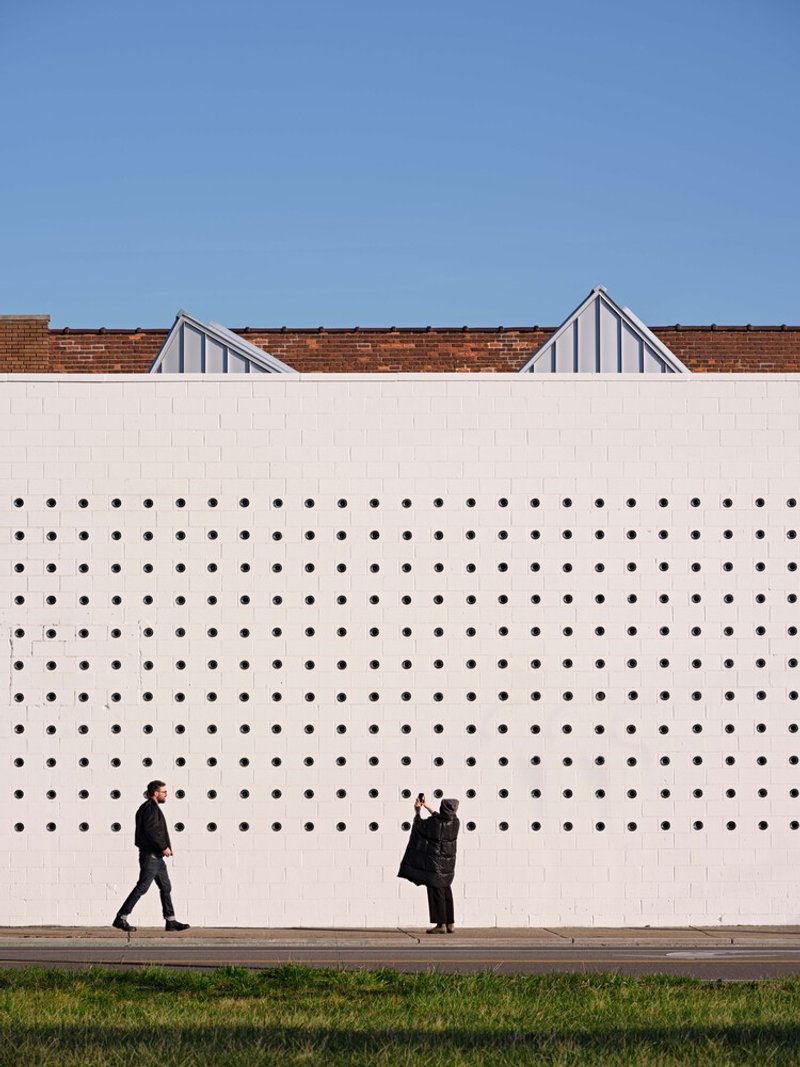
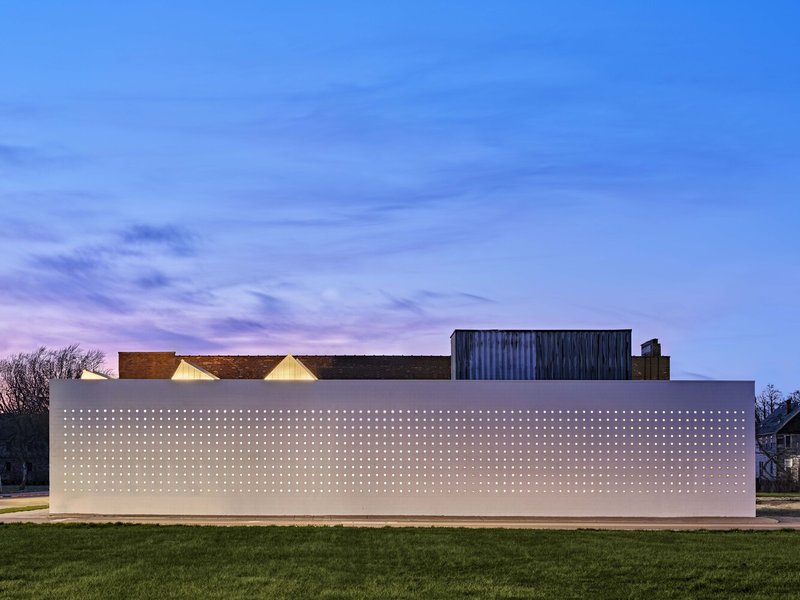
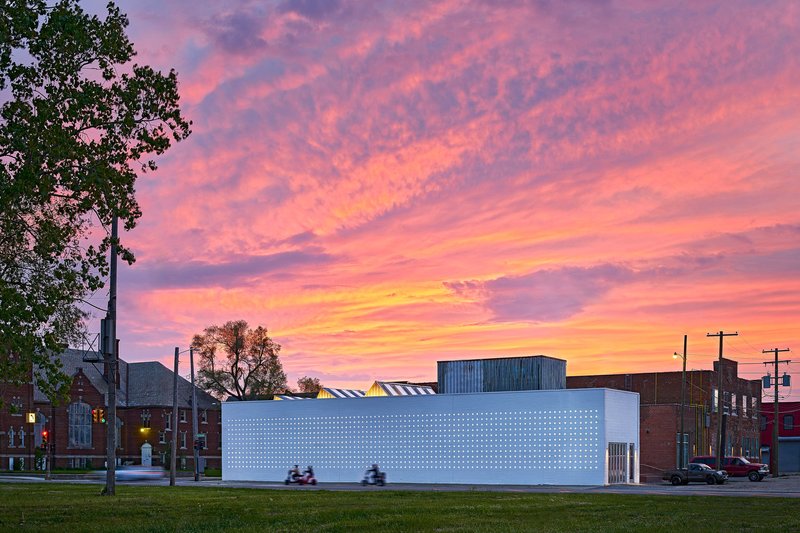
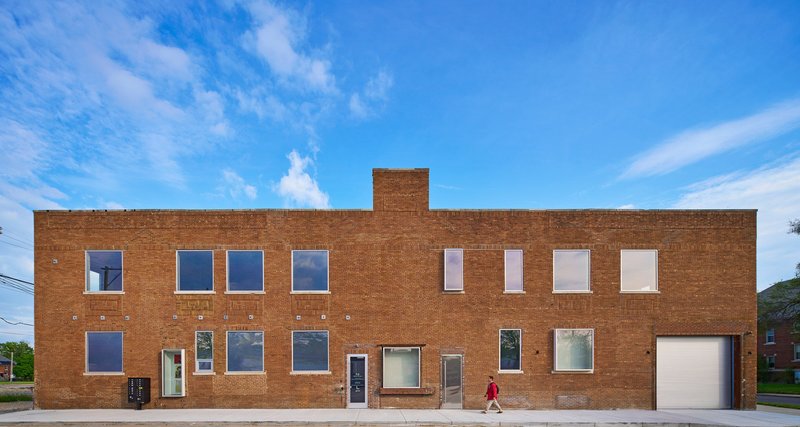
Lantern, OMA's debut project in Detroit, marks a significant shift in urban development strategies. Situated in the vibrant Little Village, this initiative spearheaded by Library Street Collective co-founders Anthony & JJ Curis breathes new life into a former commercial bakery and warehouse dating back to the 1900s.

Redefining Spaces: A Mixed-Use Art Hub
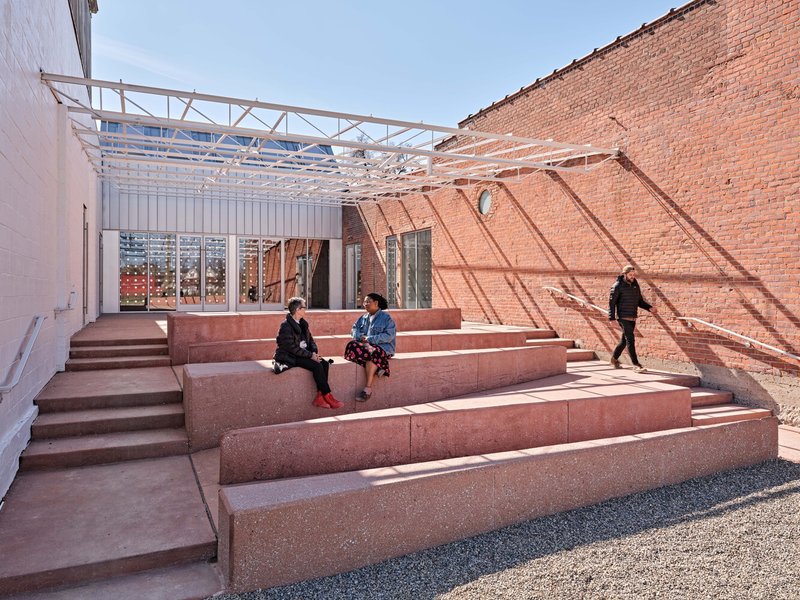
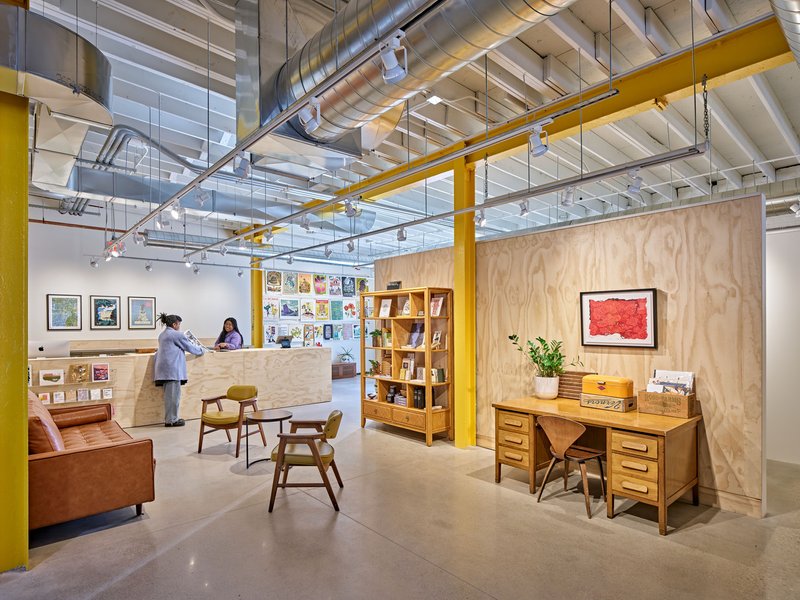
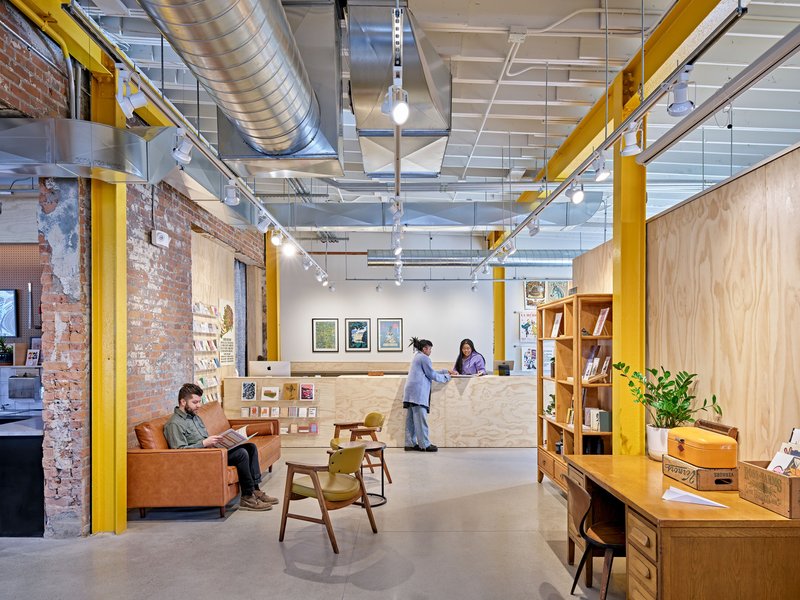
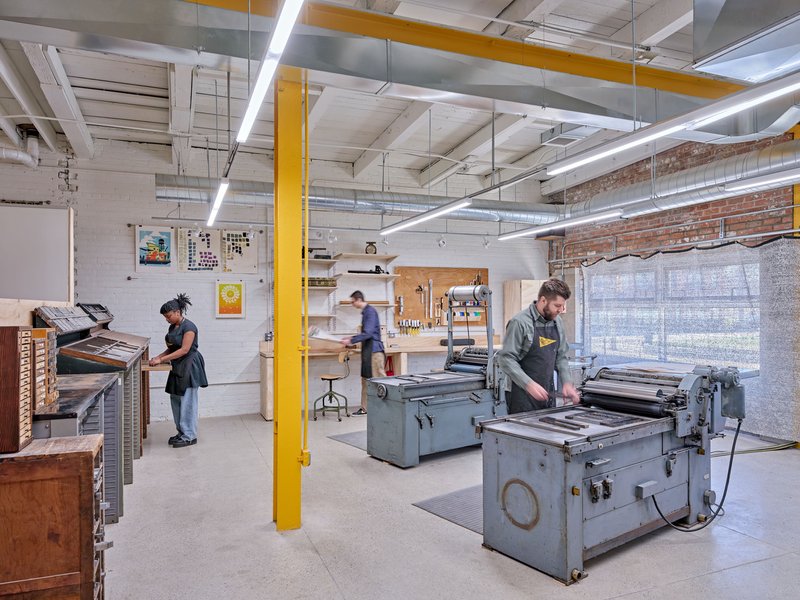
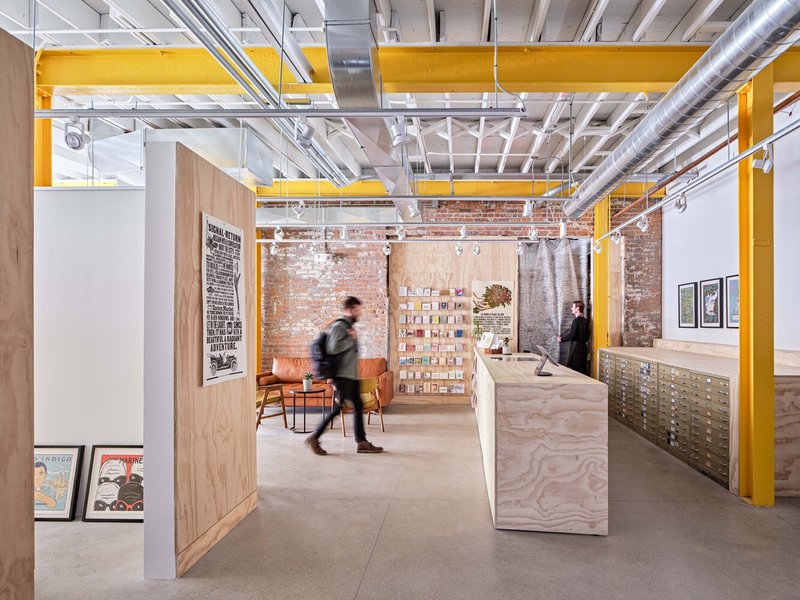
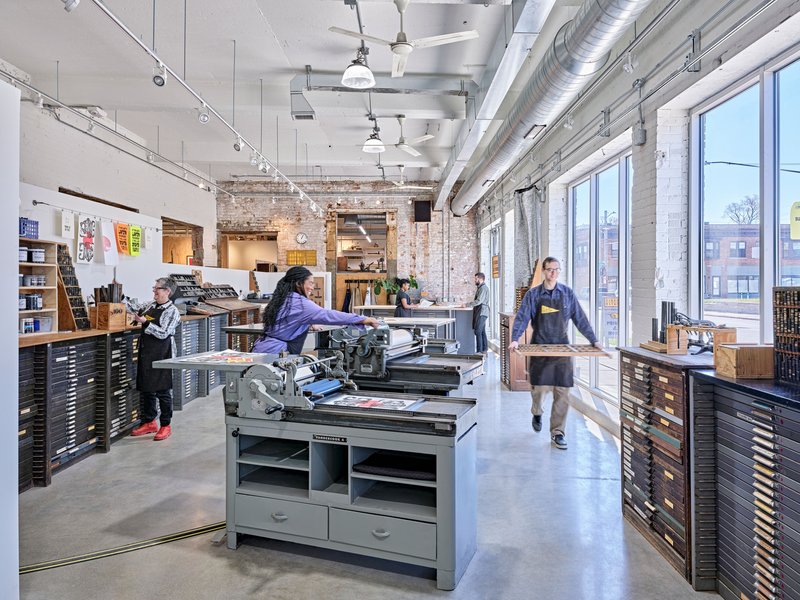
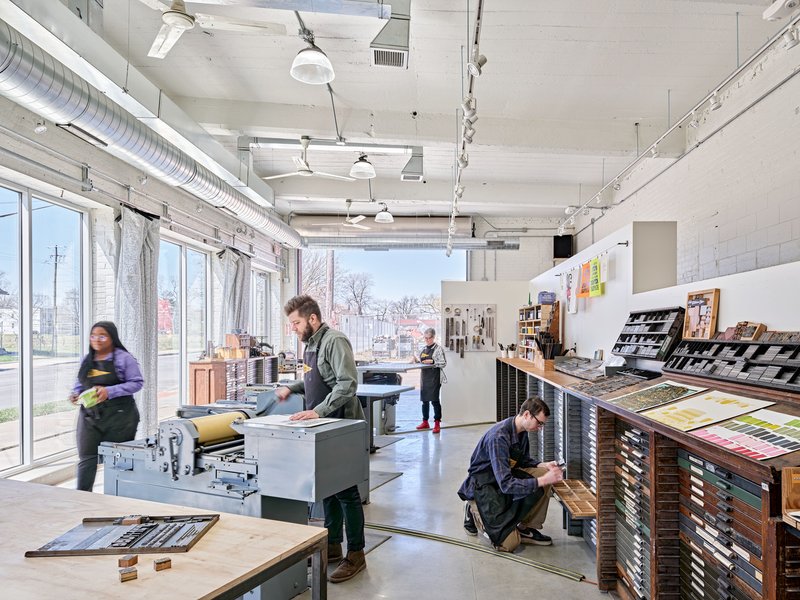
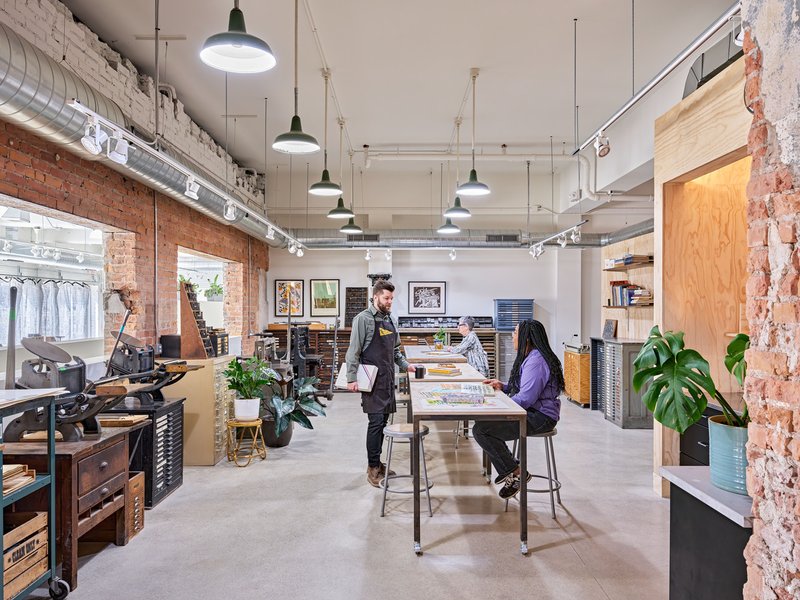
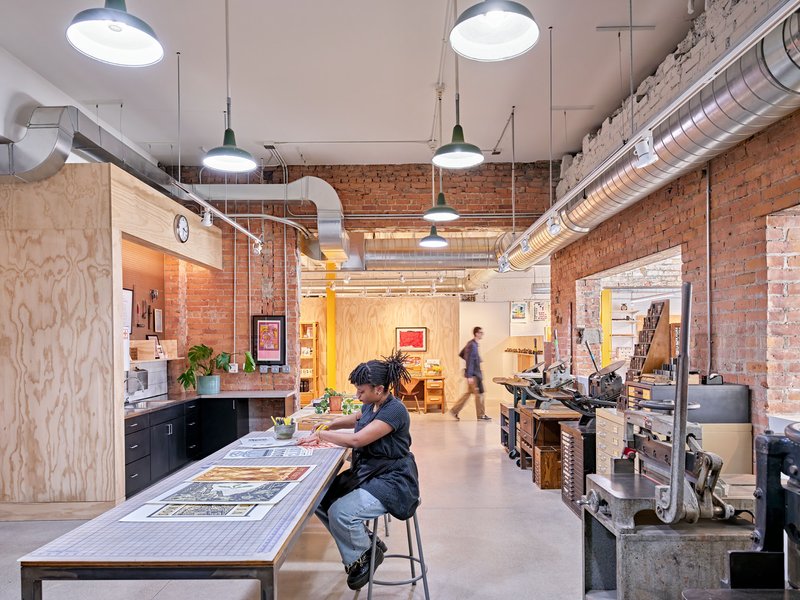
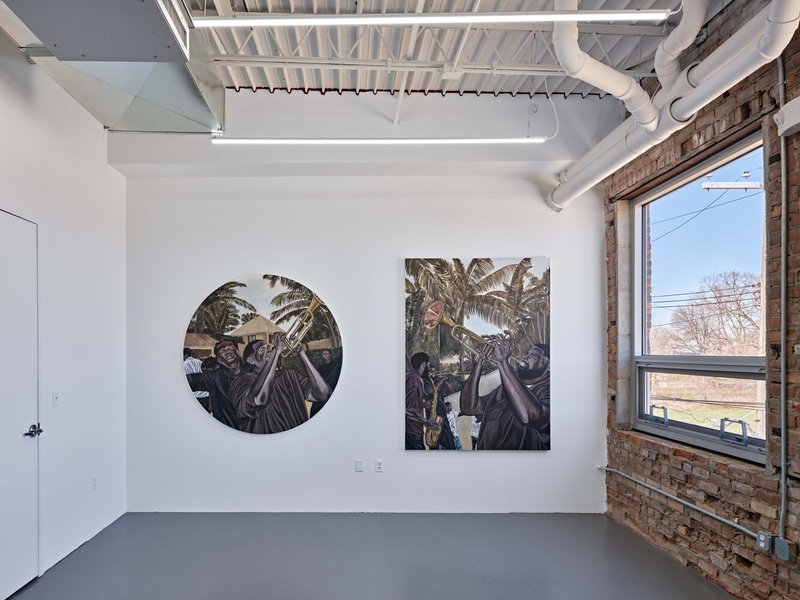
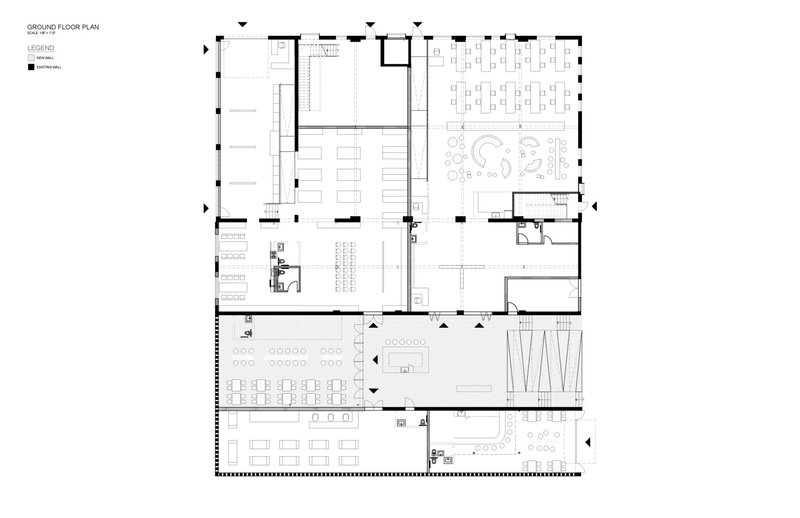
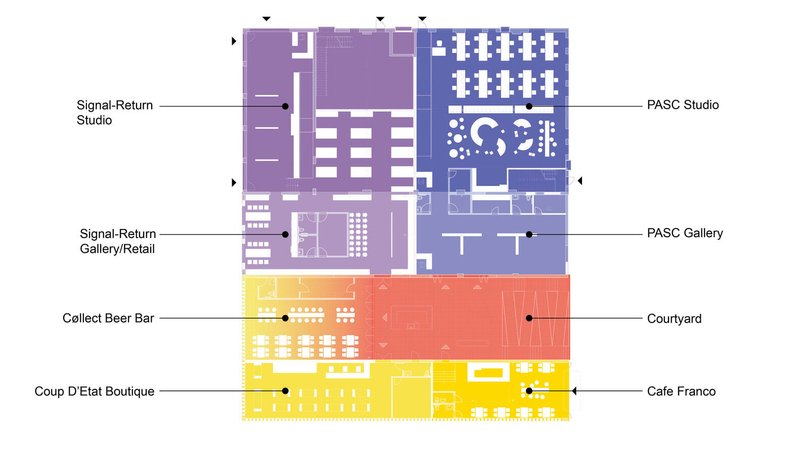
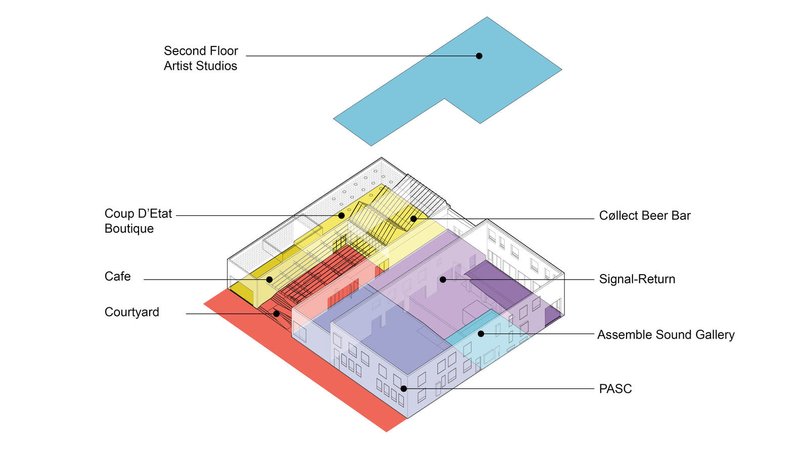
Led by OMA Partner Jason Long, Lantern encompasses 22,300 square feet of dynamic spaces. It serves as a multifaceted art hub and public venue, housing local arts non-profits like Signal-Return and PASC (Progressive Arts Studio Collective). The project also features artist studios, galleries, creative retail outlets, and a welcoming 2,000-square-foot outdoor courtyard—a focal point for community engagement.
Sustainability in Action
What sets Lantern apart is its approach to sustainability through adaptive reuse. OMA leveraged the building's existing structure, creatively transforming areas lacking roofs and walls into functional spaces. The courtyard, strategically positioned at the heart of Lantern, serves as a public gateway and activity hub. This design not only minimizes environmental impact but also fosters a sense of connectivity within the community.
Community-Centric Design
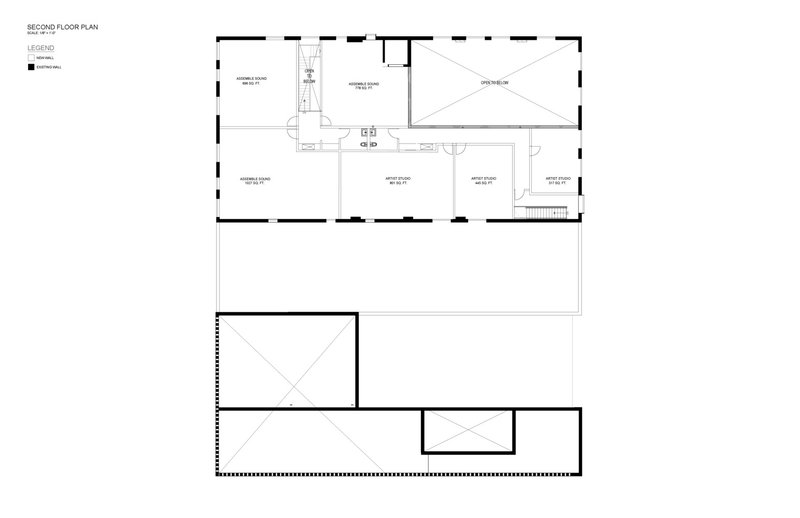
One of Lantern's strengths lies in its thoughtful layout. Production zones and artist studios face Amity Street, creating an interactive streetscape. Galleries flank the courtyard, emphasizing its role as a communal gathering space. Additionally, amenities along Kercheval Avenue cater to the neighborhood, enhancing accessibility and inclusivity.
The Impact of Adaptive Reuse Architecture
Lantern exemplifies the potential of adaptive reuse architecture to revitalize urban areas sustainably. By preserving historical structures and integrating modern functionalities, projects like Lantern bridge the past and present while shaping a more vibrant future for cities.
All the photographs are work of John D’Angelo, Jason Keen




Popular Articles
Popular articles from the community

OUJ Rewires a 72-Square-Meter Taipei Apartment for Multigenerational Living After the Pandemic
Inside a 40-year-old public housing block, plywood volumes and translucent screens turn three cramped bedrooms into a flexible family home.
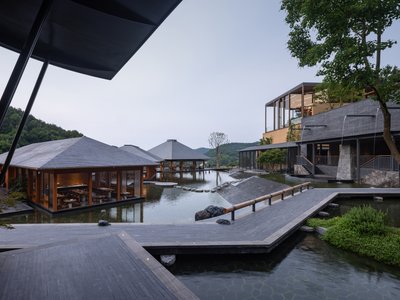
Atelier LAI Scatters a Timber Resort Across a Terraced Anhui Valley
Nanshan Junning Resort uses wood joinery and topographic sensitivity to settle 6,700 square meters into a ten-meter slope near Hefei.

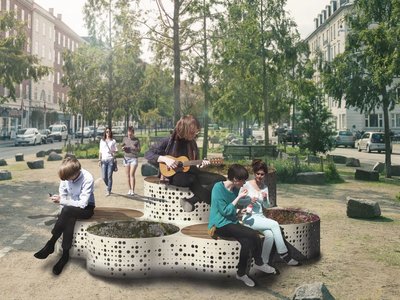
20 Most Popular Furniture Design Projects of 2025
Modular street systems, parametric benches, and insect hotels: the furniture design projects that captivated architects on uni.xyz in 2025.
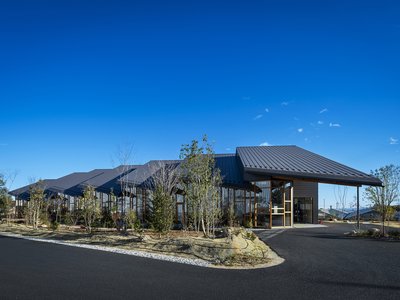
20 Most Popular Office Building Projects of 2025
From biophilic workspaces in India to net-positive energy offices in New Delhi, 20 office building projects that defined architecture in 2025.

Similar Reads
You might also enjoy these articles
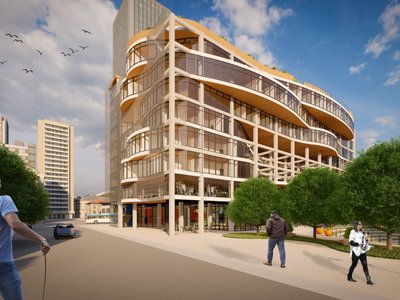
Olio Towers: A Mid-Rise for Performers That Fuses Housing, Rehearsal, and Stage
Located blocks from Houston's Theater District, this modular tower stacks living units around a central performance atrium.

Oasis: Modular Green Housing Carved into Dhaka's Urban Fabric
A shortlisted Plugin Housing entry reclaims unauthorized settlements in Dhaka with stepped concrete volumes, green roofs, and ventilation-driven design.

Black Hole: A Floating Megastructure for the Post-Physical Era
Emiliano Mazzarotto envisions a spherical, self-scaling arena where e-sports, digital hotels, and holographic stadiums replace traditional public space.
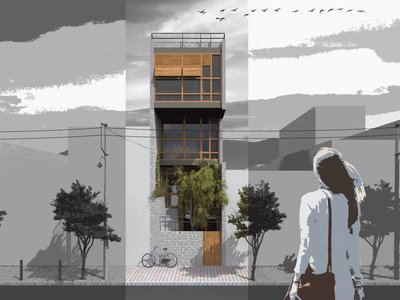
Compact & Sustainable Living in Piraeus: A Four-Level Family Home Built Around Light and Air
A narrow townhouse in one of Greece's densest port cities uses a central atrium and passive strategies to house three generations under one roof.


Explore Architecture Competitions
Discover active competitions in this discipline




The International Standard for Design Portfolios


The Global Benchmark for Architecture Dissertation Awards


The Global Benchmark for Graduation Excellence


Challenge to reimagine the Iron Throne
Comments (0)
Please login or sign up to add comments
No comments yet. Be the first to comment!