
Adaptive Reuse Architecture: Transforming Industrial Spaces into Creative Hubs
Revitalizing history through adaptive reuse architecture—merging 19th-century industrial heritage with modern media innovation in Russia.

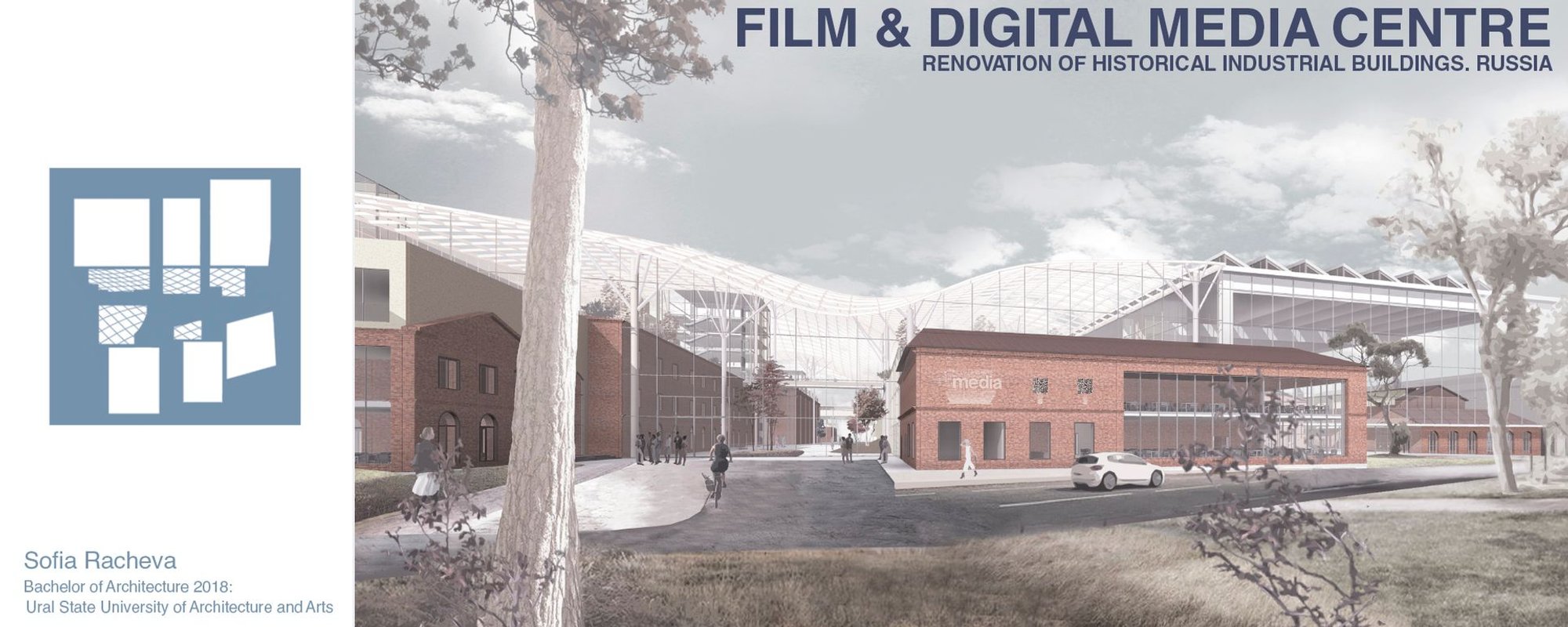
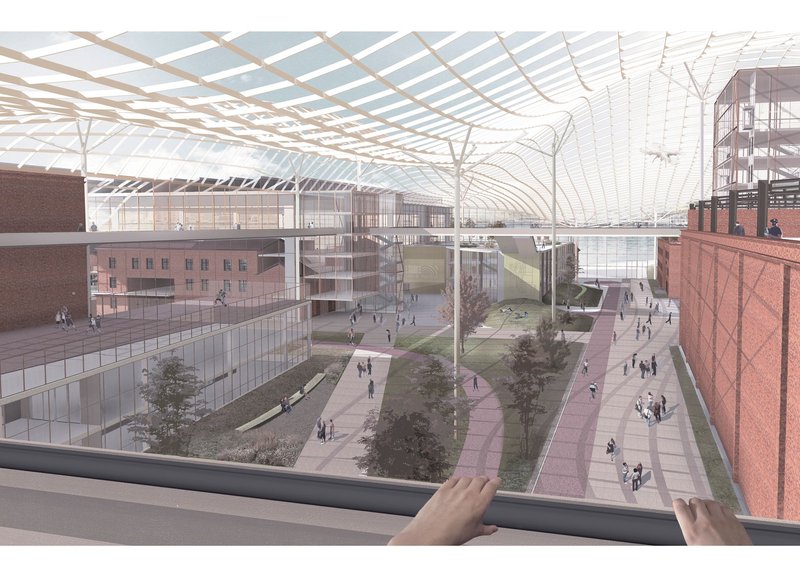
The Film & Digital Media Centre is a visionary project in adaptive reuse architecture, aimed at revitalizing historical industrial spaces in Russia. This ambitious renovation preserves the architectural essence of the 18th and 19th centuries while embracing modern technologies that cater to the thriving media industry.
Designed by Софья Рачева, this project was a shortlisted entry for the UnIATA '19 competition. The complex transformation integrates contemporary architecture with historical preservation, ensuring that cultural landmarks are celebrated even in modern applications.
Project Vision
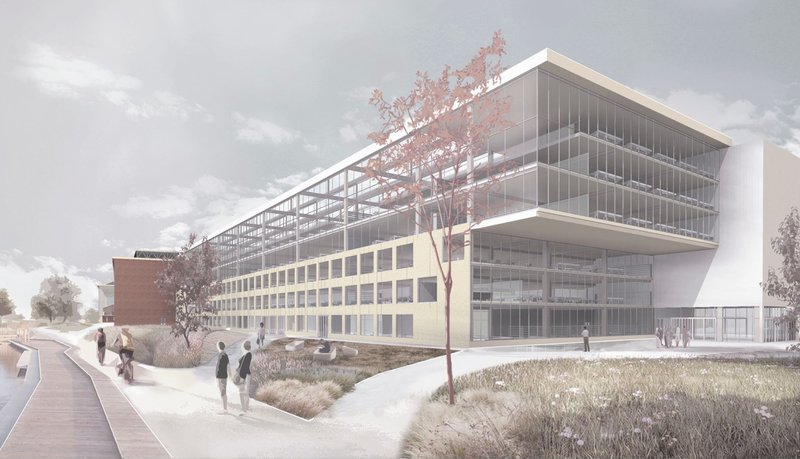
Set within the historic Verkh-Isetskiy plant, the Film & Digital Media Centre redefines the use of dilapidated industrial buildings. It showcases an innovative approach to urban regeneration, turning decaying structures into multifunctional spaces for film production, animation, broadcasting, and new-age media technologies like 3D graphics and game design.

Design Highlights
- Historical Preservation: The renovation carefully maintains the architectural character of the 18th and 19th centuries while integrating cutting-edge design elements.
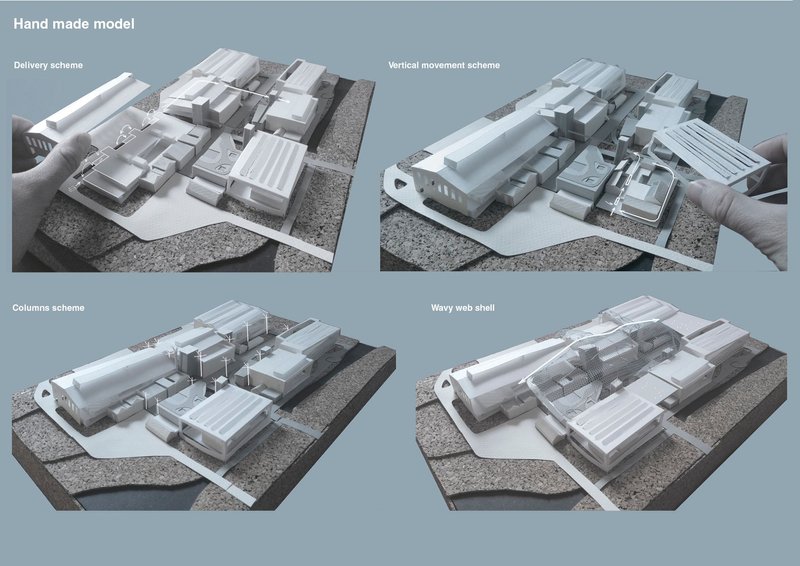
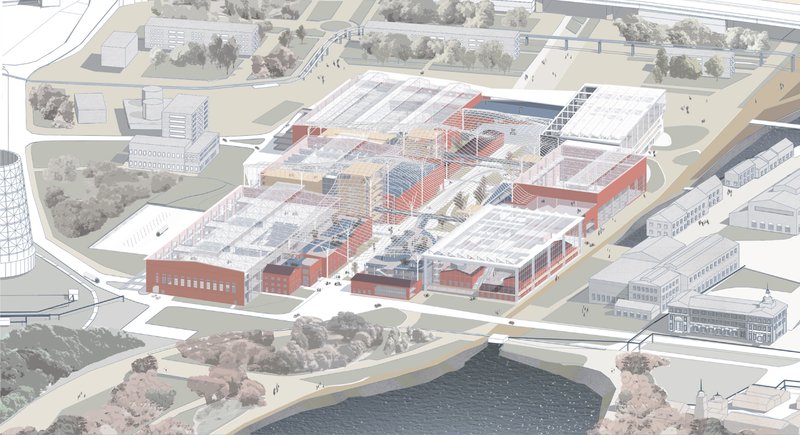
- Innovative Zoning: The master plan consists of seven functional blocks for production, exhibition, and administrative purposes, seamlessly linked to public spaces and green areas.
- Sustainability: A wavy mesh shell envelops the complex, creating a microclimate that supports year-round activities.
A City-Centric Approach
The project is strategically located near Ekaterinburg, bridging pedestrian zones with urban landscapes. By extending the city’s embankment and creating vibrant public spaces, the Centre aims to become a hub for culture, technology, and community interaction.

Material Palette
The use of brick, glass, and metal embodies the contrast between tradition and modernity, emphasizing the warmth of historical materials against the sleekness of contemporary design.




Popular Articles
Popular articles from the community

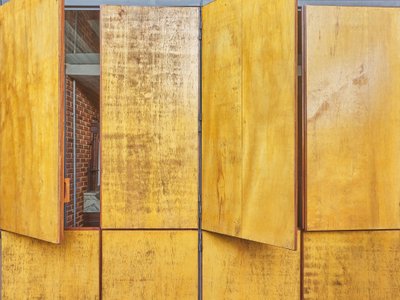
gru.a Builds a 70 m² Timber Shelter That Opens Like a Farm Door in Brazil's Valley of the Vines
In the mountainous region near Rio de Janeiro, a compact retreat uses plywood panels and deep eaves to blur the line between inside and out.
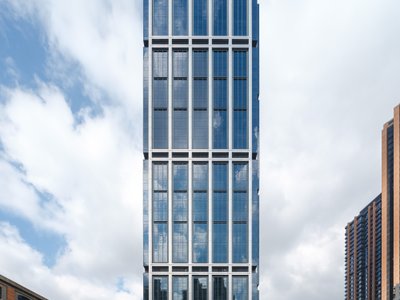
Foster + Partners Wraps a 200-Meter Shanghai Tower in Stainless Steel and Industrial Memory
The Suhe Centre Office Tower anchors a regenerated waterfront district in Shanghai with an all-steel structure that nods to local warehouse heritage.
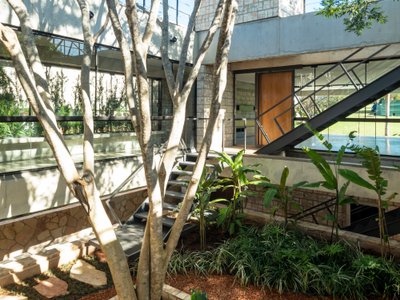
OMCM arquitectos Builds a Summer House in Paraguay from Quarry Waste Blocks and Three Sacred Trees
In the young hillside neighborhood of Altos, a 696-square-meter concrete volume hovers on six pillars around three preserved native Yvyraju trees.
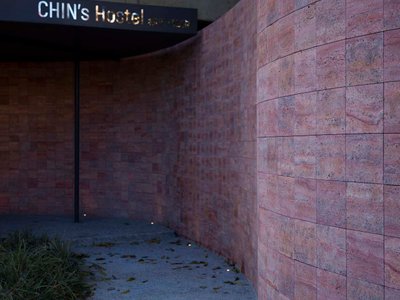
VEIVE Architects Builds a Mountain Hostel That Disappears into a Hangzhou Hillside
On the Huihang Ancient Trail in Xiangjian Village, a shelter of wood, steel, and rammed earth roots itself in the rural landscape.

Similar Reads
You might also enjoy these articles

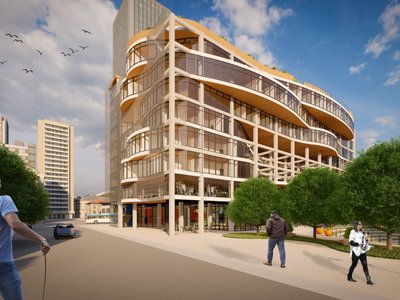
Olio Towers: A Mid-Rise for Performers That Fuses Housing, Rehearsal, and Stage
Located blocks from Houston's Theater District, this modular tower stacks living units around a central performance atrium.
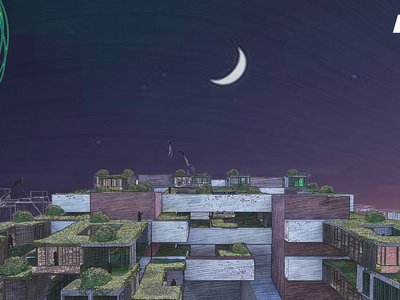
Oasis: Modular Green Housing Carved into Dhaka's Urban Fabric
A shortlisted Plugin Housing entry reclaims unauthorized settlements in Dhaka with stepped concrete volumes, green roofs, and ventilation-driven design.

Black Hole: A Floating Megastructure for the Post-Physical Era
Emiliano Mazzarotto envisions a spherical, self-scaling arena where e-sports, digital hotels, and holographic stadiums replace traditional public space.
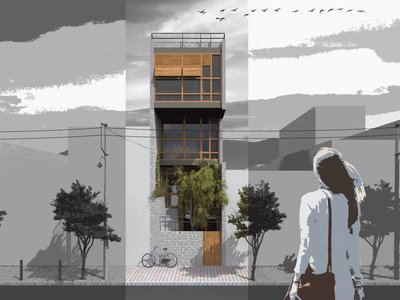
Compact & Sustainable Living in Piraeus: A Four-Level Family Home Built Around Light and Air
A narrow townhouse in one of Greece's densest port cities uses a central atrium and passive strategies to house three generations under one roof.





Comments (0)
Please login or sign up to add comments
No comments yet. Be the first to comment!