
Adaptive Reuse Cultural Center in Jakarta: Space Available Transforms Andra Matin’s Legacy into a Sustainable Community Hub
Space Available transforms a historic Jakarta building into a modular, sustainable, and wellness-driven adaptive reuse cultural center and hub.

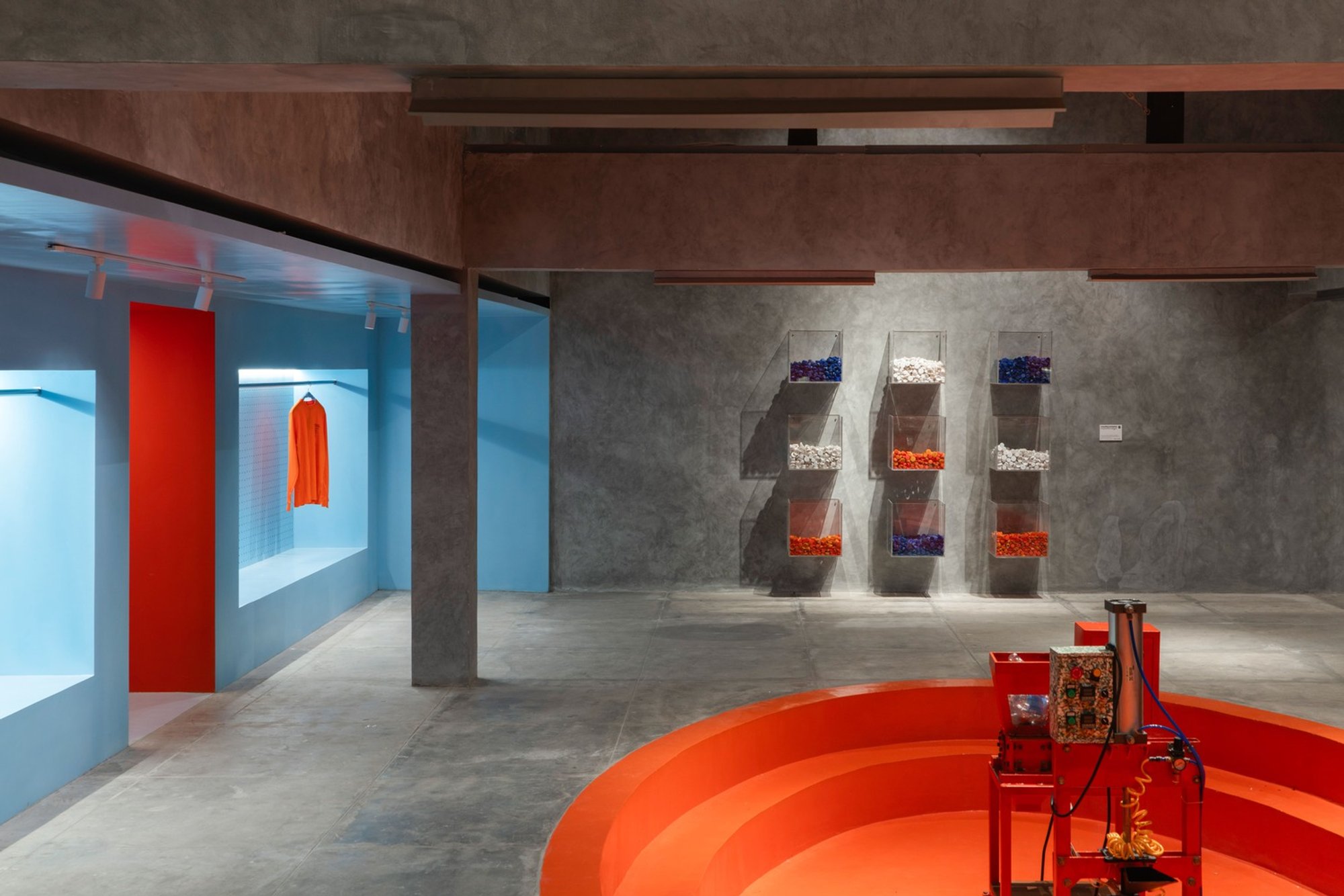
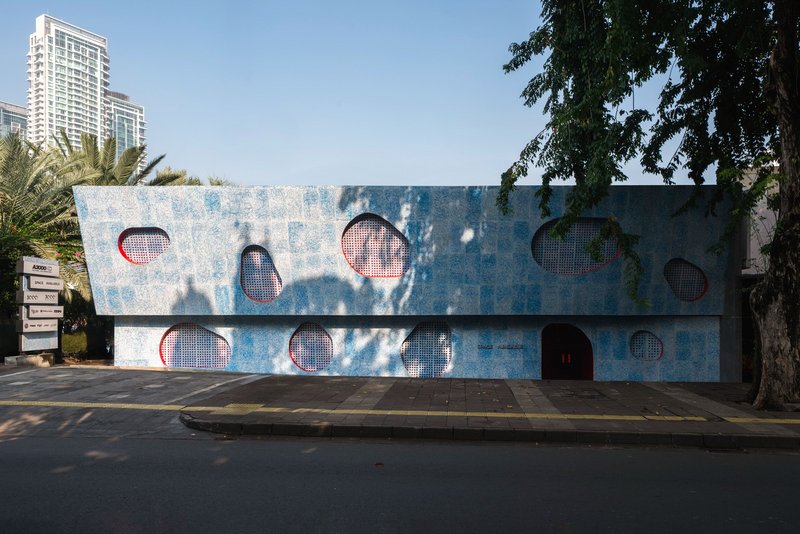
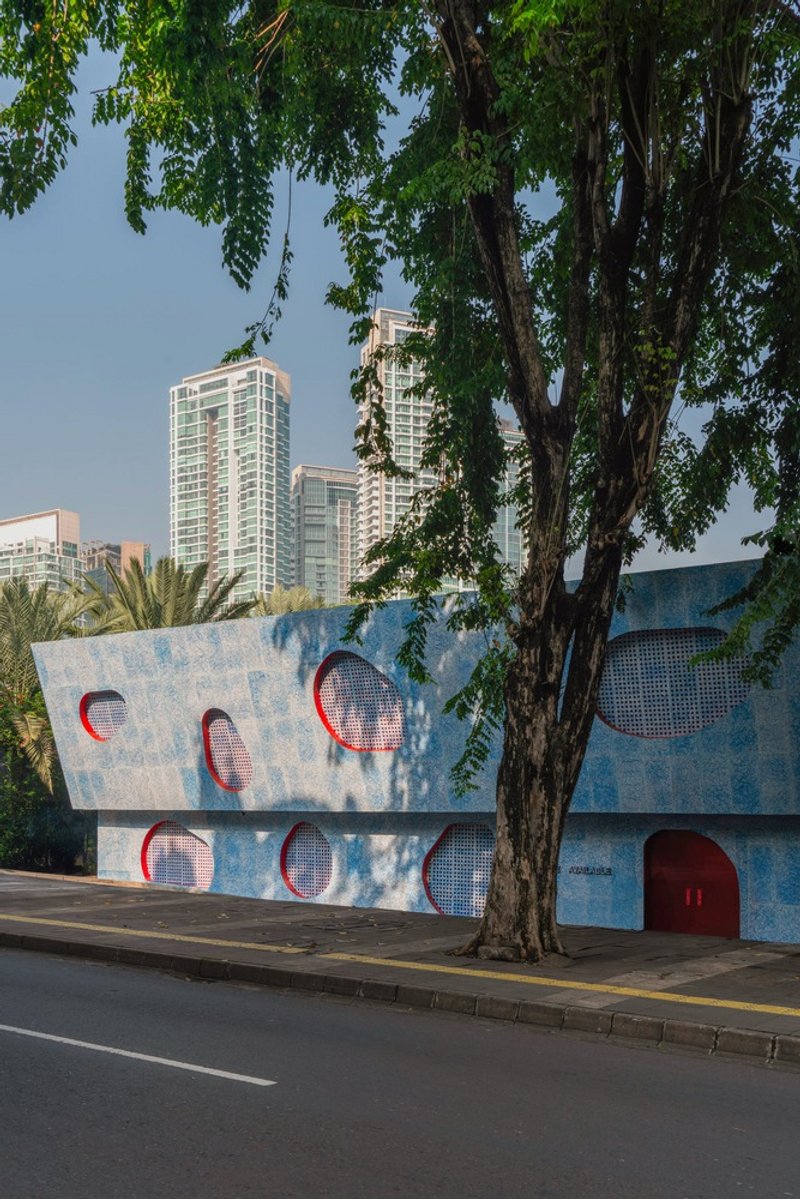
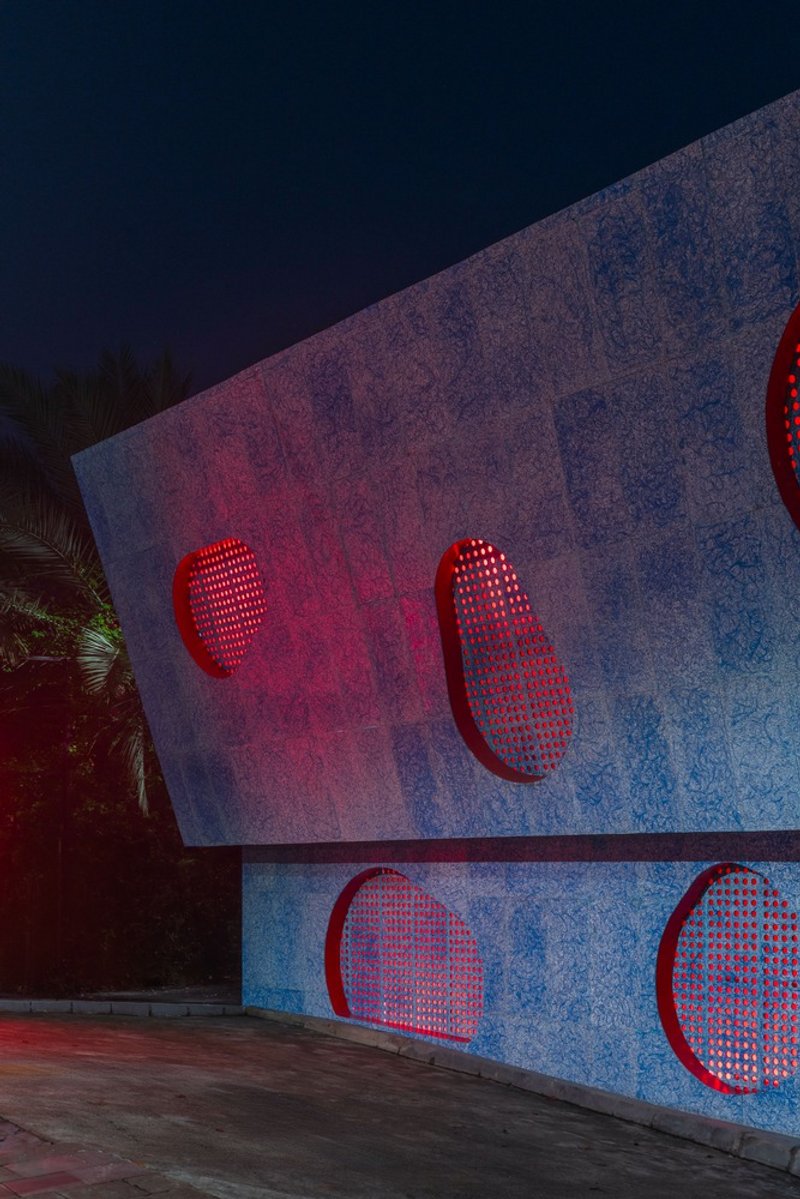
Located in the once culturally vibrant neighborhood of Kemang, Jakarta, the Space Available Jakarta Community Center stands as a powerful example of adaptive reuse cultural center architecture. Originally designed by acclaimed Indonesian architect Andra Matin, the building had seen decades of transformations that obscured its original intent. In 2025, Space Available took on the challenge of renovating this layered structure, not only restoring its spatial potential but reimagining it as a modular, flexible, and community-driven platform for culture, wellness, and sustainability.
Preserving Legacy Through Adaptive Reuse
The renovation began with a deep respect for the building’s historical and architectural significance. Yet, rather than a straightforward restoration, the project took the approach of adaptive reuse, peeling back years of ad-hoc modifications to expose and resolve structural inconsistencies. Outdated systems were replaced with environmentally responsive alternatives, aligning the project with contemporary needs while preserving the spatial logic embedded by Matin.
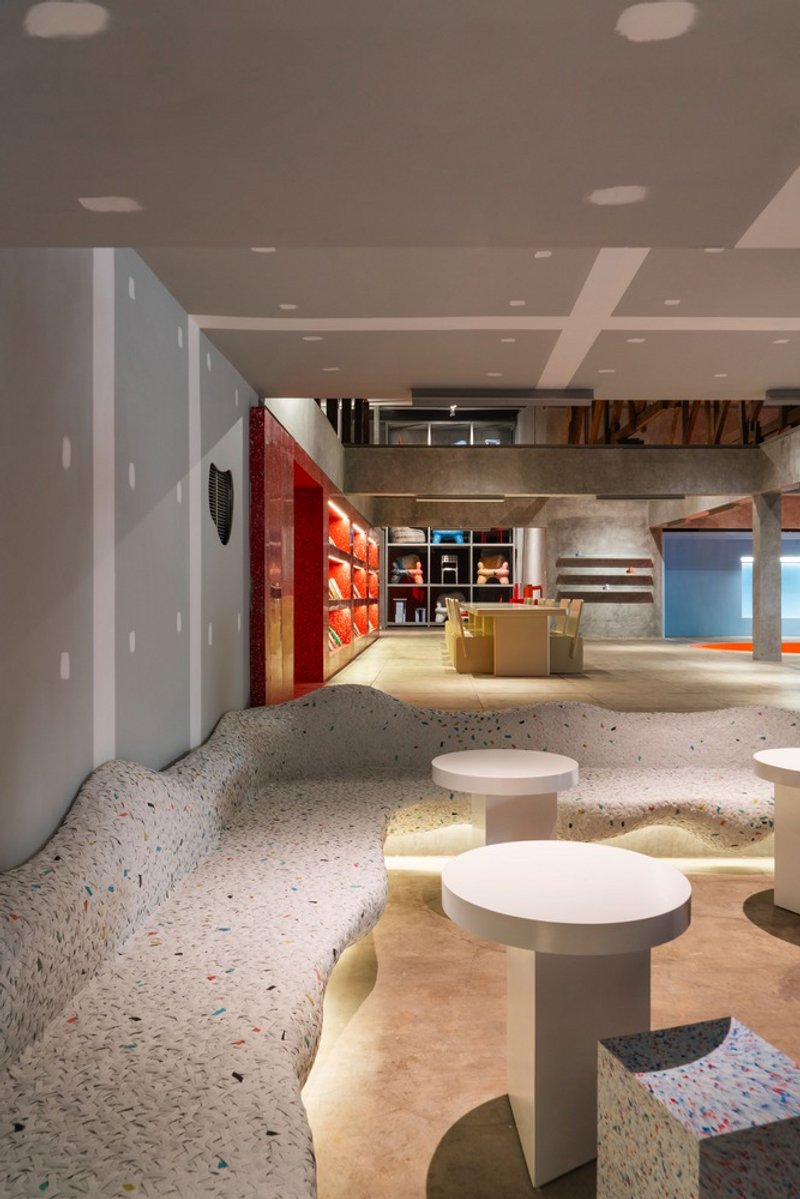
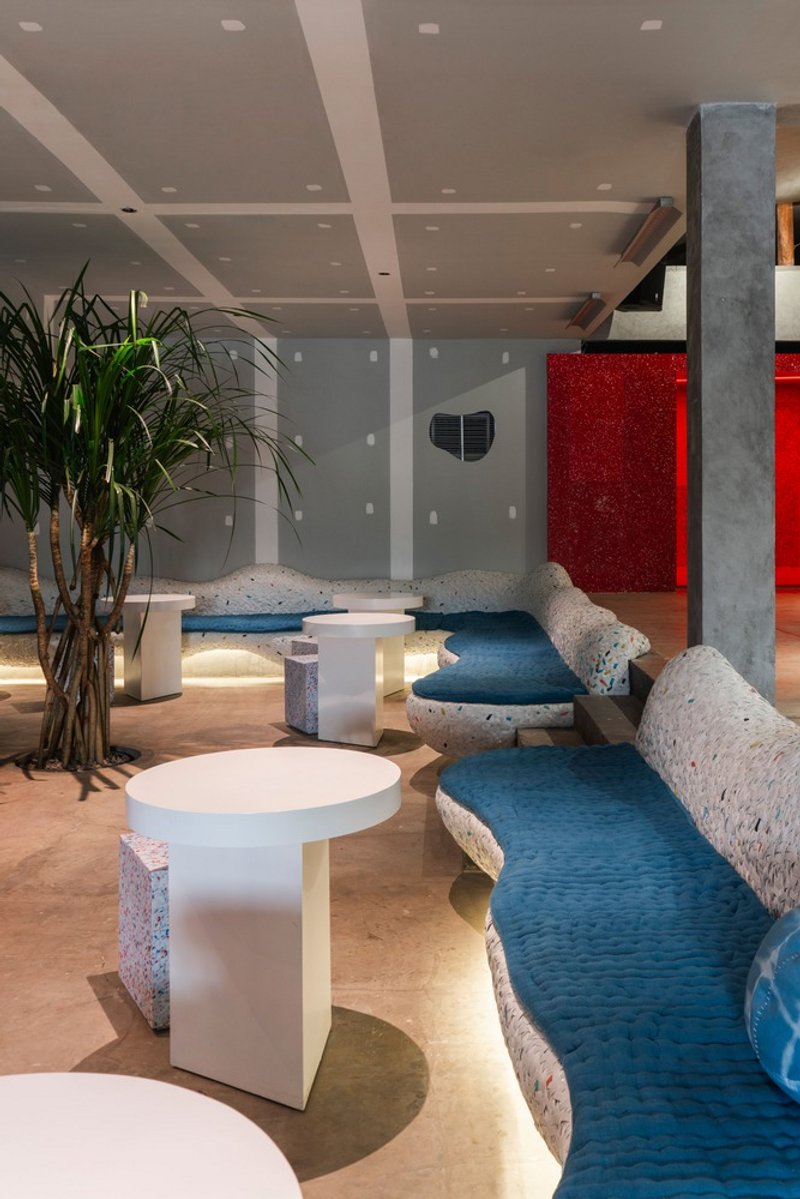
The intent was not nostalgia but reinvention — to breathe new life into the building by framing it as an open, evolving system responsive to its users and community. The result is a cultural center rooted in history but articulated for the future.
Circular Design and Local Craftsmanship
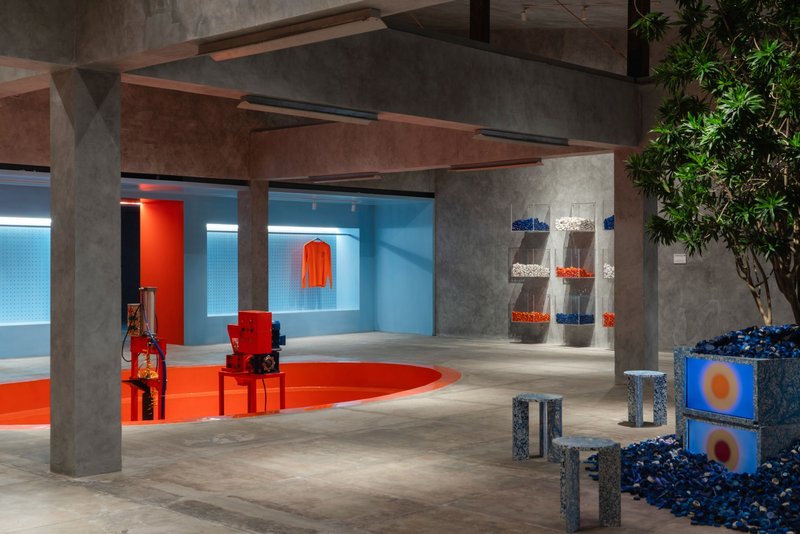
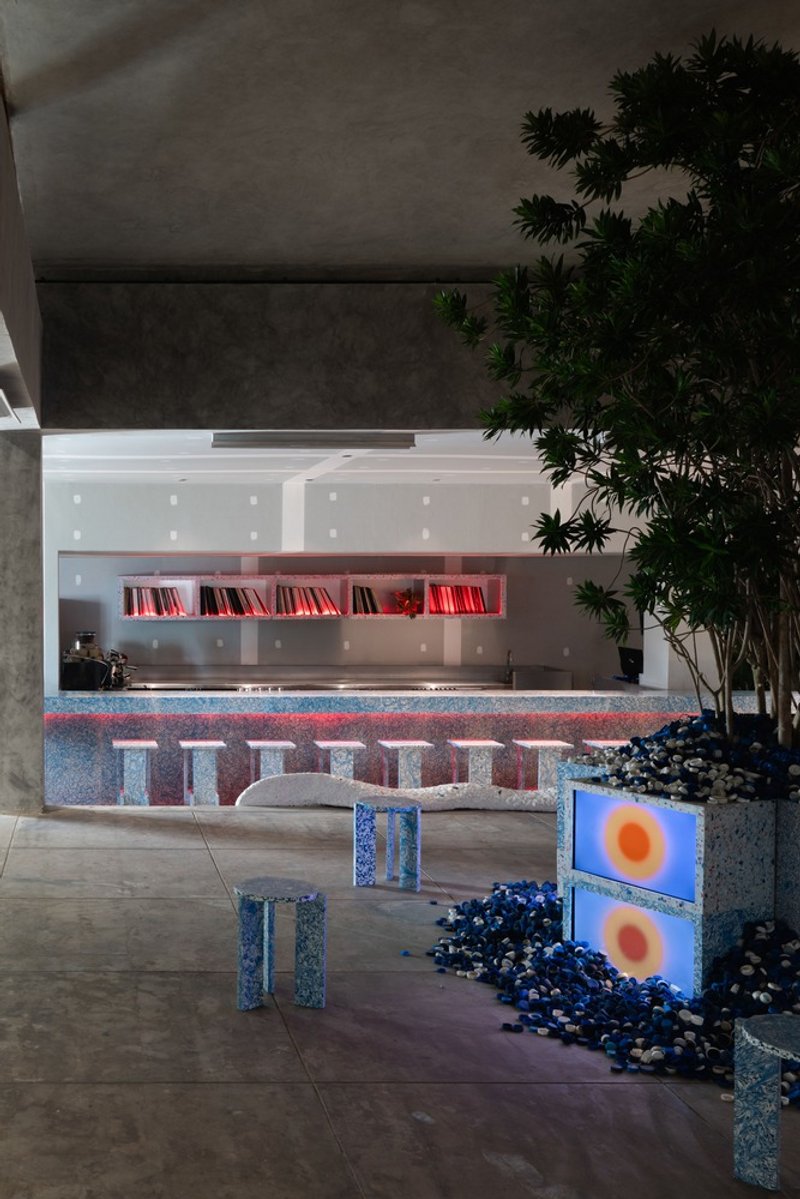
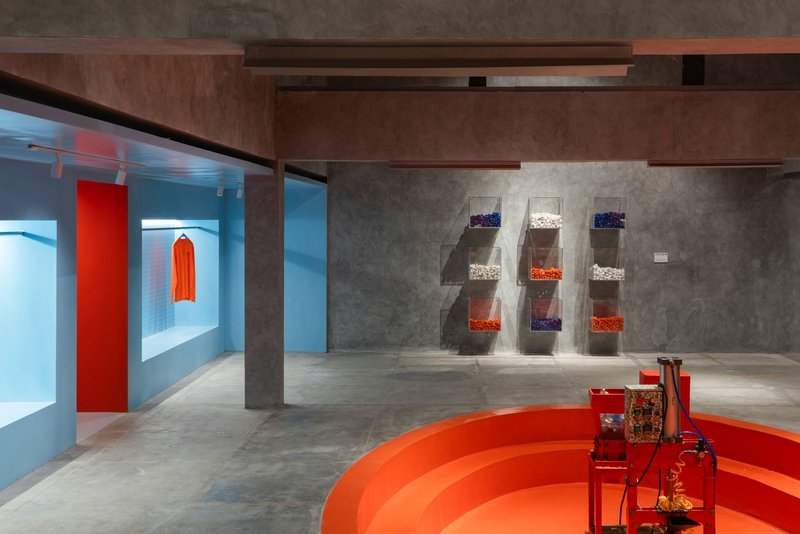
At the heart of this adaptive reuse strategy lies a commitment to circular design. More than 11 tons of recycled plastic, locally sourced and hand-processed by Indonesian artisans, form the primary structural and interior elements. Walls, columns, and even furniture embody this material reuse, making the building itself a narrative of sustainability.
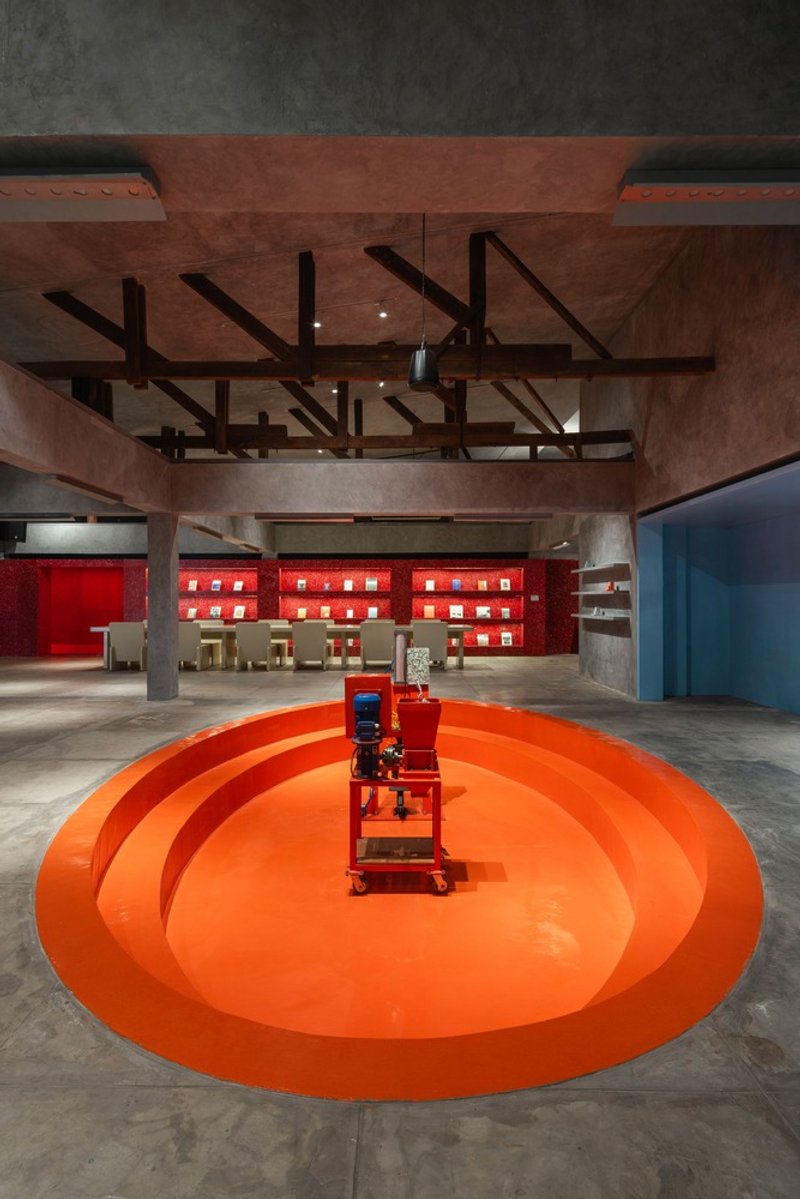
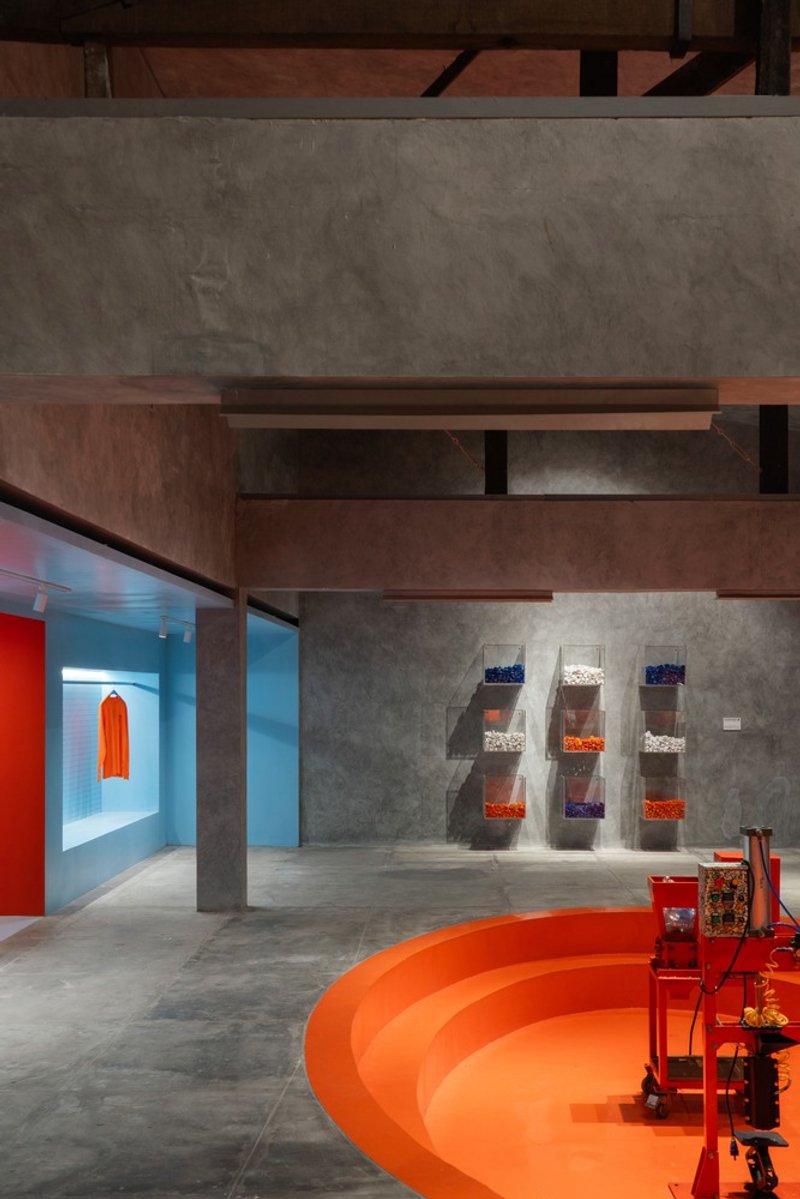
This craft-led approach continues with handwoven furnishings, naturally dyed textiles, and elements created using traditional techniques — all reinterpreted through a contemporary lens. By embedding sustainability into every material choice and design gesture, the space becomes both functional and symbolic.
A Modular Ecosystem of Engagement
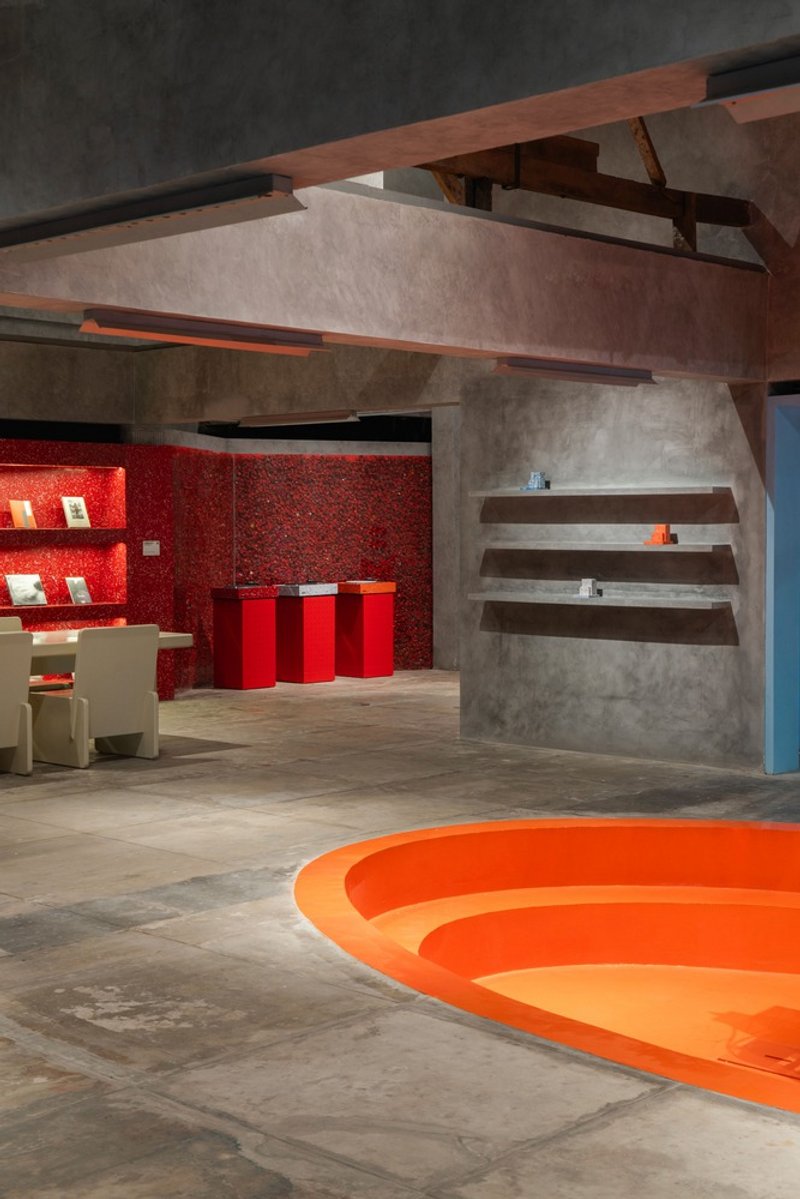
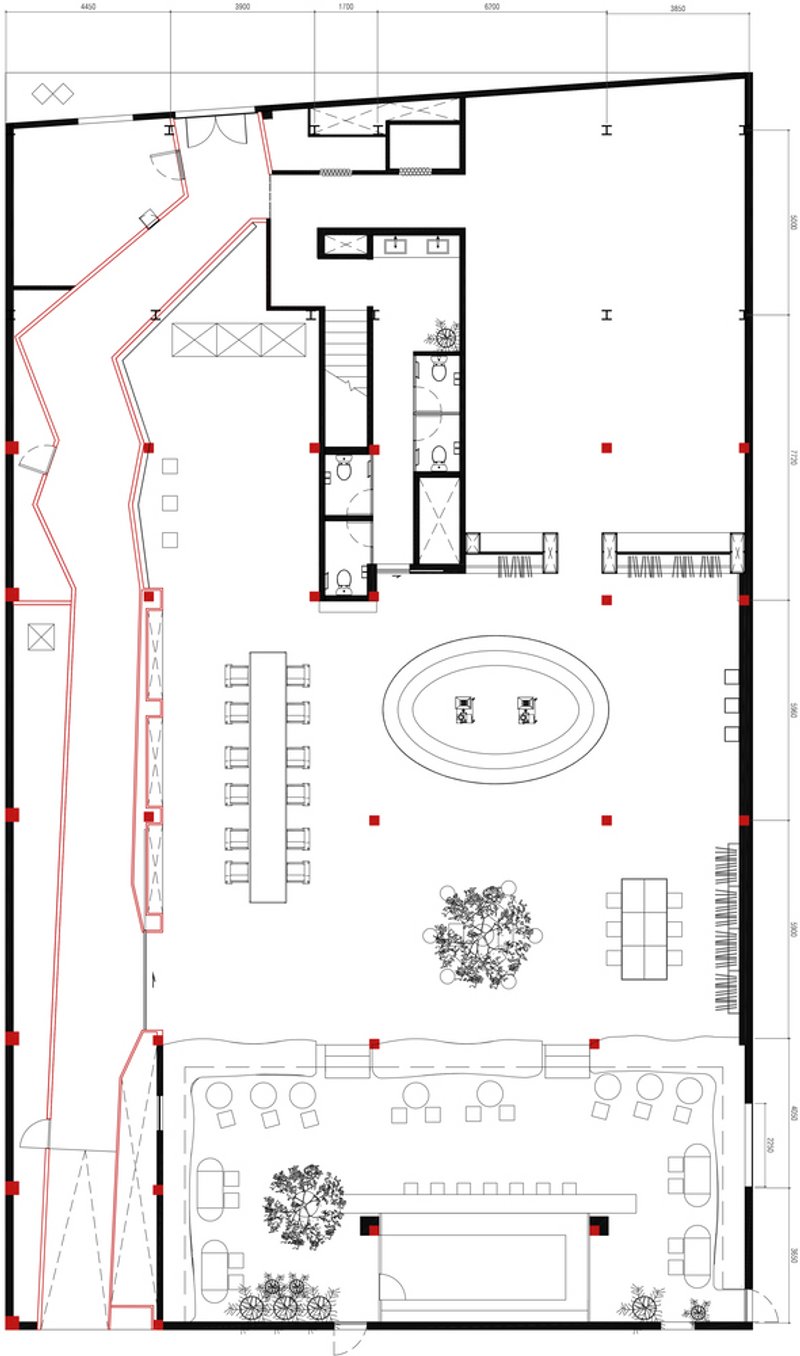
Unlike traditional cultural buildings or retail spaces, the Space Available Jakarta Community Center was envisioned as a living ecosystem guided by five core pillars: movement, meditation, learning, listening, and nourishing. These values organize the building’s spatial program and inform its user experiences.
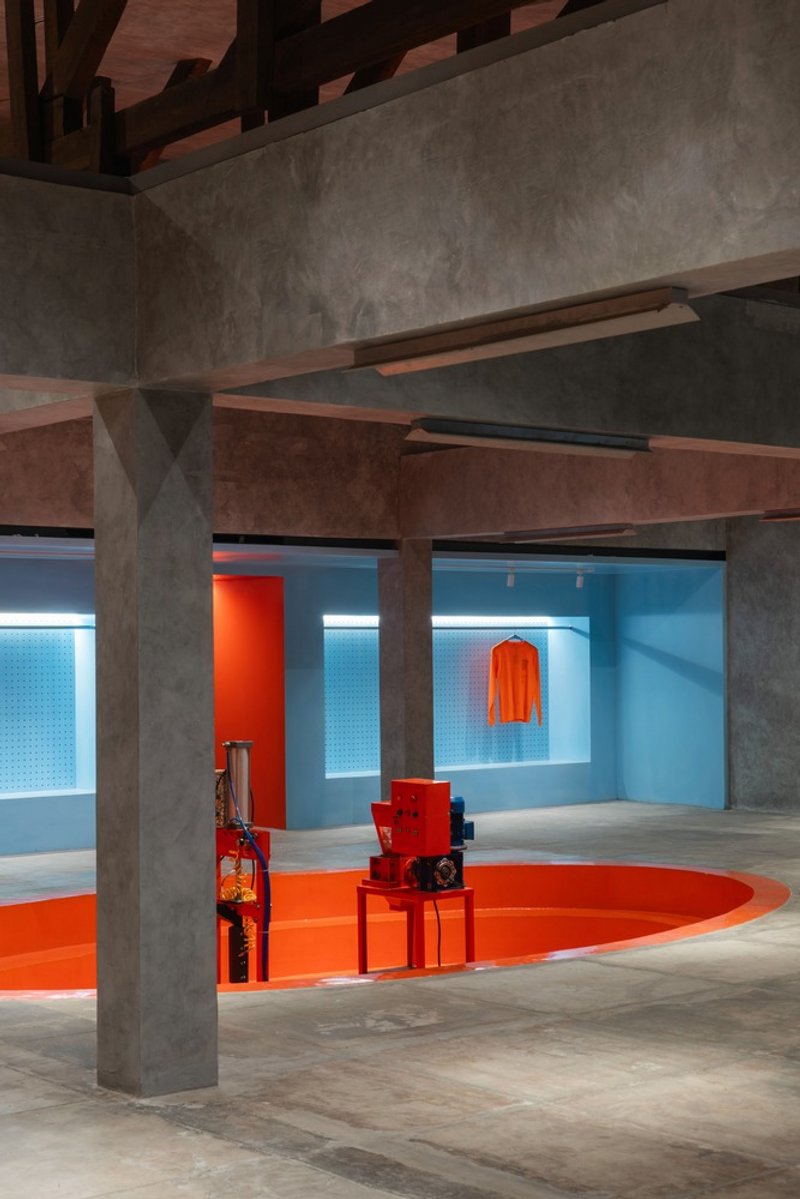
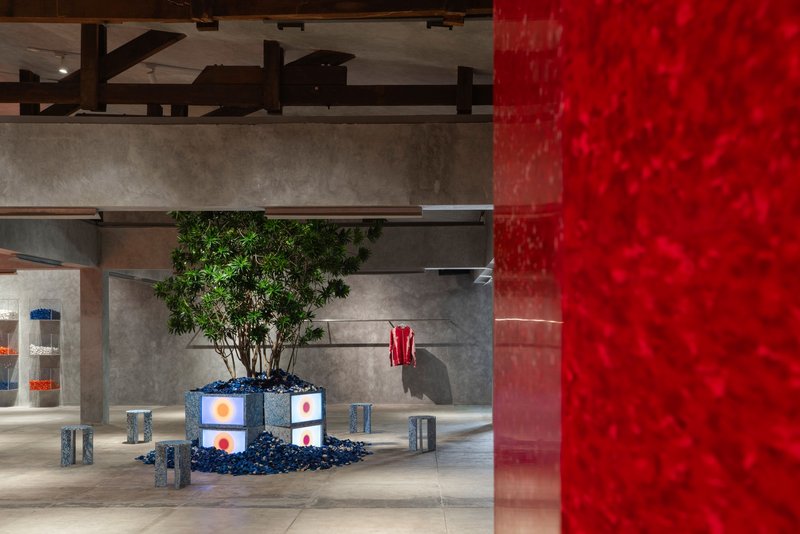
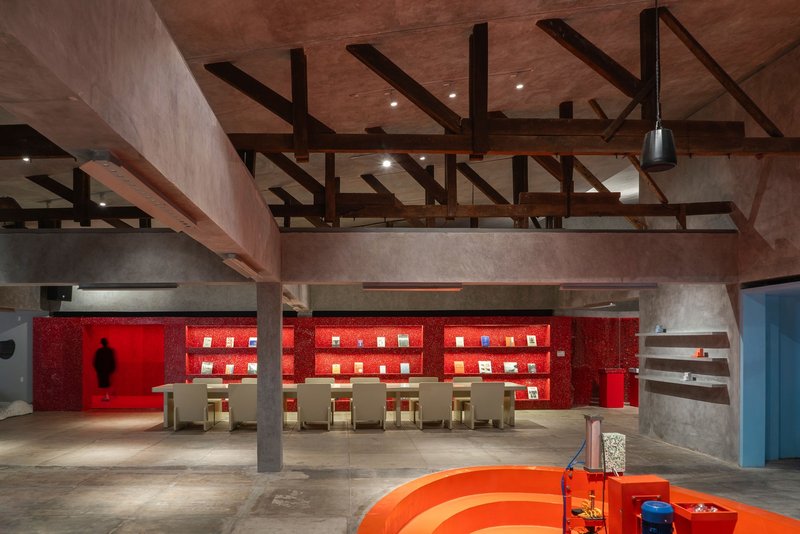
Inside, modularity replaces rigidity. Zones are defined yet flexible — from a conversation pit with plastic recycling machines to a meditation room, sound library, reading room, and a medicinal restaurant and bar. Every space is curated for interaction, reflection, and participation.
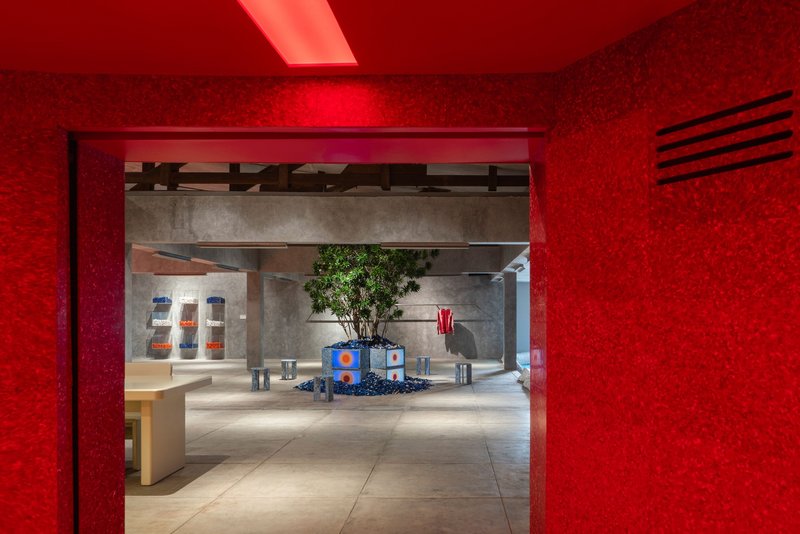
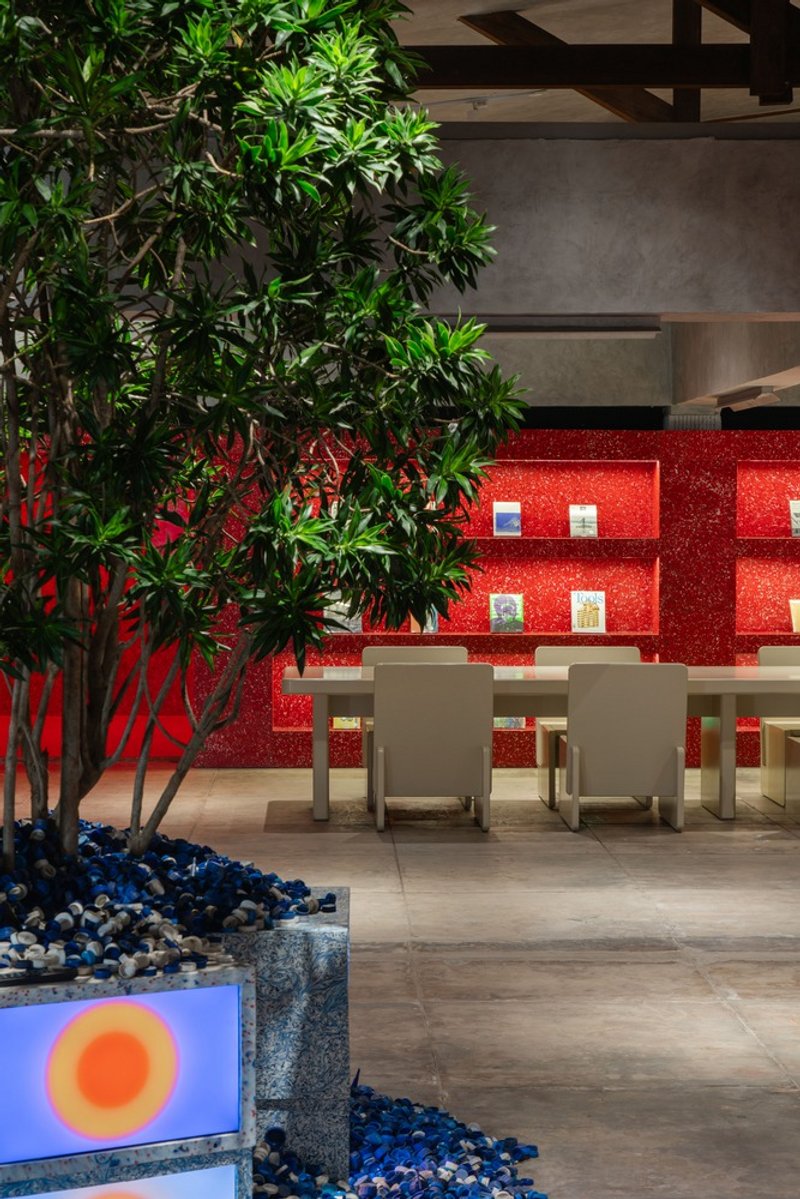
This adaptability transforms the building into a platform for public engagement. Visitors don’t just pass through; they contribute to, co-create with, and learn from the environment.
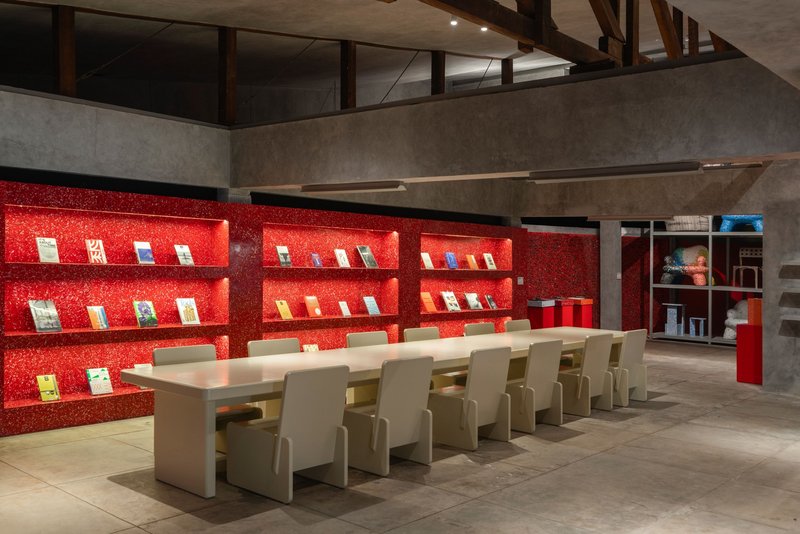
A New Model for Cultural Centers
Through its innovative combination of adaptive reuse, circular economy practices, and wellness-driven programming, this community center disrupts conventions of both architecture and retail. Events, workshops, cultural talks, and educational forums animate the space, ensuring that it remains relevant, dynamic, and rooted in collective well-being.
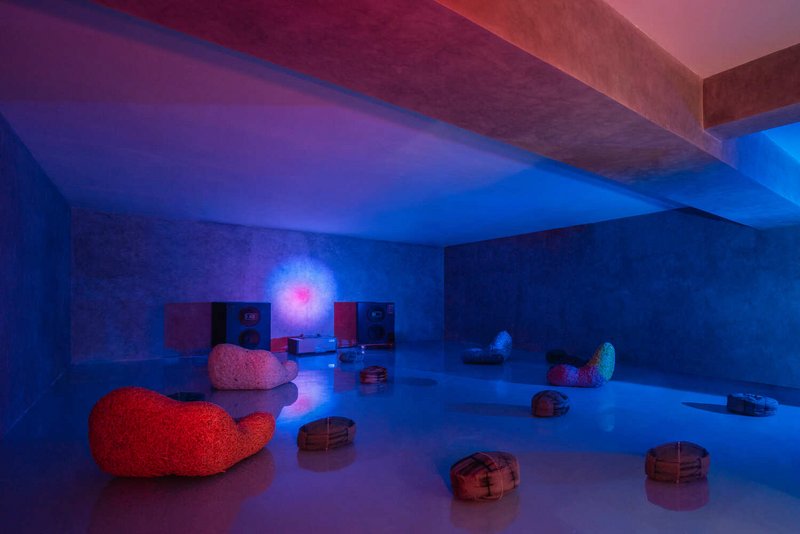
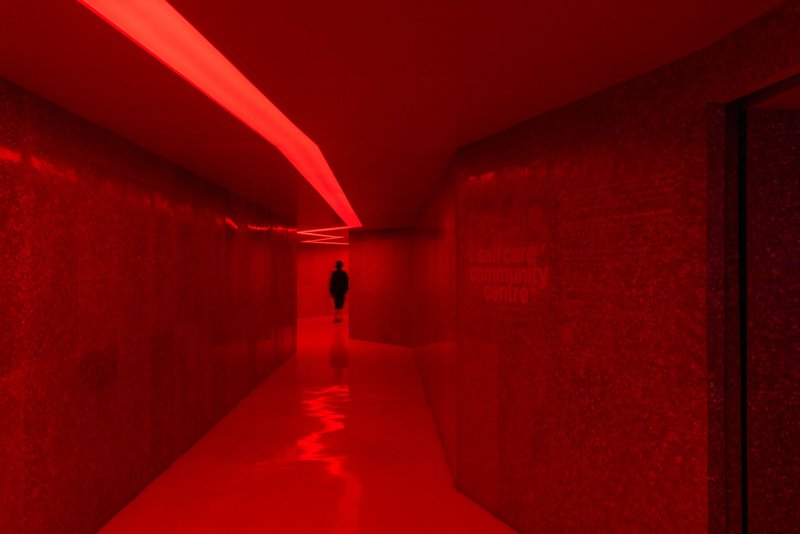
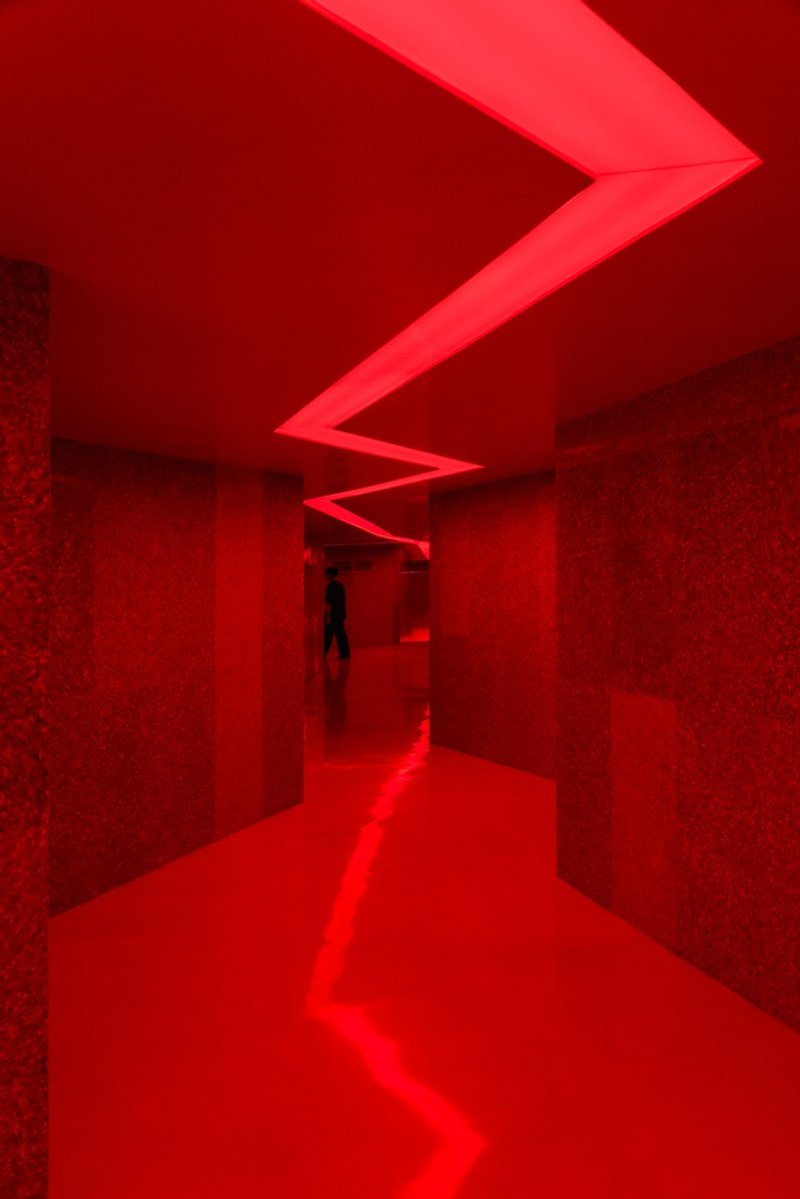
In doing so, Space Available not only revitalized a landmark building but catalyzed the regeneration of the surrounding Kemang neighborhood. The project exemplifies how a cultural center can be more than a destination — it can be an active agent for urban, social, and environmental renewal.
This is adaptive reuse cultural architecture at its most impactful: deeply local, globally aware, and radically human-centered.
All Photographs are works of Ernest Theofilus




Popular Articles
Popular articles from the community

Biophilic Architecture and Regenerative Stadium Design: Biophilia Lagos by Rachel George
A regenerative stadium in Lagos transforms landfill into a living ecosystem through biophilic architecture, waste reuse, and environmental healing.

20 Most Popular Office Building Projects of 2025
From biophilic workspaces in India to net-positive energy offices in New Delhi, 20 office building projects that defined architecture in 2025.

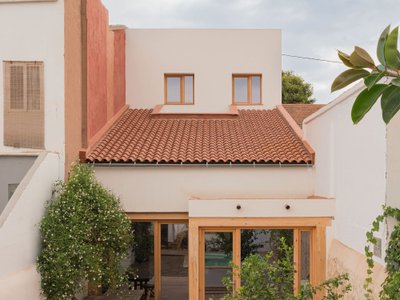
Paco Oria Estudio Rebuilds a 1949 Valencian Town House Around Timber, Terracotta, and a New Interior Patio
In Godella, Spain, a semi-detached house from the postwar era is stripped to its party walls and rebuilt with wood and ceramics.
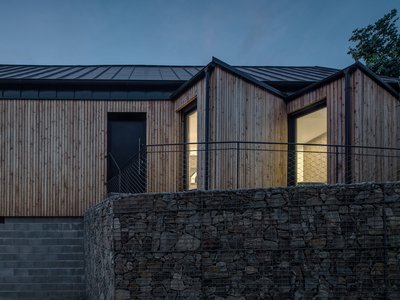
boq architekti Fits a Gabled Family House onto a Tiny Moravian Hillside Plot with No Room for a Garden
A 115 square meter home in South Moravia trades a garden for a rooftop terrace and a fully glazed facade facing the village below.


Similar Reads
You might also enjoy these articles
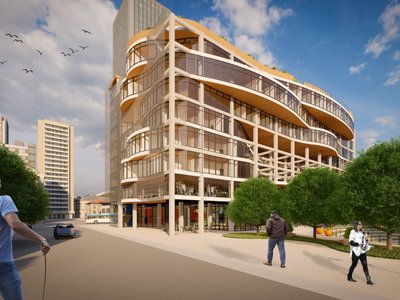
Olio Towers: A Mid-Rise for Performers That Fuses Housing, Rehearsal, and Stage
Located blocks from Houston's Theater District, this modular tower stacks living units around a central performance atrium.
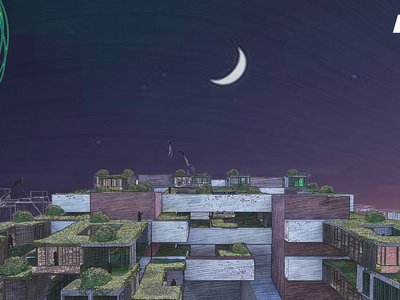
Oasis: Modular Green Housing Carved into Dhaka's Urban Fabric
A shortlisted Plugin Housing entry reclaims unauthorized settlements in Dhaka with stepped concrete volumes, green roofs, and ventilation-driven design.

Black Hole: A Floating Megastructure for the Post-Physical Era
Emiliano Mazzarotto envisions a spherical, self-scaling arena where e-sports, digital hotels, and holographic stadiums replace traditional public space.
Compact & Sustainable Living in Piraeus: A Four-Level Family Home Built Around Light and Air
A narrow townhouse in one of Greece's densest port cities uses a central atrium and passive strategies to house three generations under one roof.


Explore Architecture Competitions
Discover active competitions in this discipline




The International Standard for Design Portfolios


The Global Benchmark for Architecture Dissertation Awards


The Global Benchmark for Graduation Excellence


Challenge to reimagine the Iron Throne
Comments (0)
Please login or sign up to add comments
No comments yet. Be the first to comment!