
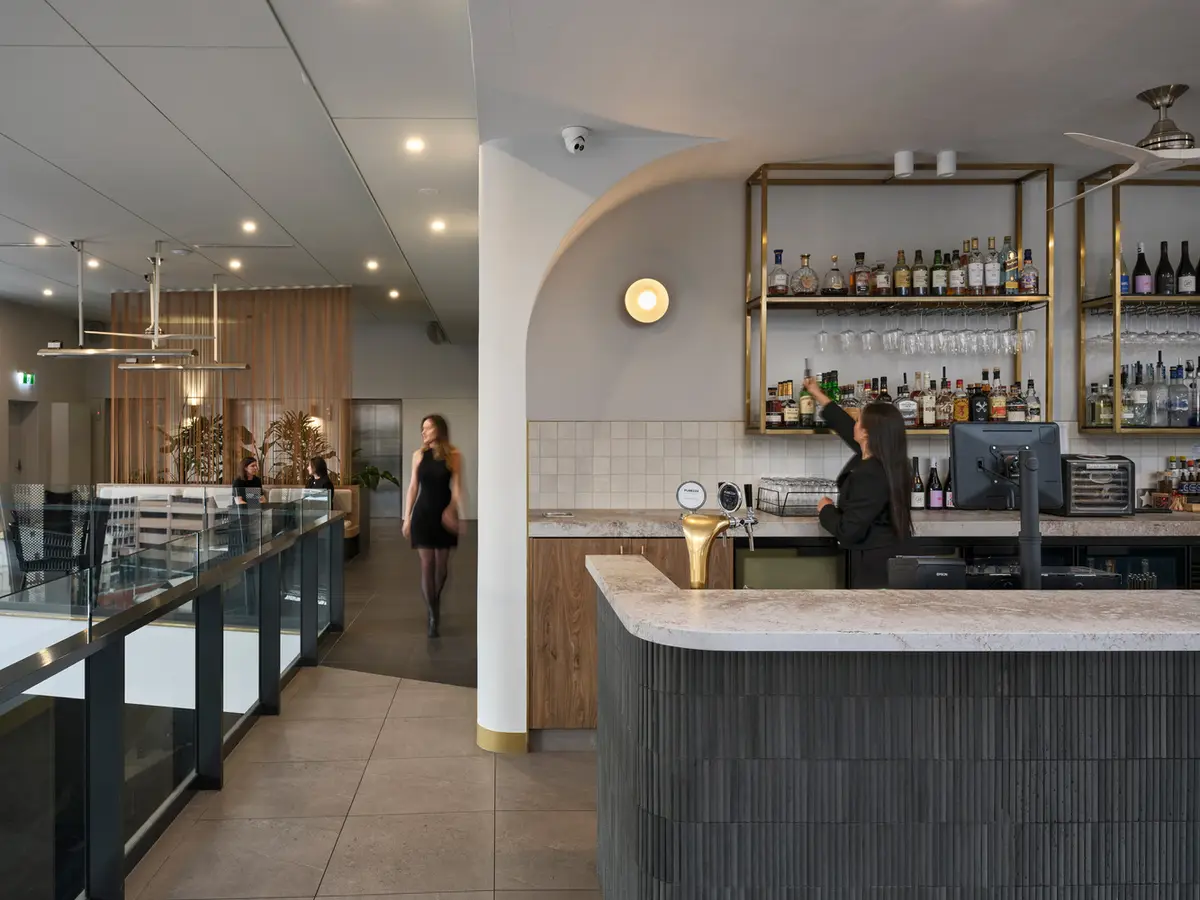
Adaptive Rooftop Architecture: SORA Rooftop Bar & Restaurant by PACT Architects
SORA Rooftop Bar & Restaurant by PACT Architects showcases adaptive rooftop architecture with an operable skin, climate-responsive design, and urban integration.


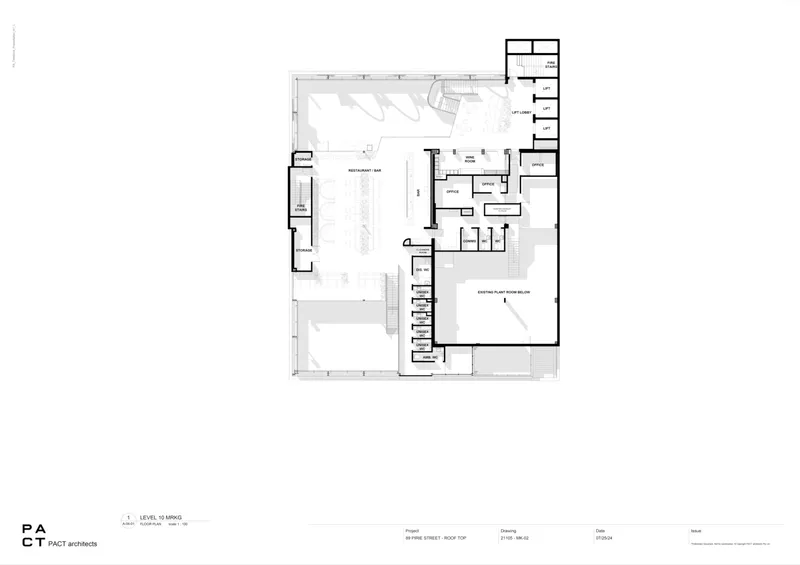
Adaptive rooftop architecture is redefining urban spaces, offering dynamic environments that respond to climate, function, and cityscape aesthetics. SORA Rooftop Bar & Restaurant, designed by PACT Architects, exemplifies this innovation through its operable skin and lightweight structure, creating a seamless relationship between architecture and nature. Located atop an existing office building in Adelaide’s CBD, SORA enhances the urban skyline while maintaining sensitivity to its historic context and functionality as a hospitality destination.
A Contextual Approach to Rooftop Design
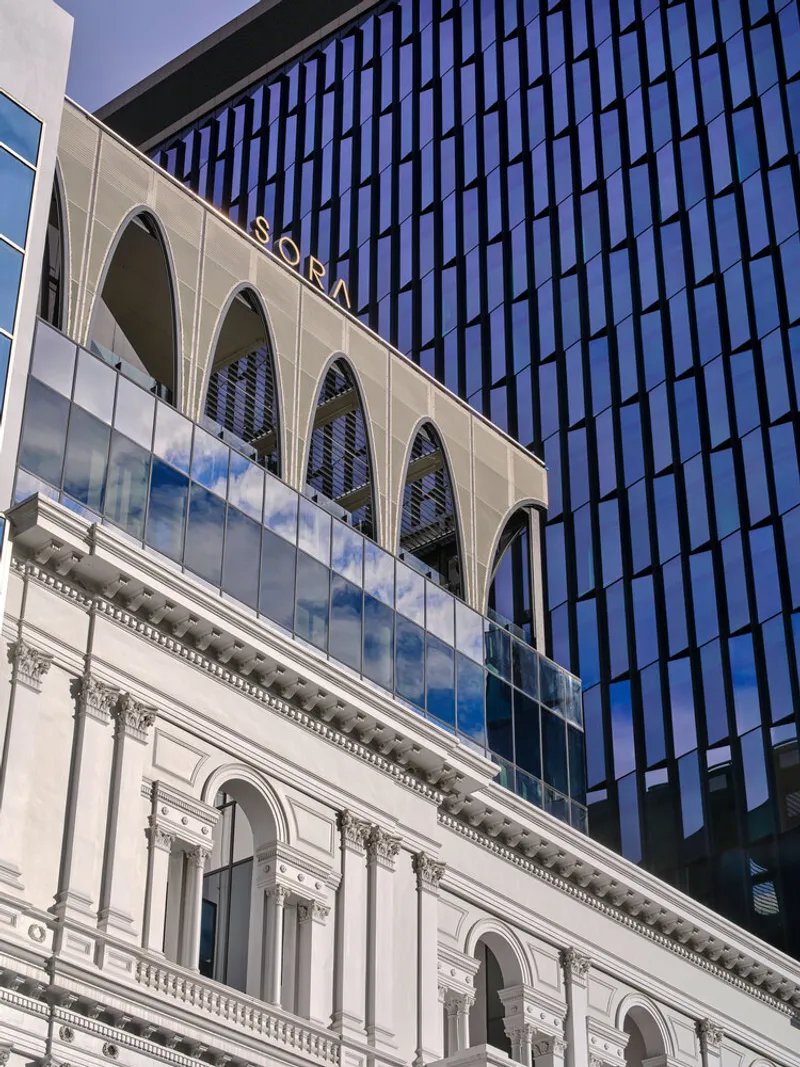
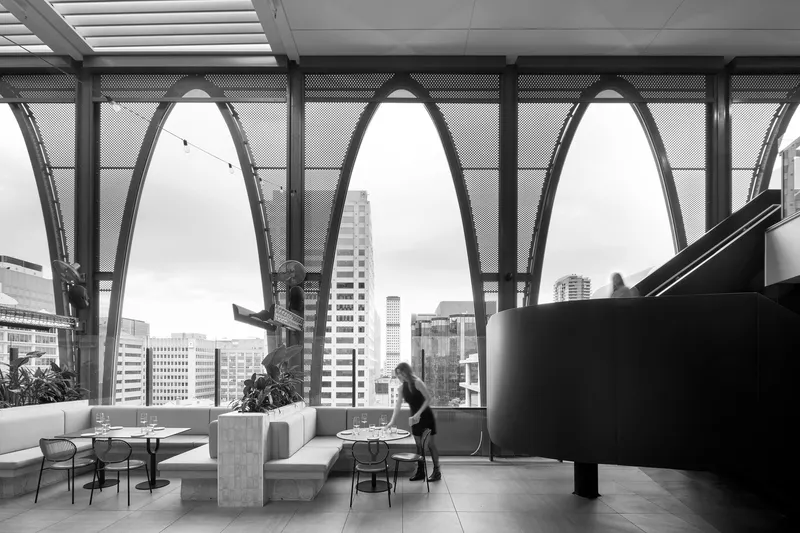
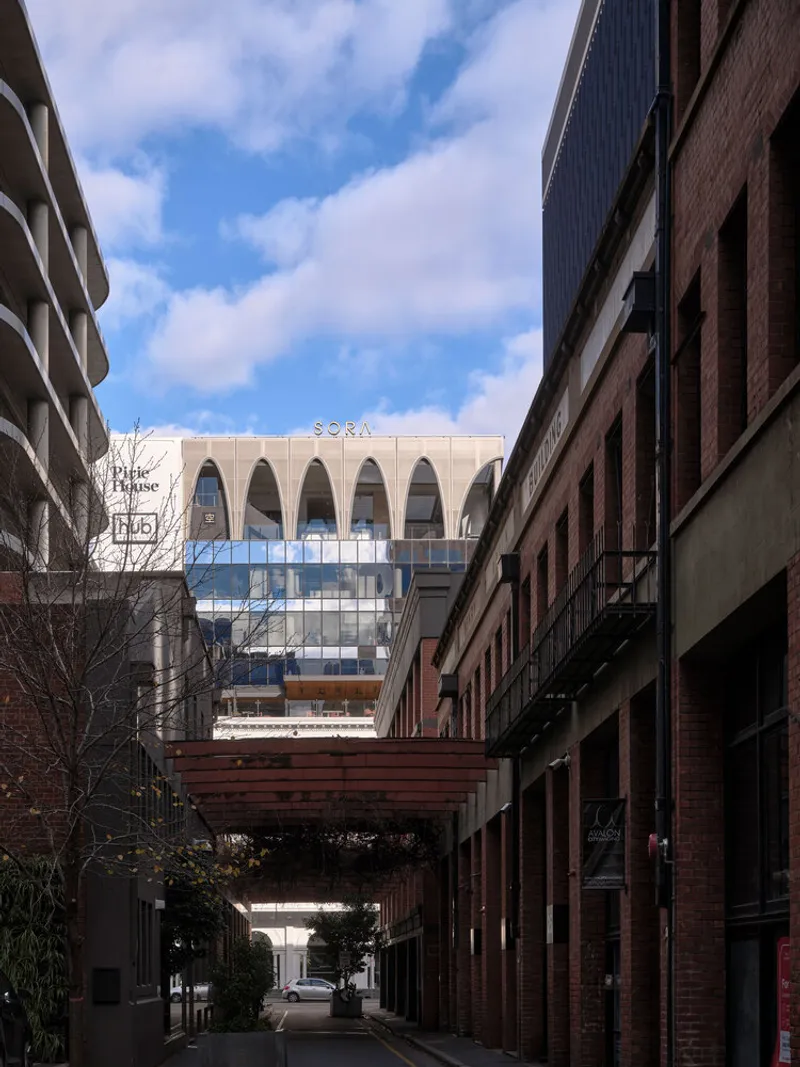
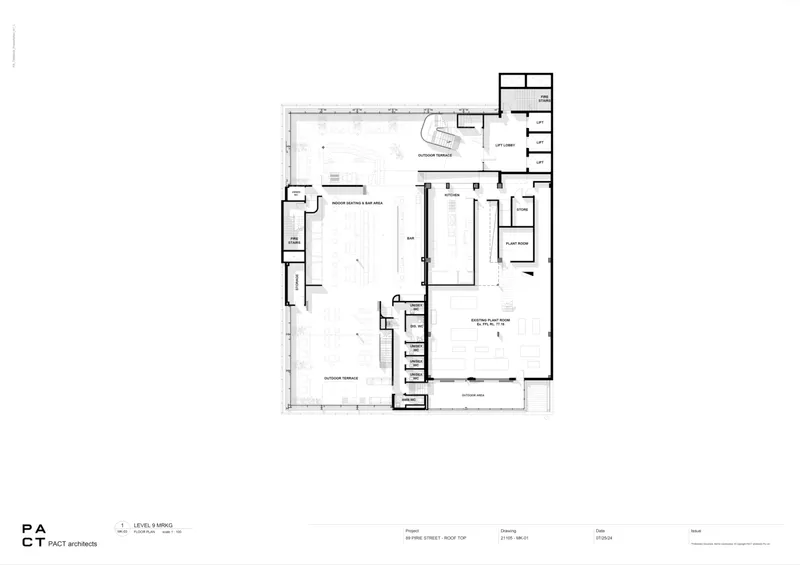
SORA’s location on levels 9 and 10 of an occupied office building presents a unique architectural challenge. Instead of providing sweeping panoramic views, the rooftop space frames carefully curated perspectives of the city, laneways, and surrounding hills. This design choice ensures an intimate connection with the urban environment while respecting the heritage significance of Pirie House, which sits directly below.
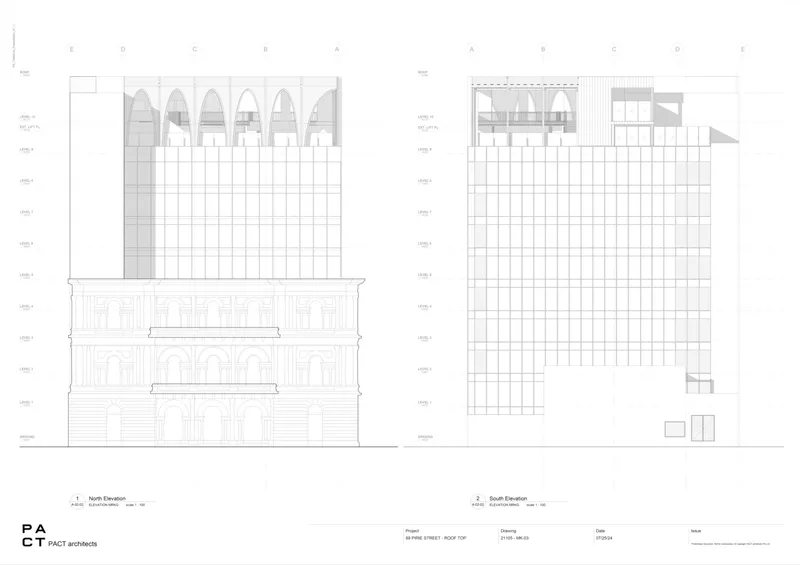
The architectural language of SORA acknowledges the historical context with its modern interpretation of arched forms. Stretched parabolic arches reference Pirie House’s design, creating a visual dialogue between past and present. The result is an architectural landmark that integrates seamlessly into the cityscape while asserting its own contemporary identity.
Operable Design for Climate Adaptability
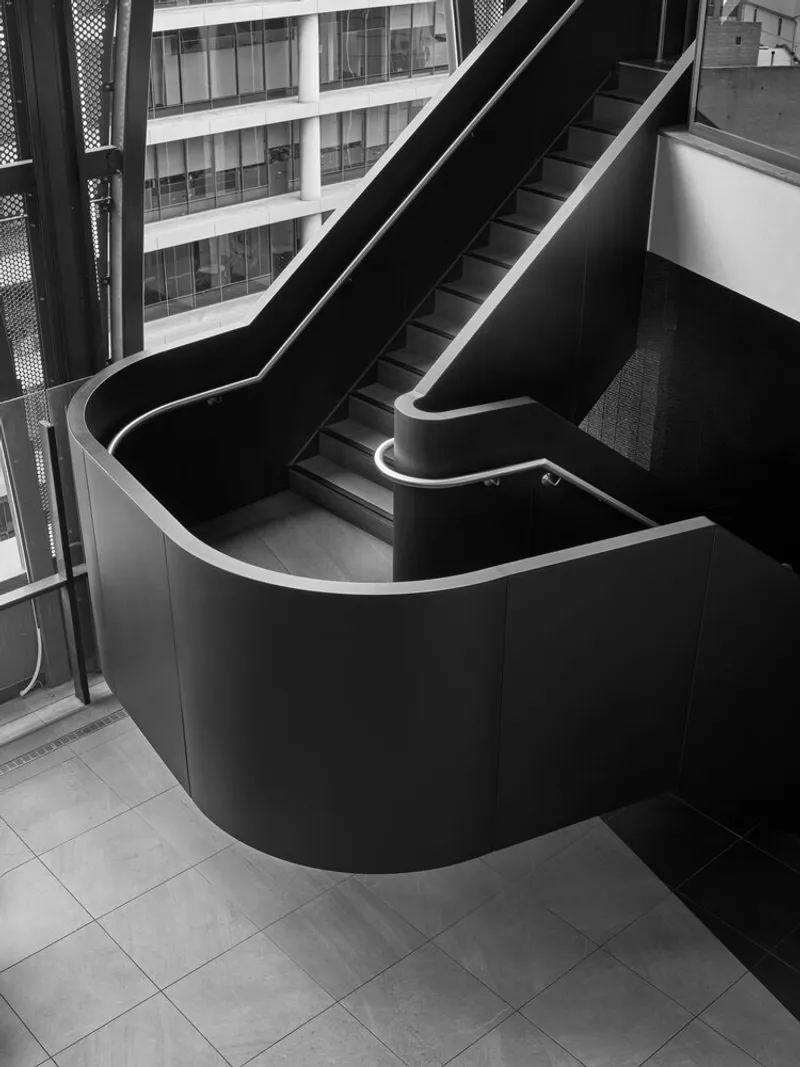
Rooftop environments present challenges due to exposure to the elements, particularly in climates with significant seasonal variations. SORA’s innovative response lies in its operable skin—a façade and roof system that can retract and expand in response to weather conditions. This adaptability allows the space to function optimally year-round, ensuring comfort for patrons while enhancing the building’s environmental performance.
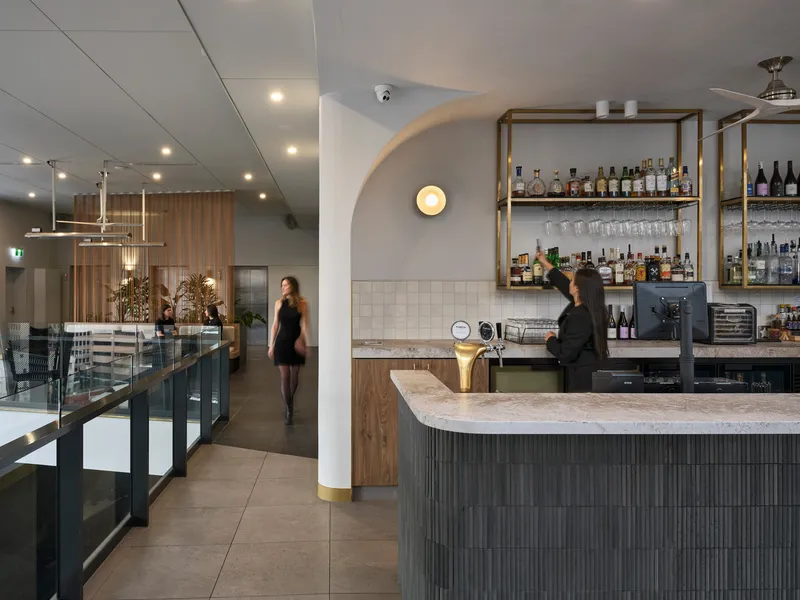
By allowing natural ventilation and adjusting shading as needed, the design reduces the reliance on artificial cooling and heating. This approach aligns with sustainable architecture principles, demonstrating how adaptive rooftop architecture can enhance both functionality and ecological responsibility.
Materiality and Atmosphere
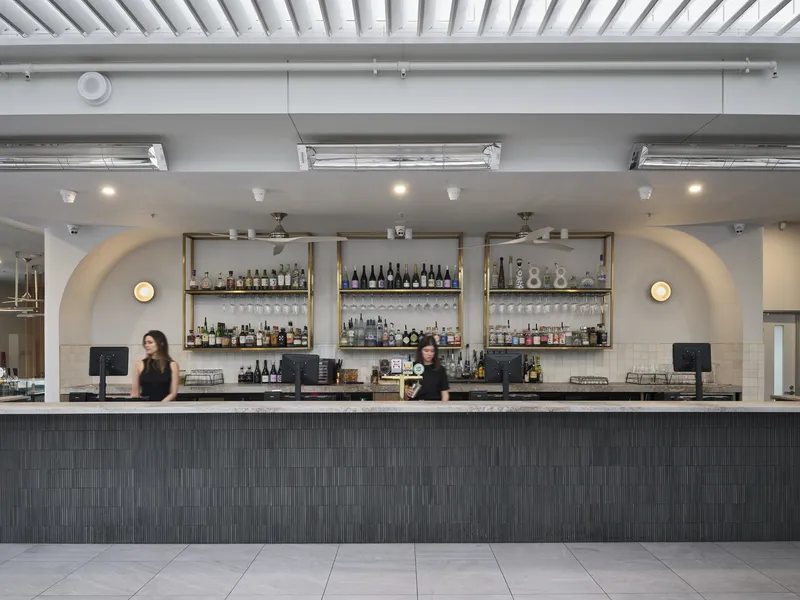
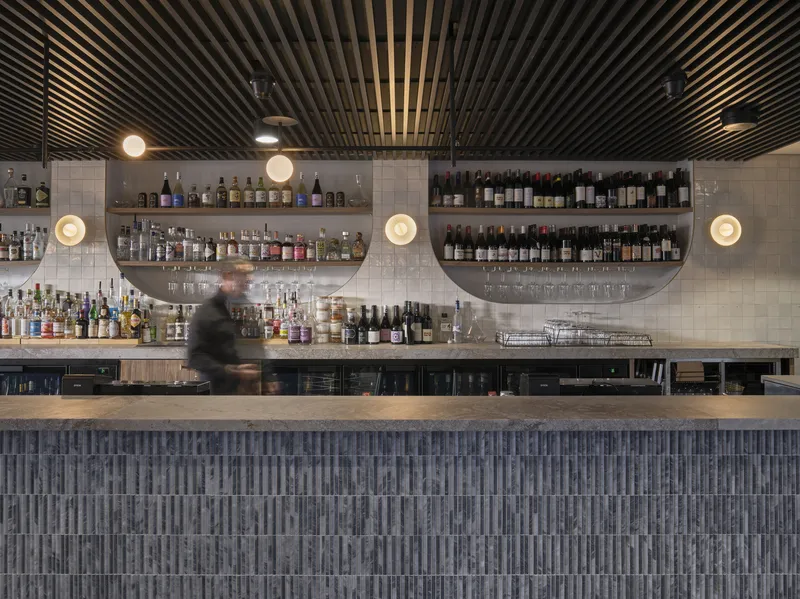
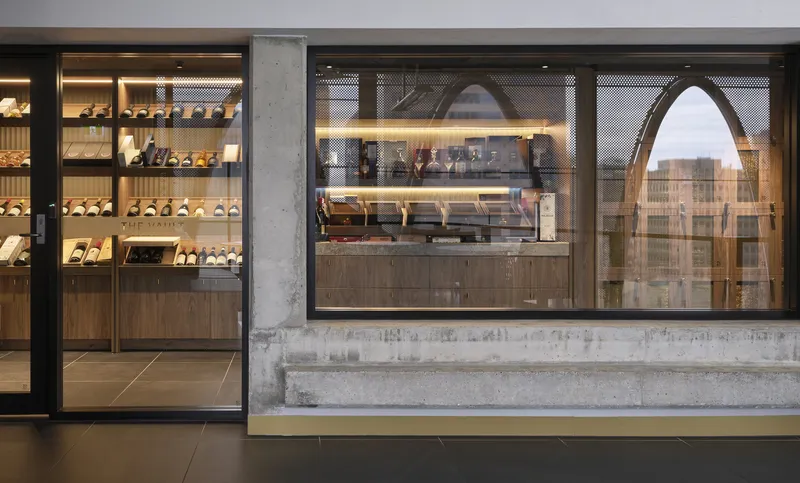
The material choices for SORA are deeply connected to its function as a hospitality venue. The design embraces the raw, tactile qualities of materials that reflect fire-based culinary techniques, the open-air rooftop experience, and the ambition of the client’s vision. These materials contribute to an immersive atmosphere where architecture and gastronomy come together.
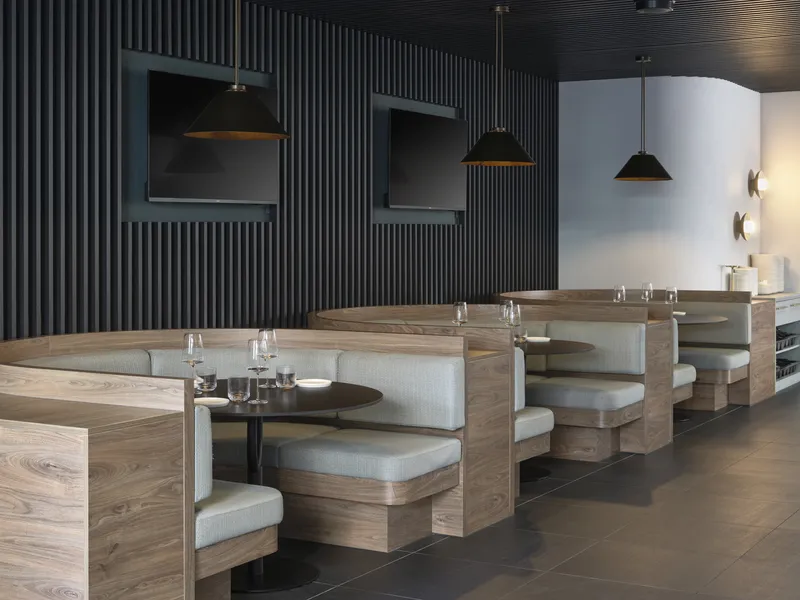
Beyond aesthetics, the selected materials also support the adaptive nature of the space. Durable and weather-resistant elements ensure longevity, while lightweight construction methods allow for structural efficiency without overburdening the existing building. The careful balance of materials reinforces SORA’s role as both a destination and an extension of the city’s evolving urban fabric.
Urban Activation and Branding Through Architecture
SORA is more than just a rooftop venue; it is an architectural statement that reinforces brand identity through design. The project’s integration of adaptive architectural elements and urban positioning ensures that its presence is felt at both the city scale and the intimate, experiential level.
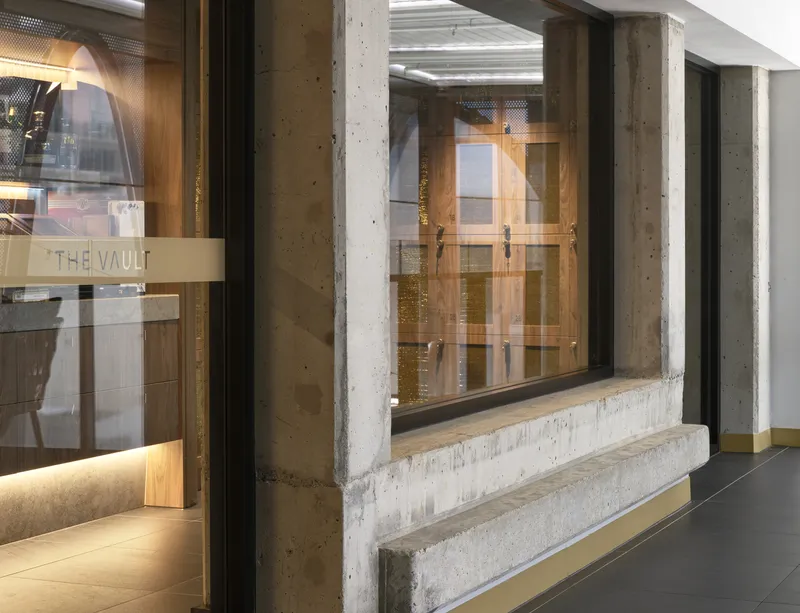
From the moment guests arrive, the venue’s spatial composition amplifies its identity. The transition from the historic entrance of Pirie House to the contemporary rooftop setting enhances the visitor experience, creating a seamless narrative between past and present. This simultaneous architectural expression across multiple scales underscores the importance of design in brand reinforcement, making SORA not only a place to dine but a landmark within Adelaide’s skyline.
A Model for Future Rooftop Architecture
SORA Rooftop Bar & Restaurant exemplifies the potential of adaptive rooftop architecture in urban environments. Through its operable design, contextual sensitivity, and material innovation, it sets a new standard for integrating hospitality spaces into cityscapes. The ability to respond to climate, function, and cultural context makes this project a model for future rooftop developments worldwide.
As cities continue to explore creative ways to utilize rooftop spaces, SORA stands as a benchmark for how adaptive architecture can transform underutilized urban areas into dynamic, engaging, and sustainable destinations.
All Photographs are works of Sam Noonan


Popular Articles
Popular articles from the community


ETEH Reworks the Shared Spaces of São Domingos School in Brazil Around Timber, Color and Hanging Plants
At São Domingos School in Brazil, 436 m² of hall, refectory and library are recast with timber joinery, a yellow and blue code and trailing greenery.

David Ortega Stacks a Two-Story Mexico City Penthouse Around a Steel Stair and a Pergola-Shaded Roof Terrace
In Colonia Roma, a 300 m² penthouse uses oak joinery, a planted steel stair and a slatted roof pergola to make a new-build apartment feel like a house.


The Amber Palace Opera: A Geological Fiction Surfaces on Tallinn's Baltic Waterfront
Pierre Brillard reimagines a Baltic legend as a public landscape, opera house, and waterfront promenade rooted in Tallinn's coastal identity.

LT2A and OPEN Architectes Thread a Brick and Glass High School Through a Wooded Belgian Campus
In Braine-l'Alleud, a 3,000 m² wing for Collège Cardinal Mercier pairs pale brick with a glazed colonnade, deferring to a small chapel and a dense wood.

Similar Reads
You might also enjoy these articles


Hodi-Mandai Geram
Project Function: Preservation and revitalization of the Intangible heritage and socio-spatial identity of the Hodi by Housing, Cultural Memory Center, Sacred Grove, landscape, local tourism economy


Olio Towers: A Mid-Rise for Performers That Fuses Housing, Rehearsal, and Stage
Located blocks from Houston's Theater District, this modular tower stacks living units around a central performance atrium.

Oasis: Modular Green Housing Carved into Dhaka's Urban Fabric
A shortlisted Plugin Housing entry reclaims unauthorized settlements in Dhaka with stepped concrete volumes, green roofs, and ventilation-driven design.

Black Hole: A Floating Megastructure for the Post-Physical Era
Emiliano Mazzarotto envisions a spherical, self-scaling arena where e-sports, digital hotels, and holographic stadiums replace traditional public space.

Explore Rooftop Competitions
Discover active competitions in this discipline

Challenge to reimagine the Iron Throne

Photograph architecture without architects

Illustrate the lost glory of Angkor Wat - Render Challenge

Design challenge to reuse E-waste
Comments (0)
Please login or sign up to add comments
No comments yet. Be the first to comment!