
Aluned HQ: A Benchmark in Circular Architecture for Industrial Buildings
A sustainable industrial headquarters rebuilt after fire, showcasing circular architecture, adaptive reuse, and integrated landscape design by HA-HA Architects.

Rebuilding with Purpose After Disaster
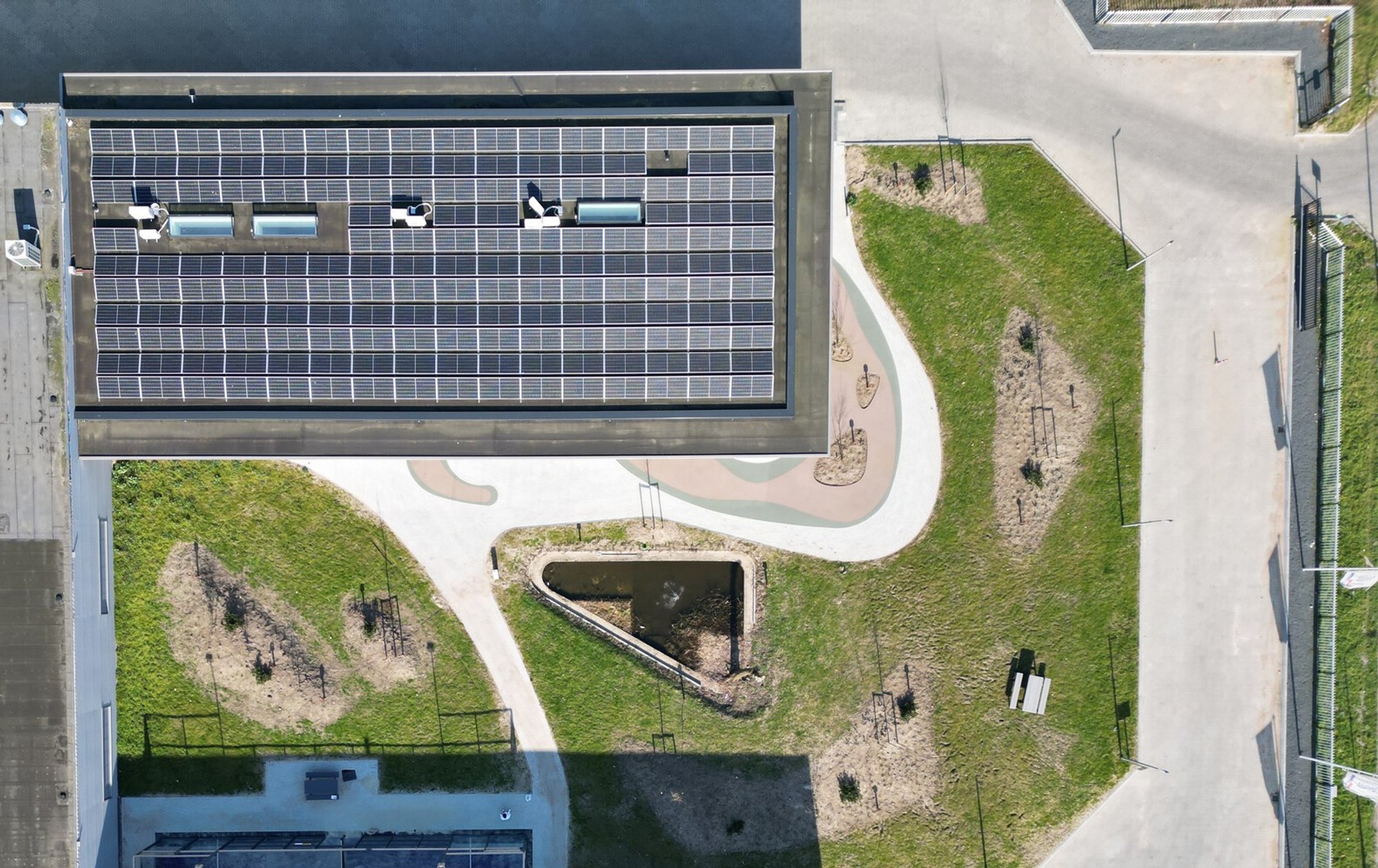
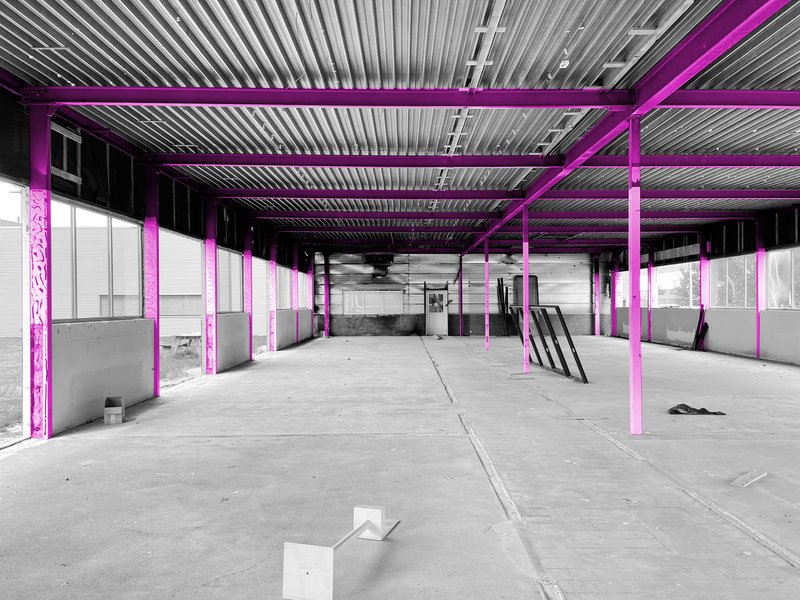
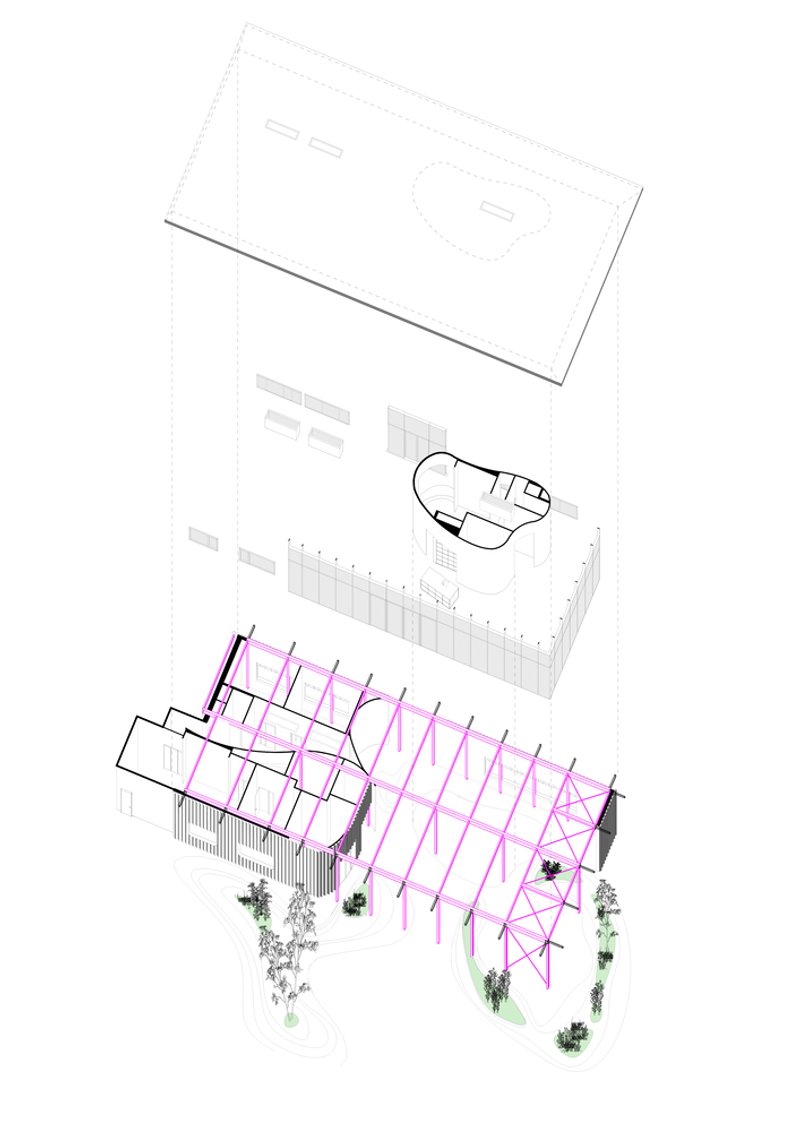
In the wake of a devastating fire in 2021, aluminium manufacturer Aluned faced a pivotal decision — whether to rebuild from scratch or embrace the challenge of sustainable reconstruction. Guided by the Rotterdam-based practice HA-HA Design & Development, the team chose a future-oriented path: one rooted in circular architecture. Instead of razing the site, they preserved the existing steel structure and foundation, using it as a launching point to reimagine what an industrial headquarters could become. The result is a 800-square-meter facility in Zwijndrecht, The Netherlands, that marries industrial functionality with environmental sensitivity and architectural clarity.
Integrating Landscape, Architecture, and Industrial Heritage
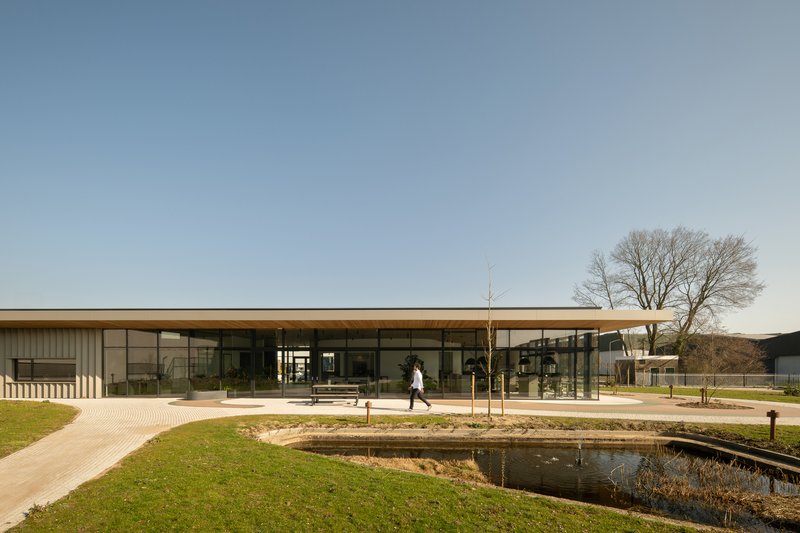
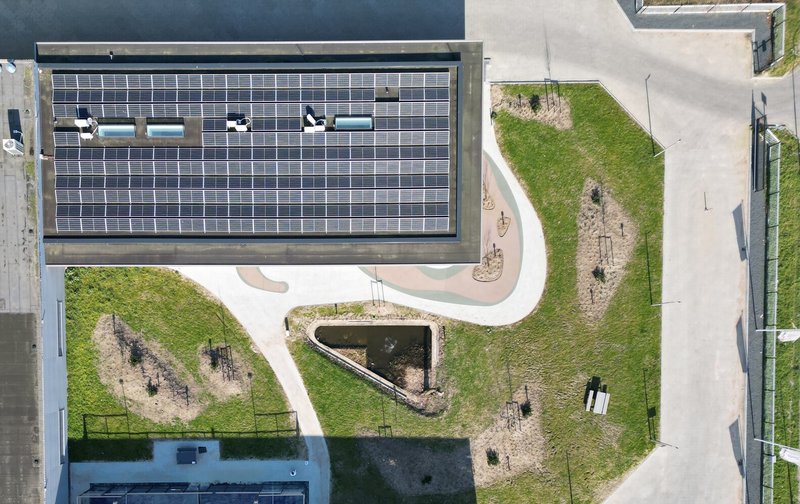
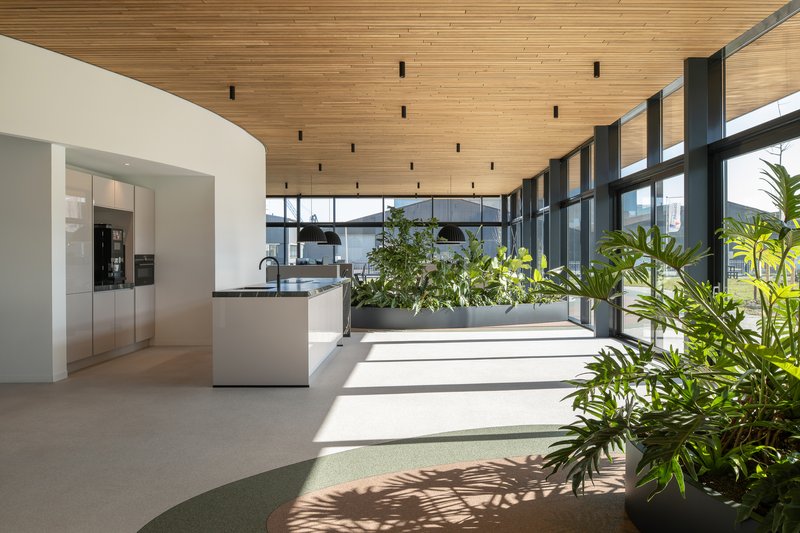
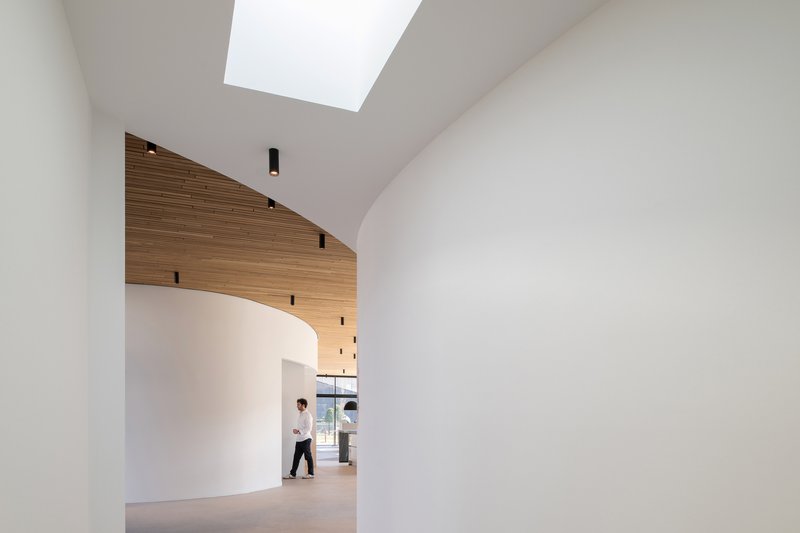
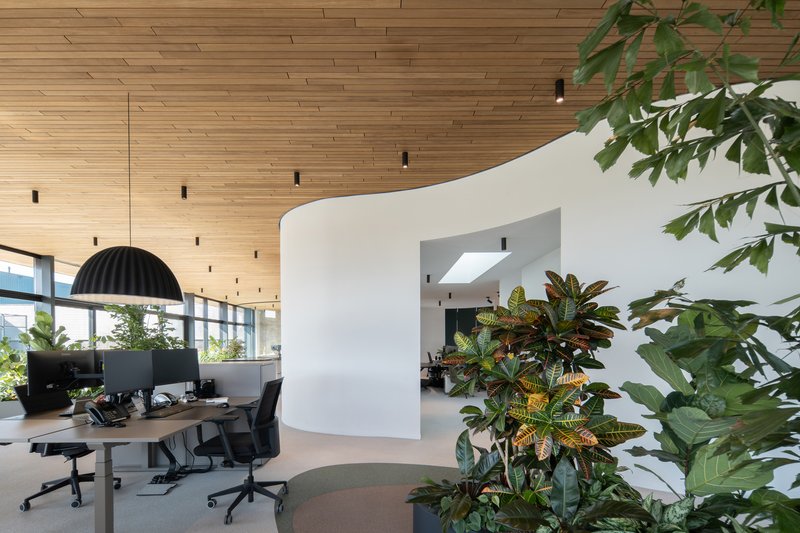
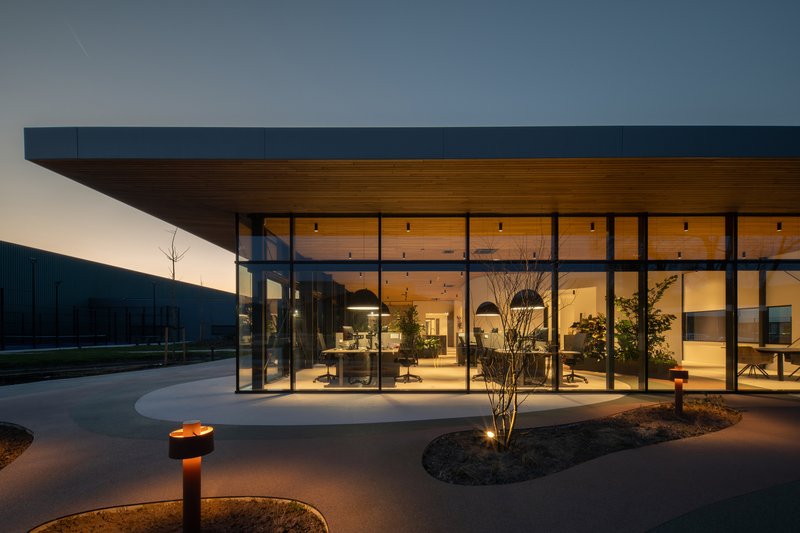
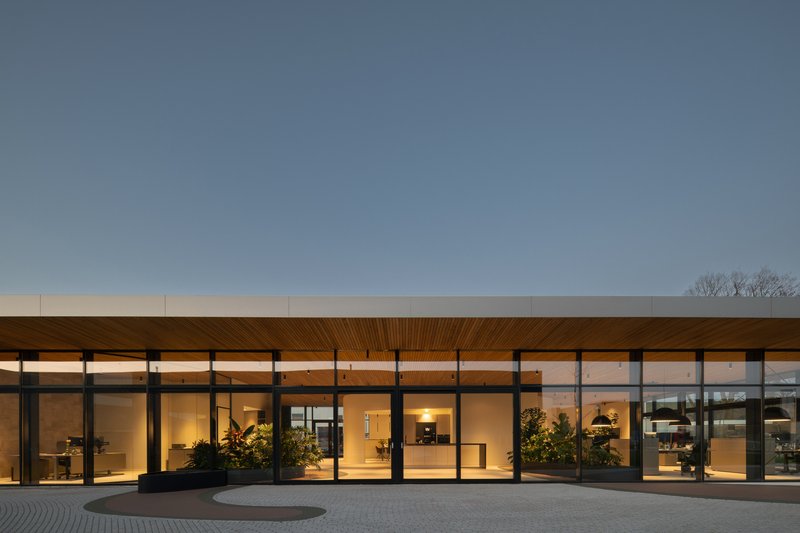
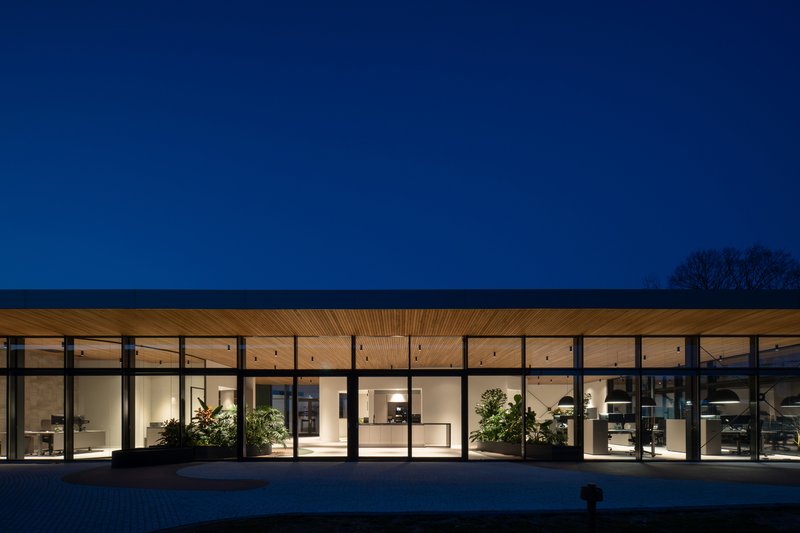
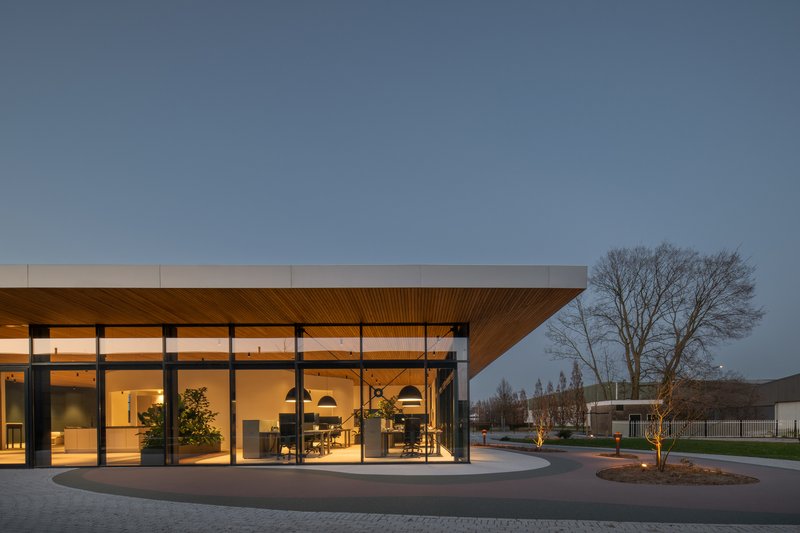
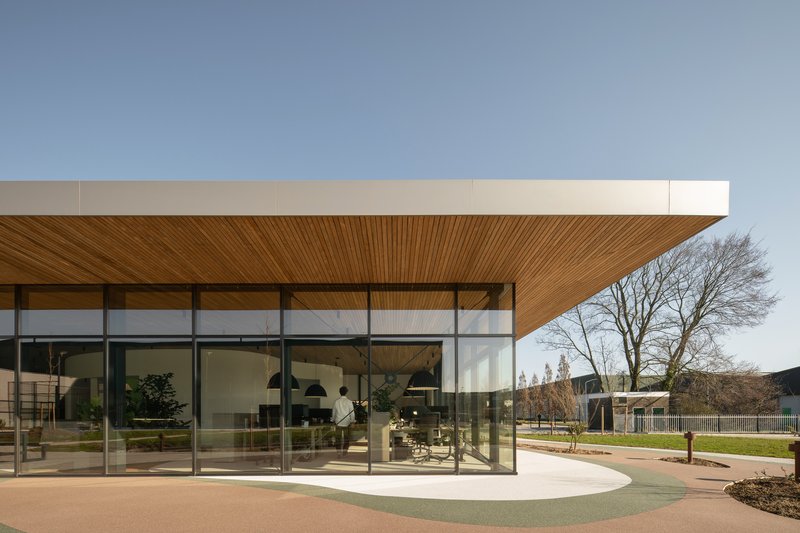
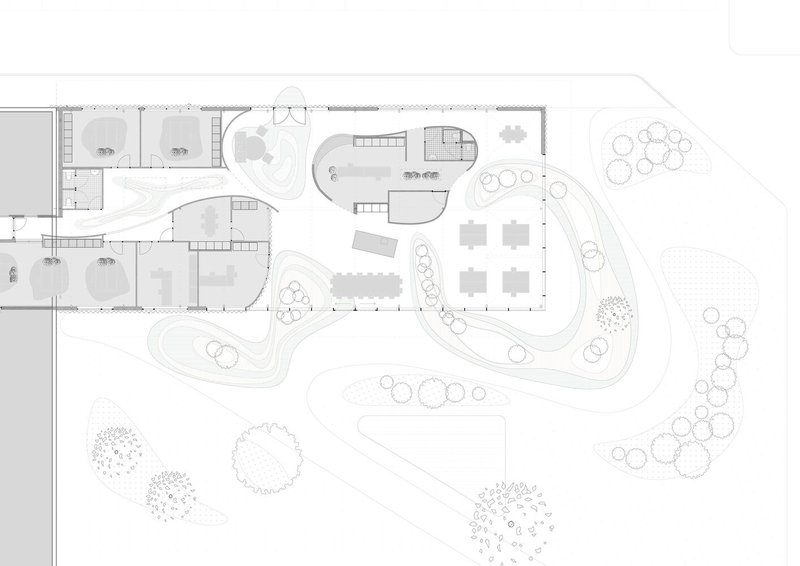
HA-HA's design vision is deeply holistic. Rather than treating the landscape, urban fabric, architecture, and interior as separate layers, they formed a continuous, interconnected system. Three industrial halls now encircle a central green courtyard with a pond — a lush interruption in an otherwise paved industrial terrain. Transparent façades, flowing plant beds, and soft organic shapes create blurred thresholds between inside and out. The retained steel skeleton is not hidden; instead, it has been carefully woven into the new spatial configuration, enabling flexibility in layout while honoring the past.
Circular Architecture and Material Innovation
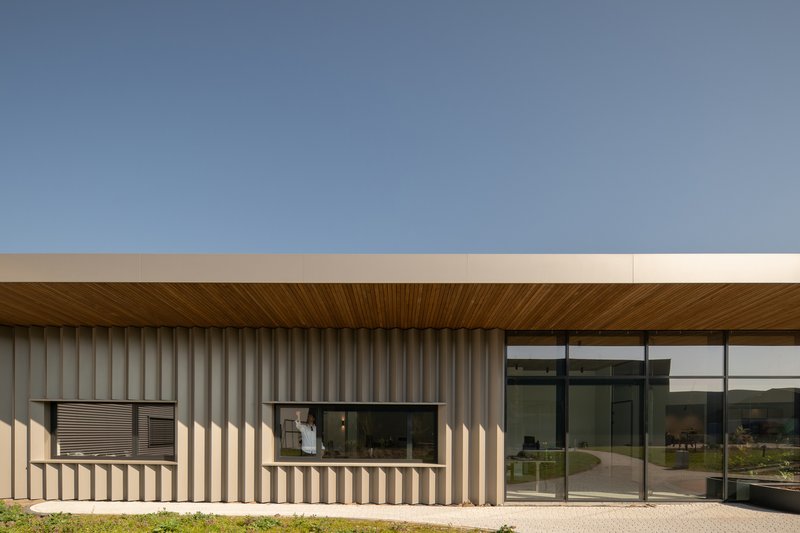
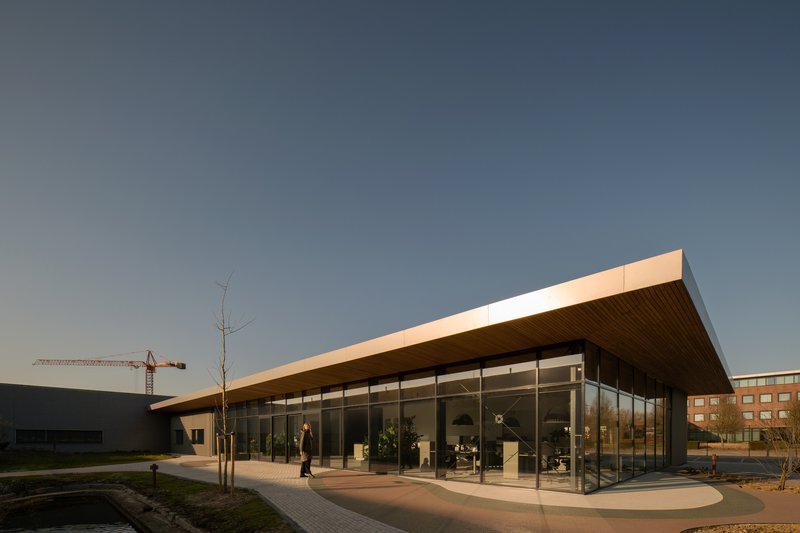
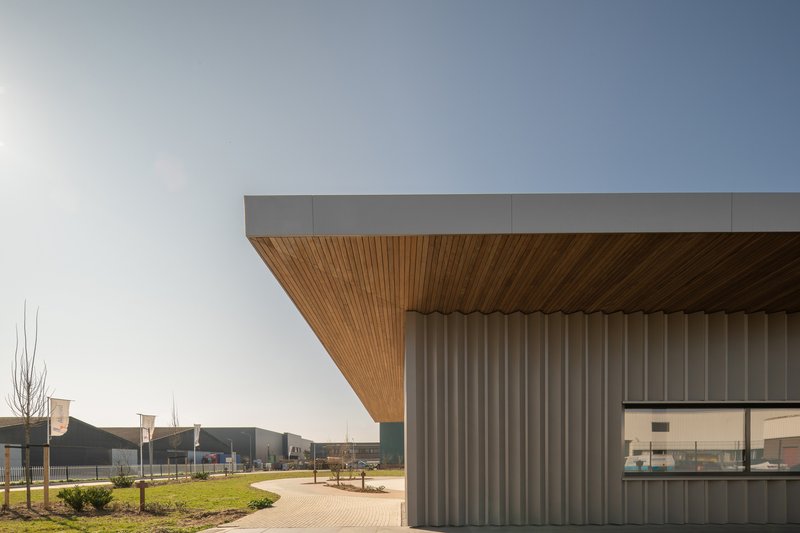
Central to this project is the principle of radical reuse. By conserving the original structural frame, the carbon impact of the new headquarters was significantly reduced. New interventions — including lightweight aluminium canopies with thermal breaks — were designed to be energy-efficient without sacrificing openness. Aluned’s expertise is visibly embedded in the building’s skin: the aluminium façade elements were fabricated by the company itself, becoming both architectural statement and functional showcase.
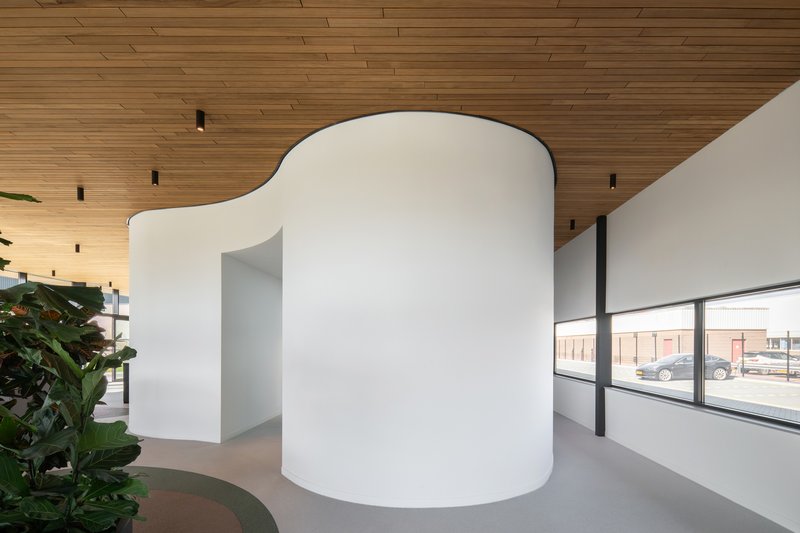
Materials were deliberately chosen for their sustainable credentials. Prefabricated biobased timber-frame panels filled with cellulose insulation ensure thermal performance. Interior surfaces combine wood, plaster, and glass to maintain a light and breathable environment throughout.
Passive Performance and Fast-Track Delivery
Sustainability strategies extend beyond structure and materials. Passive solar protection, including the aluminium overhangs, helps manage heat gain naturally. Integrated solar panels further reduce operational energy demands. All of this was achieved within a 19-month timeline from concept to completion, made possible through a streamlined design-build collaboration with local partners. The speed and efficiency of execution demonstrate that sustainable building doesn't have to come at the cost of time or innovation.
A Future-Proof Model for Industrial Workplaces
Aluned HQ sets a new precedent for circular architecture in industrial buildings. Its spatial generosity, integration with nature, and low-carbon strategies make it a resilient, healthy environment for modern work. The project challenges outdated models of industrial building as purely functional shells. Instead, it points toward a regenerative future where manufacturing, design, and sustainability co-exist harmoniously — without compromise.
All Photographs are works of Aiste Rakauskaite



Popular Articles
Popular articles from the community

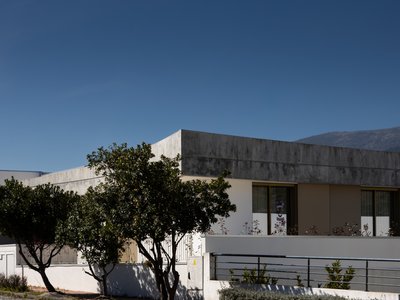
PLATAFORMArq Folds a Concrete Roof Over the Portuguese Mountains in House #474
A 220-square-meter residence in Teixoso, Portugal, wraps board-formed concrete into an angular canopy that frames the Serra da Estrela foothills.
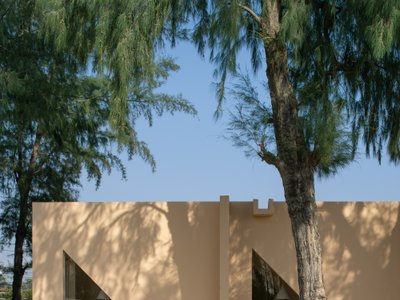
Pinto Builds a Faceless Pavilion Beneath Casuarina Trees on Thailand's Rayong Coast
SON Restaurant refuses a front door or a back wall, treating all four facades equally in a 260-square-meter brick and stucco grid.
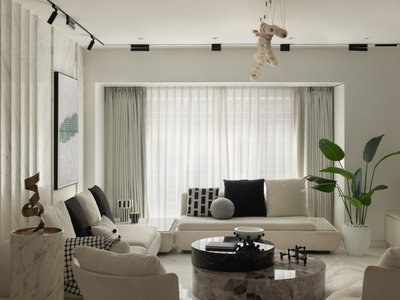
Inside a Timeless Mumbai Residence by Aether Studio
Aether Studio's 2,250 sq ft apartment in Malad, Mumbai uses marble, brass, boucle, and disciplined restraint to build a quiet retreat from the city.
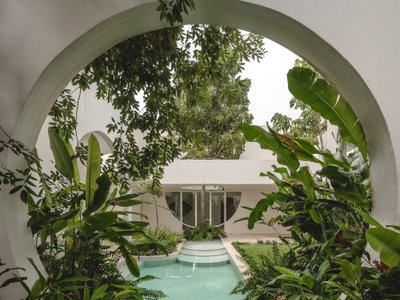
Etea and Ghostframe Carve a Surreal Domestic World from Arches and Circles in Mérida
Casa Eclipse wraps 385 square meters of sculptural living space around a lush courtyard pool in Mexico's Yucatán Peninsula.


Similar Reads
You might also enjoy these articles

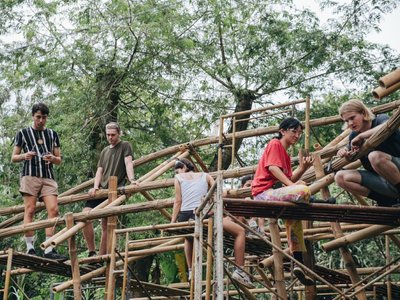
Bamboo Housing Challenge 2026: Design Affordable, Sustainable Homes Using Bamboo
An international design competition by Bamboo U and IBUKU inviting architects and designers to reimagine affordable housing using bamboo — with the winning design built full-scale in Bali.
Computational Design & Education: Beegraphy Design Awards Introduces 7th Category (Featuring Jiyun's Innovative Approach)
Dive into Beegraphy’s 7th Design Awards category, where computational design meets education to create immersive, interactive learning tools, inspired by Jiyun’s work.
From Parametric Lighting to Urban Furniture: Join the 2nd Workshop in Beegraphy’s Computational Design Series
Dive into Cutting-Edge Design Techniques and Practical Applications with Industry Experts

Introducing Sphere by UNI: Pioneering a New Era in AEC Industry
Unlocking Global Potential with BIM and Agile Management

Explore Architecture Competitions
Discover active competitions in this discipline




The International Standard for Design Portfolios


The Global Benchmark for Architecture Dissertation Awards


The Global Benchmark for Graduation Excellence


Challenge to reimagine the Iron Throne
Comments (0)
Please login or sign up to add comments
No comments yet. Be the first to comment!