
ANIMAL ENERGY FARM
Right-Live-Stock

Animal farms around the world often suffer from many problems. Usually, the problems relate to the conditions of their life. Enclosing a large number of animals in a small space causes stress and suffering. The type of floor and housing in which animals have housed cause discomfort and problems with the bones. There is no fresh air, adequate ventilation system and proper sunlight inside the building. The stalls where animals are kept are very tight, and access to them is very difficult. As well as unsuitable food. Indirect problems that also affect the quality of animal life on farms are, among others, financial and economic aspects. Buildings are constructed with inadequate construction from cheap materials that do not guarantee a long service life. They contribute to the rapid destruction and deterioration of their quality. Depending on the location, buildings may be wrong insulated and may overheat. It all affects the animals in them.
These are the main problems that livestock all over the world have to deal with. So, the task of architects is to properly design farms so that animals can live better. Buildings should be characterized by appropriate, friendly, ecological materials, self-sufficiency, the use of modern technologies and renewable energy sources, practicality and pragmatism, economy, comfort and the best quality.
ANIMAL ENERGY FARM
It’s a conceptual project of a farm intended for livestock. The main goal of the project was to ensure the proper quality of animal life, as well as to design a self-sufficient farm.
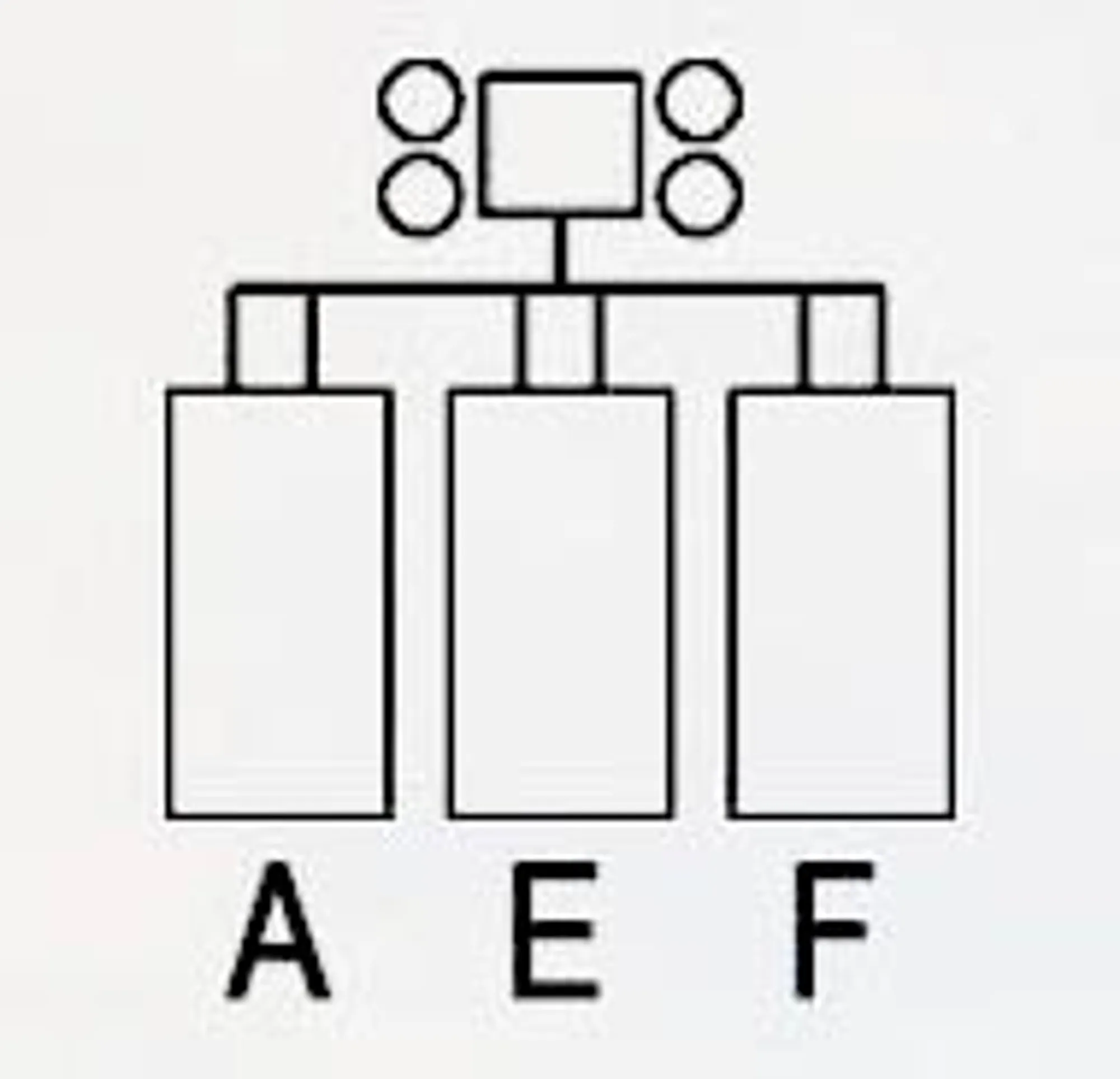
The farm is designed on a square plan with sides equal to 60 x 60 m, an area of 3600 m2. A longitudinal layout characterizes the plan. There are three farm buildings. Buildings are oriented exactly according to the directions of the world. The wind was also a key factor in the design of the project. The farm is oriented to open to the south side and, that the wind-assisted the ventilation process.
The buildings are designed for 48 cows, 56 goats and 90 chickens. Designed on a rectangular plan. The buildings for goats and cows are characterized by a central communication corridor for easy transport of food. Animal stands are located on the sides. They are characterized by larger than standard dimensions and a soft, rubber surface, which increases the comfort of moving and resting animals. These are special rubber puzzles designed for farm animals that are impervious to water. Next to the stands, there is also a drainage channel for animal sewage. It is enclosed at the top with an openwork, movable grille, thanks to the sewage easily going to sewer. The stands are also equipped with an irrigation system. The pipe system transports rainwater from the roof and, collects it in retention tanks, and then directs it inside the building. The collected water can be used for cleaning stands, sewers, washing animals, as well as providing for animals. Another characteristic feature is two systems of ventilation and airing the buildings. One system uses ground-air heat exchangers, which, depending on the location and period of use, can ventilate and additionally either heat or cool the building. The second system is for rapid, mechanical refreshing. The buildings are also characterized by natural lighting only from the south and south-west side. Depending on the location of the farm, efforts were made to catch the sun's rays as effectively as possible from the side that guarantees the greatest economic benefits. On the other hand, there were attempts to shield buildings from cooling down or overheating. In addition, each of the window openings has toughened glass with roller shutters that block or allow sunlight.
The middle building is designed for 90 chickens. Chickens are located in larger than standard boxes, which increases their comfort. The building is also equipped with a rainwater irrigation system and a ventilation system using a ground-air heat exchanger. The second part of the building is a garage. The garage is spacious enough to accommodate the basic equipment necessary for every farm. This includes tractors, trailers and tanks.
All buildings are made of a light, wooden, frame structure. It is an ecological, aesthetic and friendly material that can be recycled and also easy to install. The supporting structure is additionally reinforced with steel fasteners, which increase the load-bearing capacity of structural systems. It’s also a material with better strength parameters that can be recyclable.
The farm was also designed with the highest possible for energy profits from the production of renewable energy. The whole farm is self-sufficient. Each of the buildings is equipped with an underground channels for animals sewage. Sewage going straight to the septic tank. Later there are pumping into the anaerobic fermentation tank, and in the next stages, it is converted into energy from biogas. The biogas reactor produces treated sewage and water that can be used to irrigate the fields. The reactor also produces biogas, and in the next stage it drives mechanical motors that generate electricity. The energy is stored in an electric generator and then used to power the entire farm. Another renewable energy system is photovoltaic cell farms designed on roofs of every buildings. The slope of the building roofs is 30 degrees. It’s one of the most favorable angles for catching the sun's rays. Gold-colored panels emphasize the aesthetic value of the farm. The dominant external surface is concrete, openwork cubes filled with grass, which also reduce the effect of overheating. They are aesthetic and strong enough to drive a tractor.
The farm was designed for a noble purpose. To improve the quality of animal’s life. Based on keywords such as comfort, ecology, but also practicality and self-sufficiency. The project presents a universal farm that could work in any region of the world.



Popular Articles
Popular articles from the community


Riyadh For All: Intergenerational Urban Design for Active Aging in Rabat
Riyadh For All reimagines urban design in Rabat with intergenerational co-living, adaptive courtyards, and Moroccan cultural exchange today.

Co-Life: Senior Housing Design That Reconnects Older Adults With the City
Co-Life reimagines senior housing design through healing gardens, shared streets, workshops, and a sustainable community across generations.

Hill & Cross Opera: Sculptural Opera House Architecture Shaped by Tallinn’s Landscape and Identity
Hill & Cross Opera reimagines opera house architecture in Tallinn through its sculptural hill, civic plaza, glass wave and a luminous cross.

The Ocean Hive: Sustainable Architecture for a Self-Sufficient Civilization at Sea
The Ocean Hive imagines sustainable architecture at sea, where modular habitats, algae, wave power and ocean waste sustain a growing colony.
Similar Reads
You might also enjoy these articles

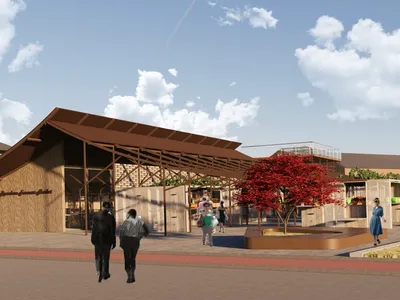
The Rhythm of Seasons
A Farmers' Market Connecting Nature and the City

More Than a Building-Designing a Living System
More Than a Building-Designing a Living System
Base Beyond
DESERT COMPOUND ARID: TOURISM OF ABSENCE AND ABUNDANCE


Explore Sustainable Farm Competitions
Discover active competitions in this discipline




Challenge to reimagine the Iron Throne


Photograph architecture without architects


Illustrate the lost glory of Angkor Wat - Render Challenge


Design challenge to reuse E-waste
Comments (0)
Please login or sign up to add comments
No comments yet. Be the first to comment!