
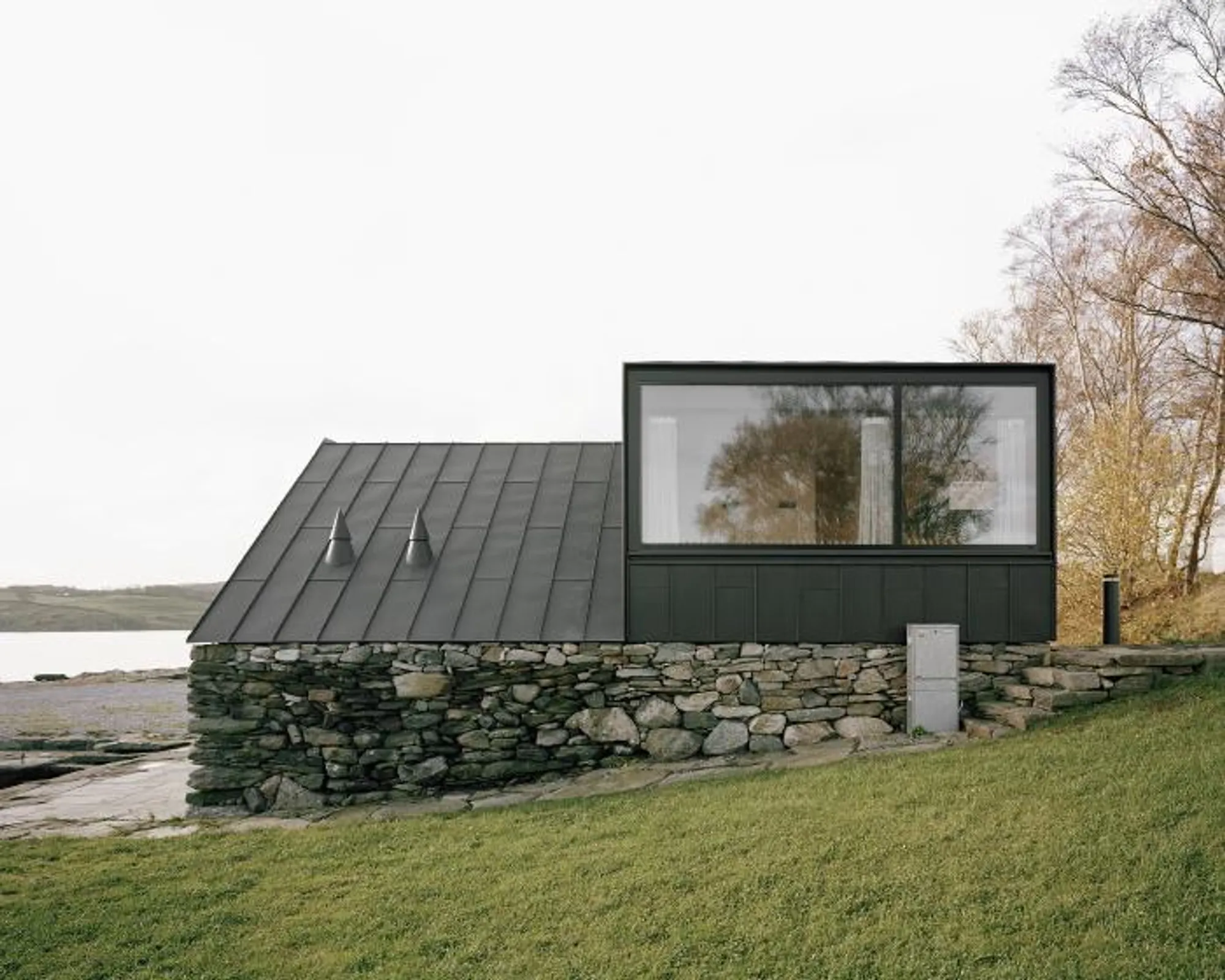
Architectural Wonder by Espen Surnevik: The Enchanting Boat House!
Is Espen Surnevik's Boat House Redefining Coastal Architecture?


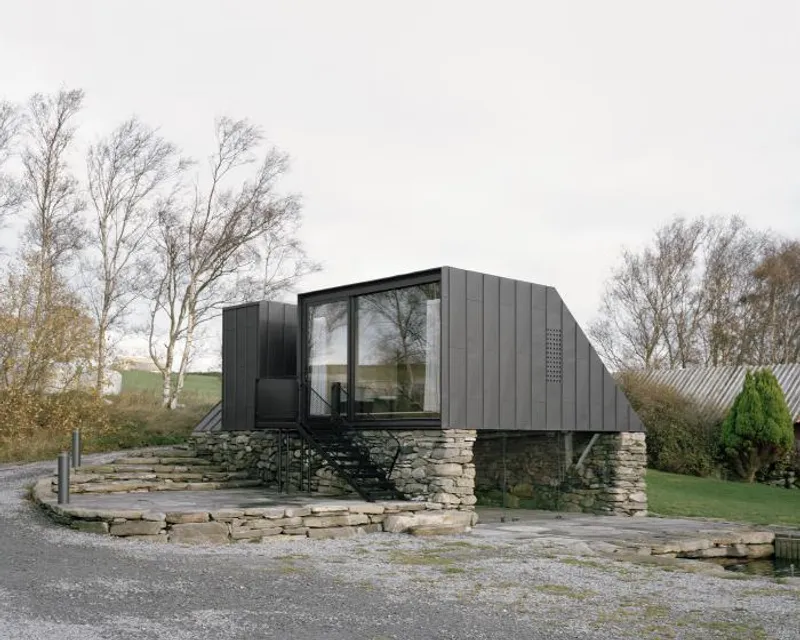
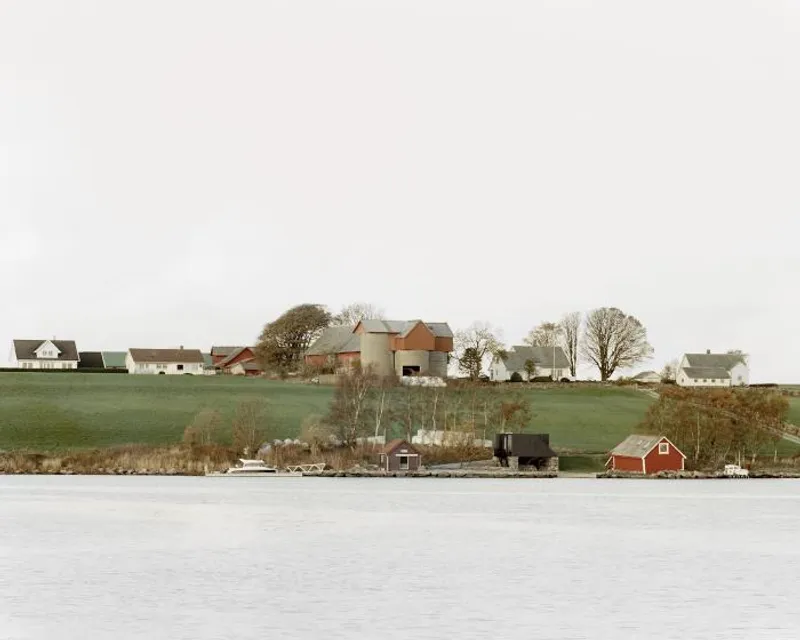
In the picturesque Norwegian coastal region, where land and sea intertwine, a distinctive form of architecture has evolved over millennia. Among the notable structures, the 'Naust' or boat house stands as an emblem of the coastal culture - a symbol of livelihood, trade, and cultural exchange. Espen Surnevik, a visionary architect, embarked on a remarkable journey of restoring and reimagining one such historic boat house, bridging the gap between tradition and modernity.
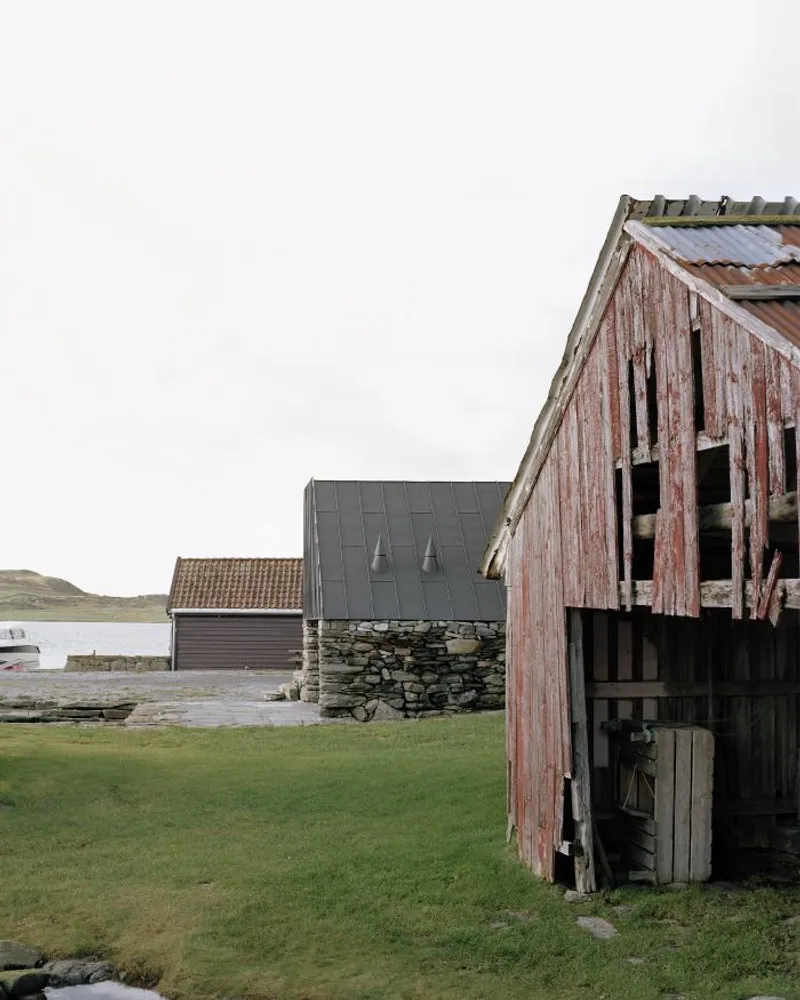
The challenge was both inspiring and daunting - to revive a decaying two-hundred-year-old boathouse and transform it into a holiday home while preserving its traditional functions. Embracing the historical significance of boathouses, local building customs, and the rich coastal heritage, Espen's task was to create a facility that honors the past while responding to contemporary needs.
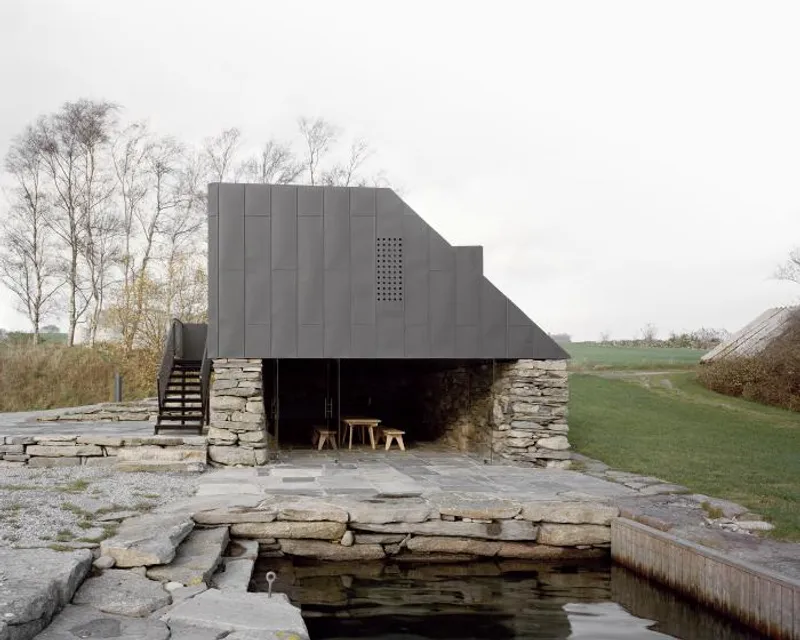
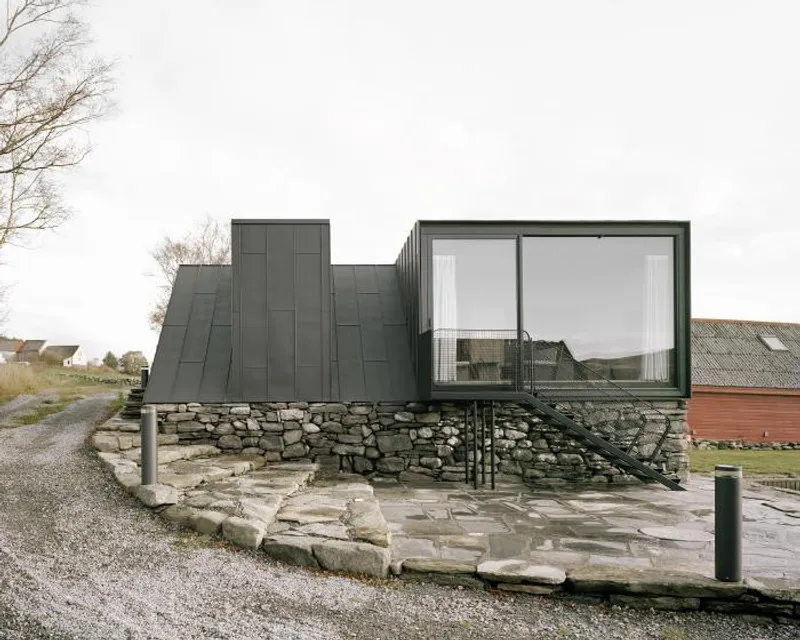
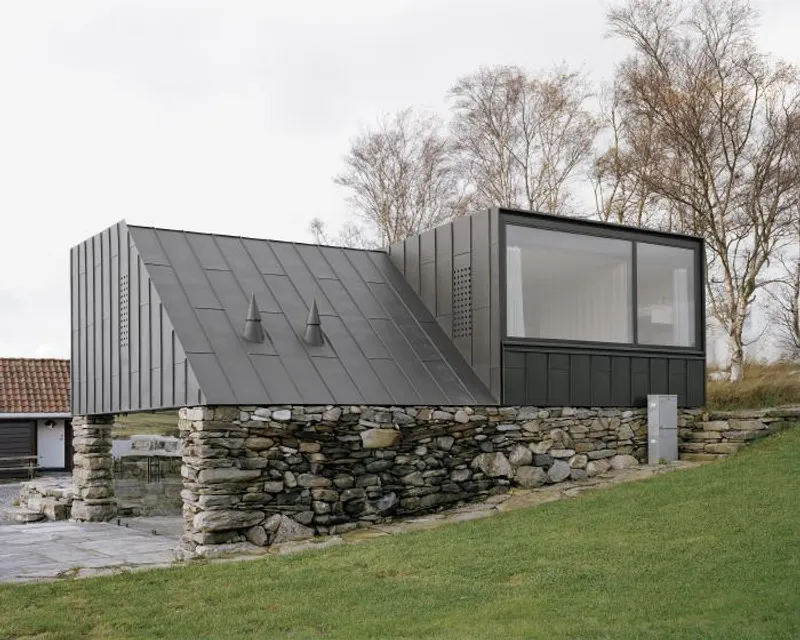
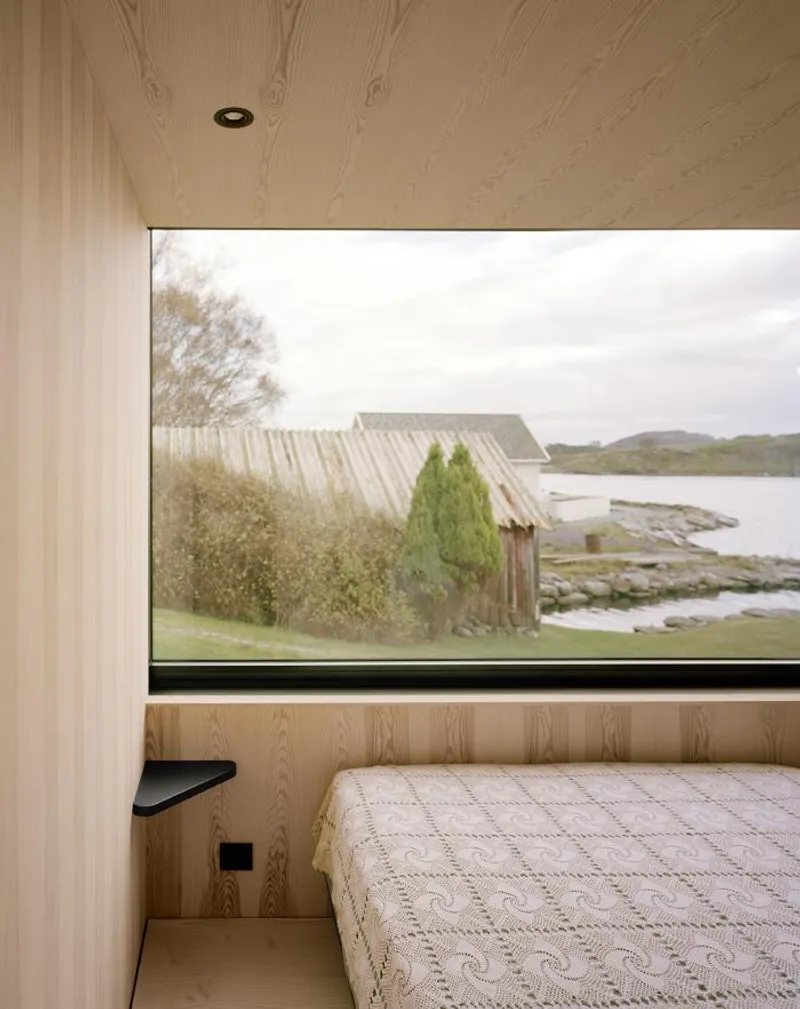
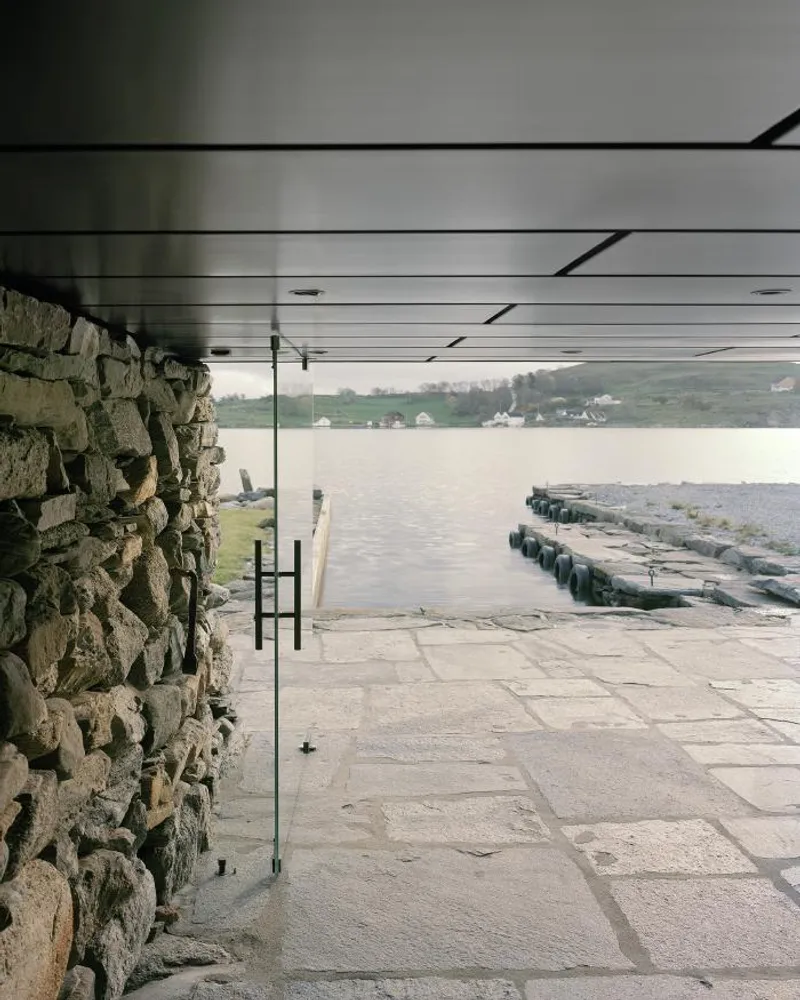
One of the defining aspects of these coastal buildings is their unique foundation. Built with local stones, each boathouse exudes a distinct character, perfectly harmonizing with the surrounding landscape. The stone walls, built with exceptional craftsmanship, provide stability and give the buildings a sense of belonging to the very place they stand on.
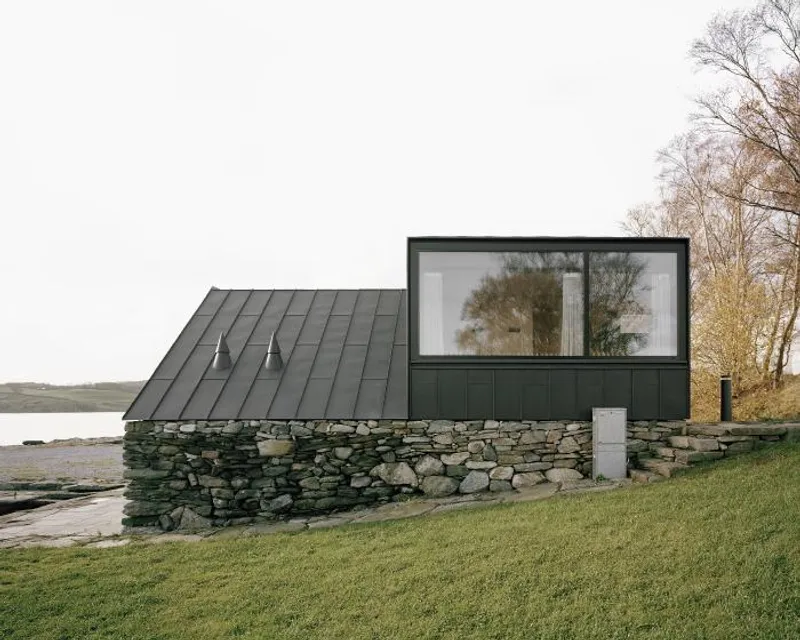
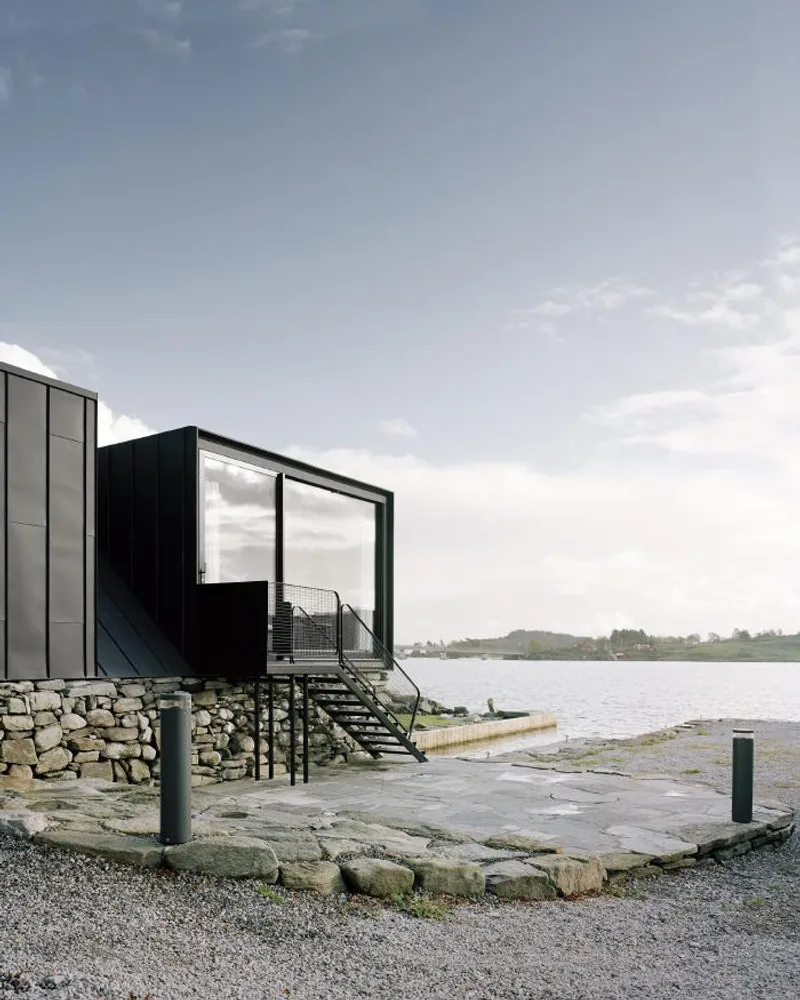
To maintain the boathouse's authentic essence, the new superstructure embraced the original low roof angles and omitted roof overhangs, closely replicating the geometric expression of the old boathouses in the region. The choice of oxidized zinc for the cladding brought a natural, matte black finish without the need for varnish or paint. This durable material not only complements the gray tones of the old walls but also withstands the harsh coastal climate.
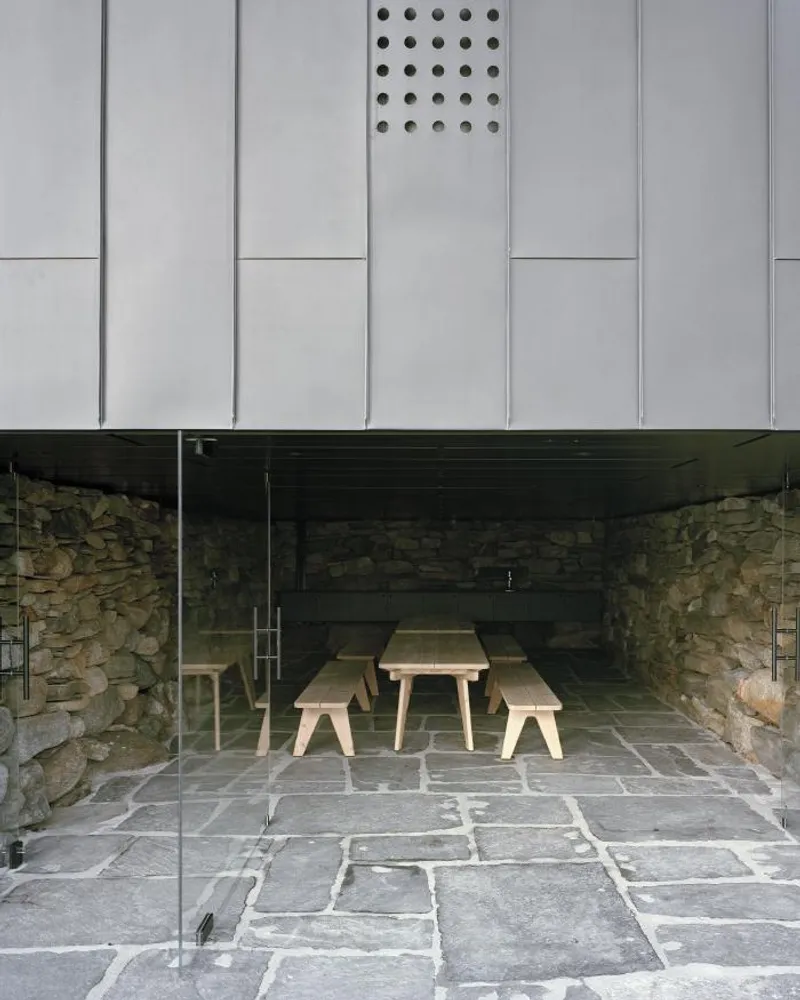
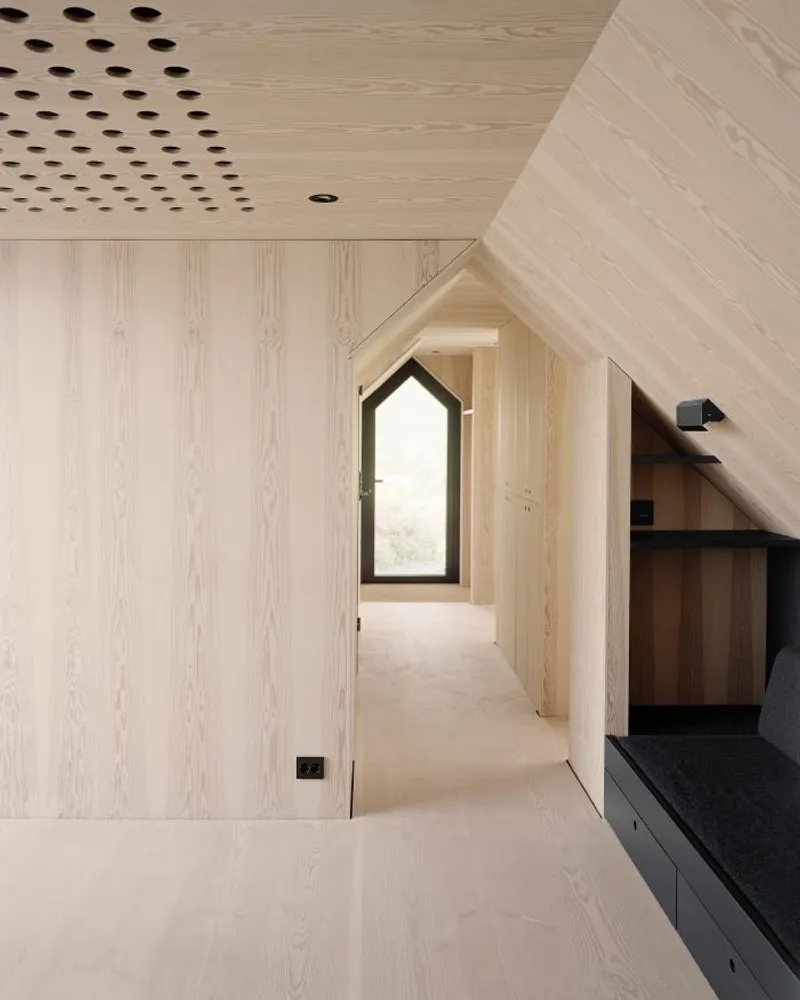
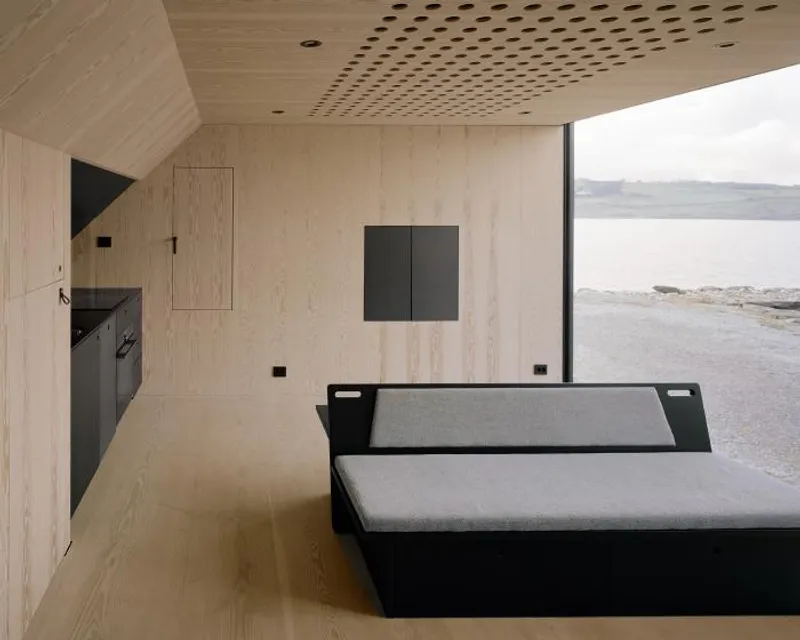
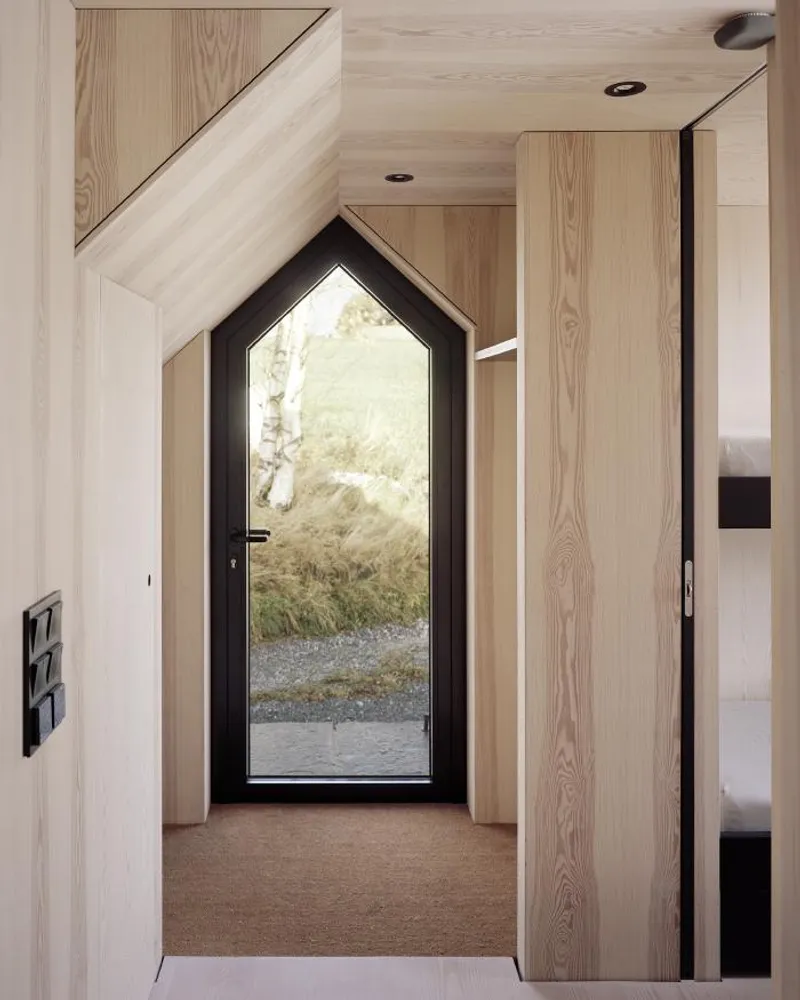
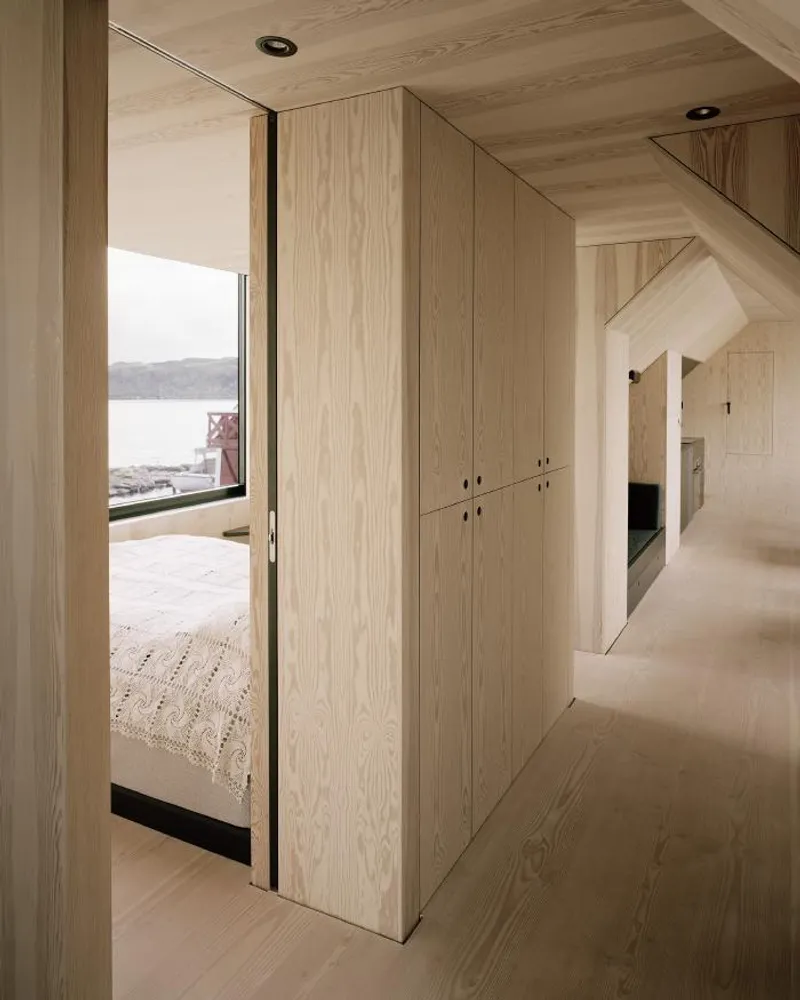
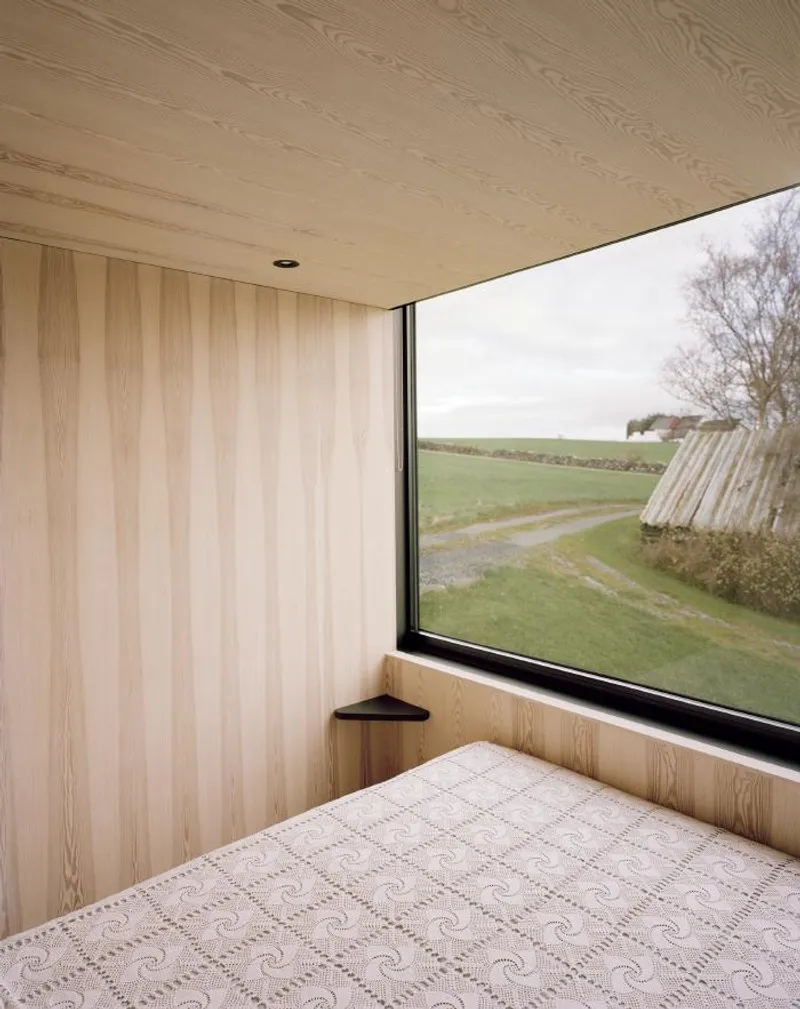
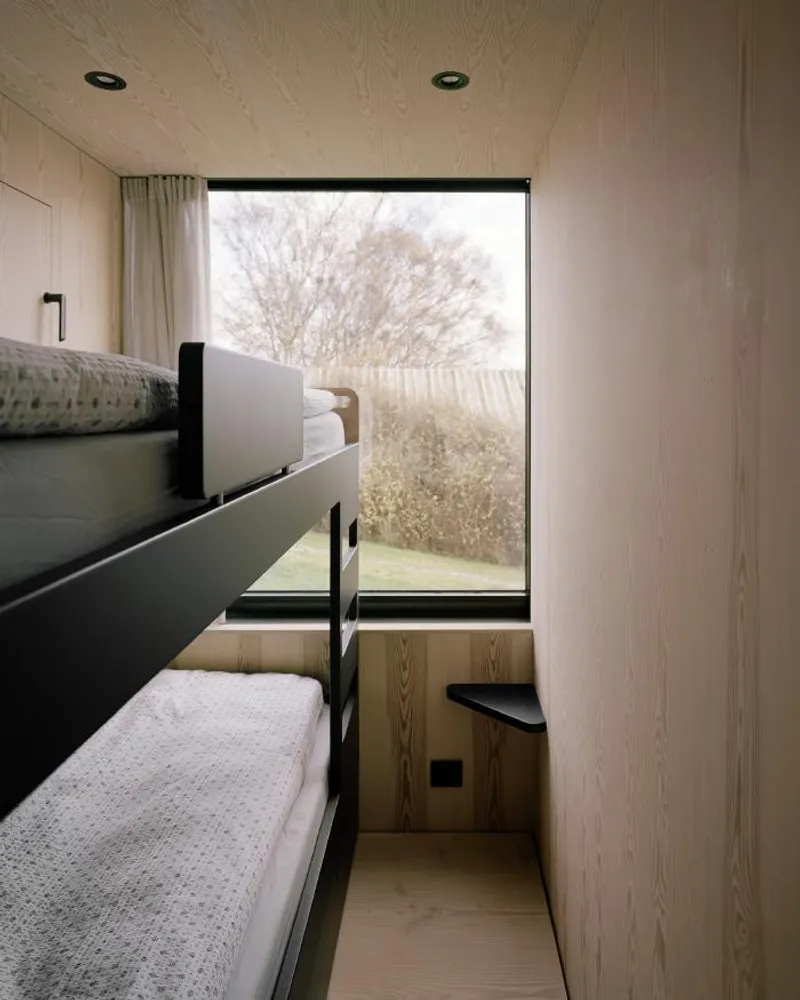
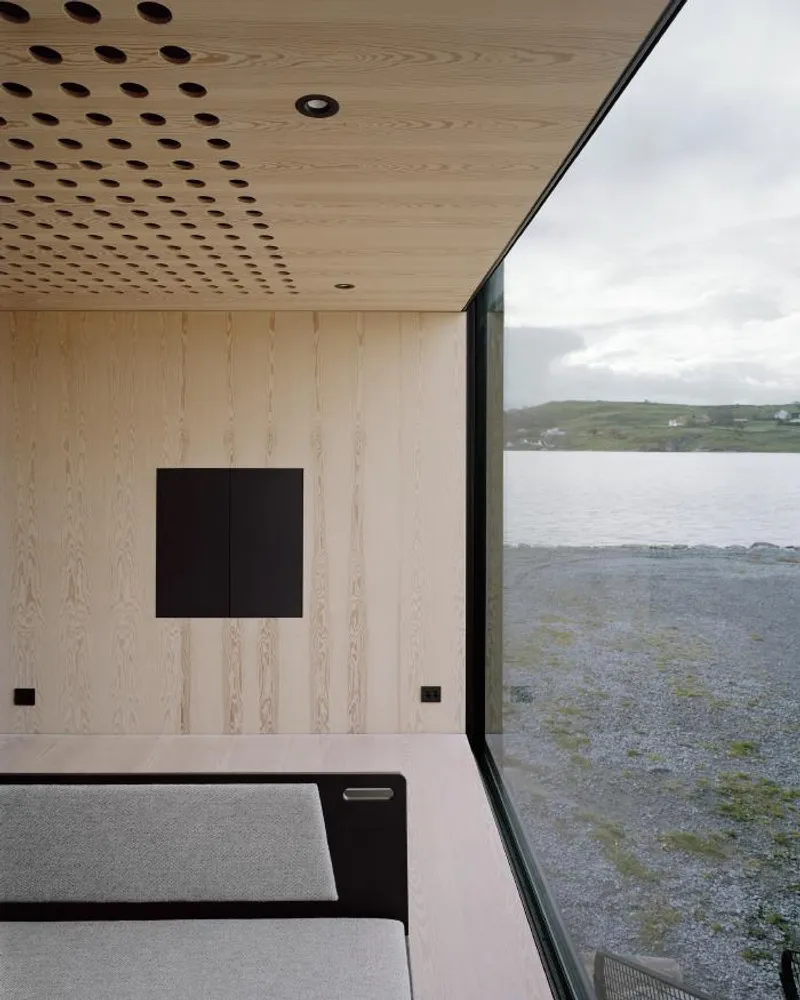
The interior of the new superstructure is predominantly crafted from wood, following the tradition of the local boathouses. Strong glass doors were strategically placed to allow spring tides to enter the building without causing damage. The bespoke furniture, designed exclusively for the project, adds to the cohesive blend of tradition and contemporary vision.
Espen's design philosophy, exemplified in the boat house's renovation, presents an intriguing dialogue between the familiar and the modern. The juxtaposition of prehistoric building elements with cutting-edge technologies sparks a profound discussion on architectural values, sustainability, and local identity. This crossroads of tradition and innovation offers architects like Espen an opportunity to explore novel architectural concepts and meanings, rooted in both the past and the future.
In essence, Espen Surnevik's transformation of the historic boat house goes beyond architectural restoration. It serves as a testament to the delicate balance between honoring heritage and embracing modernity. With every thoughtful detail, the boat house stands tall, not only as a holiday retreat but also as a celebration of Norway's rich coastal culture and its timeless architectural beauty.



Popular Articles
Popular articles from the community


Riyadh For All: Intergenerational Urban Design for Active Aging in Rabat
Riyadh For All reimagines urban design in Rabat with intergenerational co-living, adaptive courtyards, and Moroccan cultural exchange today.

The Earth Pod: 3D Printed Homes for Resilient Refugee Communities
The Earth Pod reimagines refugee housing through 3D printed homes made from clay, combining resilience, self-sufficiency, and rapid shelter.

Play: Fragments of Their World
Familiar architecture becomes modular playground design, creating safe spaces where displaced children can learn, connect, imagine and play.

Co-life: Sustainable Architecture for Age-Friendly Community Living
Co-life reimagines sustainable architecture for seniors through courtyards, rammed earth, shared gardens, and spaces designed for belonging.

Similar Reads
You might also enjoy these articles
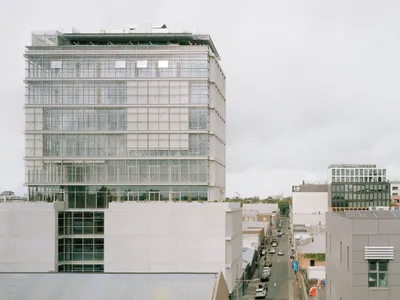
116 Rokeby Building, Collingwood
Sustainable Collingwood office building featuring double-skin façade, natural ventilation, rooftop amenities, and carbon-neutral design focused on wellbeing and longevity.
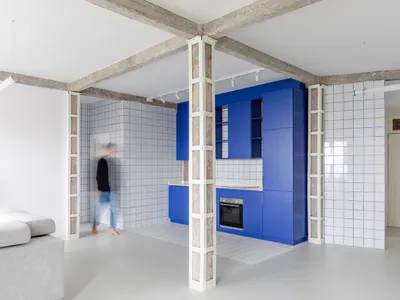
Contemporary Apartment Renovation in Spain: RV House by BIAN Opens Up to the Sea
A minimalist 1930s apartment in Santander is transformed into a flexible, sea-facing home through contemporary Spanish renovation.
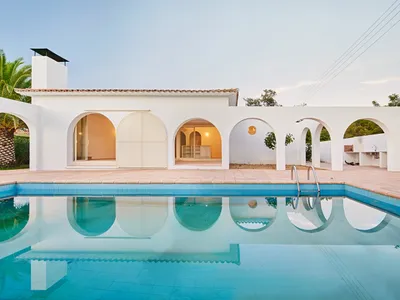
3 Marías House: A Contemporary Mediterranean Courtyard Retreat by Bajet Giramé + Burckhardt
Mediterranean courtyard home blending traditional architecture with modern design, terracotta flooring, flexible interiors, sustainable climate strategies, and garden integration.
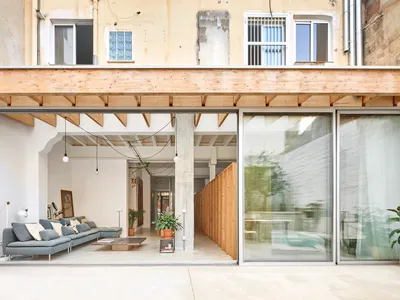
NZ10 Apartment by auba studio: Adaptive Reuse in Palma de Mallorca
Adaptive reuse apartment transforms bakery into light-filled home with patios, privacy layers, and wood interiors enhancing urban living experience.


Explore Architecture Competitions
Discover active competitions in this discipline



Challenge to reimagine the Iron Throne


Photograph architecture without architects


Illustrate the lost glory of Angkor Wat - Render Challenge


Design challenge to reuse E-waste
Comments (0)
Please login or sign up to add comments
No comments yet. Be the first to comment!